Photographs Of Life In Pre-Soviet Russia

This slideshow requires JavaScript.

From a photographer-centric website called Lens Culture, this photobook review of a collection called Nostalgia helps us visually ponder a now forgotten world through a particular lens:

Nostalgia: The Russian Empire of Czar Nicholas II Captured in Color Photographs

photographs by Sergei Mikhailovich Prokudin-Gorskii Continue reading

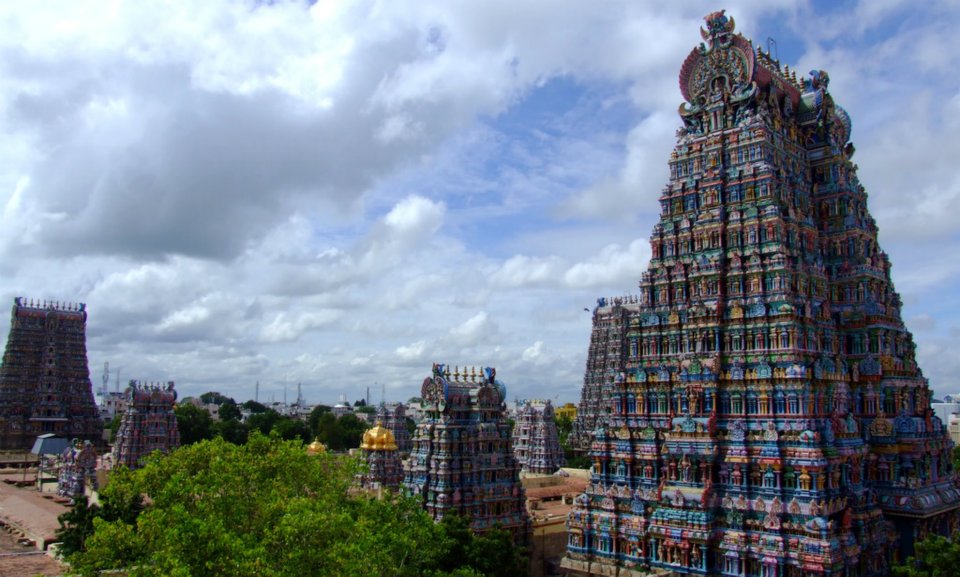
Madurai Meenakshi Temple

Photo credits: Ramesh Kidangoor

Photo credits: Ramesh Kidangoor

Located on the banks of the Vaigai River, Madurai is the oldest city in Tamil Nadu with an historical legacy over 2500 years old. The famous Meenakshi Temple dominates the city, which evolved around it. The architecture is purely Dravidian but there is an amalgam of many styles dictated by many dynasties as the temple changed hands many times. Continue reading

Bekal Fort

Photo Credits: Ramesh Kidangoor

Photo Credits: Ramesh Kidangoor

Located in the northern part of Kerala in the Kasaragod District, the 17th century Bekal Fort is one of the largest and best preserved forts in the state. This imposing circular laterite structure rises 130 ft above sea level and stands on a 35-acre headland that juts into the Arabian Sea. The fort consists of a centrally located 30 foot high observation tower, which affords a grand view of the blue sea and the green palm forest. There are underground tunnels leading to the Sea. Continue reading

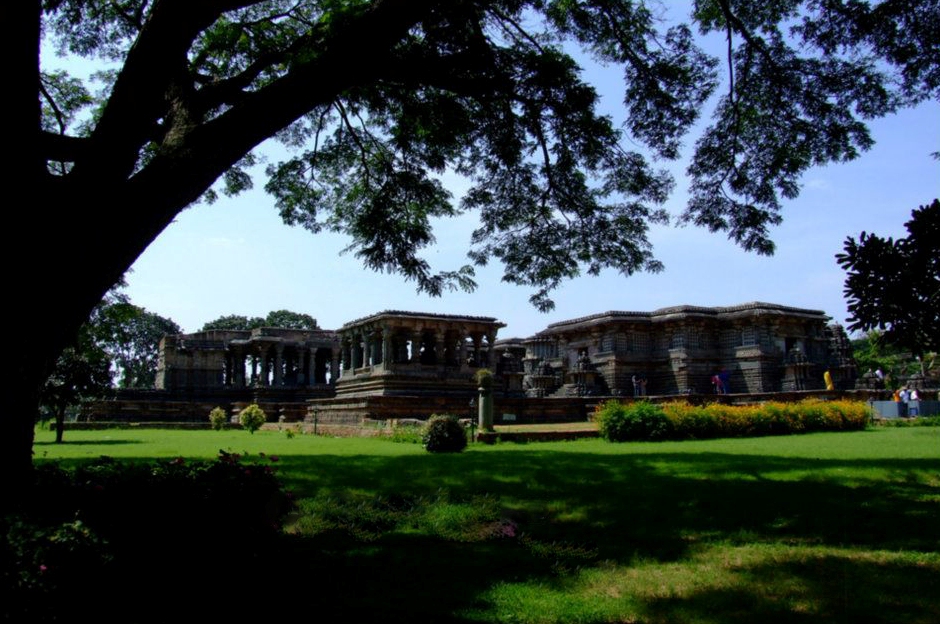
The Hoysaleswara Temple – Halebidu, Karnataka

Hoysaleswara Temple

Hoysaleswara Temple

The Hoysaleswara Temple was built by “Kettumalla” one of the ministers of King Vishnuvardhana during 1121 A.D. It is believed that it took nearly a century to complete the temple, there are still some unfinished portions.The ground plan is the characteristic star shape common to all Hoysala Temples. Continue reading

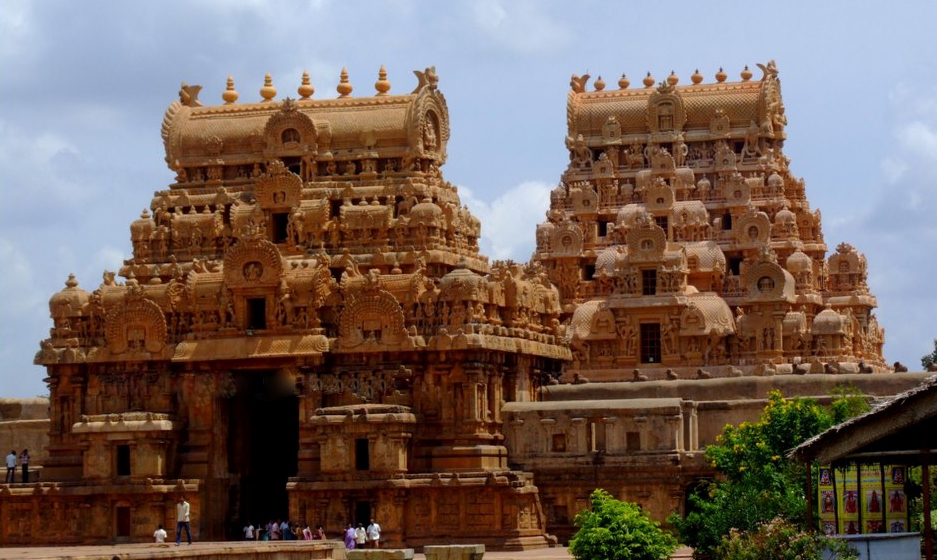
Thanjavur Memorial Shrines And Nandi Mandapa

Photo credits: Ramesh Kidangoor

Photo credits: Ramesh Kidangoor

The temples and shrines at Thanjavur are amoung the finest examples of South Indian architecture of the late Chola period. Dedicated to Lord Shiva, the Breehadishwara Temple is considered the greatest single undertaking of its time, taking almost 15 years to complete the  full structure. Continue reading

Kochi’s Foodways Celebrated

Joan Nathan's Cochin Coriander-Cumin Chicken for Passover, adapted from Queenie Hallegua and Ofera Elias - cooked and styled by Andrew Scrivani  NYTCREDIT: Andrew Scrivani for The New York Times

Joan Nathan’s Cochin Coriander-Cumin Chicken for Passover, adapted from Queenie Hallegua and Ofera Elias – cooked and styled by Andrew Scrivani NYTCREDIT: Andrew Scrivani for The New York Times

We are always pleased to see Raxa Collective’s hometown in the news, but especially when the coverage focuses on cultural history in the part of town where we are developing a new property. Fort Kochi’s harbor area, including Bazaar Road where Spice Harbour (a waterfront hotel opening later this year, more on which in a future post) is located and where the spice trade is centered, completes the domestic route of the Malabar Coast’s spice trade. Spices are grown throughout the Western Ghats, they make their way down to sea level for transport in the coastal backwaters, and a large percentage end up on Bazaar Road where merchants, traders, godown (warehouse) keepers and others prepare them for shipment.  This has been the way of the spices for millennia, though Fort Kochi’s harbor has played its role in the spice route only in recent centuries. The New York Times writer Joan Nathan describes a culinary-religious heritage motivation for her visit here (minutes from our office location):

KOCHI, India — Dreaming of spices described in the Book of Kings, I came to this southern port city built in the 14th century to learn about its longstanding but tiny Jewish presence and its food, which some believe dates back to the time of the Bible. Continue reading

If You Happen To Be in New York City

This slideshow requires JavaScript.

From today until May 19 the New-York Historical Society will begin hosting a multi-phased exhibition of Audubon‘s early, exuberant period as an illustrator-naturalist:

Audubon’s Aviary: Part I of the Complete Flock

To celebrate the sesquicentennial of the New-York Historical Society’s purchase of the Audubon avian watercolors and the the release of the lavishly illustrated book Audubon’s Aviary: The Original Watercolors for “The Birds of America”―published by the New-York Historical Society and Skira/Rizzoli and winner of a 2013 New York Book Show Award Continue reading

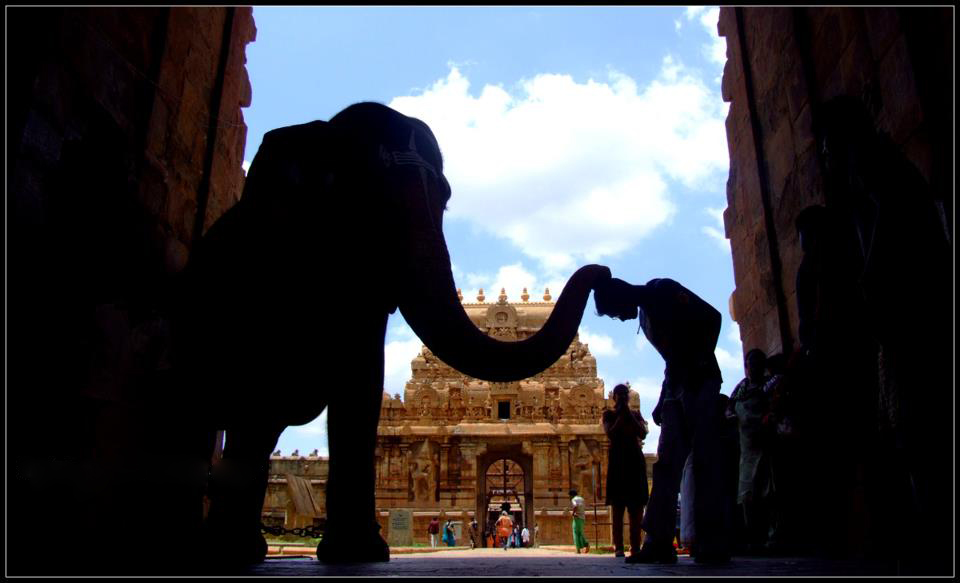
Elephant Blessing – Thanjavur Brihadeeswarar Temple

Photo credits: Ramesh Kidangoor

Elephants are important part of many temple ceremonies and festivals in India especially in the southern states. Frequently the temple elephant carries the idol of the Lord Ganasha and walks in procession around the temple grounds to receive offerings and give blessings in return by placing the trunk gently on the devotee’s bowed head. Continue reading

Temple Art – Sculpted Panels

Photo credits: Ramesh Kidangoor

The history of  worship in Indian is difficult to chronicle with certainty because the recorded history depends on oral traditions handed down through generations. Hindu religion is beautifully preserved in southern India. The art of temple building made its transitions from temporary structures in wood to more enduring stone edifices that have stood through the ravages of time. Continue reading

The Tate Modern Happens To Be In Kochi

Only 24 Days left for the Kochi-Muziris Biennale 2012.

Nada Raza, writer and curator currently working at the Tate Modern in London, speaks about the site-specificity of the works and how history and culture plays a huge part in the works exhibited at the Kochi-Muziris Biennale.

Take her advice and be there!

Kerala Temple Festival – Ettumanoor

Photo credits: Ramesh Kidangoor

The Siva Temple at Ettumanoor has a unique festival called Ezhara ponnana — meaning “seven-and-a-half golden elephants”. Each of the statues in the procession contain nearly 13 kg of gold.  Seven of the elephants are two feet high, only the eighth is one foot, giving the festival its unique name.  Continue reading

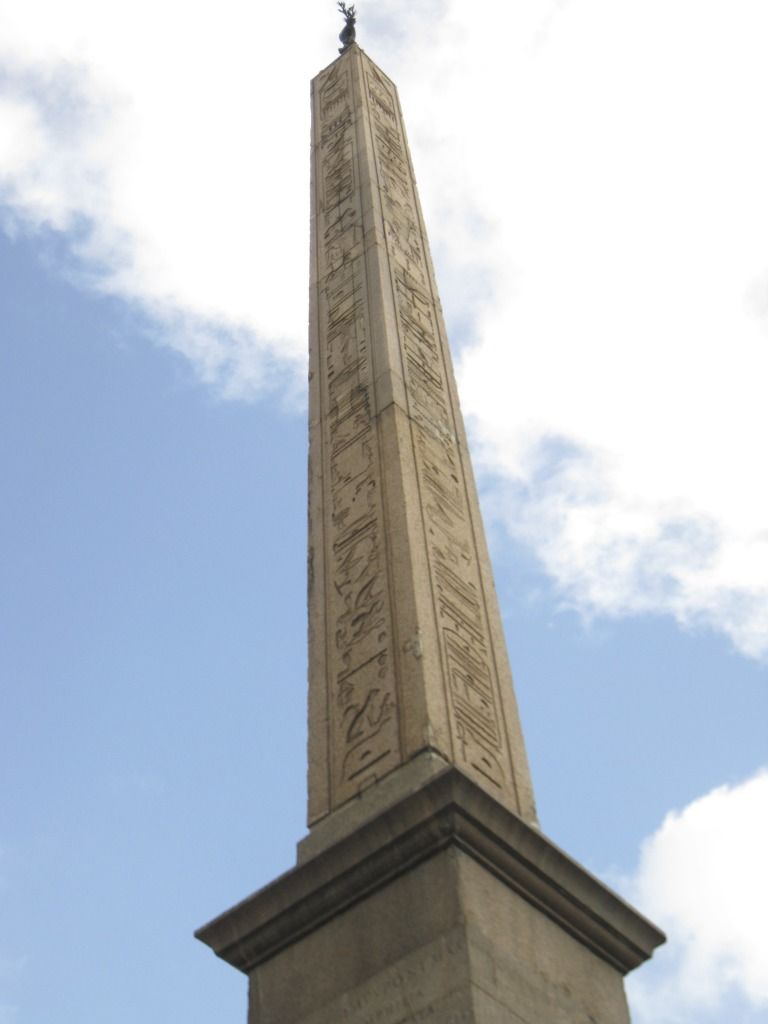
Obelisks in Rome

The Obelisk at Piazza Navona

Rome is renowned for (among many other, er, more important things) its vast “collection” of obelisks. These obelisks, most featuring hieroglyphics running their length, typically came to Rome through conquests in Egypt. Victorious generals and emperors Continue reading

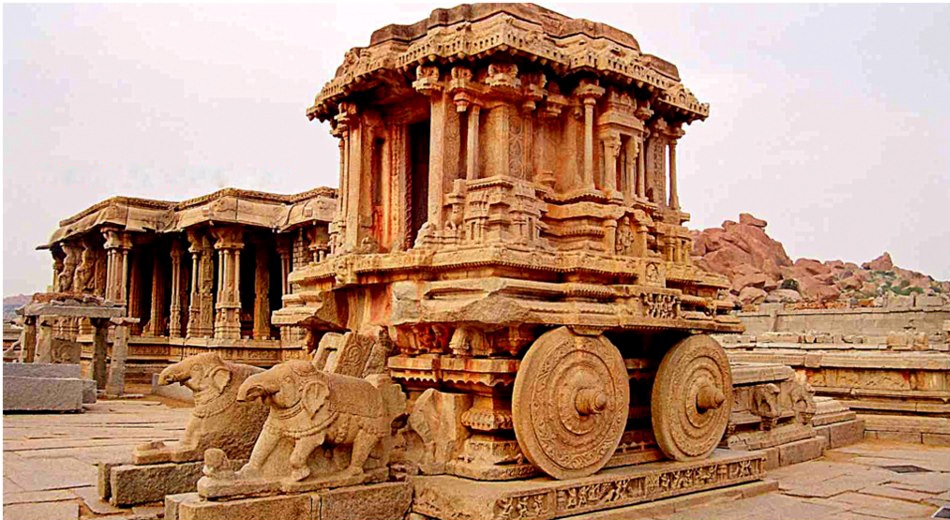
Hampi Vitthala Temple – Stone Chariot

Photo credits: Ramesh Kidangoor

Standing on the southern bank of the Tungabhadra River, the Vitthala Temple is the most magnificent of the religious edifices at Hampi. Vitthala portrays the aesthetic perfection of the Vijayanagar style during the time of Devaraya-II (A .D. 1422-1446). Continue reading

Teacher Of Teachers In Natural History

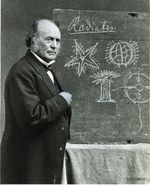
Because of its importance to this idea we work with, entrepreneurial conservation, we pay attention to the history of natural sciences.  We are curious, as individuals and collectively, about how we found our way here. In the Books sections of the New York Times Rebecca Scott reviews the Christoph Irmscher study on the Swiss immigrant scientist Louis Agassiz and his contributions to science–and therefore nature and conservation–in his adoptive country:

Nonetheless, there is no arguing with the claim that Agassiz, a Swiss immigrant, was pivotal to the making of American science. He was “one of the first,” Irmscher writes, “to establish science as a collective enterprise.” He was extraordinarily prolific and influential in many fields, including paleontology, zoology, geology and glaciology. Continue reading

Murals – Kerala’s Temple Art

Kerala’s Temple Art is rich, vibrant and tells vivid stories. Most of Kerala’s temples built during the 15th and 16th centuries have murals depicting gods and goddesses, sages and episodes from Hindu mythology. These are mostly painted on the outer walls of the sanctum sanctorum. Continue reading

Sweet Potato Tango

Ted Aljibe/AFP/Getty Images

Ted Aljibe/AFP/Getty Images

It wouldn’t be the first time that we’ve written about the “Columbian Exchange” on this site. So many of the foods now considered synonymous with “Old World” or “Asian” cuisines are actually endemic to the Americas, and according to NPR’s The Salt “anthropologists think that a few foods made the 5,000-mile trek across the Pacific Ocean long before Columbus landed in the New World.”

Sweet potatoes originated in Central and South America. But archaeologists have found prehistoric remnants of sweet potato in Polynesia from about A.D. 1000 to A.D. 1100, according to radiocarbon dating. They’ve hypothesized that those ancient samples came from the western coast of South America. Among the clues: One Polynesian word for sweet potato — “kuumala” — resembles “kumara,” or “cumal,” the words for the vegetable in Quechua, a language spoken by Andean natives.

But until now, there was little genetic proof for this theory of how the tater traveled. Continue reading

Punctilious Wordplay

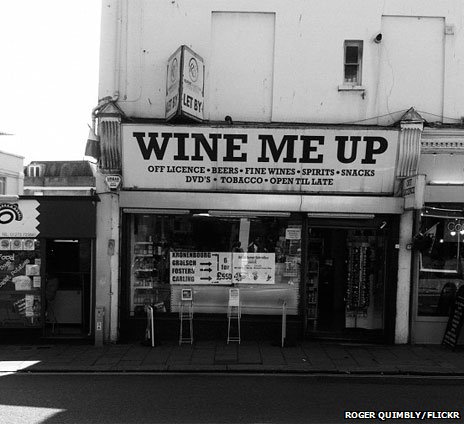
_65455118_pun_rogerquimbly

Wordplay sometimes distracts or diverts attention, on purpose, for the sake of levity.  Other times, such as punning in headlines, the opposite occurs and attention is drawn to something that might otherwise have been ignored or missed. The history of the pun is not as ignoble as an English major might have thought according to this story in the BBC Magazine (click the image above to go to the story):

…”Arrant puns” were the subject of attacks by the likes of Joseph Addison, 18th Century London’s pre-eminent literary tastemaker.  He decried them as debased witticisms and exulted that they had been “banished out of the learned world”. Continue reading

Airavatesvara Temple – Kumbakonam,Tamil Nadu

Photo credits: Ramesh Kidangoor

Kumbakonam (translated roughly from “Jug’s Corner”) is one of the oldest towns in the state of Tamil Nadu. It has unique position in Hindu myth as containing the only temple for Lord Brahma due to the legend that he filled a clay pot with the seed of all living beings on earth. Continue reading

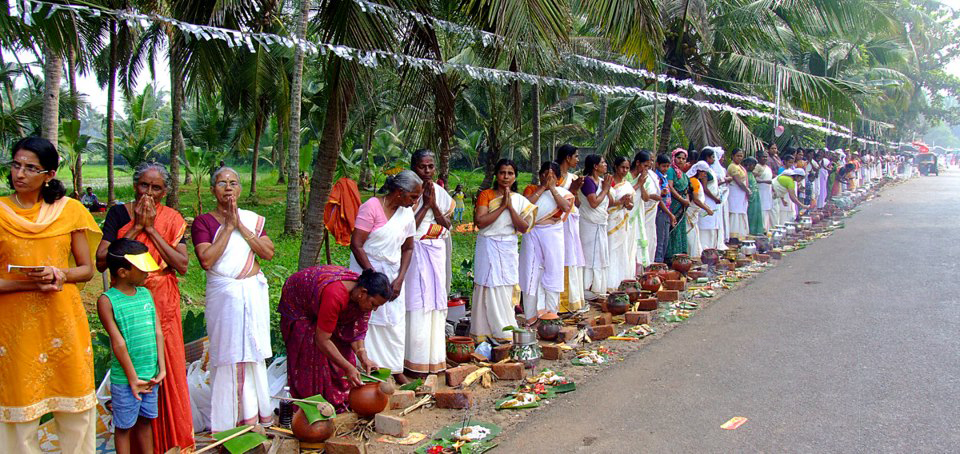
Chakkulathukavu Pongala – Sree Bhagavathy Temple, Alleppey

Photo credits: Ramesh Kidangoor

This festival takes place in Sree Bhagavathy Temple near Alleppey during the month of Vrischikam (November/December) in Kerala’s lunar-based calendar; the time when the glory of the Goddess is at its peak. This is one of the state’s most renowned festivals, where tens of thousands of female devotees gather around the temple days before the function. The women line up on both sides of the main streets and each arranges an area for offering the Pongala (cooking demo) in front of them. Each one brings an earthen cooking pot with rice, coconut and jaggery. Continue reading