Wildlife Santuaries of India–Kanha National Park

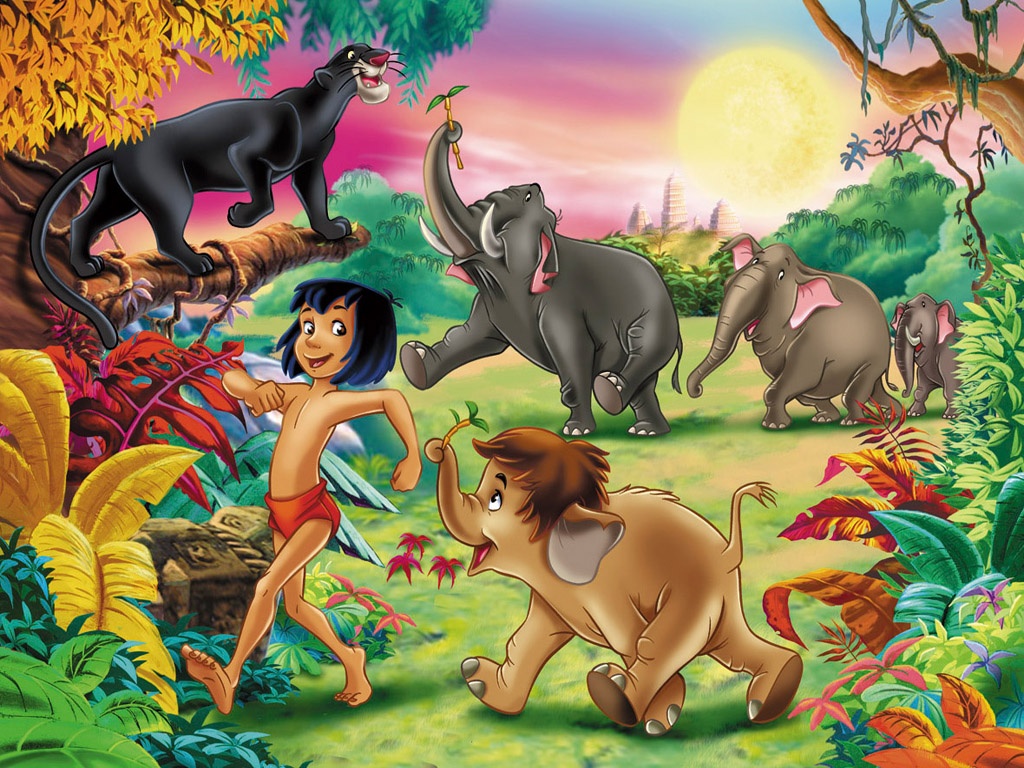
Who doesn’t love the Jungle Book? image © Disney

If you ever feel nostalgic and would like to relive your childhood years, you should consider visiting Kanha National Park in Balaghat, Madhya Pradesh; it inspired the Nobel laureate Rudyard Kipling and served as a setting for The Jungle Book!

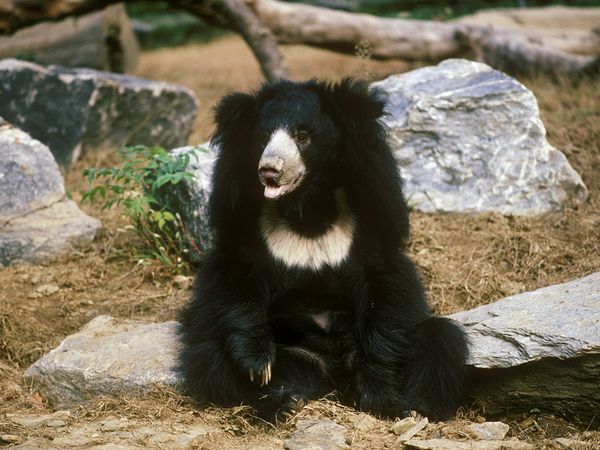
A sloth bear!
Photograph by Zigmund Leszczynski/Animals Animals-Earth Scenes; National Geographic

Kanha is a Tiger Reserve in the Balaghat district of Madhya Pradesh, India

Kanha is a Tiger Reserve in the Balaghat district of Madhya Pradesh, India

This park is known for its abundant population of royal Bengal tiger, leopards, sloth bear, swamp deer, and Indian wild dog. The park’s main flora consists of lush saal, bamboo forests, lakes, streams, and open grasslands. Continue reading

New Biography Of Gandhi

There was an uproar, just around the time that Raxa Collective was forming, over Joseph Lelyveld’s biography of Gandhi.  Many of us were new to India then, and had not understood just how much, how deeply and in how many ways Gandhi meant more than just history to all Indians. The international news coverage seemed as surprised as some of us, but generally did what they were supposed to do in reporting. This newspaper in particular seemed as objective as possible in reporting about the impact of a book that one of its own former editors had authored. Now, another biography, and we look forward to it. Thanks to the New York Times and their India Ink news service:

Ramachandra Guha is one of India’s foremost public intellectuals and historians. “Gandhi Before India,” his first volume of a two-part biography of Mohandas K. Gandhi, was published in India earlier this month. India Ink spoke to Mr. Guha about his decision to work on a biography of Mr. Gandhi, his choice to make Mr. Gandhi’s years in South Africa as the first volume of the biography, and Mr. Gandhi’s journey from a boy in the western state of Gujarat to his return to India as a major political figure. Continue reading

Wildlife Sanctuaries of India–Jim Corbett National Park

Jeep Safari-Jim Corbett National Park

(Picture above is from Corbett National Park‘s official website)

I am going to be doing some brief research and write about each of the 53 Tiger Reserves in India from now on. They are governed by Project Tiger, which is administered by the National Tiger Conservation Authority of India.

Project Tiger was established in 1973 to “ensure a viable population of tiger in India for scientific, economic, aesthetic, cultural and ecological values and to preserve for all time, areas of biological importance as a natural heritage for the benefit, education and enjoyment of the people.” Continue reading

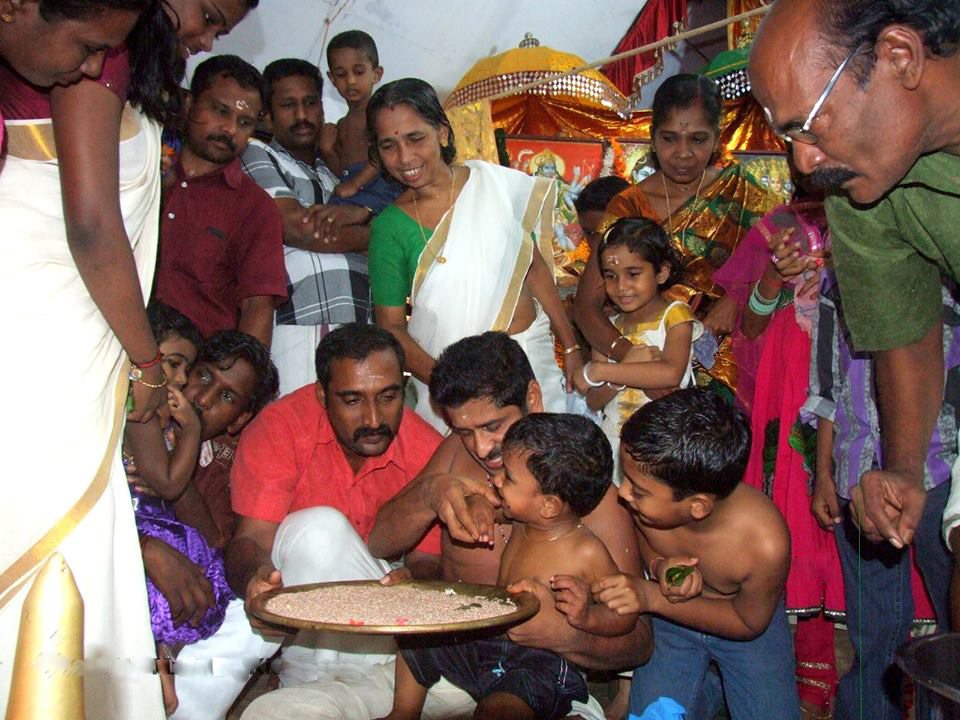
Vidyarambham – Word of Learning

Photo credits : Ramesh Kidangoor

Photo credits: Ramesh Kidangoor

Vidyarambham is a traditional Hindu ritual conducted in the first week of October at the time of Navaratri, Vijayadshami day. Vidyarambham means the beginning of education. The Goddess Sarasvati is worshiped all over the country as the Goddess of learning. Continue reading

Disconnected

A usual day in States starts out with me waking up to the ear-drillingly loud alarm on my Samsung Galaxy, checking my email and Facebook, surfing the web and reading the news. Then I soullessly get out of bed and proceed to breakfast, during which I also constantly fidget with my phone, jotting down everything I need to do for that day and texting my friends, usually to vent about how tired we are and who has gotten less sleep. Then in class, I take notes on my laptop as I constantly browse through my email and simultaneously type things I don’t understand into the Google search bar. As soon as I get out of class, I go back to staring at my phone, browsing through Instagram and Facebook, walking to my next class or lunch. (I have once literally run into a door because I had my head in my phone and didn’t see the door at all.) Bottom line, I am always connected, always online, and always ready to access everything on the Web. A ridiculous amount of my life is consumed by my phone and my laptop.

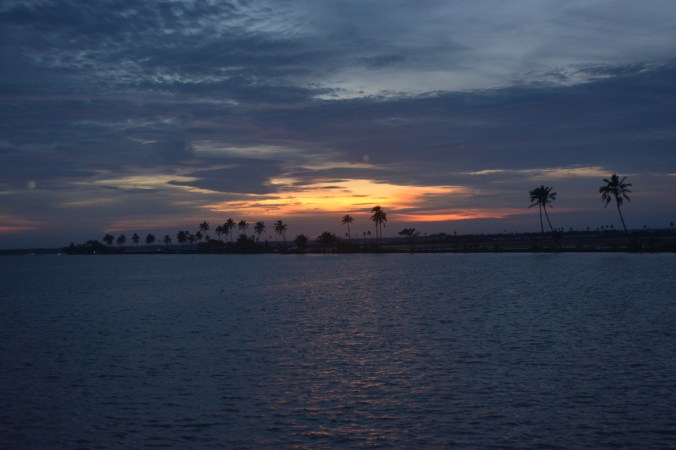
However, on my second day in India, I went on a houseboat—my fellow intern Jake has written about it a few posts back—and it did not have Wifi! I felt disconnected and nervous. I cannot even remember the last time I didn’t have access to Internet or my phone. After a couple of hours, I simply didn’t know what to do with myself. I didn’t even have music to listen to since I always stream it from Spotify or Youtube. In hopelessness, I lay down on the cushioned sun deck, hoping to take a nap, which would kill some time. So I sat there, directionlessly looking into the backwaters, the rice farms, and the tiny villages clustered up in the narrow grounds next to the river. I watched little naked boys taking a bath in the river and running away in embarrassment as they saw me staring at them on the boat. I also watched the birds hover right on top of the river surface, meticulously and gracefully snatch the fish out of the water, and fly away gobbling it down. I watched the sun slowly setting, painting the whole sky orange and pink with its radiance.

Before I knew it, it was pitch black outside and we were called down for dinner. Continue reading

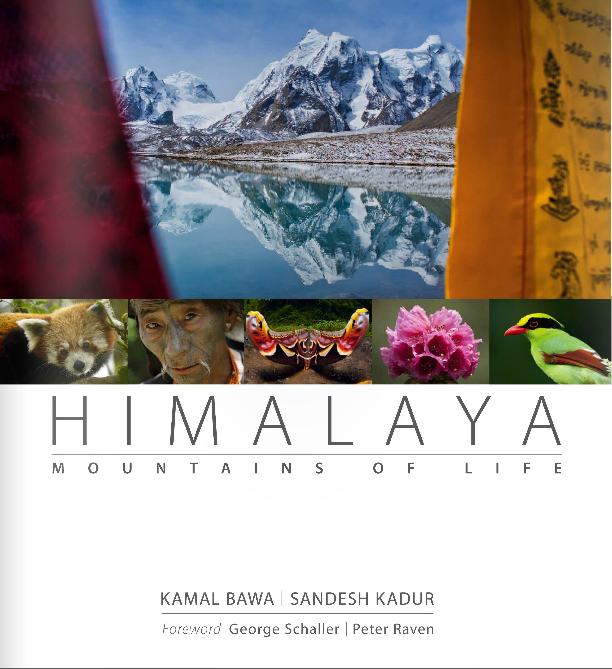
Photographer + Professor + Himalayas = Collaborative Book

The blurb is enough to get our attention, but the images on the book’s website (click the image above to see) make the journey palpable:

The Eastern Himalaya—land of Gods, of ancient mountain kingdoms, of icy peaks and alpine meadows—is like no other place on Earth. The life and landscapes of the region are as diverse, spectacular and fragile as the mountains themselves. Even today, these mountains hold many mysteries: unnamed species, primeval cultures and the promise of magical cures to heal all of humanity. Himalaya—Mountains of Life takes us on a journey of biocultural discovery, from the great canyon of Yarlung Tsangpo and the Siang Gorge in the east to the Kali Gandaki Gorge in the west. Along the way, Himalaya demonstrates through breathtaking imagery and words, why the preservation of this heritage is so important—not just for us, but for the future of all life on Earth. Continue reading

Life as a House(boat)

Our house... boats

Our house… boats

This past week the new intern (EJ) and I got the chance to try out Raxa Collective’s collection of overnight houseboats (River Escapes for those interested) on the serene backwaters of Kerala.  With an influx of water hailing from the Ghats, these backwaters are the lifeblood of a significant portion of Keralan rice farmers; generations upon generations of these farmers have mastered their craft in a terrifically unique environment , and thus, a magnificently odd community unlike anything you would ever see state-side has emerged upon the banks of these backwaters.

Continue reading

Incredible India!

As countries go, India is just about as varied as they come. With a history of people coming here to either lose themselves or find themselves, it’s simultaneously colorful, soulful and gritty.

This offering by the Indian tourism board will take your breath away!

Tourism Event in Thekkady

Entrance to the Tourism Event

Entrance to the Tourism Event

This past weekend Cardamom County was the venue for a Thekkady Destination Promotion Council (TDPC) event to promote the activities available in Thekkady and Kumily. At first I thought it was just going to be like other conference events I had witnessed in my 3 months here, but I soon realized I was wrong. The first evidence of my misconception came when someone asked me if I was coming early to see the elephants before the guests arrived.  I was completely surprised by the question but of course I responded, “yes!” quite aware that this event was becoming a lot more interesting than I had previously thought. Continue reading

First Impressions of India

A hazy Kochi view

A hazy Kochi view

Thirty hours of rigorous travel and claustrophobic flights could not prepare me for an equally strenuous culture adjustment; however, that is the appeal of being a Western foreigner today — the luxury of being able to experience contrastingly different ways of life should not be squandered, rather embraced positively — here is a chance to engage in a learning experience unparalleled by classrooms in a university.

It is always amusing to me that even before arriving in a particular foreign destination, airlines attempt to mediate “culture adjustment” by serving airplane-food versions of that culture’s culinary specialty; I actually regret not taking a picture of said “food,” but I am sure it is not hard to imagine the quality.

Continue reading

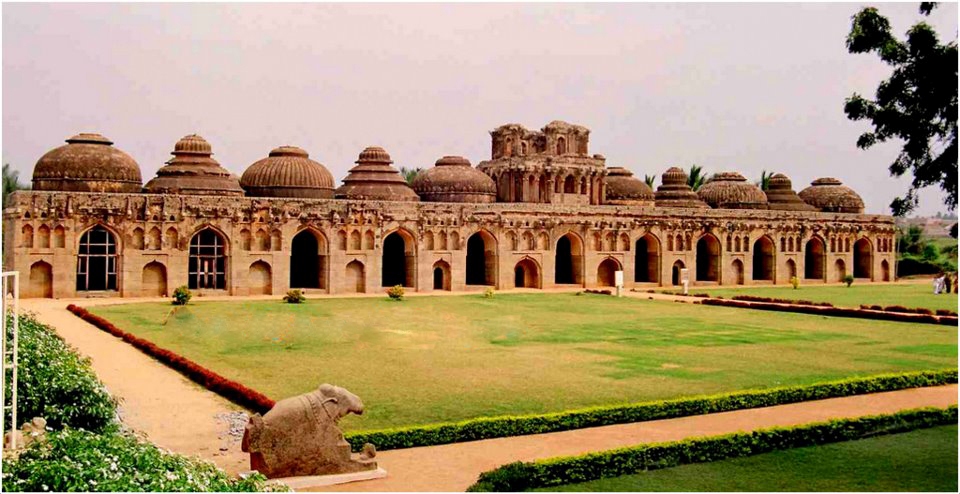
Elephant Stables – Hampi, Karnataka

Photo credit : Ramesh Kidangoor

Photo credit: Ramesh Kidangoor

The Elephant Stables are located in the UNESCO World Heritage city of Hampi in Karnataka. This long structure was constructed with majestic openings for the resting places of the royal elephants. The open area in front of the of the building was a parade ground for the elephants. The Elephant stables with their lofty domes and arches is synthesis of Hindu and Islamic forms.

Gandhi Jayanthi

Mahatma Gandhi

Mahatma Gandhi

Gandhi Jayanthi honors the birth anniversary of Mahatma Gandhi annually on October 2nd. Known as India’s unofficial “Father of the Nation”, Mahatma Gandhi was a national icon who led the struggle for India’s independence from British colonial rule. Continue reading

Gandhi’s Deep Ecology

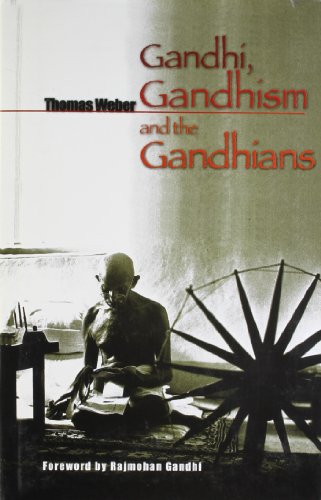
Among the many writings about Gandhi, Thomas Weber’s books seem to be held in esteem in India, with the book to the right being the most recent:

Mahatma Gandhi and his philosophy of truth and non-violence have intrigued the world for decades. Looking at the Western and Indian influences that had gone into making Gandhi the Mahatma, and the central importance of Gandhi to non-violent activism, these essays reclaim the power of truth and non-violence, which can still change the destinies of people and nations. In this collection, Weber discusses Gandhi, his ideology, and how India and the rest of the world is interpreting and reinterpreting the Mahatma. The doctrine of conflict resolution theory, new environmentalism, peace research, deep ecology, and Buddhist economics based on Gandhian principles renews the world`s belief in Mahatma and his teachings for our lives and our times.

One of the most visible and active Gandhi-focused websites posted an essay by Weber* about Gandhi’s influence on what eventually came to be known as deep ecology, and that seems a fitting reference on our site to commemorate this year’s birthday, which is also a national holiday in India.  A few snippets: Continue reading

Happy Birthday, Mahatma, And Thanks Also For The Mangos

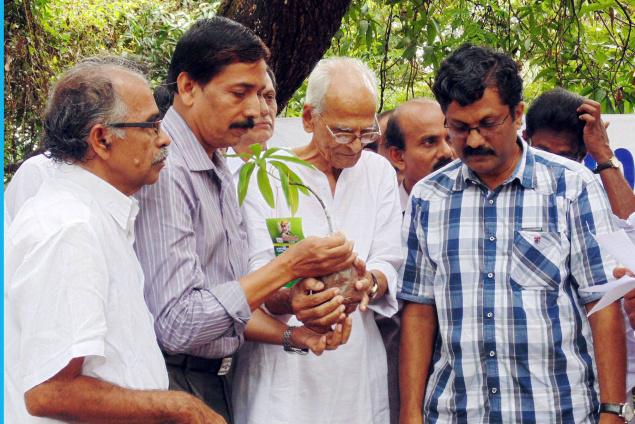
The freedom fighter Appukuttan Poduval handing over mango tree grafts cultivated from shoots of the historic mango tree planted by Gandhiji at Payyannur in 1934.


Nonviolence. India. Artisanal salt. Artisanal everything else. Among the many reasons to celebrate his birthday today, Raxa Collective is pleased to have learned and is happy to share:

Planting saplings grafted from twins detached from a Malgoa mango tree planted by Gandhiji at Payyannur nearly eight decades ago is a novel way of celebrating Gandhi Jayanthi. Continue reading

Kamal Mahal – Hampi, Karnataka

Photo credit : Ramesh Kidangoor

Photo credit: Ramesh Kidangoor

Hampi is a World Heritage Site village located on the southern bank of the river Tungabhadra in Karnataka. Kamal Mahal is one of Hampi’s secular or non-religious structures  Its unusual design blends elements of Muslim and Hindu architecture. The building’s function is not exactly known but the quarters are believed to have been used by Hampi’s female guards.

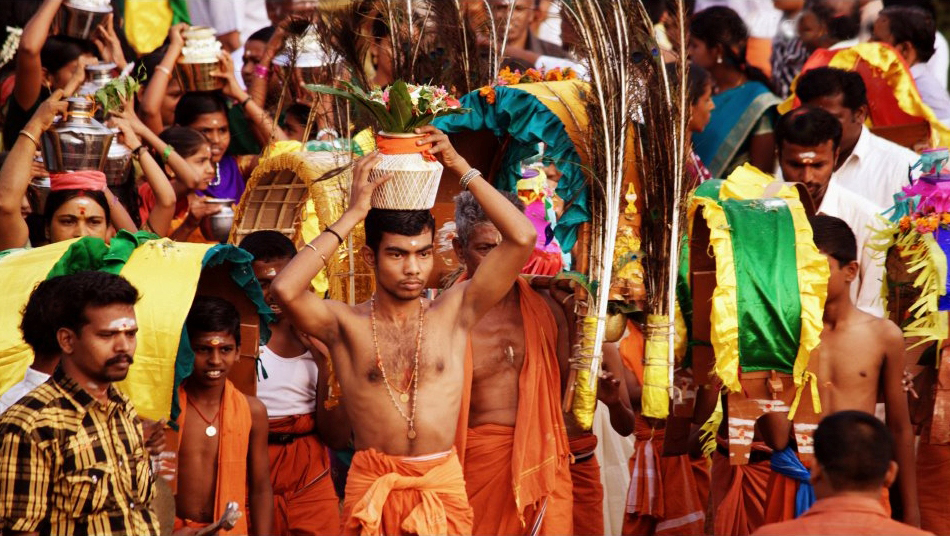
Murugan Kavadi

Photo credits : R R Ranjith

Photo credits: R R Ranjith

The Kavadi festival is celebrated at all the shrines of Lord Murgha, the second son of Lord Shiva and Goddess Parvathi. The Kavadi is a short wooden pole supporting 2 bent pieces of steel or wood with two baskets at each end. Devotees carry this structure that can weigh up to 30 kilos across their shoulders. Continue reading

Helping Kerala: Transatlantic Collaboration

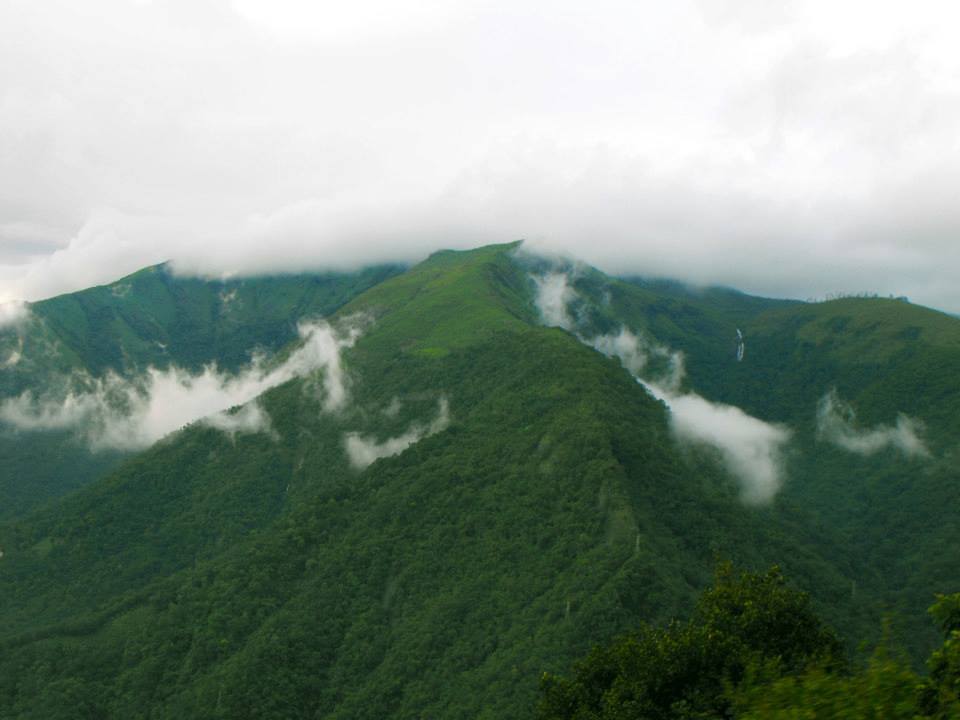
Western Ghats

Western Ghats

Kerala State Biodiversity Board (KSBB) has recently joined with the University of Alabama (UA) in Huntsville to help improve Kerala’s landslide alert system and the conservation of the Western Ghats. Both projects are currently in the development phases for testing, but implementations of such projects in Kerala could have profound and lifesaving affects. According to an article in The Hindu, a landslide alert system would be able to help predict landslides and give advanced warning to the authorities in the area.

Placed one kilometer apart above ground, the sensors, which cost about $300 each, register ground movement and record rainfall and soil moisture. The data is transferred to an off-site computer hosting a software model that provides advance warning of a landslip.

If testing proceeds, KSBB would place this system first in the Idukki district, an area known for having multiple landslides during the monsoon season. Predicting landslides in this area can save hundreds of lives, but this landslide alert system is not the only project in development that involves the UA and the KSBB working together to protect this region.

Continue reading

ISKON Temple – Bangalore, Karnataka

Photo credits: Dileep

Photo credits: Dileep

The Sri Radhakrishnachandra Temple in Bangalore is part of the International Society for Krishna Consciousness (ISKON). It attracts visitiors from different parts of the world that include spiritual devotees and students of architecture. Sri Radhakrishnachandra temple is one of the largest ISKON temple in the world. The gopurams were made with special technology using ferro cement. Continue reading

Vinayaka Chathurthi – 2013

Photo credits : Ramesh Kidangoor

Photo credits: Ramesh Kidangoor

Vinayaka Chathurhi is celebrated throughout India by Hindus with a great enthusiasm on the birthday of Lord Vinayaka (Lord Ganesha) the elephant-headed son of Lord Shiva and Goddess Parvathi.  This year Chathurhi fell on September 9th. Continue reading

India’s Recycling Communities

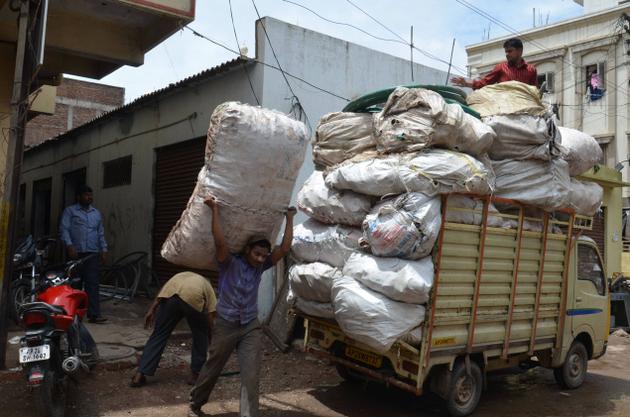
Scrap waste collected in Bholakpur Photo Courtesy of The Hindu

Scrap waste collected in Bholakpur
Photo Courtesy of The Hindu

What happens to obsolete computer or the animal skins from meat factories?

The majority of people couldn’t answer whether these items are recycled or landfilled. A recent article in The Hindu gives some insight into what happens to these items in Bholakpur, a small area of Hyderabad, and it is a surprisingly important industry. Much of what might be considered trash in the Hyderabad area plays an important role in in the community being recycled by families, and resold on the secondary market.

Once inside (Bholakpur), the animal skins go to one of the 200 skin processing units and the plastic and iron scrap to one of the 500-odd plastic or 300-odd iron scrap dealers. There it is sorted and either cleaned up and resold, or ground, melted and transformed into raw material for industrial use. Thus giving new life to waste and also earning a living for the people involved in the process. This includes over 60 per cent of the ward’s 36,000 voter population.

These recycling communities don’t just exist in the Hyderabad area, but also in many of the large metropolitan areas in India. Continue reading