The BIG Backwater Conservation Story

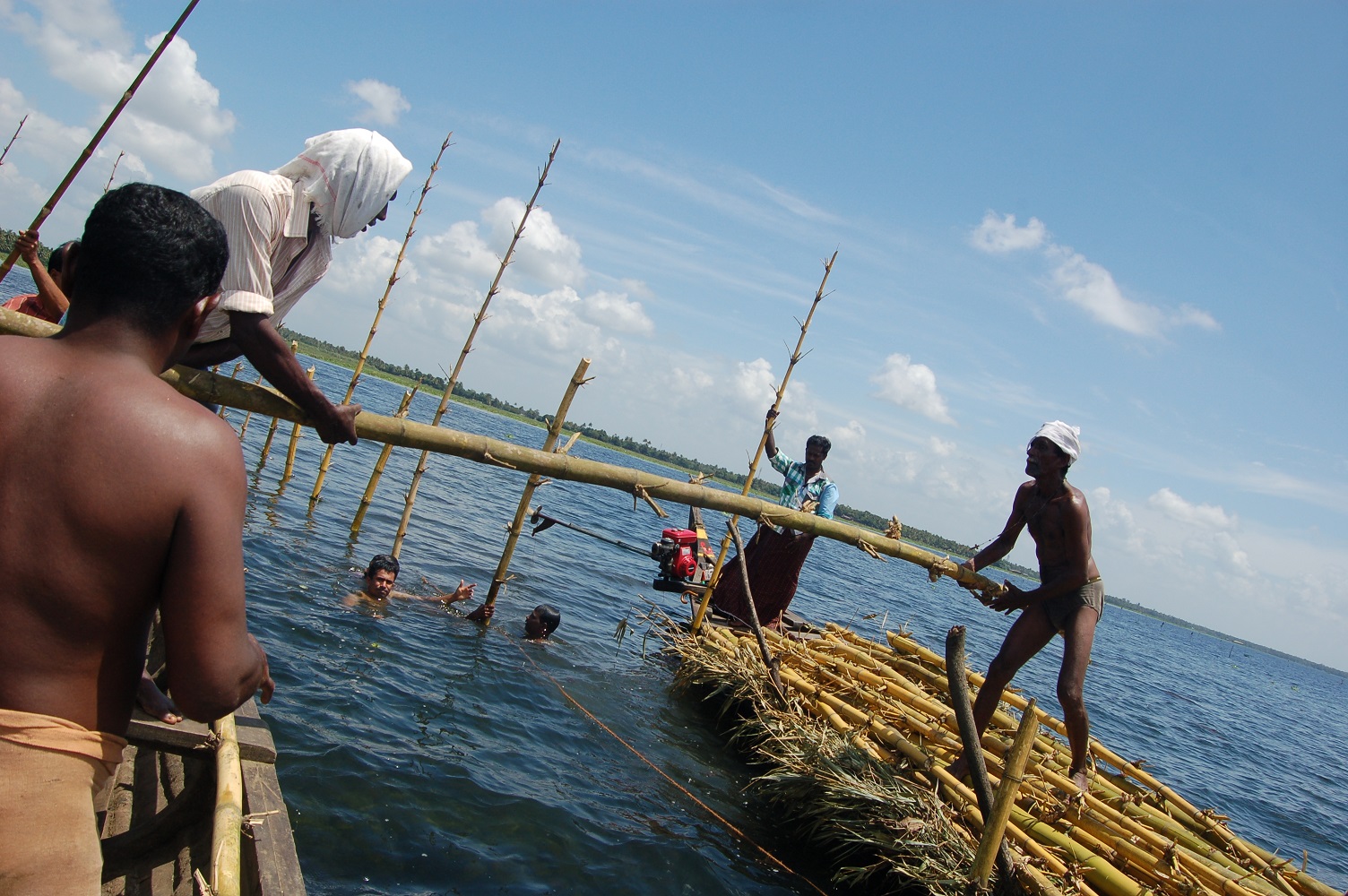
A fish sanctuary in the making on Lake Vembanad, Kerala, India. PHOTO: Scroll

A fish sanctuary in the making on Lake Vembanad, Kerala, India. PHOTO: Scroll

We love the backwaters. Period. Every single time one of our Xandari Riverscapes houseboats puts out into these deep waters, our hearts swell with pride. Responsible showcasing the charm, the timelessness of these waters and its people brings us much joy. And when we come across conservation efforts to maintain the quintessence and soul of this stretch of paradise, we can’t help but let you know.

Spread over 36,000 hectares and three districts in Kerala, this is the kind of landscape that gives conservation ecologists a blinding headache – a resource-rich, highly-productive area that is pulled apart in several directions (waste-dumping, tourism, livelihoods, water security) and depended upon by conflicting communities who have no other alternatives. Lakes have been straddling this intersection all across India – from Chilika in Odisha, to the Bengaluru urban lakes, to Loktak in Manipur, to Vembanad.

Such heavy-use landscapes outside protected areas, however, also might hold answers to the future of conservation. Whether it is a large lake system, or forest fragments that serve as the refuge of a few species or a corridor for wild animals, or a forest fringe, or large agricultural swathes that also host biodiversity, a section of conservationists believes that the future lies in teamwork between nature and mankind.
Continue reading

What Does It Take to Plant a Forest?

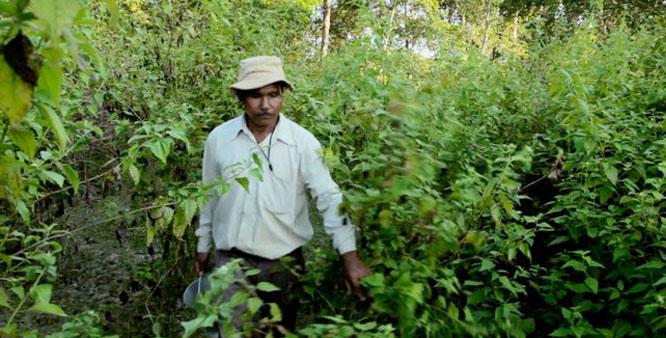
Indian man, Jadav "Molai" Payeng, has single-handedly planted a 1,360 acre forest In Assam. PHOTO: Jagran

Indian man, Jadav “Molai” Payeng, has single-handedly planted a 1,360 acre forest In Assam. PHOTO: Jagran

For many people the sight of a dead snake would be an unpleasant but not tragic image, but for Indian activist Jadav “Molai” Payeng it was a call to action that inspired him to create an entire forest. When Payeng was just a teenager in 1979 he came across a bed of dead snakes on the sun-baked shores of the Brahmaputra river. The limbless beasts had been stranded on the barren banks and perished in the unmitigated heat due to the lack of shade or tree cover. Payeng wept over the corpses but resolved to turn his sadness into action.

Continue reading

Taking Classrooms to Children

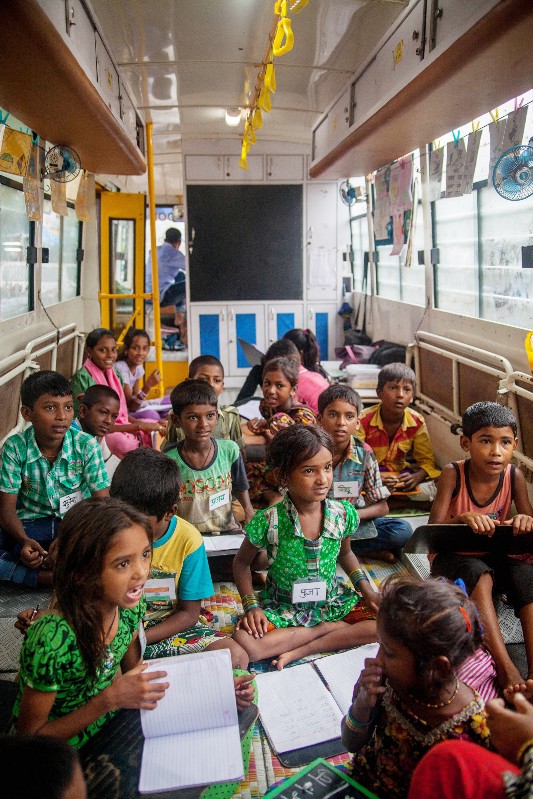
 The buses can only hold 20 students, without much space to wiggle around or store books. But they have unique benefits — like their ability to reach many of Mumbai’s poorest migrants who live on illegal plots of land where schools can’t be built. PHOTO: Karen Dias

The buses can only hold 20 students, without much space to wiggle around or store books. But they have unique benefits — like their ability to reach many of Mumbai’s poorest migrants who live on illegal plots of land where schools can’t be built. PHOTO: Karen Dias

Mumbai’s education system has fallen gravely short of absorbing its children. Only 400,000 children were enrolled in municipal schools in 2014, according to a report by Praja, a non-partisan research and advocacy organization. That number actually dropped 11 percent since 2009, despite increased government spending on education.That leaves more than half of the children in Mumbai either out of school or learning in private institutions. At least 37,000 kids in Mumbai live on the streets and work with their parents to earn a few cents a day, according to advocacy organization Action Aid.

Medium brings you more on how a collaborative system of volunteers, activists and NGOs is transforming the darkness of ignorance in one of India’s largest cities.

Continue reading

The Lamp at the Taj Mahal

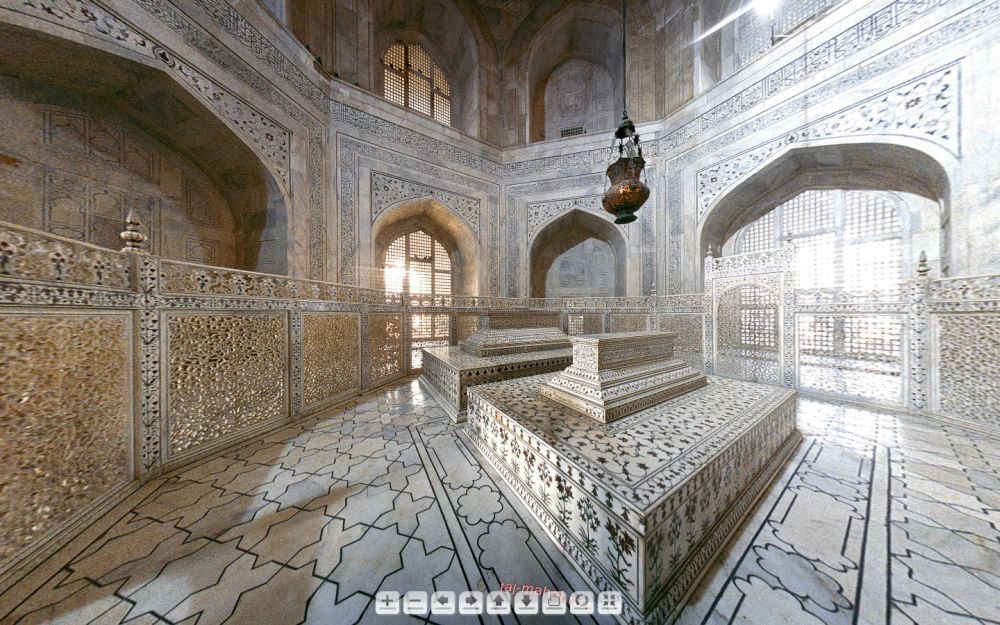
Curzon’s dedication in Persian – Presented to the Tomb of Mumtaz Mahal by Lord Curzon, Viceroy 1906 – was also inscribed on it, after a careful process of revision to ensure it matched the script used by calligraphers for the Taj Mahal. PHOTO: taj-mahal.net

Curzon’s dedication in Persian – Presented to the Tomb of Mumtaz Mahal by Lord Curzon, Viceroy 1906 – was also inscribed on it, after a careful process of revision to ensure it matched the script used by calligraphers for the Taj Mahal. PHOTO: taj-mahal.net

The Taj Mahal at Agra, India, is one of the most visited monuments in the world. Beyond it being a labour of love and a story of a dynasty, it’s a timekeeper. Of people who’ve come and gone, of men and powers that have left a mark. Like Lord CurzonScroll brings you a story:

Curzon, who became India’s Viceroy in 1899, was a man on several missions. To secure India’s northern frontiers from the advancing threat of Russia, Curzon encouraged Francis Younghusband’s 1903 Tibet expedition. His move to preserve India’s heritage was part of his own “civilising mission”.

Continue reading

India’s Forgotten Stepwells

All across India, elaborate subterranean temples are hidden in plain site. Constructed between the 2nd century and 4th century AD, these massive and ornate stepwells were built both for spiritual bathing and as a way to access water tables during monsoon season and drought seasons. Many stepwells have been abandoned and are in disrepair since the introduction of modern waterworks, plumbing and village taps. Some have been destroyed. Because the water table is even lower in recent years, many are now dry. Victoria Lautman, a freelance journalist in Chicago, has been traveling around India documenting stepwells before more fall into dereliction are destroyed by neglect or outright demolition.

Continue reading

In the Foothills of Ethical Fashion

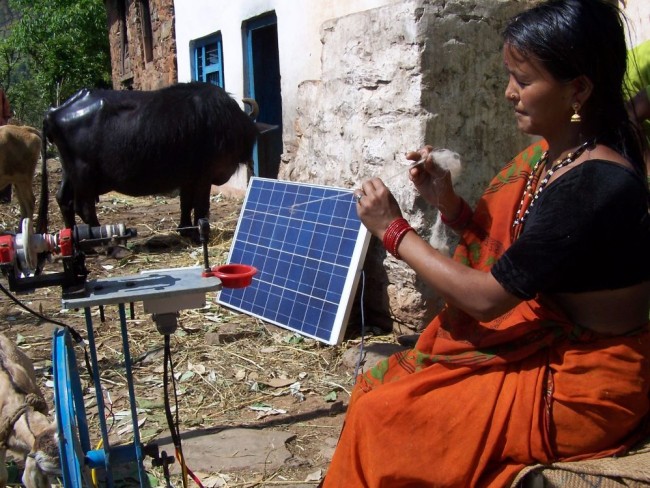
Avani uses green energy for all their production processes. Solar energy is used in the form of solar powered spinning wheels and calendering machines for all textile production. PHOTO: Avani

Avani uses green energy for all their production processes. Solar energy is used in the form of solar powered spinning wheels and calendering machines for all textile production. PHOTO: Avani

AVANI is a voluntary organization working in the Kumaon region of Uttarakhand, located in the middle ranges of the Central Himalayan region of India. The genesis of AVANI came about in the context of the isolation and consequent problems of the far-flung villages situated in one of the highest mountain ranges of the world. Its work focuses on developing and disseminating appropriate technologies for meeting the energy and water requirements of the local villages, promoting craft-based (development of handmade naturally dyed textiles) and farm-based livelihood opportunities. To date, AVANI projects include the dissemination of solar technology, water resource management, natural textiles and paints, and the social and economic development of rural communities with projects such as healthcare and micro-finance.

Continue reading

The Wettest Place on Earth

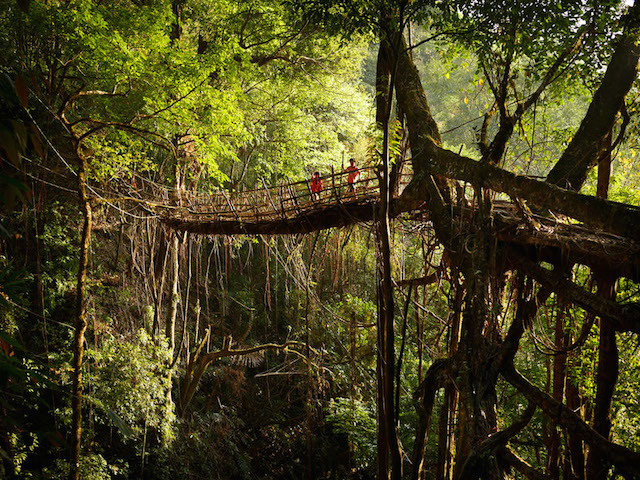
New Zealand-based photographer Amos Chapple captures a "living bridge" deep in the forests of Meghalaya, India.

New Zealand-based photographer Amos Chapple captures a “living bridge” deep in the forests of Meghalaya, India.

Perched atop a ridge in the Khasi Hills of India’s north-east, Mawsynram has the highest average rainfall – 467in (11.86 metres) of rain per year – thanks to summer air currents gathering moisture over the floodplains of Bangladesh. When the clouds hit the steep hills of Meghalaya they are compressed to the point where they can no longer hold their moisture. The end result is near constant rain. Even the world’s biggest statue, Rio de Janeiro’s 30m tall Christ the Redeemer, would be up to his knees in that volume of water.

Continue reading

From the Soil to Homes and Hearts, this Onam

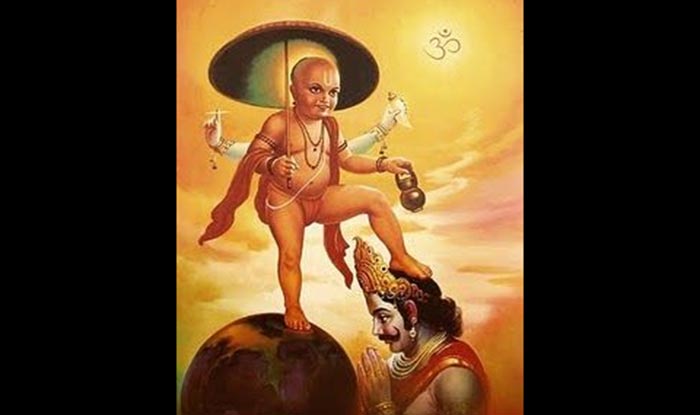
Vamana, an avatar of Lord Vishnu, places his feet on King Mahabali.

Vamana, an avatar of Lord Vishnu, places his feet on King Mahabali.

Kerala was once ruled by Mahabali, who was an asura (Demon). Now being a demon, evil and sinful practices were expected of him, but he was completely the opposite. Mahabali was a mighty king who worked for the prosperity of his people. During his reign, everybody was happy and prosperous. But the Devas (Gods) were jealous and felt that he may surpass them and so they urged Lord Vishnu to help them. Mahabali was about to perform a ritual and he had announced that he would fulfill everyone’s wishes. Vishnu decided to use this opportunity and disguised himself as a dwarf, poor Brahmin called Vamana and went to Mahabali. He asked Mahabali to give him a piece of land which he could measure with three footsteps. Generous Mahabali granted his wish. But everybody was in for a shock when the tiny Vamana grew into a giant. He then took his first step and covered all land, and in his second step he occupied the whole of the sky. He then asked Mahabali where should he keep the third step. Unable to find any more land, the noble king then asked Vamana to keep the third step on his head. Lord Vishnu was pleased with Mahabali’s dedication and so he granted him a wish. Mahabali, who unconditionally loved his people, asked for permission to visit his people once a year. And so Onam is celebrated in his honor and people believe their Mahabali visits them on the day.

Continue reading

The European Who Gave India its Railway Book Stalls

A vendor attends a customer at a railway platform at Mumbai, India. PHOTO: Reuters

A vendor attends a customer at a railway platform at Mumbai, India. PHOTO: Reuters

You remember railway book stalls as being there since eternity. Being in the business of making arduous train journeys a pleasant affair in the company of books and newspapers. It’d be easy to assume a well-meaning civic body put them up. But as far as India goes, the country and its people owe their reading on trains to Emile Edouard Moreau, a European businessman.

Continue reading

Solar Comes Home!

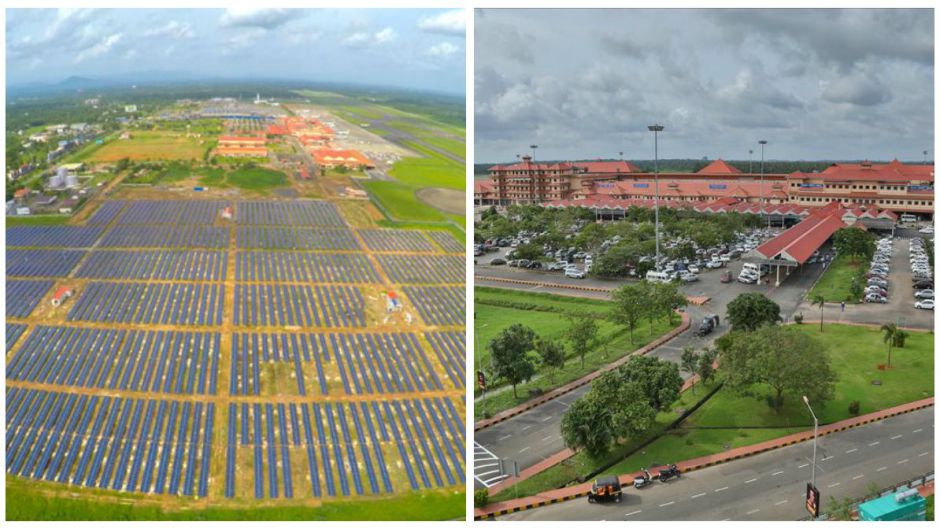
Kerala, India, has the world’s first solar-powered airport. PHOTO:  CIAL

Kerala, India, has the world’s first solar-powered airport. PHOTO: CIAL

For five years now, RAXA Collective has called the state of Kerala, India, its home. Over the years, the ‘three magic words’ – community, collaboration, conservation – have guided our work here. And every story in these three spaces has us glad for finding another believer. Now we’ve found a believer who puts his thoughts into action in the Cochin International Airport. Welcome to our land and the world’s first solar-powered, power-neutral airport.

Continue reading

Redefining Disabilities Through Organic Farming

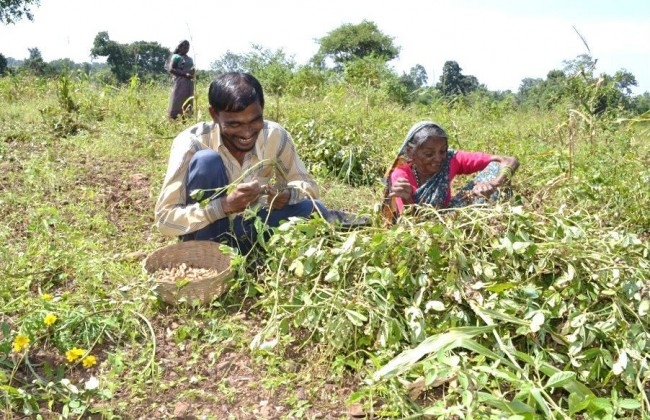
39-year-old Mahadev Charokar is vision impaired but has got amazing hearing, olfactory and tactical senses. He can differentiate between various denominations of currency notes, can walk up to his farms 1.5 km away and even lead a bullock-driven plough on fields. PHOTO: The Alternative

39-year-old Mahadev Charokar is vision impaired but has got amazing hearing, olfactory and tactical senses. He can differentiate between various denominations of currency notes, can walk up to his farms 1.5 km away and even lead a bullock-driven plough on fields. PHOTO: The Alternative

The adoption of the World Programme for Action concerning Disabled Persons in 1982 laid the foundation for a new approach to disability, with the goals of full participation and equalization of opportunities for persons with disabilities. The World Programme of Action has time and again reinforced the role of persons with disabilities as both agents and beneficiaries of development. The onus is on taking action so that persons with disability do not end up being referred to as a “vulnerable group” but rather, that disability itself will be considered as a cross-cutting theme in any emerging goals on sustainable development. In Madhya Pradesh, India, a unique experiment with organic farming is mainstreaming people with disabilities.

Continue reading

Introducing Taxi Fabric

In Mumbai, India—a city of nearly 19 million people—over 50,000 taxis pick up at least 25 to 30 people every day. For the majority of Mumbaikars, the iconic black and yellow taxis are the most convenient form of transportation in the city. And now a new vehicle of design, dialogue, and a sense of belonging – thanks to the Taxi Fabric project.

Continue reading

First feelings in Kerala

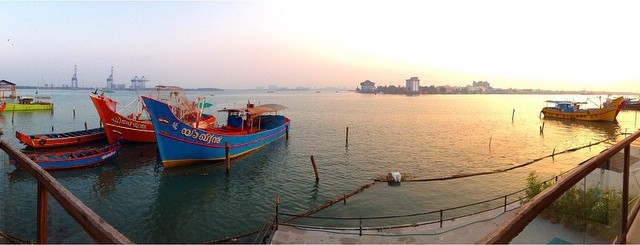
View from Xandari Harbour; Photo credit: Derek Spier

This weekend I arrived in India for the first time. My name is Lucie and I’m currently studying business at Audencia School of Management in Nantes, France. I’ll spend four months here in an internship with Raxa Collective.

My first “home” with Raxa Collective is Xandari Harbour, in Fort Kochi. When I arrived the first thing that astonished me was the warm welcome from the team of co-workers, also named the “Raxa Collective Family”. To be honest, as a French girl I am not used to this kind of welcome. Right away they gave me everything I would need to be comfortable with them and my new surroundings. They definitely know how to welcome a foreigner! ​From the moment I arrived the team helped me forget my 31 hours of travel, replacing it with the knowledge of how lucky I am to be here.

If you have already read some articles on this blog, you probably will agree with my assessment regarding the link between nature and the company. Now that I know a little more about Raxa Collective it’s clear to me that we can’t talk about it without talking about nature, too. So, as much as the warm welcome, I was also really impressed by the place and the amazing landscape.

The sunset was for me the best moment.  Continue reading

The Man Who Moved a Mountain

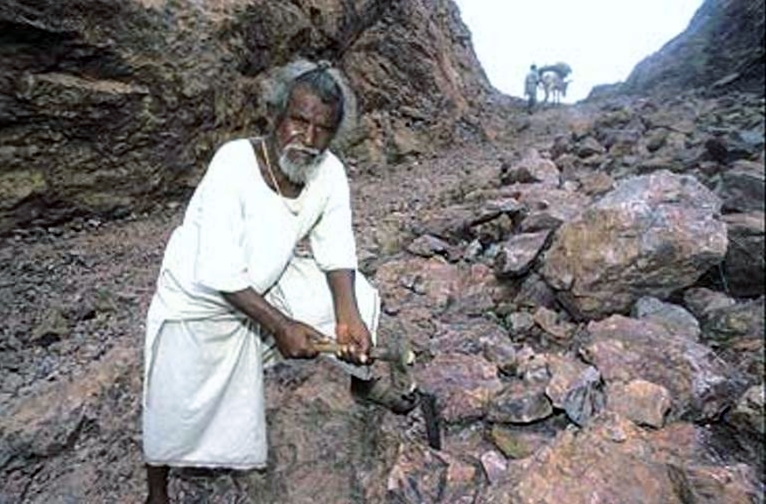
Dashrath Manjhi chipped away at a mountain for 22 years to let his village have access to civilization (and medicine)

Dashrath Manjhi chipped away at a mountain for 22 years to let his village have access to civilization (and medicine)

Forget reality shows about the subject; the ultimate tale of man vs. nature may be the story of Dashrath Manjhi, who single-handedly carved a road through an entire mountain that had been isolating his village from essential services. Using only a hammer and chisel, Manjhi, a landless farmer, carved a path through a mountain in the Gehlour Hills, Bihar, India, just so that his village could have easier access to medical facilities.

Continue reading

Let My Country Awake

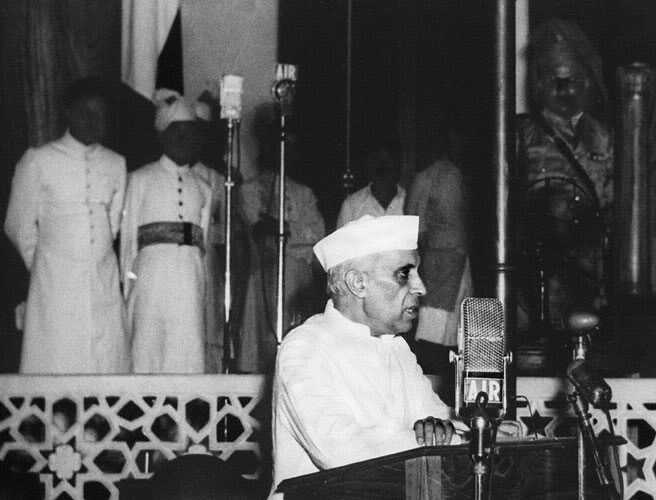
A photo dated 15 August 1947 shows Jawaharlal Nehru, India's first Prime Minister, delivering his Famous

A photo dated 15 August 1947 shows Jawaharlal Nehru, India’s first Prime Minister, delivering his Famous “Tryst With Destiny” speech at the Parliament House in New Delhi

Long years ago we made a tryst with destiny, and now the time comes when we shall redeem our pledge, not wholly or in full measure, but very substantially. At the stroke of the midnight hour, when the world sleeps, India will awake to life and freedom. A moment comes, which comes but rarely in history, when we step out from the old to the new, when an age ends, and when the soul of a nation, long suppressed, finds utterance… And so we have to labour and to work, and work hard, to give reality to our dreams. Those dreams are for India, but they are also for the world, for all the nations and peoples are too closely knit together today for anyone of them to imagine that it can live apart…

I write this at the eleventh hour, before the hands of the clock officially rest on India’s 68th Independence Day. Oh wait, isn’t it a national holiday? I must admit the latter has me more thrilled. Also admit to not having read the country’s first Independence Day speech (excerpt above) in its entirety until now. I shall wallow in shame for a bit, until I cross over to gratitude. Grateful for this chance to dwell on what freedom meant then, means now, and will come to be.

Continue reading

Five Years In Kerala

IMG_3080

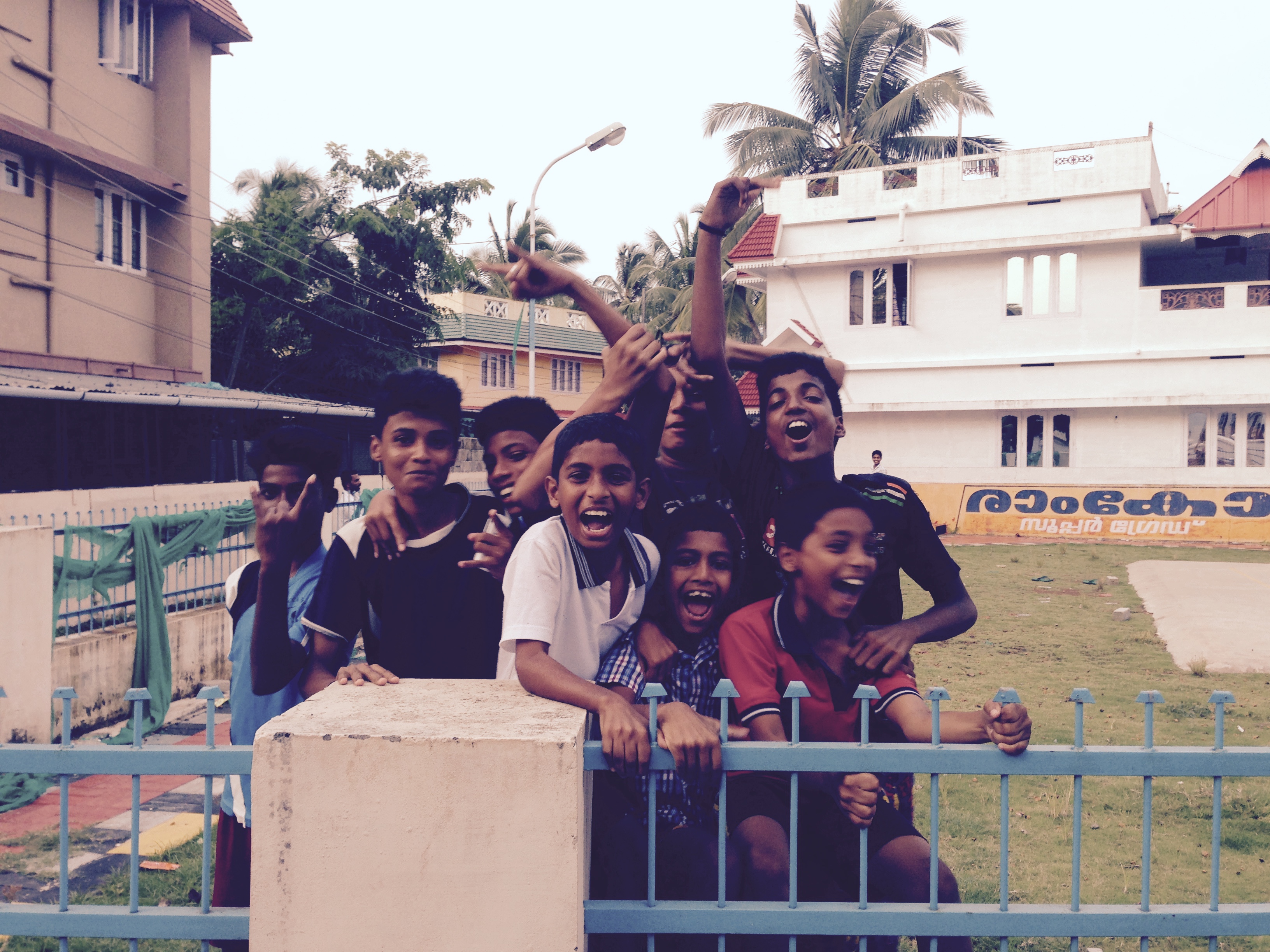
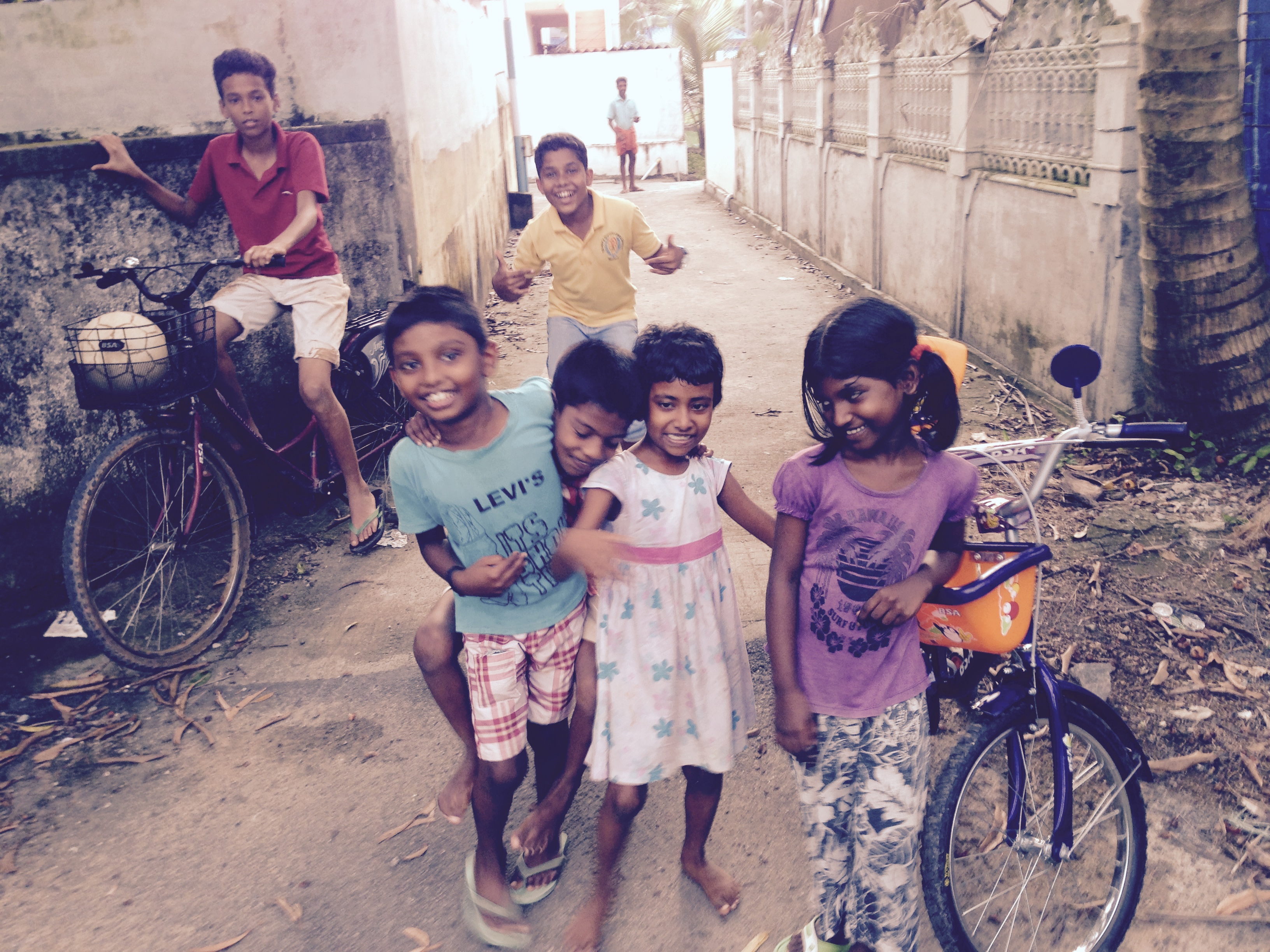
Jocelyn’s post reminds me of my favorite part of the last five years living in the wondrous, sometimes ponderous, always mysterious Kerala: these kids. Our gang, Thevara. My hoodies. They have all been growing by leaps and bounds, while leaping and bounding through the streets. This photo, taken some hours ago, could have been taken five years ago except for the heights of these fellows. And these young ladies on the right side of the photo below (also just taken) were but infants when I arrived into their world.

IMG_3074

They welcomed me with cheers and high fives from day one, and continue to welcome me today with the same enthusiasm as on day one. So I have felt most at home in Kerala when I am walking through our shared neighborhood. My name, to them, is very simple: Saip. It is a term of endearment, at least it seems so to me. They all speak Malayalam, the language of Kerala, and almost zero English. But that is changing. The older sister of the young lady in the white starry dress is the most advanced in English, and now serves as the translator for the neighborhood when I walk through. I will bring her voice into the next post from Thevara. For now, my hat is off to the kids of Thevara, and those in Tacacori, Costa Rica where Jocelyn is having the same opportunity I have had, to make the children the center of our attention.

On the Tail of the Tiger

A captive tiger at Bannerghatta National Park, Bengaluru, India. PHOTO: Rosanna Abrachan

A captive tiger at Bannerghatta National Park, Bengaluru, India. PHOTO: Rosanna Abrachan

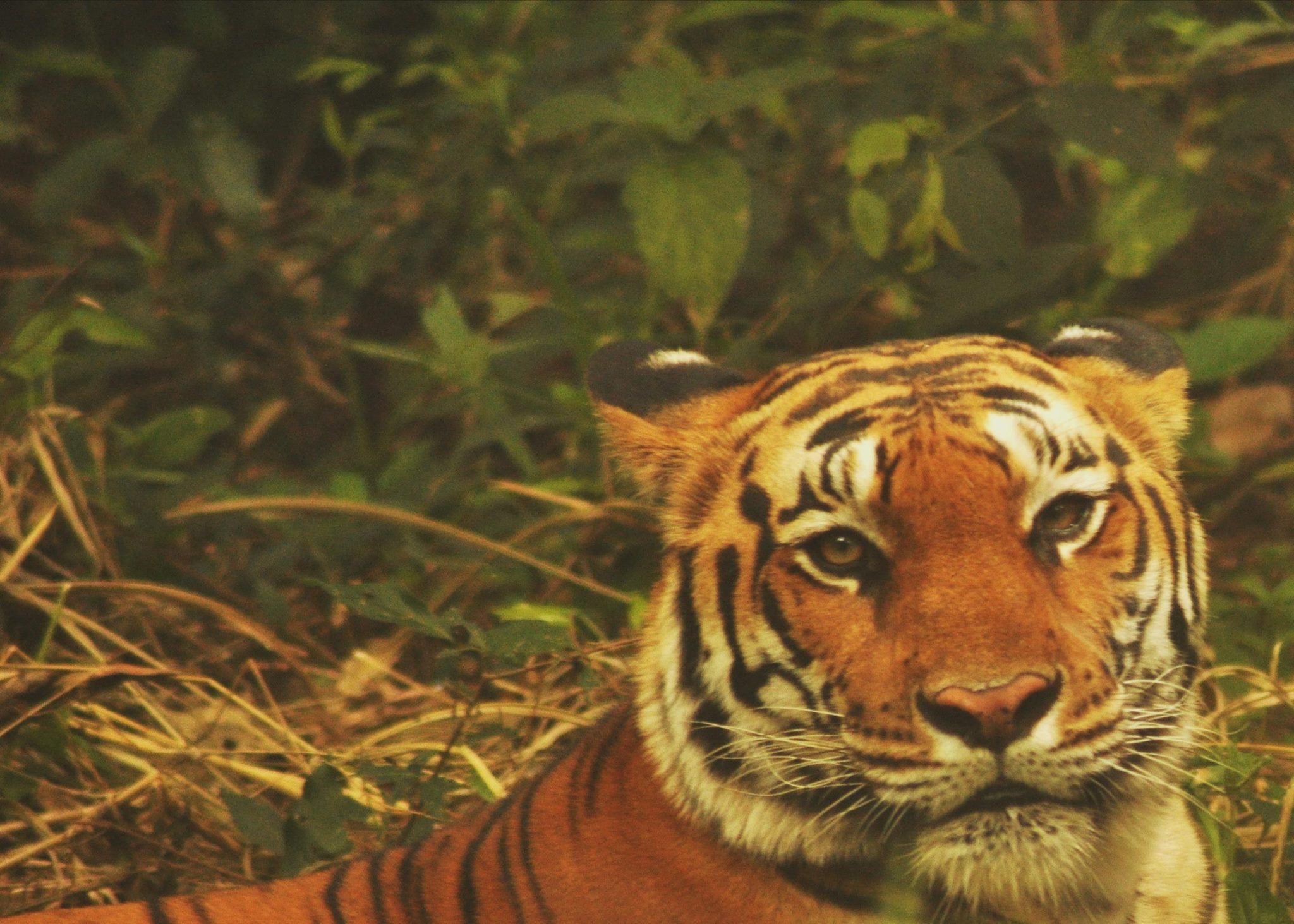
The world has seen the population of individual wild tigers dwindle from 100,000 in 1913 to just about 3,200 now. Classified into six species, a majority of these surviving cats belong to the specie panthera tigris tigris, more popularly known as the Bengal tiger, that are found in India. Here too, their population, estimated to be between 20,000-40,000 at the turn of the 20th century, reduced to fewer than 2,000 by the 1970s, mostly due to hunting and poaching. It has now inched to 2,226, making India home to 70% of the world’s total tiger population.

Continue reading

India to Antwerp, this Story of Diamonds

Indians have come to control almost three-quarters of Antwerp’s diamond industry.(Reuters/Finbarr O'Reilly)

Indians have come to control almost three-quarters of Antwerp’s diamond industry. (Reuters/Finbarr O’Reilly)

What New York is to the world’s money markets, Antwerp is to the global diamond trade. Antwerp is also the centre of the secondary or rough diamond market. More than 50% of global production of rough, polished, cut and industrial diamonds passes through Antwerp. Around 80% of the world’s rough diamonds are handled in Antwerp generating an annual turnover of some €30 billion. The most valuable diamonds are usually cut in Antwerp, but as the economy globalises Antwerp remains a nerve centre with much of the actual diamonds shipped out to other, cheaper locations.

Continue reading

India’s First Carbon Neutral Film

What radical policy the government adopts and implements to leave a strong footprint in the paradigm of global climate remains to be seen but micro steps are already being taken by individuals in various other sectors. Carbon offsetting is entering mainstream conversations and niche spaces like film making are thinking green. The first example of a carbon neutral production was George Clooney’s Syriana (2005). And now, the unit of the Bollywood movie Aisa Yeh Jahaan,  starring Palash Sen and Ira Dubey among others and directed by Biswajeet Bora, has become India’s first ‘carbon-neutral’ movie.

Continue reading