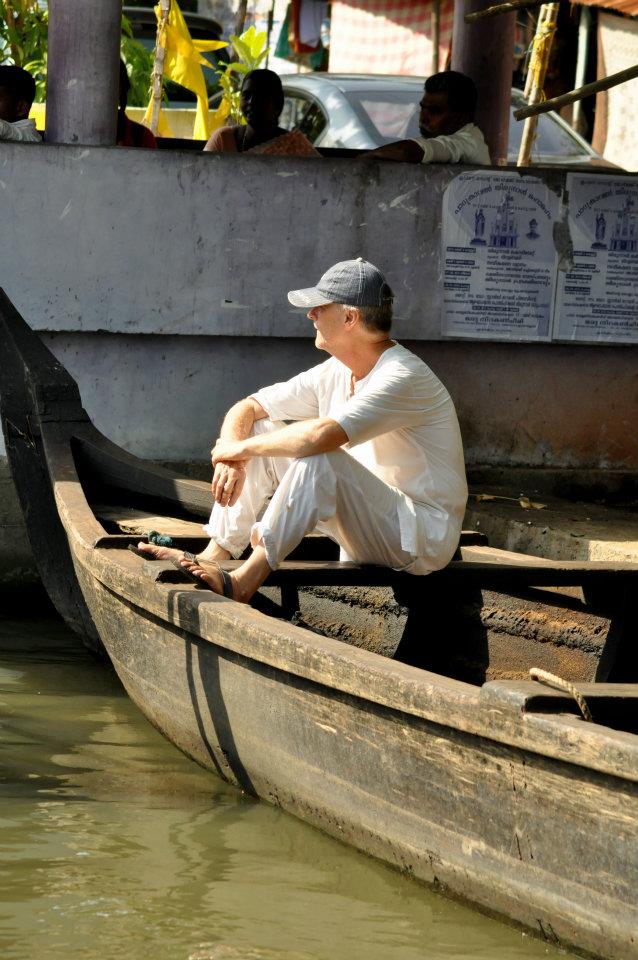
Taxi! (Green) Taxi!

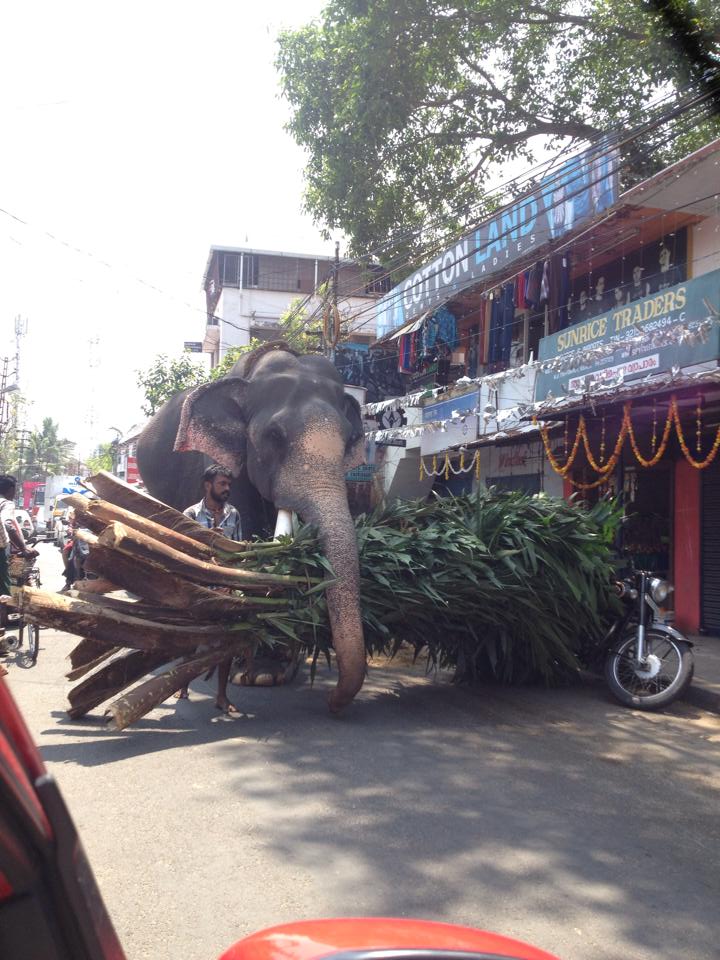
Taxis have grabbed headlines in recent times, globally. The world is yet to recover from the news of losing Nobel laureate and Princeton University mathematician John F Nash Jr. and wife Alicia  – inspiration behind the film A Beautiful Mind – in a New Jersey car crash on Saturday. Soaring summer temperatures in the Indian subcontinent and resultant heat strokes are forcing cabbies to stay off roads in the afternoons. Then, there’s the heartwarming story of Dhananjay Chakraborty from Kolkata, whose taxi is green in every sense. Continue reading

Clothed in History

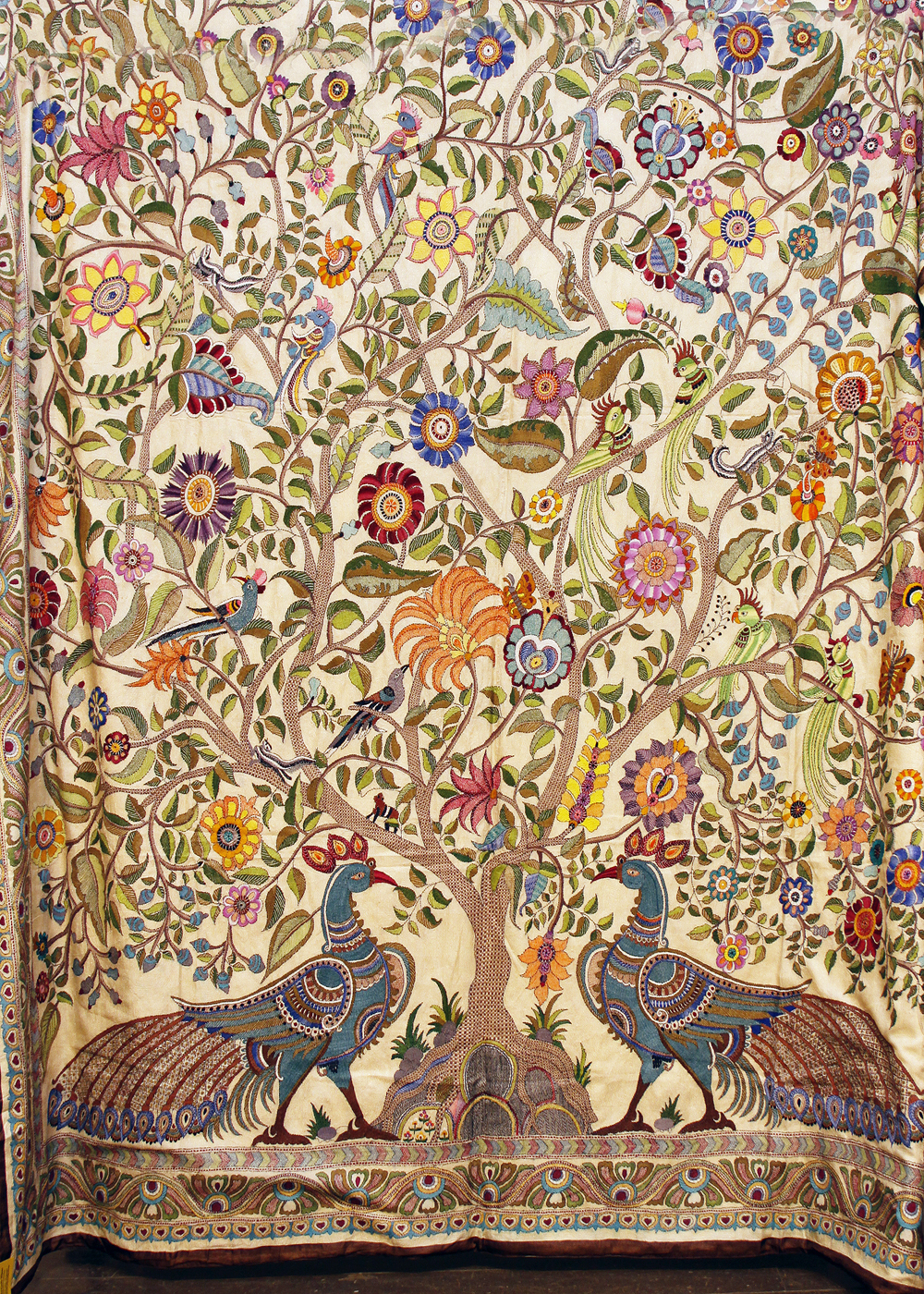
Kalamkari embraces the world of gods and was once used to decorate temples and chariots. Today, in India, it is the face of a dying craft of printing by hand. PHOTO: J Niranjan

If you happen to be around the Metropolitan Museum of Art (gallery 199 in specific) or have Internet hours in hand, the ongoing exhibition titled Sultans of Deccan India (1500-1700) is worth a dekko. A show of opulence enjoyed by kings of the Deccan region in India, the exhibition features 200 artifacts that explore poetic lyricism in paintings, exquisite metalwork, and a distinguished form of fabric production. Known as kalamkari, this cotton fabric is painstakingly dyed using natural vegetable colors and decorated with intricate and detailed paintings by hand. Practised and protected by a small community in the state of Andhra Pradesh today, the family craft faces the Herculean task of survival in the face of plagiarism, lack of government support, and the decreasing number of artisans.

Continue reading

Veganism, say hello to jackfruit!

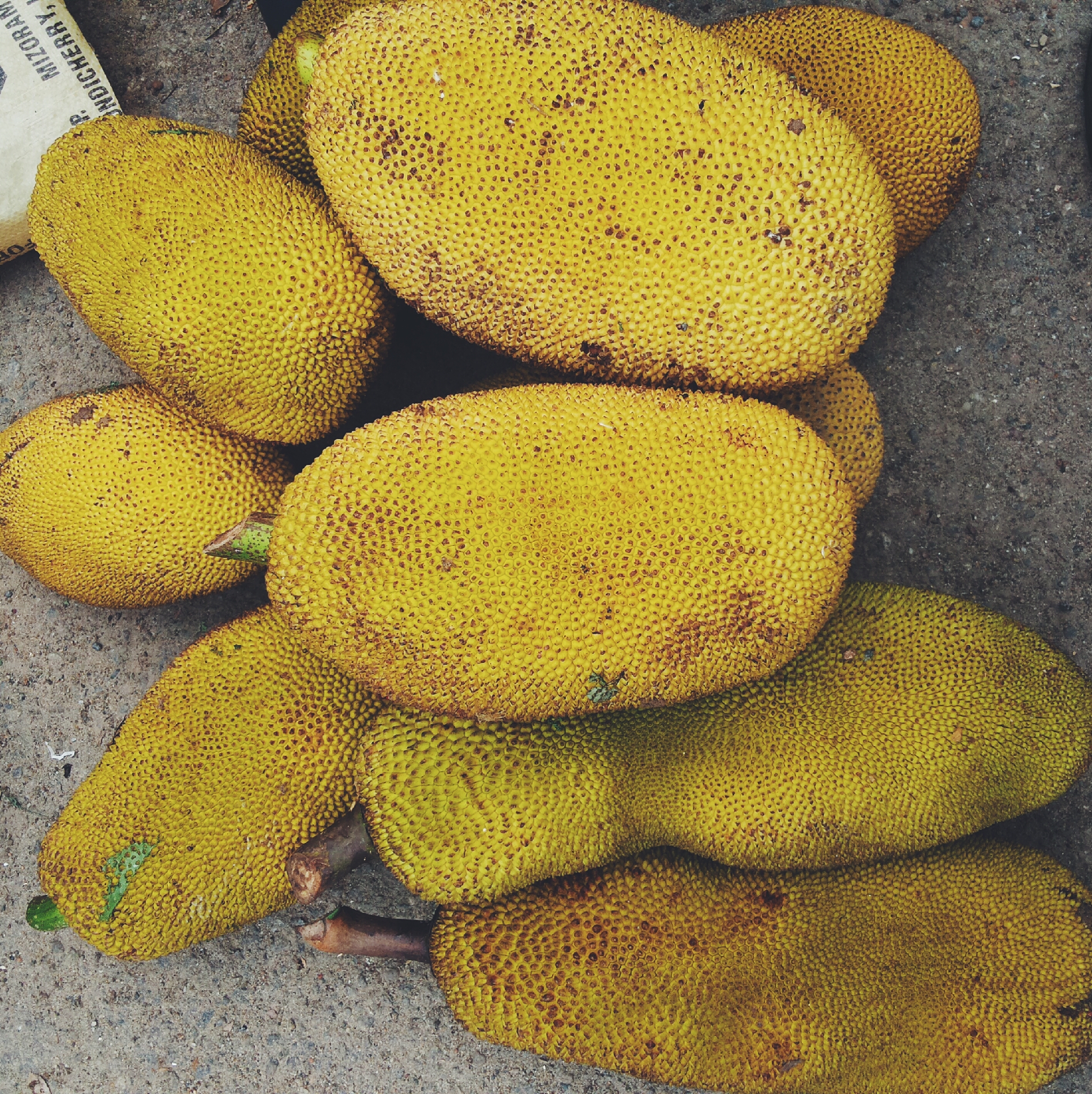
Jackfruit is the largest tree-borne fruit and is found across Asia, Africa, and parts of North and South America

Jackfruit is the largest tree-borne fruit and is found across Asia, Africa, and parts of North and South America

It’s the peak of summer in Kerala now. Here, the fruiting seasons are celebrated with an expo to encourage cultivation and to introduce the urban populace to some good old food traditions.At a recent jackfruit expo (watch this space for more on a mango showcase), the city-bred me who’d otherwise encountered the fruit only in flavored sorbet and ice cream figured what it was all about. Then I did some reading and this month-old article in The Guardian had me hooked:

Processed with VSCOcam with f2 preset

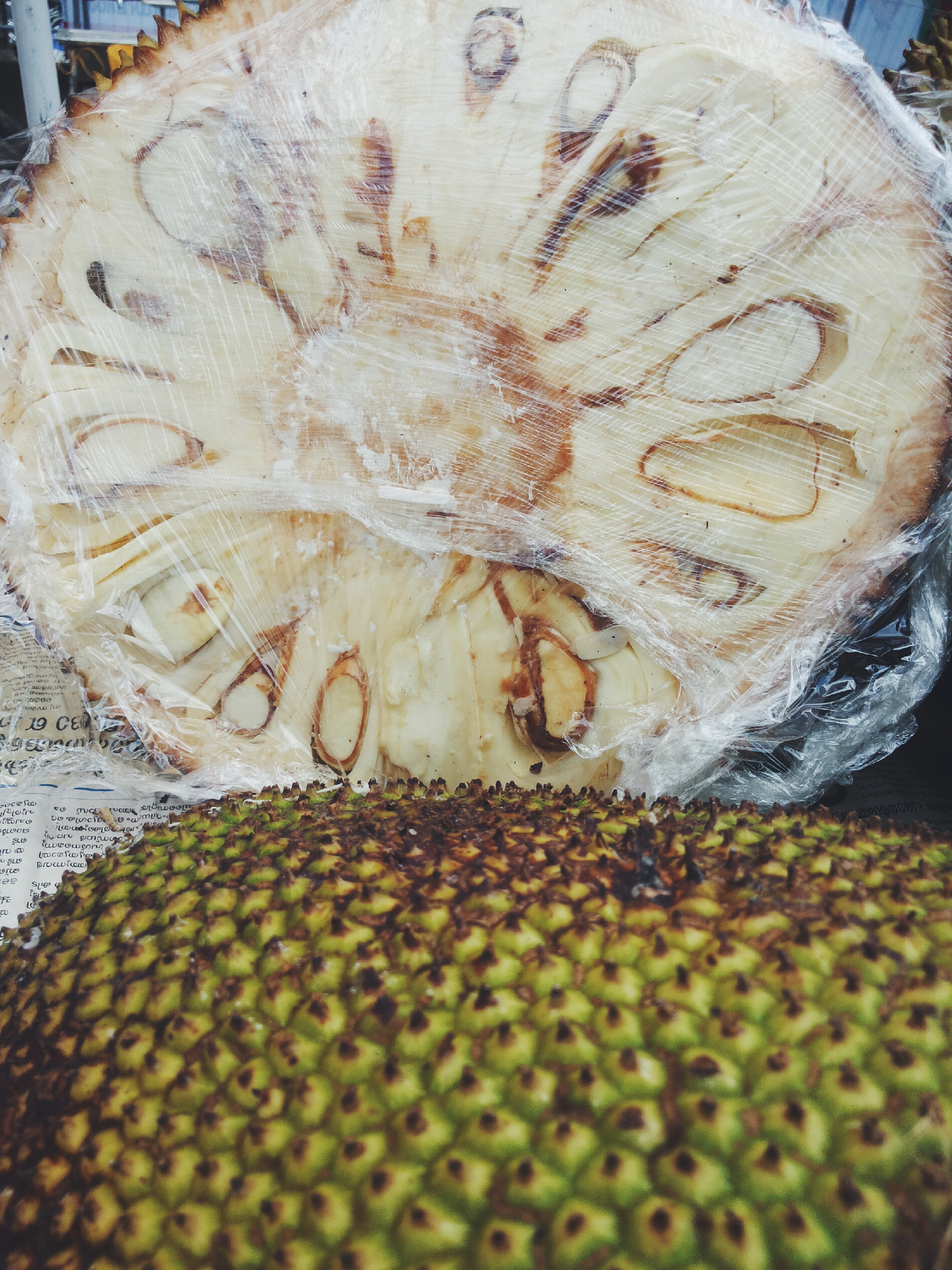
The frontal view when a jackfruit is cut

Late last year, after 18 years of litigation, a senior government official in Kerala, south-west India was given a prison sentence after being convicted of theft. The object he stole was government property, and it was so large he had to have it cut up to get it home. A piece of art, perhaps? A precious metal? Actually, it was a 40-year-old jackfruit tree, and, once you’ve tasted its fruit, you begin to understand why he did it.

Continue reading

Leopards And Humans Peacefully Cohabitating In India

An elderly priest descending to Perwa village from a temple devoted to Lord Shiva on Perwa Hill where he lives, one of the many holy slopes in the region that is also home to leopards. Credit Richard Mosse

An elderly priest descending to Perwa village from a temple devoted to Lord Shiva on Perwa Hill where he lives, one of the many holy slopes in the region that is also home to leopards. Credit Richard Mosse

If you are coming to visit one of Raxa Collective’s properties in south India, and want a recommendation for a visit to another part of India, this may be on our to do list (we need to go check it out first, and will let you know):

Life Among the Leopards

Continue reading

The Backwater People

575089_10150918571289853_1457265890_n405076_10150918554669853_598114346_n536168_10150918550609853_1466449891_n

403444_10150918538279853_1979644412_n536569_10150918550049853_1662385843_n564242_10150918578019853_1707328119_n546381_10150918587689853_1296825258_n

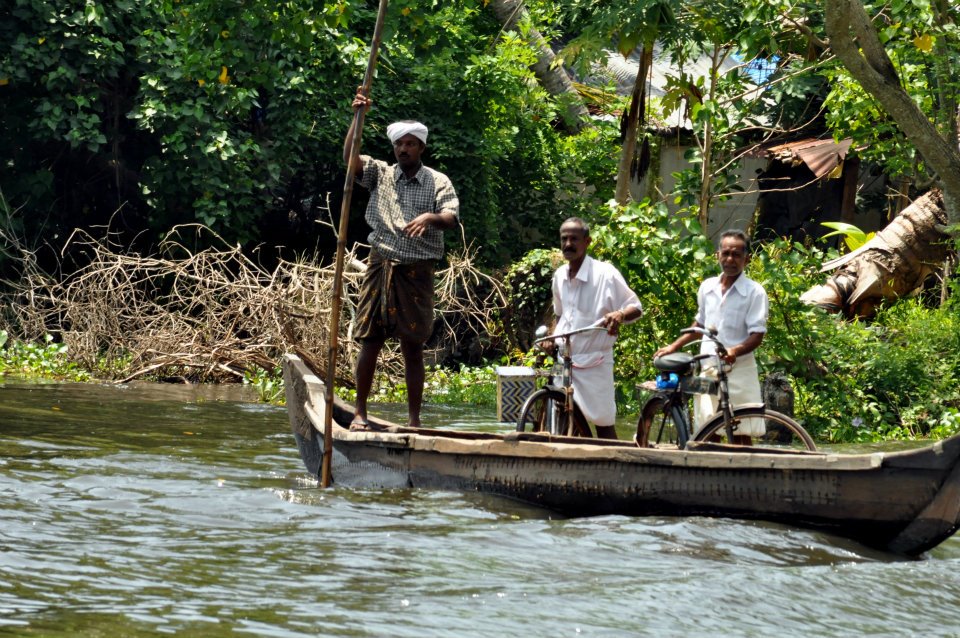
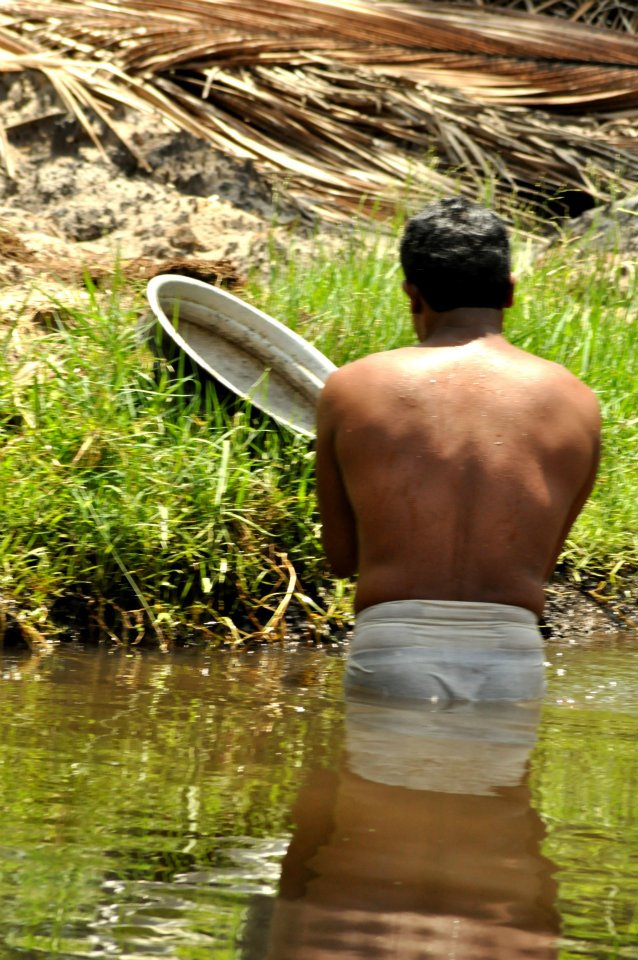
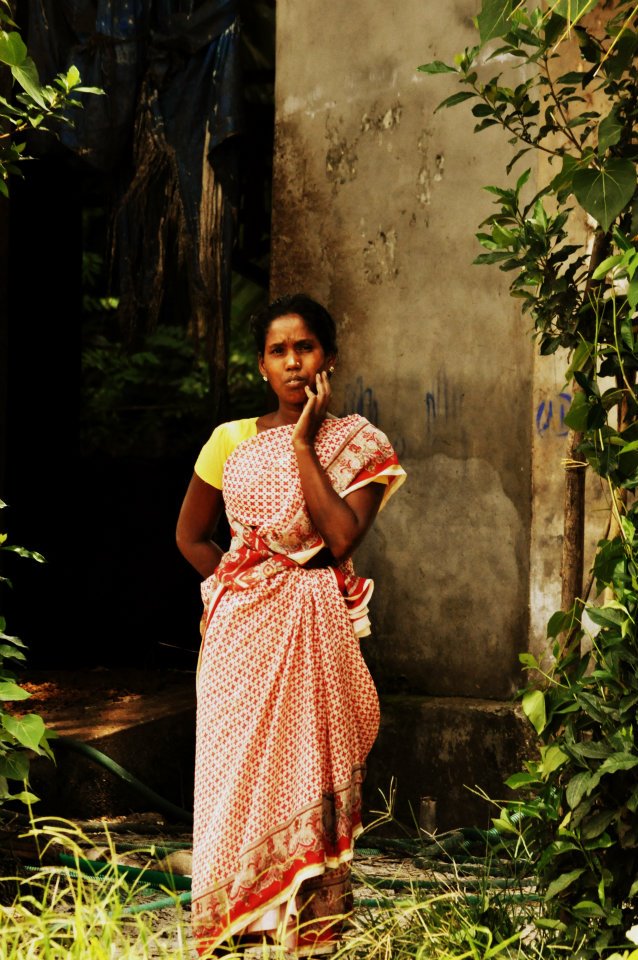
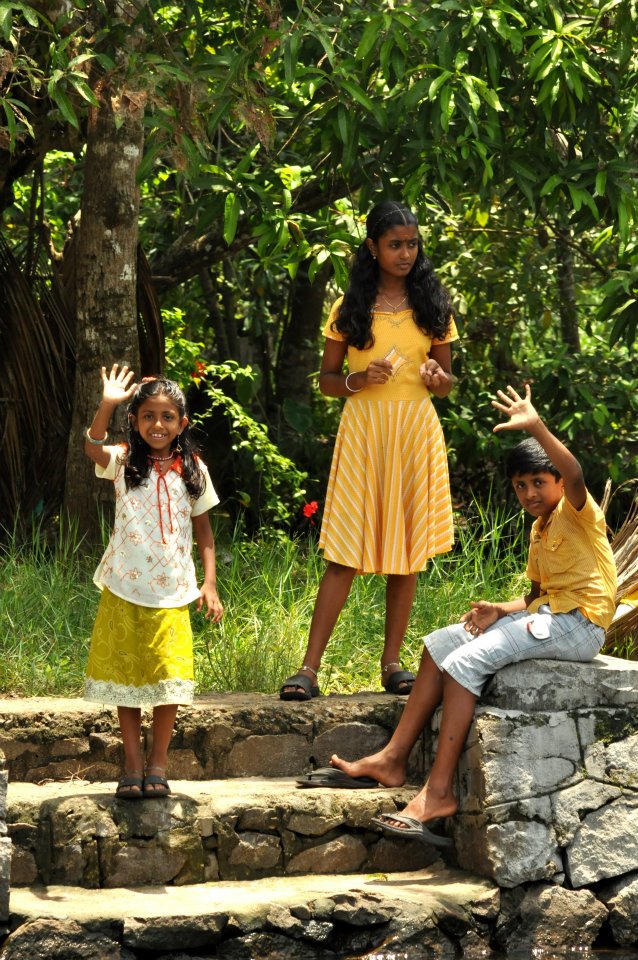
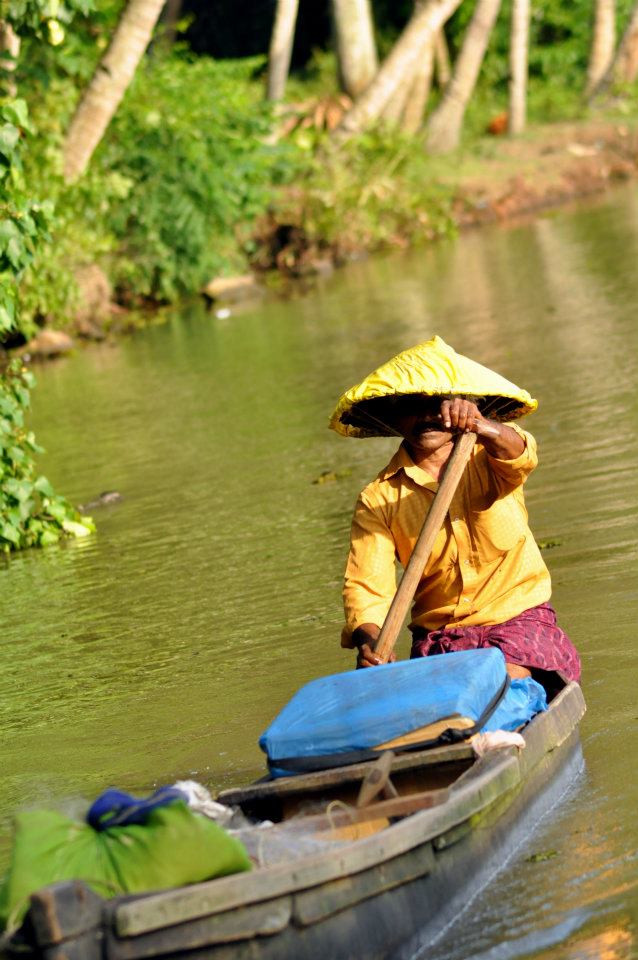
Think Kerala, think backwaters. The world’s most fascinating water world, the network of canals, rivers and waterways runs along half of Kerala and is a tourists’ mecca. Imagine golden sunrises, lush green paddy fields, palm leaves dancing in the river breeze, long stretches of silence save for the ripples, pink kissed dusk and night company of stars. Beautiful, right? Probably why even President Barack Obama, the first US president to visit India twice, mentioned the backwaters in one of addresses on a recent visit. And then there are the houseboats – your floating home on the waters, with its windows opening to a moving tapestry of blue and green. Not to forget the backwater people – generations who depend on the water for all their needs, a people seemingly untouched by the ways of time.

Continue reading

Ferry Around

DSC_2039

The Cochin harbor lights caught on the move from the ferry

“Airrrrr, waterrrrrr and laaaaaand” – my first grade Geography teacher chanted the three main modes of transport until we pony-tailed girls were sure to never forget them. While travel by land was a plain daily affair, air transport completed family vacations. It was the much-awaited – but timed – visits to the grandparents, their home on an island in the backwaters, that sparked my love for the ferry.

As with love of all kinds and sizes, it began with the unknown. “How much water is there in the river,” “Will we die if the boat breaks”, “How works the ferry” – curiosity trumped grammar in my little world. There were some answers but the fascination stayed because how could wooden planks and boards placed across two large canoes carry people and vehicles! So every time the car reached the water’s edge, out jumped a little girl with 5 rs ($0.08), stood on tiptoes to reach the greasy ticket counter and waited until the father maneuvered the car to climb onto a ladder placed between the ferry platform and the edge of the boat (craving to do justice to this bit but Physics is not my cup of my tea). If I promised to not go close to the railings, I was allowed to stand out in the open, letting the river breeze ruffle my curls and rouse up conversations I’d drown my grandparents in.

Yesterday, the ferry was about a little girl reaching her elders on an island where once there was no bridge. Today, two decades on, the ferry is the bridge that connects the old and the new, brings together kindred and the wayfarers, and tells her stories of the land and its people. Continue reading

Best hands forward

IMG_3038

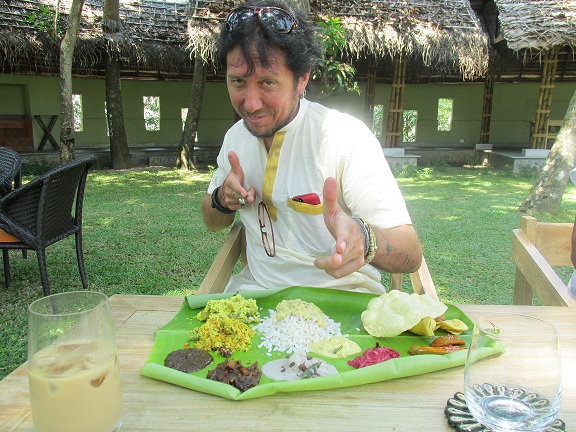
Musician Sami Yaffa hits the right note at the table

IMG_3037[1]

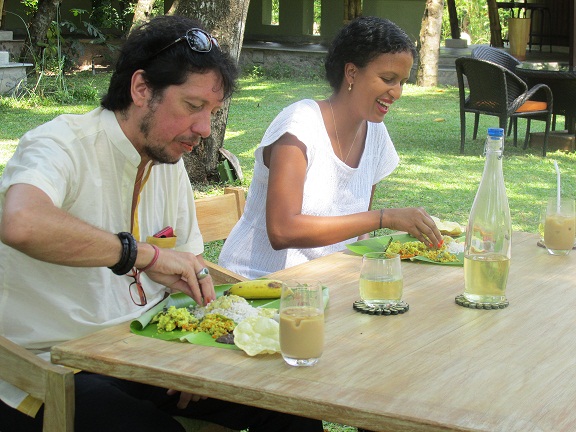
Mina Soliman appears sadya-ready!

We are people of experiences – the ones we’ve walked, run and barreled into and the ones we create. At RAXA, we take the latter seriously. So when you come down to stay with us by the Kochi harbour or navigate the world-renowned backwaters in our hand-stitched houseboats, you’ll see us work at crafting the finest and personal of them all. Bass guitarist Sami Yaffa and his partner, designer Mina Soliman will agree.

Their stay with us by the Mararikulam beach went beyond the comforts of their villas. There was definitely a stop by the kitchen because don’t we all travel the world plate by plate? Only that the plates and cutlery were on a little holiday of their own this time. A plantain (banana) leaf met the couple at the table and, well, they had to put their best hands forward. It was the call of the Sadya.

Continue reading

Twain’s View Of India

We appreciate the sentiment from Mark Twain’s 1897 lesser known but ever interesting Following the Equator and feel obliged to show some India quotes that we can relate to, or at least smile at, as a recommendation for your reading pleasure while joining Raxa Collective in India sometime this year:

pg2895.cover.medium…So far as I am able to judge, nothing has been left undone, either by man or Nature, to make India the most extraordinary country that the sun visits on his round…

…This is indeed India! the land of dreams and romance, of fabulous wealth and fabulous poverty, of splendor and rags, of palaces and hovels, of famine and pestilence, of genii and giants and Aladdin lamps, of tigers and elephants, the cobra and the jungle, the country of a hundred nations and a hundred tongues, of a thousand religions and two million gods, cradle of the human race, birthplace of human speech, Continue reading

Green Oscar For Improving Elephant-Human Relations

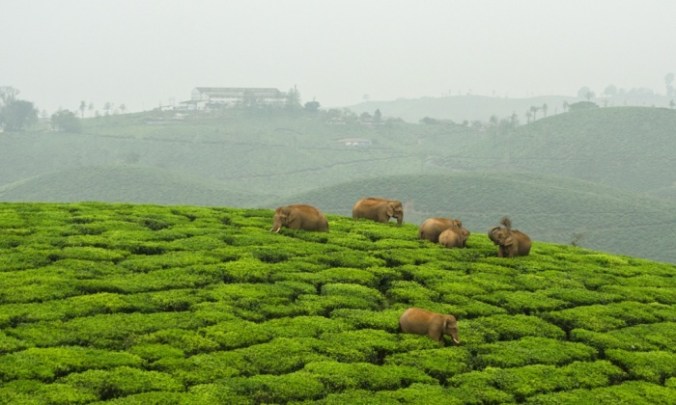
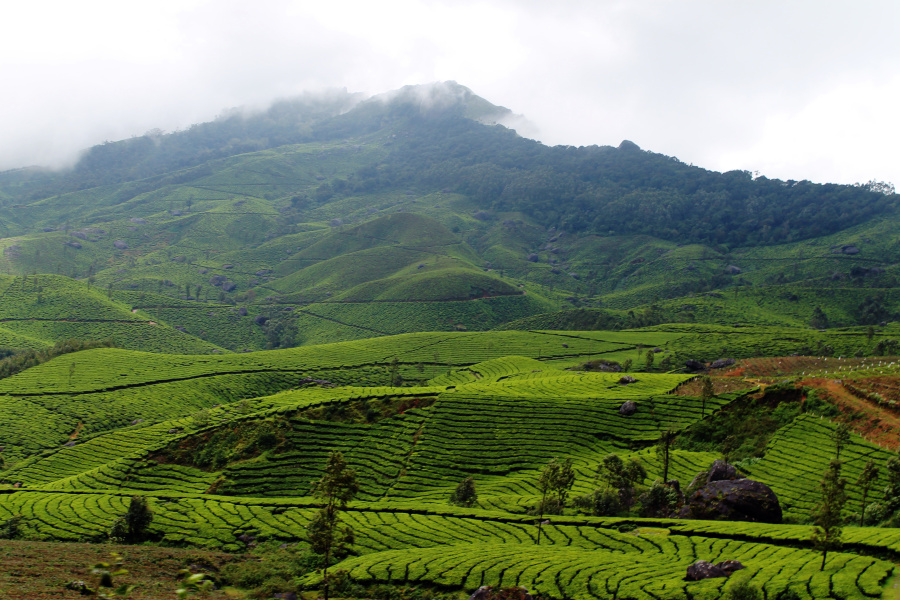
Elephants have to negotiate a vast expanse of tea estates to reach distant rainforest fragments in the Western Ghats of India. Photograph: Ganesh Raghunathan/Whitley award

Elephants have to negotiate a vast expanse of tea estates to reach distant rainforest fragments in the Western Ghats of India. Photograph: Ganesh Raghunathan/Whitley award

Whatever can be done, should be done, to improve the safety of humans living in the area where elephants consider home, by reducing the likelihood of encounters. This will in turn ensure the safety of elephants as well as the humans. Thanks to the Guardian for this news:

Dr Ananda Kumar wins one of seven ‘Green Oscars’ for his system of reducing human-elephant conflict by tracking and texting elephants’ locations to people

Karl Mathiesen

On the Valparai plateau in southern India people live in fear of unexpected encounters with giants in the dark.

As dusk settles, tea and coffee pickers collect rations from the townships run by the corporations that own the plantations and drift back towards their colonies. Buses drop workers on the roads and they make the precarious walk through the dark to their homes.

“They are scared. If I am there I am really scared,” said conservationist Dr Ananda Kumar, who created an SMS warning system to help workers live safely among elephants. On Wednesday at a ceremony in London, his work won a £35,000 Whitley Award, dubbed a ‘Green Oscar’. Continue reading

A Traveler in My Own Land – Introduction

Dear coffee-stained diary,

1016402_10151817477384853_833963116_nIt’s been a while since you and I turned pages together, but then there were no new stories to tell. Now we say ‘hello’ at the start of a new line for am on the road again; taking paths that wind through tea gardens and forests, hug beaches and overlook a harbor in this homeland I call Kerala (India). The sights are plenty, so are the stories.

Yours to know are tales of ships docking here to trade in spices and those of communities striving to keep their identities alive. Yes, you’ve had your generous share of the history of the Chinese fishing nets but perspectives are things of beauty. Oh, I almost forgot the people. Continue reading

Tea’s Takeover

Photo: Milo Inman

Photo: Milo Inman

This is the longest article of its kind on our favored food blog, the salt, on National Public Radio (USA)’s website, but it is worth the read for those inclined to food history; and for those in Raxa Collective’s India operations it goes a long way to explaining those beautifully manicured tea estates in a new light:

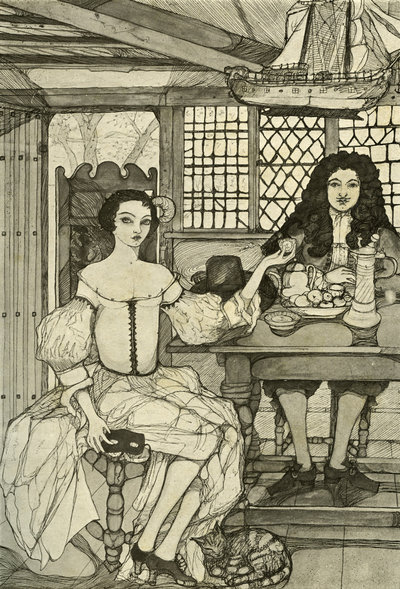
Catherine of Braganza was an early celebrity endorser of tea. After she wed Charles II, the fad for tea took off among the British nobility. Kitty Shannon/Corbis/Lebrecht Music & Arts

Catherine of Braganza was an early celebrity endorser of tea. After she wed Charles II, the fad for tea took off among the British nobility. Kitty Shannon/Corbis/Lebrecht Music & Arts

…Tea was practically unknown in Europe until the mid-1600s. But in England, it got an early PR boost from Catherine of Braganza, a celebrity who became its ambassador: The Portuguese royal favored the infusion, and when she married England’s Charles II in 1662, tea became the “it” drink among the British upper classes. But it might have faded as a passing fad if not for another favorite nibble of the nobility: sugar.

In the 1500s and 1600s, sugar was the “object of a sustained vogue in northern Europe,” historian Woodruff Smith wrote in a 1992 paper.

Sugar was expensive

Continue reading

Kerala’s Legacy Around The World

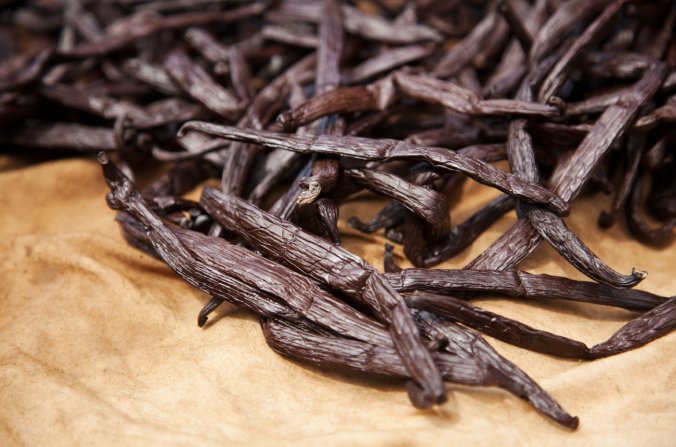
Vanilla is seemingly a prima donna spice because its pods have to be hand-pollinated and then boiled and dried in the direct sun for only one hour. iStockphoto

Vanilla is seemingly a prima donna spice because its pods have to be hand-pollinated and then boiled and dried in the direct sun for only one hour. iStockphoto

Spices enrich in more ways than one. Raxa Collective’s home base in Kerala has more stories than we can ever recount to prove this point. Some of the world’s most loved (and enriching) spices originate in Kerala. But for now, we put our attention elsewhere in the spice world. Our friends in Zanzibar are deserving of this attention (thanks to the NPR program, the salt, as always):

Let’s start with a spice quiz. One is a bean discovered in Mexico. One’s a tree native to India. One’s the seed of a fruit discovered in Indonesia.

Today vanilla, cinnamon and nutmeg can all be found in any spice farm in Zanzibar — the East African archipelago that was used as a spice plantation by the 18thcentury Omani Empire. Continue reading

Hackers, Lentils & Love In A Flower Bed

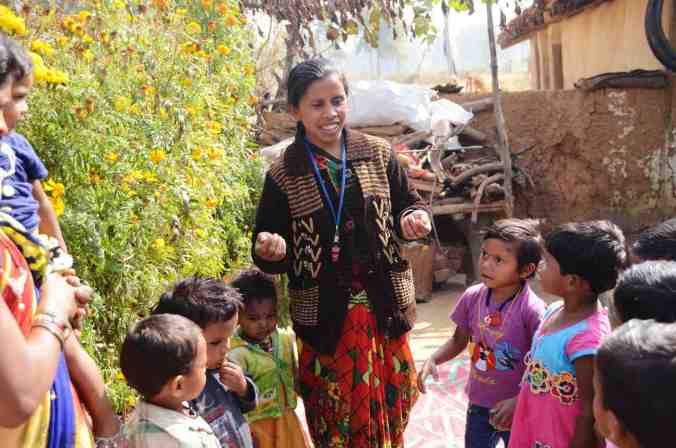
Nursery worker Shivkumari Pate leads children in a learning song. Pate works with the nonprofit Jan Swasthya Sahyog, which developed the first network of community nurseries. Ankita Rao for NPR

Nursery worker Shivkumari Pate leads children in a learning song. Pate works with the nonprofit Jan Swasthya Sahyog, which developed the first network of community nurseries. Ankita Rao for NPR

It would be remarkably easy to fill these pages with stories from India, from various places in Africa and Latin America where we also have projects, that give a strong sense that no matter how quickly solutions get hacked, there are more problems than can possibly be resolved; we spare you those most of the time. Instead, we point to stories like this one (thanks National Public Radio, USA):

…For decades, aid organizations tried to improve the health of moms and babies in Chhattisgarh. Little made a dent. But then a garden of flowers rose up in the state. Continue reading

Beach activities at Marari Pearl

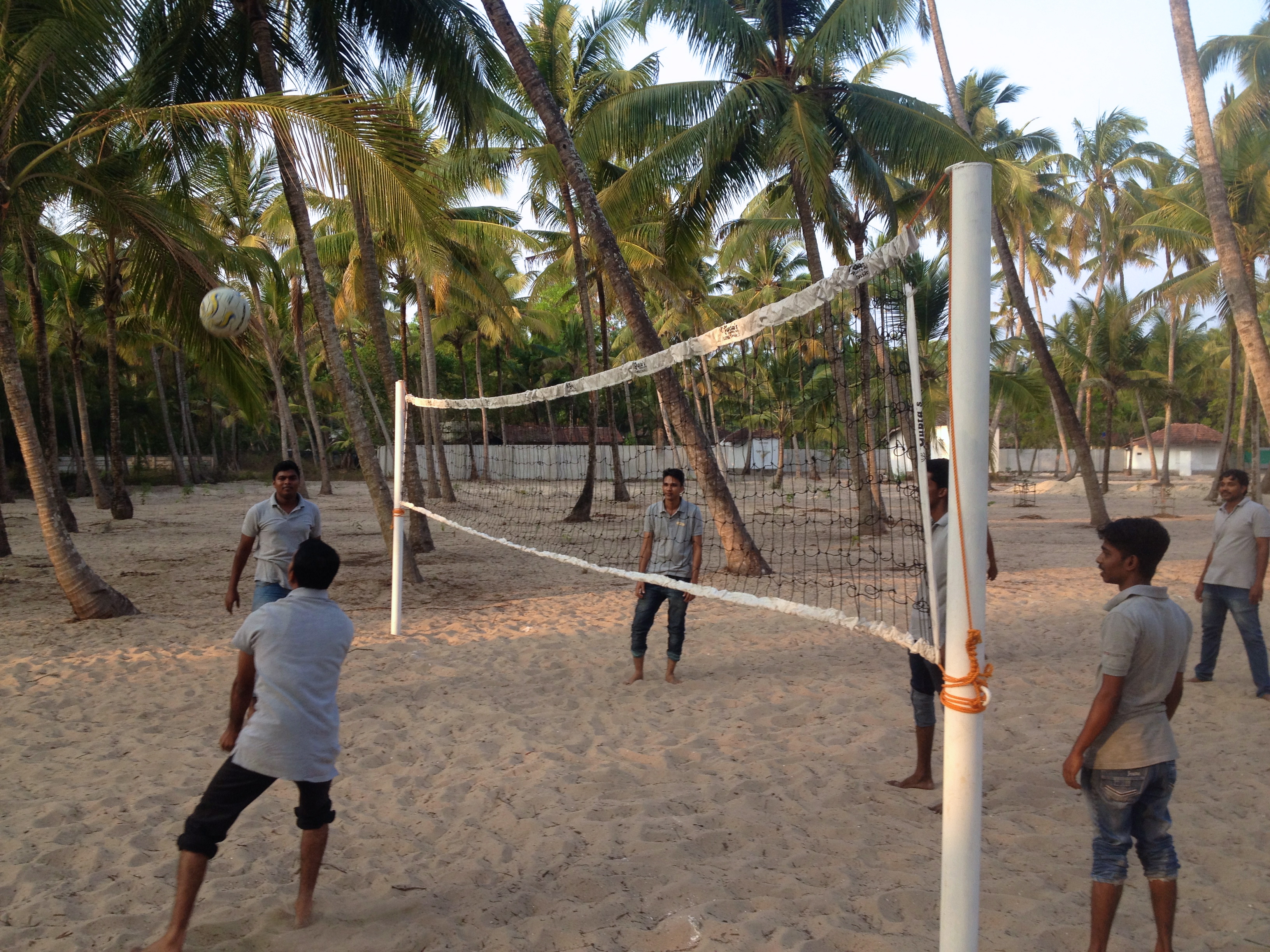
IMG_1492Team spirit is at an all time high at Marari Pearl! Recently, beach volleyball has become a ritual here, and high spirits are flaring. I have been interning here 3 weeks now and I have seen a great improvement in the skill level (including my own) of the sport. Guests have also been joining in and having a wonderful time. The excitement of the game has not only brought spectators from the resort, but also other people passing by who cannot help but join in on the fun. Continue reading

India Tiger Census Shows Promise For The Future

Screen Shot 2015-02-03 at 2.57.04 AM

The Guardian‘s video shorts, covering current news that sometimes calls for moving images, shares this recent surprise finding from India:

India’s 2014 tiger census finds the country is now home to 2,226 tigers, making up 70% of the world’s population. The figure increased by 30% in three years despite threats of poaching and habitat loss. The World Wildlife Foundation say the world has lost 97% of its tiger population in just over a century Continue reading

The Backwaters of Kerala, India

Upstairs deck/lounge

Upstairs deck/lounge

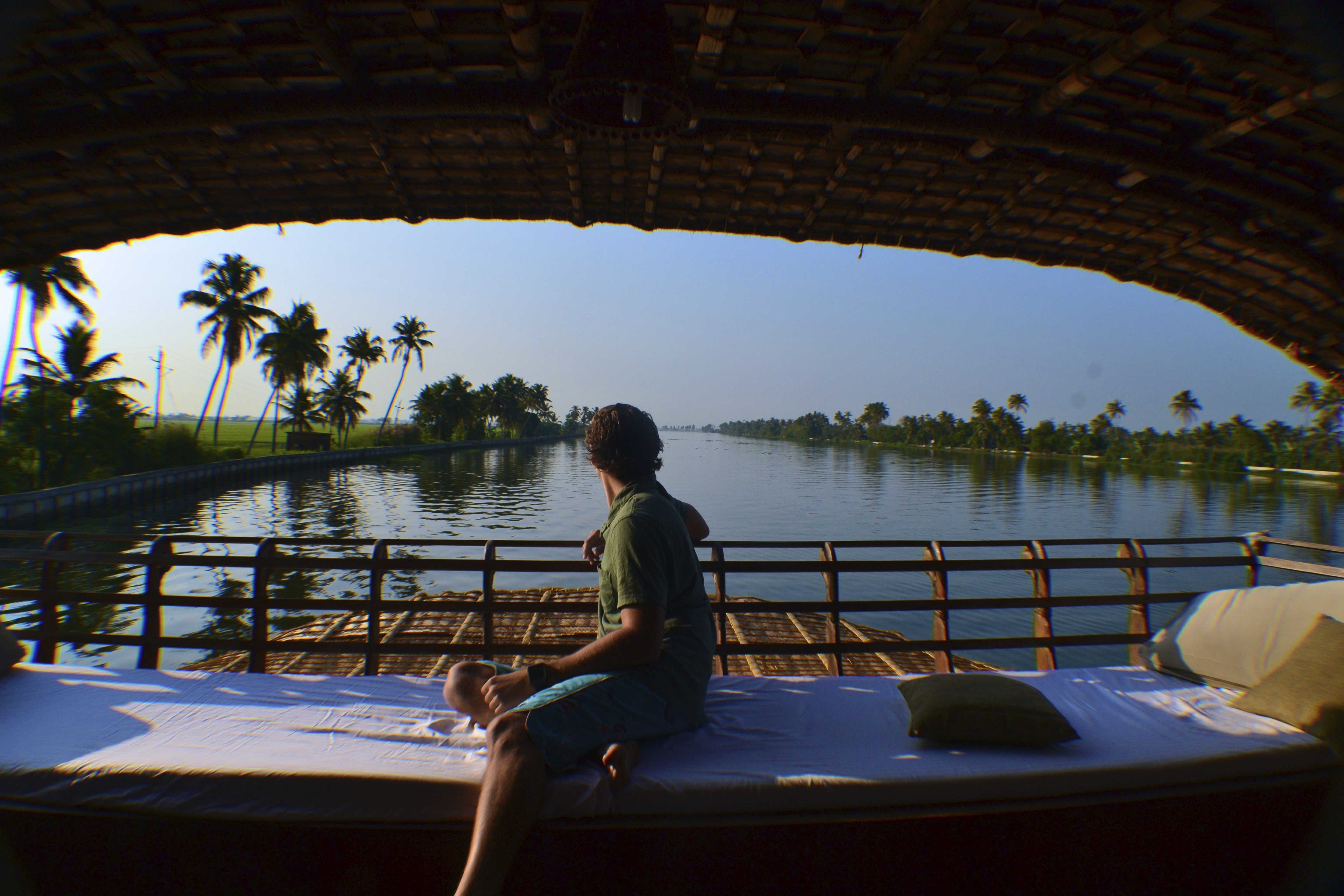
Our group of four was greeted with “tender coconuts” to drink while we got settled into the boat and into our bedrooms. Our houseboat was over 100ft long with three bedrooms, a dining room, an upstairs lounge deck and all the amenities of a hotel (including AC), I was in awe. The outside was covered in a coconut palm woven shell tied together by coconut husk rope. Truly a product of “Kerala”, meaning “Land of Coconuts”. Continue reading

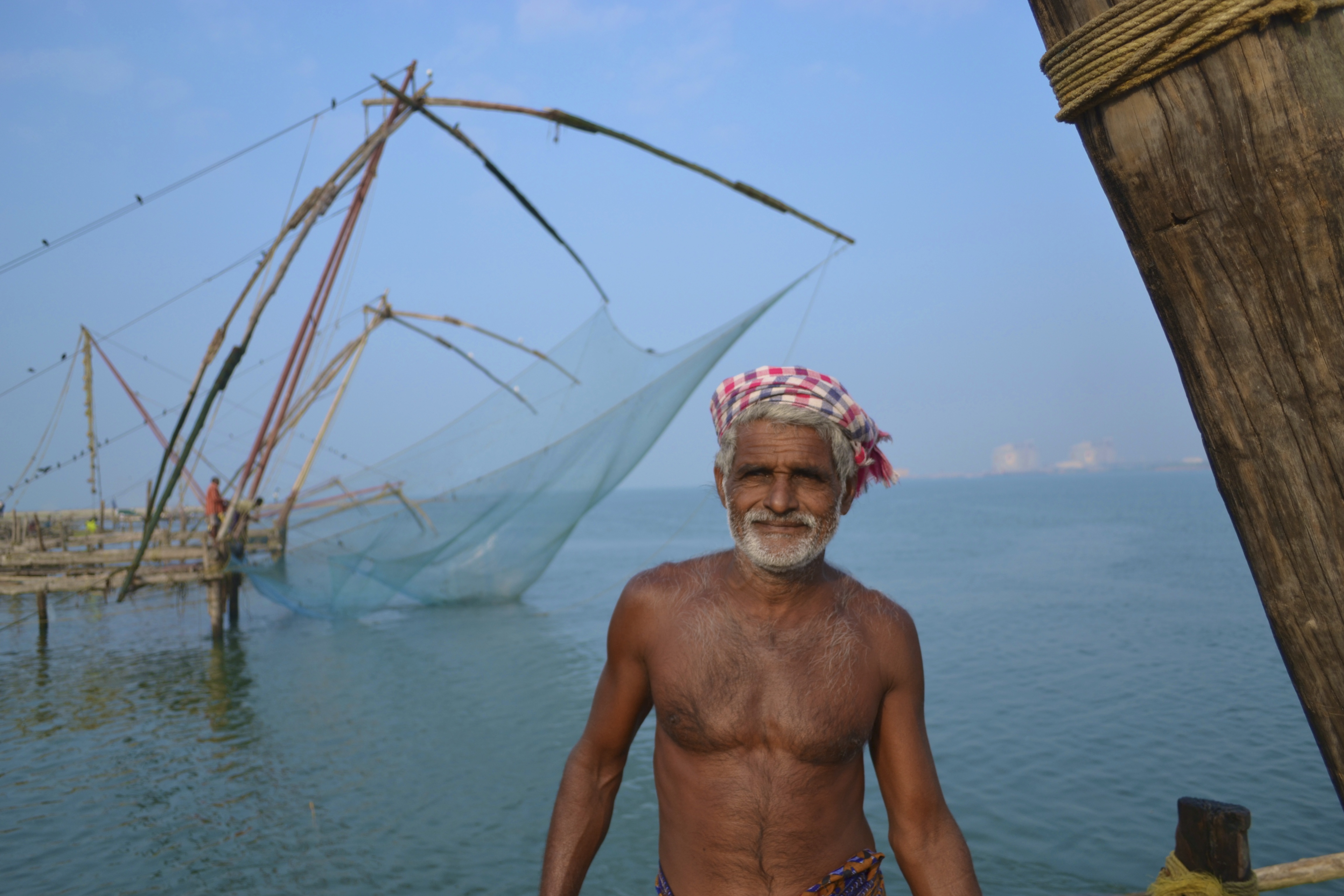
Chinese Fishing Nets, Kerala

Marconi in front of of the nets in Fork Kochi

Marconi

Marconi is an original decedent of the Mongolian people (a Chinese state at the time) who were the creators of the “Chinese Fishing Nets” in Kerala, India. These structures are at least 30 ft high and the nets stretch out more than 50 ft across the water! It takes half a dozen people to even attempt to heave the nets which work on a pulley system with GIANT boulders hanging from the opposite side to counteract the weight. Continue reading

Wilbur, Come To Kerala!

Wilbur Sargunaraj sings about life in his family's ancestral village in India. Produced by Wilbur Sargunaraj for NPR and John W. Poole/NPR.

Wilbur Sargunaraj sings about life in his family’s ancestral village in India. Produced by Wilbur Sargunaraj for NPR and John W. Poole/NPR.

Tirunelveli, as the crow flies, is not so far from the Raxa Collective office in Cochin.  Much closer than the location of the average reader of National Public Radio (USA)’s website, or the typical viewer of these videos on YouTube. They ring true with southern Indian sense of hospitality, so we hereby invite Wilbur to our neck of the woods:

Who is that man in a white shirt, black necktie and what appear to be blue plaid pajama pants? And why is he running around a village tasting and drinking all kinds of food?

That’s Wilbur Sargunaraj. He calls himself “India’s first YouTube star.” His videos about life in India have drawn more than a million views. And now he’s made some very first-class videos for NPR’s Goats and Soda blog: “Dunk-A-Chicken: The Village Way” and “The Village Way: Food.” (Well, he says they’re first-class, and who are we to argue?) Continue reading

Entrepreneurship In The New India

Recasting India How Entrepreneurship Is Revolutionizing the World's Largest Democracy by Hindol Sengupta Hardcover, 249 pages

I argue that in India you cannot be against the state. That would be madness … But the state should not be running five-star hotels, which it is still doing. – Hindol Sengupta

Thanks to NPR z(USA) for this review of a book that helps those of us working in India get a better grip of what we see around us. It is likewise an invaluable guide for those observing from afar the vibrant new economics of this ancient mix of cultures, all wrapped up in the largest democracy on earth:

It takes almost a month to get permission to start a business in India — a feature of the country’s four-decade experiment with centralized, state-controlled economic planning.

India began moving away from its old policies and opening up to outside investment in the early ’90s — but that movement towards a free market economy has happened in fits and starts, and is far from complete.

Hindol Sengupta is an editor-at-large with Fortune India, the magazine’s India arm, and he’s written a new book about the policy shift: Recasting India. 

When I sat down with him in New Delhi, he told me that India’s greatest economic battles “are being recast, the debate is being reframed” away from the longstanding idea that India’s protracted problems can only be solved by its government.

Continue reading