That’s What We’re Talking About

Screen Shot 2014-11-13 at 2.39.36 AMAmong the surprising things we have learned from India’s Prime Minister in recent months is that he is appointing a new Minister within this enormous, complex democracy, one that intrigues (Reuters story associated with the headline after the jump):

Screen Shot 2014-11-12 at 9.14.59 PMIndia gets minister for yoga and traditional medicine

BY ADITYA KALRA

Interesting that when we click through to the Department’s website we find that it has a long history predating the Prime Minister (the position, the appointment and the Department are all news to us, but we are not clear on why Reuters and other news agencies suggest that the Prime Minister has created  this new government agency):

Welcome to AYUSH

Department of Indian Systems of Medicine and Homoeopathy (ISM&H) was created in March,1995 and re-named as Department of Ayurveda, Yoga & Naturopathy, Unani, Siddha and Homoeopathy (AYUSH) in November, 2003 with a view to providing focused attention to development of Education & Research in Ayurveda, Yoga & Naturopathy, Unani, Siddha and Homoeopathy systems. The Department continued to lay emphasis on upgradation of AYUSH educational standards, quality control and standardization of drugs, improving the availability of medicinal plant material, research and development and awareness generation about the efficacy of the systems domestically and internationally. Continue reading
Wine In India, Historically Intriguing

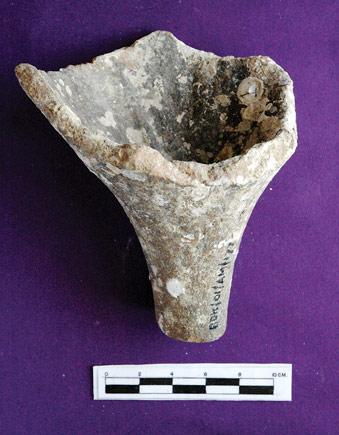
Amphora shards have been found all along India’s western coast. Courtesy National Institute Of Oceanography

Amphora shards have been found all along India’s western coast. Courtesy National Institute Of Oceanography

As Spice Harbour’s restaurant, 51, looks forward to the day when it might serve a glass of wine with an evening meal, we look back in time for a bit of inspiration, thanks to our friends at Caravan:

…In August, I spoke on the phone to A S Gaur, a marine archaeologist at India’s National Institute for Oceanography and co-author of  a paper on ancient wine imports. Speaking from Goa, Gaur said he had recently discovered amphora shards at what appears to be an ancient shipwreck near Bet Dwarka, an island off the coast of Gujarat. Amphorae were widely used in ancient times for transporting liquid goods, especially olive oil and wine. According to Gaur, the amphorae near Bet Dwarka most likely date from between the second and the fourth centuries CE. It is difficult to analyse the residues found on the shards for a conclusive answer, he said, but trying his “level best” Gaur surmised the amphorae once held wine. “Roman wine,” he said, “was very famous in India during that time.” Wrecks and shards from the same period have been found at many other sites too. All over South India, Gaur told me, “many museums have amphora shards.”

Continue reading

Flowering Plants Of The Western Ghats

05tv_western_ghat__2140103e

For flower lovers, ecologists, and concerned citizens everywhere, important news in today’s Hindu:

As a global biodiversity hotspot and a world heritage site, the Western Ghats is a magnet for conservationists, nature lovers, scientists and researchers hoping to delve into the secrets of its abundant flora and fauna. But despite decades of study by individuals and groups, an essential reference work cataloguing the rich biodiversity of the region has remained a dream.

In a bid to address this need, scientists at the Jawaharlal Nehru Tropical Botanic Garden and Research Institute (JNTBGRI) at Palode near here have come out with a comprehensive work on the flowering plants of the Western Ghats.

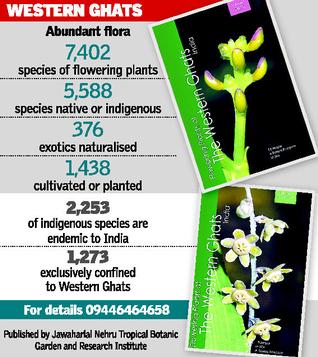
Published in two volumes, the 1,700-page book reveals the occurrence of a total of 7,402 species of flowering plants in the region, out of which 5,588 species are native or indigenous. Of the rest, 376 are exotics naturalised and 1,438 species are cultivated or planted as ornamentals. Continue reading

Hill Station Carrots, By Roger

Roger Carrot-seller

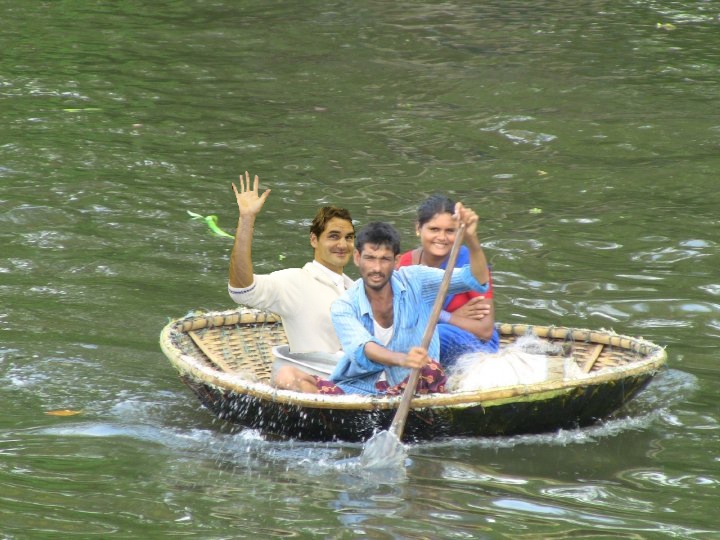
Ever in search of the best produce for our vegetarian menu items, we are frequently on road trips to farms where we hear the vegetables are tastiest. We bought some organic carrots from a roadside stand in the Western Ghats, and little did we realize then who it was selling to us. He gets around.

Roger In Kerala

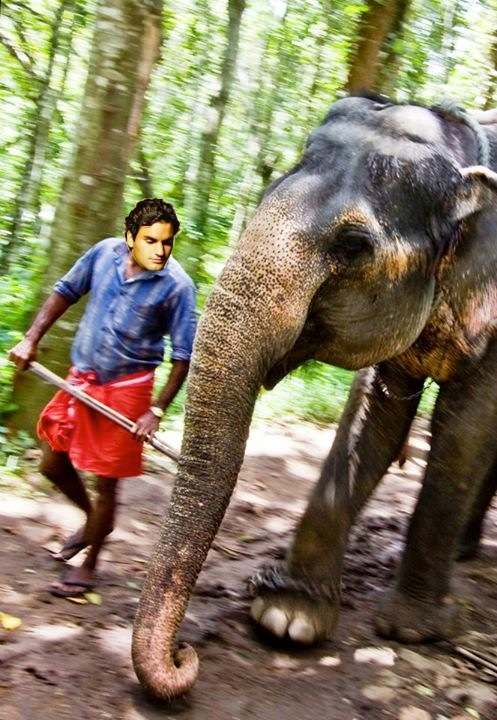
Roger Mahoot

When Seth and Milo Inman heard that Roger would be in India, and that he wanted suggestions on what he would be missing given his short time available, they thought he might be interested in visiting some of Raxa Collective’s stomping grounds in the south of the country. He would be able to get back to nature, and in an authentic way.

Seth has worked in Kerala, and Milo lived and worked here for two years. During that time, Milo took the photo above, not realizing until today that he had captured an image of Roger moonlighting as a mahoot. We hope Roger will return to show us his best moves.

Chai Wallah Surprise

_77818591_vinoddsa

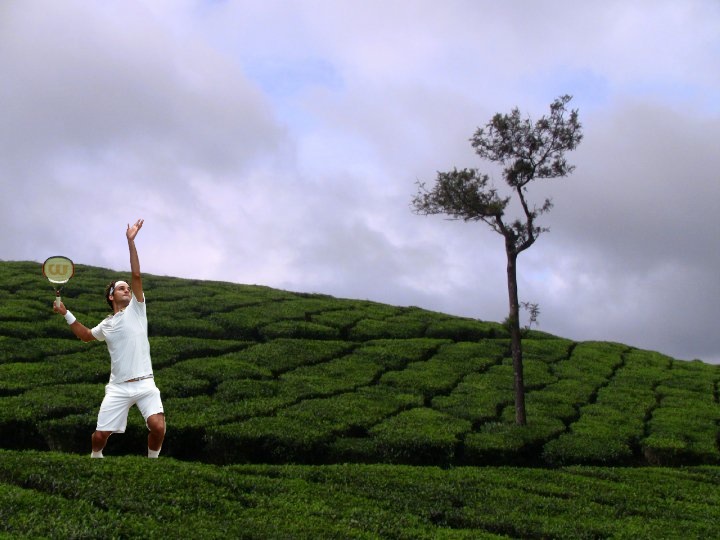
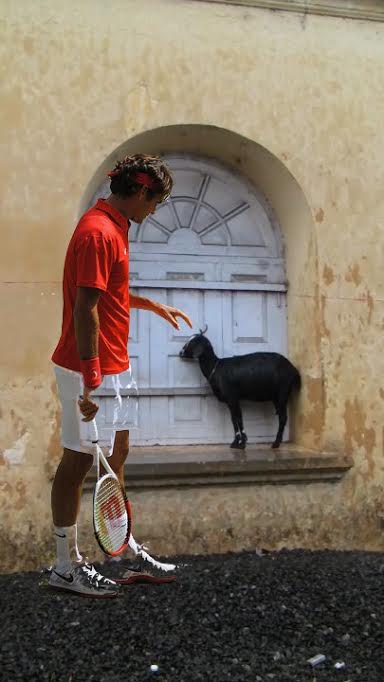
Thanks to the BBC we learn that Roger Federer will be in India soon. He has not made reservations at any Raxa Collective properties yet, but we await his arrival and the opportunity to learn his moves:

Swiss tennis ace Roger Federer has run into a problem familiar to most people who travel on business – he’s going to India later this year but won’t have time to see the sights. So he has asked fans to help him. Continue reading

51 Spice

The video above follows the process of acquiring, drying, and blending a mix of Indian spices to create the 51 spice mixes that head chef Ghanshyam Giri will be using for special chicken or fish dishes.

This slideshow requires JavaScript.

Back in January, I shared another spice video (which I didn’t Continue reading

The Marari Fruit Diaries

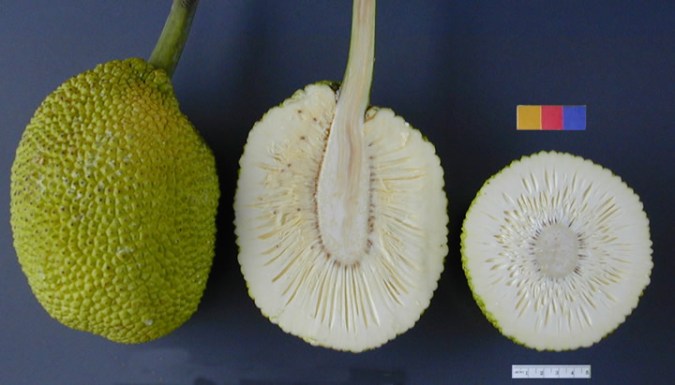
This is a picture of breadfruit, which actually tastes like freshly baked bread

This is a picture of breadfruit, which actually tastes like freshly baked bread

I’ve been writing about the exciting biodiverse varieties of plants at the new property, Marari Pearl. I want to point out though that even before we started, the land has hundreds of coconut trees on it, as well as dozens of mango and cashew trees, which is exciting in its own right.

One thing about the coconut trees that makes them a win-win, is that it helps provide local jobs. There is a certain group of people whose legal right it is in Kerala to do the job of tending to coconut trees. Before Marari Pearl was there, no one was hiring them to take care of the trees. Now that we are utilizing them to provide coconuts for our properties, they get jobs and we get fresh coconuts.

We are adding a cornucopia of other fruits, both local and exotic. I mentioned that we have pomelos, rambutans, tamarinds, several types of jackfruit,  lovi-lovis, mangos, and oranges as well as the infamous miracle fruit. There is also the hong kong guava, burmese grape bud, pomegranate, sapota, malayalam champa fruit, abiu fruit, jaboticaba fruit, langsat tree, and several varieties of avocados or ‘butter fruit’ as its called here. There are breadfruit trees as well as peanut butter trees. There is karonda fruit, nelli puli fruit, mangosteen, and mooty fruit. There are five pages of names, some I know, some I don’t, and some I can’t understand because it’s a handwritten list. Continue reading

A little taste of Kerala

photo 2

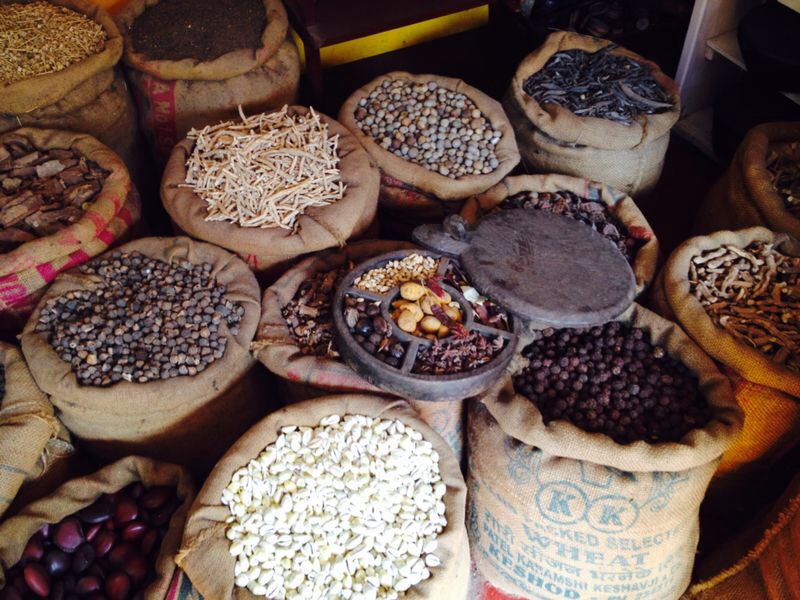
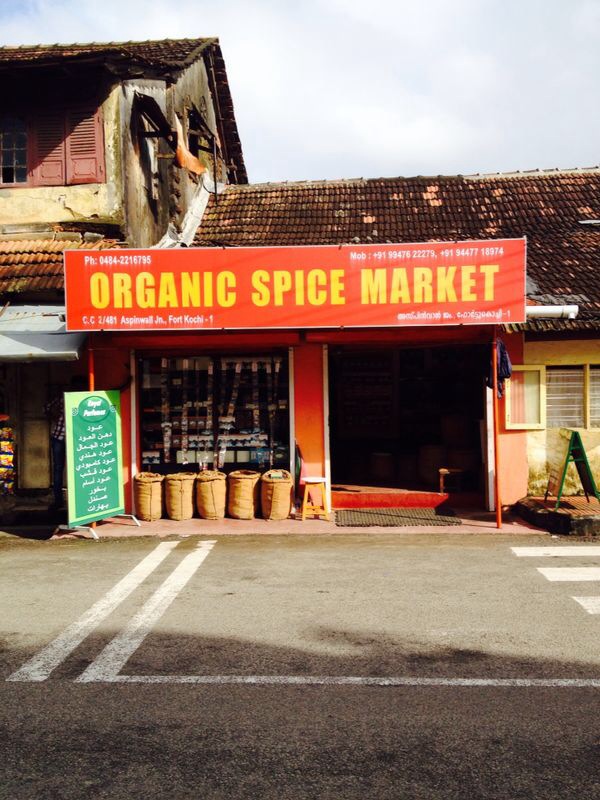
Just down the street in Mattancherry is an organic spice shop with a wide variety of classic South Indian spices. The aroma inside of the shop definitely met my olfactory needs for new smells.

The 51 restaurant at Spice Harbour serves a Xandari Salad to represent Raxa Collective’s other property, Xandari Resorts. The Xandari Salad has become a favorite at 51 with its tahini-yogurt dressing, avocado, roasted cashews, and feta cheese on top of a fresh lettuce mix.

photo 1
Continue reading

Seeds, Activism, Hope

140825_r25365_sq-320

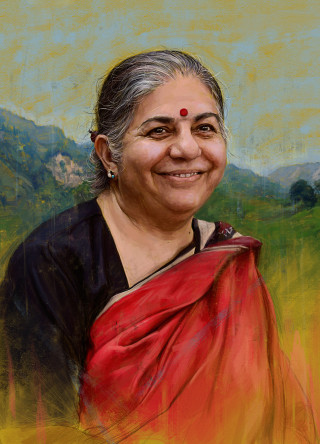
Vandana Shiva is leading the opposition to genetically modified crops. Are they a scourge or a solution to hunger

We had never heard of her before, but seeds have been on our mind lately so we immediately want to know more. So thanks to Michael Specter for his profile Against the Grain–An activist’s controversial crusade against genetically modified crops:

Early this spring, the Indian environmentalist Vandana Shiva led an unusual pilgrimage across southern Europe. Beginning in Greece, with the international Pan-Hellenic Exchange of Local Seed Varieties Festival, which celebrated the virtues of traditional agriculture, Shiva and an entourage of followers crossed the Adriatic and travelled by bus up the boot of Italy, to Florence, where she spoke at the Seed, Food and Earth Democracy Festival. After a short planning meeting in Genoa, the caravan rolled on to the South of France, ending in Le Mas d’Azil, just in time to celebrate International Days of the Seed.

Continue reading

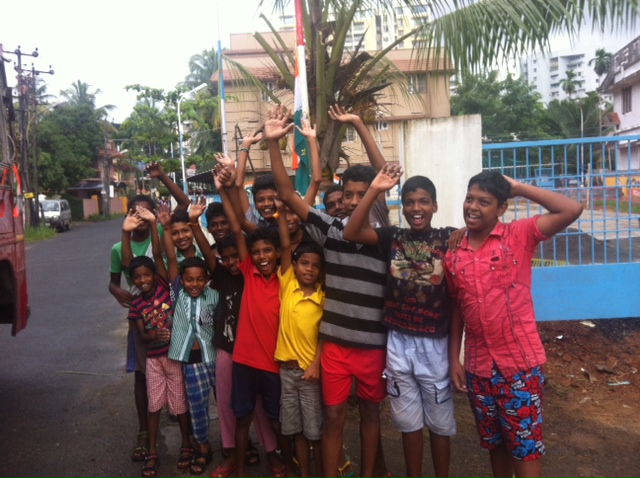
Our Gang, Thevara, On Independence Day

It has been a while since so much of the gang was gathered in one place at one moment. If you look back through the Our Gang, Thevara series over the life of this blog, you will find these, our usual suspects, all represented one time or another. Today, Independence Day 2014, they wanted their voices heard and faces seen again!

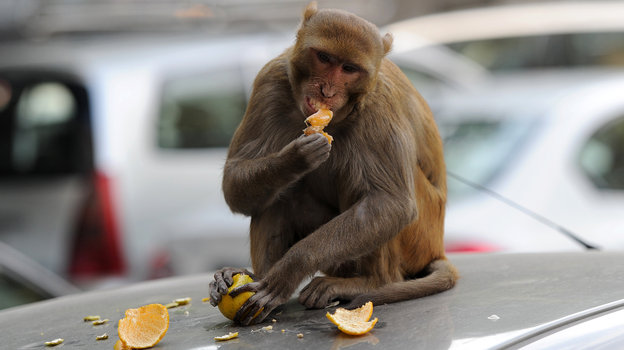
Monkey Business in Dehli

monkeys_delhi2_wide-d22a7520cf5334f80c91291f185119e7a44c6aad-s4-c85

New Dehli has tried numerous schemes to control its monkey population. Photo Credit: Sajjad Hussain

We’ve had our fair share of monkey business as a garden challenge in Cardamom County. In Dehli, they’re looking for ways to monkey proof their city.

Reporting monkey raids, Sharma says, residents complain that ” ‘they’ve just taken away my clothes,’ or … ‘they have opened the fridge’ … and ‘they’ve taken out the food.’ “

The monkeys have also been known to intimidate fruit vendors and get intoxicated on stolen whiskey. Sharma says when they fail to find food, they can raise a rumpus.

You can read more in depth at the original article here. Initially, there were people who were hired to train Langurs because they were able to frighten off the smaller Rhesus monkeys. That practice was recently banned due to animal rights concerns. Now, there are 40 men hired to mimic the calls of the Langurs to scare them away. Continue reading

Brihadeeswarar Temple, Thanjavur – Tamil Nadu

Photo credits : Binu Kumar

Photo credits: Binu Kumar

Brihadeeswarar Temple was an imperial monument to Chola power and the greatest artistic accomplishments of the late Chola period. This Temple was the greatest single undertaking of the South Indian temple builders, taking almost 15 years to complete. Continue reading

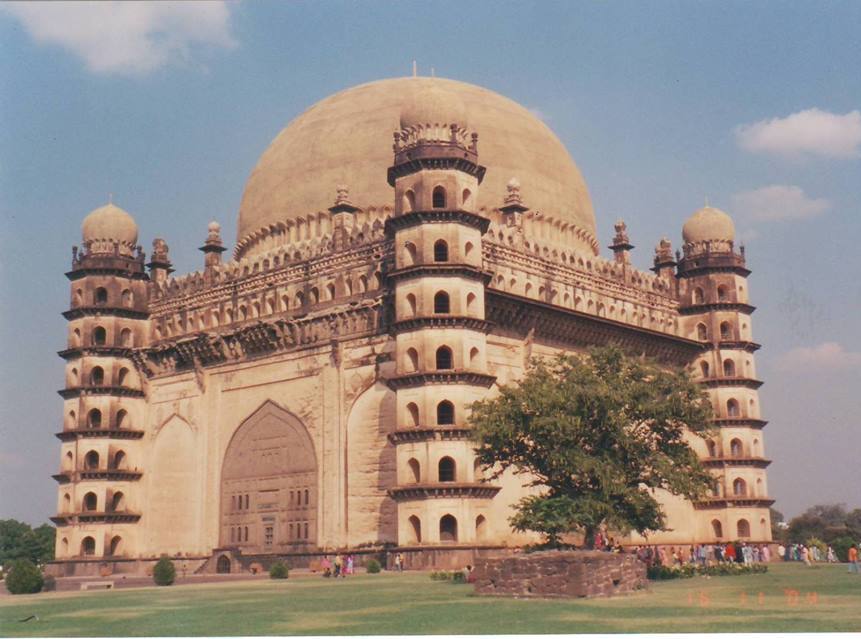
Gol Gumbaz

Photo credits : Vijay Mampilly

Photo credits : Vijay Mampilly

Gol Gumbaz is one of the largest and most famous monuments in India. Gol Gumbaz was constructed as a mausoleum for Sultan Mohammed Adil Shah, the seventh ruler of Adil Shah dynasty (1627- 57). Construction was completed in 1656. The monument’s central tomb remains a popular tourist attraction, but in fact the entire building, despite its simple design, stands as a masterpiece of Deccan-era architecture. Continue reading

River Blossoms

This slideshow requires JavaScript.

India’s famous flower markets are testiment to the people and culture’s strong identification with flowers in all aspects of their daily lives, both sacred and secular. Flowers are found in food and drinks, and as part of all the rights of passage of daily life, from birth to death and everything in between.

Although I’ve never been to Calcutta, I’ve read about the flamboyantly colorful Mallick Ghat Flower Market along the banks of the Hooghly River. Danish photographer Ken Hermann captures the proud men who make their living as Calcutta’s flower sellers.

‘I first went to the flower market during a visit to Calcutta three or four years ago and have wanted to do something on it ever since,’ explains Copenhagen-based Hermann.

‘It’s a beautiful and, at the same time, very stressful place but I was fascinated with it – and the flower sellers in particular. I really like the way they carry their flowers,’ he continues.

‘Sometimes it almost looks like they are wearing big flower dresses. I like that you see these strong and masculine men handling the flowers with so much care as if they were precious jewels.’

Hermann, whose work usually takes him into the grimier side of Indian life, was also enchanted by the flowers themselves, even if there were a few that he wasn’t allowed to photograph.

‘There are a lot of superstitions and religious belief in flowers in India,’ he explains. ‘I wasn’t allowed to photograph some of them because they were considered to be holy flowers and they would lose their power if I had.’ Continue reading

Reflecting: Half-a-World Away

Cardamom Siesta

Cardamom Siesta

Five months have elapsed since my departure from Cardamom County and Raxa Collective in Kerala — sufficient time, in my opinion, to think back on my experience and growth during my adventures there, as well as the time I have spent back in the United States.

Words cannot express how thankful I am for having been given the opportunity to travel farther and live longer away from home than I ever have before, and in a truly amazing, diverse, and different region of the world than I could ever imagine.  The head honchos, Crist and Amie Inman, have an ethos rooted deeply in progressive ecological conservation that is truly admirable, and for the area they are established, borderline revolutionary.

Continue reading