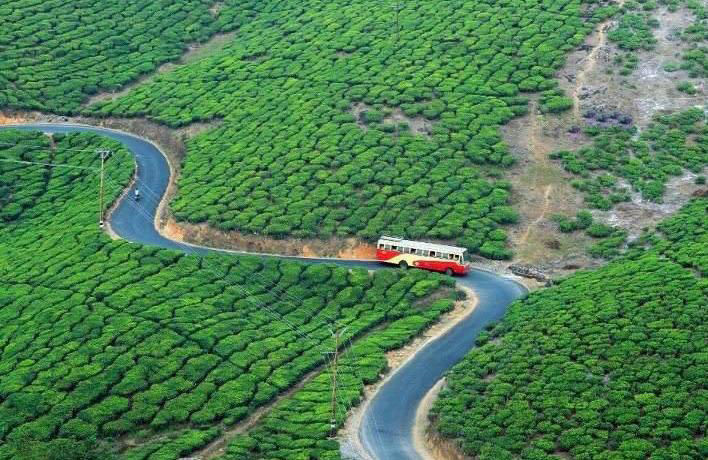
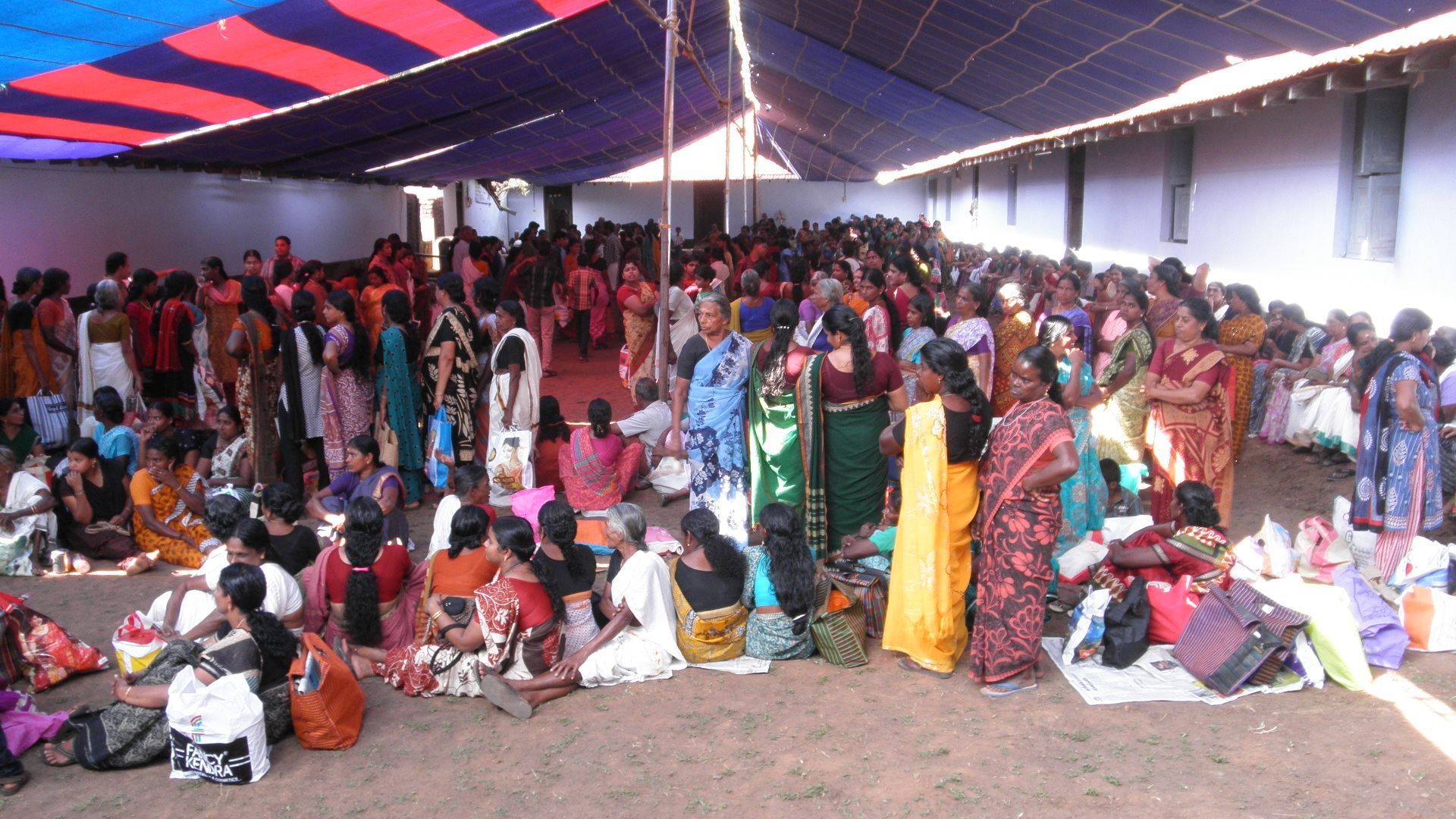
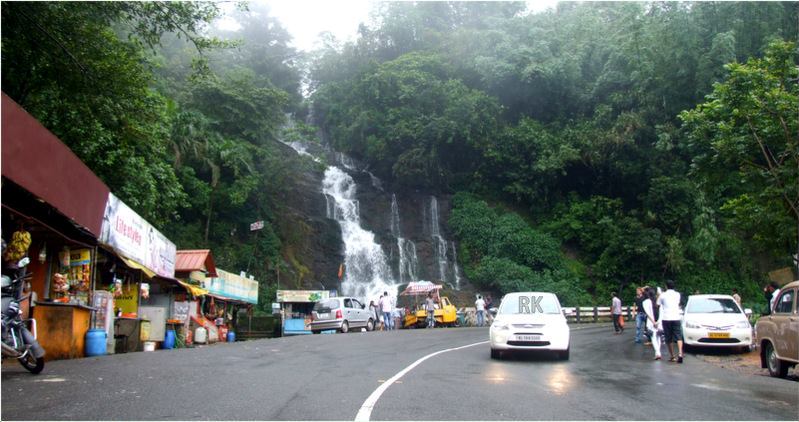
Elappara is a small tea plantation village near Vagamon, about 40km from Thekkady. This tiny village overlooks the awe-inspiring Annan Thampi mountains, the steep slopes of which British planters used to hike up before embarking on hunting expeditions. Continue reading
Kerala
The Story of “Kalyana Saungandhika”
The true Kathakali experience that I’ve referred to previously is only understood fully within the context of the grand Indian epic stories that they express. The rightful heirs to the throne of Hastinapur were 5 Brothers called Pandavas. The brothers were beaten in a game of dice by their 100 cousins called the Kauravas and were sent to the forest. The arrangement was such that the Pandavas were required to spend 12 years in the forest (Vanavaasa) and one year incognito (Ajnaathavaasam). If they were to be recognized by the Kauravas during the year of living incognito, they had to repeat the 12 years of forest life.
Many incidents good and bad occurred while they were undergoing Vanavaasa and the story of Kalyana Saungandhika is about one such incident, which also happens to be the favorite of ‘Kathakali’ performers.
Arjun, one of the 5 Pandavas, won his future wife Draupadi through an archery test and due to a misunderstood statement by Kunti the mother of the Pandavas, Draupadi had to accept all 5 of the Pandavas as her husband. Continue reading
Temple Elephants
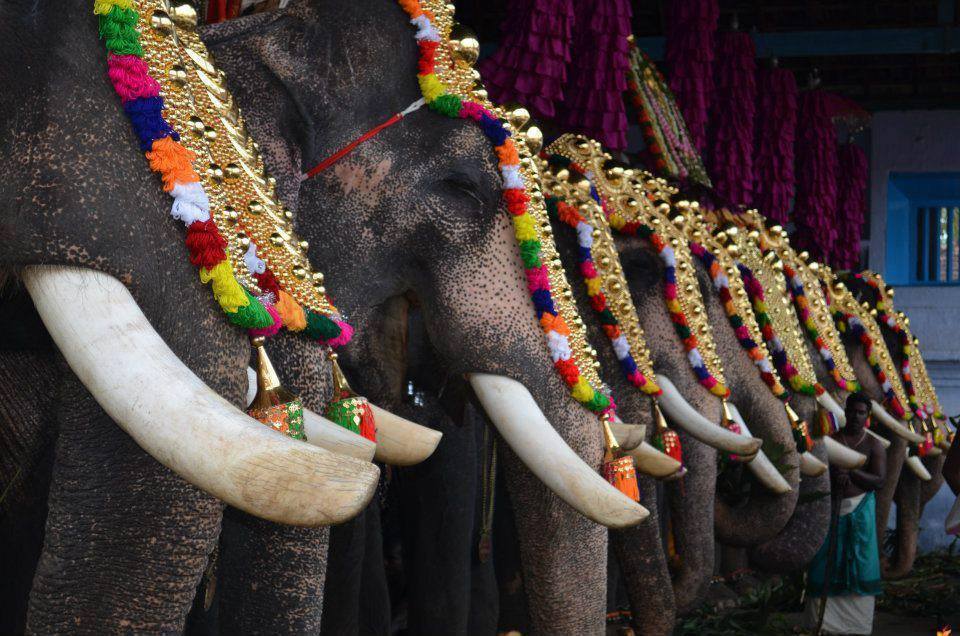
In the history of Kerala, elephants have been part of the festival and cultural ethos of the state. People believe that this animal is a remover of obstacles, a harbinger of good fortune and an integral part of religious and economic life. Over the years, no temple festival in the state has been complete without the participation of elephants: all major temples in Kerala have an attachment to them. Continue reading
Kathakali – An Introduction
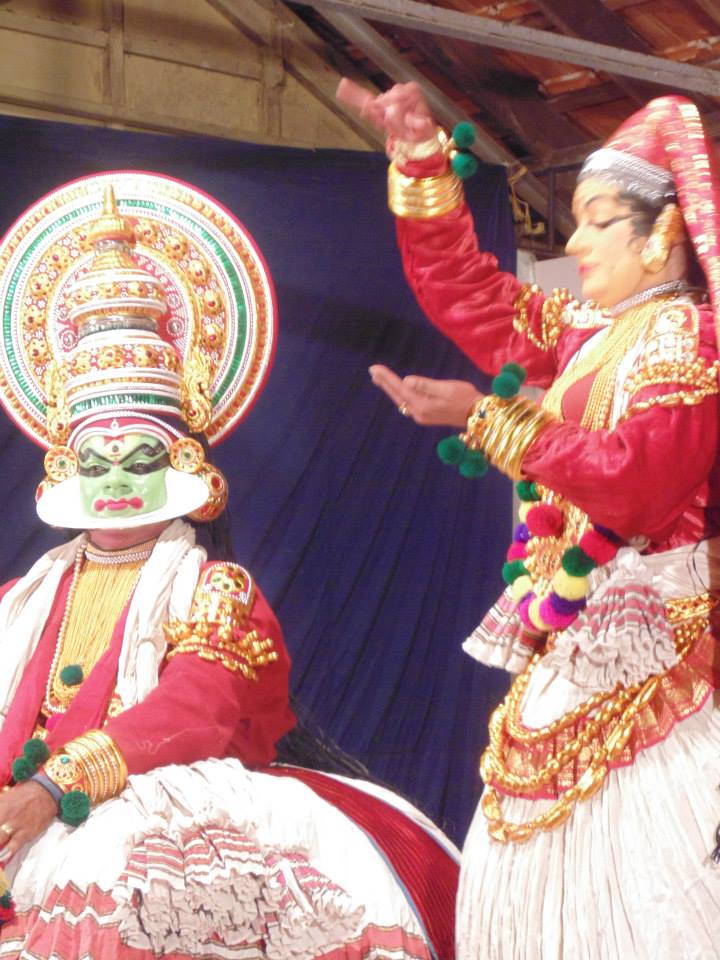
Kathakali is one of the oldest theatre forms in the world. Originating in the area of southwestern India now known as the state of Kerala, it is a group presentation in which dancers take various roles in performances traditionally based on themes from Hindu mythology, especially the two epics, the Ramayana and the Mahabharata.
One of the most interesting aspects of the art form is its elaborate make-up. Characters are categorized according to their nature, which determines the colors used in the make-up. Continue reading
Chinese Fishing Nets, Kochi
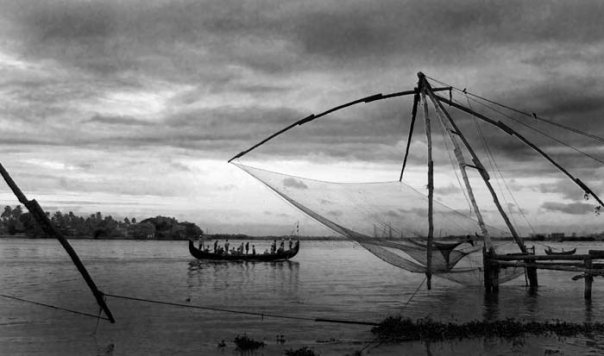
The Chinese fishing nets are a unique and special part of Kochi. A legacy of some of the earliest visitors to this coast, they are thought to have been brought to Kochi by traders from the Chinese court some time between 1350 and 1450. Employed mainly during high tides, these nets are set up on bamboo poles supported by teak wood structures and require at least four men to operate their system of counterweights. Continue reading
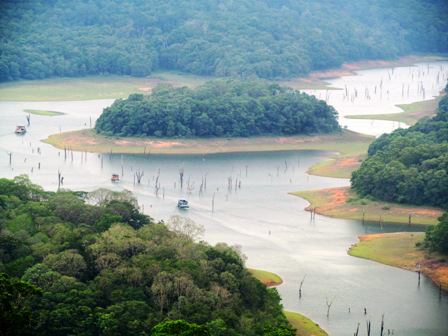
Periyar Sightings: Tiger Trail
Mr. Mujeeb, tour escort from Kumily, went on the Periyar Tiger Trail hike last month and shared some of his photos with us.
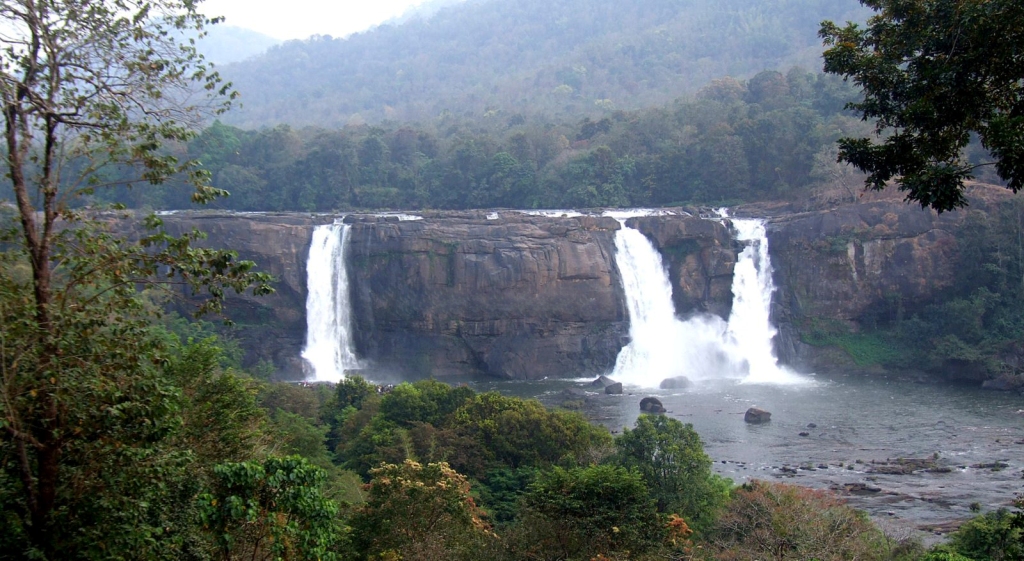
Beauty of Kerala – Athirappally Waterfall
The Athirappally Waterfall is one of the largest in Kerala, situated about 1000 ft above sea-level on the Chalakkudy River, at the entrance to the Sholayar Forest Range of the Western Ghats. Falling from a height of 80 ft, this cataract is a major tourist attraction. Continue reading
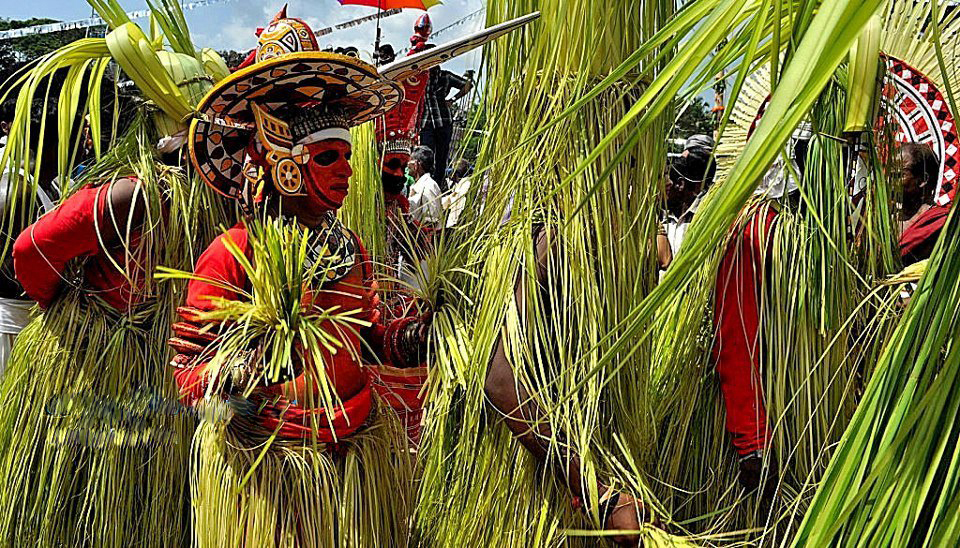
Performing Arts of Kerala
The rhythm, elegance and finesse of the classical dance of Kerala is a result of the various cultural influences that took place in the state. These classical forms are a delicate fusion of ancient classical texts and folk traditions, often related to religious rituals and mythological stories. Continue reading
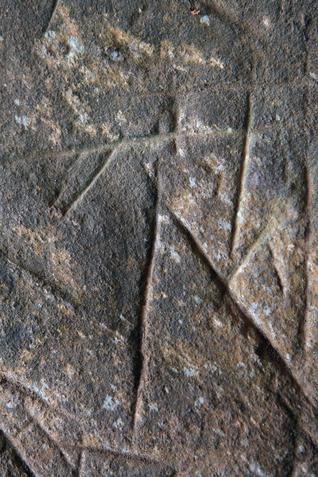
Prehistoric Kerala Rock Art

Deep meanings: A newly discovered anthropomorphic motif on a rock in the Thovari hills near the Edakkal caves in Wayanad.
The Hindu reports today on a discovery in Wayanad, where Raxa Collective hopes to offer travelers cultural heritage conservation experiences in the near future:
This is the first time an anthropomorphic figure, a recurring motif of pre-historic rock arts sites in the world, has been reported from the site.
An anthropomorphic figure has been discovered among the prehistoric petroglyphs (rock engravings) on the Thovari hills near Edakkal caves in the Wayanad district of Kerala.
Hill Palace – Kochi
The Hill Palace, built in a blend of Dutch and traditional Keralan architectural styles, was built in the year 1865 and spreads over 20,000 square feet in forty-nine buildings. Once the official residence of the maharaja of Cochin, today Hill Palace is one of Kerala’s largest archaeological museums. Continue reading
Beauty of Munnar – Top Station
Top Station, named for being the railway station with the highest elevation in the area, is one of the main attractions in Munnar. It is about 24 km from the town, and the view from Top Station provides us with a stunning bird’s eye view of Tamil Nadu, our neighboring state to the east. Continue reading
Temple Art – Kerala
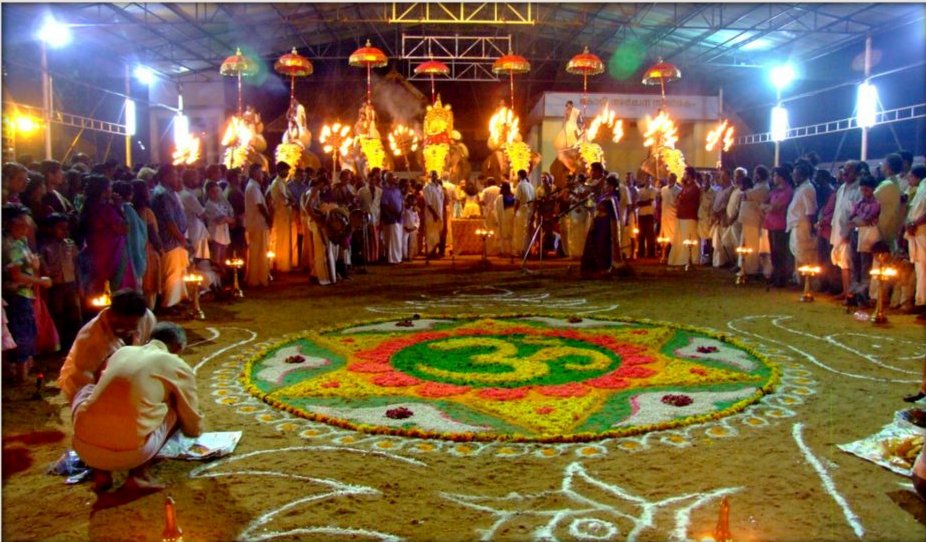
The temples of Kerala offer various artistic and cultural events during festival time. During these periods, previously limited space become public as people gather to celebrate together, making carpets of natural materials, which we have described before. Continue reading
Beauty of Kerala – Aranmula Boat Race
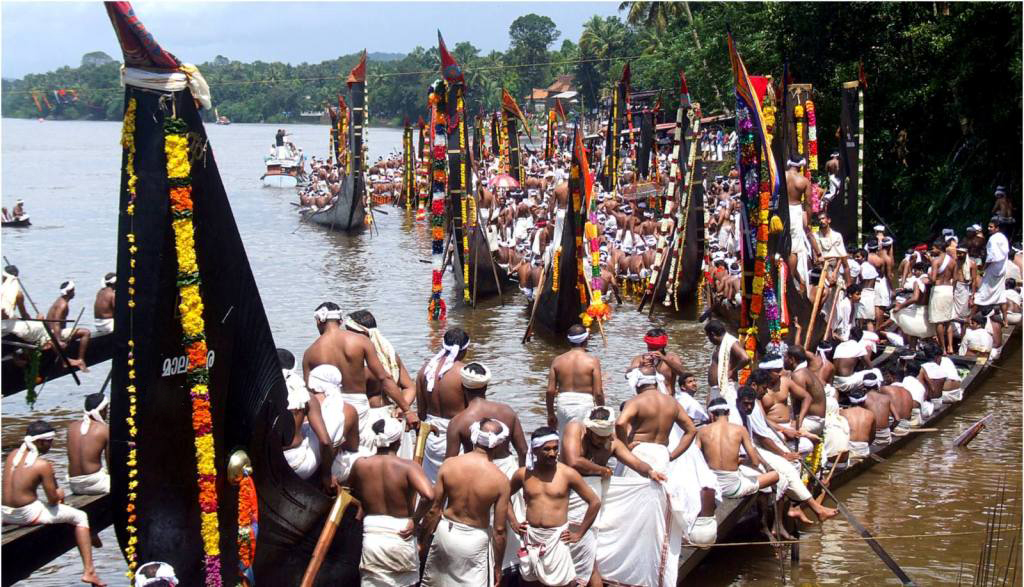
The Aranmula boat race is held during the harvest festival of Onam, on the Pamba River near the Sree Parthasarathy Temple at Aranmula. The head of the boat is usually fantastically decorated with golden lace, a flag, and chains of flowers; often the boats have an ornamental umbrella towards the centre of the vessel. Continue reading
Sri Krishna Temple – Ambalappuzha, Kerala
The Sri Krishna Temple of Ambalappuzha is situated about 12 km south of Alleppey. Dedicated to Lord Sri Krishna, the temple architecture is a mixture of Keralan and Dravidian styles. Continue reading
The Story Behind Our New Banner’s Banners
If you visit this blog several times a day, or happen to chance upon any of our pages when the randomized top banner is just right, you may have noticed that for the past 48 hours a new picture has been thrown into the mix of our banner images, which have been growing steadily — and stealthily, given that the last time we addressed them explicitly was in 2011 — over the past few years.
The number of banner images has since doubled, with more dragonflies, some great-looking tree bark, picturesque tea plantations, and other scenes that we think make a pleasant and interesting (and hopefully not too distracting) backdrop to our written content on any given page. But the banner in question is about sharing and celebration, so I’m sharing a little bit about the image this time around. Continue reading
Periyar Sightings
Today we are sharing the sightings of Mr. Vinoy Khakie from his experience inside the Periyar Tiger Reserve. His photos are impressive despite the fact they were taken from a moving boat.
Of Festivals and Traditions, the Royal Way….
Sarvani Sadya (Food served by the Royal Family)
Kerala is known for its culture, traditions and festivals. After a gap of 2 years, I had the chance to attend our family festival at Nilambur Kovilakam. Normally people from outside the family are not allowed to enter the temple, since it is my family’s, but this festival, called ‘Nilambur Pattu’, gives a chance for all to attend and seek the blessings of our family God ‘Vettekkorumakan’. Continue reading
Ernakulam – Kerala
Ernakulam, which I wrote about last April, was once the official capital of the Raja of Kochi. The city is said to have received its name from a Tamil word that means ‘abode of Shiva’. Today, Ernakulam is seemingly half Kerala backwaters and half one of the fastest growing cities in the country. Continue reading
Murinjapuzha Waterfalls – Kuttikkanam
Murinjapuzha is a beautiful waterfall located 40 km from Thekkady en route to Cochin. The area is at its best soon after the monsoon when the Western Ghats are at their greenest and the rushing water draws visitors to stop at the local tea shops to take in the views. Continue reading
Mural Paintings – Kerala
Kerala has a rich mural heritage dating back to the 7th and 8th century. These early wall paintings were characterized by their elaborateness, symbolic coloration and ornamentation, and ability to display emotion. The murals were painted using natural dyes extracted from plants. Continue reading