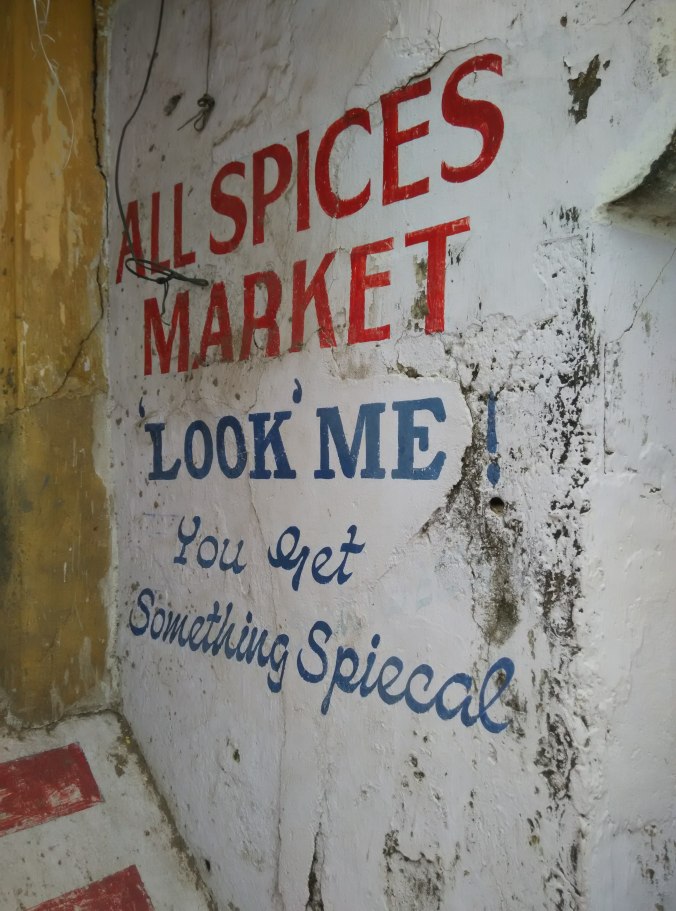
Mattanchery, Kochi, India
Mattanchery, Kochi, India


Walk. That’s my one-word gospel for all who will listen in on the best way to discover. Meander. Be curious, the good kind. Because stories wait around corners, discoveries often plonk themselves on one-way streets. And some are found in messy backrooms of squeaky clean shops lined with mannequins and smiles. Like this woven tale of the people, history, and fabric that go into the making of the Indian drape. There’s more than just five yards to the sari, trust me.


You must have heard the phrase in a nutshell. Well, this post is not exactly that. It’s going to border on being a story in a nutmeg. Yet another tale to add to Kerala’s legacy of having a heart of spices. The nutmeg, though not as glorious as its cousins pepper or cinnamon, is integral for its medicinal, herbal properties and its place in the kitchen.
For me, it’s the embrace that links spending holidays with a grandmother whose heart had nutmeg all over it and a design sensibility at Xandari Harbour. The wispy haired grand lady is long gone, but the wind rustles up her memories among the nutmeg trees. So does a certain corridor at work.
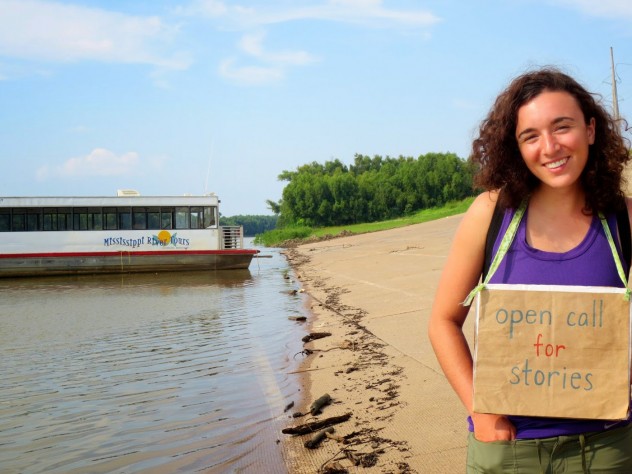
Collecting stories by the river in Vicksburg, Mississippi. August 2013. Photograph by Devi K. Lockwood
You will be in good company, in terms of other “Come to Kerala” invitees mentioned on this blog. We appreciate the Folklore & Mythology, and especially the Art of Storytelling inspirations to your purposeful wandering form of activism. Come say hello.
LEO AND I SIT across the table from each other in the home his family rents in Dunedin, New Zealand. The kitchen smells of roast garlic. Two days ago I cycled up the big hill to his house with all my belongings strapped and clipped to my bicycle: clothes, food, audio recorder, and a tiny guitar. Continue reading

A scenic backwaters view. Photo by S. Inman.
During my stay at Xandari Pearl – another charming property that I visited recently – I had the opportunity to go on one of the Riverscapes houseboats to have lunch and spend a few hours on the famous Kerala backwaters. I think I will remember this experience as the most peaceful that I have lived. Indeed, everything is united to provide you a relaxing and timeless moment.
Obviously the first thing that I noticed is the landscape and each element that surrounds it. It was my first time on the backwaters, and I have to say that this large expanse of water and all the green nature around it is quite wonderful. What makes it peaceful is the fact that you can just enjoy the moment and the view. You don’t have to do anything else! The best part is that except for the lapping of water and some birds, you can’t hear any sounds. It’s the best place to go unwind.
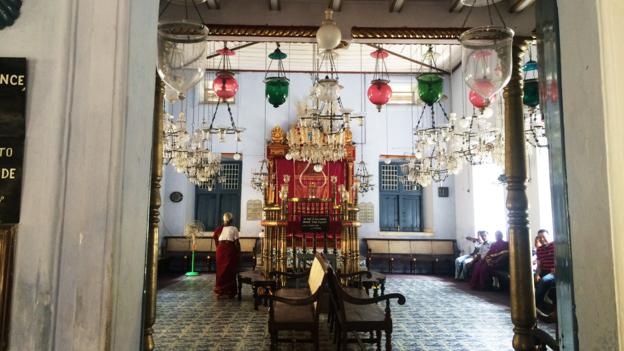
The Paradesi synagogue in Jew Town, Fort Kochi, Kerala. Credit: Alyssa Pinsker
Xandari Harbour, going beyond a hotel, doubles as a gateway to history. Located between the tourist paradise of Fort Kochi and the heritage rich bylanes of the spice markets of Mattanchery, it sees people and time come and go. Among the tales we hold precious is the heartwarming lifestory of the Jews of Jew Town. A handful left, behind doors and windows they sit – reminders of a people who found warm refuge in an alien land. Reminders of a page of a history turning to close.
In a small neighbourhood in the South Indian city of Cochin, Kashmiri shopkeepers in Islamic dress stand in front of shops emblazoned with banners reading “Shalom!” Inside, Hindu statues and shawls vie for space with Jewish stars, menorahs and mezuzahs. Although this multiculturalism might seem strange, the majority-Hindu city is well known for its substantial Muslim and Christian populations. Less known is that there’s also a fast-dwindling native Jewish community, known as the Paradesi (Foreign) Jews, who once populated the neighbourhood of Jew Town.
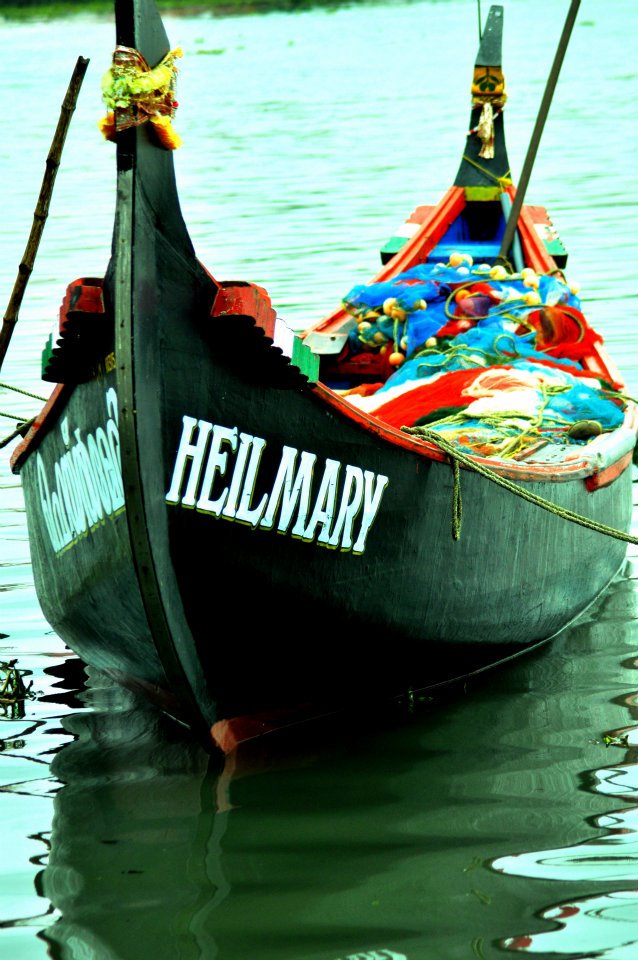
Mattanchery, Kerala
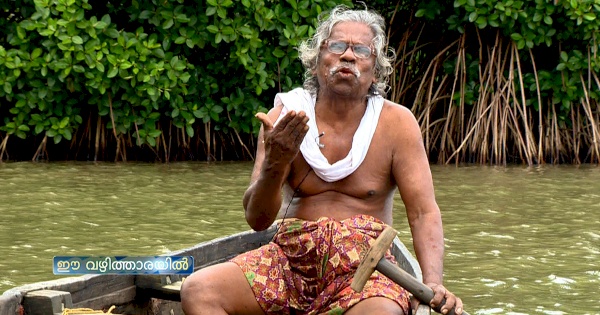
Pokkudan’s pursuit of mangrove conservation started back in the 80s when he started collecting mangrove seeds and planting them in the marshy lands of in Pazhayangadi. PHOTO: Mathrubhumi
Kallen Pokkudan, also known as Kandal (mangrove in vernacular) Pokkudan, an Indian environmental activist and writer from Kerala, devoted his life to mangrove forests and planted more than a hundred thousand mangroves over three decades across Kerala.These trees of the tropics offer a lifeline to areas under the threat of natural disasters, prevent soil erosion, form a breeding ground for marine animals, purify water, and sustain coastal livelihoods. Pokkudan’s pursuit of mangrove conservation started back in the 80s when he started collecting mangrove seeds and planting them in the marshy lands of in Pazhayangadi. His work to expand mangrove cover along the Indian coastline has earned him a UNESCO special mention.
As the noon breeze blows Pokkudan’s silver wisps into his eyes shaded by thick glasses, the octogenarian talks with an unvarnished matter-of-factness about the revolution he started in 1989. At a time when most people were ignorant of the many scientific and envi¬ronmental uses of mangroves, Pokkudan—until then a political thinker—saw them as wind-cheaters that, to a great extent, prevented schoolchildren from losing their umbrellas to strong winds blowing from the Ezhimala area. “I started planting mangrove saplings to shield school-going children from the wind,” says Pokkudan humbly. “I also believed they would prevent the sea from eroding the ground and, above all, I wanted to see the beautiful trees growing.”
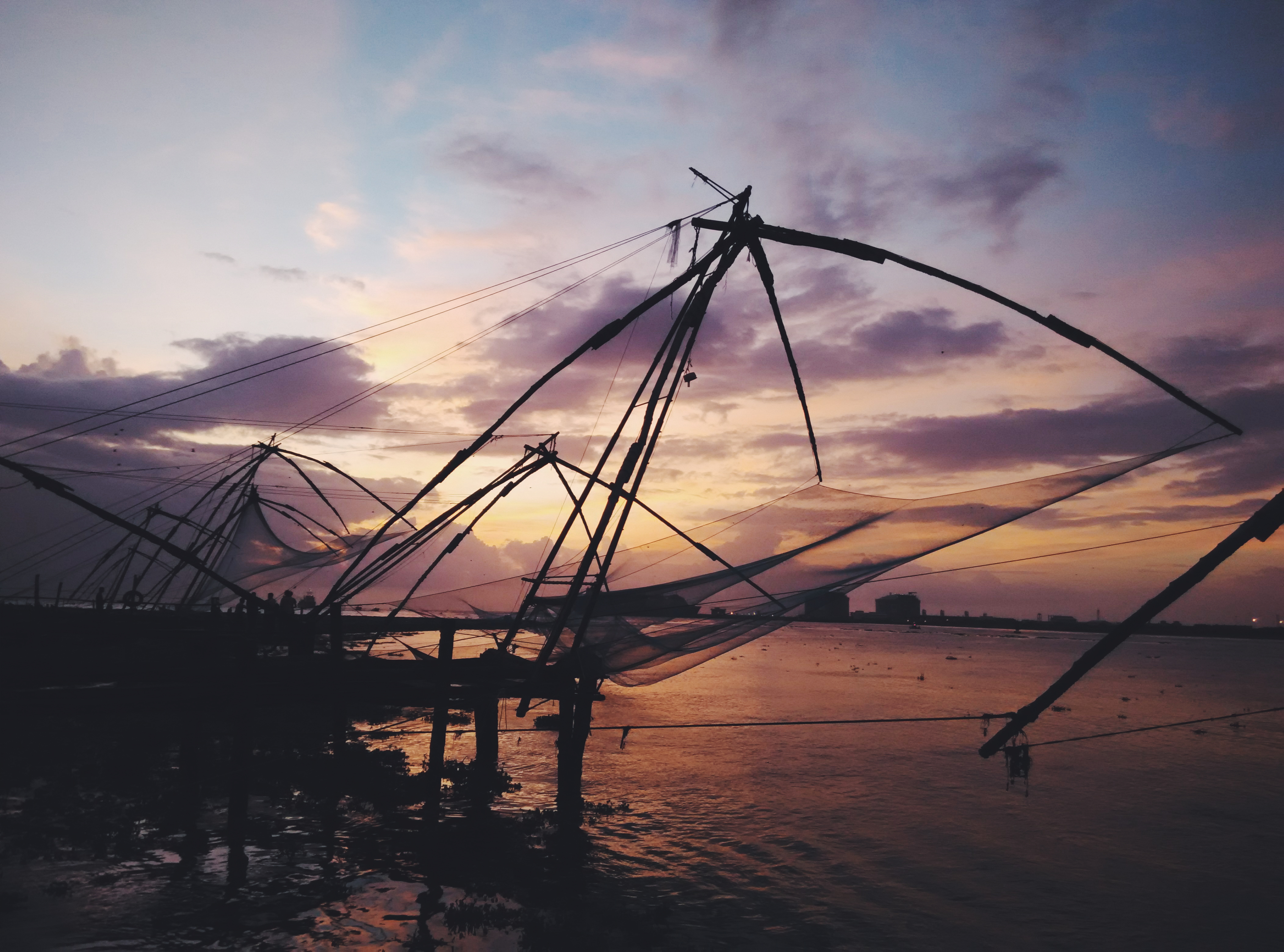
Golden hour at the line of fishing nets along Fort Kochi beach, Kerala, India. PHOTO: Rosanna
Are you a traveler or a tourist? Yes, both mean different things. A traveler – unhurried, lacks the “need” to see/do things, explores beyond the ‘must’ eat, visit lists. A tourist – one for order, one who settles for a “simplified ABC version of the globe“. Highly subjective definitions, yes. Disputable, too. But it easily makes you and I a traveler every single day, at every other place. It makes me a traveler in my own land, in my own time. Friend to tourists and wayfarers, a commonplace storyteller, a forever traveler.


I recently had the opportunity to participate in the planning and execution of a video project as part of my internship. We worked with creative director Anoodha Kunnath, who has already produced many videos about different topics.
The first step was of course a discussion between Anoodha and Raxa Collective to understand what they both expected from the video. This took place about one month ago – at the beginning of my training – so it was really interesting for me to be aware, in a different way, of the company and its philosophy. The main goal of Anoodha’s work will be to communicate all the characteristics of Xandari Harbour (one of the hotels developed and managed by Raxa Collective) and of course its fascinating location.
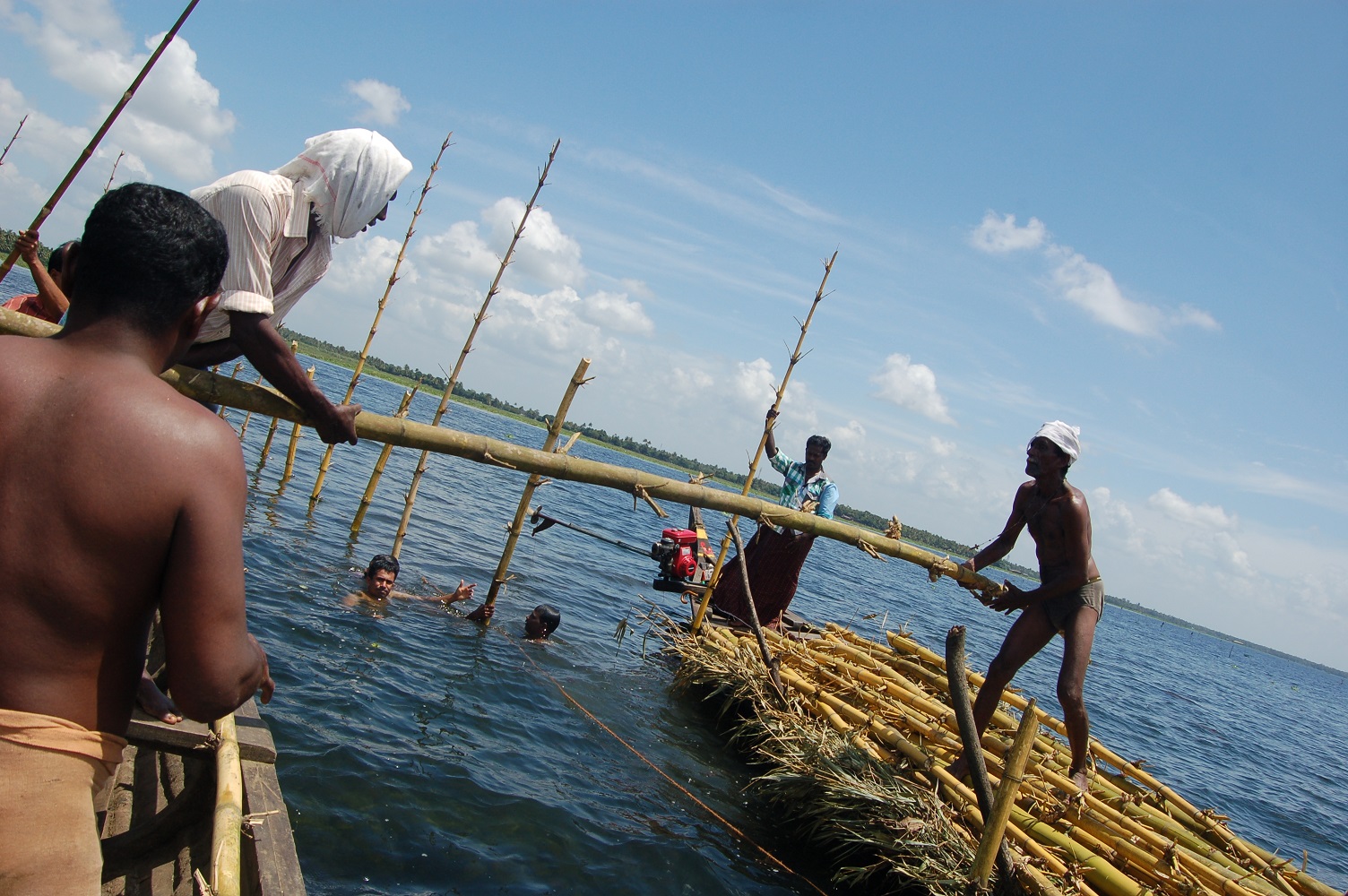
A fish sanctuary in the making on Lake Vembanad, Kerala, India. PHOTO: Scroll
We love the backwaters. Period. Every single time one of our Xandari Riverscapes houseboats puts out into these deep waters, our hearts swell with pride. Responsible showcasing the charm, the timelessness of these waters and its people brings us much joy. And when we come across conservation efforts to maintain the quintessence and soul of this stretch of paradise, we can’t help but let you know.
Spread over 36,000 hectares and three districts in Kerala, this is the kind of landscape that gives conservation ecologists a blinding headache – a resource-rich, highly-productive area that is pulled apart in several directions (waste-dumping, tourism, livelihoods, water security) and depended upon by conflicting communities who have no other alternatives. Lakes have been straddling this intersection all across India – from Chilika in Odisha, to the Bengaluru urban lakes, to Loktak in Manipur, to Vembanad.
Such heavy-use landscapes outside protected areas, however, also might hold answers to the future of conservation. Whether it is a large lake system, or forest fragments that serve as the refuge of a few species or a corridor for wild animals, or a forest fringe, or large agricultural swathes that also host biodiversity, a section of conservationists believes that the future lies in teamwork between nature and mankind.
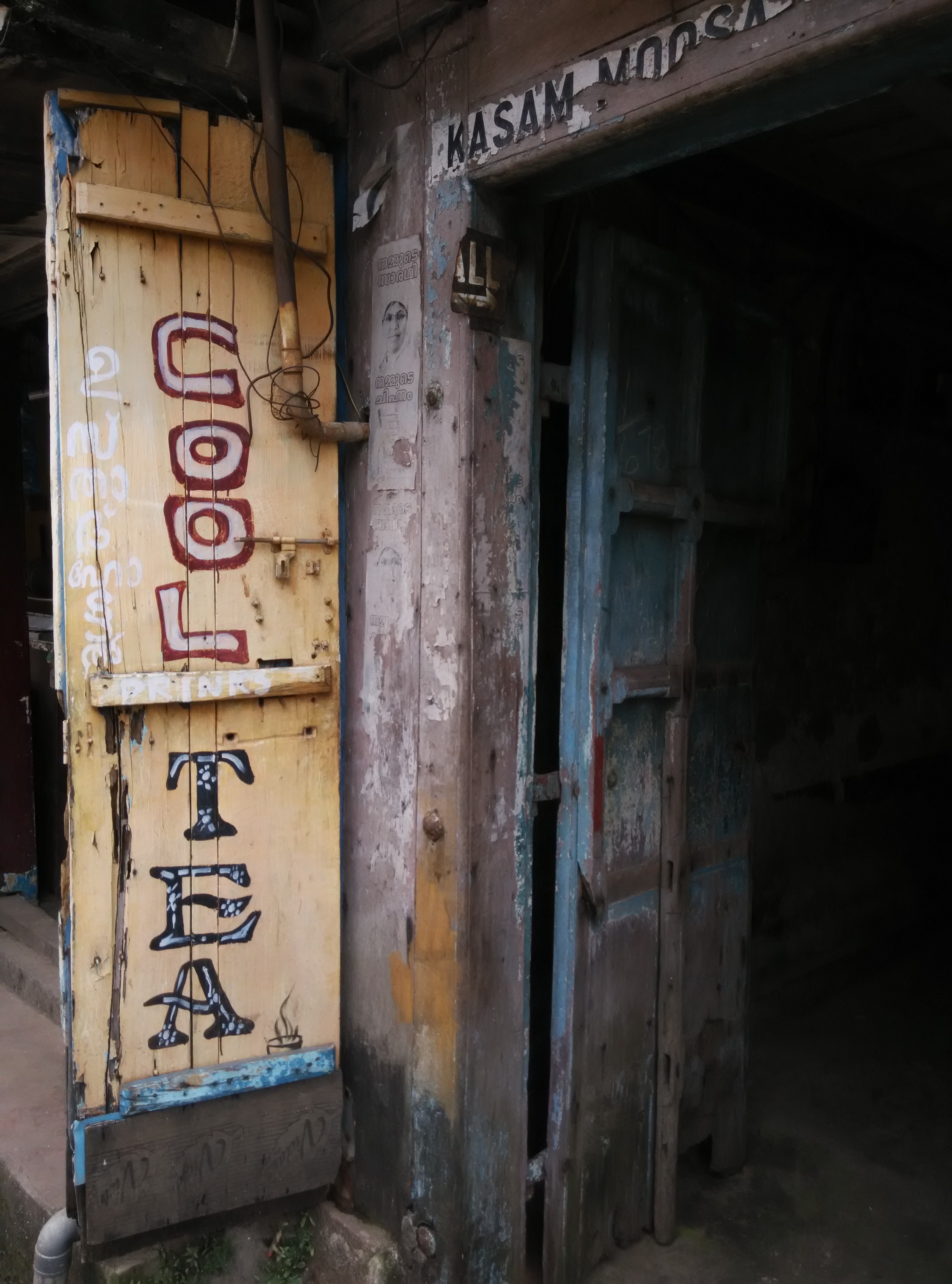
Mattanchery, Kochi, Kerala
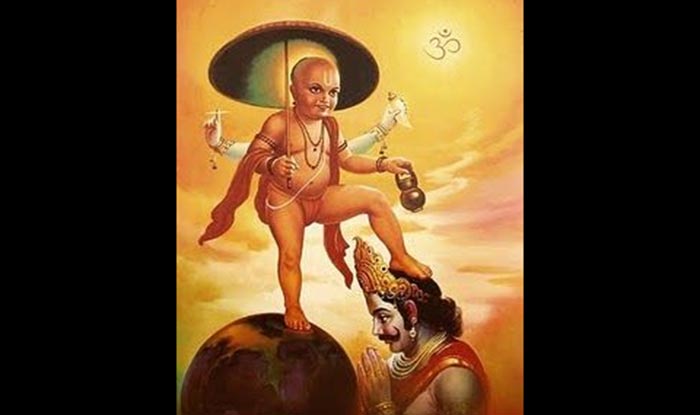
Vamana, an avatar of Lord Vishnu, places his feet on King Mahabali.
Kerala was once ruled by Mahabali, who was an asura (Demon). Now being a demon, evil and sinful practices were expected of him, but he was completely the opposite. Mahabali was a mighty king who worked for the prosperity of his people. During his reign, everybody was happy and prosperous. But the Devas (Gods) were jealous and felt that he may surpass them and so they urged Lord Vishnu to help them. Mahabali was about to perform a ritual and he had announced that he would fulfill everyone’s wishes. Vishnu decided to use this opportunity and disguised himself as a dwarf, poor Brahmin called Vamana and went to Mahabali. He asked Mahabali to give him a piece of land which he could measure with three footsteps. Generous Mahabali granted his wish. But everybody was in for a shock when the tiny Vamana grew into a giant. He then took his first step and covered all land, and in his second step he occupied the whole of the sky. He then asked Mahabali where should he keep the third step. Unable to find any more land, the noble king then asked Vamana to keep the third step on his head. Lord Vishnu was pleased with Mahabali’s dedication and so he granted him a wish. Mahabali, who unconditionally loved his people, asked for permission to visit his people once a year. And so Onam is celebrated in his honor and people believe their Mahabali visits them on the day.
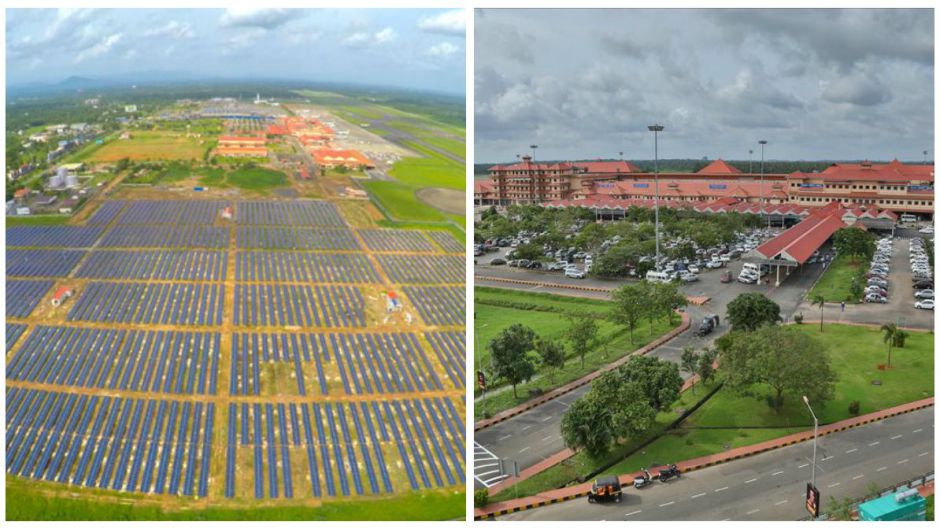
Kerala, India, has the world’s first solar-powered airport. PHOTO: CIAL
For five years now, RAXA Collective has called the state of Kerala, India, its home. Over the years, the ‘three magic words’ – community, collaboration, conservation – have guided our work here. And every story in these three spaces has us glad for finding another believer. Now we’ve found a believer who puts his thoughts into action in the Cochin International Airport. Welcome to our land and the world’s first solar-powered, power-neutral airport.
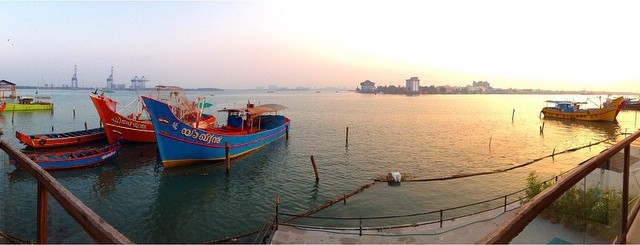
View from Xandari Harbour; Photo credit: Derek Spier
This weekend I arrived in India for the first time. My name is Lucie and I’m currently studying business at Audencia School of Management in Nantes, France. I’ll spend four months here in an internship with Raxa Collective.
My first “home” with Raxa Collective is Xandari Harbour, in Fort Kochi. When I arrived the first thing that astonished me was the warm welcome from the team of co-workers, also named the “Raxa Collective Family”. To be honest, as a French girl I am not used to this kind of welcome. Right away they gave me everything I would need to be comfortable with them and my new surroundings. They definitely know how to welcome a foreigner! From the moment I arrived the team helped me forget my 31 hours of travel, replacing it with the knowledge of how lucky I am to be here.
If you have already read some articles on this blog, you probably will agree with my assessment regarding the link between nature and the company. Now that I know a little more about Raxa Collective it’s clear to me that we can’t talk about it without talking about nature, too. So, as much as the warm welcome, I was also really impressed by the place and the amazing landscape.
The sunset was for me the best moment. Continue reading
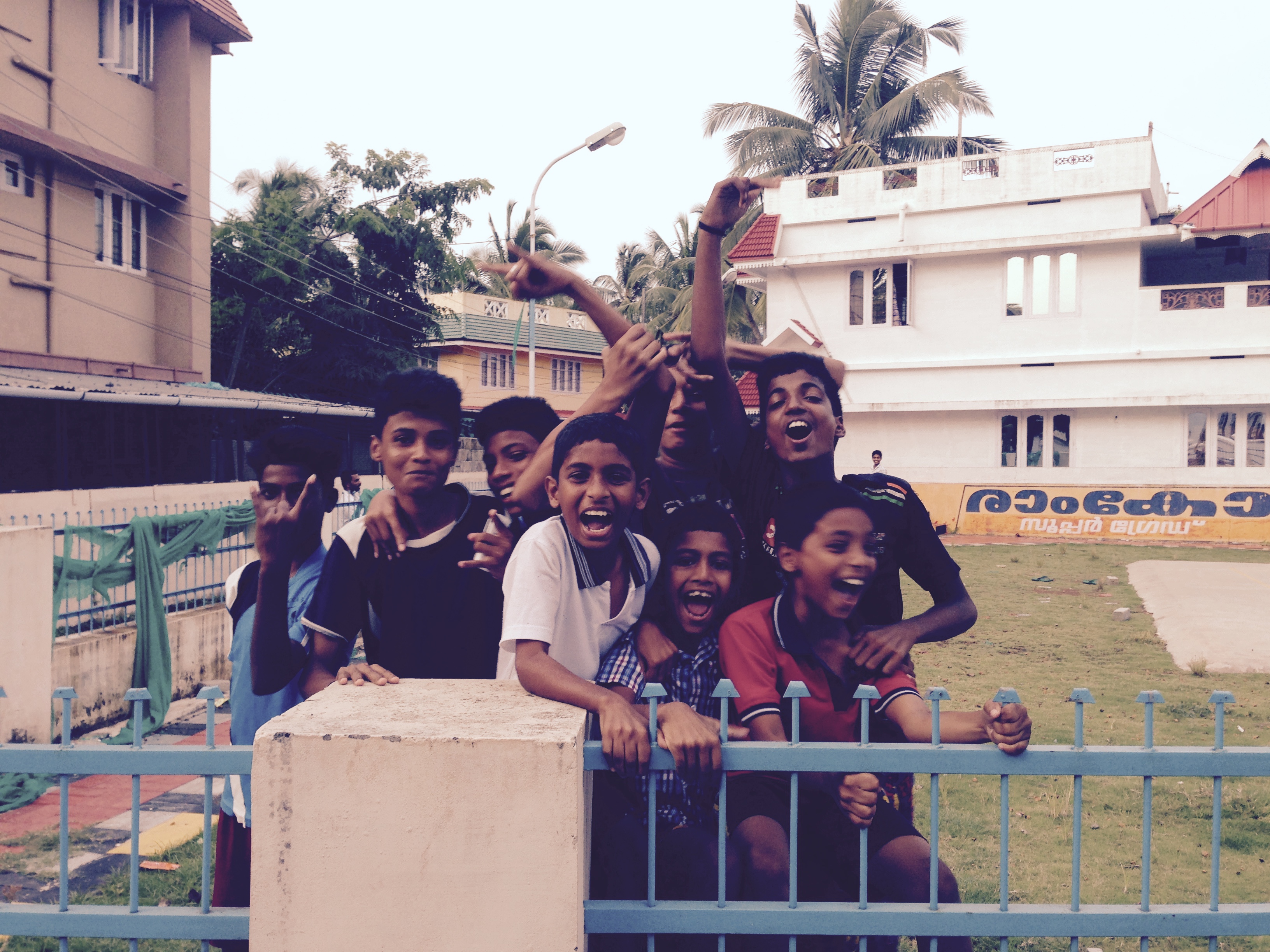
Jocelyn’s post reminds me of my favorite part of the last five years living in the wondrous, sometimes ponderous, always mysterious Kerala: these kids. Our gang, Thevara. My hoodies. They have all been growing by leaps and bounds, while leaping and bounding through the streets. This photo, taken some hours ago, could have been taken five years ago except for the heights of these fellows. And these young ladies on the right side of the photo below (also just taken) were but infants when I arrived into their world.
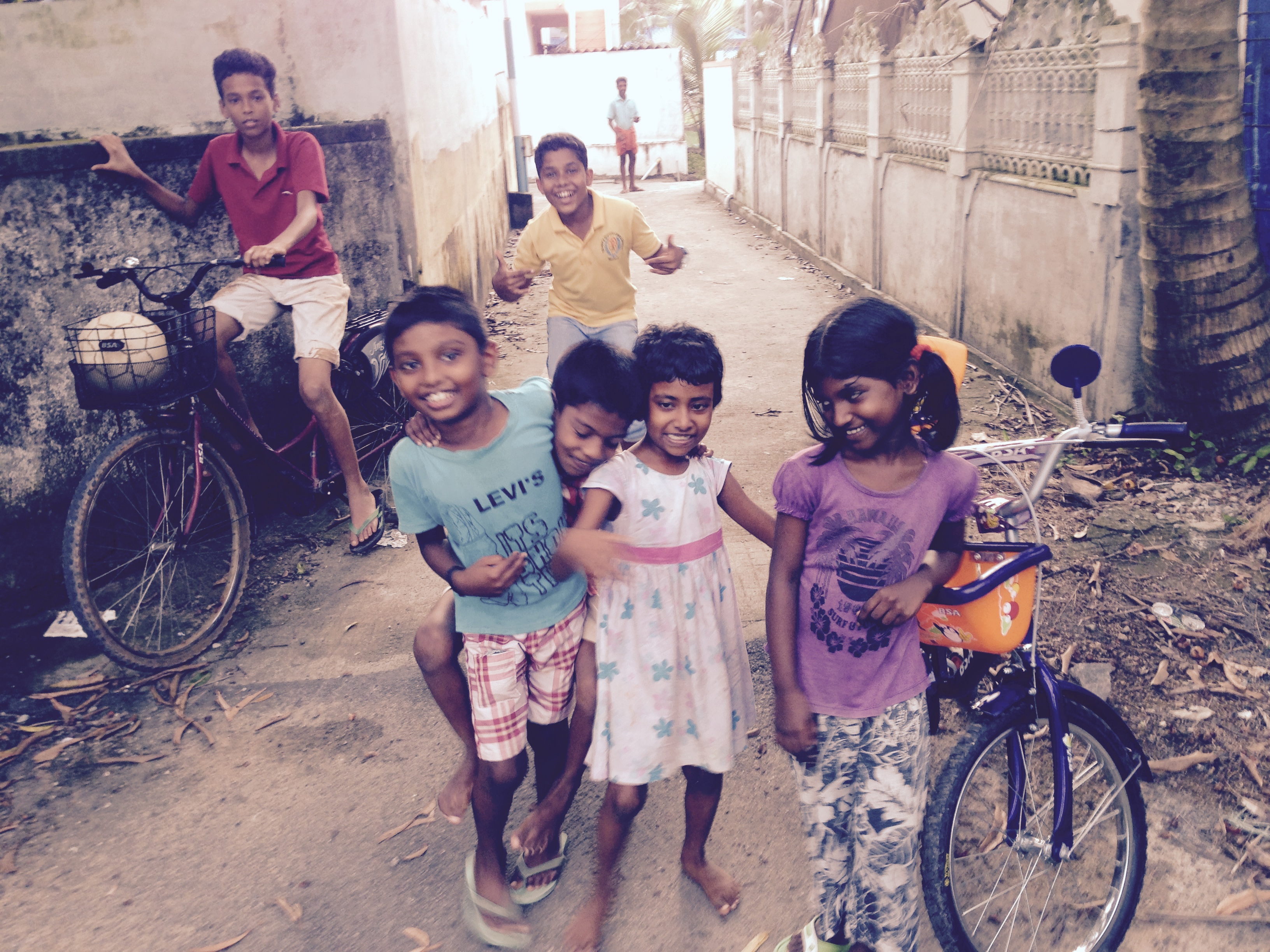
They welcomed me with cheers and high fives from day one, and continue to welcome me today with the same enthusiasm as on day one. So I have felt most at home in Kerala when I am walking through our shared neighborhood. My name, to them, is very simple: Saip. It is a term of endearment, at least it seems so to me. They all speak Malayalam, the language of Kerala, and almost zero English. But that is changing. The older sister of the young lady in the white starry dress is the most advanced in English, and now serves as the translator for the neighborhood when I walk through. I will bring her voice into the next post from Thevara. For now, my hat is off to the kids of Thevara, and those in Tacacori, Costa Rica where Jocelyn is having the same opportunity I have had, to make the children the center of our attention.
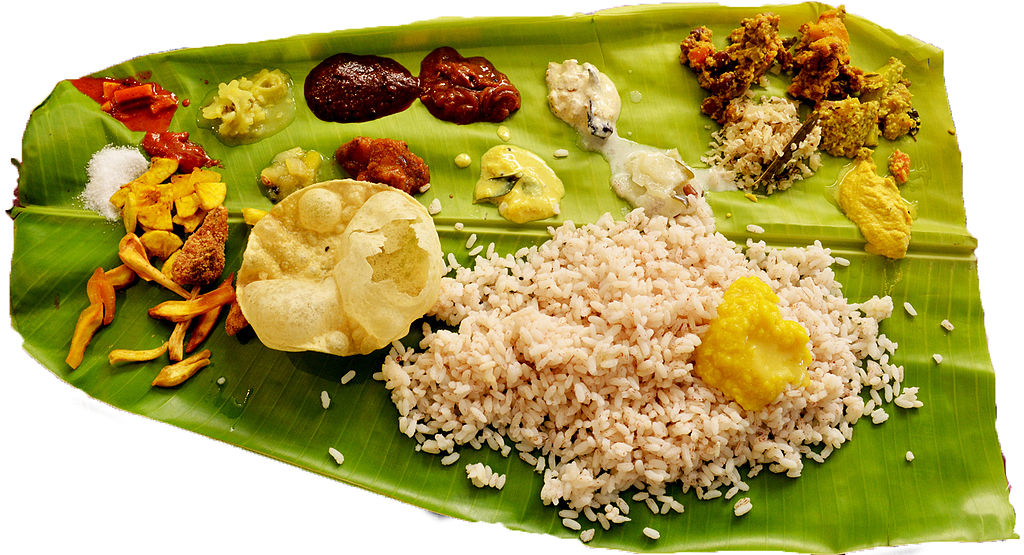
Eating on a banana leaf goes beyond the food; it’s about science, energy, and teachings of yore. PHOTO: Wikimedia Commons
The rains have ceased and clearer skies bless our days here in Kerala as the calendar turns a page to August. The words are only beginning to be murmured but sadya, kasavu, and Onam can put the life back in any Keralite’s soul. Food, clothing, and a festival – in translation – who could possibly ask for more! And one thing that binds them all together is how true to the land they stay. The sadya in particular, once you look beyond the fact that it’s an only-hands affair and is best had sitting cross-legged on the floor, is an example of food science, forms of energy, folk teachings, and more.
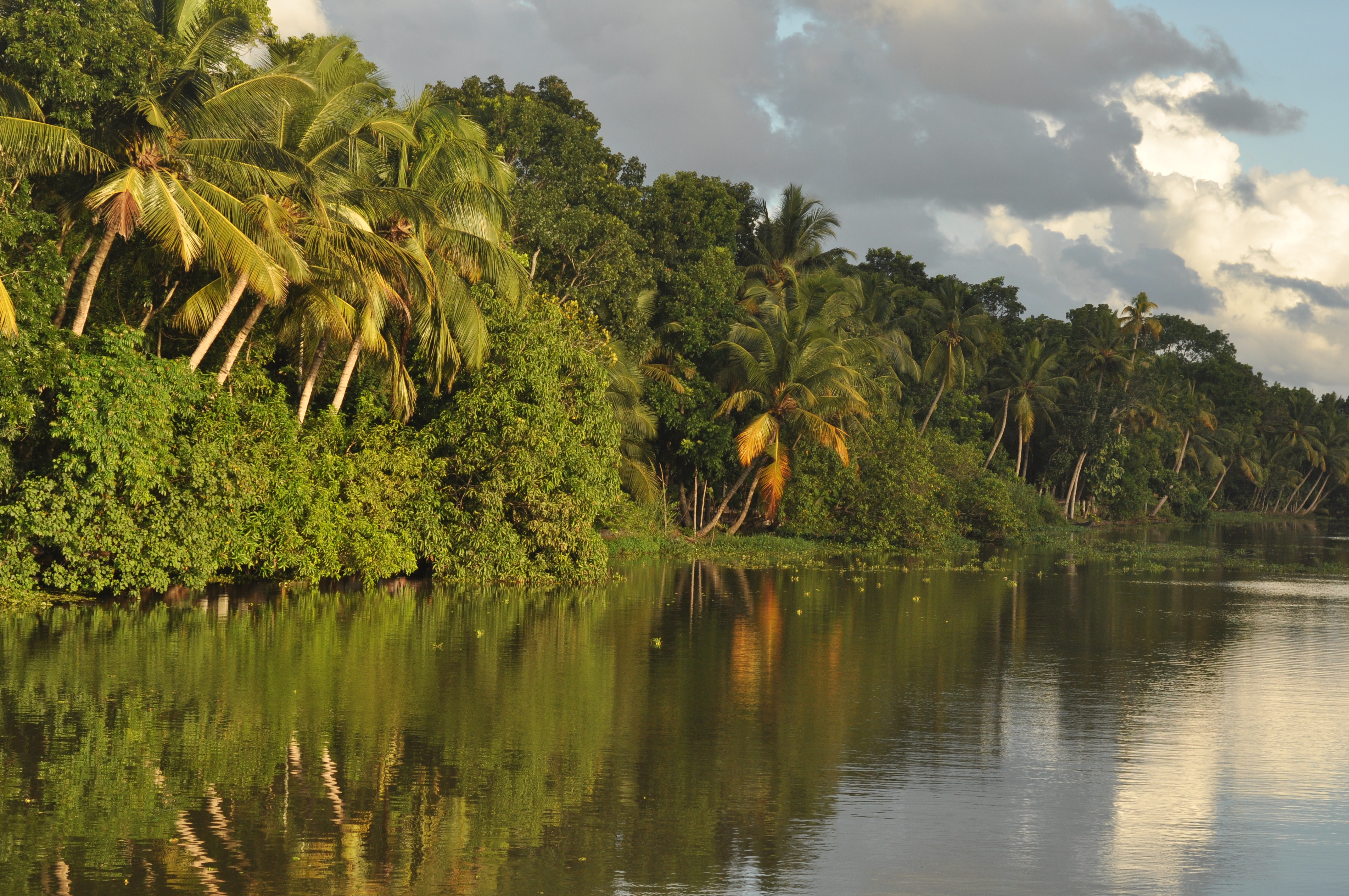
View of the approaching storm on Vembanad Lake, from a Xandari Riverscapes houseboat.
Monsoon rains in Kerala – the greatest drama I’ve ever watched. They tick everything on Aristotle’s checklist for a good play. A country dried by summer and hoping on a good ending makes for a decent plot. Meet the characters. A thick blanket of menacing grey, humid air hugging skin. Gusty winds that uproot trees and power lines, darkness that comes calling even before night. And the stellar spectacle of a finale – prayers, predictions, and calculations answered in silvery drops. Stunning, stinging, and relieving all at once.
Writing this while watching blue and grey jostle in the skies, the earth still smelling of the last rain (petrichor is the word), I am reminded of the book I’m reading now. One that is as old as me, one befitting the best season in India. Alexander Frater’s Chasing the Monsoon.
“As a romantic ideal, turbulent, impoverished India could still weave its spell, and the key to it all – the colours, the moods, the scents, the subtle, mysterious light, the poetry, the heightened expectations, the kind of beauty that made your heart miss a beat – well, that remained the monsoon.”
― Alexander Frater, Chasing the Monsoon
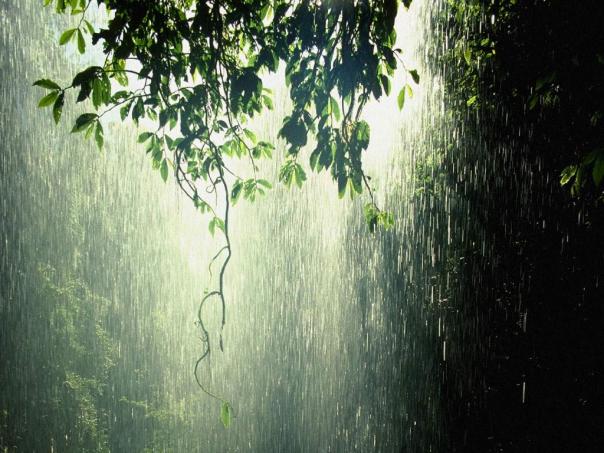
Its monsoon delayed and weakened by a cyclonic storm and the El Nino, India is bracing for tough days ahead. PHOTO: Madhyamam
All through the last weeks of May and the first days of June, most Indians have been looking to the skies. For answers and signs of the monsoon rains. With India being a predominantly agrarian country, the rains decide whether the country grows enough to feed its 1.25 billion people or relies on imports to satiate hunger and demand. And last evening, we saw the first signs of a healthy monsoon, amid fears of the rains being a poor show this year.


When you are a native of the land, you inevitably end up being a guide. From the fastest route to reach the airport, places to visit in Fort Kochi and Mattanchery, and the lowdown on where to get the best seafood – it is assumed that you know it all. And, rightly so. For every textbook guide on India/ Kerala will tell you that you shouldn’t miss what’s left of the Chinese fishing nets, about taking a walk in Jew Town and catching a cultural performance or two. The Santa Cruz Basilica, too, will be on the must-do list. But only a native can tell you of the Italian Jesuit priest, who studied Michelangelo’s repertoire in Rome, and came to Cochin after he was commissioned to paint in churches. And that he died here, too.
 Organikos