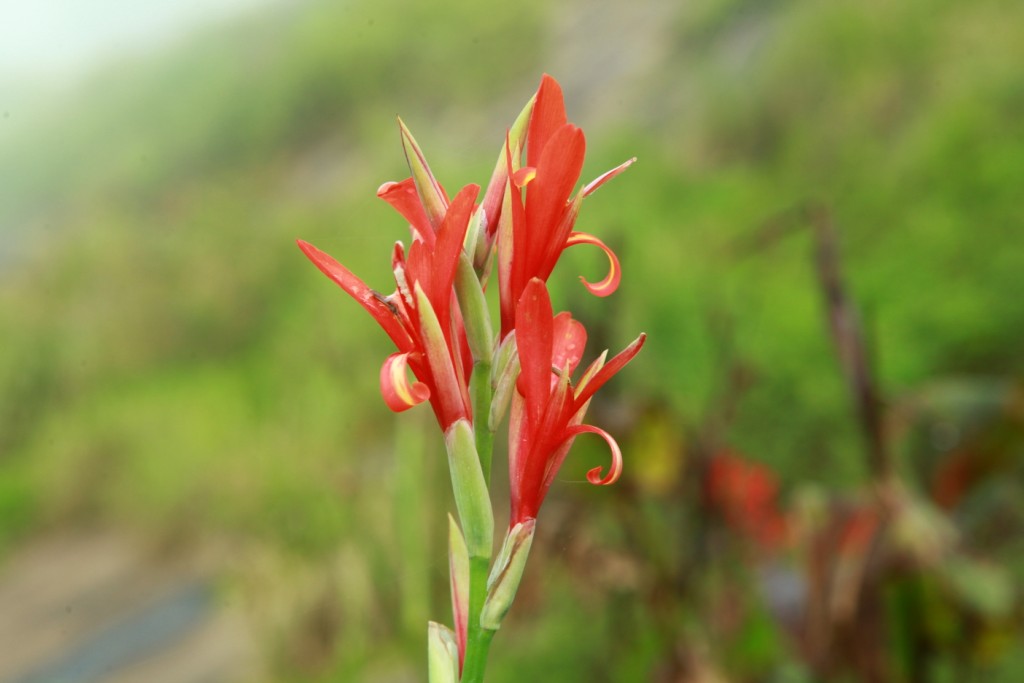
Canna indica are popular ornamental flowers found in the high ranges of Kerala. The flowers bloom through out the year and in a range of different colors such as red, yellow and orange. Continue reading
Canna indica are popular ornamental flowers found in the high ranges of Kerala. The flowers bloom through out the year and in a range of different colors such as red, yellow and orange. Continue reading
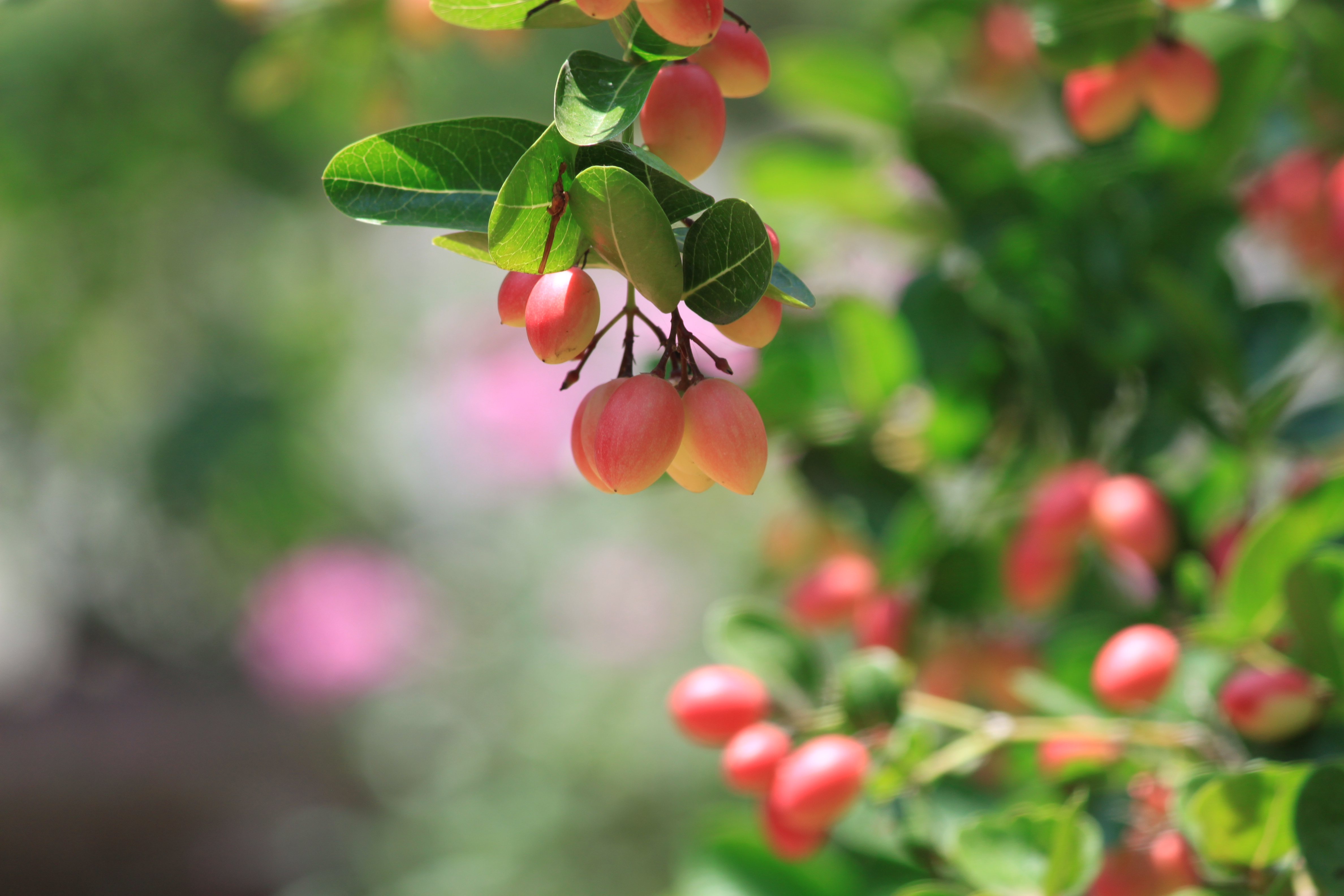
The Sour Cherry is a tree in the Rosacease family found in the high ranges of Kerala, a state famous for its fruits. The fruit is small and fleshy, ranging from rose to a deeper red colour. They are popular for making jams, desserts and other culinary purposes. The fruits are also used for medicinal purposes as they are low in cholesterol and rich in fiber and vitamin C. Continue reading

National Highway near Kerala-Tamil Nadu border

Malabar Nut is a large smooth-barked shrub endemic to the Western Ghats that grows up to 4-6 meters in height. The plant has been part of the the Ayurvedic pharmacopeia for 2000 years. The leaves are especially effective in treating irritating cough and other respiratory disorders. Midwives have also used the plant as a natural stimulant to labor. Continue reading

Trailing Eclipta is an erect annual plant with rooted nodes and many branches. The leaves have fibrous hairs on both sides and the flowers are white. These plants thrive in the high ranges of Kerala and the rest of Western Ghats. In Ayurveda these plants are effective in treating inflammation, filariasis, wounds, skin diseases, leprosy, jaundice and fever.
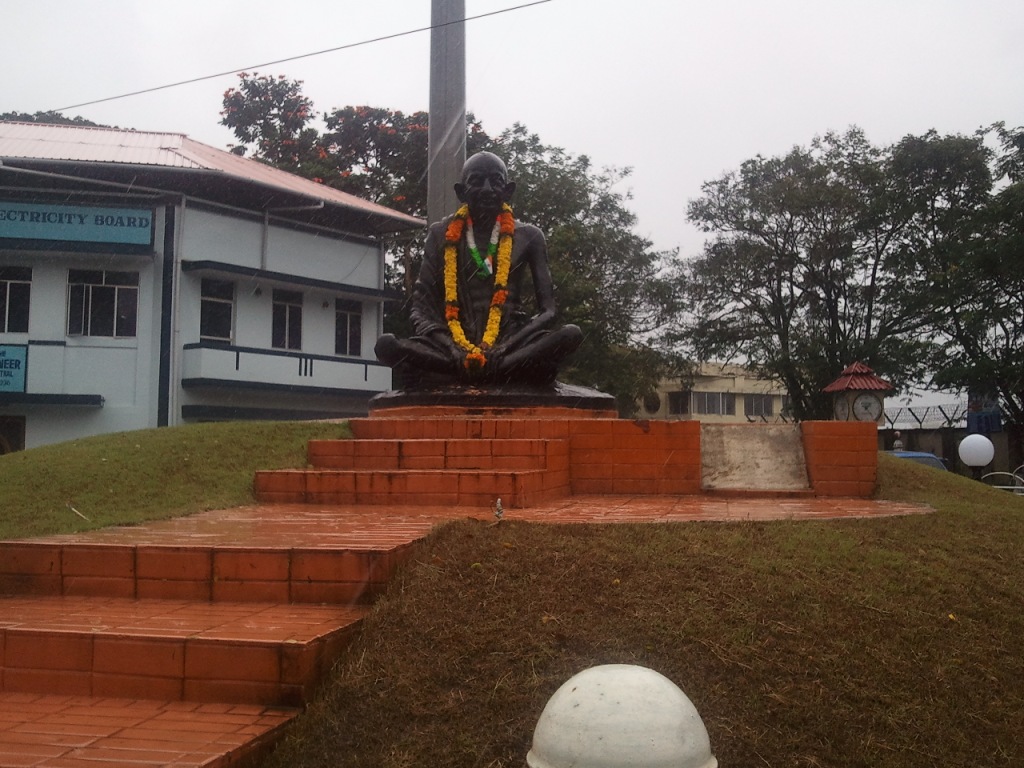
BTH Junction, Ernakulam

Road sign in Kerala’s Parambikulam Wildlife Sanctuary
Driving in India can be an eye opening experience. Or you can close your eyes if you have the confidence. We’ve written about it several times over the past year, usually from the point of view of the passenger’s seat, but occasionally from the “right-hand seat” as well.

Thommankuthu is a popular water fall situated about 20km from Idukki dam.It is made up of a series of 12 falls in the Kannadiyar River spread over a distance of 5 km at an altitude of 800m above sea level. The scenic water falls and pristine surroundings attract tourist from around the world.
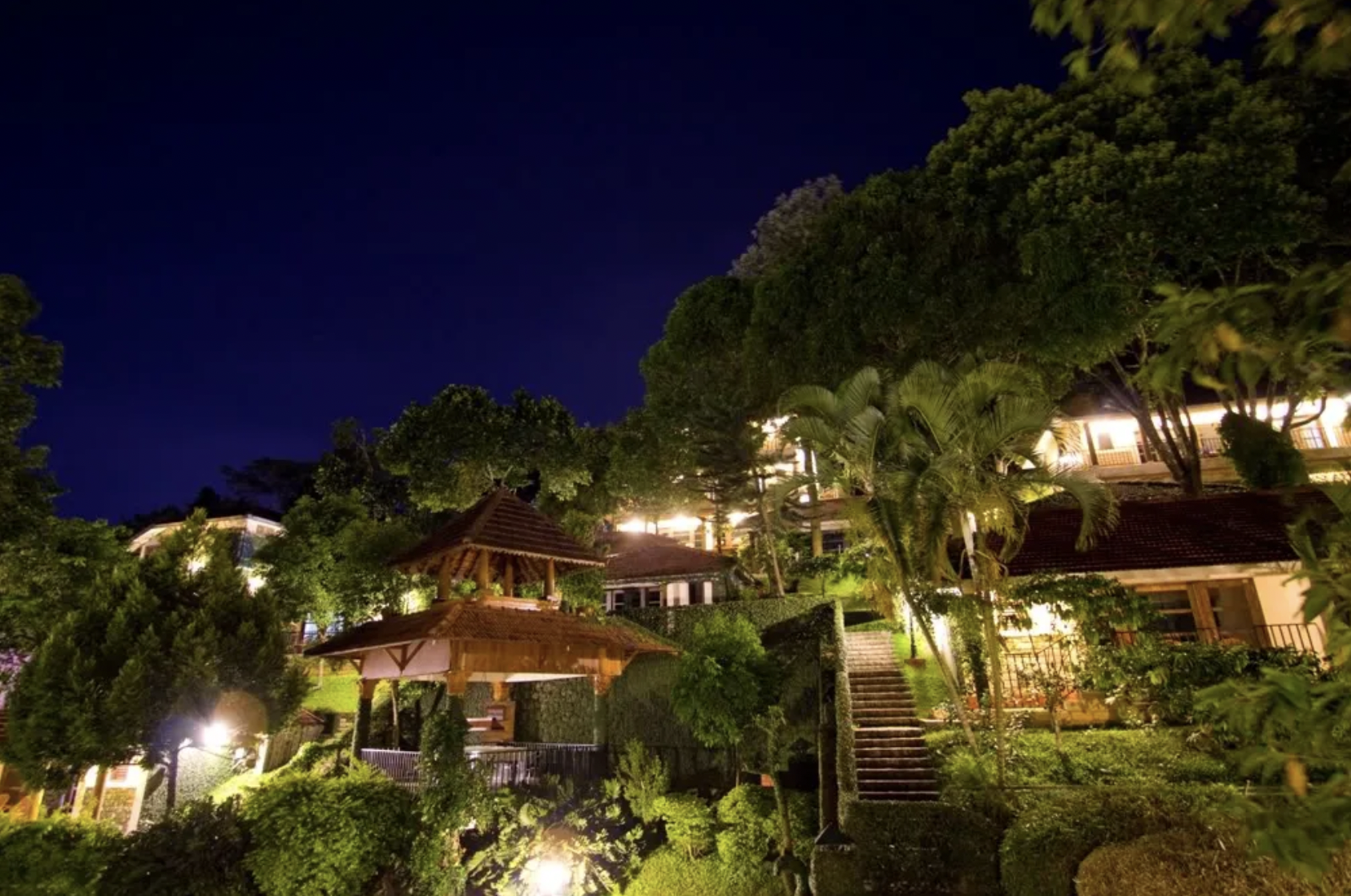
Photo credit: Milo Inman
Our time at Cardamom County in Thekaddy, Kerala was way too short. After returning from a wonderful trip with River Escapes in the backwaters of Kerala we headed for the state’s iconic hill stations in the Western Ghats. I suggested to my husband Dave that we take a taxi, but being a former backpacker, he urged me to give the bus a chance. I stood my ground, insisting the trip would take several hours and I could bet the buses wouldn’t pass an inspection. But Dave was persistent and persuasive – I acquiesced and don’t regret that decision for one moment. It was a wild ride.
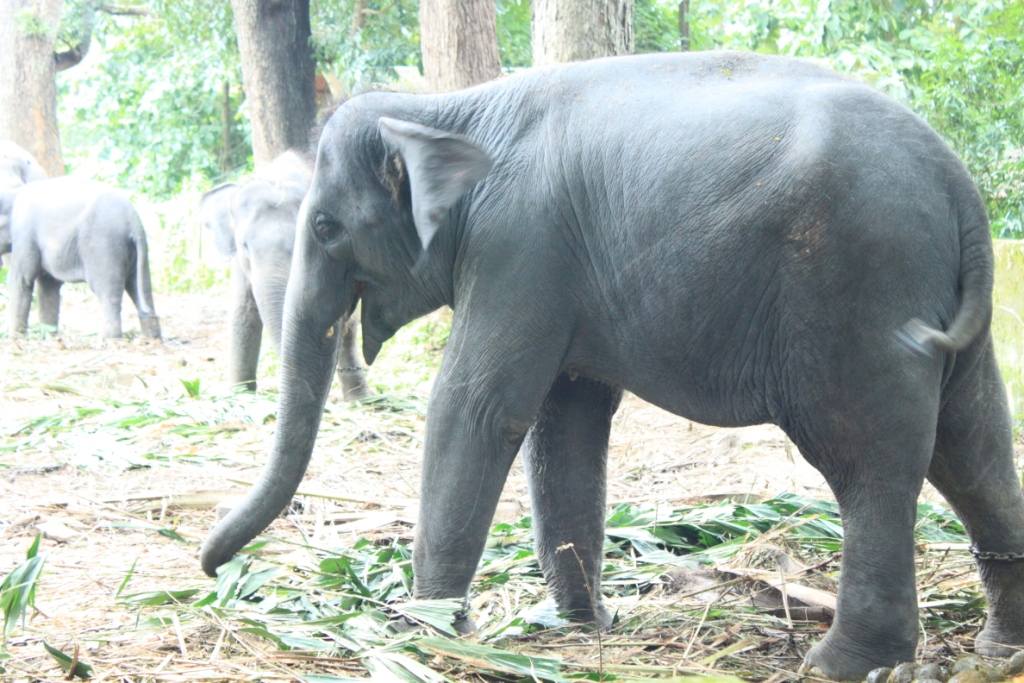
Kodanad, one of the largest elephant training centres in South India, is located 40 km from Cochin in the high ranges near the southern bank of the Periyar River. In the past elephants where captured from the adjoining forest and trained there. The capture of wild elephants was banned in 1977 so now the center is used for only for training. The pachyderms receive training for participation in temple festivals, one of their primary works in the region.
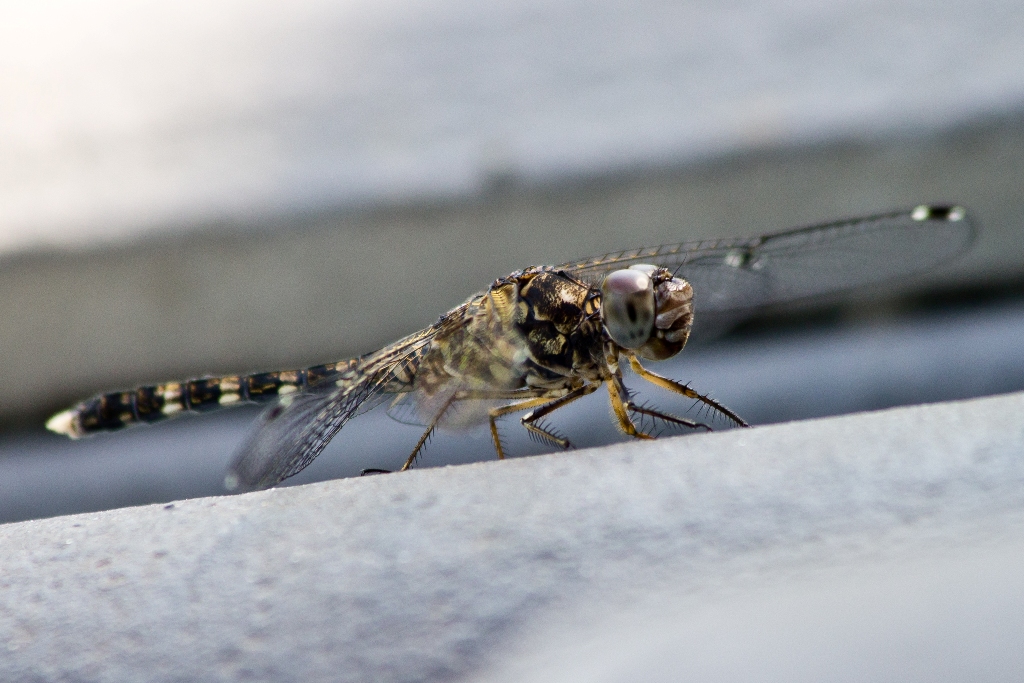
As the monsoons blow through Kerala, the native dragonfly and damselfly populations in the area appear to wax and wane along with the water levels. A sunny day by any water body guarantees sighting at least one species, but as is only so common during the season, overcast days dominate the calendar. Nevertheless, Kerala’s entomological biodiversity remains as strong as the summers, during which dozens of Odonate species whizz back and forth teritorially over their little stretch of pond-shore or riverbank. The main reason that these insects are not out in force as frequently as the rest of the year is that they are most active in hot and dry climates, particularly in direct sunlight. Contrarily, monsoons traditionally offer respite to natives, being wet and (slightly) cooling. When they’re not visibly hunting or mating, dragonfly and damselfly populations are probably strongest in the larval stage – extraordinarily aggressive aquatic predators. I got lucky a few days ago on a sunny day on the backwaters when I saw a Granite Ghost – in my books a rarer species of dragonfly that I’ve only sighted once in Goa.
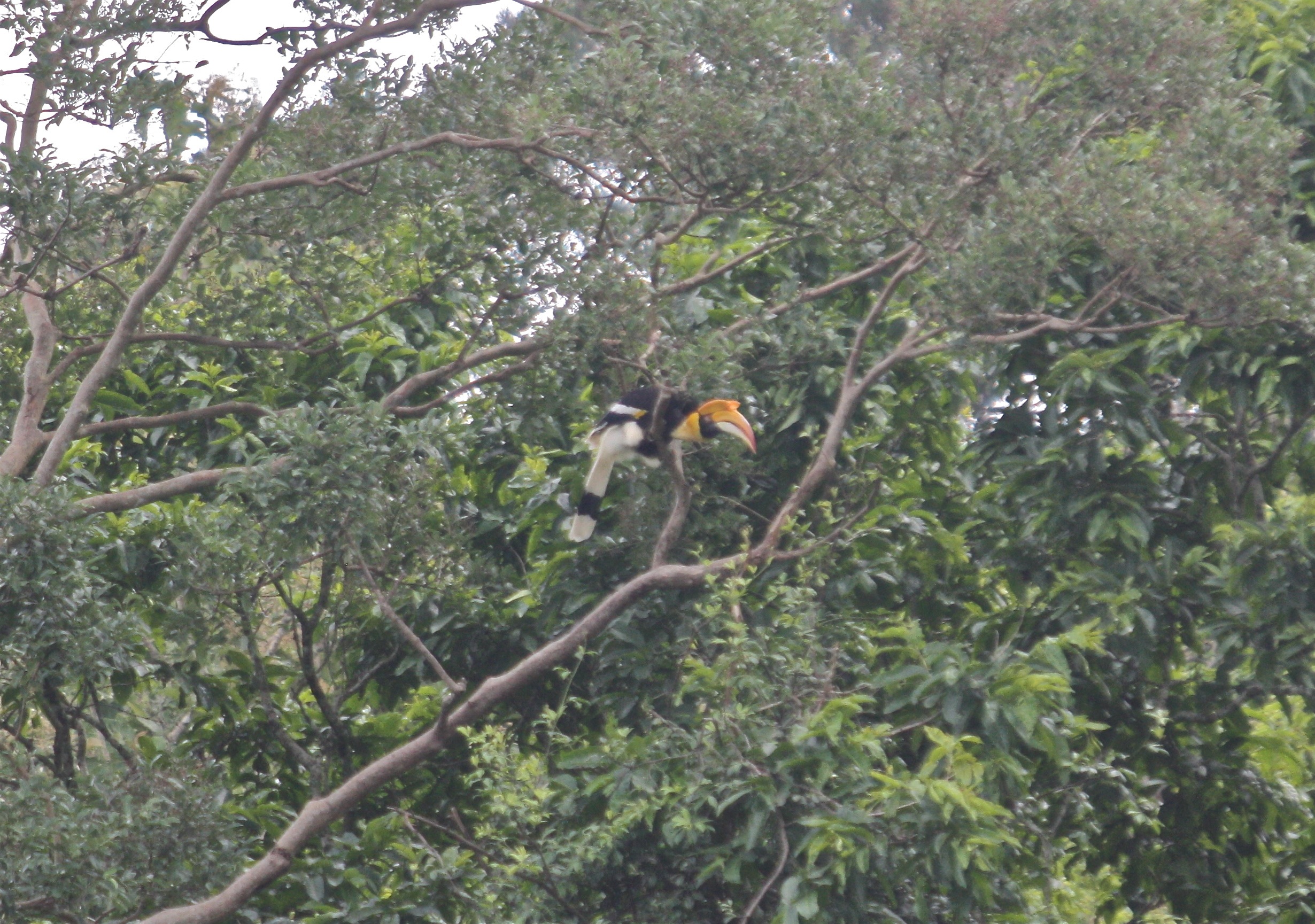
It is amazing how fast ten weeks can go by. I remember sitting in the library at Cardamom County writing about my first day of birding here; I remember how excited I was to see barbets, minivets, and leafbirds from the parking lot. Now, ten weeks later with about a dozen activities completed and many birding expeditions into the Periyar Tiger Reserve under my belt, I’m suddenly looking back on fond memories. My first excursion into Periyar was a Bamboo Rafting trip along Periyar Lake. To be honest, I was a little overwhelmed in this strange new place with its checklist of over 300 unfamiliar birds. As is always the case with Periyar, the excursion was a blast, and that trend continued with the Border Hike, the Nature Walk, the Tiger Trail, the Green Walk, and indeed with every trip into the Reserve.

Rock Balsam is native to Peninsular India. It grows widely in the Western Ghats, occurring in small or large clusters in the hills up to 800 – 2400 meters on wet rock faces. The lavender flowers are showy and stand out daintily from the rounded heart-shaped leaves.
Guest Author: Siobhan Powers
I’ve been staying in the beautiful backwaters of Kerala for the past few days, which has put me at ease as I always feel more comfortable by the water. Jonathon and I took some time out of our workday to take a walk and get a feel of the area, including all it has to offer, both culturally and agriculturally. We interrupted the construction of a stone wall surrounding a rice paddy field and watched a young boy catch fish in a stream at the side of the narrow road. In the heat of the Indian sun’s rays, we contemplated buying ice cream, but, on our return, settled on the universal refreshing thirst-quencher that is an ice-cold cola.
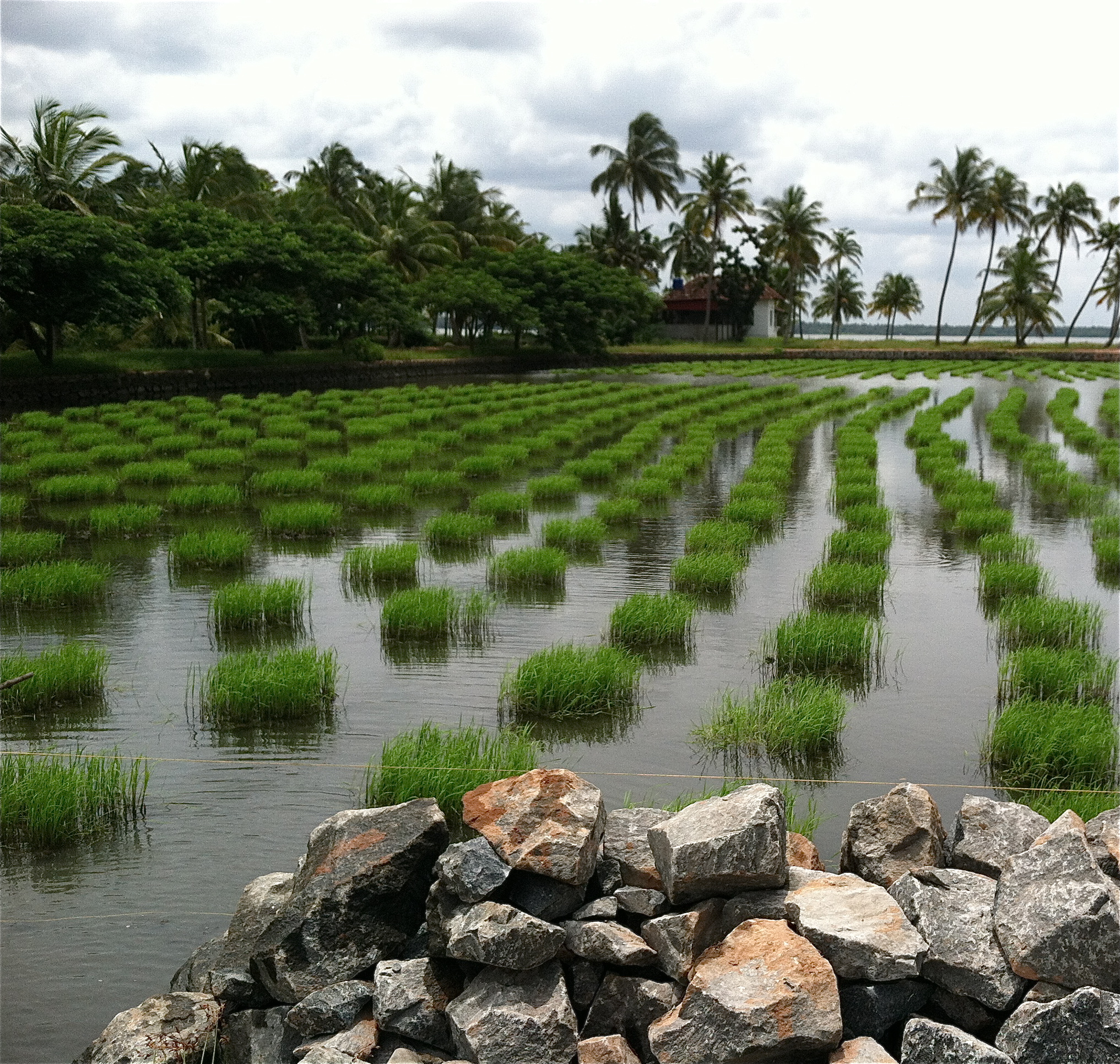
Rice paddy in Panangad

Kovalam lies 16 kms south of Thiruvananthapuram, Kerala’s Capital. Three crescent shaped beaches surrounded by rocky outcroppings form the main attraction of this coastal resort. The coast is backed by steeply rising headlands covered in verdant coconut palms, especially the southernmost Lighthouse Beach. The green hinterlands provide a refreshing backdrop to the white sandy beaches, offering privacy and seclusion.

Pineapple is one of the most popular fruits worldwide and it’s widely cultivated throughout Kerala. The flesh and juice of this fruit are used in various of the state’s cuisines. During season it’s not uncommon to see them by the truckload on road sides.

The hill station Munnar lies 1600 metres above sea level, making it the perfect summer resort of the British Administration in South India before independence. Now famous for its tea plantations Munnar retains its colonial charm. With its sprawling estates, rolling hills, sparkling waterfalls, picture postcard hamlets and undulating valleys, Munnar has all the makings of an idyllic holiday destination.

Tribals have been an integral part of the Wayanad district for thousands of years. Its earliest settlers were the tribes of Adivasis, which are divided into various sects such as Paniyas, Kurumbas, Adiyas and Kurichyars. It is currently estimated that nearly 400,000 tribal people live Wayanad. The sects are physically distinguisable with their dark skin and stout builds. Tribal dwellings recreated on the adjoing grounds of the wildlife sanctuary offer a glimpse into their traditional life.

Kumarakom Bird Sanctuary is located in Lake Vembanad, the largest fresh water lake in India and second largest in south Asia. Set against the backdrop of rich green paddy fields and still grey waters, the 14 acre sanctuary is the home for many species of birds.

Located on the southern tip of the Deccan plateau, Wayanad is packed with scenic beauty. The region includes sub-tropical savannahs, thickly wooded hills, evergreen forests, rolling paddy fields in the valleys and verdant spice plantations in the heights. Blasted by wind and lashed by rain, Wayanad spreads across 2,132 square kms of the lofty Western Ghats and is recognised for its biodiversity. Continue reading
 Organikos