Marine Biodiversity and Public Health

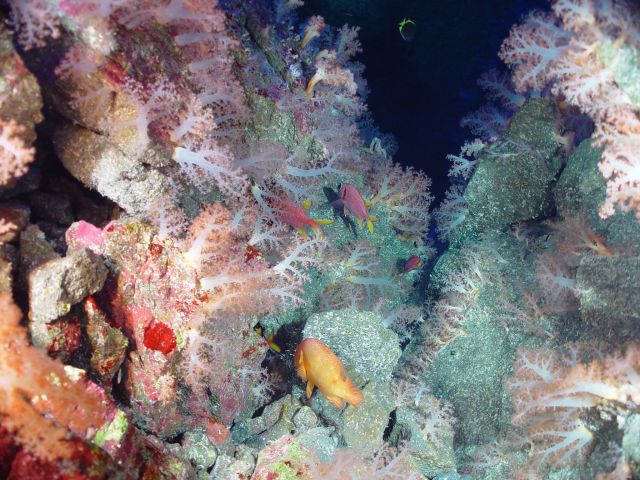
Ocean ecosystems are rich sources of compounds used in medicine. Photo by Bob Embley/NOAA.

Life within the world’s oceans have an ineffable beauty that will always defy the limitations of our discoveries. If we ever needed reasons beyond that acknowledgement, then here are timely examples of the interconnected nature of life on earth and reasons to protect our oceans and the biodiversity within them.

The Ocean Genome Helps Fight Disease: Here’s How We Save It

The ocean plays a surprising role in fighting COVID-19. With death and infection numbers escalating daily, the World Health Organization has made it clear that countries need to do three things to successfully fight this pandemic: test, test and test.

The dramatic increase in demand for testing has drawn renewed attention to the ocean’s genetic diversity. This “ocean genome” is a rich source of anti-viral compounds. In particular, enzymes from a remarkable hydrothermal vent bacterium have been key to the technology in virus test kits, including those used to diagnose COVID-19. Similarly, a protein derived from a coral reef red alga around the Canary Islands has been valuable in the fight against the Middle East Respiratory Syndrome, an illness caused by a coronavirus closely related to the one responsible for COVID-19.

This renewed attention to the genetic diversity of ocean organisms also brings conservation and equity concerns — the subject of two recent research papers commissioned by the High Level Panel for a Sustainable Ocean Economy (Ocean Panel). This research has found that multiple threats face the ocean genome, jeopardizing opportunities for new commercial and scientific uses. At the same time, there is an unbalanced relationship between low- and middle-income countries that are home to most marine biodiversity and higher-income countries, which possess the research capacity, technology, infrastructure and finances to develop marine biotechnology.

These recent papers lay out a clear list of actions that governments and marine researchers can take to safeguard the ocean genome and share its benefits equitably.
Continue reading

Shipworms, Pasts & Futures

merlin_166107183_88f5b417-0852-4d36-a84a-d531e035fd7b-jumbo

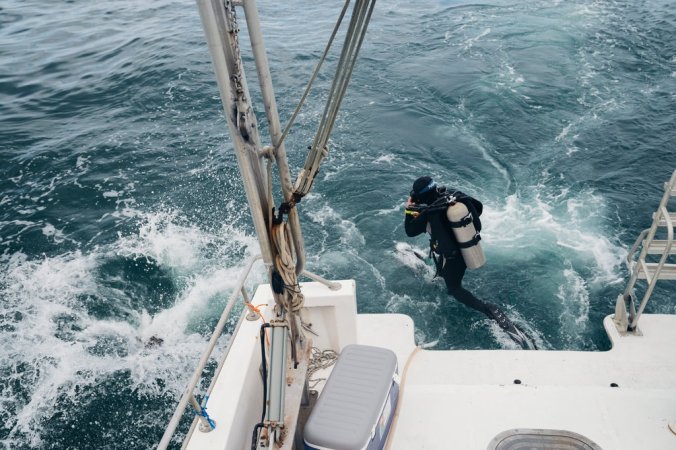
Bailey Miller, a postdoctoral researcher at the University of Utah, dived off the Research Vessel E.O. Wilson to explore an ancient underwater cypress forest in the Gulf of Mexico off of Dauphin Island, Ala.

Thanks to JoAnna Klein, who now more than ever is appreciated for the reminder of the wonders of natural history:

A Forest Submerged 60,000 Years Ago Could Save Your Life One Day

Before this underwater forest disappears, scientists recently raced to search for shipworms and other sea life that might conceal medicine of the future.

An ancient log, home to shipworms, which may help researchers discover new medicines.

An ancient log, home to shipworms, which may help researchers discover new medicines.

DAUPHIN ISLAND, Ala. — It was 6 a.m. at the dock on a Tuesday in December, and the weather did not look promising. Fog hovered over the water, and the engine of the Research Vessel E.O. Wilson rumbled.

Our ship disappeared into the mist, and by 7:30 the crew, a team of biologists, chemists and microbiologists, reached its destination. The sun lounged on obsidian water, masking a secret world where land and sea swap places, and past, present and future collide.

This is the underwater forest. Its unusual residents, shipworms and related marine organisms, could serve as incubators of unexpected medicines, churning out new lifesaving formulas and compounds that may not be found anywhere else on the planet. But first the group of scientists had to manage to dive 60 feet beneath the ocean’s surface to recover their unusual subjects, a task made more challenging by three days of uncooperative weather.

Another log recovered from the underwater forest.

Another log recovered from the underwater forest.

“Underwater forest” is not a metaphor — this is a not a coral reef or a sea grass bed that resembles surface woodlands but bona fide trees with roots and leaves. For thousands of years, this cypress grove — about two football fields long and five feet wide — lay silent, preserved within an oxygen-less tomb of sand and sediment. Then came Ivan.

In 2004, the hurricane, category 5 before making landfall, ripped through the Gulf of Mexico, with winds up to 140 miles per hour kicking up 90-foot waves. The storm scooped up nearly 10 feet of sand from the seabed, awakening the sleeping forest beneath. Continue reading

Anthropocene Urban Wonder

CentralPark-1080x675.jpg

Central Park, New York City. Credit: Anthony Quintano via Flickr.

Thanks to Anthropocene:

Looking for the next miracle drug? Try searching city soils

Sarah DeWeerdt

Many drugs are based on molecules produced by bacteria. Previously, the search for such drugs has mostly focused on “pristine” environments in far-flung locales. But a new study shows that many useful molecules could already be, quite literally, at our feet. Continue reading

A ‘Ketchup’ Sachet and its Power to Heal

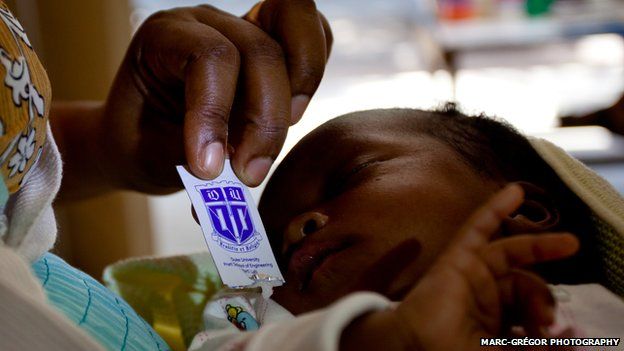
An HIV positive mother in Moshi, Tanzania, giving her baby antiretroviral medicine from the sachet

An HIV positive mother in Moshi, Tanzania, giving her baby antiretroviral medicine from the sachet

Inside a foil sachet, which looks more at home in a fast-food restaurant, an exact dose of antiretroviral medicine is helping to protect newborn babies against the threat of infection from their HIV-positive mothers. According to the UN, mother-to-child transmission in the developing world creates 260,000 new infections in children every year. Thanks to a program involving the Ecuadorian government, the VIHDA foundation in Guayaquil and Duke University in North Carolina, at least 1,000 babies have been born without the infection from HIV-positive mothers.The program is enabling newborn babies to take their medicines efficiently – via a pouch that looks just like the small ketchup sachets you get at fast food restaurants. Only in this case, they are filled with antiretroviral drugs, which protect against HIV.

Continue reading

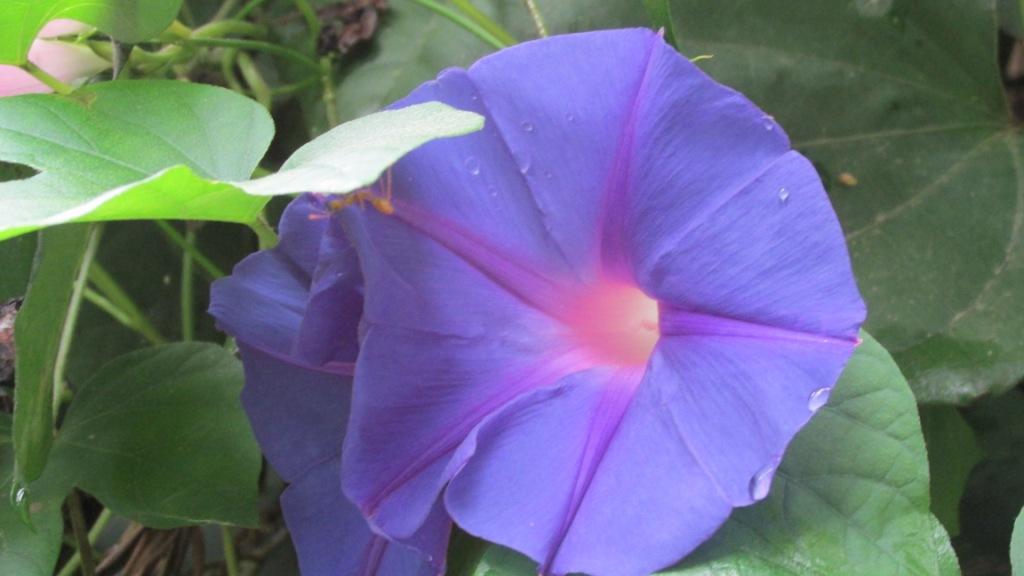
Wild Flowers – Blue Dawn Glory

Ipomoea nil

Ipomoea nil

Native to India Blue Dawn Glory is a hairy stemmed, annual twiner seen commonly during the latter half of the monsoon along roads and hedges. The flowers open around sunrise and fade by noon. The seeds of the plant is used in traditional medicine.  Continue reading

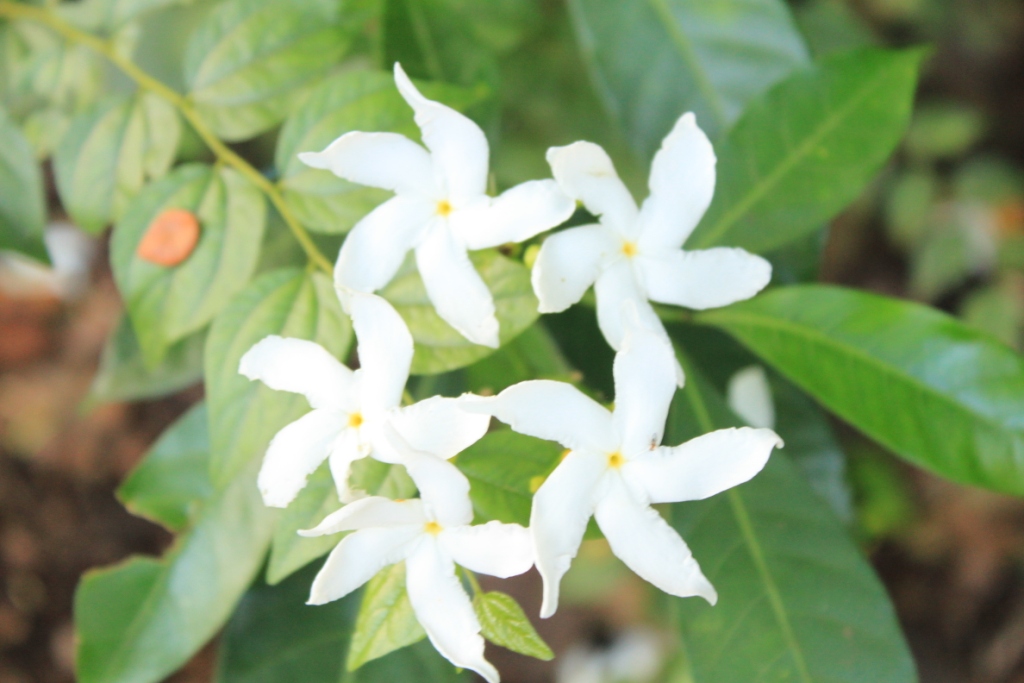
Nandyarvattam Plant

Tabernaemonta divaricata

Tabernaemonta divaricata

Nandyarvattam, also known as Crape Jasmine or East Indian Rosebay,  is an evergreen shrub is commonly found in Kerala. It can grow up to 5 to 6 feet and blooms throughout the year. Continue reading

Reducing Waste While Contributing to Communities

When “first world” travelers are planning a trip to the “third world”, their doctors often require them to take a handful of vaccinations, and a few prescriptions. This summer, about 40 students from a graduate program at the University of Western Ontario interned in Kerala, hosted by Raxa Collective; many of them, to err on the side of caution brought medicines for tropical diseases, including malaria. However, most of those medications are not needed in Kerala, whose health profile is comparable to Costa Rica, and which happens to be malaria-free.

As weeks progressed, many of the interns stopped taking their pills and consequently they were left with an excess, which are worth much more to those in need than in the garbage can back home. Continue reading