Slacklining Revisited

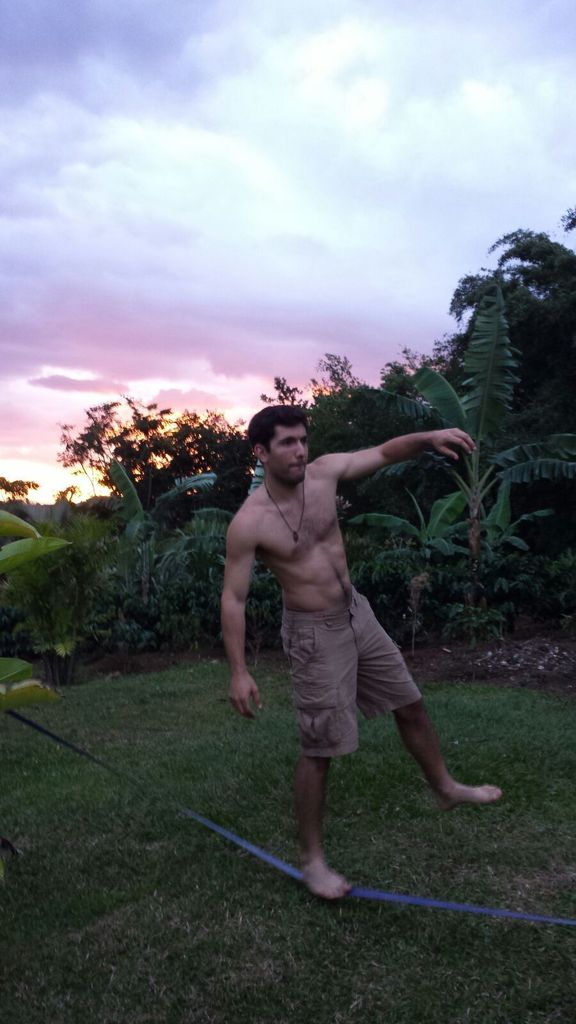
Slacklining at the west farm at Xandari. Photo by Jocelyn Toll.

A little over a year ago, James wrote about slacklining while here at Xandari, since we were both practicing the recreational activity a few times a week. Back in the day, we had to search far and wide for appropriate trees on which to anchor our line, finally settling for orange trees in the orchard that we rotated between. Since then, we have two special spots designed for slacklining at Xandari, one by the west pool, where the sunsets make for a great view (see left), and another down below the studio, where the line can be set up at a longer distance and the posts are strong enough to take some serious bouncing.

Our studio slackline, however, is nowhere near as long or strong as that which Théo Sanson walked in Utah last week. As you can see in the video below, he traversed a “highline” that must have been a thousand feet above the ground, anchored between two landmarks in the desert of Castle Valley. The music you hear in the background of the video happens to be one of my favorite soundtrack pieces, drawn from Ennio Morricone’s work for the western film The Good, the Bad, and the Ugly.
Continue reading

Saving the Hill of Her Childhood

Plant and animal life on Flag Hill, near the hill station town of Mussoorie in north India, has been restored through the efforts conservationist Sejal Worah.

Plant and animal life on Flag Hill, near the hill station town of Mussoorie in north India, has been restored through the efforts conservationist Sejal Worah.

Environmentalist and WWF India Programme Director, Sejal Worah, and her local team have spent the last two years attempting to revive a 400 acres area situated in the Garwhal Himalayas, in Mussoorie, Uttarakhand.  From being a degraded and over grazed territory, within two years of conservation efforts the protected area has become a sanctuary for wildlife which hadn’t been reported for years, like the Himalayan black bear and Sambhar deer.

Continue reading

When a Way of Life Melts With the Ice

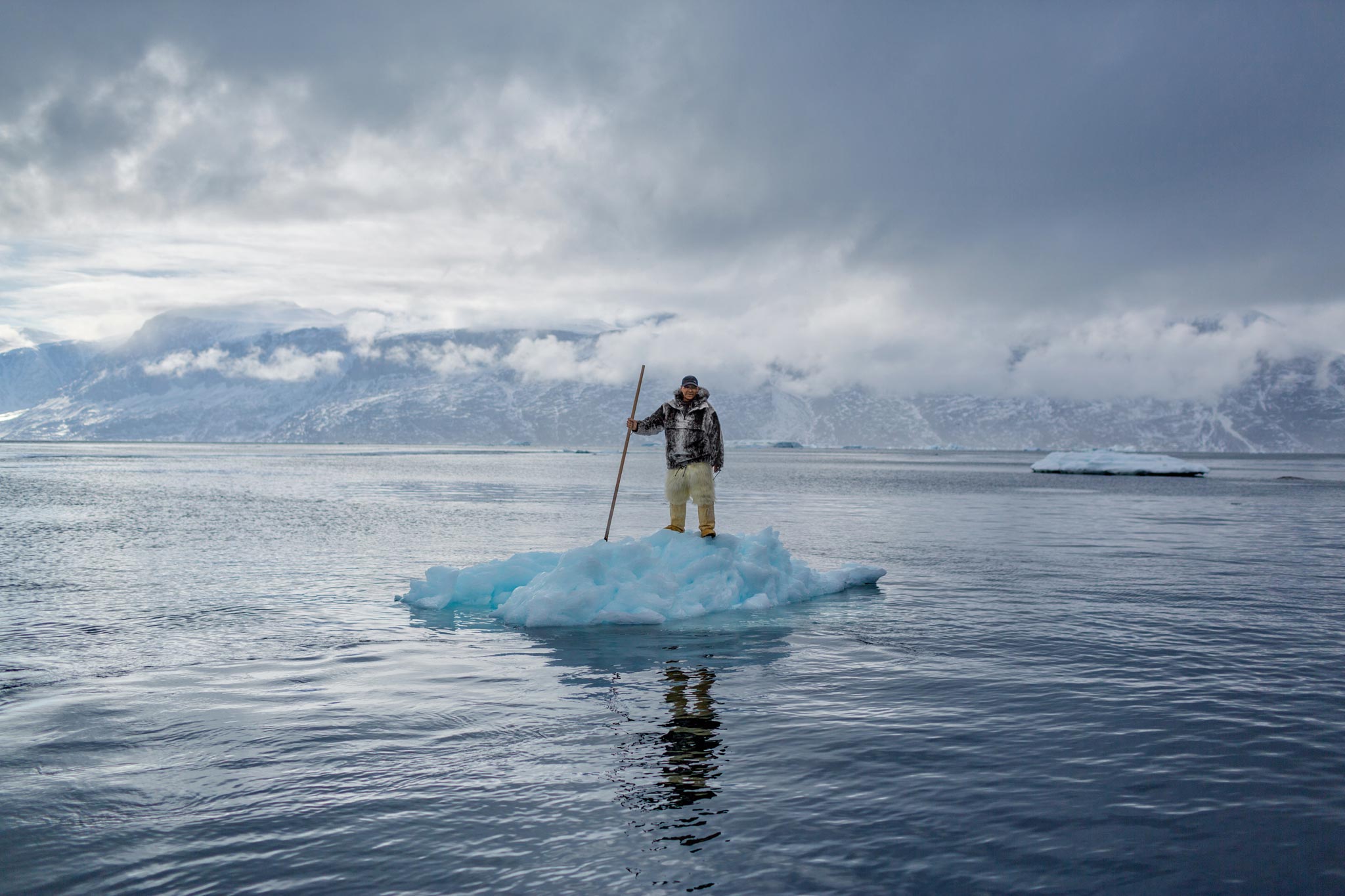
Albert Lukassen’s world is melting around him. When the 64-year-old Inuit man was young, he could hunt by dogsled on the frozen Uummannaq Fjord, on Greenland’s west coast, until June. This photo shows him there in April. PHOTO:  Ciril Jazbec

Albert Lukassen’s world is melting around him. When the 64-year-old Inuit man was young, he could hunt by dogsled on the frozen Uummannaq Fjord, on Greenland’s west coast, until June. This photo shows him there in April. PHOTO: Ciril Jazbec

Climate change – a situation that choices can better, but circumstances see it go from bad to worse. Much talk, much less done. Temperatures rise, glaciers melt, and seas begin to usurp shores. Also, people like the natives of Kiribati and now the Inuit are forced to rethink ways to survive on their lands which once provided for all. And did not threaten their lives. National Geographic reports from the North:

Something else is vanishing here too: a way of life. Young people are fleeing small hunting villages like Niaqornat. Some of the villages struggle to support themselves. And now a culture that has evolved here over many centuries, adapting to the seasonal advance and retreat of sea ice, is facing the prospect that the ice will retreat for good. Can such a culture survive? What will be lost if it can’t?

Continue reading

Wildlife Photographer of the Year: Finalists

The 2015 British Natural History Museum’s Wildlife Photographer of the Year competition has recently come to a close, and, as always over the last fifty-one years, the results are fantastic and fascinating to see. Below check out a brief slideshow of some finalists below, which met the judges’ goals: “outstanding images that raise awareness of nature’s beauty and fragility, while also championing the highest ethical standards in wildlife photography. From intimate animal portraits to atmospheric landscapes, groundbreaking photojournalism to innovative technique, the 2016 jury wants to see it all.”

This slideshow requires JavaScript.

Continue reading

Where World Heritage Sites Meet

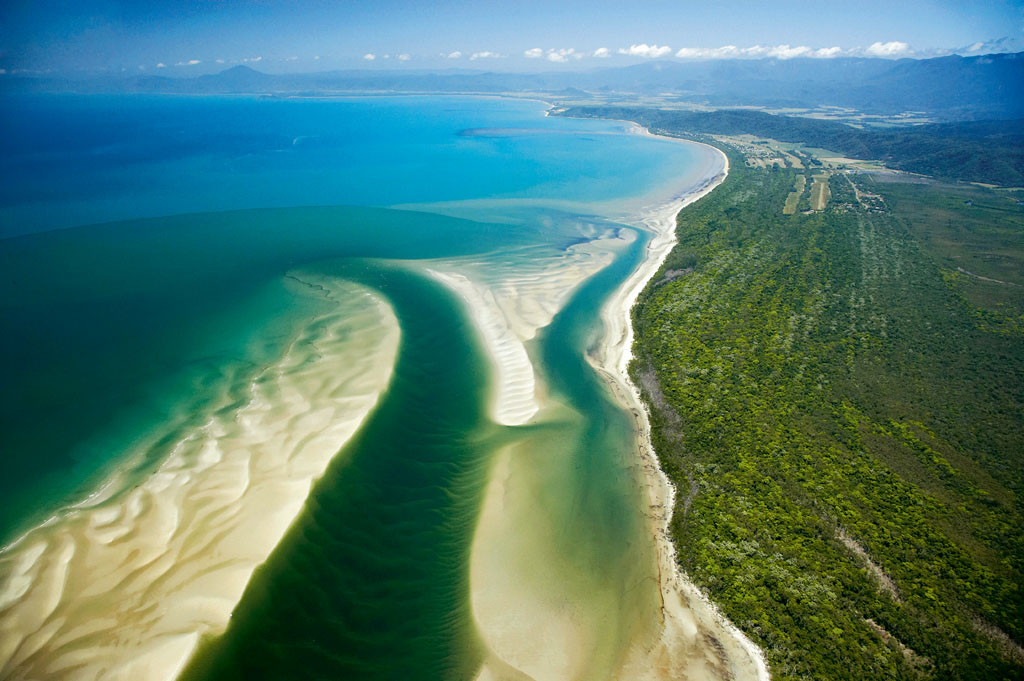
A variety of birds, frogs, and crocodiles can be spotted while cruising the mangrove-lined Daintree River. Photo: David Wall/Dinodia

A variety of birds, frogs, and crocodiles can be spotted while cruising the mangrove-lined Daintree River. Photo: David Wall/Dinodia

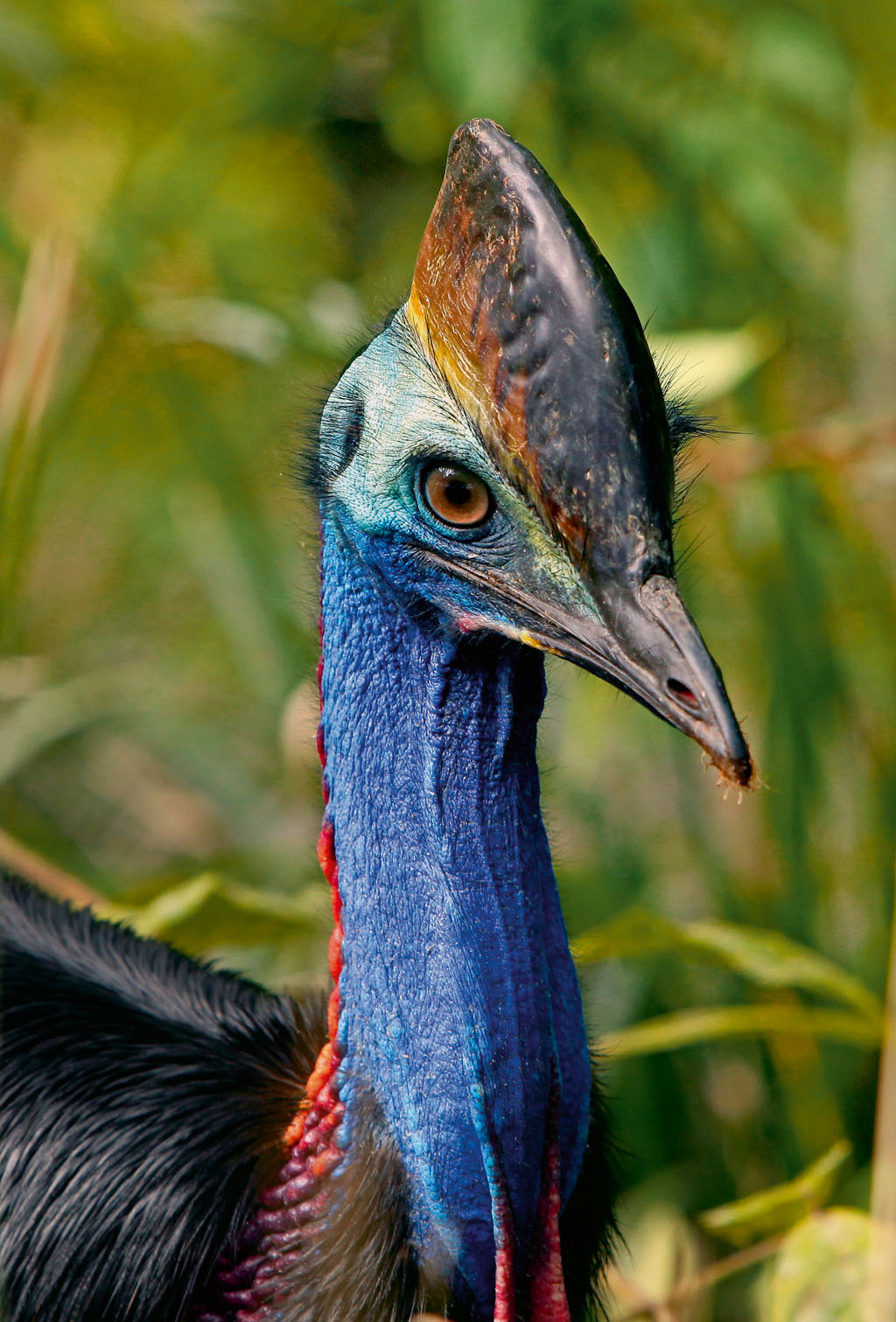
Unique to Australia, the flightless cassowary bird lives a solitary existence for most of its life. It is integral to the survival of many of the plants of this rainforest. Photo: CCOPhotostockBS/Dinodia

Unique to Australia, the flightless cassowary bird lives a solitary existence for most of its life. It is integral to the survival of many of the plants of this rainforest. Photo: CCOPhotostockBS/Dinodia

The list of the World Heritage Sites, as recognized by UNESCO, is a goldmine of history, natural and cultural patrimony. It tells of places and cultures that warrant a second look, an effort to better understand them. And of all the geography the list covers, there’s only one place where two Heritage Sites meet: the Daintree Rainforest and the Great Barrier Reef.

Continue reading

Where Are the Colors?

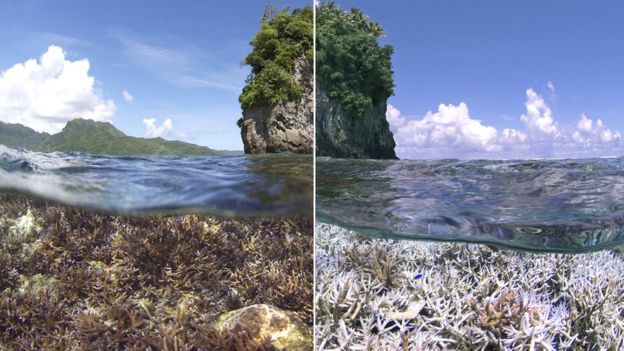
These images, taken in American Samoa, show the devastation caused by coral bleaching between December 2014 and February 2015. PHOTO: BBC

These images, taken in American Samoa, show the devastation caused by coral bleaching between December 2014 and February 2015. PHOTO: BBC

Yet another effect of global warming and changing ecosystems. Corals worldwide are at risk from a major episode of bleaching which turns reefs white.Although reefs represent less than 0,1% of the world’s ocean floor, they help support about a quarter of all marine species. The US National Oceanic and Atmospheric Administration (NOAA) says the livelihoods of 500 million people and income worth over $30bn (£19,6bn) are at stake.

Continue reading

Leaving the Map Behind

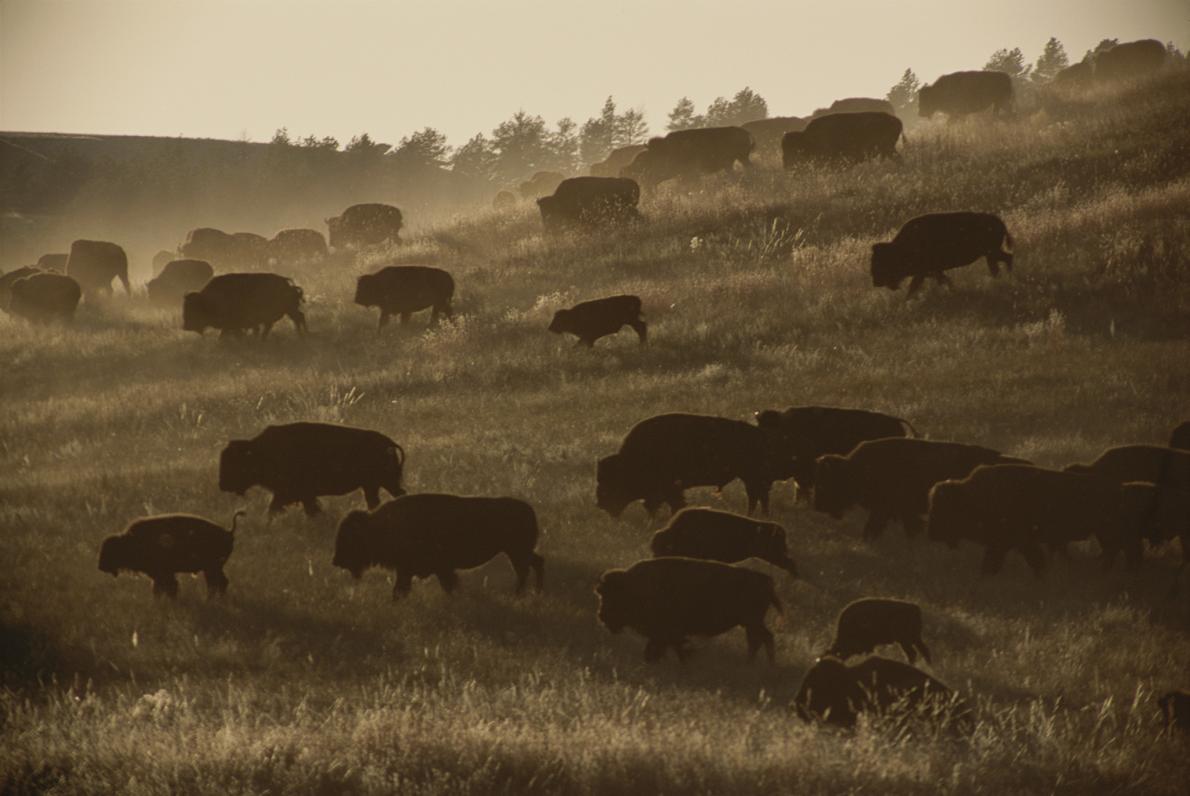
Bison, like these at Custer State Park, in South Dakota, were central to the Plains Indians. But when the U.S. National Parks Service tried to reintroduce them to Lakota lands, it tore the community apart.  PHOTO: SARAH LEEN, NATIONAL GEOGRAPHIC CREATIVE

Bison, like these at Custer State Park, in South Dakota, were central to the Plains Indians. But when the U.S. National Parks Service tried to reintroduce them to Lakota lands, it tore the community apart. PHOTO: SARAH LEEN, NATIONAL GEOGRAPHIC CREATIVE

Rewilding is the idea that, having extirpated many species, by returning large animals and birds like the California condor to the landscape, we can restore key ecosystem functions. The most famous example is probably the reintroduction of grey wolves to the northern Rockies and the Mexican grey wolf to the desert Southwest in the mid-late’90s. There’s a phenomenon called trophic cascade, which means that a large predator like a wolf has a regulatory effect on the entire food chain. In Yellowstone, the return of wolves has meant that the elk can’t be fat and lazy and start to browse in a different fashion, which in turn allows aspen and beavers to come back.
If 20th-century conservation was about drawing lines on a map and saying, this is a park or preserve, 21st-century conservation is about filling in those lines, bringing back animals that have been extirpated.

Rewilding, the need and benefits of having places that are off the map, modern day cave woman Lynx Vildern make for some pages of Satellites In The High Country: Searching For The Wild In The Age Of Man, by Jason Mark, cofounder of the largest urban farm in San Francisco.

Continue reading

The World’s Oldest

A photographer’s pilgrimage to see the world’s oldest. Before the signs of climate change sees them disappear.

In 2007, photographer Rachel Sussman made a pilgrimage to Florida’s 3,500-year-old Senator Tree. The pond cypress’s mottled gray trunk stretched 125 feet into the sky, and sported a bronze plaque gifted by Calvin Coolidge in 1929. Sussman snapped a few pictures, but, upon review, wasn’t thrilled with the results. “I thought, ‘Oh, I’ll just come back sometime,'” she remembers.

Five years later, a meth user snuck into a space in the trunk of the tree, lit up, and burned the whole thing down. Sussman came back and photographed the charred remains. “It really was this moment challenging my sense of permanence and impermanence,” she says.

Continue reading

What Does It Take to Plant a Forest?

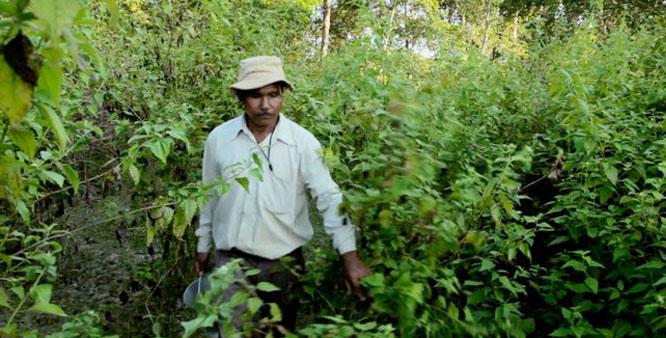
Indian man, Jadav "Molai" Payeng, has single-handedly planted a 1,360 acre forest In Assam. PHOTO: Jagran

Indian man, Jadav “Molai” Payeng, has single-handedly planted a 1,360 acre forest In Assam. PHOTO: Jagran

For many people the sight of a dead snake would be an unpleasant but not tragic image, but for Indian activist Jadav “Molai” Payeng it was a call to action that inspired him to create an entire forest. When Payeng was just a teenager in 1979 he came across a bed of dead snakes on the sun-baked shores of the Brahmaputra river. The limbless beasts had been stranded on the barren banks and perished in the unmitigated heat due to the lack of shade or tree cover. Payeng wept over the corpses but resolved to turn his sadness into action.

Continue reading

The Sound of the Forest

A few years ago the Ministry of Environment included the Sagano Bamboo Forest on its list of "100 Soundscapes of Japan" -- a selection of everyday noises intended to encourage locals to stop and enjoy nature's music. PHOTO: CNN

A few years ago the Ministry of Environment included the Sagano Bamboo Forest on its list of “100 Soundscapes of Japan” — a selection of everyday noises intended to encourage locals to stop and enjoy nature’s music. PHOTO: CNN

What does it take for a government to officially recognize a natural soundscape? The bamboo forests of Kyoto. Growing tall on the edges of Kyoto, the Sagano Bamboo Forest is a once tranquil nature spot that is now a series of tourist-packed pathways, but if one can escape the sounds of camera shutters and boorish visitors, they can hear the rustling, creaking, and swaying of one of Japan’s governmentally recognized soundscapes.

Continue reading

Nature and Her Surprises

photo credit: Ms. Barbara Block

The last time I wrote was about my experience working in Nigeria, where I enjoyed the challenge of balancing the familiar and the new in culture, people, landscape and even weather. I’m now back in India and am happy to explore nature in my own country again.

I am based in the beautiful hill-station Kodaikanal in Tamil Nadu and everytime I look up at the sky and the mountains and the beautiful valley, it takes my breath away! Then I stop to wonder – why do my fellow Indians long to go to Switzerland and other places, when we can experience so many similar things somewhere in our own country? Continue reading

Where’s The Snow?

In 500 years, the Sierra's stores of snow have never ben this low. PHOTO: François B. Lanoë/Nature Climate Change

In 500 years, the Sierra’s stores of snow have never ben this low. PHOTO: François B. Lanoë/Nature Climate Change

Yet another ironical evidence of climate change. One in the mountains of Sierra Nevada, which coincidentally mean ‘snowy’ range. A new study has found that the snowpack in the Sierra Nevadas is the lowest it’s been in the past 500 years. Definitely not good news for California which depends on this snowpack for water. A debilitating drought, fierce wildfires, and now a declining snowpack, things sure are not looking good for the city.

Continue reading

Culture on the High Seas

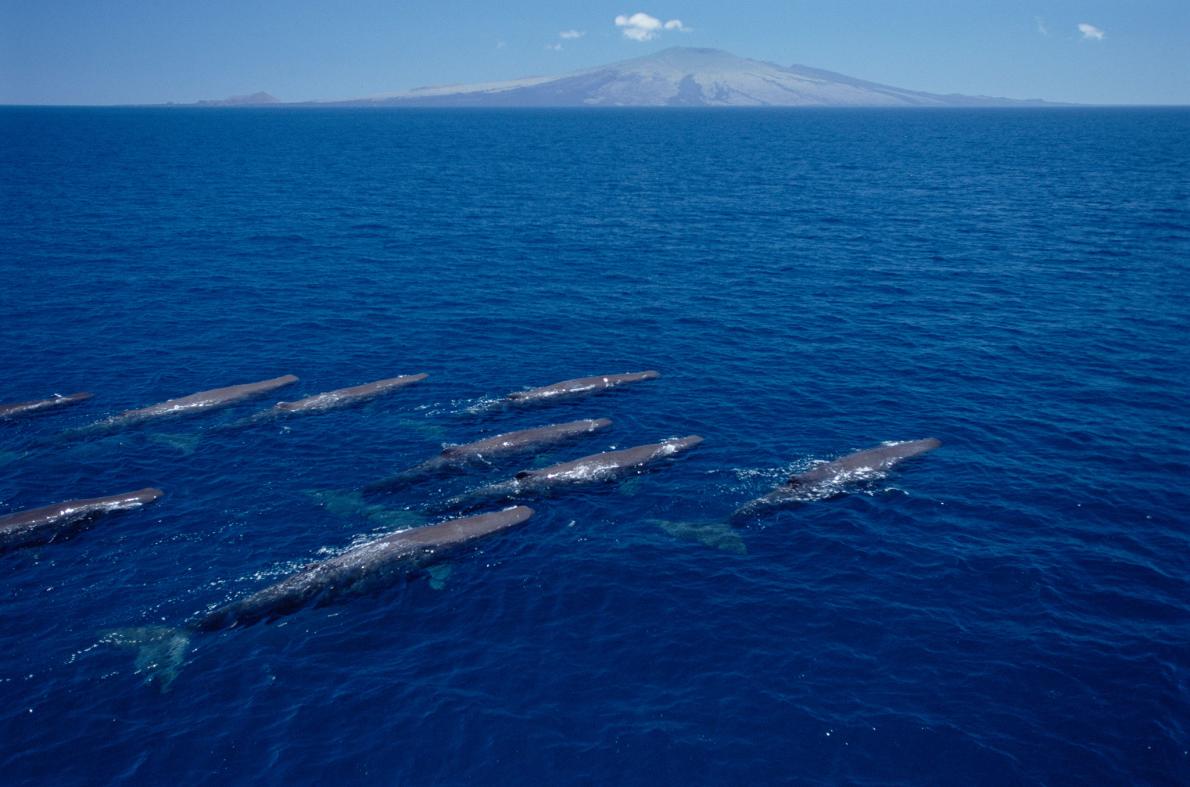
Female sperm whales and their calves swim off the coast of Pinta Island in the Galápagos.  PHOTO: FLIP NICKLEN, MINDEN/CORBIS

Female sperm whales and their calves swim off the coast of Pinta Island in the Galápagos. PHOTO: FLIP NICKLEN, MINDEN/CORBIS

Have you read about how lemon sharks are able to make and maintain social networks, despite the lack of Facebook and Twitter—and learn from their interactions? Or about the whales who communicate with other humpbacks through social learning? Now a study finds that deep-diving whales have a distinct series of clicks called codas they use to communicate during social interactions.

Continue reading

Meet the Tree Elders

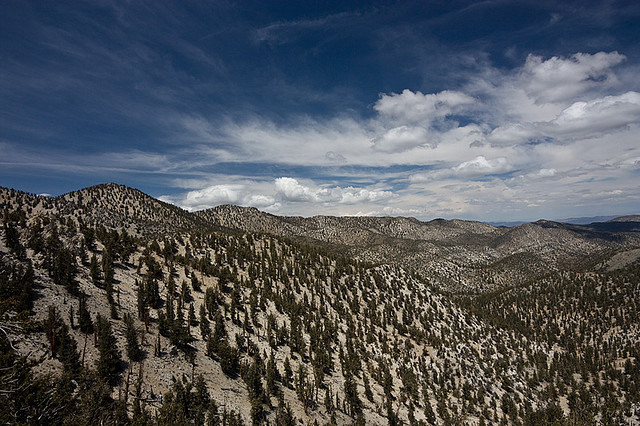
An ancient 4,800-year-old Great Basin Bristlecone Pine, the Methuselah Tree grows high in the White Mountains of eastern California. PHOTO: AGrinberg Creative Commons

An ancient 4,800-year-old Great Basin Bristlecone Pine, the Methuselah Tree grows high in the White Mountains of eastern California. PHOTO: AGrinberg Creative Commons

Did you know that the exact location of the world’s second oldest tree is a Forest Service secret? Or that a woman was charged with setting a fire that burnt down one of the oldest tree organisms? Well, “The Senator” must have sprung up roughly 3,500 years ago — a tiny cypress tree, no bigger than a fist, in the swamplands of Central Florida. In 2012, that very same cypress burned to the ground. The majestic 118-foot tall tree was one of the oldest organisms in the world. Over the course of its long life, it survived hurricanes, disease and logging sprees, serving as a tourist attraction and a spiritual epicenter for pilgrims hoping to bask, literally, in the shade of history.

Continue reading

Meeting within Periyar Tiger Reserve

photo credit: Sudhir Shivaram; Barnawarpara Wildlife Sanctuary in Chhattisgarh

Just a few days ago, I went for the first time to the Periyar Tiger Reserve in Thekkady, which is one of the most important national parks in Kerala. For sure, luck was going our way! We saw so many things: different monkeys, awesome birds, multicolored frogs … but the most amazing and unexpected meeting in this dense forest was one with an animal that I would never have imagined seeing: a leopard! Even if it was obviously fleeting in one sense, it was also a timeless moment that I will remember. None of us had time to take a picture of the animal, which is why I’m using a photo by Sudhir Shivaram taken in Barnawarpara Wildlife Sanctuary in Chhattisgarh. The photo is also much closer than the scene that we experienced, where the leopard was fifty meters in front of us.

Sudhir’s quote below is a good way to show how fast it was and how lucky we are to have looked at the right time in the right place.

I keep saying – In Wildlife Photography you get 0-3 seconds to make your image, otherwise you have missed the opportunity. That’s exactly what happened to me in this case. Continue reading

If You Are in DC…

The Capitol stones at Rock Creek Park in DC. PHOTO: Bill Lebovich

The Capitol stones at Rock Creek Park in DC. PHOTO: Bill Lebovich

When the dust settled after 9/11, shipbuilders recycled the Twin Towers’ steel into the USS New York. And when the United States Capitol got a face-lift, the old stones were destined for an almost forgotten existence in a Washington, D.C. forest. Save for the occasional runner who veers off his usual trail and the rare visitor with ample time to explore more of the Rock Creek Park, not many have chanced upon and delved into the history of the pile of moss-covered stone columns. Obscura Society is headed there this week, and you may want to join them.

Continue reading

A Fitting Anniversary Surprise

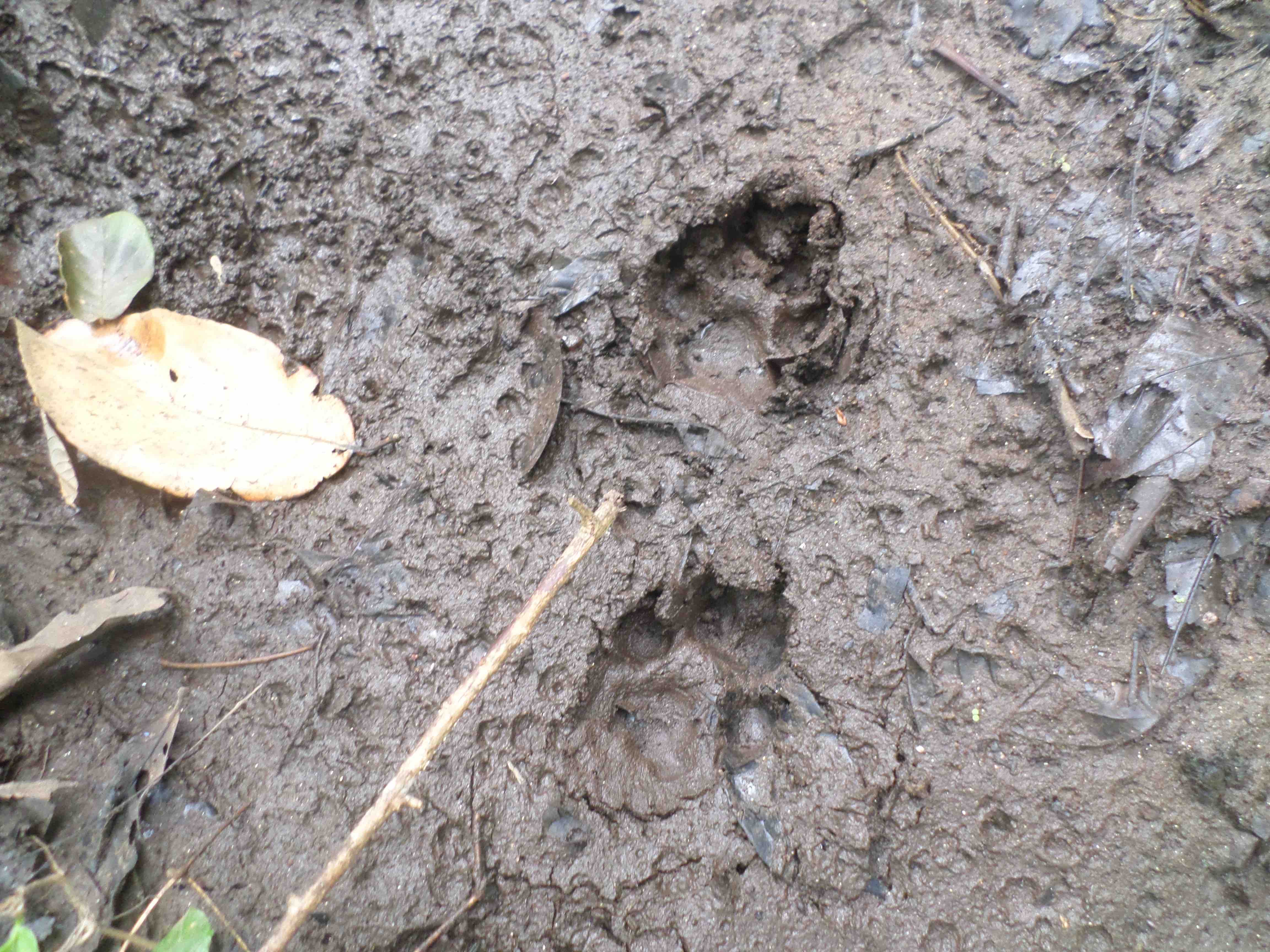
Leopard Paw Prints, Periyar Tiger Reserve

Leopard Paw Prints, Periyar Tiger Reserve

Five years ago last week several of us moved to Kerala, India. Sometime in the first year one of us took a photo of a huge tiger paw print while trekking through the Periyar Tiger Reserve. Two of us had the briefest of brief sightings of a tiger, back then as well, with the tiger leaping across the trail we were on, doing its best to avoid us and move on…

Now, exactly five years in, we had what anyone would describe as the ideal nature encounter.  Continue reading

The Wettest Place on Earth

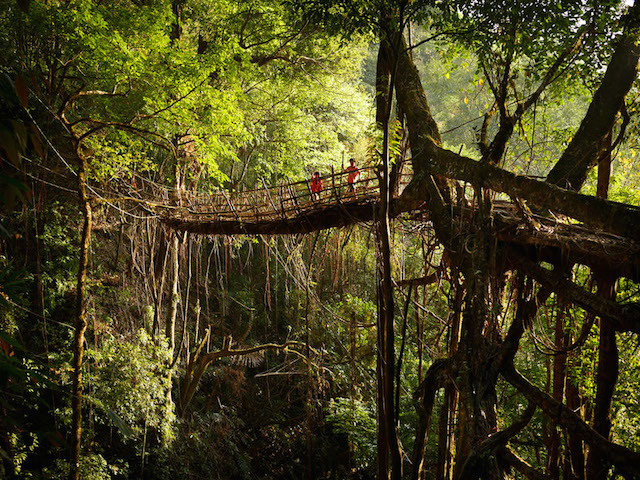
New Zealand-based photographer Amos Chapple captures a "living bridge" deep in the forests of Meghalaya, India.

New Zealand-based photographer Amos Chapple captures a “living bridge” deep in the forests of Meghalaya, India.

Perched atop a ridge in the Khasi Hills of India’s north-east, Mawsynram has the highest average rainfall – 467in (11.86 metres) of rain per year – thanks to summer air currents gathering moisture over the floodplains of Bangladesh. When the clouds hit the steep hills of Meghalaya they are compressed to the point where they can no longer hold their moisture. The end result is near constant rain. Even the world’s biggest statue, Rio de Janeiro’s 30m tall Christ the Redeemer, would be up to his knees in that volume of water.

Continue reading

What Does That Song Mean?

The chickadee makes at least 15 different calls to communicate with its flock-mates and offspring. PHOTO: Nature Mapping Foundation

The chickadee makes at least 15 different calls to communicate with its flock-mates and offspring. PHOTO: Nature Mapping Foundation

Chickadees have one of the most unique and varied vocal repertoires. Few backyard birds are as beloved as the Black-capped Chickadee. The boldly patterned chickadee is perky, trusting – and it seems to introduce itself by calling its name – chick-a-dee. But when a chickadee voices its namesake call – using a host of variations – it’s most likely maintaining contact with its mate, scolding a predator, or announcing a food source. These chickadee calls, distinct from songs, are uttered by both sexes and may be voiced year-round. What do they communicate?

Continue reading

Notes from a Natural History Museum

Harvard Natural History Museum

I recently had the chance to visit the Harvard Natural History Museum. Despite having lived in Cambridge for nearly a year, and having often thought about visiting the museum when I passed by going to and from my apartment, I had not stopped in until now. What a treat! The collections are full, diverse, and well curated. On this occasion, I spent most of my time in the animal wing, but I plan to return soon to take in the flora and minerals, and spend much more time in choice display rooms (e.g. the absolutely gorgeous Mammals/Birds of the World permanent exhibit: see below for pictures).

A ground sloth skeleton. It is hard to get an idea of the size of this creature from this photo, but it probably weighed several tons while alive!

Continue reading