
Little Rann of Kutch, Gujarat
Little Rann of Kutch, Gujarat
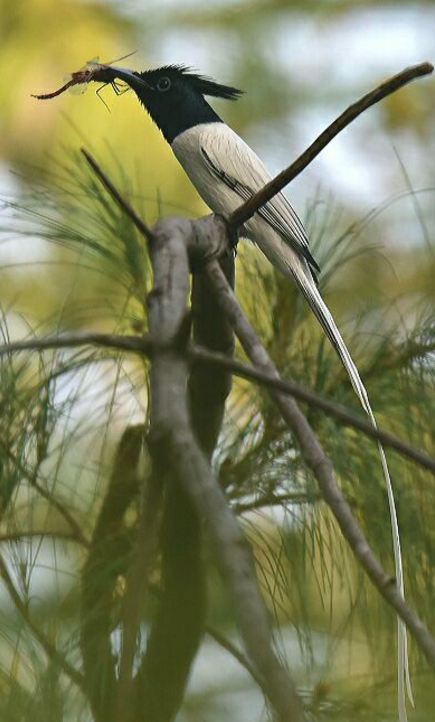
white-morph male
Sivarpanam Palace, Tamil Nadu
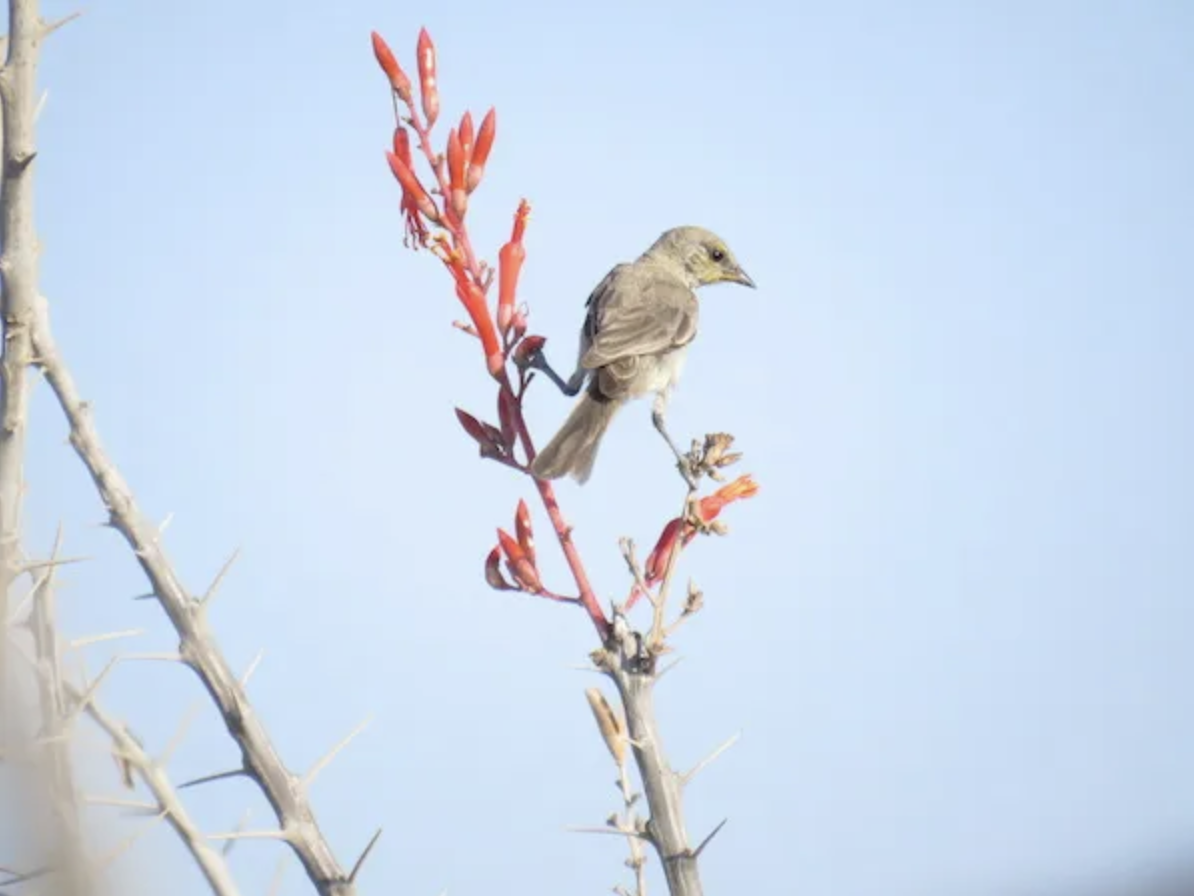
juvenile – Baja California Sur, Mexico
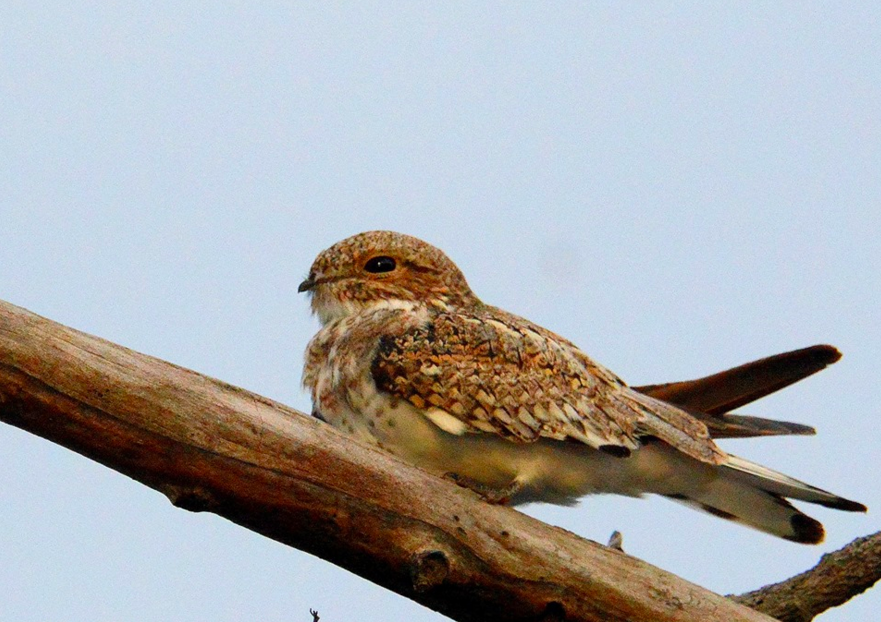
(tentative identification) Rio Preto, Brazil

Pangot, Uttarakhand

Gallon Jug Estate, Belize

Pangot, Uttarakhand

Dinokeng Game Reserve, Pretoria, SA

Gallon Jug Estate, Belize
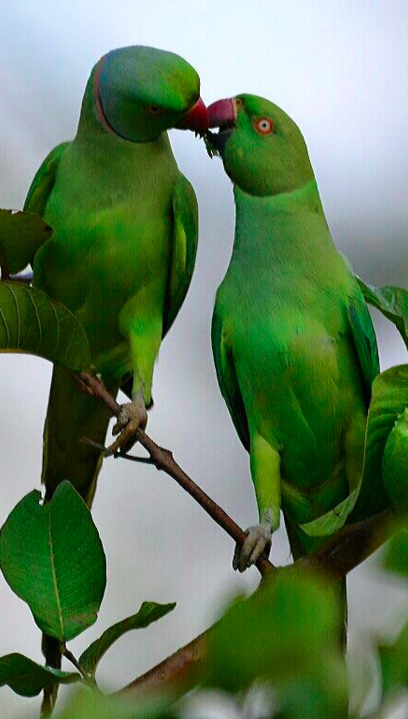
Sivarpanam Palace, Tamil Nadu

Bangalore, Karnataka
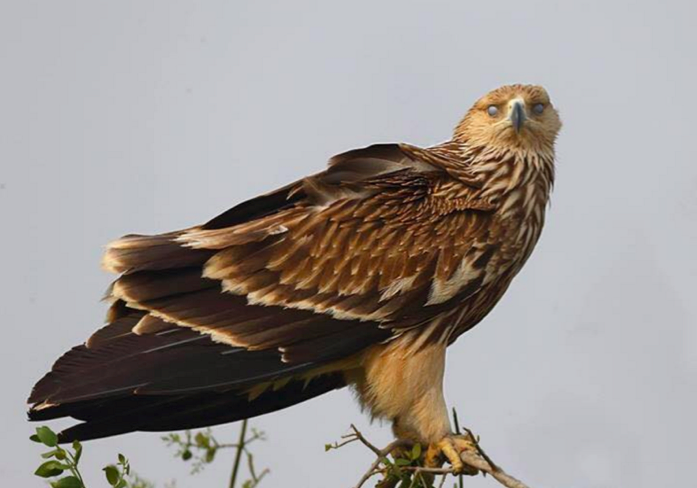
Little Rann of Kutch, Gujurat
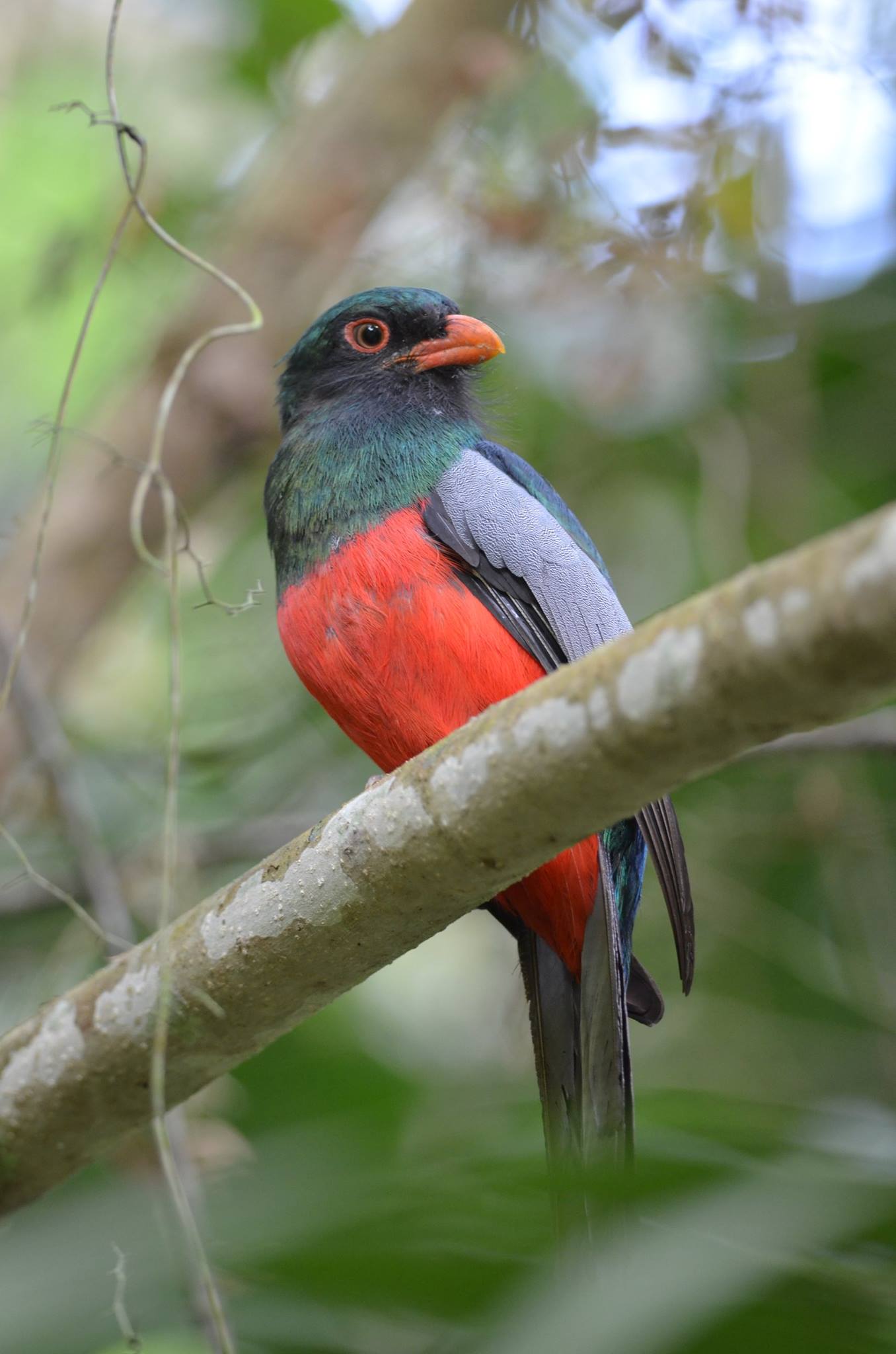
male – Gallon Jug Estate, Belize
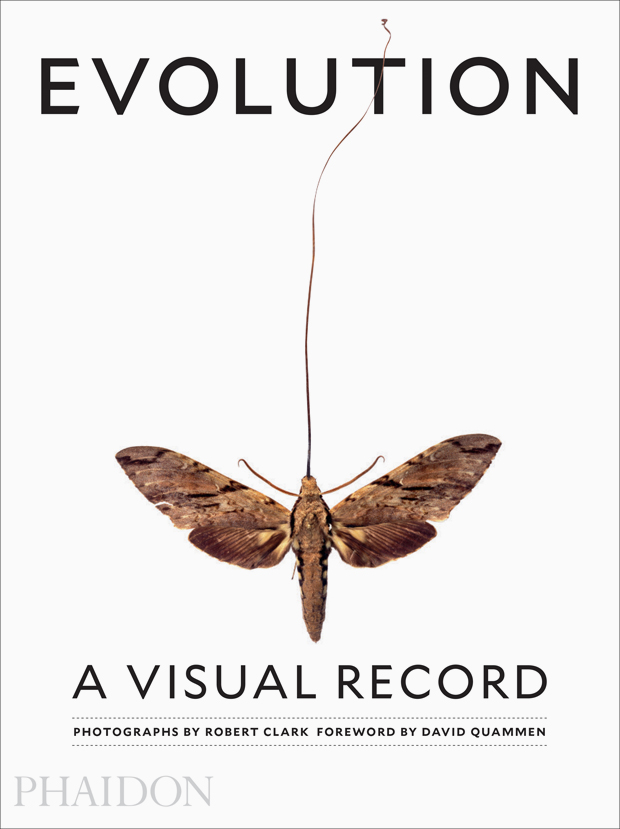
Click the image above to go to Phaidon’s website or see a couple of the book’s photographs and blurbs about the book’s intent below:
Beautiful and bizarre beasts behind Darwin’s theory
Photographer Robert Clark’s new book offers some striking supporting evidence for the theory of natural selection
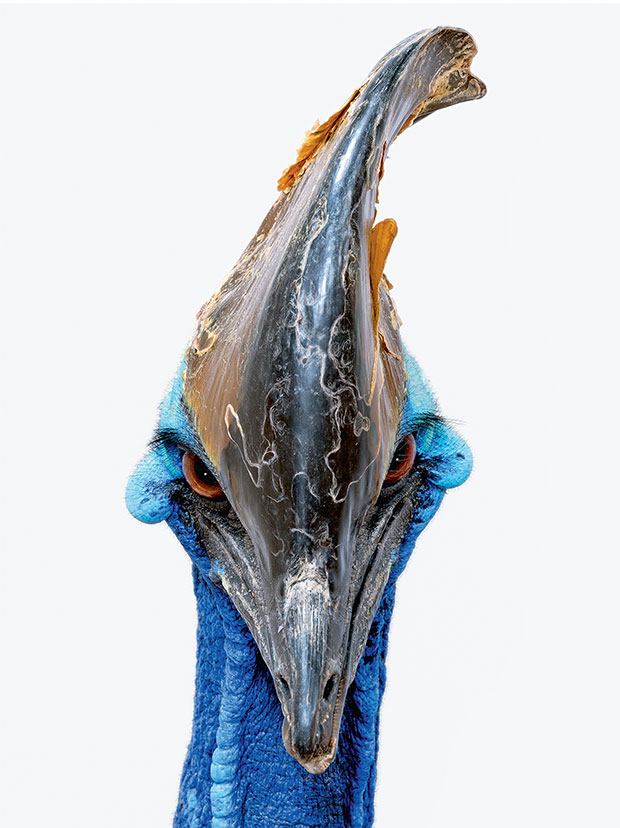
Southern cassowary (Casuarius casuarius) by Robert Clark. © Robert Clark. From Evolution: A Visual Record
Already, from the cover, we like it. Some of the sample images from inside the book seal the deal. Continue reading

Estero San Jose del Cabo, BCS, Mexico

Dinokeng Game Reserve, Pretoria, SA

Sattal, Uttarakhand
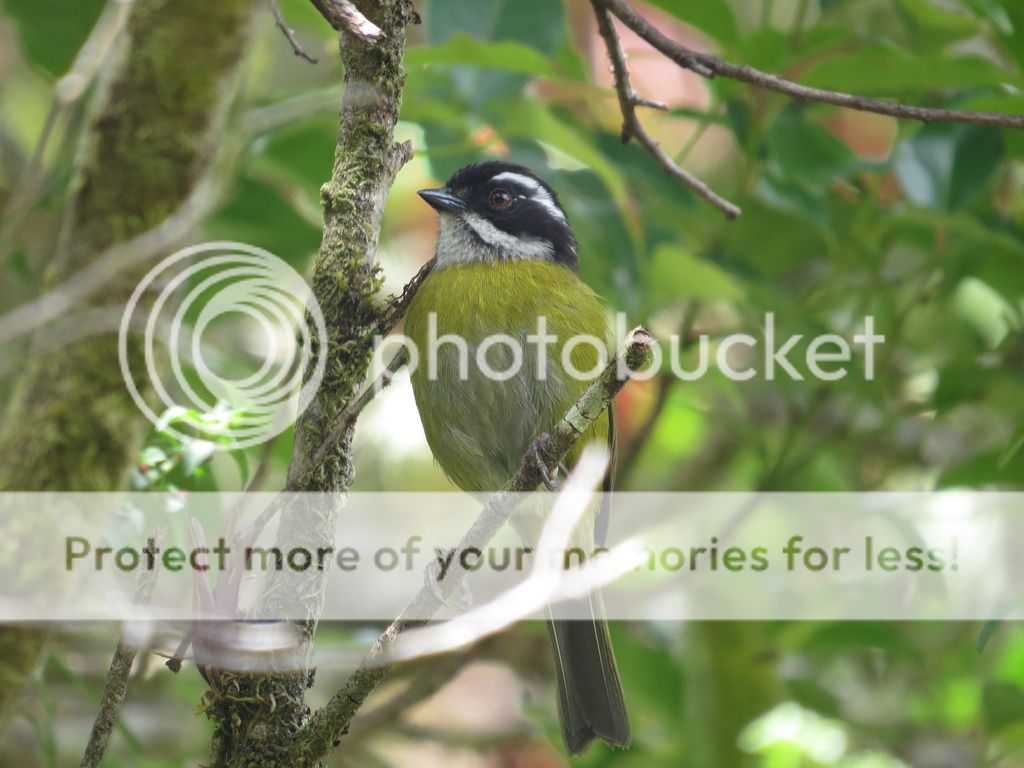
Barva Volcano, Costa Rica
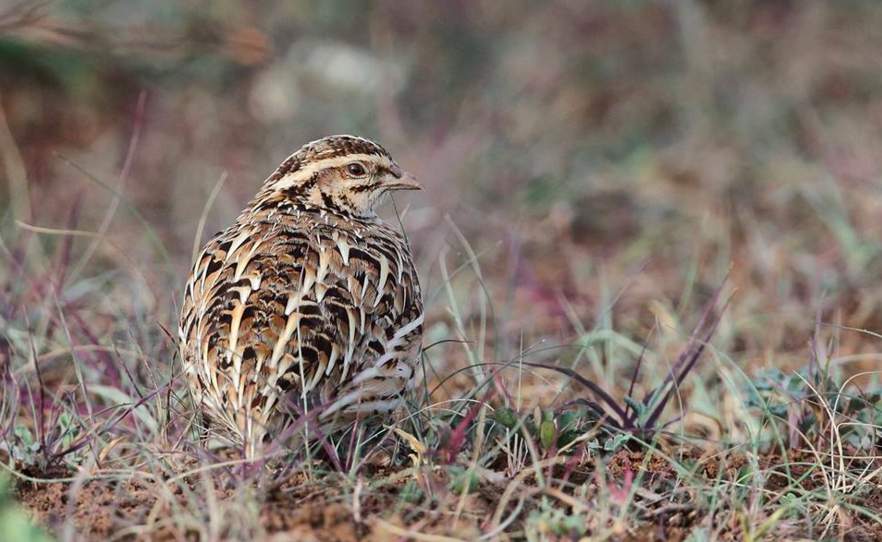
Outskirts of Bangalore, Karnataka

In the spring, the valley shimmered with myriad points of color, as if Georges Seurat had touched up a Georgia O’Keeffe. PHOTOGRAPH BY JIM MANGAN
This is one of the longest articles in recent memory, but worth every word on every page. Wishing only that there were more photos or that we could have been there to see it:
DEATH VALLEY IS ALIVE
This year, a historic deluge created a Superbloom of wildflowers in one of the hottest places on Earth.
By Alex Ross
Death Valley, the majestically desolate national park on the eastern edge of California, is a rain-shadow desert, meaning that nearby mountain ranges drain moisture from incoming weather systems and stop rain from reaching the other side. Eighty miles to the west is the Sierra Nevada range, the highest in the contiguous forty-eight states, rising to fourteen thousand five hundred feet. Continue reading

