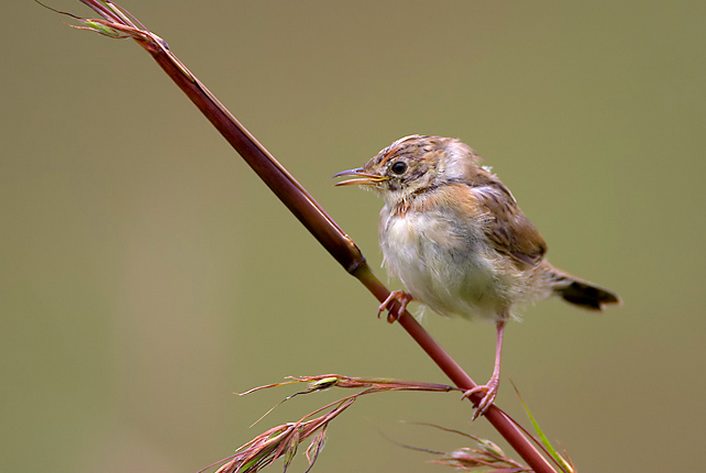
Kemmangundi, Western Ghats, Karnataka
Kemmangundi, Western Ghats, Karnataka
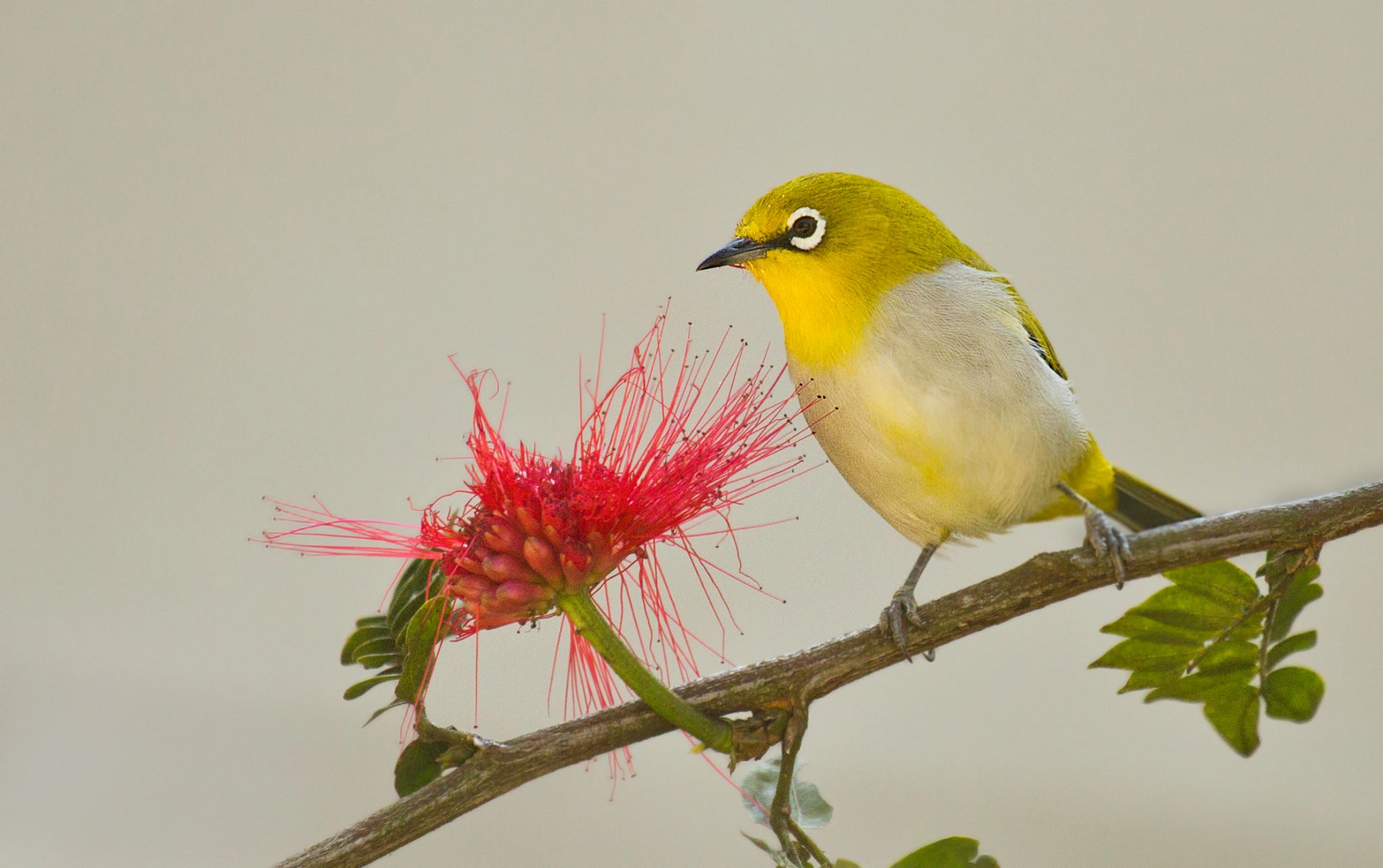
Bangalore, Karnataka

KaikondrahallI Lake, Bangalore
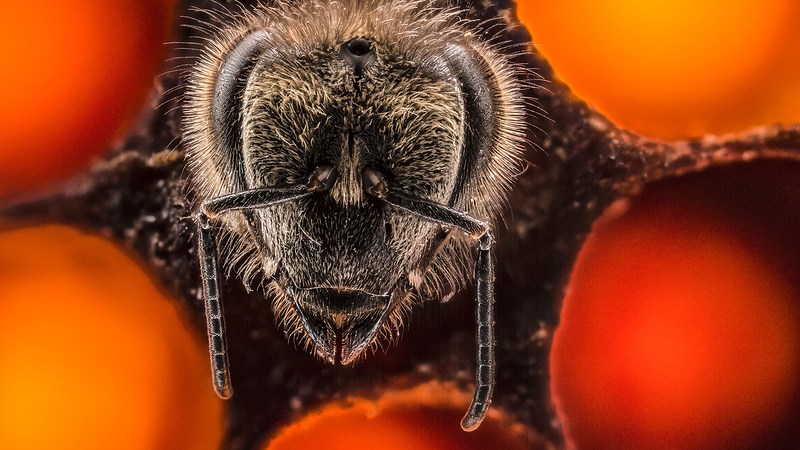
Must-watch: A stunning time-lapse video of the first 21 days of a bee’s life by photographer Anand Varma
Your first instinct when around a honeybee is to keep distance. But not for Indian American photographer Anand Varma. When he was asked to photograph a story on honeybees for National Geographic magazine, he knew he was going to have to take a different approach to capture new views of one of the world’s most photographed insects. And he did, his photographs forming a brilliant timelapse video of the first 21 days in a bee’s life. Over the video and the stellar photographs, the exercise addresses a key issue: the disappearance of bees and colonies dying quickly. Now why is this a problem?
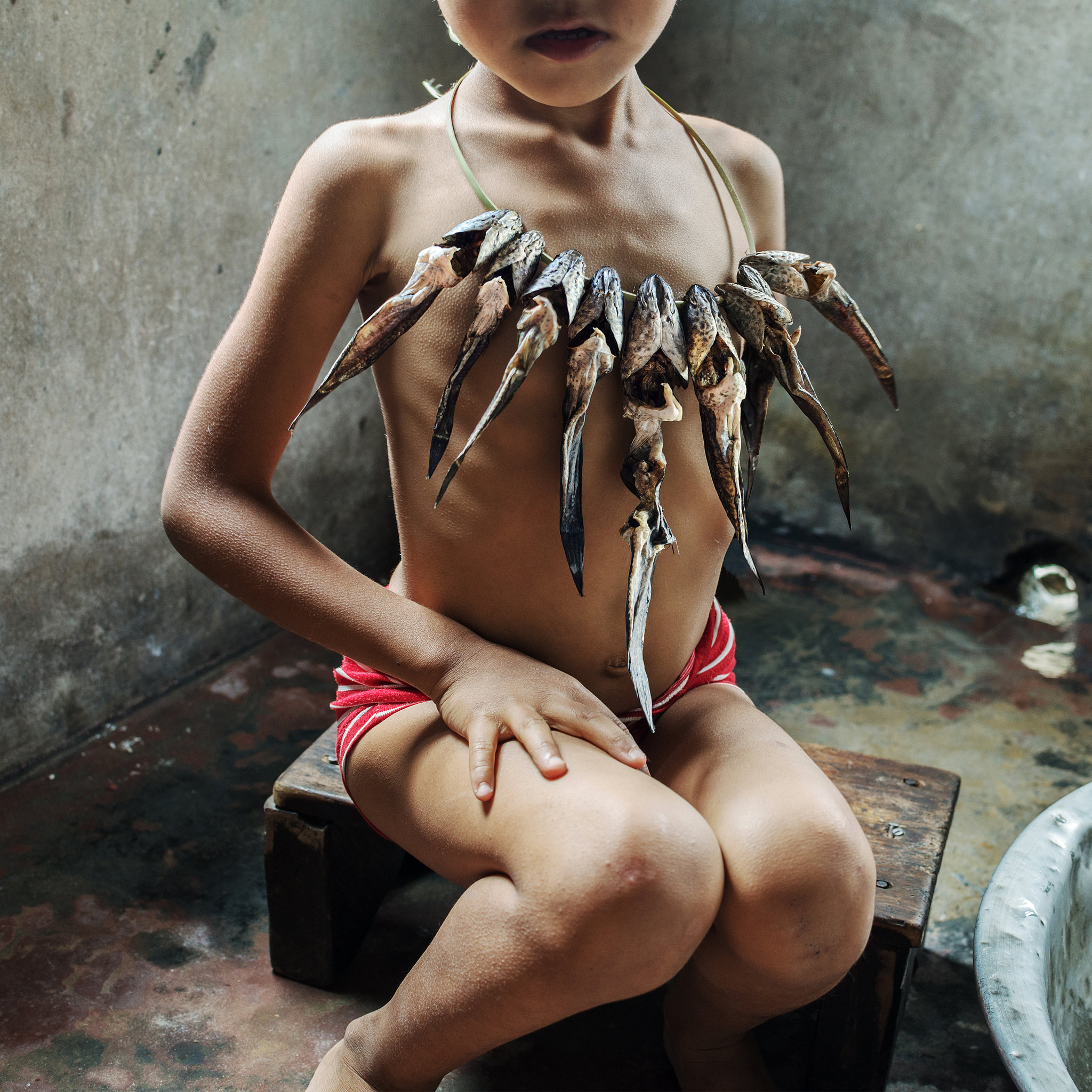
In the small hilly Indian state of Meghalaya, a matrilineal system operates – but some men are campaigning for change PHOTO: Karolin Kruppel
What does the north-eastern Indian state of Meghalaya and a valley on the border of Yunnan and Sichuan provinces of China have in common? They are home to a couple of the handful matrilineal communities that still exist. In an age where most important offices of power are held by men, it is critical to evaluate how these communities hold on to a way of life unchanged for thousands of years. Not to forget the challenges they face in continuing to look at women as the driving force and the soul of their existence.

Kabini River, Karnataka
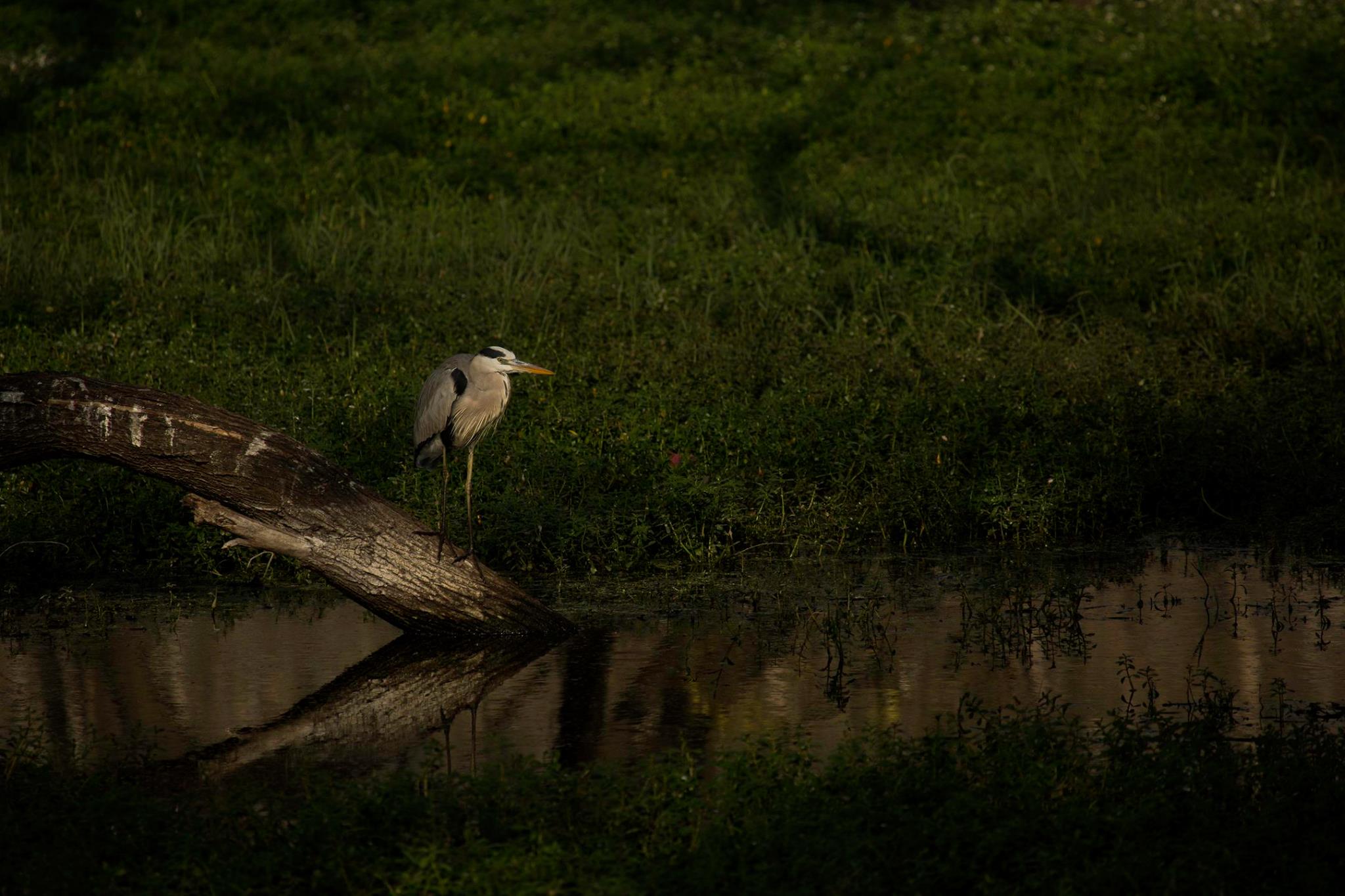
Kaikondrahalli Lake, Bangalore


 It’s been a century since National Geographic published its first color cover using the autochrome technique. Gradually phased out post 1930 and replaced by Kodachrome and Agfacolor, the autochrome era is said to have given the art of painting a run for its money. With its lush colors and lyrical and evocative quality, the technique not only dislodged black and white photography’s monarchy but also brought together science and art. Credited to the Lumiere brothers, autochrome painted dreams in colors.
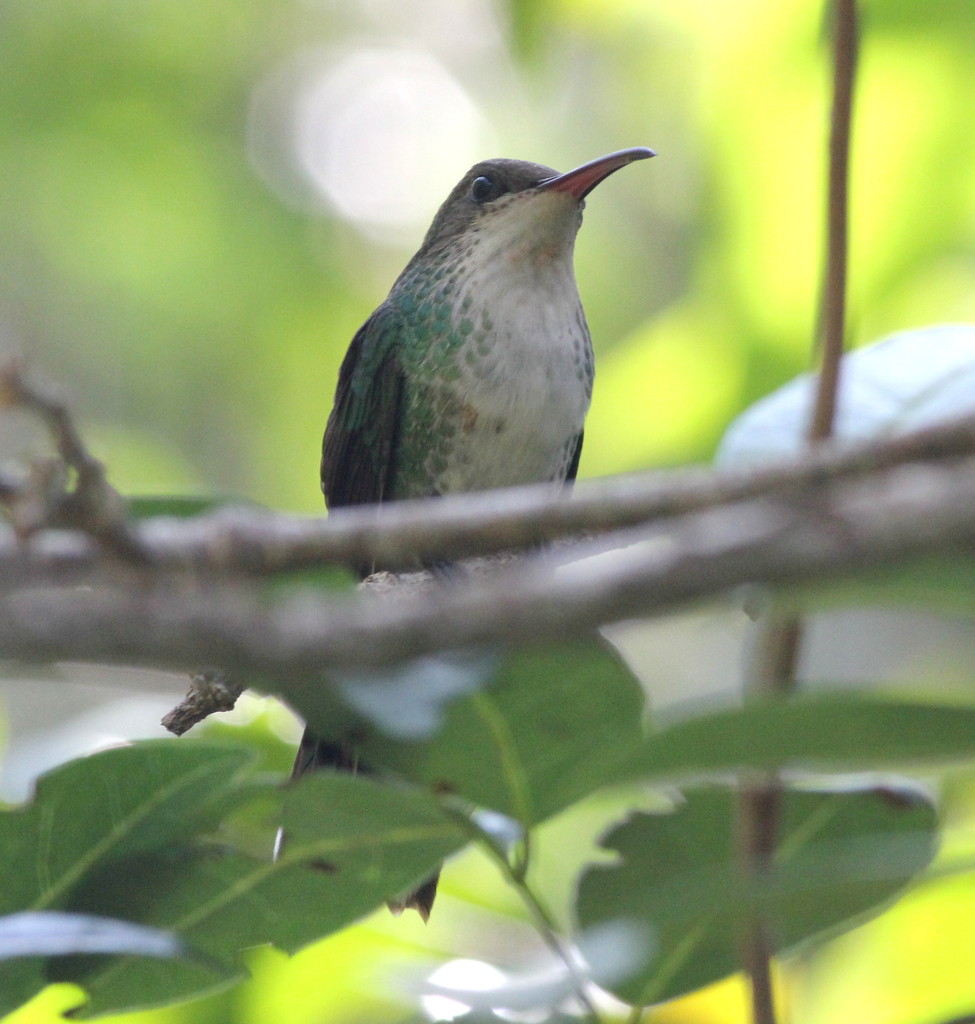
female – Cockpit Country, Jamaica

First Nations peoples are also excessively marginalized in the public health system, and at least 1,200 aboriginal women have been reported missing or murdered over the past 30 years PHOTO: Daniella Zalcman
Indigeneity comes at a premium today. From the hyper-local experience of taking local buses or tuk-tuks to food that is loudly ‘branded’ as authentic and traditional, the focus is on the native narrative. Today is also about the stories and people of the land – often oppressed and relegated to numbers of casualties until acknowledged, rehabilitated, and apologized to. Like the indigenous population of Canada.
Our languages are coming back. Our songs are coming back. But not everything is returning — some things have been lost forever. That’s the price of our ancestors being forced to assimilate – GRAHAM PARADIS, OJIBWE AND MÉTIS
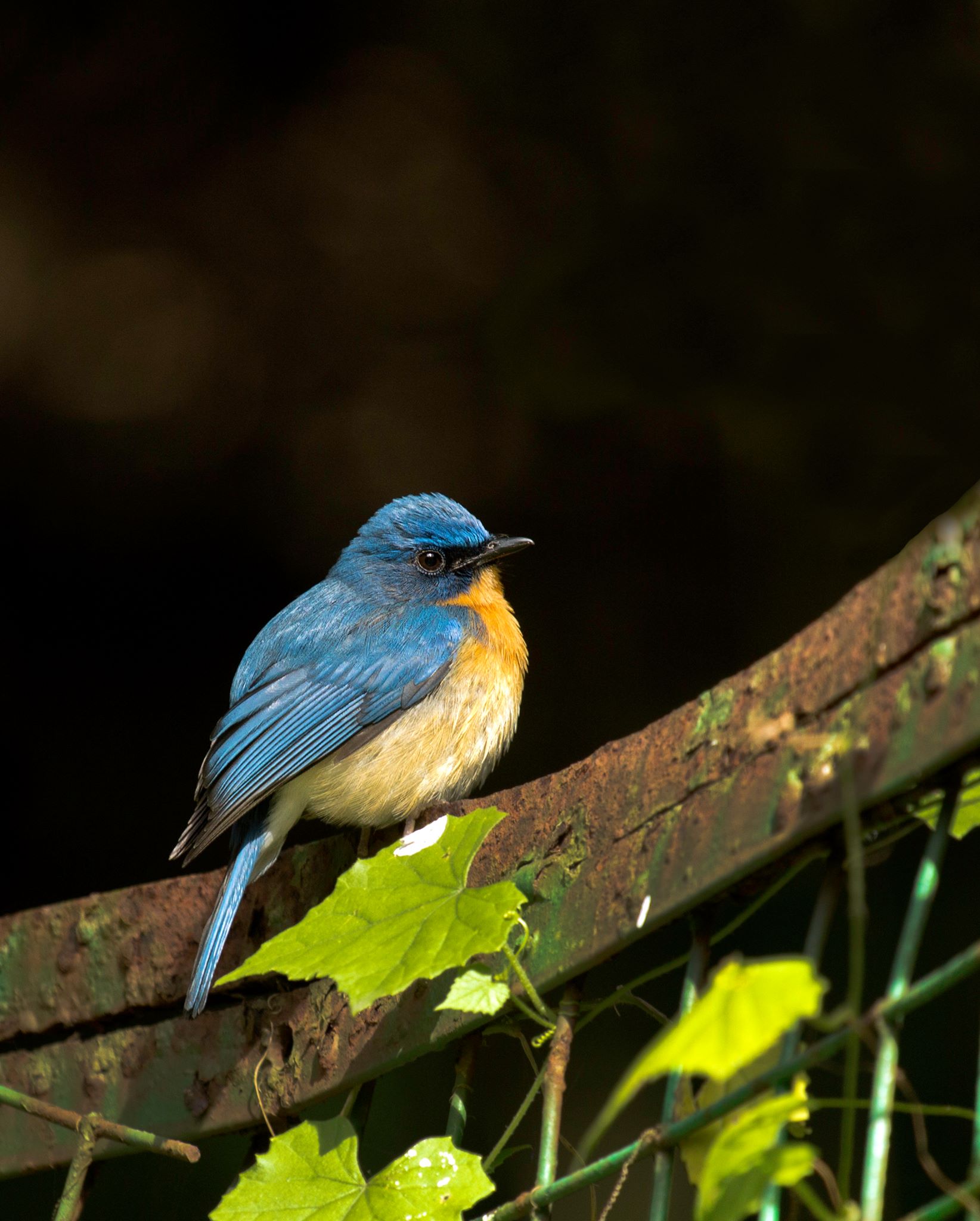
Nandi Hills, Bangalore

photo credit: Andrew Murphy
Nech Sar National Park, Ethiopia
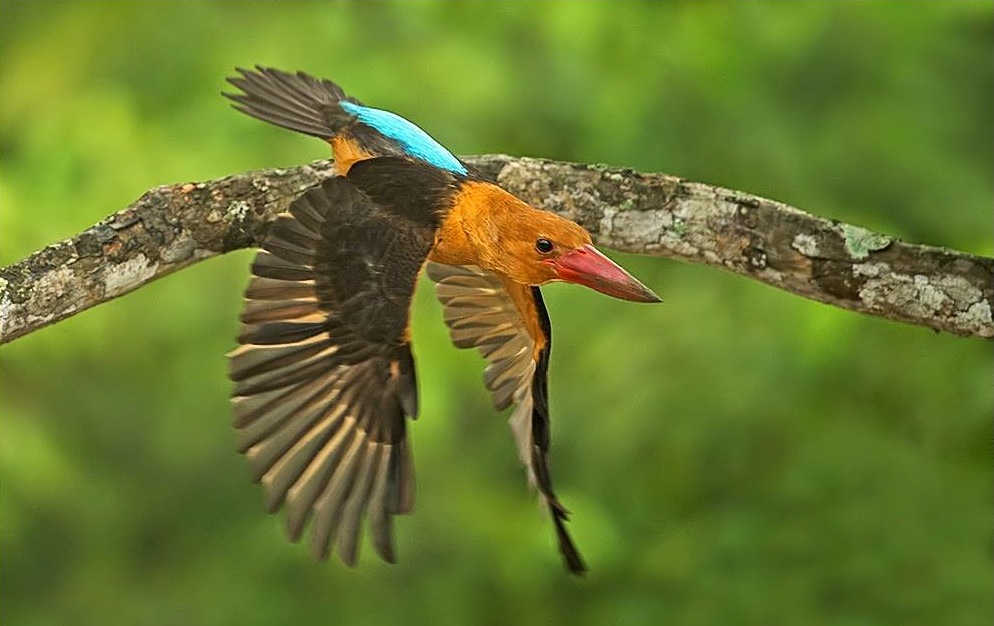
Kabini River, Karnataka
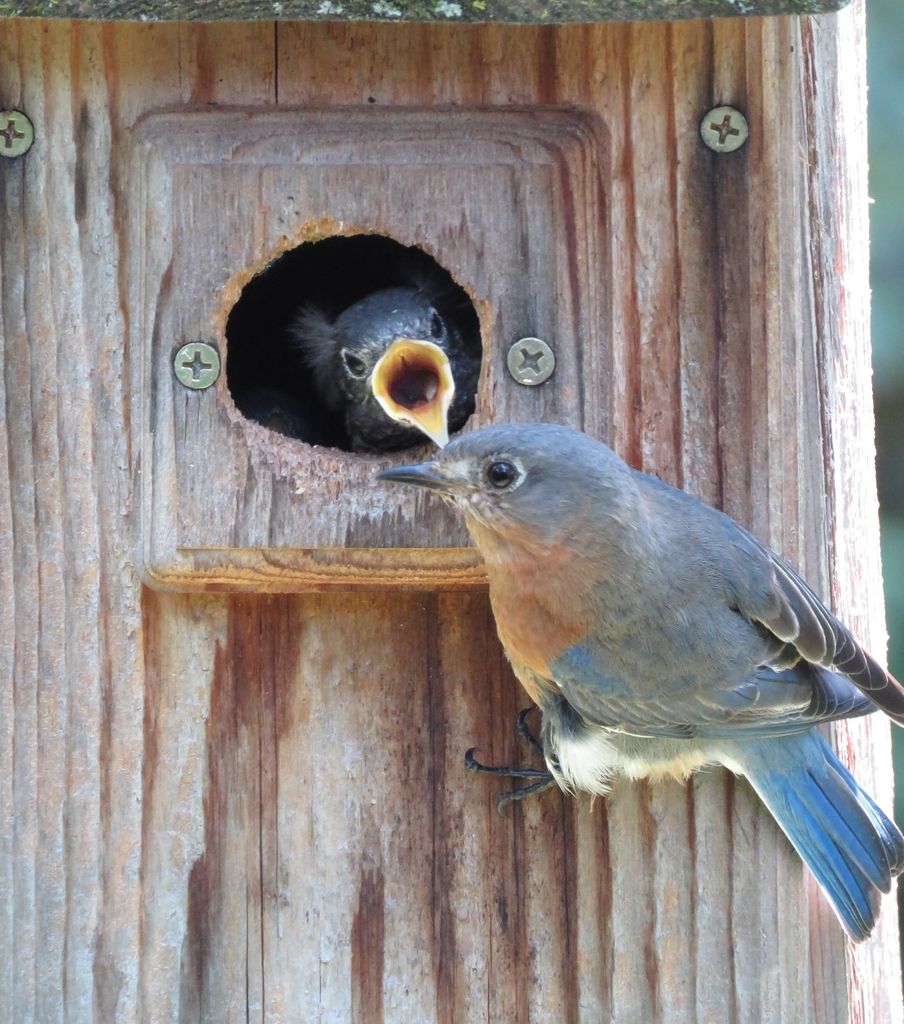
Mother bluebird feeding babies on Mother’s Day
A little less than a month before mother’s day (May 10th), a pair of bluebirds made their nest in one of the bluebird houses in our backyard in Atlanta. I was away studying at the university at the time, but my parents described to me in phone conversations the process familiar to anyone who has seen birds build a nest in their yard: first the birds made tentative visits to the site, then they began to carry in straw, twigs, and grass, finally the mother Continue reading
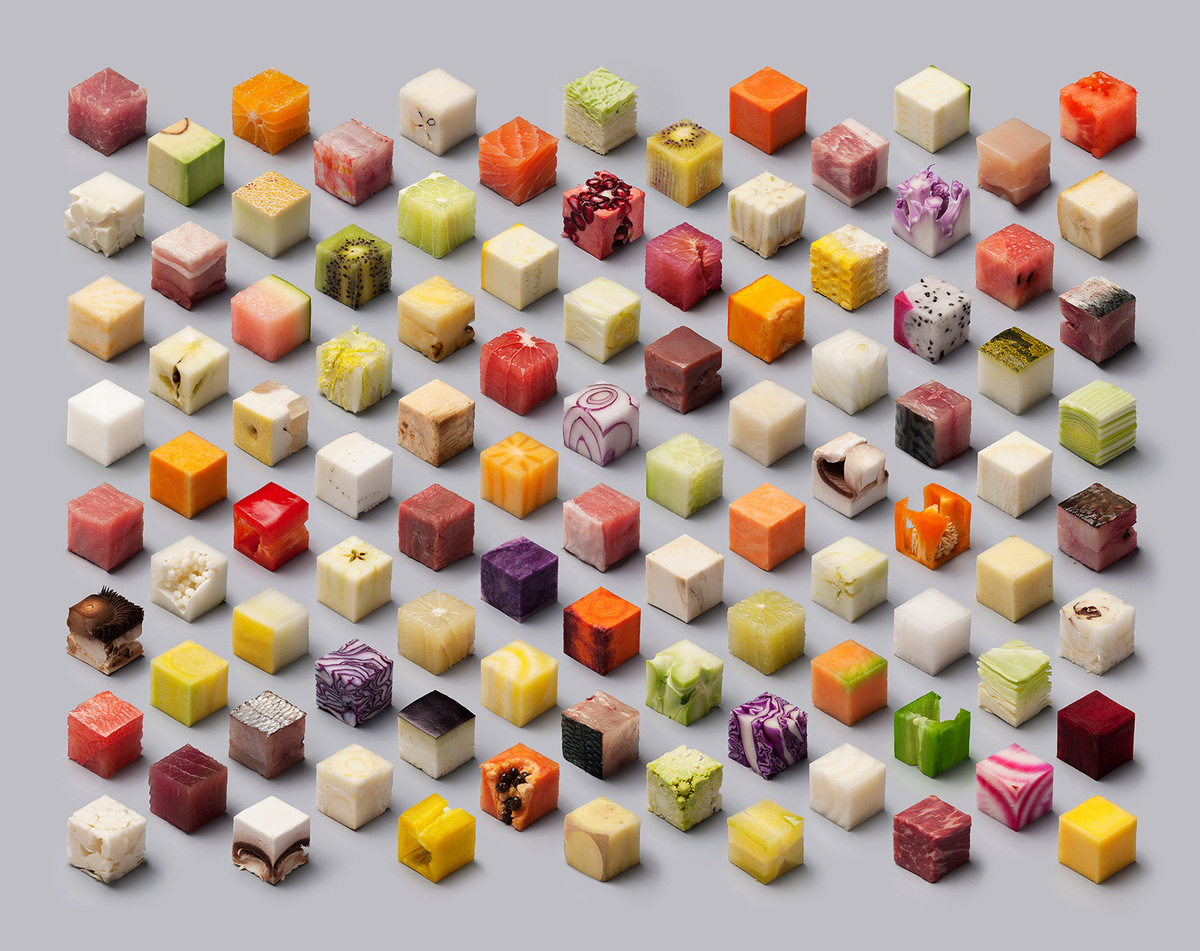
98 2.5 cm cubes of raw food make this stunning isosymmetric photograph. COURTESY: Lernert & Sander
When it comes to food, they say you eat with your eyes first. And you cannot help but do just that when it comes to Lernert & Sander’s new work, Cubes. May be that’s after you’ve tried identifying as many of the 98 cubes of raw food (we couldn’t help ourselves, too!). Commissioned by Dutch newspaper De Volkskrant last year for a feature on the nation’s eating habits, the duo started with what they could find in their neighborhood grocery store. Each type of food was then cut into cubes of 2.5 cm with a custom-designed tool, placed equidistant from the camera, each row photographed separately, and the entire image put together using digital compositing. No, absolutely no use of Photoshop. The equal distances and the one single size put all the vegetables, fruits and meats on equal footing. The digital editing turned the physically impossible feat into visual reality. Continue reading
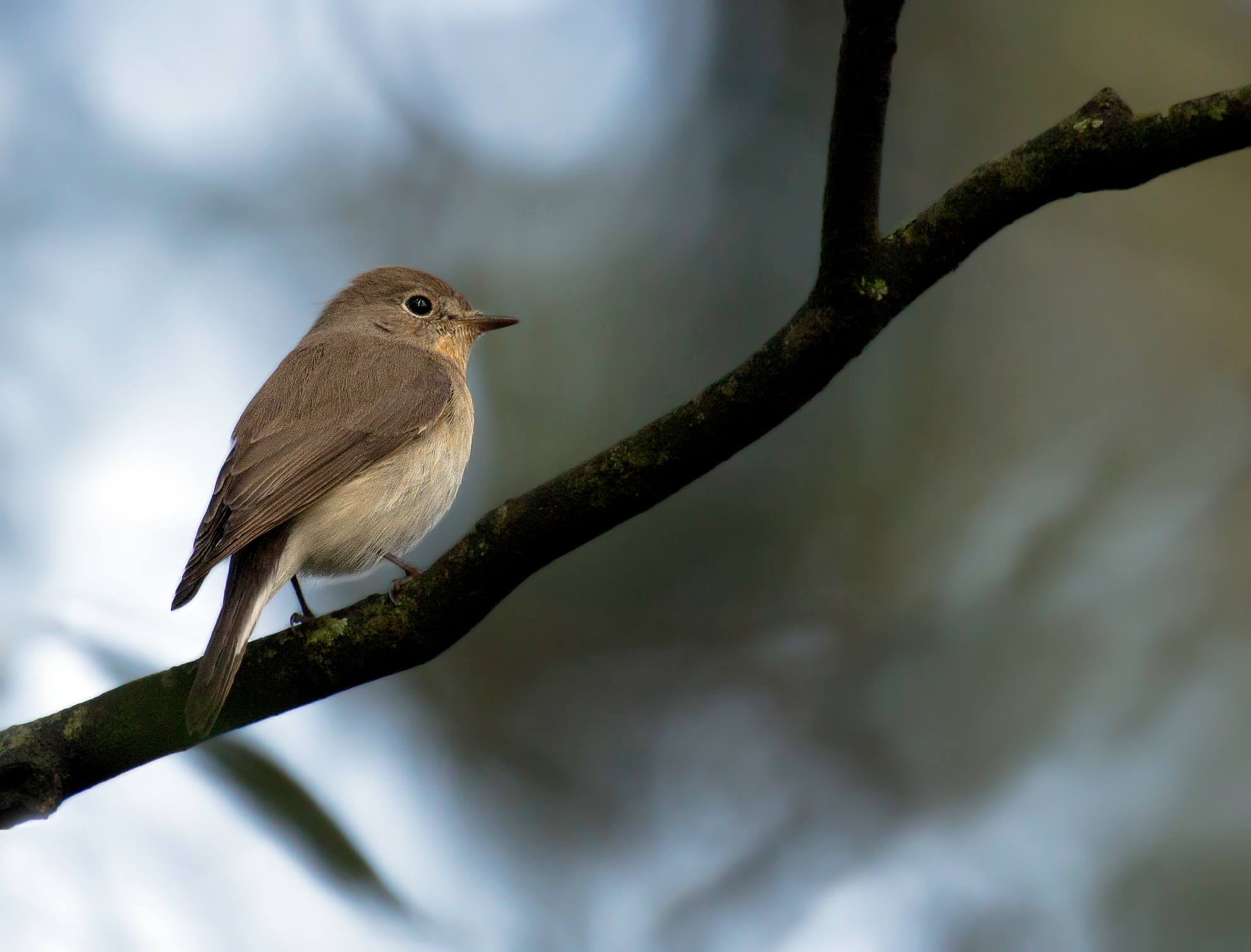
Nandi Hills, Karnataka
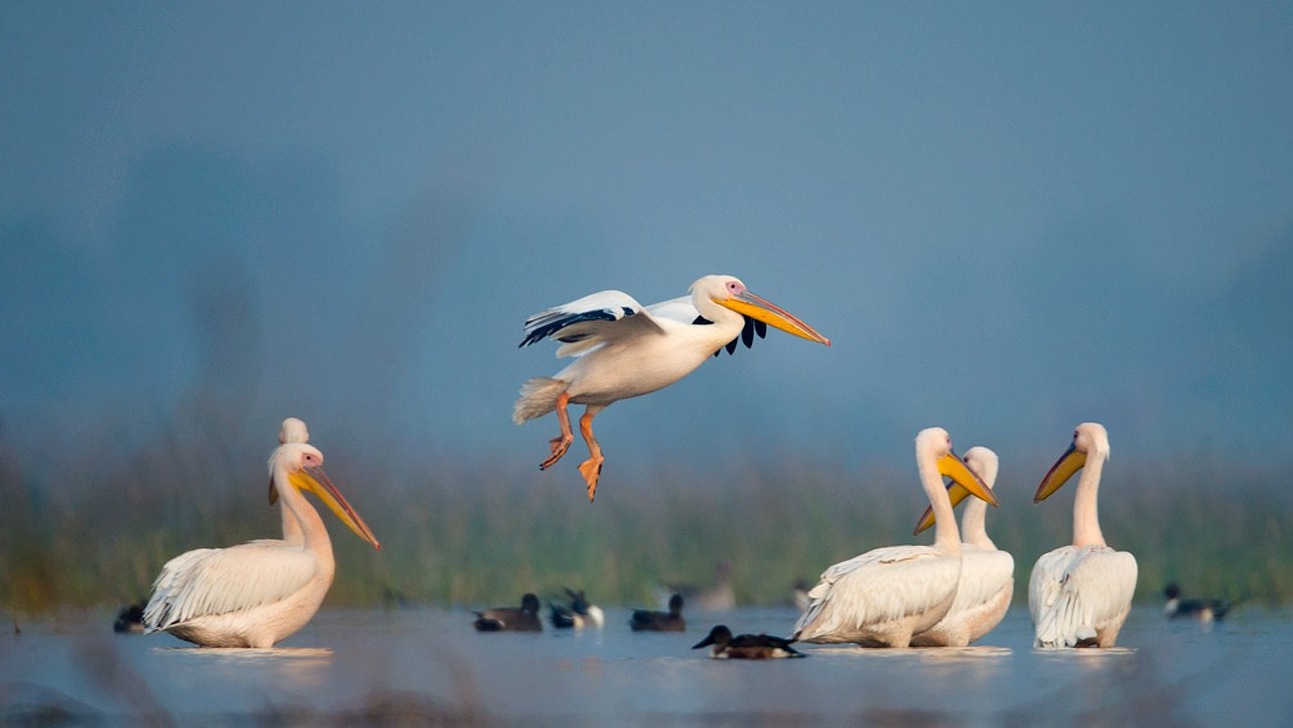
Little Rann of Kutch, Gujarat

Bhimtal, Uttarakhand
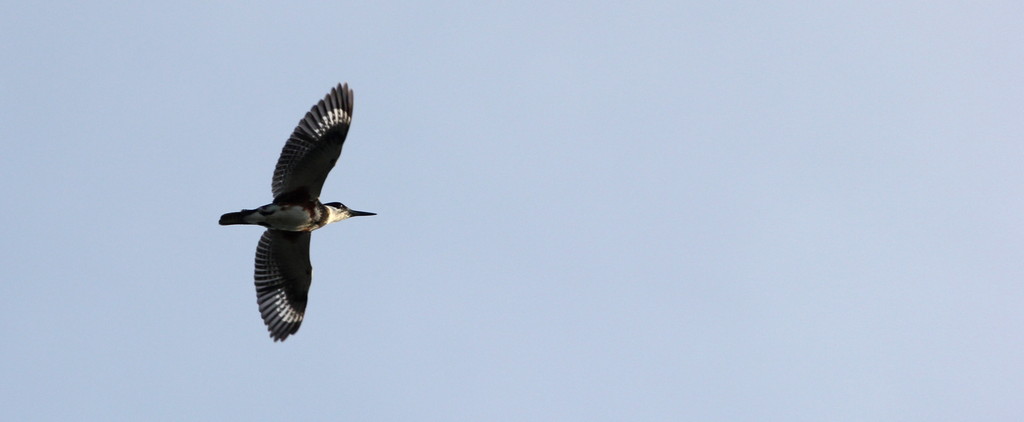
Rio Bueno, Jamaica
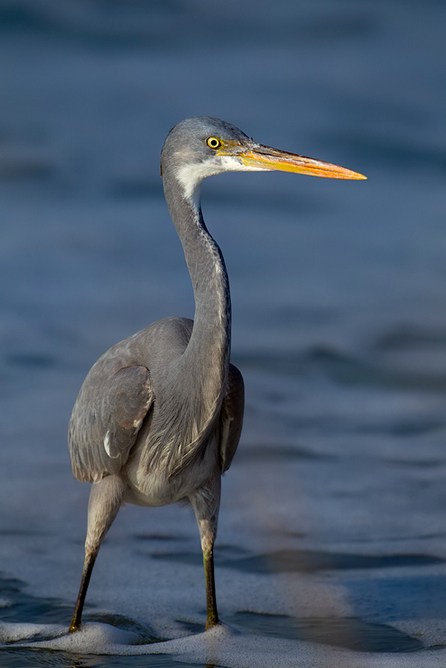
Jamnagar, Gujarat

