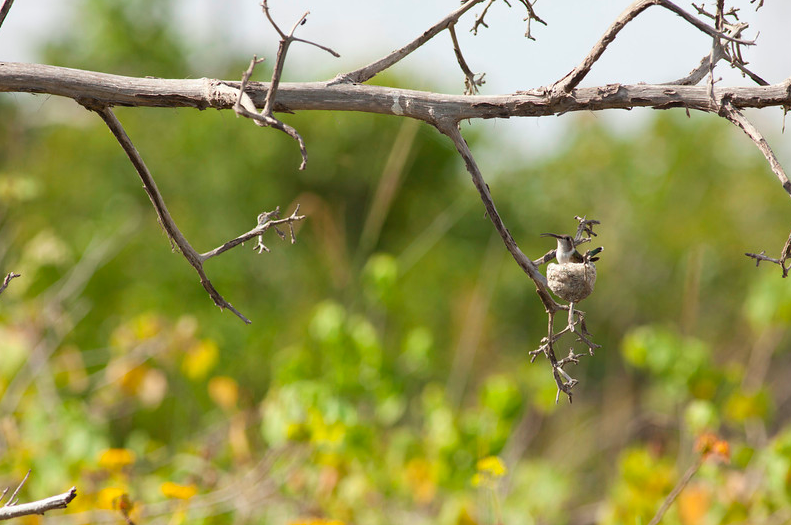
Las Coloradas, Mexico
Las Coloradas, Mexico

Southwestern Research Station, AZ

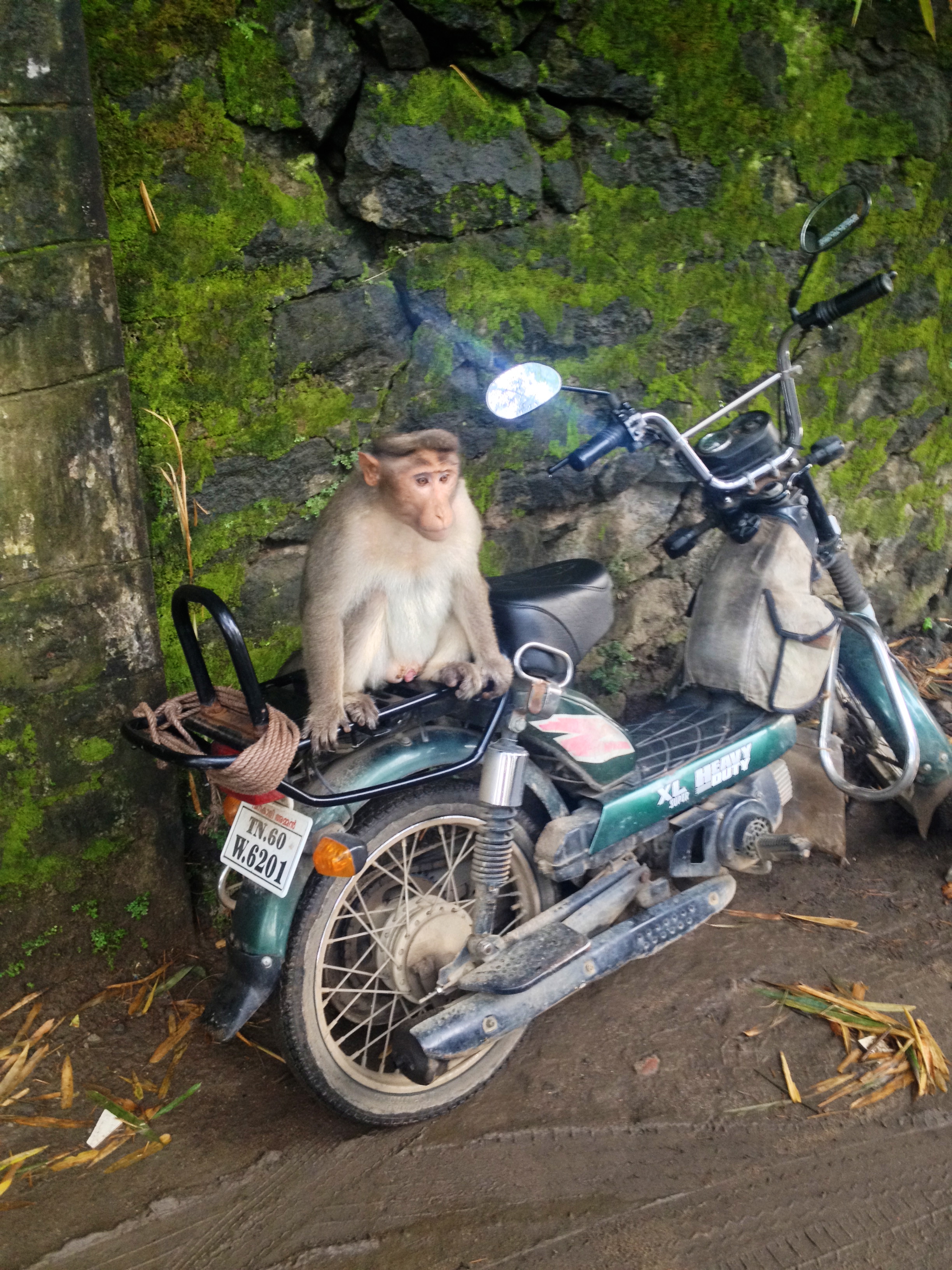
Even Macaques get lost in deep thought
It is no secret that the Periyar Tiger Reserve hosts a magnificently large collection of wildlife, that is what attracts tourists around the world — take a hike within the boundaries of the massive sanctuary and you are likely to see some amazing creatures. However, we cannot forget that the boundaries of the reserve are merely human constructs, designed by our minds to protect and preserve the organisms within. Animals abide by no such regulations, boundaries for them are constrained only by the habitats in which they may successfully occupy, thus, spillover is likely.
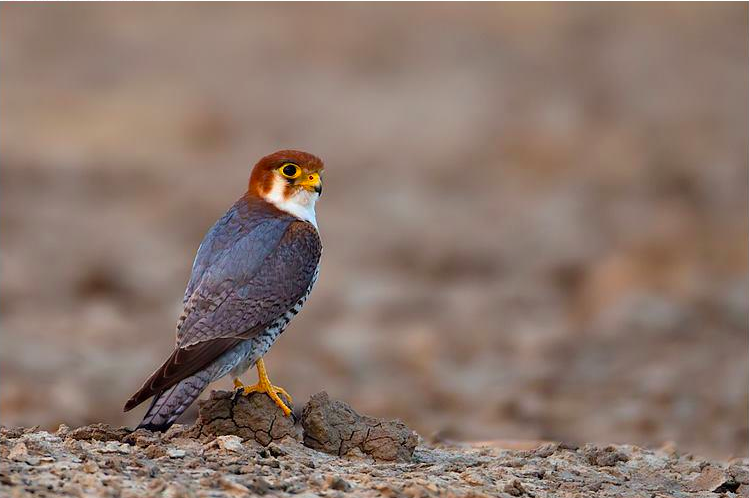
Little Rann of Kutch
With news this past weekend of one of the largest tropical storms in recorded human history still fresh, our antennae are up. We believe in looking back in the interest of looking forward. The beginning and ending lines of this article can induce even those most unlikely to visit Sotheby’s next week:
For more than 100 years, nearly every time a ship ran aground off the coast of Cornwall, a man would arrive on the scene to document the wreckage. Continue reading
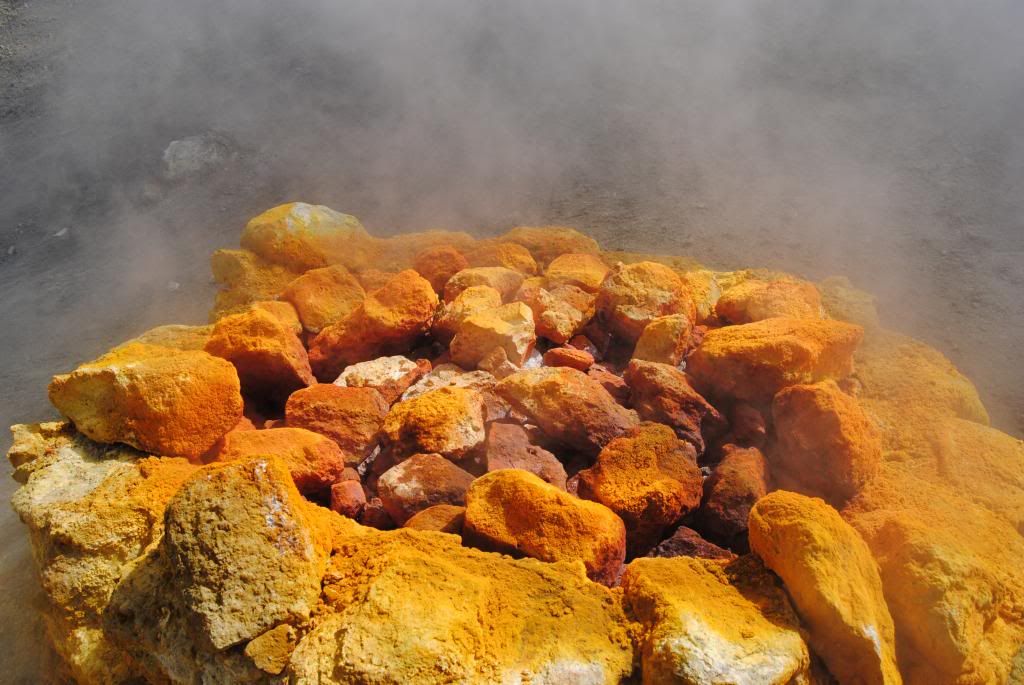
Sulphur Vent – Solfatara
Solfatara, a shallow volcanic crater in Pozzuoli, near Naples, is a hotbed (no pun intended) of geothermal activity. Upon walking into the depression, hemmed round by steep hills, the smell of rotten eggs greets your nose. The stench comes from the clouds of sulphurous steam pouring forth from vents in the rock. The Romans believed that this steam had healing properties Continue reading
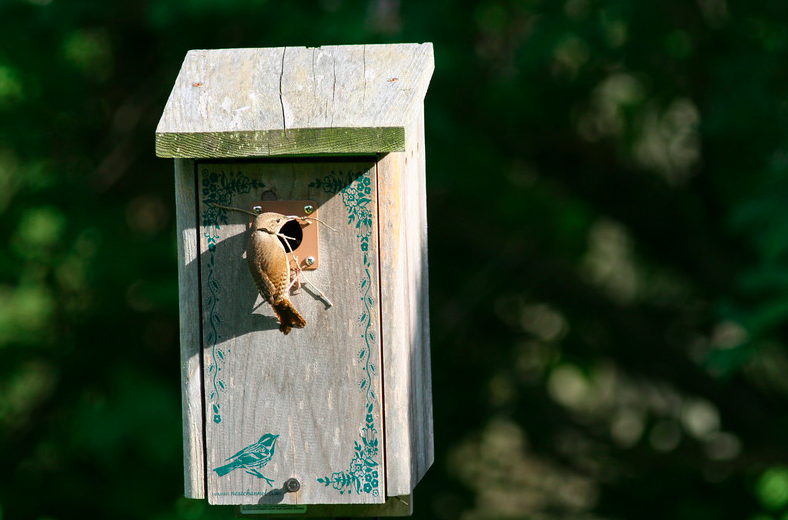

Gamboa, Panama
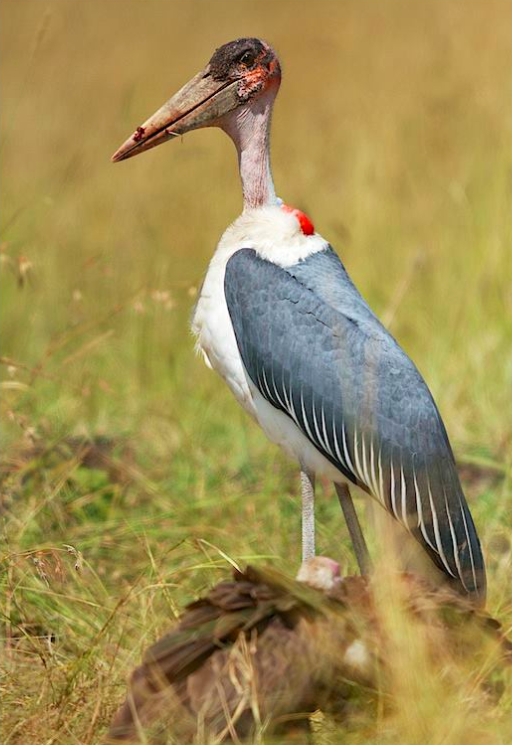
Masai Mara National Reserve, Kenya

Reserva Los Cedros, Ecuador
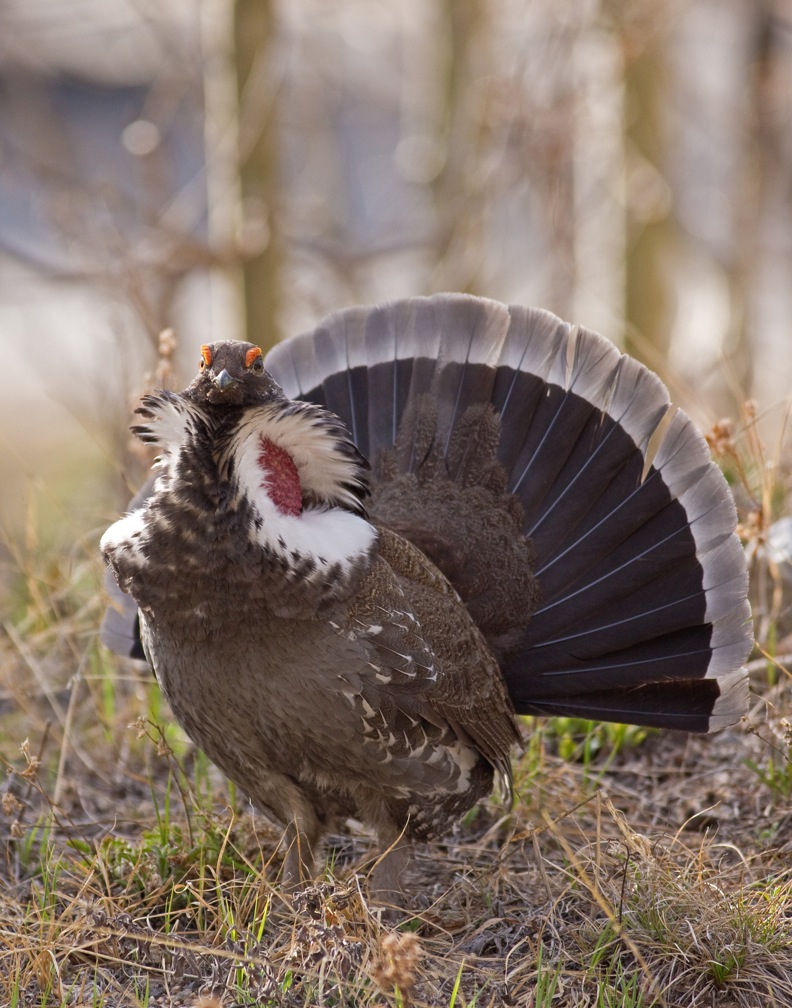
Rocky Mountain National Park, CO

Jaipur, Rajasthan

Encased in Ash – Body Mold from Pompeii
In 79AD, Mt. Vesuvius erupted with disastrous consequences for the residents of nearby Pompeii, Herculaneum, and other cities in the Campania region. Flows of boiling mud and rock rushed down the slopes, clouds of noxious fumes billowed upwards in the wind, and thousands of tons of rock and ash rained down upon the countryside. Pliny the Younger saw the eruption and likened it to a pinus, a pine tree. This may baffle some American readers, who may be accustomed to see pine trees that taper from a wide base to a narrow point Continue reading

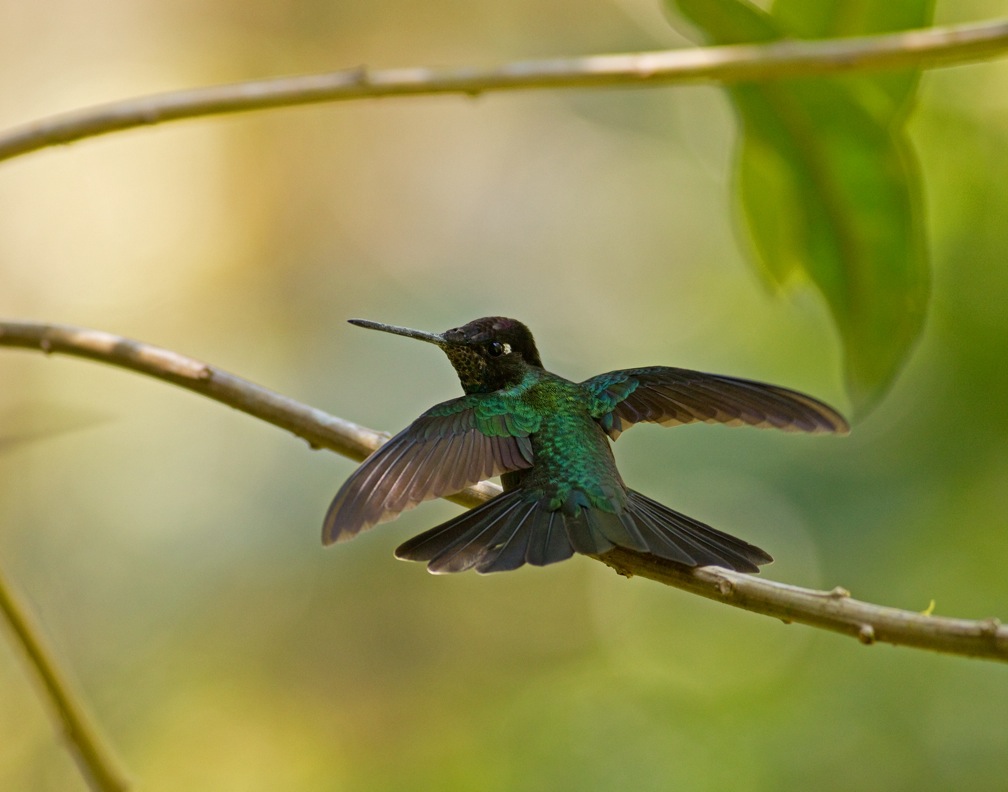
Los Quetzales, Panama

Photo Credit: Surfingindia.net
Oftentimes I find myself daydreaming of the saltwater breeze that accompanies the rolling bass of the heavy waves in the ocean — and I imagine those perfect waves… blue, crisp, clean and glassy, and the hollowest of tubes; peeling along the coastline in an epic demonstration of nature’s power. This is a common dream for those who understand the absolutely humbling experience of surfing; it is a burning desire and need to envelope one’s self in the soothing serenity of the water.
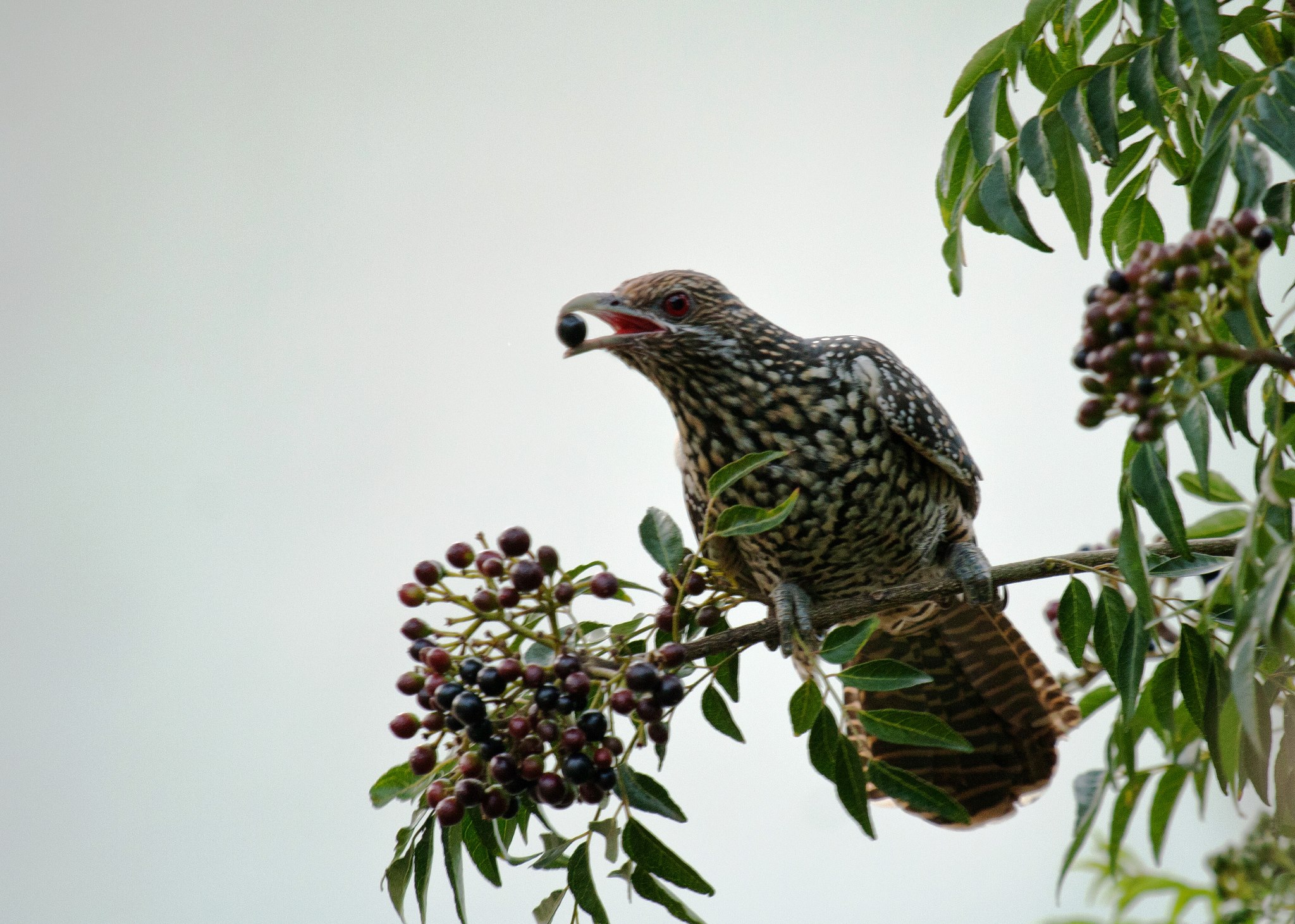

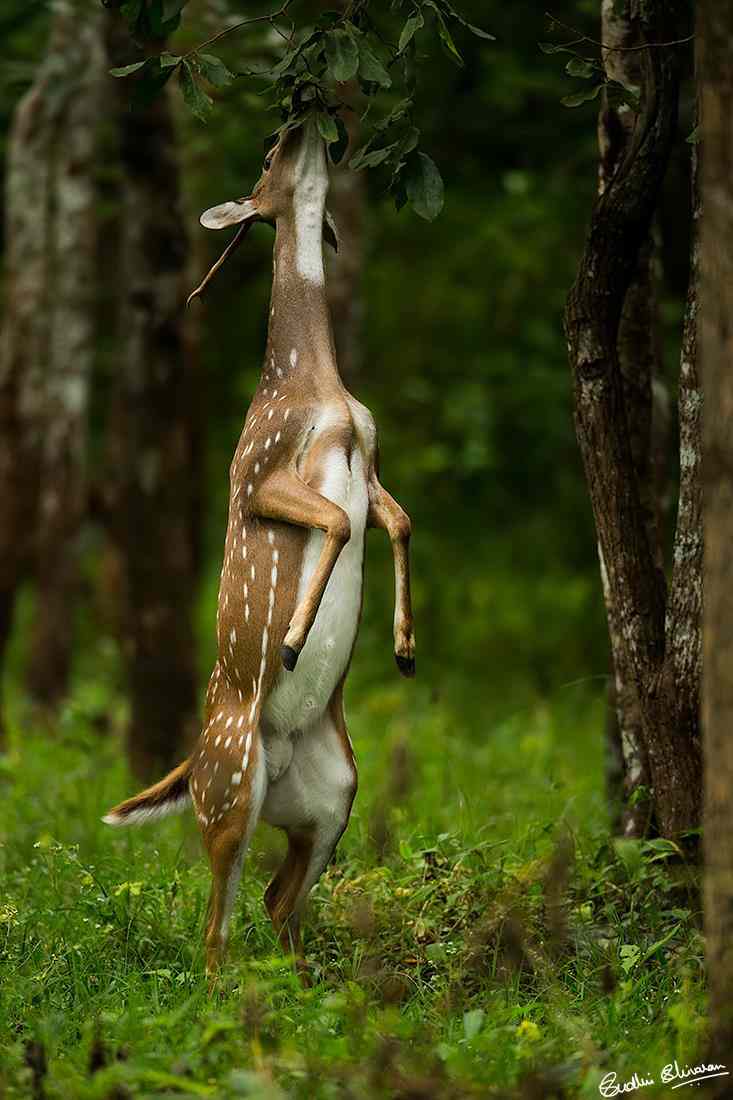
In wildlife photography good images are made by combining “previsualization” with a clear understanding of your subject’s behaviour.
Consider this Spotted Deer image as a simple example. It is a well-known behaviour of the spotted deer to go up on two legs to feed on the fresh leaves of the trees; when you see them approach the short trees, you can expect them to “stand up”. You need to be ready with the right kind of setting and composition to make the image. Continue reading

