
Bird of the Day: Bald Eagle (Auke Bay, Alaska)
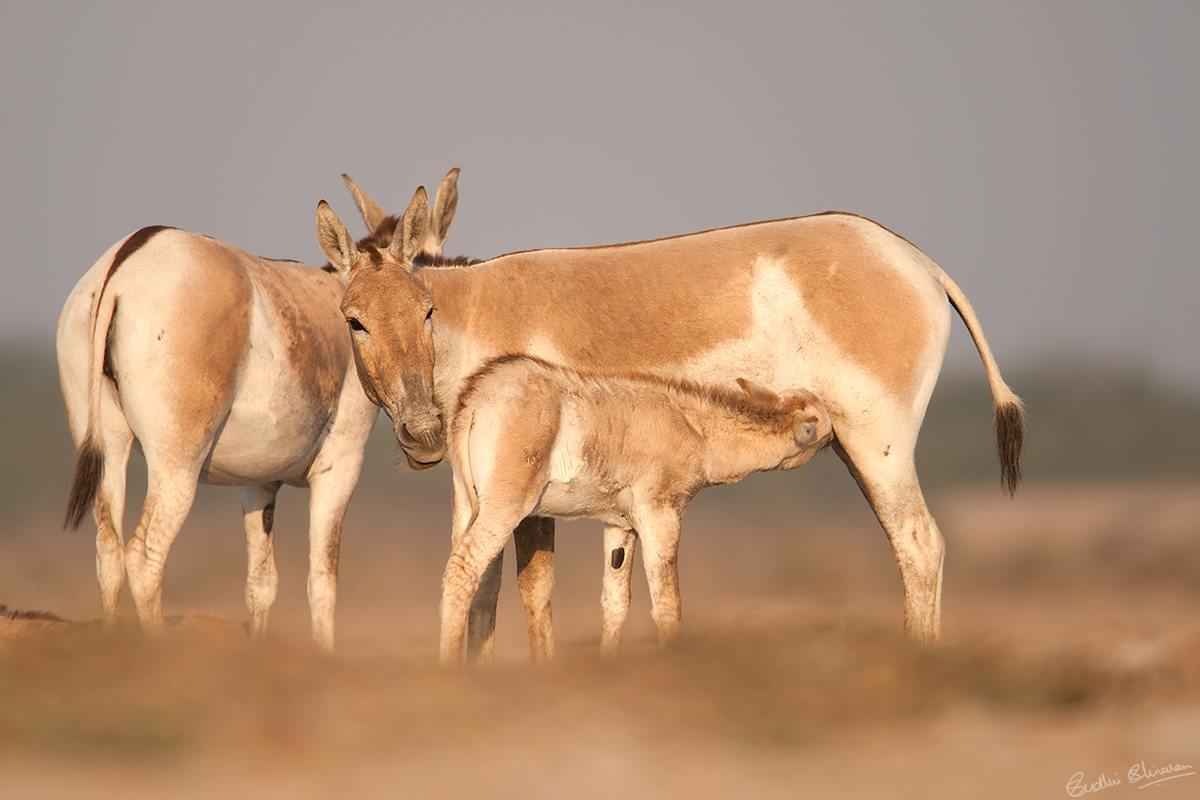
Some places in the world are known for lush greenery, others for steep cliffs and snowy glaciers and others still for refreshing water lapping against hot beaches. But of all the landscapes in the world, harsh deserts are perhaps the one that fewest people have experienced. Believing it to be not as pleasant as other landscapes, many people miss out on the tremendous beauty found in deserts. Precisely because there are very few people, visiting deserts like the Little Rann of Kutch gives a traveler the chance to ponder a world before there were so many of us around.
The Wild Ass Sanctuary of the Little Rann of Kutch, spreading across nearly 5000 square kilometers of the Little Rann, is the only place on earth where the endangered Indian Wild Ass, Equus hemionus khur, known locally as the ghudkhar, still lives.
Because of the Sanctuary’s proximity to the Gulf of Kutch and its location on the migration routes of many bird species, it is a very important site for birds to feed and breed in. Continue reading

Pipeline Road, Gamboa, Panama
We have been linking photographers with wildlife since the inception of Raxa Collective. We believe that the more amazing photographs of nature people are exposed to, the more they will care about the need for conservation of wildlife habitat. From organizing nature photography workshops, to sharing the photographs of friends and members of our team in our outreach, we embrace the medium’s power to motivate.
While most of his photographs are underwater, and most photography we have promoted so far is not, Todd Bretl is definitely worthy of the same kind of invitation we have extended to other masters of their domain (whatever form it might take, whether the person is famous or not as famous as they should be, even surprising ones). It is not just his obvious talent, but his sense of purpose. According to the bio on his website:
Raised on a boat in Bermuda, Todd grew up with the ocean as his playground and constant companion. Continue reading
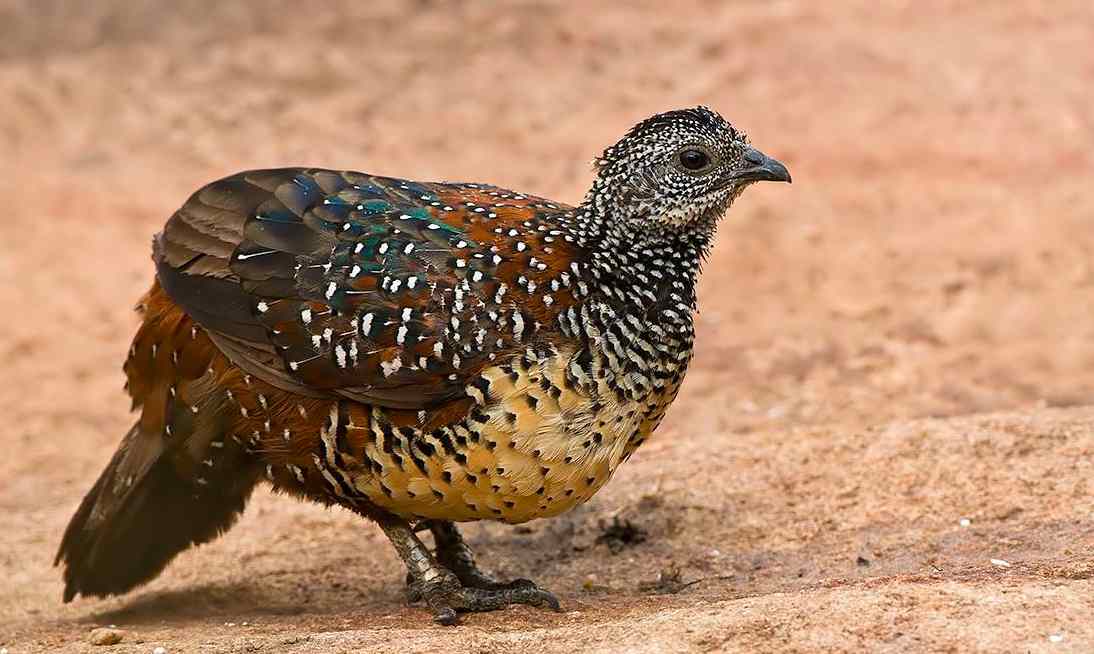
Daroji Sloth Bear Sanctuary, Karnataka
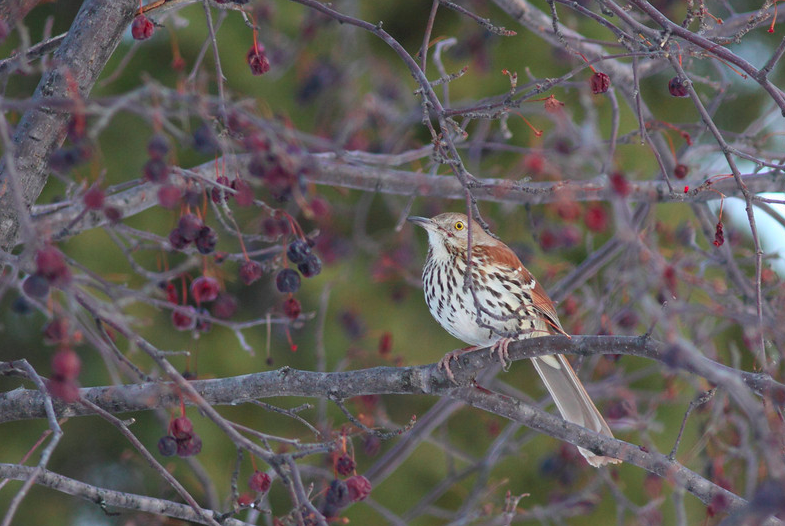

Los Quetzales, Panama
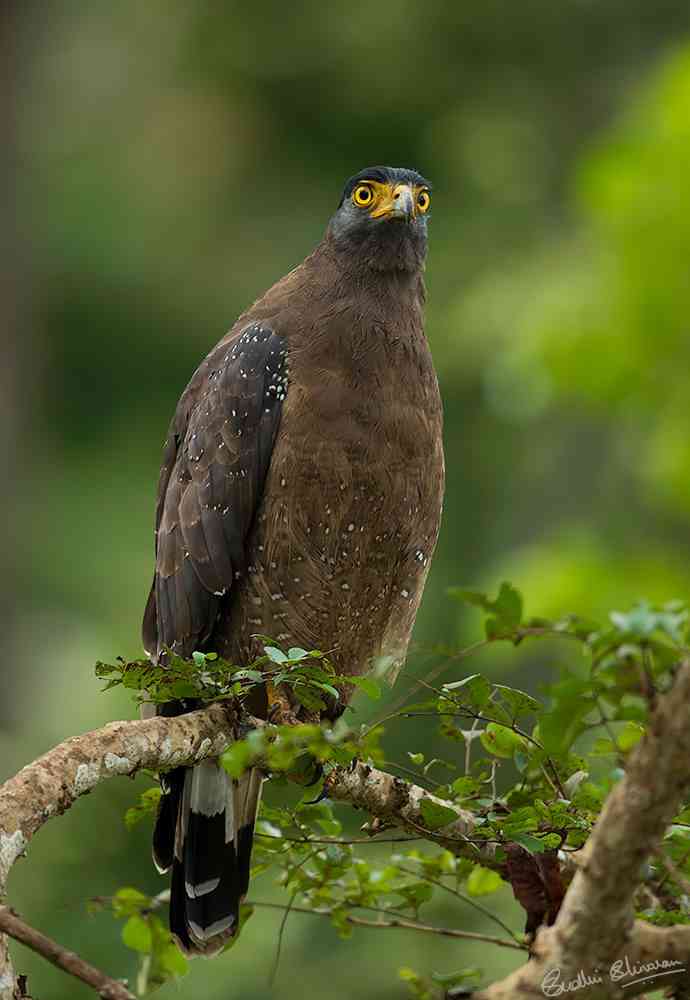
Although luck is always a factor, Kabini is well-known for leopards lounging in trees almost seeming to pose for the camera.
The Crested Serpent Eagle is another photographer friendly species to be found there. You see so many of them that you can pick and choose which one to photograph and which to leave. The best part is that since Kabini Forest Reserve only allows vehicle safaris, the Mahindra Jeeps put you at eye level, making it easy to compose good images. The greens of the forest provide an excellent complementary background as well. Continue reading


Endo Valley, CO

Photo Courtesy: http://www.MontereyBayAquarium.org
Continuing my exhibition of exotic animals, I present a prime example of the bizarre and awe-inspiring ability for the ocean to produce truly alien creatures. The Black Sea Nettle (Chrysaora achlyos), otherwise known as the Sarlacc or Black Jellyfish is found in the Pacific Ocean. A fairly massive specimen, its bell can reach diameters of 1 meter in length and its tentacles 6 meters. Displaying a vividly contrasting maroon hue against the ocean’s blue/green backdrop, Chrysaora achlyos preys upon zooplankton, and are often found en masse during red tide phenomenons in which zooplankton are responsible. Continue reading
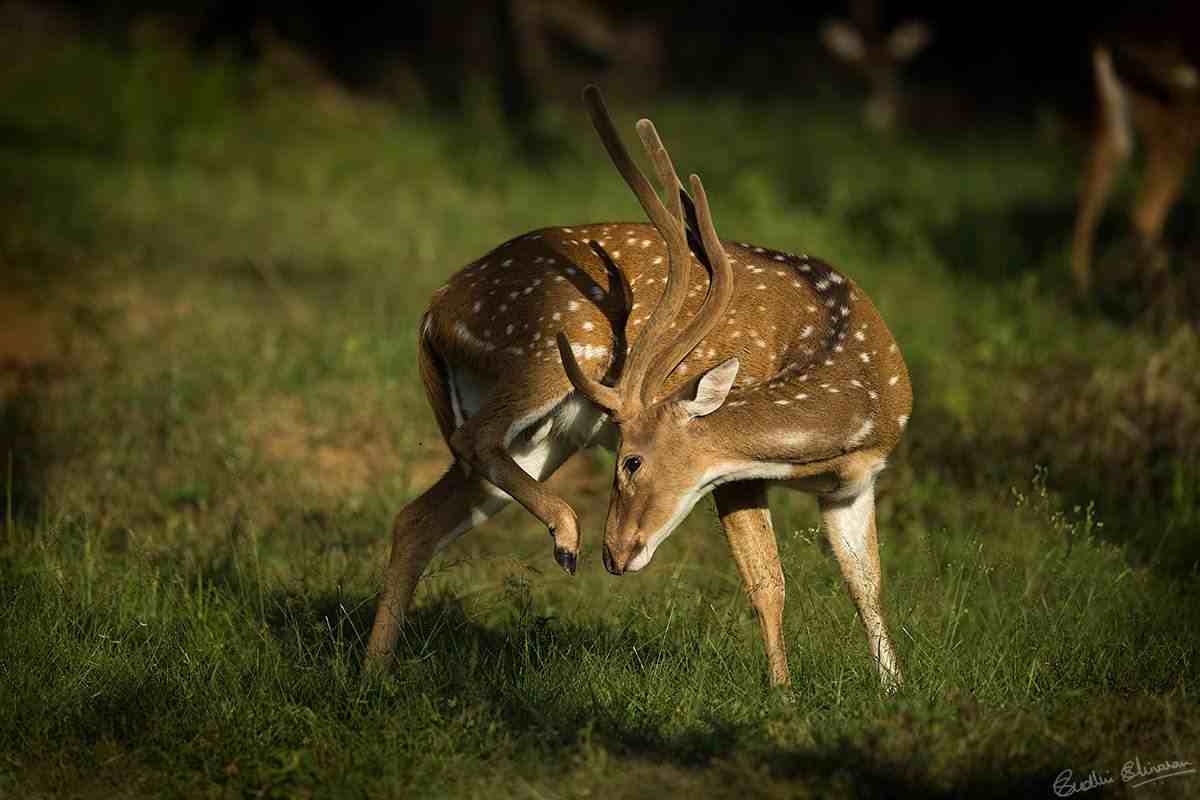
I often say that wildlife photography is not just about Tigers or Leopards. Spend time with common subjects and you will be rewarded with photo worthy lighting and action.
Understanding animal behaviour and previsualizing your images is the key to making good images. In the case above we waited patiently with the herd of spotted deer since the lighting was good. We aimed at this spotted deer with velvet antlers and hoped to get images of it in isolation…we waited for the right moment and this one posed for us. Continue reading
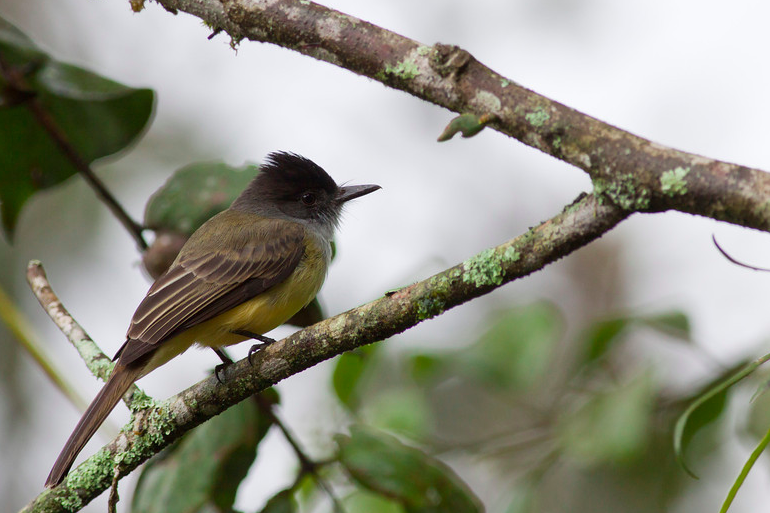

Bharatpur, Rajasthan
After much deliberation (1 day), I decided that I did not want to limit myself to just one particular group of animals to enthusiastically promote to the Raxa Family; instead, from now on I will be sticking my hand in a hat and pulling a name out with whatever insanely awesome or obnoxiously exotic organism I have chosen and posting it. Truthfully, my love and admiration for certain organisms extends well beyond those of just reptiles and amphibians; so why constrain myself to just those?

Photo Courtesy Diverosa.com
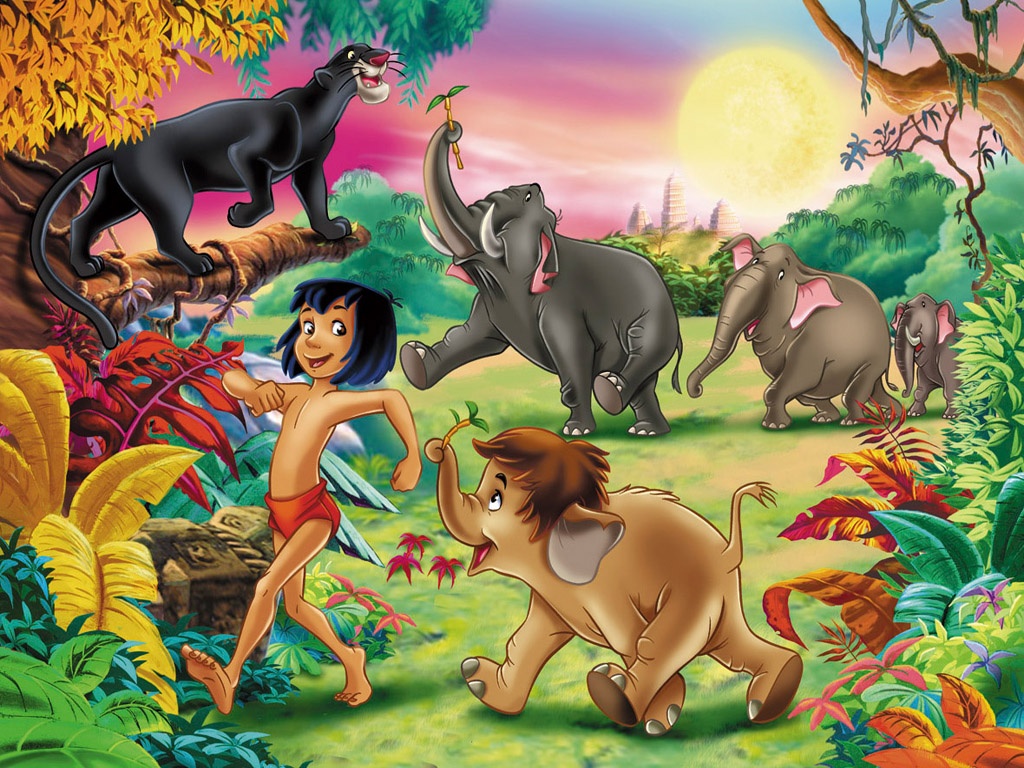
Who doesn’t love the Jungle Book? image © Disney
If you ever feel nostalgic and would like to relive your childhood years, you should consider visiting Kanha National Park in Balaghat, Madhya Pradesh; it inspired the Nobel laureate Rudyard Kipling and served as a setting for The Jungle Book!
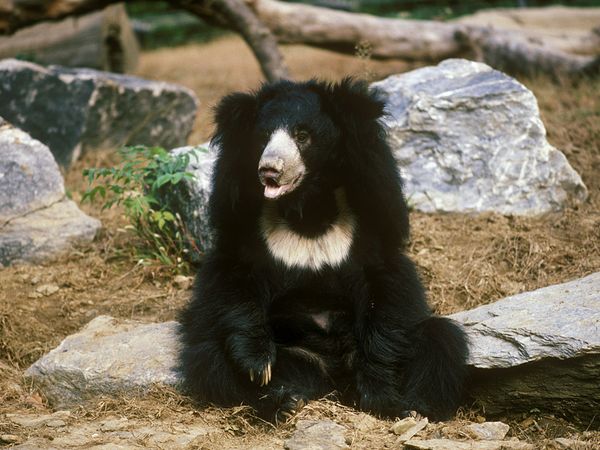
A sloth bear!
Photograph by Zigmund Leszczynski/Animals Animals-Earth Scenes; National Geographic

Kanha is a Tiger Reserve in the Balaghat district of Madhya Pradesh, India
This park is known for its abundant population of royal Bengal tiger, leopards, sloth bear, swamp deer, and Indian wild dog. The park’s main flora consists of lush saal, bamboo forests, lakes, streams, and open grasslands. Continue reading
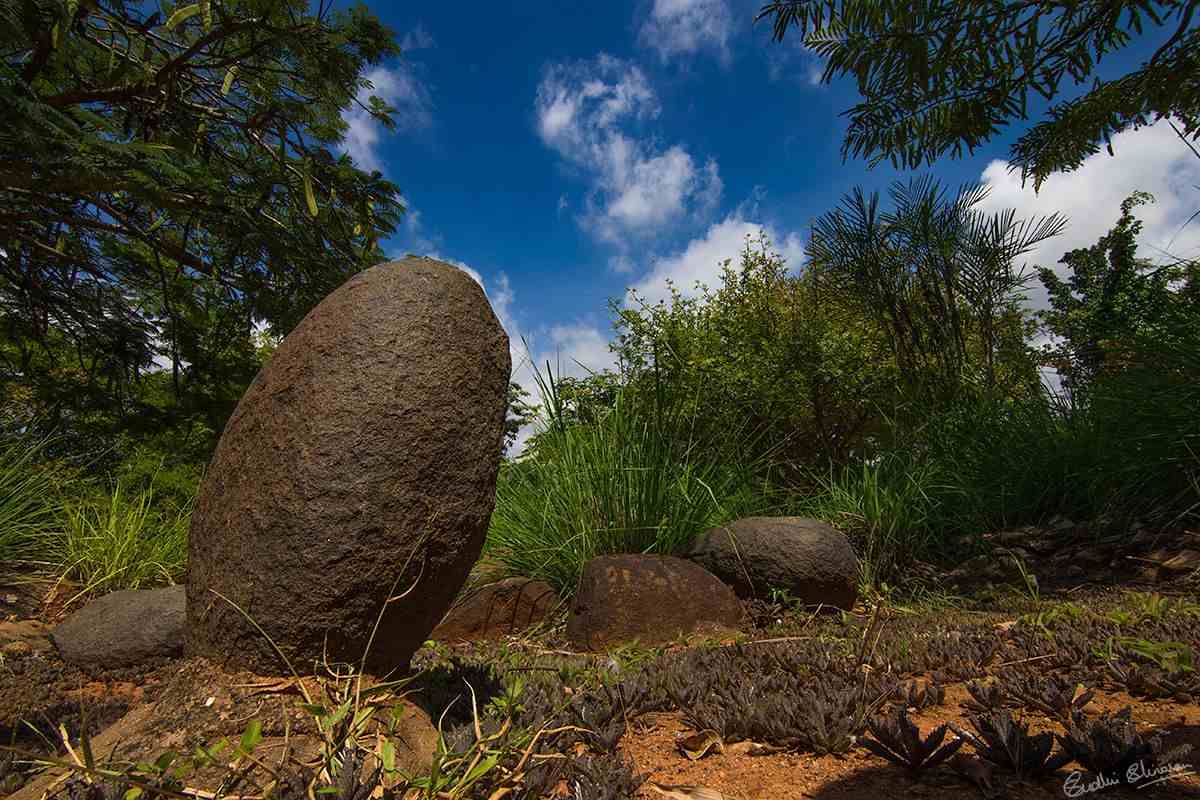
The concept of hyperfocal distance is well-know to landscape photographers where they use this technique to get amazing images due to the increased depth of field.
The hyperfocal distance is the closest distance at which a lens can be focused on while maintaining objects at “infinity” acceptably sharp. When the lens is focused on the foreground, all objects at distances from half of the hyperfocal distance out to infinity will be well-defined.
Here is the steps I followed to get the results as shown: Continue reading
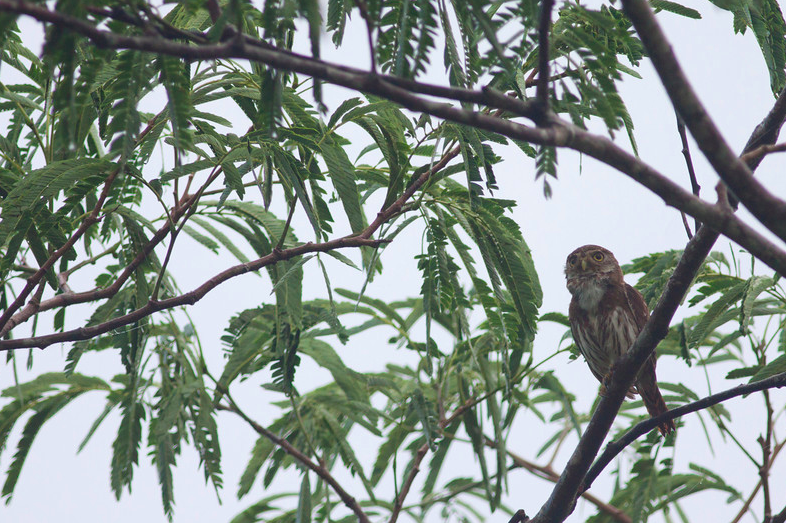
Ek Balam, Mexico
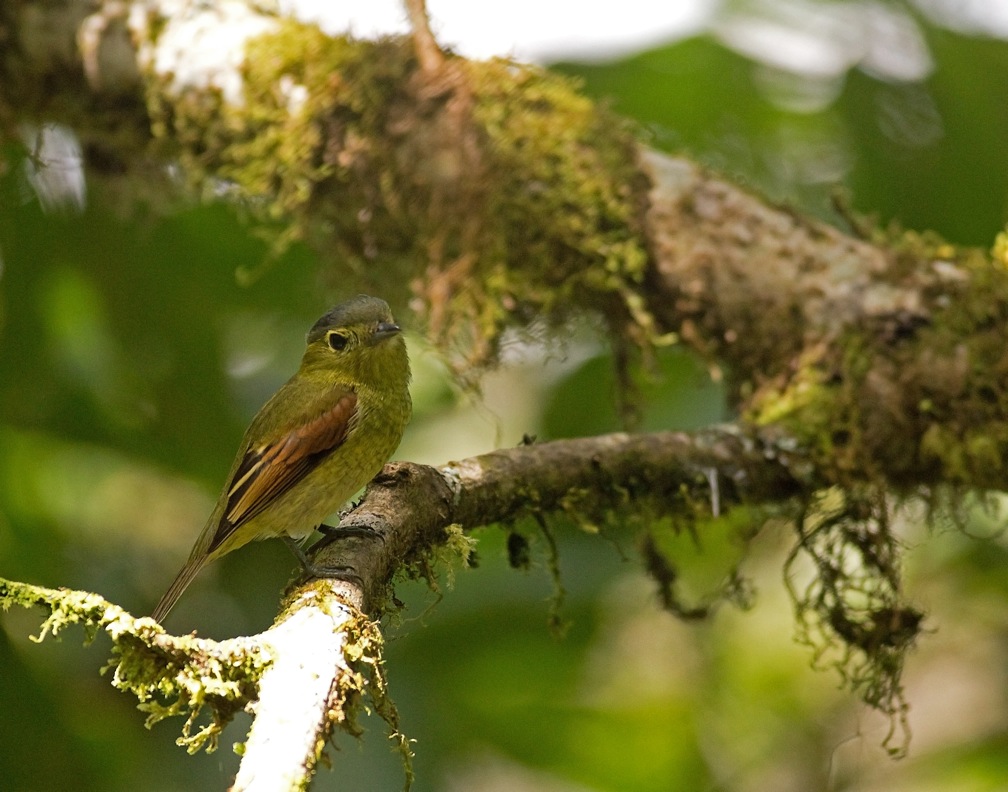
Los Quetzales, Panama
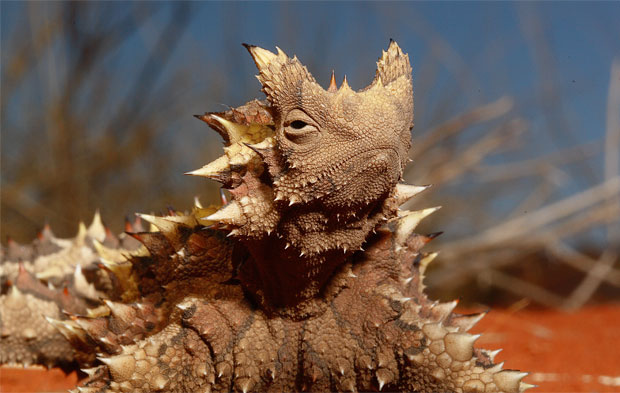
Today’s reptile is the Thorny Dragon, Moloch horridus (Australia) — as its name suggests, this Australian lizard’s body is dominated by intimidating spikes in order to look unappealing and fend off predators.
Occupying scrublands and deserts primarily, the Thorny Dragon’s coloration is perfect for blending in and feasting on ants, its main source of nutrition.
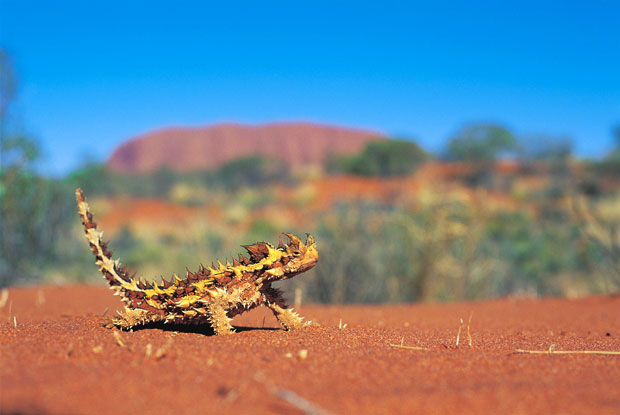
Photo Courtesy: statravel.co.uk
^ The face says it all ^
Photo courtesy: australiangeographic.com.au

