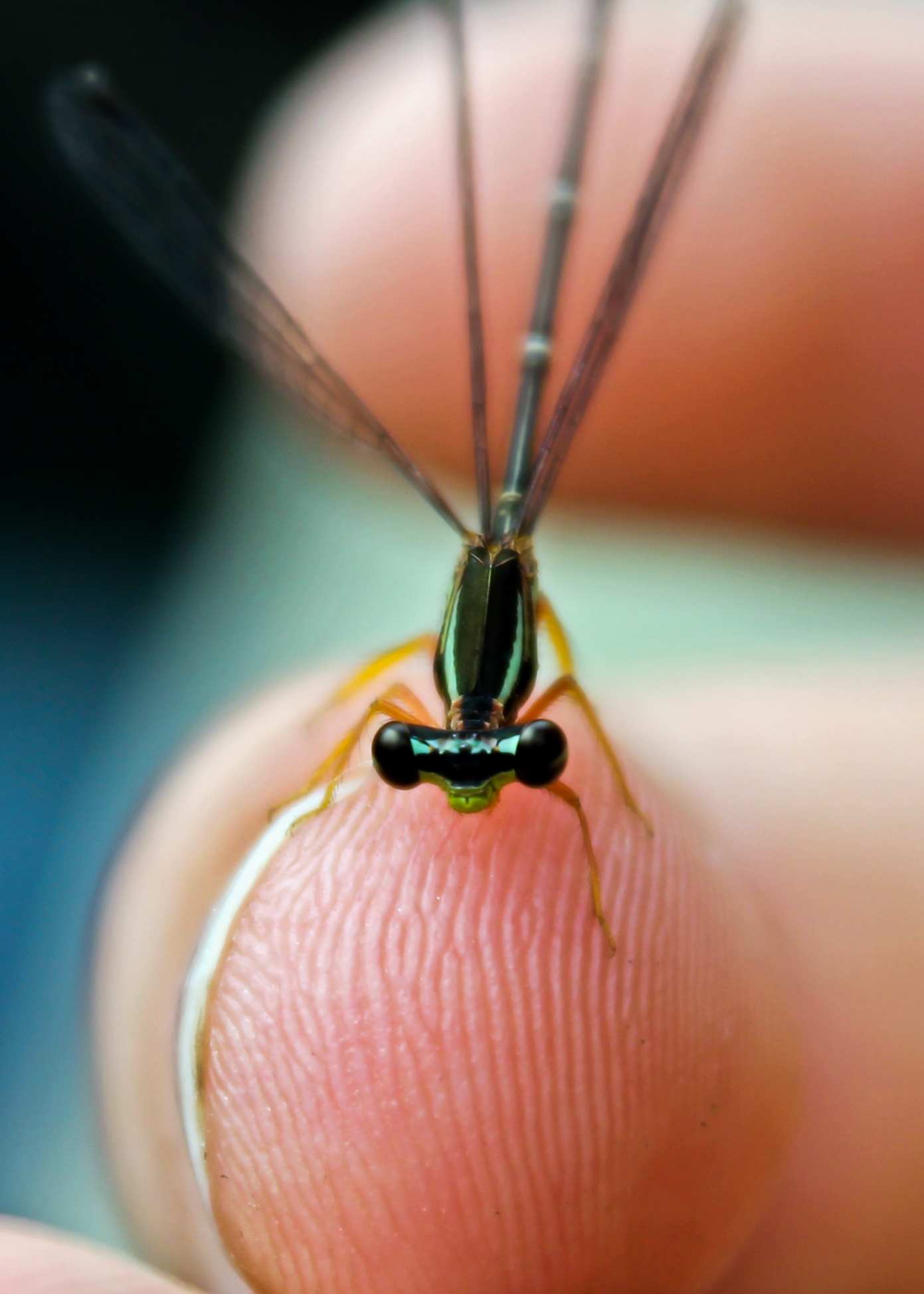
Yes, I used this picture in a previous post, but I feel it is worthy of a repost, especially when the female counterpart is included. If memory serves, this was one of, if not the first odonate picture I took with an SLR camera. Continue reading
Yes, I used this picture in a previous post, but I feel it is worthy of a repost, especially when the female counterpart is included. If memory serves, this was one of, if not the first odonate picture I took with an SLR camera. Continue reading
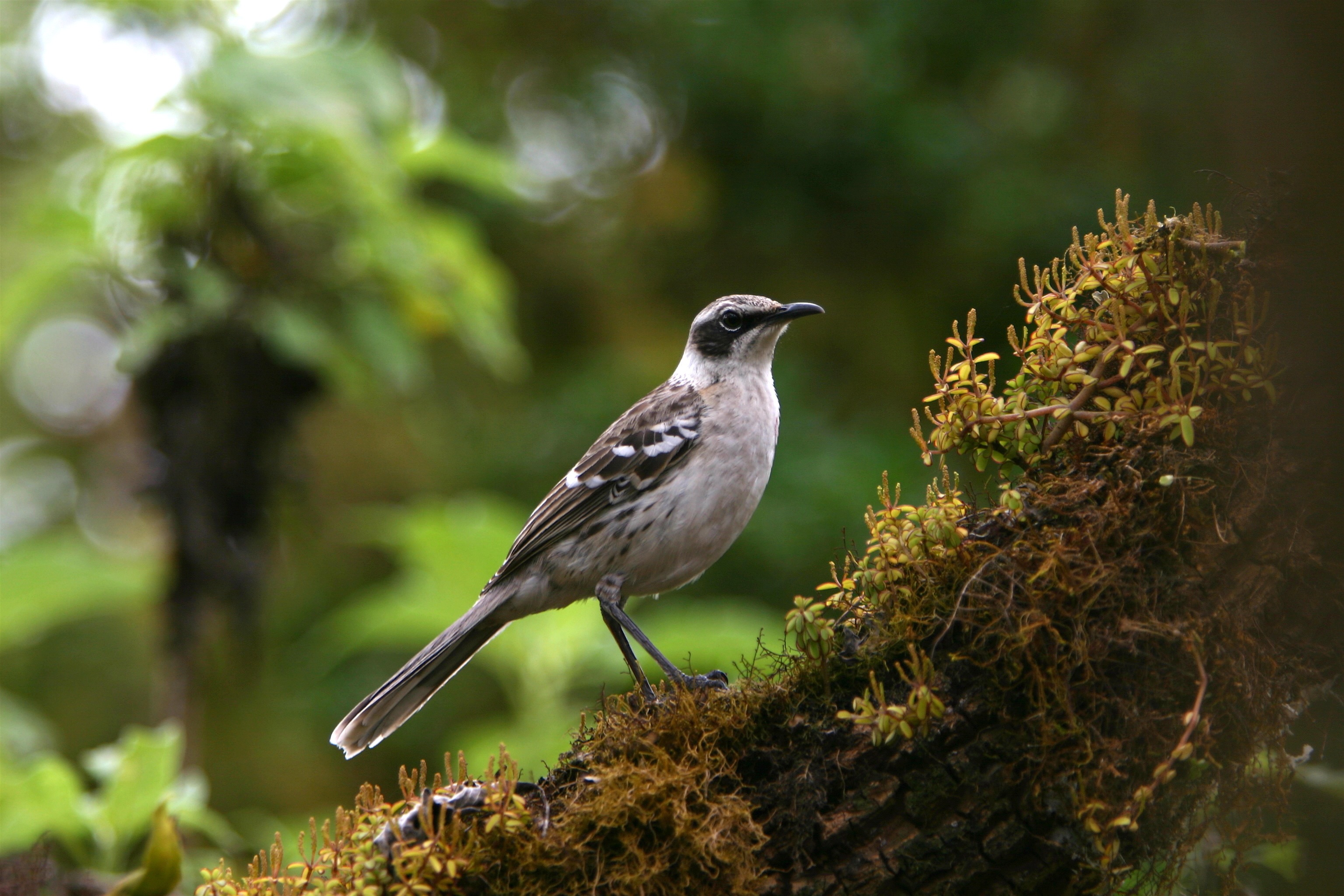
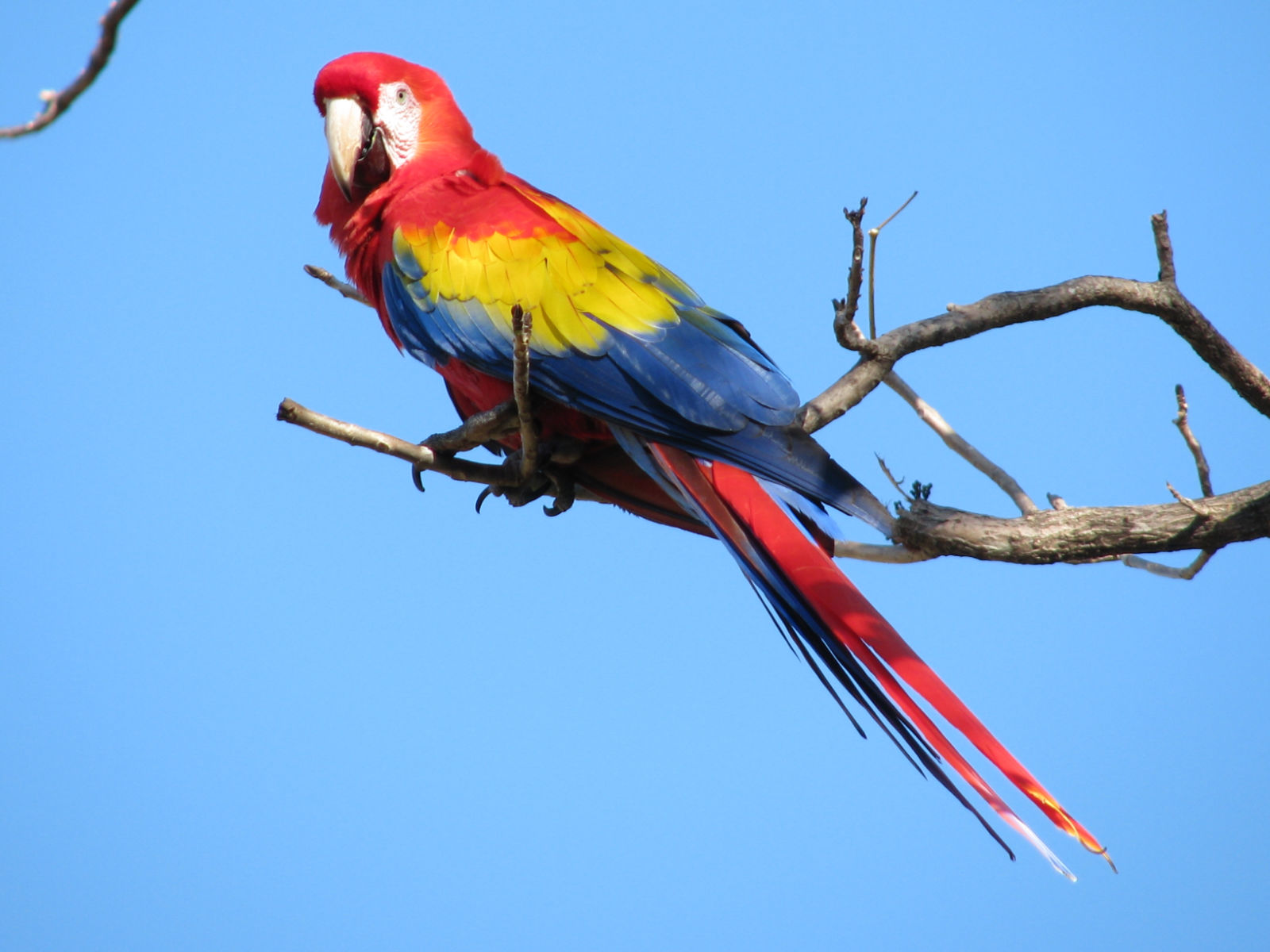

As the son, brother and father of photographers I have to acknowledge that I am partial to the notion that people with cameras can produce rapturously important works of art. Further, I am partial to landscape photography. Recently I started to realize how quaint my understanding of the economics of being an “art” photographer, landscape or otherwise, has been; and those economics just experienced a tectonic shift.

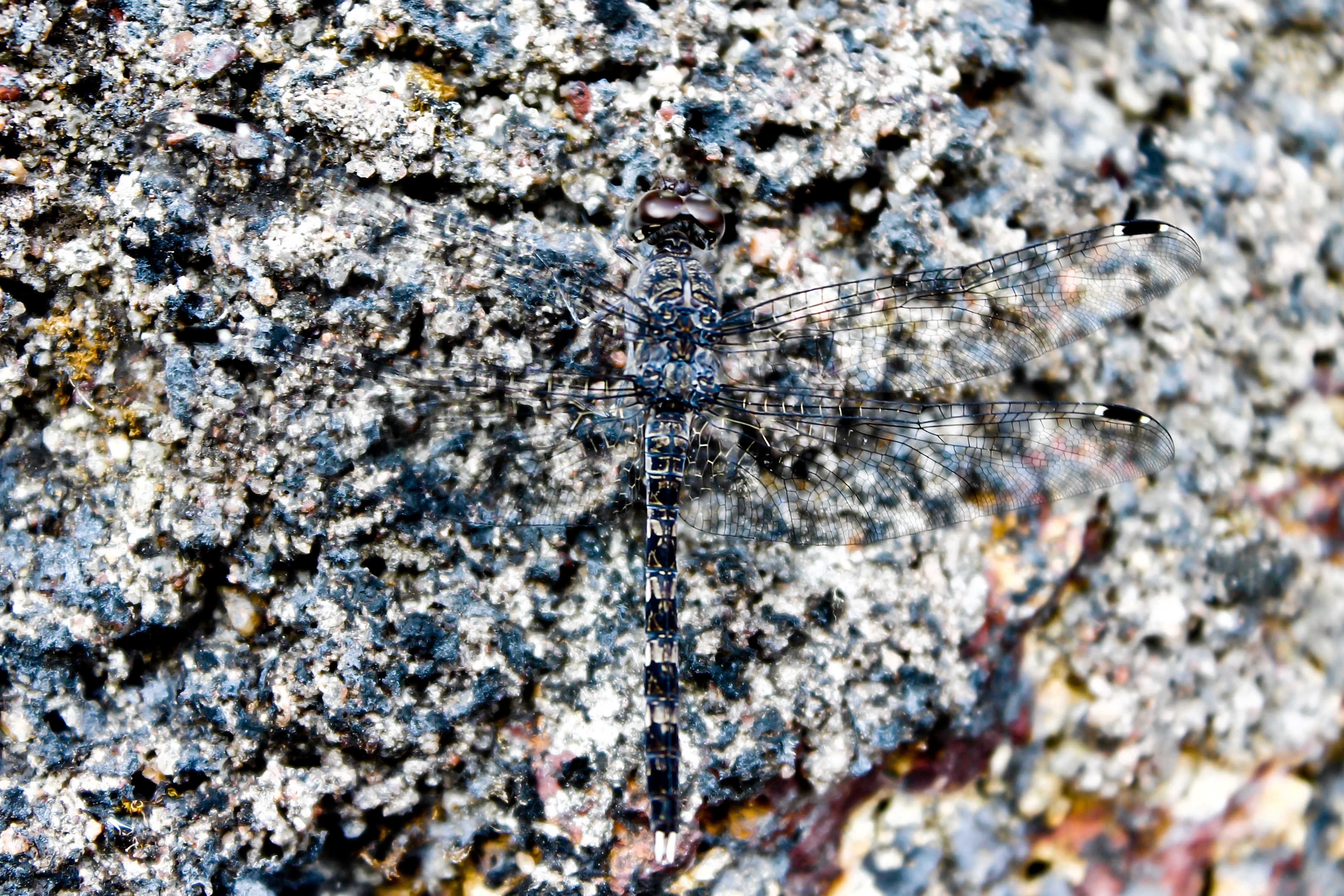
Bradinopyga geminata (male)
I’m still a student of Indian dragonflies (of the world, for that matter), but one species that has captivated me since I read about it is the Granite Ghost – Bradinopyga geminata. Typically an urban dweller, the species has adapted itself to city life – breeding in water tanks, feeder ponds, and all other pools of water that can be found in a metropolis. The species is so well suited to concrete jungles not only because of its extreme agility and keen hunting senses, but because of its remarkable ability to remain unseen. Continue reading

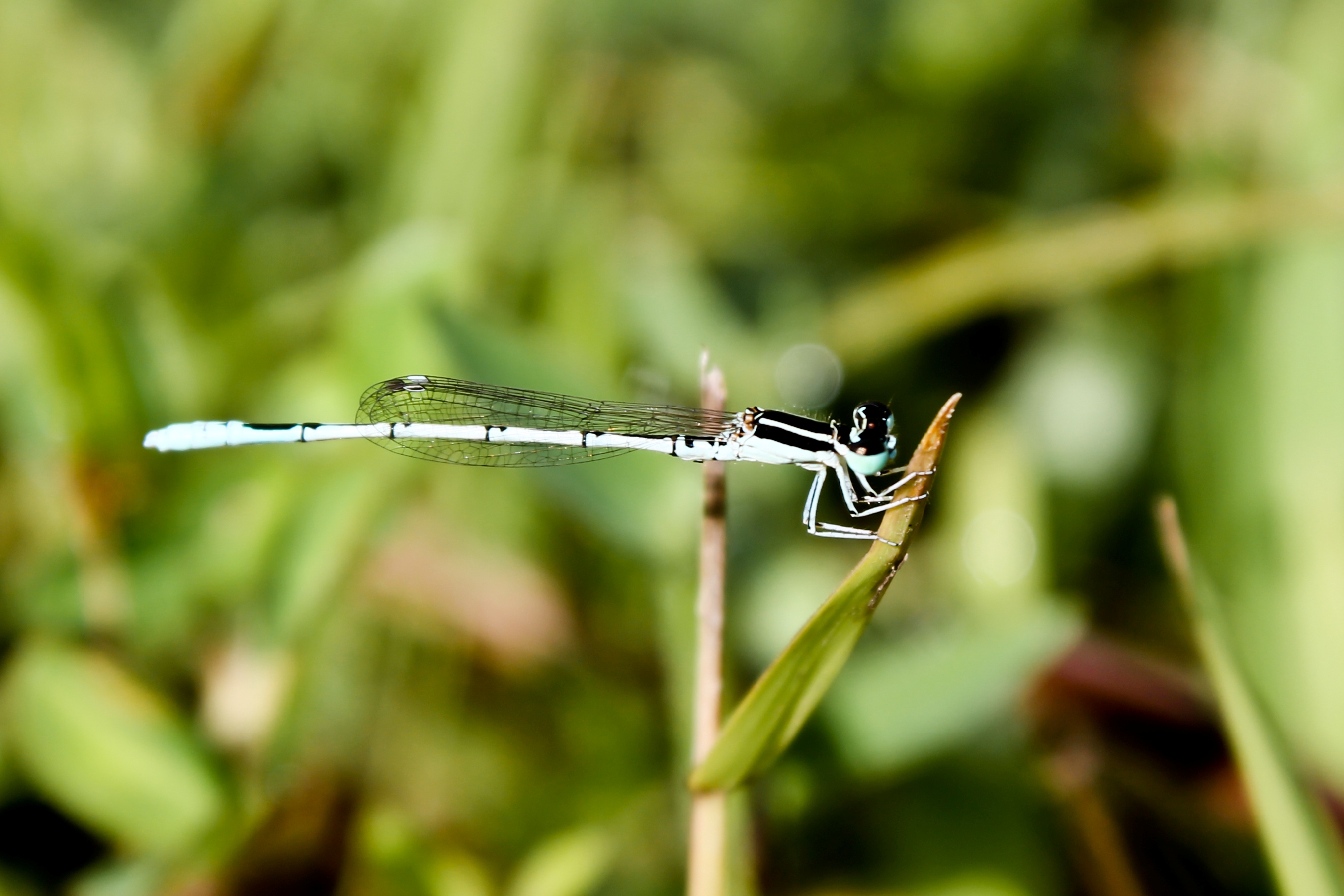
Small even for a damselfly, the White Dartlet measures about 18mm (under an inch). Continue reading
Today I saw something very odd: dozens of ladybugs crawling along the top of a recycling bin. Some were the dark red that we normally associate with ladybugs, while others were a pale orange verging on yellow. Strange looking half-formed ladybugs, seemingly crouched in tight balls, adhered themselves along the surface as well. In the midst of it all swarmed long, fat black bugs with orange spotting along their backs. What was going on here? And what was this panoply of ladybug life occurring on a recycling bin in the middle of a college campus?
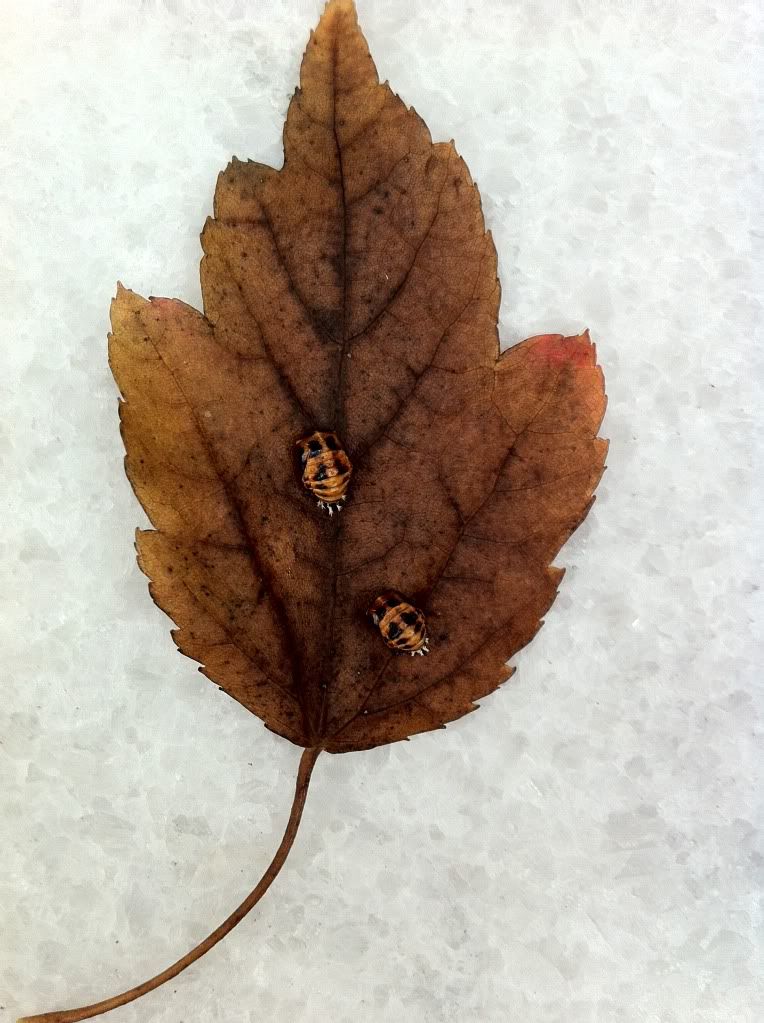
Two ladybug pupae
When I afterwards looked up ladybugs, I found that I had actually witnessed something pretty cool: the full life cycle of Coccinellidae, known as the ‘ladybug’ in America but the ‘ladybird’ elsewhere in the world. It’s also known as ‘God’s cow,’ the ‘ladyclock,’ or the ‘lady fly.’ There are over five thousand species worldwide, but the name ‘ladybug’ is perhaps most readily synonymous with the image of a small, round red bug with black spots.
The ladybug, as I had seen, has four distinct phases in its life cycle. The life of the ladybug begins in an egg; small clutches hatch after three or four days at which point the larval form of the bug emerges. It may molt three to four times over a period of about twelve days before pupation (i.e., the beetle creates a pupa). Continue reading

Morgan’s Rock, Nicaragua
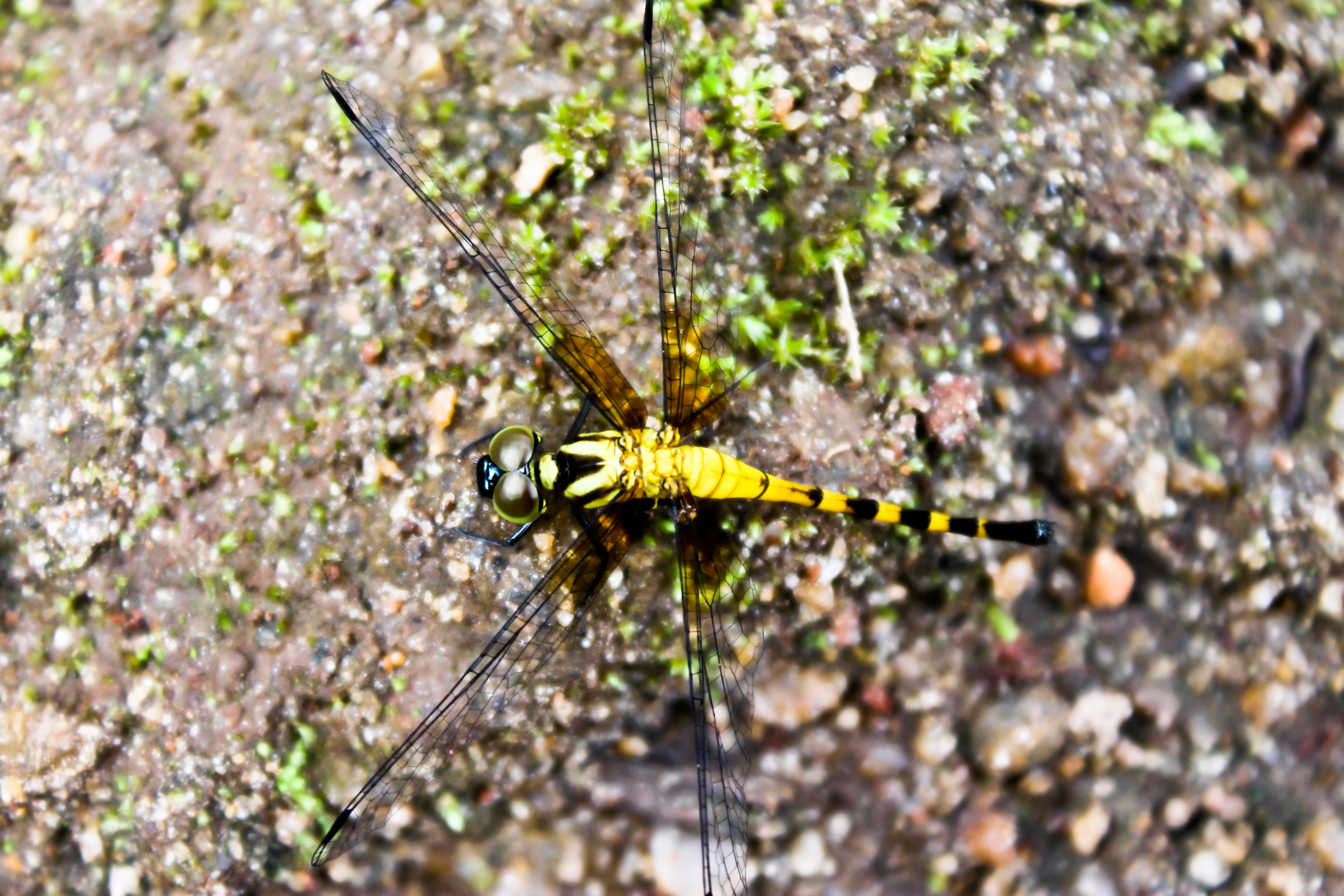
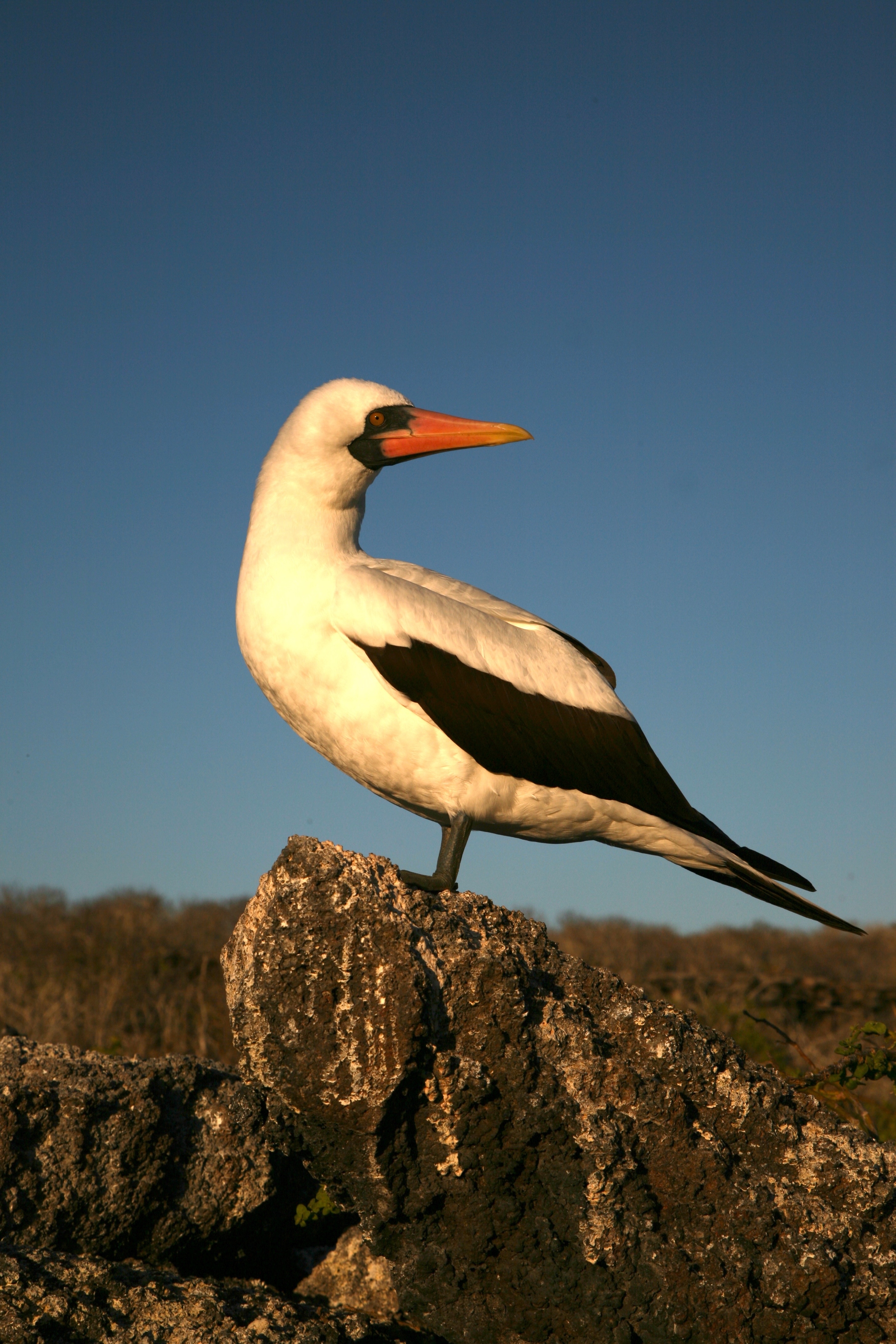

Morgan’s Rock, Nicaragua
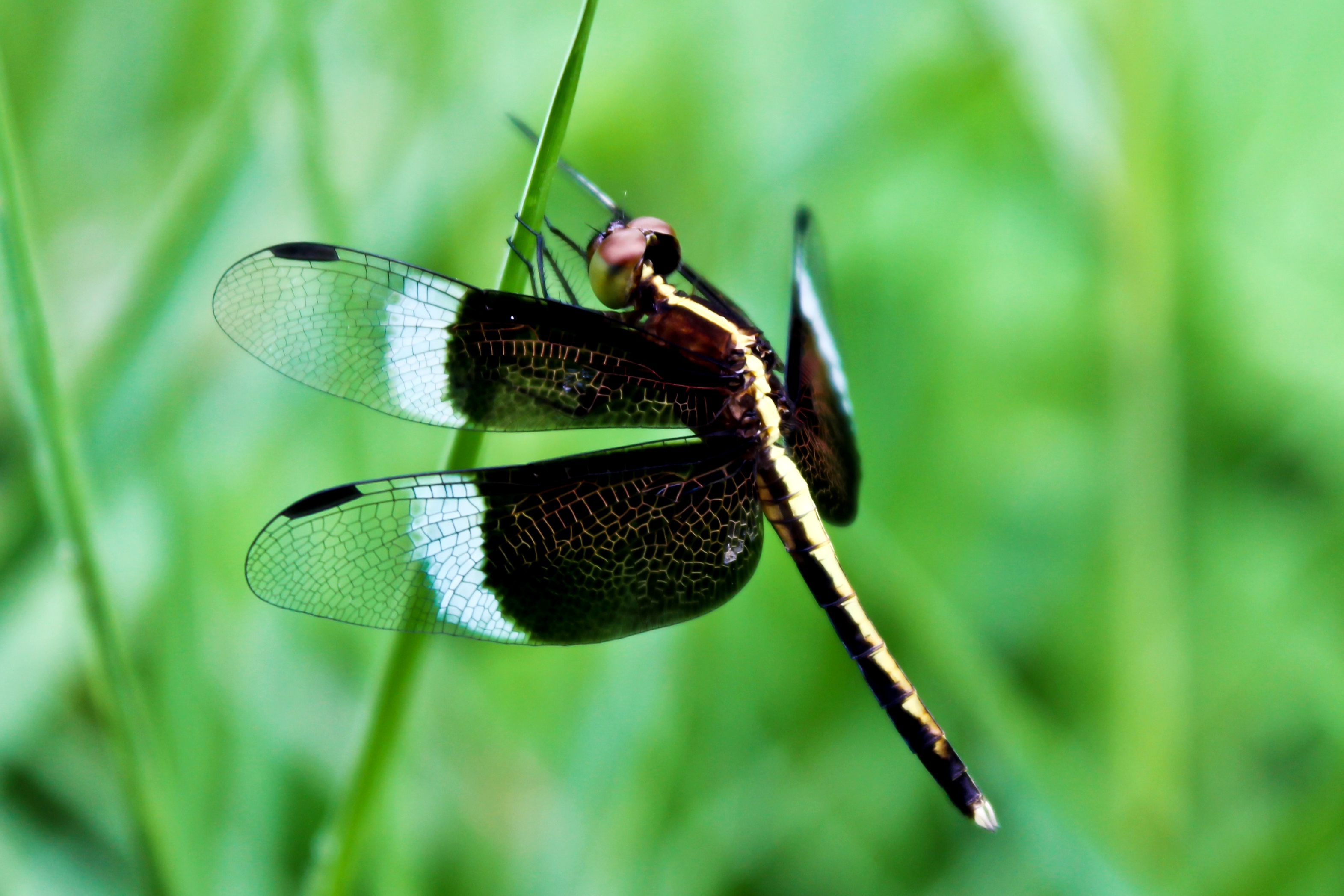
The Paddy Skimmer is one of the smaller species of dragonfly that can be seen in the Western Ghats. Measuring about an inch long, their flight range is very limited, although apparently their breeding capabilities are unhindered, as they are without a doubt one of the most numerous species to be seen in fields, both wild and cultivated. The teneral (young) male has a black and gold body, green and red eyes, and would be difficult to distinguish from the female if it weren’t for the differences in their wings – the male’s (both in youth and maturity) are about half black, with the other half equally divided between a white strip and a transparent tip. The female’s wings are more complicatedly patterned, although mainly transparent. Continue reading

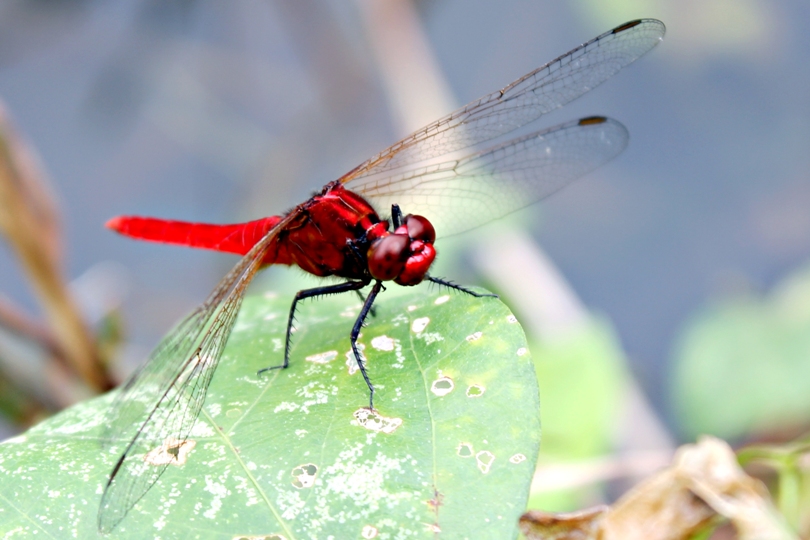
One of the fastest and most agile dragonflies I’ve seen, this red male was sighted on a riverbank in Alleppey, Kerala. Although not unusually large, this insect stands out due to its bright red body and head. Most of the red dragonflies I have seen (in the genus Orthetrum for the most part) have some combination of colors – azure eyes, black face, blue thorax and red abdomen (O. pruinosum); black eyes, red face, brown thorax and red abdomen (O. chrysis), etc.
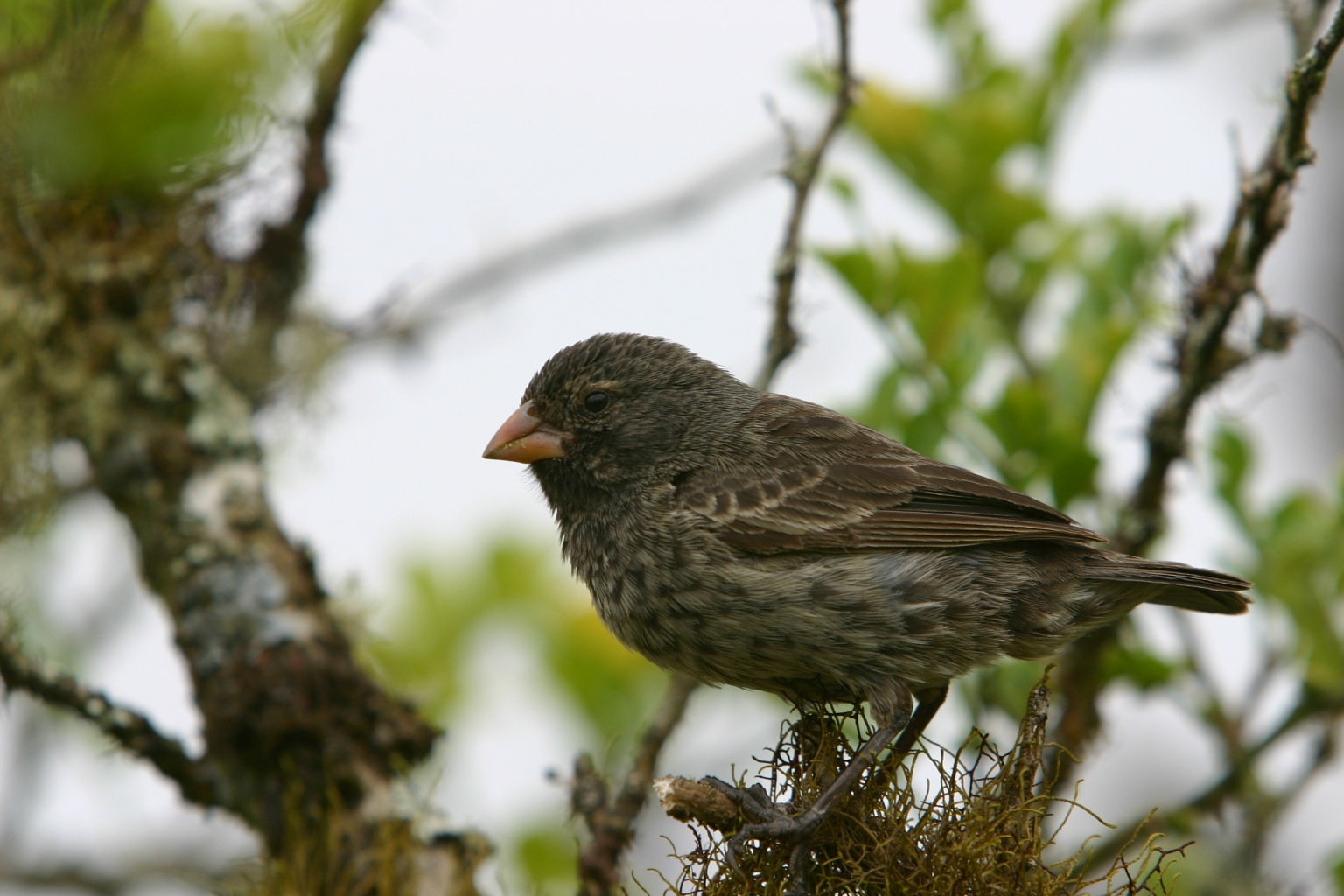
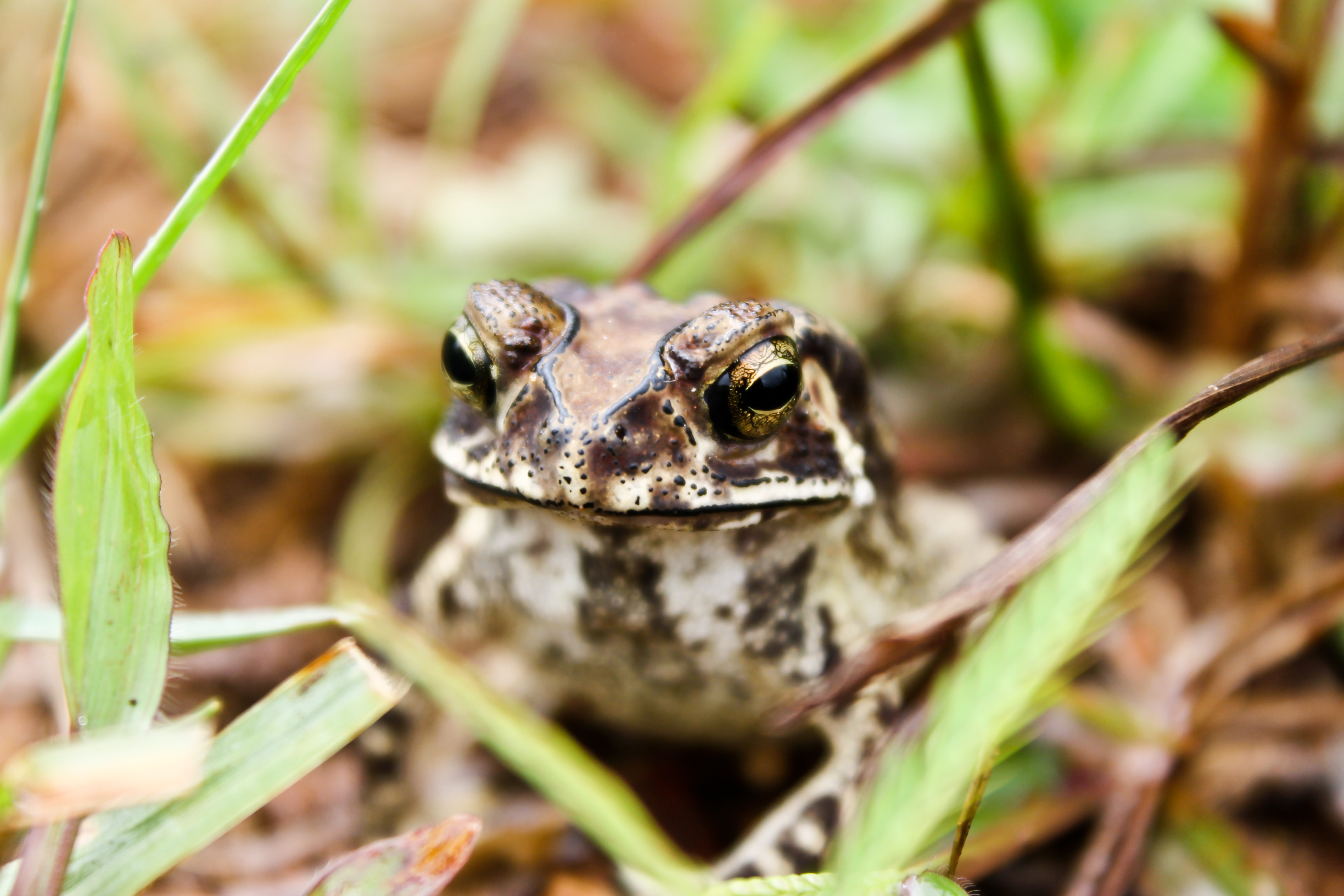
So far, my treks in the Periyar Tiger Reserve have yielded a generally consistent array of wildlife sightings. Insects and spiders are a constant, birds of some sort or other are common, boar and gaur are to be expected, deer are a pleasant (but not huge) surprise. Elephants are not uncommon to see, but don’t stand around modelling for pictures, and are usually sighted from a great distance. Tigers are out of the question to see, except for the extremely fortunate. Of course, this leaves out dozens of categories of creatures, and hundreds (possibly thousands) of species. Amphibians are a pretty constant sighting, mainly in the form of frogs and toads. To be honest, I don’t really know the difference, but I do have a definite ID on one species: the Common Indian Toad (Duttaphrynus melanostictus).
Being a macro photographer without a macro lens is complicated. There are plenty of corners that can be cut, and crutches to lean on, but in the end, the best way to get a high-quality macro image is using the right equipment. The trick I use most often is cropping – my 18-55mm lens can focus on relatively close subjects, although not nearly close enough to get the desired macro effect. If the focus falls upon the right points, the final image can be cropped, and the subject’s size increased without distortion.  These three images are all created from the same one – the one on the left. To see the increased detail, click the picture for a full-size version. Continue reading