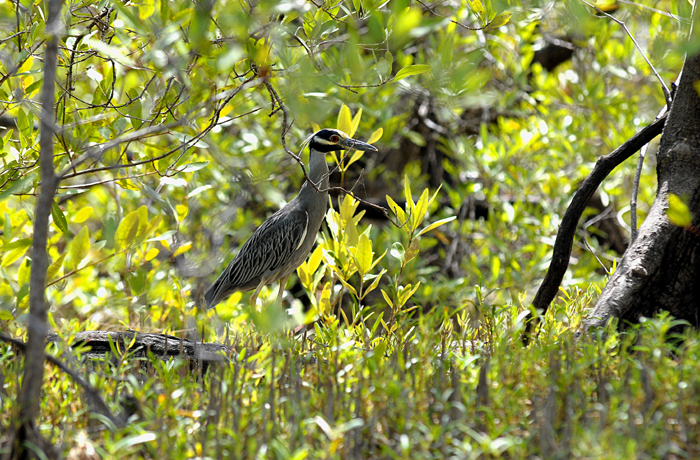
Bird of the Day: Greater Flamingo (Galapagos Islands, Ecuador)
An interesting question to ask about a fully intact and functional brain’s cognitive abilities is this: how do we know that each individual’s perception isn’t unique, whether it’s visual, olfactory, or of any other sense? Processing and emotional responses aside – how do we know that people actually see things the same way, physically? The color I identify as red might appear as residing on the opposite end of the spectrum to someone else, despite the light’s wavelength being constant. The smell I identify as vanilla may be different from another person’s perception of vanilla’s odor, but because we are both correctly identifying the scent as that of vanilla, it is both futile and impossible to determine whether or not the stimulus is perceived identically between the two people.
Enter science! Everyone’s nose (at least those without ‘abnormalities’) has the same scent molecule receptors, meaning we all have the same capabilities for smelling the odors in the air (yes, they are molecules! they are not magically dispersed by the scent fairies, contrary to popular belief). Continue reading
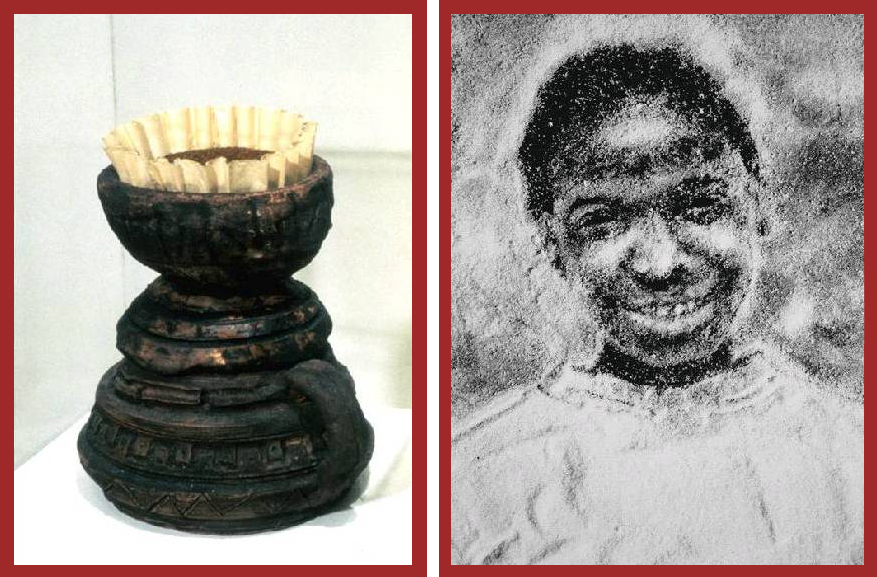
When I posted about the artist Vik Muniz a few days ago I wrote primarily about his collaborative film with director Lucy Walker. I feel I didn’t do justice to the general wit of his work. Like fellow artists Chris Jordan and Mary Ellen Croteau, Muniz is an ultimate recycler, but his “puckish” personality informs his work, both through his choice of medium (sugar to create shimmering portraits of the children of cane workers on St. Kitts) or visual jokes (Pre-Columbian drip coffee maker). Continue reading
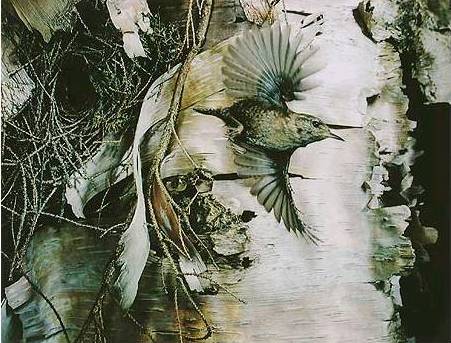 Eliot Porter Winter Wren, 1969 Amon Carter Museum Collection*
Sometimes it takes a scientific mind to re-calibrate the artistic eye. Eliot Porter’s parents had instilled a love of nature and science in him from an early age, and he’d been photographing birds since received his first camera at the age of 10. His training in medicine and as a chemical engineer didn’t dampen his interest, in fact he was among the first to bridge the gap between photography as a fine art and its foundations in technology and science. Continue reading

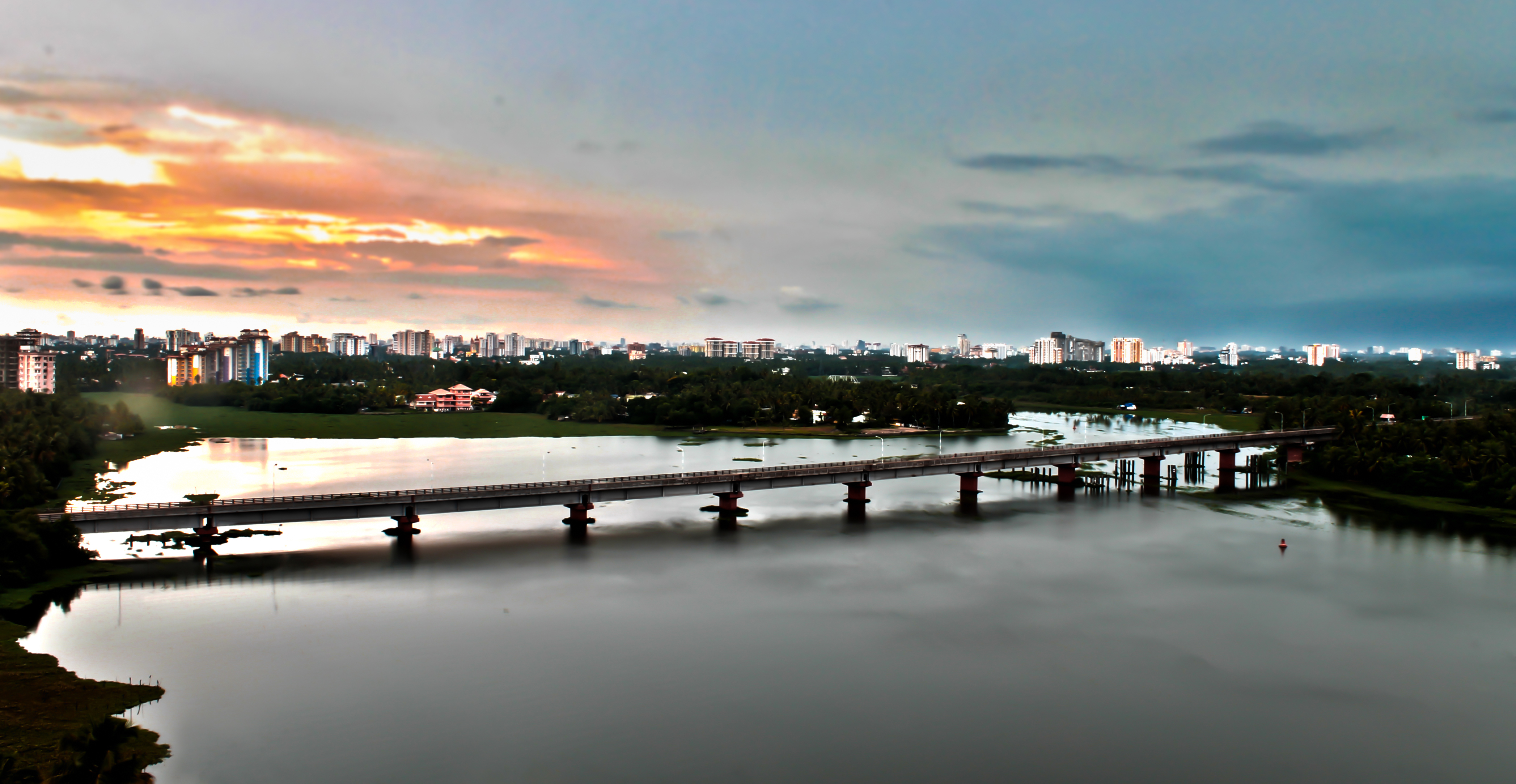
Perhaps it’s a bit of a cliché to use the phrase “calm before the storm”, but that’s exactly what it was. The sun was setting and clouds were gathering – the grey sky occasionally illuminated by a flash of lightning, although thunder never followed. Lately, Cochin has been having rains that are seemingly erratic to someone who hasn’t lived here long, but to the locals, they’re as predictable as… well, the seasons.

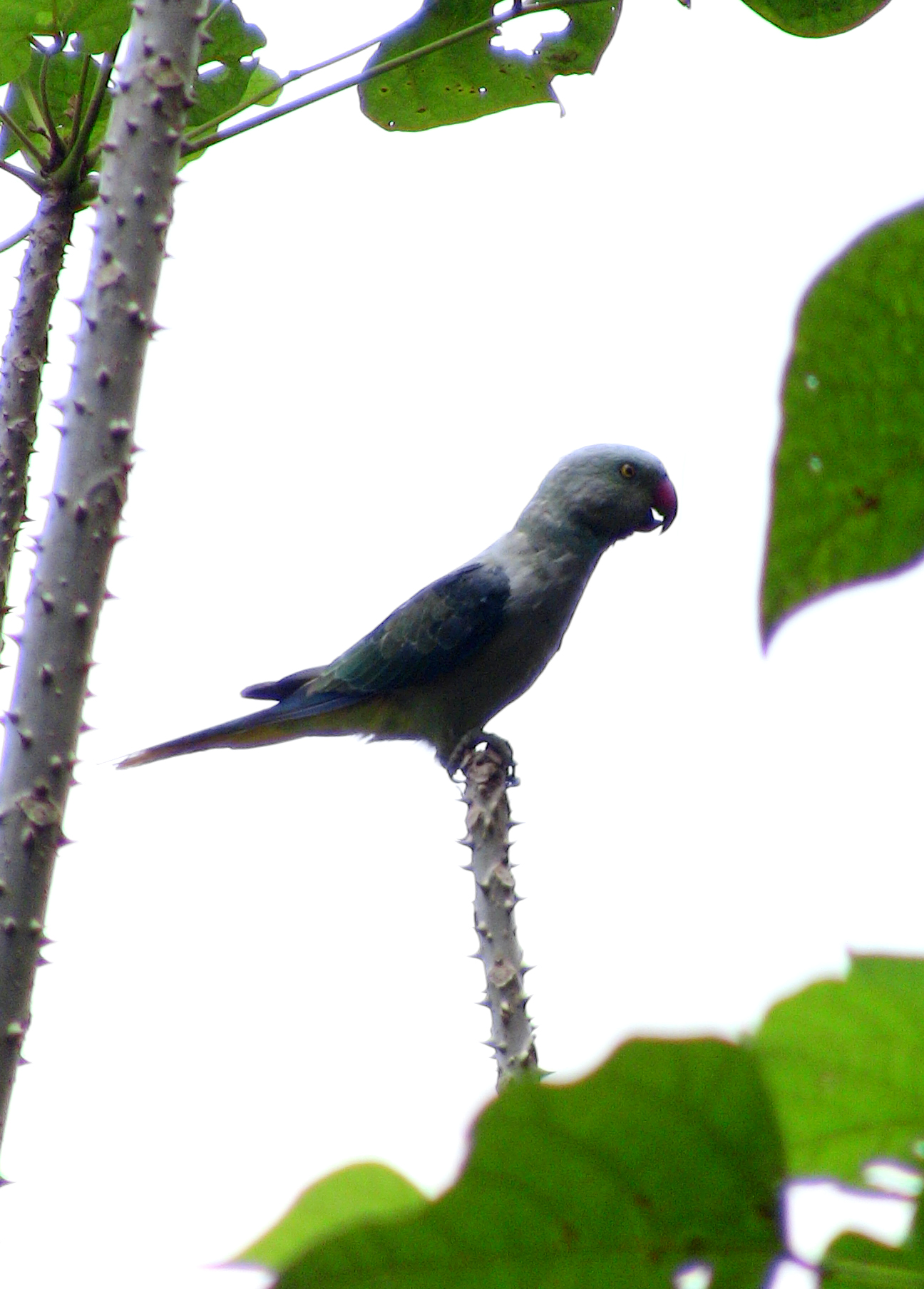
Thekkady, Kerala
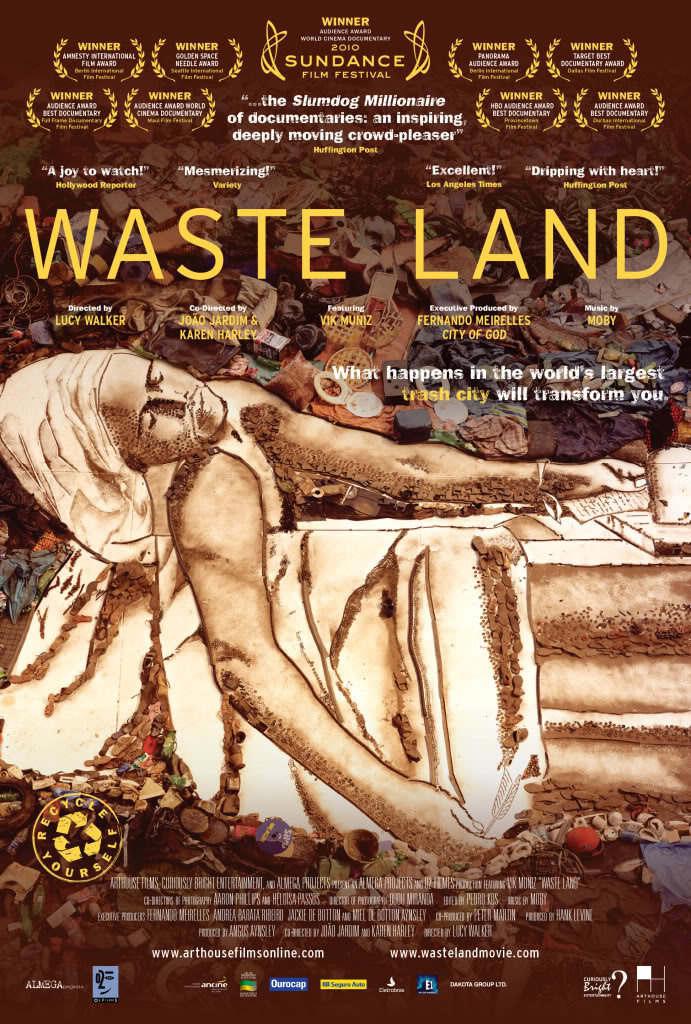
The beautiful thing about garbage is that it’s negative; it’s something that you don’t use anymore; it’s what you don’t want to see. So, if you are a visual artist, it becomes a very interesting material to work with because it’s the most nonvisual of materials. You are working with something that you usually try to hide. –Vik Muniz
Brazilian artist Vik Muniz is known for his visual wit using either the world’s detritus or the generally unexpected as the medium for his portraits and landscapes. Each piece, formed by ink drops, chocolate drips, dust motes, thread swirls or garbage itself, is temporary by nature, achieving permanence via a camera’s lens. Continue reading
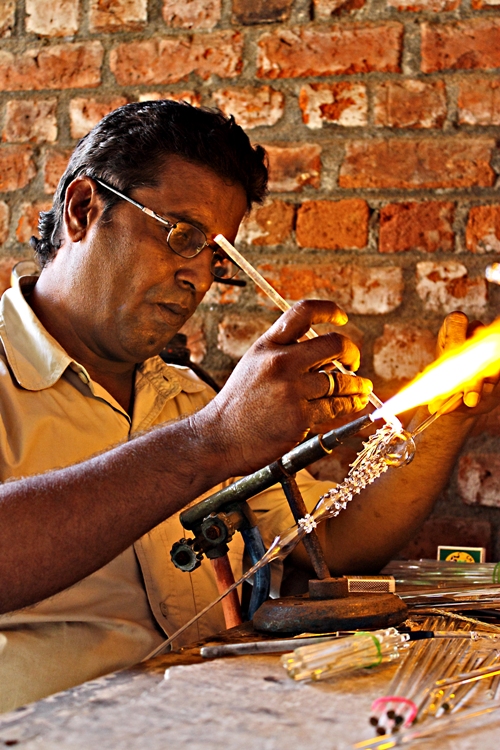 While in Chennai about a week ago, I visited a cultural center, somewhat like a living museum, about an hour outside the city. Dakshinchitra, the name of the display, means “picture of the South” – and it lives up to its name. In addition to being a window to the past, the center, supported by an NPO, supports local artists who set up small stalls on the premises, selling their crafts directly to the buyer, eliminating dealers and price-cranking middlemen. One such artist is Mr. V. Srinivasa Raghavan – a glass blower born and bred in Tamil Nadu.
While I at first felt that the blowtorch-wielding artist was out of place in the century-old surroundings of the compound, I was soon thinking back to my historical education, remembering that glass was being manipulated as far back as the Roman Empire. The means in this case justifies the ends – perhaps the trade’s Continue reading

Thekkady, Kerala
In my previous post, I talked briefly about the beauty of contrast between stationary backdrops and objects in motion, waterfalls being my focal point. Still without a tripod (an almost essential piece of equipment for this kind of photography), I have been putting myself and many props in uncomfortable positions to steady my camera as I aimed for enlightenment.
 When I send emails to friends, colleagues, and others about this website, and the objectives of Raxa Collective, I normally add links to a few posts that I think are representative.
Almost always, this one is included. Michael captured the moment well.
As we continue adding contributors to this site, and the diversity of topics and locations we pay attention to expands, for some reason I still come back to the Tiger Trail as a favored topic because it is such a good example of what we care about.
That tendency to return, at least in thought, led me to reconnect with a “lost” member of our Tiger Trail entourage. Continue reading
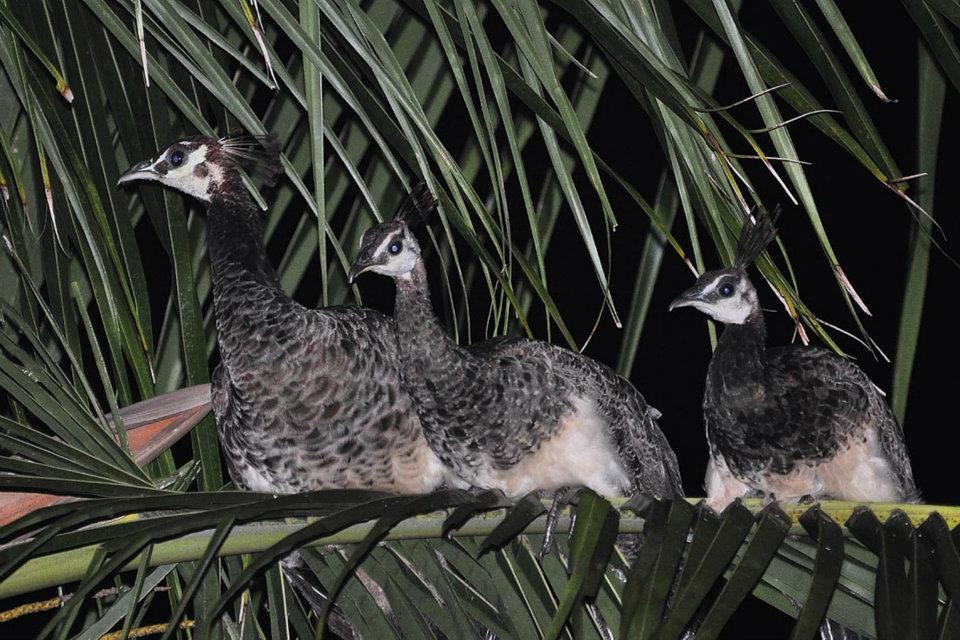
Yes, spotting wild elephants on a mountainside is exciting. Agreed, a field full of flowers that blooms once every dozen years is a heart-warming sight. But not everyone who loves and appreciates nature has the time or money to travel to places where such phenomena can be experienced. Many people who live in cities – myself included – complain about not being able to connect with nature the way they would if they weren’t urbanites. However, I recently had an eye-opening (or re-eye-opening, rather) experience in Chennai, a city proportionally larger and less vegetated than Cochin, where I live, which showed me that nature is never far away. Continue reading

Street life for animals anywhere is hard, but in India it is exceptionally so. The infamous modus operandi of Indian motorists is based in fact, and stray animals on the road frequently bear the consequences of too many cars and people in too little space. Animal cruelty is not unheard of anywhere in the world – even the most modern 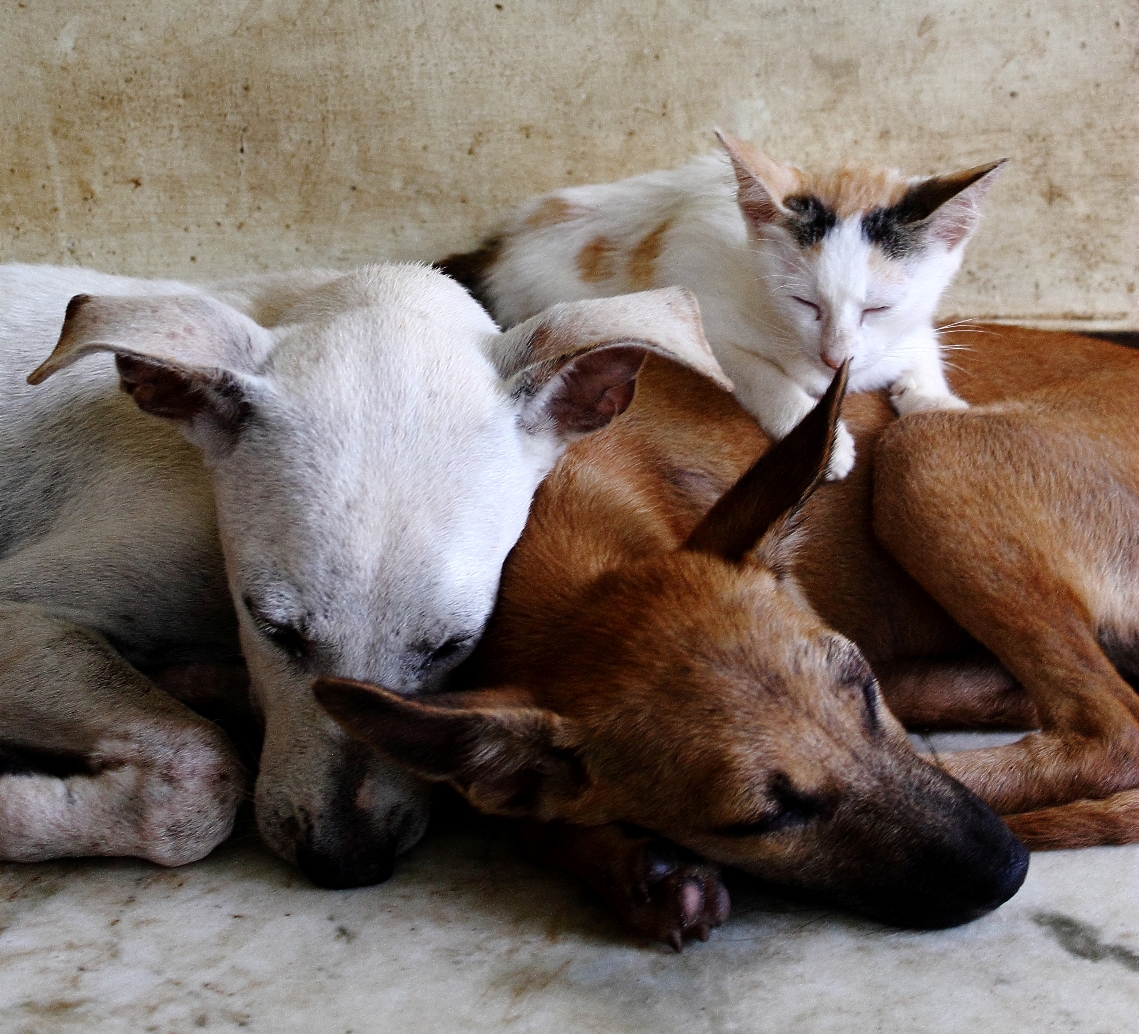 of American cities have incidences; India is much less well-organized in terms of prevention and consequences. Despite the sprawling bureaucracy of Kerala’s government, there is no sole agency dedicated to the safety and well-being of urban animals. As such, the responsibility falls to warm-hearted citizens, either by adopting stray animals or taking them to a shelter. Continue reading


Morgan’s Rock, Nicaragua