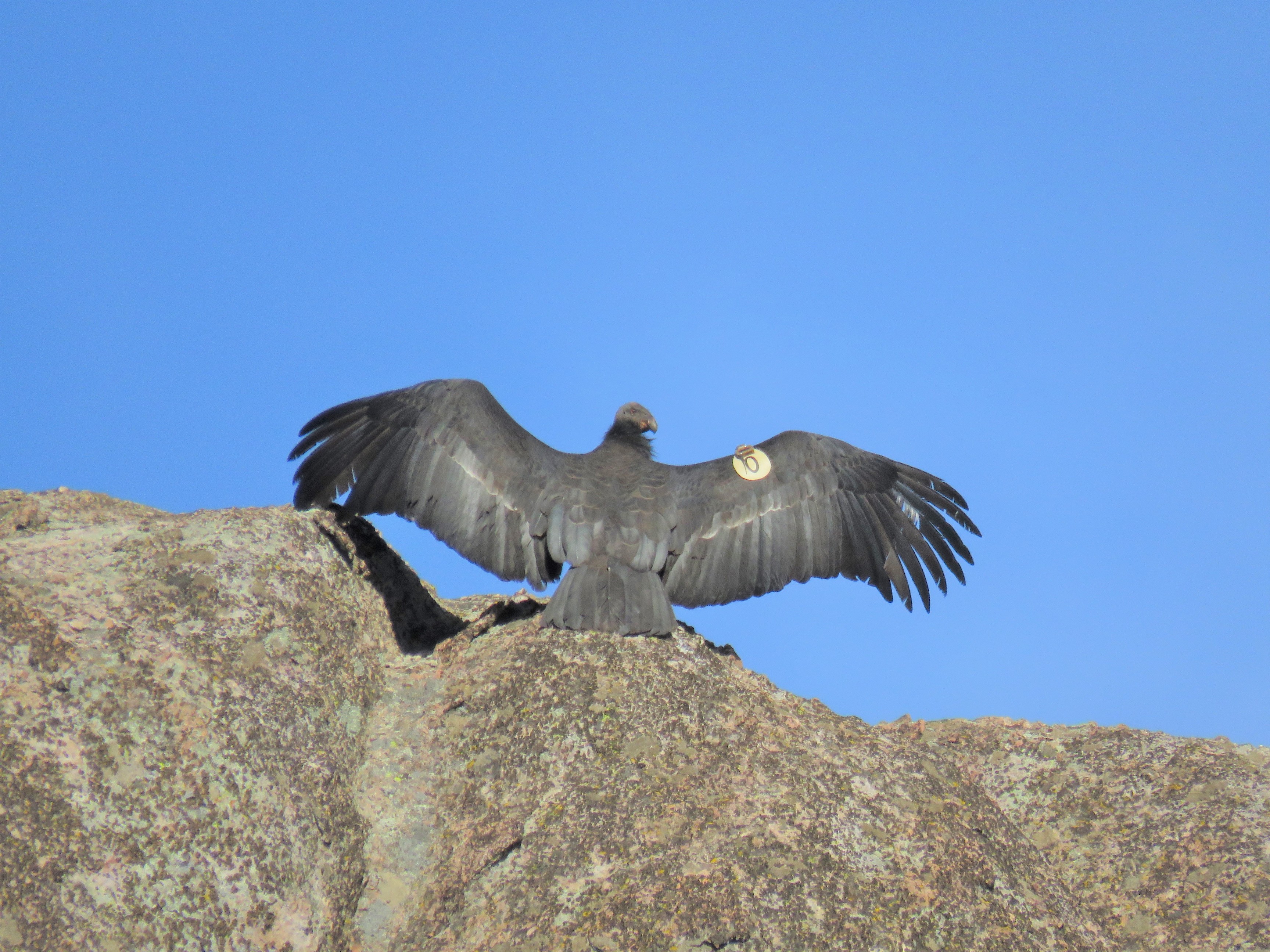
Bird of the Day: California Condor
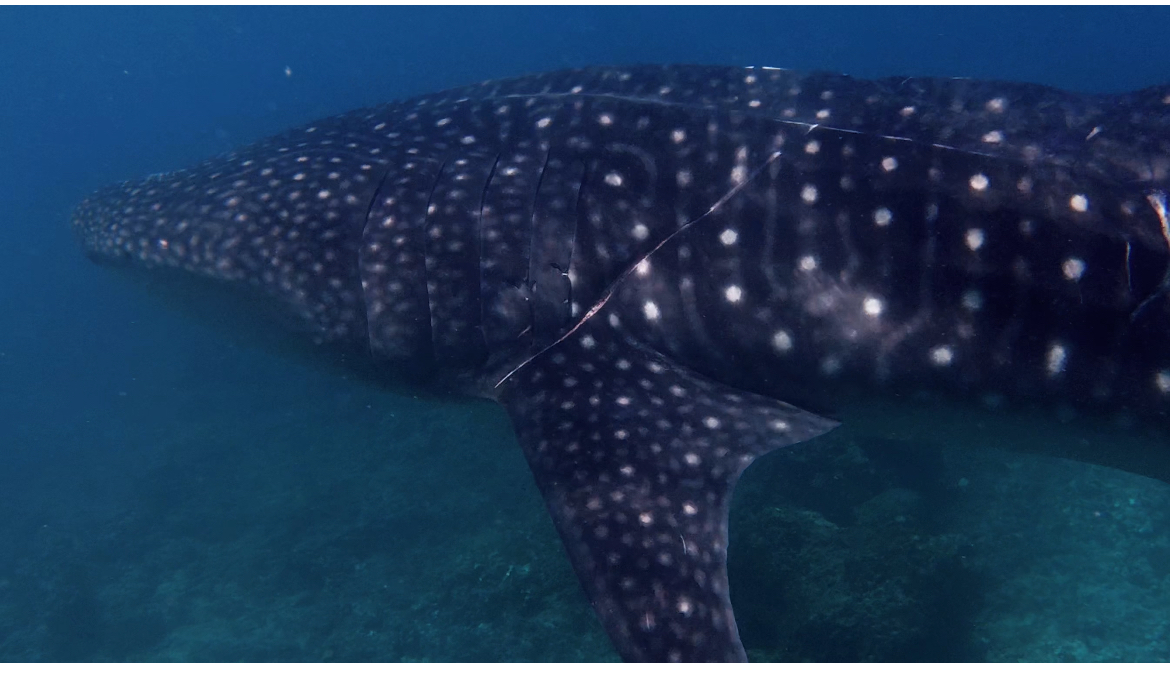
Photo credit: Sommer Laettner
I posted last year about my experience volunteering with the Maldives Whale Shark Research Programme (MWSRP) and the great work they do. Established in 2006, MWSRP undertakes research and monitoring of whale sharks and other marine megafauna in the Maldives and uses the associated findings and data to advocate for sound conservation policy in the country.
Throughout the year, the MWSRP team, together with volunteers, undertakes patrols along the reef in the South Ari Atoll Marine Protected Area and other locations in the Maldives to record sightings of whale sharks and other marine megafauna and to gather data on vessel traffic and behavior. Whale shark encounters are documented via photos and video along with data on location, behavior, and ocean conditions. Encounters are entered into the “BIG FISH network” database, an online citizen science platform developed by MWSRP as a monitoring network for awareness raising and stewardship of whale sharks in Maldives.
I returned to the Maldives this month to get an update on efforts to protect this iconic species and the livelihoods it supports, once again volunteering with MWSRP. I found that there is both good news and bad news.
First the good news. Continue reading
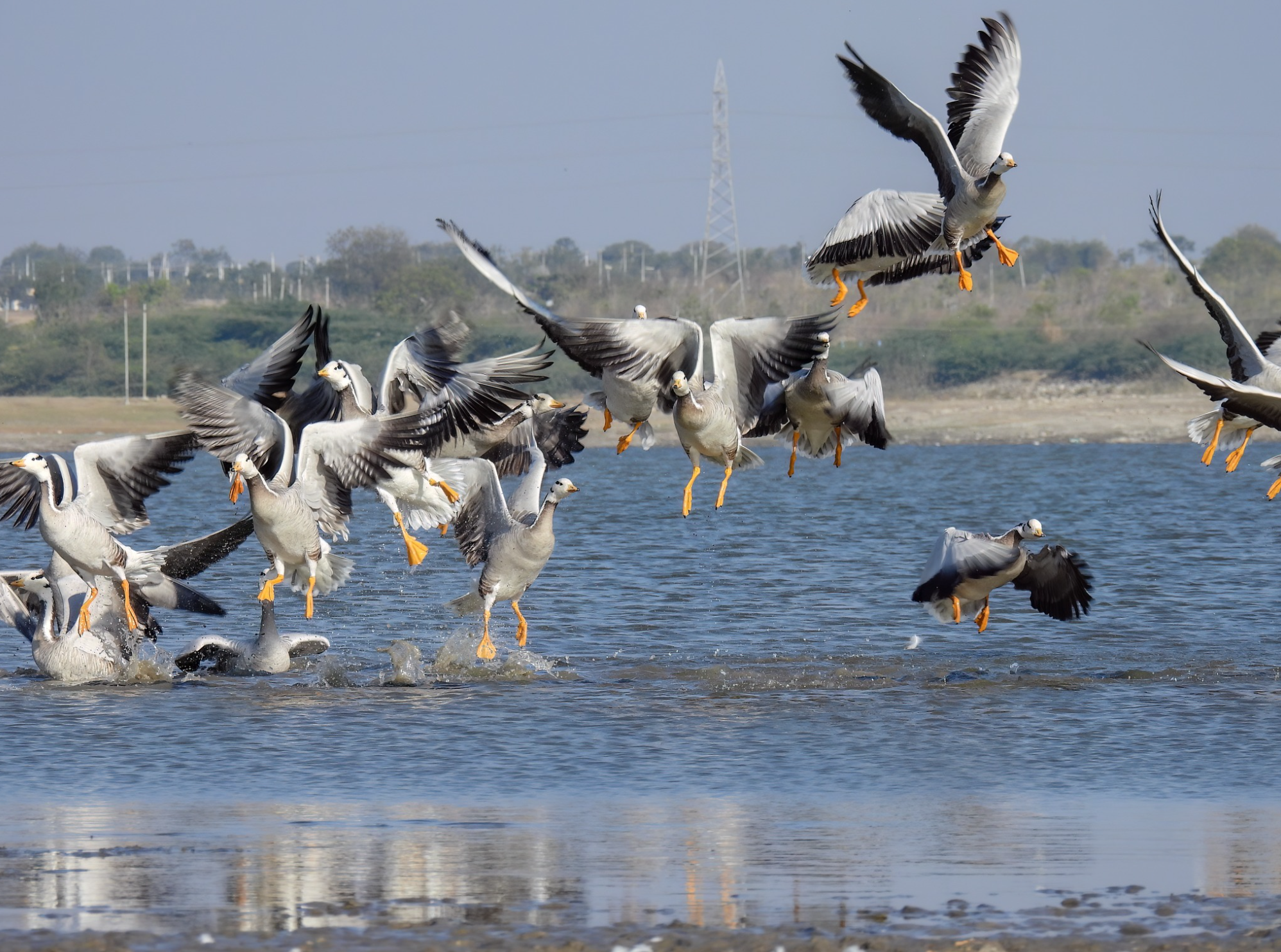
Vijayapura, Karnataka
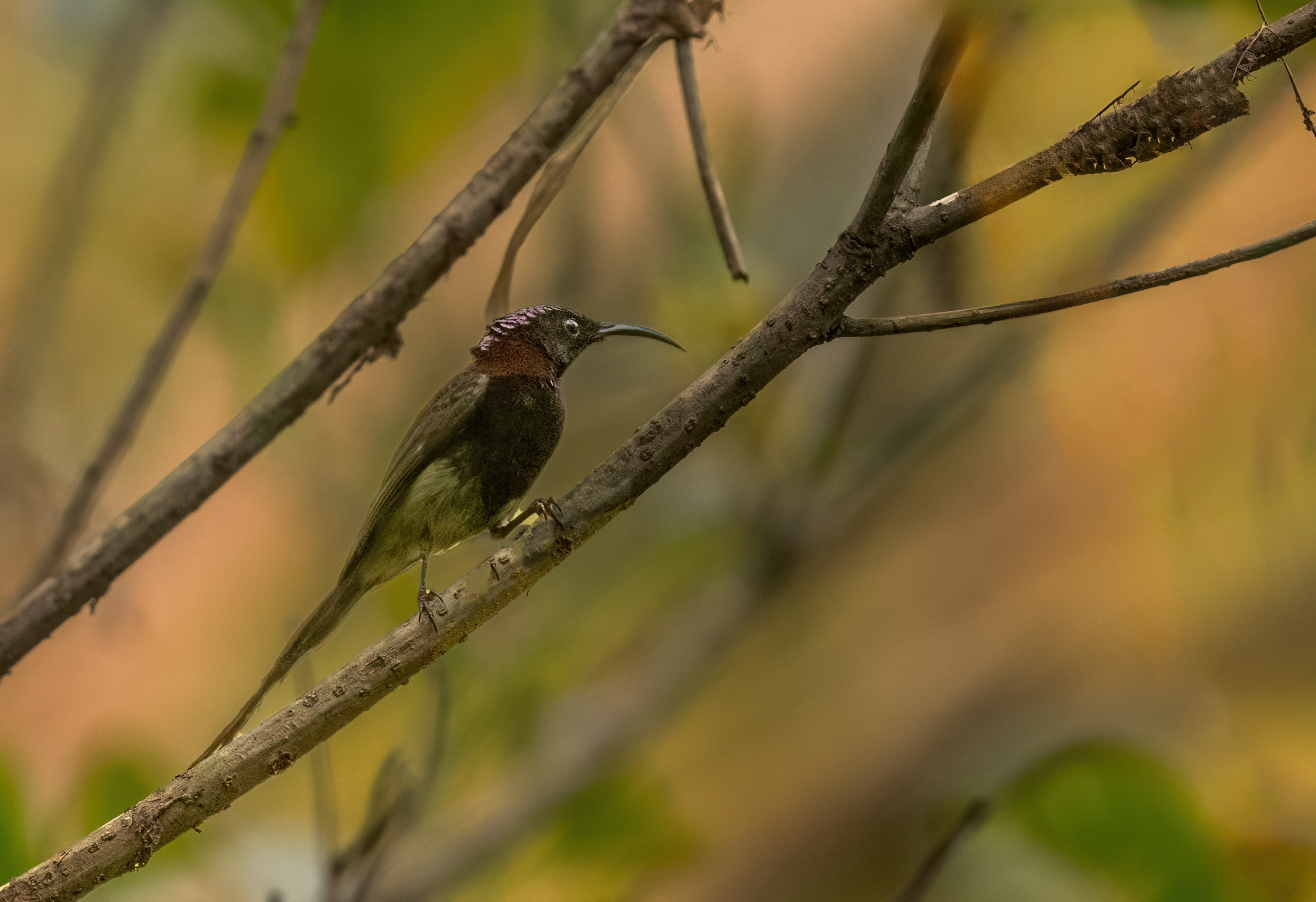
Sikkim, India
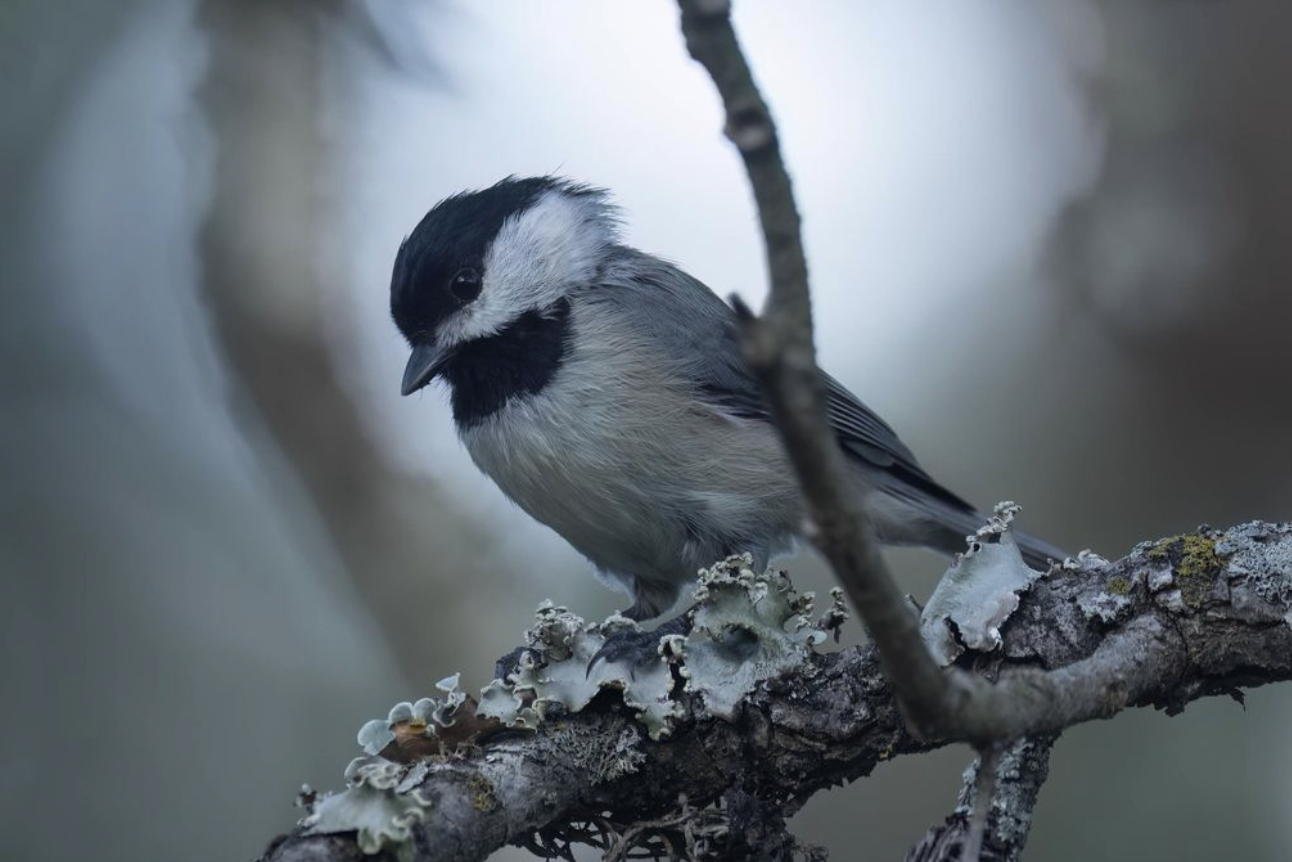
Pecan Springs Karst Preserve, Williamson County, Texas
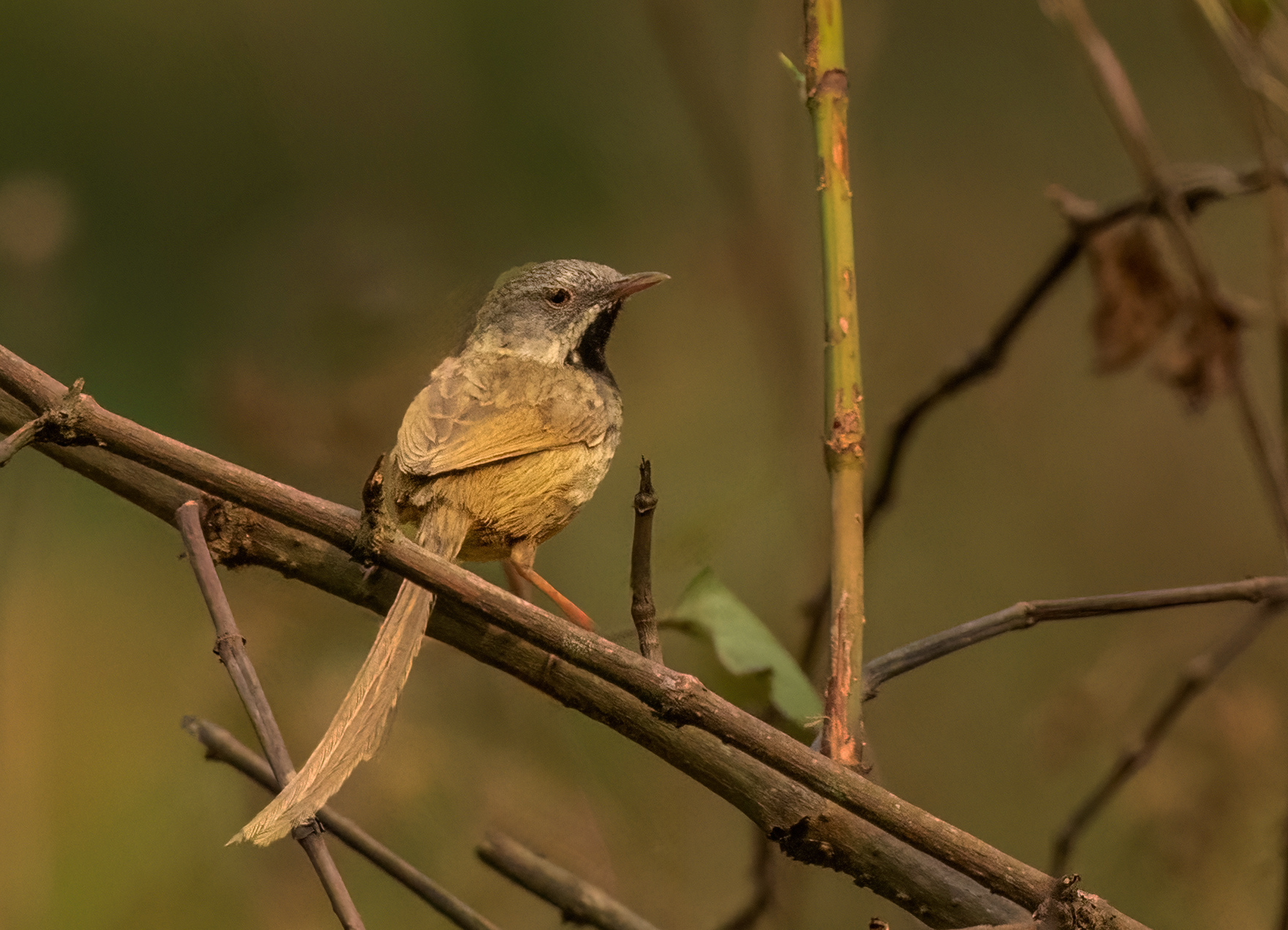
Sikkim, India
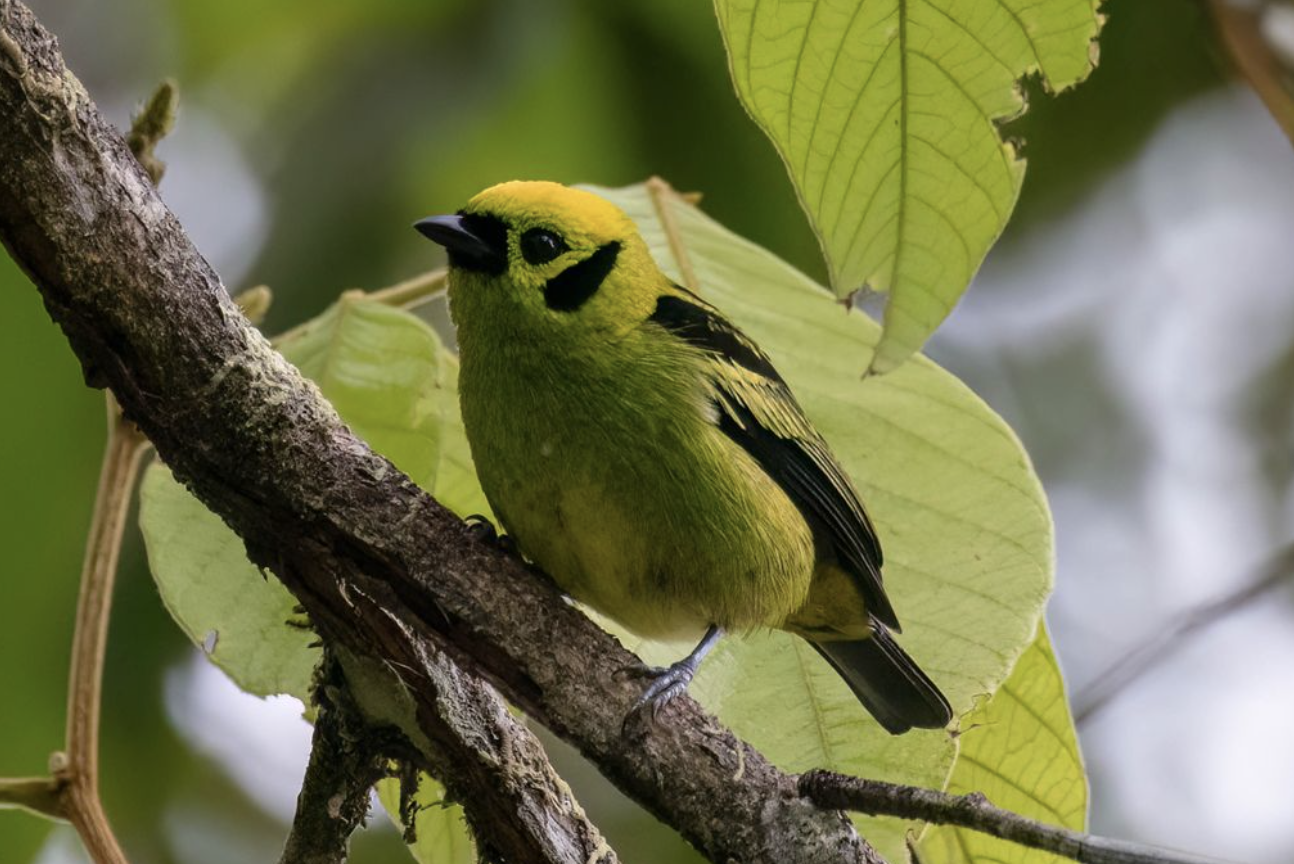
Reserva la Nutria (an indigenous reserve of the Inkal Awá), Nariño Department, Colombia
Seewinkel National Park, Austria
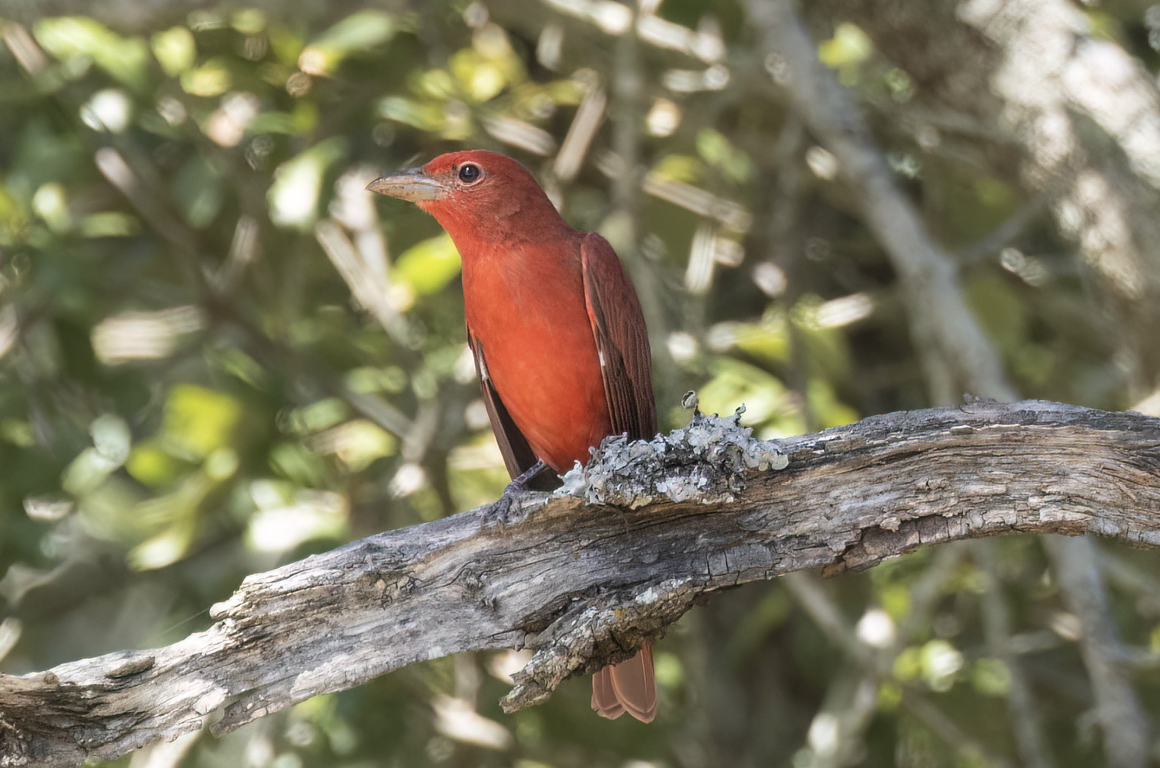
Male
Dripping Springs, Hays County, Texas
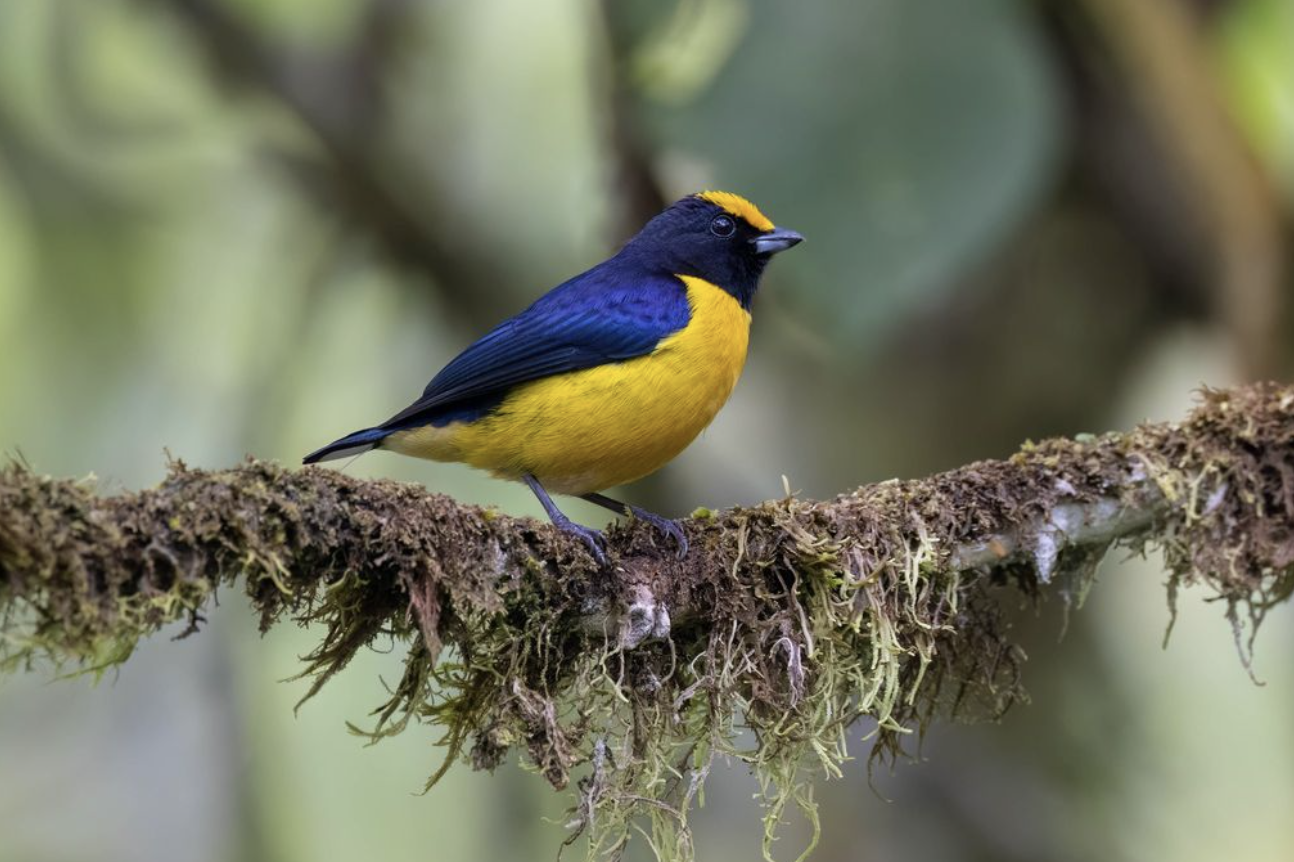
Aves & Flórez Lodge, Nariño Department, Colombia
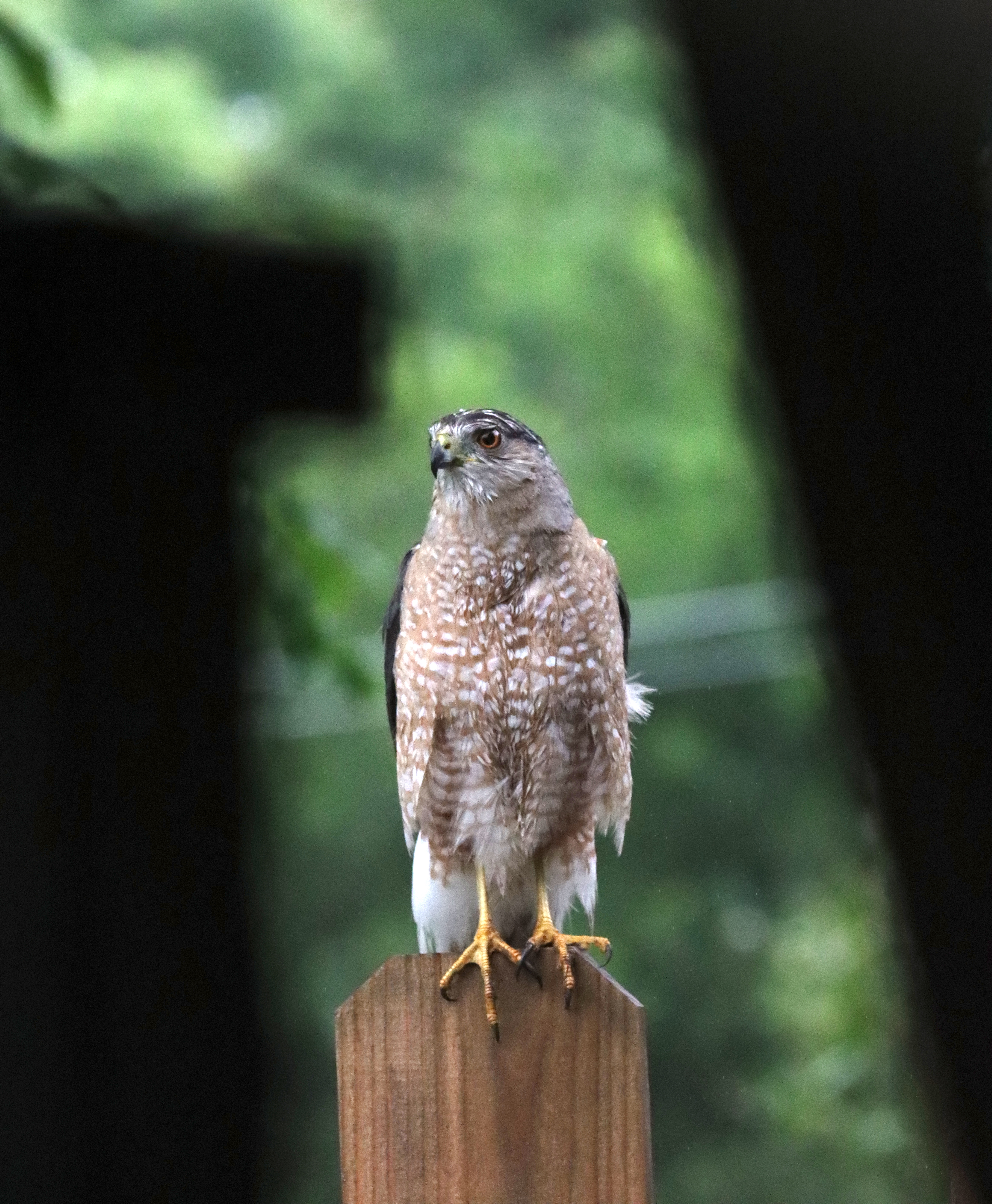
Charlottesville, VA
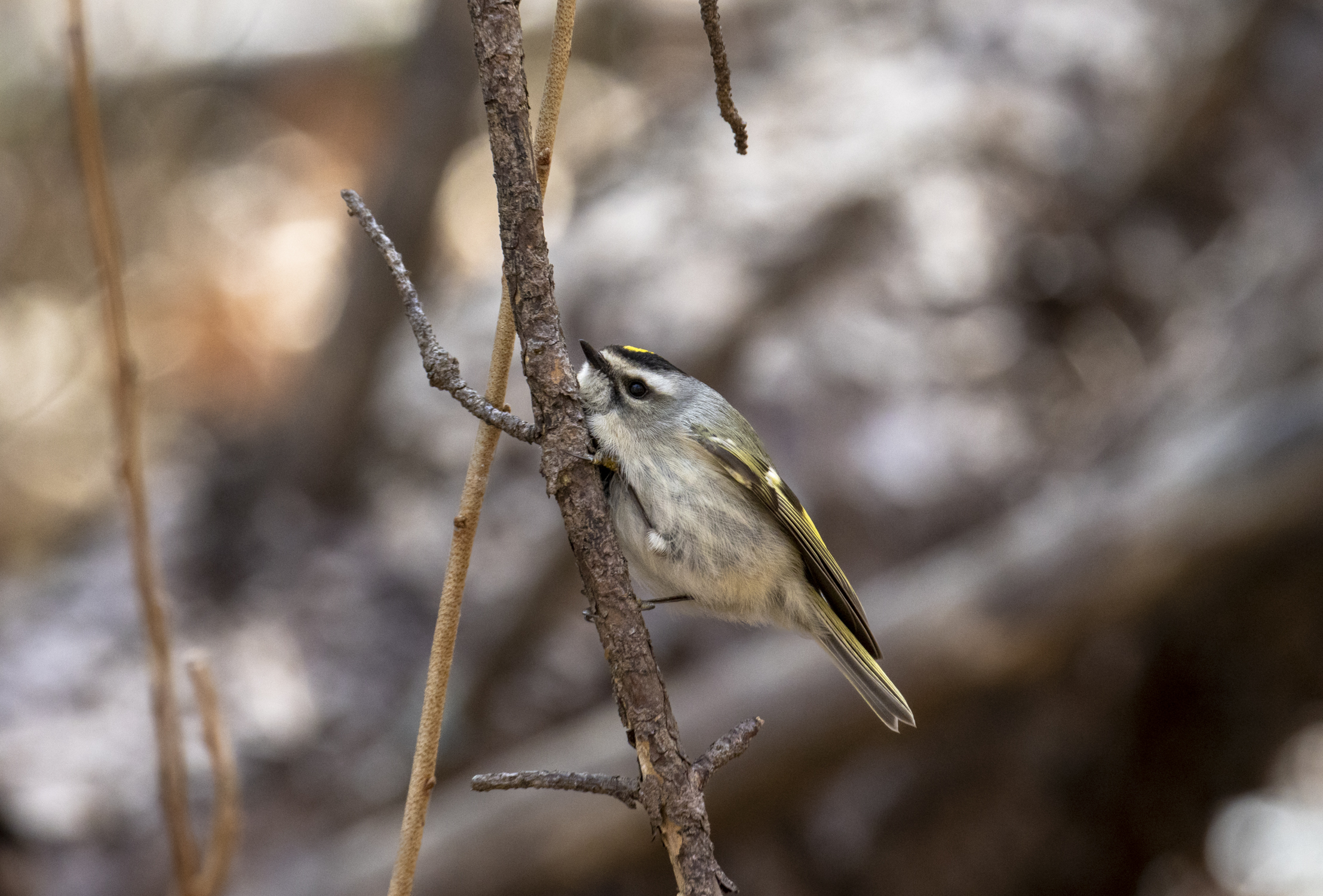
Charlottesville, VA
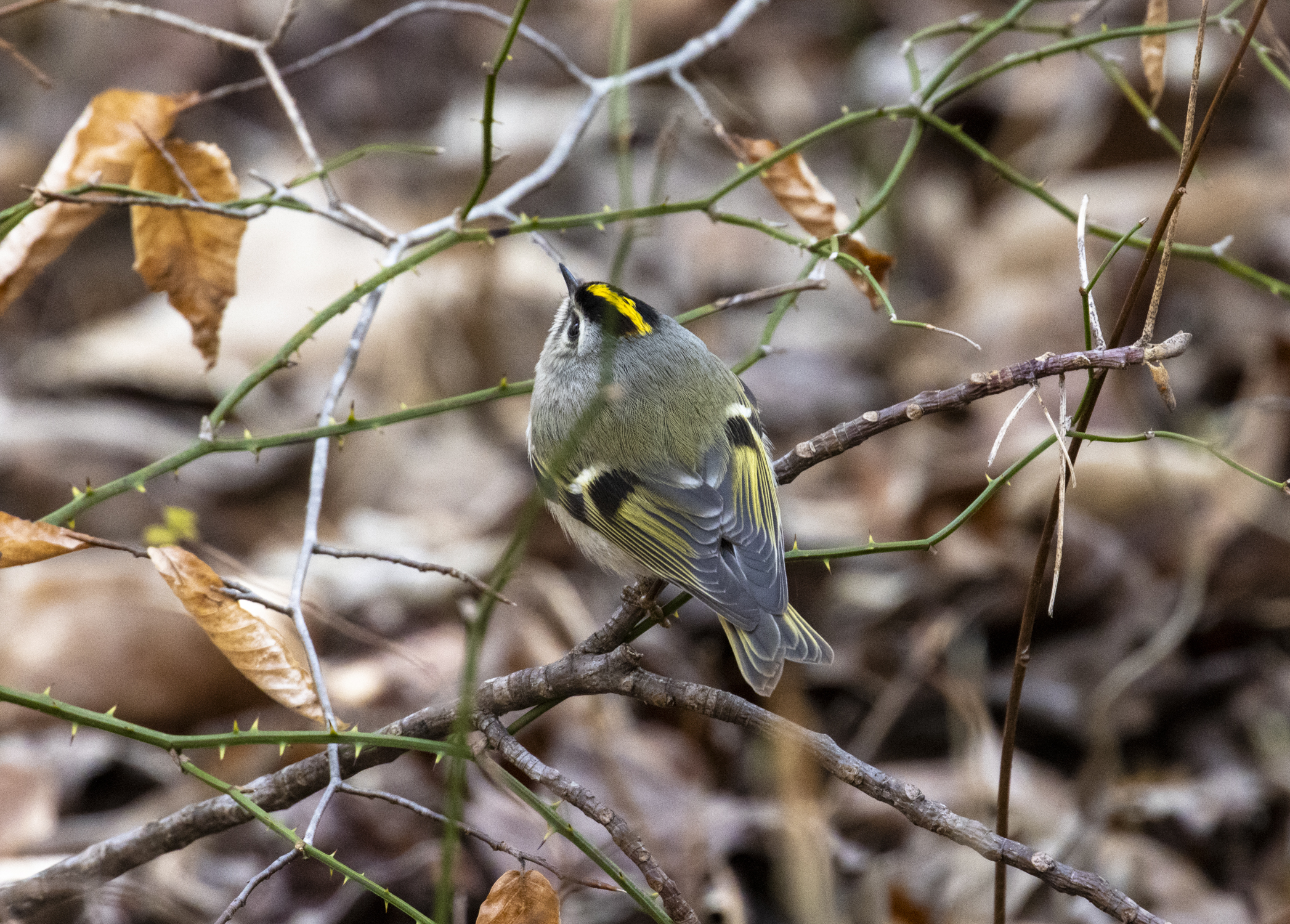
Charlottesville, VA
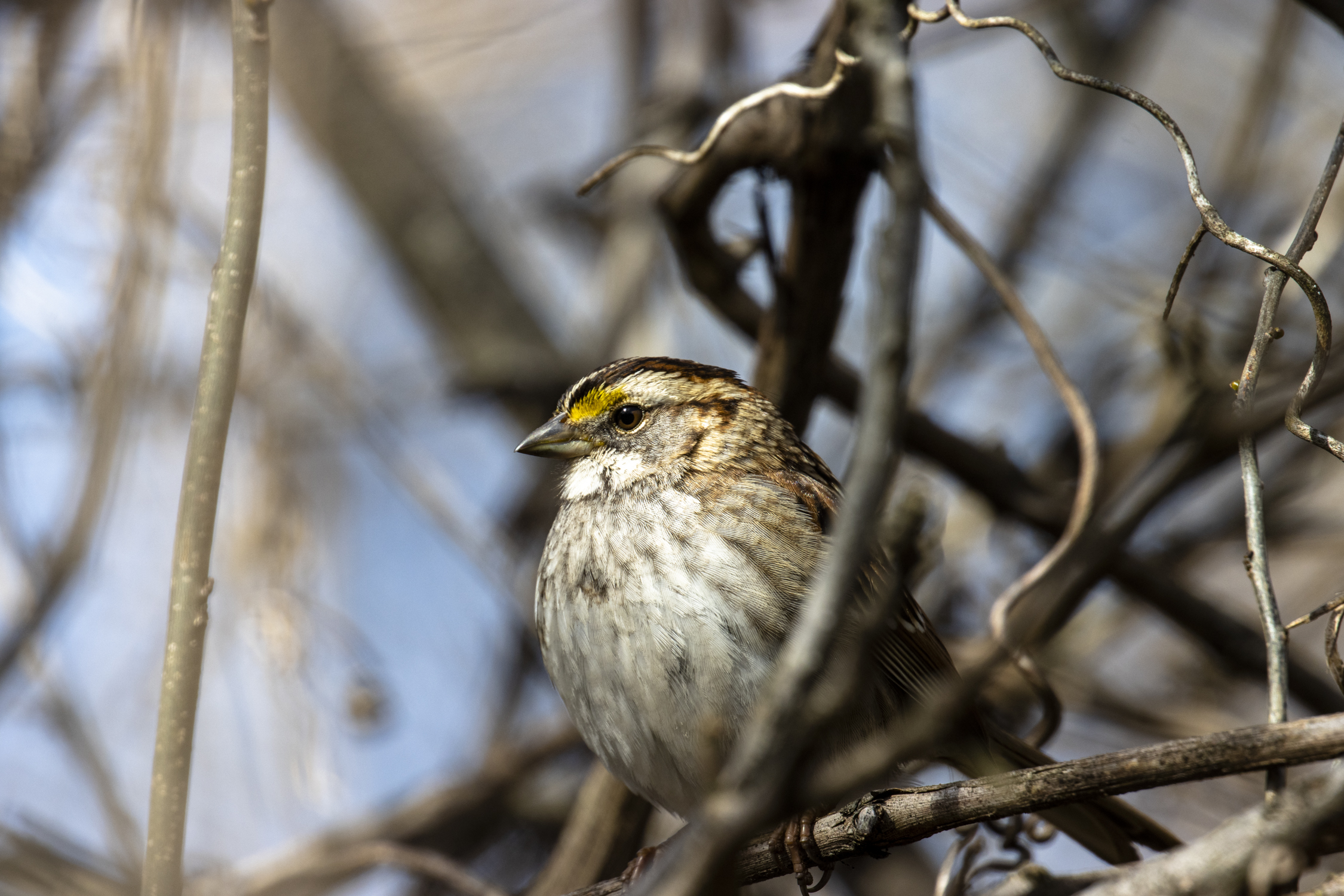
Charlottesville, VA
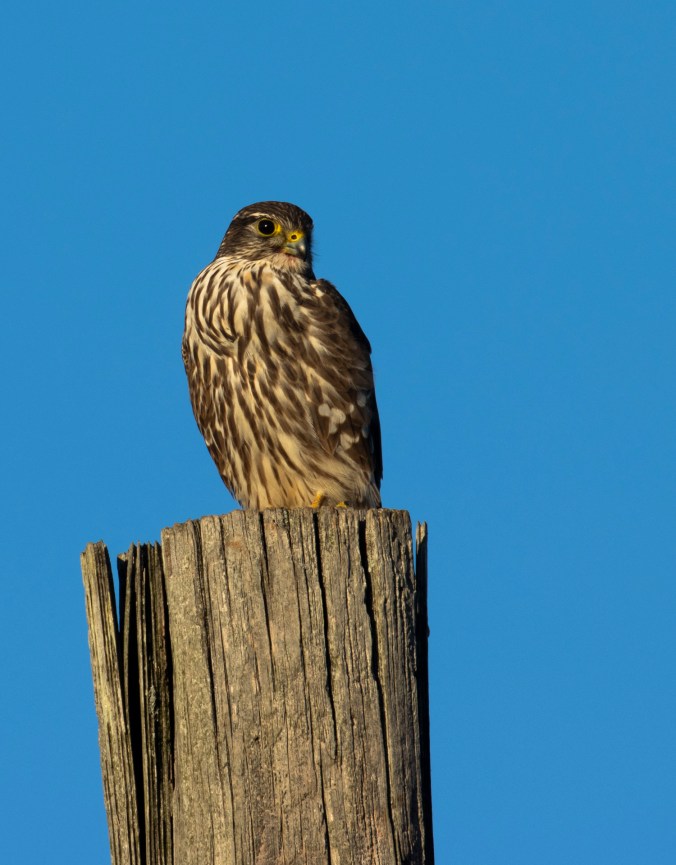
Charlottesville, VA
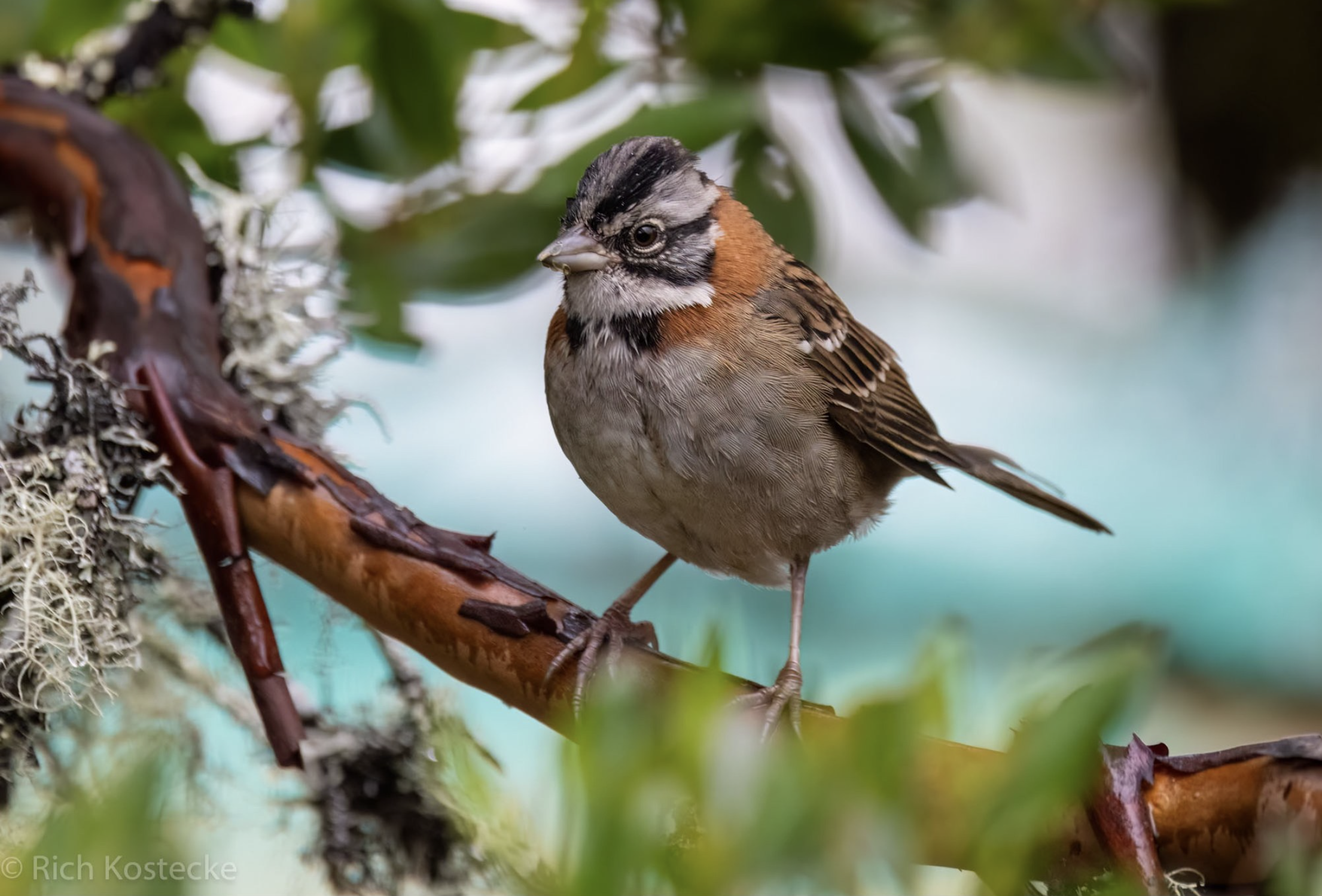
Parque Nacional Natural Chingaza, Colombia
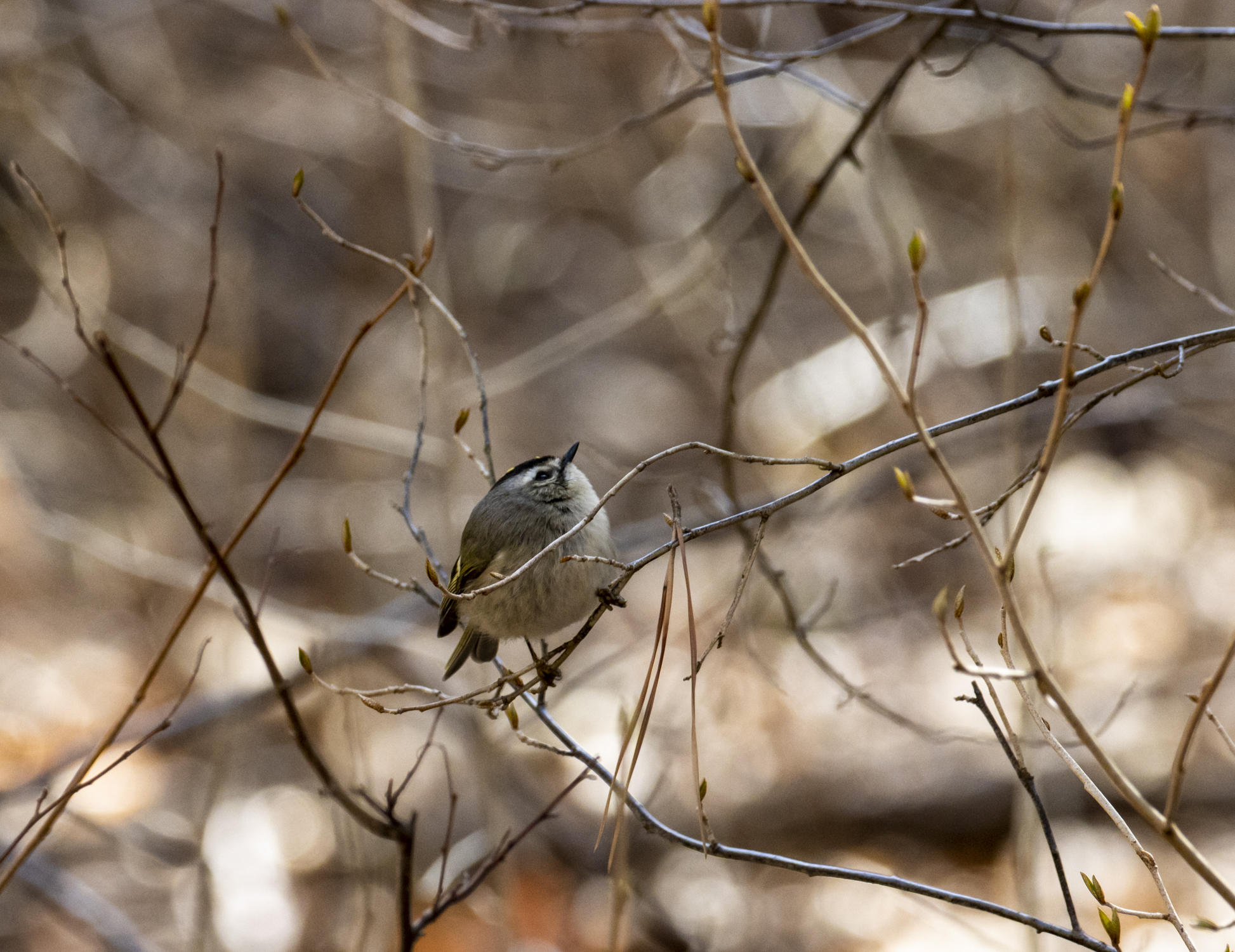
Charlottesville, VA
 It always comes back to the commons. Thanks to Naomi Huffman at The Atlantic for bringing this book to our attention:
What Gardens of the Future Should Look Like
In her new book, Olivia Laing argues that the lives of all people are enriched with access to land they can use freely.
On a Sunday afternoon in May, the Elizabeth Street Garden, a serene public park wedged between Manhattan’s SoHo and Little Italy neighborhoods, was filled with people undeterred by the gray sky and spitting rain. Visitors sat at tables among fuchsia azaleas and yellow irises, and in the shade of loping old trees, talking, eating pizza, and drinking iced coffee. A painter faced an easel at the back of the garden and composed a watercolor. Continue reading
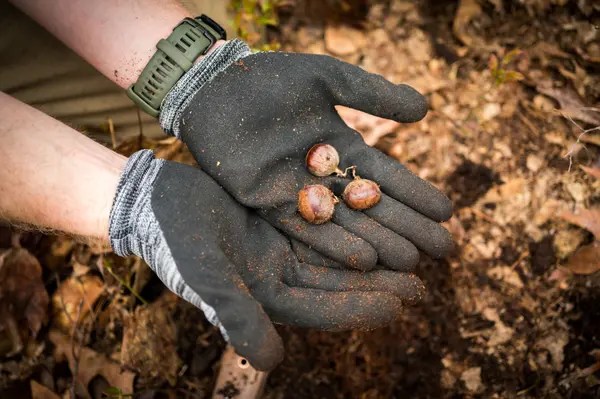
This spring, 160 chestnuts resulting from crosses made from large, standing American chestnut trees with natural blight resistance were planted at the botanic garden. Troy Thompson
Growing up in New England, apples and chestnuts were part of why autumn was my favorite season. During seven years living in walking distance of the Cornell orchards, apples remained a highlight of autumn well into adulthood. We have family who live in Boylston, so a visit to see this restoration project is now on my wish list. Thanks as always to Margaret Roach for all the gardens on that list:
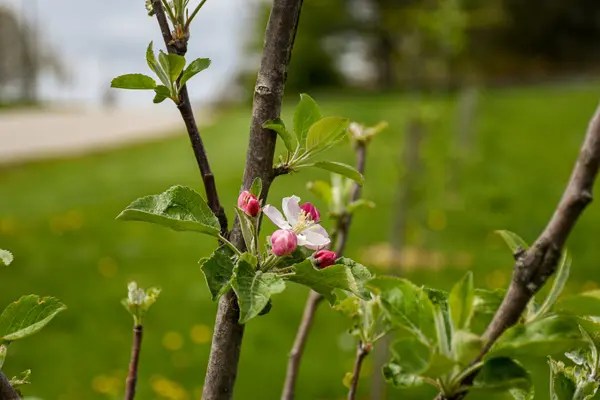
At the New England Botanic Garden at Tower Hill, in Boylston, Mass., the grafted heirloom apple trees are already big enough to bloom. But fruit isn’t expected for a few more years. New England Botanic Garden/Megan Stouffer
How Do You Restore a Chestnut Forest or an Apple Orchard? Very Slowly.
This botanic garden is determined to bring back the American chestnut tree and heirloom apples that taste like those grown 500 years ago. It won’t be easy.
“Explore what’s in bloom now,” exclaims a banner on the New England Botanic Garden at Tower Hill’s website. And, indeed, there is much to see. Continue reading
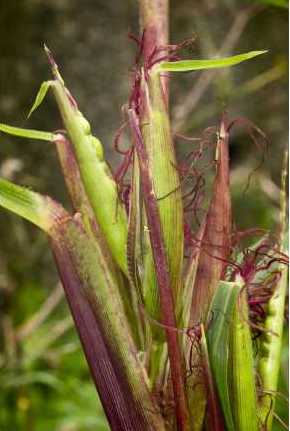
(Credit: vainillaychile/iStock via Getty Images Plus) The ancestor of maize was a grass called teosinte.
Since it is one of my go-to snacks, I frequently wonder about this, and appreciate the sleuthing by Sean Rafferty at SUNY Albany, and Discover magazine for publishing it:
Could a spill by the cook fire have been popcorn’s eureka moment?
You have to wonder how people originally figured out how to eat some foods that are beloved today. The cassava plant is toxic if not carefully processed through multiple steps. Yogurt is basically old milk that’s been around for a while and contaminated with bacteria. And who discovered that popcorn could be a toasty, tasty treat?
(Credit: Yeti studio/Shutterstock)
These kinds of food mysteries are pretty hard to solve. Archaeology depends on solid remains to figure out what happened in the past, especially for people who didn’t use any sort of writing. Unfortunately, most stuff people traditionally used made from wood, animal materials or cloth decays pretty quickly, and archaeologists like me never find it.
We have lots of evidence of hard stuff, such as pottery and stone tools, but softer things – such as leftovers from a meal – are much harder to find. Sometimes we get lucky, if softer stuff is found in very dry places that preserve it. Also, if stuff gets burned, it can last a very long time. Continue reading

 Organikos