The Garden Against Time, Reviewed

It always comes back to the commons. Thanks to Naomi Huffman at The Atlantic for bringing this book to our attention:

What Gardens of the Future Should Look Like

In her new book, Olivia Laing argues that the lives of all people are enriched with access to land they can use freely.

On a Sunday afternoon in May, the Elizabeth Street Garden, a serene public park wedged between Manhattan’s SoHo and Little Italy neighborhoods, was filled with people undeterred by the gray sky and spitting rain. Visitors sat at tables among fuchsia azaleas and yellow irises, and in the shade of loping old trees, talking, eating pizza, and drinking iced coffee. A painter faced an easel at the back of the garden and composed a watercolor. Continue reading →

New England Botanic Garden at Tower Hill, Chestnuts & Apples

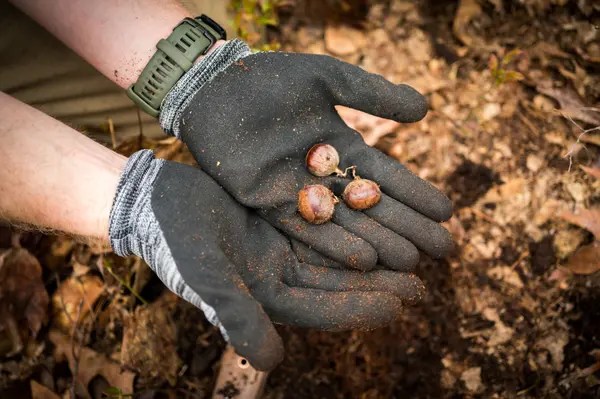
This spring, 160 chestnuts resulting from crosses made from large, standing American chestnut trees with natural blight resistance were planted at the botanic garden. Troy Thompson

Growing up in New England, apples and chestnuts were part of why autumn was my favorite season. During seven years living in walking distance of the Cornell orchards, apples remained a highlight of autumn well into adulthood. We have family who live in Boylston, so a visit to see this restoration project is now on my wish list. Thanks as always to Margaret Roach for all the gardens on that list:

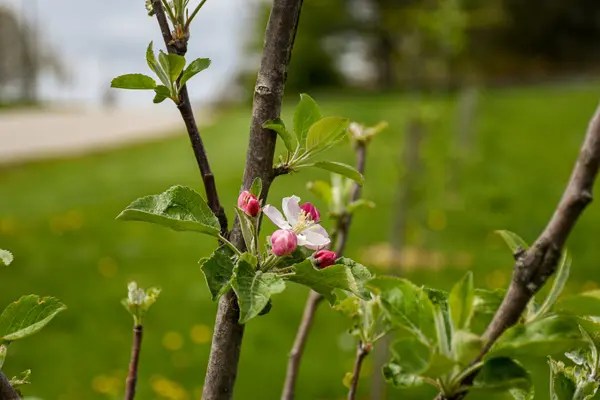
At the New England Botanic Garden at Tower Hill, in Boylston, Mass., the grafted heirloom apple trees are already big enough to bloom. But fruit isn’t expected for a few more years. New England Botanic Garden/Megan Stouffer

How Do You Restore a Chestnut Forest or an Apple Orchard? Very Slowly.

This botanic garden is determined to bring back the American chestnut tree and heirloom apples that taste like those grown 500 years ago. It won’t be easy.

“Explore what’s in bloom now,” exclaims a banner on the New England Botanic Garden at Tower Hill’s website. And, indeed, there is much to see. Continue reading →

Popcorn’s Origin Story

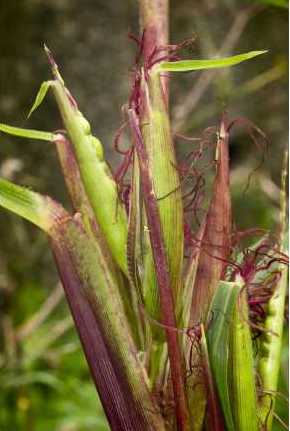
(Credit: vainillaychile/iStock via Getty Images Plus) The ancestor of maize was a grass called teosinte.

Since it is one of my go-to snacks, I frequently wonder about this, and appreciate the sleuthing by Sean Rafferty at SUNY Albany, and Discover magazine for publishing it:

How Was Popcorn Discovered?

Could a spill by the cook fire have been popcorn’s eureka moment?

You have to wonder how people originally figured out how to eat some foods that are beloved today. The cassava plant is toxic if not carefully processed through multiple steps. Yogurt is basically old milk that’s been around for a while and contaminated with bacteria. And who discovered that popcorn could be a toasty, tasty treat?

pile-of-popcorn

(Credit: Yeti studio/Shutterstock)

These kinds of food mysteries are pretty hard to solve. Archaeology depends on solid remains to figure out what happened in the past, especially for people who didn’t use any sort of writing. Unfortunately, most stuff people traditionally used made from wood, animal materials or cloth decays pretty quickly, and archaeologists like me never find it.

We have lots of evidence of hard stuff, such as pottery and stone tools, but softer things – such as leftovers from a meal – are much harder to find. Sometimes we get lucky, if softer stuff is found in very dry places that preserve it. Also, if stuff gets burned, it can last a very long time. Continue reading →

Becoming Earth, Adapted In Essay Form

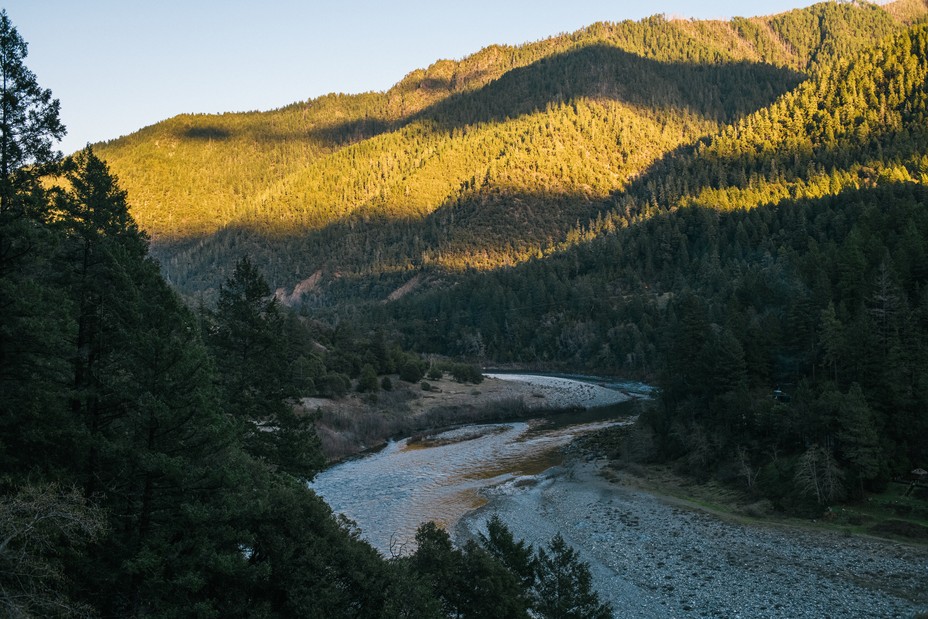
Picture of the view from Klamath from Orleans, California. Ancestral Karuk territory.

View of the Klamath from Orleans, California, ancestral Karuk territory. For millennia, the Yurok, Karuk and Hupa of northern California, and indigenous tribes worldwide, passed the use of fire down through generations as a means of land stewardship and survival. Light, frequent burning created fire-adapted landscapes.
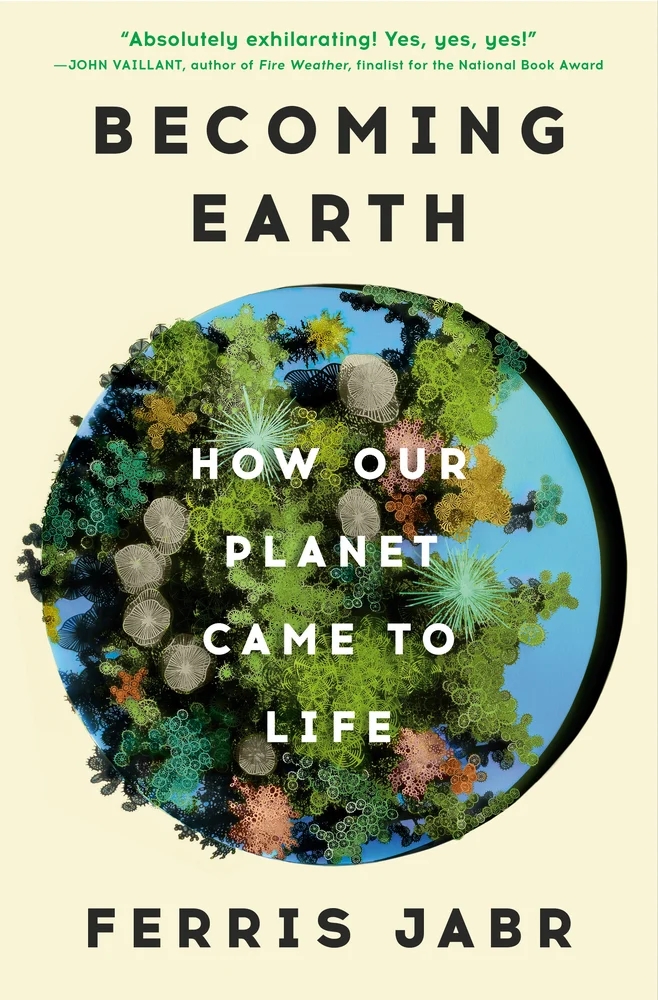
I recall during the pandemic reading the work of Ferris Jabr, which expanded on our understanding of the social networking of trees, an idea I remain compelled by. Now he has a book,  adapted for The Atlantic. In the essay form he focuses on the value of indigenous knowhow handed down generation to generation for centuries. He  highlights how fire is a wild, powerful element of nature, wielded as a tool for stable life of ecosystem and society.
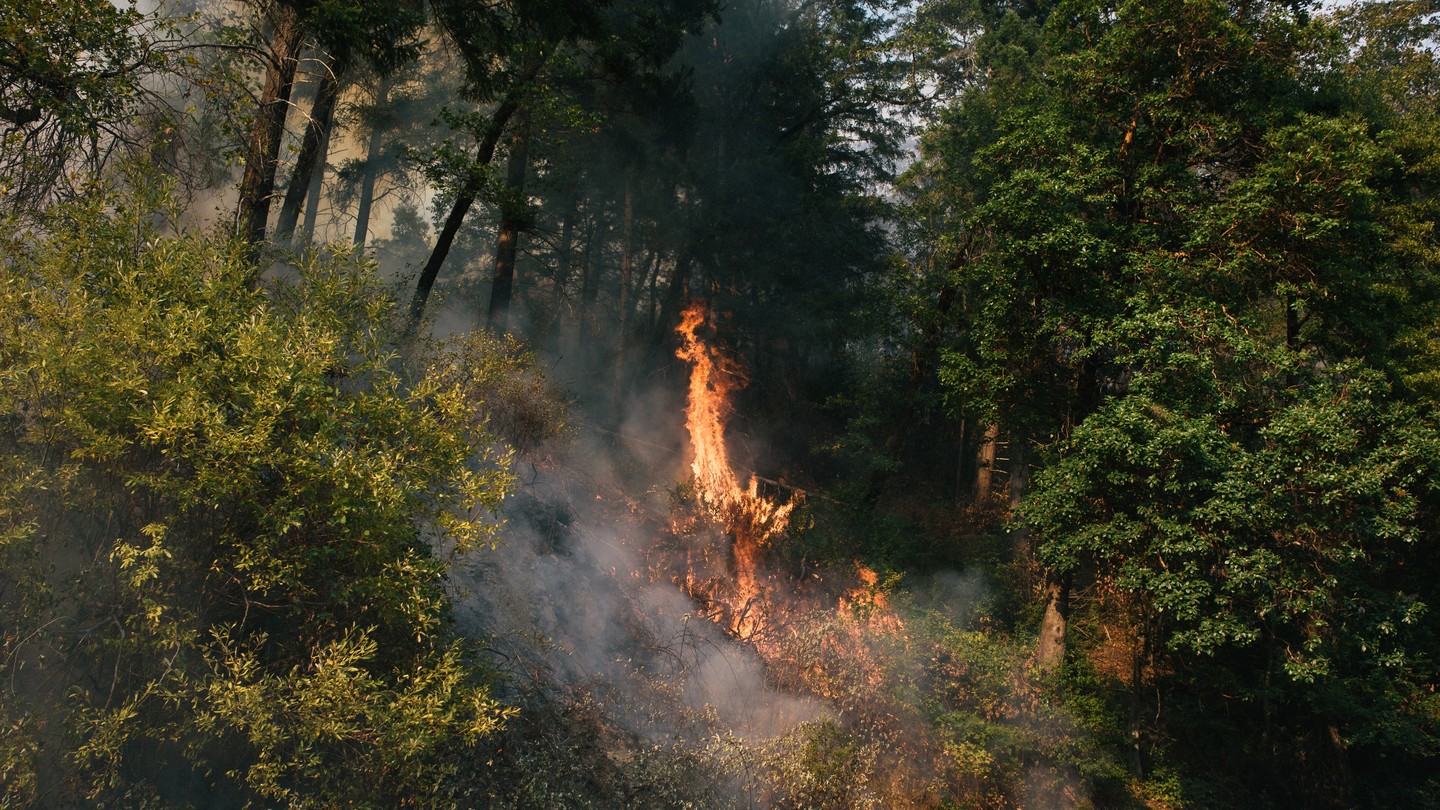
Picture of a fire from a drip torch during a cultural prescribed burn training

Detail of a landscape during a cultural prescribed burn training (TREX) hosted by the Cultural Fire Management Council and the Nature Conservancy in Weitchpec, California. (Alexandra Hootnick)

THE DEEP CONNECTION BETWEEN LIFE AND FIRE

How wildfire defines the world

Perched on a densely forested hill crisscrossed with narrow, winding, often unsigned roads, Frank Lake’s house in Orleans, California, is not easy to find. On my way there one afternoon in late October, I got lost and inadvertently trespassed on two of his neighbors’ properties before I found the right place. When Lake, a research ecologist for the United States Forest Service, and his wife, Luna, bought their home in 2008, it was essentially a small cabin with a few amenities. They expanded it into a long and handsome red house with a gabled entrance and a wooden porch. A maze of Douglas firs, maples, and oaks, undergrown with ferns, blackberries, and manzanitas, covers much of the surrounding area. Continue reading →

Sweetgrass Craft

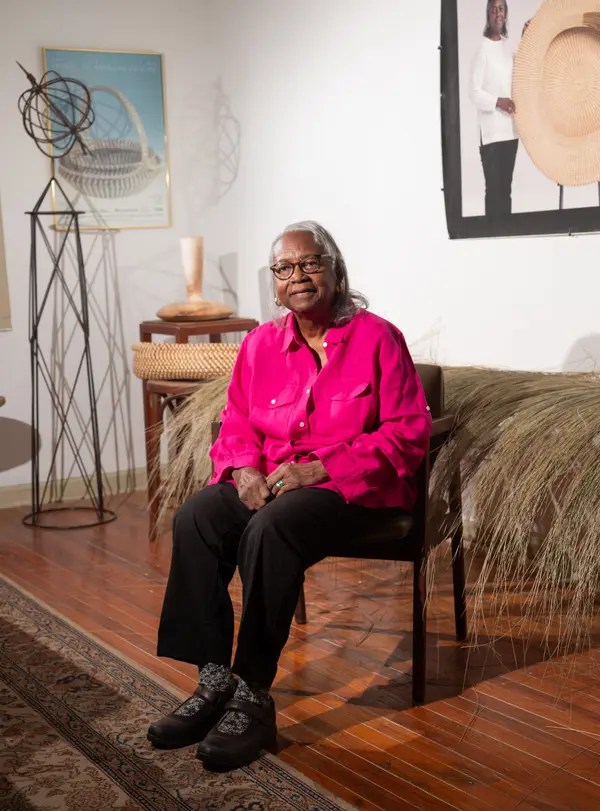
Mary Jackson in her showroom on John’s Island, S.C., with the central element of her creations: dried sweetgrass.

Stories from the deep south of the USA are always welcome in our pages, especially when someone knows a craft in the way Mary Jackson does. Shane Mitchell reports this story from Johns Island, S.C. accompanied by photographs and video by Elizabeth Bick:

A Basket Maker Keeping Alive, and Reinventing, an Ancestral Craft

Mary Jackson, who is featured in museums like the Smithsonian, works in the fiber-arts tradition of the Gullah Geechee of coastal South Carolina.

Mary Jackson was 4 when she learned how to weave. Sitting at her mother’s knee in the late 1940s, she tied her first knots with nimble little fingers, binding coils of sea grasses. In the Gullah Geechee communities of coastal South Carolina, where basket making is a centuries-old tradition, young children often start the weave for their elders. Continue reading →

Worthy Weekly Workout

This platform is for sharing stories that can inspire readers to take care of things worth caring about. Unfortunately, doom  comes with the territory because we are not as good at taking care of as we are at caring. Lawrence Wood offers a respite from the doom in the book to the left, excerpted below in the Atlantic. It is a reminder of one of the many options to work out that doom on a regular basis. In his case (followed by some in our own family), it is this caption contest.

Try this weekly workout yourself, or just read about how best to approach it:

How I Became the Ken Jennings of the New Yorker Caption Contest

I hold the competition’s all-time record. And I might have some insight into how you can beat me at my own game.

When my twin daughters were 10, they created an animated slideshow depicting scenes from our life. One slide showed a cartoon version of me happily daydreaming on the toilet with my pants around my ankles. Above my head they put a thought bubble that read, “New Yorker, New Yorker, New Yorker.” Continue reading →

Get Your Hands Dirty

Gardening can provide people with a sense of meaning and purpose. “When you’re working with plants, you’re the nurturer,” said Emilee Weaver, the program manager of therapeutic horticulture at the North Carolina Botanical Garden. Jasmine Clarke for The New York Times

This is good reading following my morning routine in recent weeks, now that the rains have returned. Thanks to Dana G. Smith, who reported this story from Plant Hardiness Zone 8a for the New York Times:

Digging holes can be a workout and mood booster all rolled into one.

Last Saturday, I was covered in dirt, my back ached, the scream of a trillion cicadas rang in my ears, and, despite my best efforts, a sunburn was developing on the back of my neck.

I was in heaven.

Many gardeners say that when they get their hands in the soil, they feel stress “roll off their shoulders,” said Jill Litt, a professor of environmental health at the University of Colorado at Boulder. Ike Edeani for The New York Times

Over the course of the day, I planted my summer haul of annuals (a riot of reds, purples and yellows), transplanted some fall-blooming mums and pulled a Montauk daisy that had grown too big for the space. A neighbor took the daisy off my hands, and in return gifted me some iris and lamb’s ear that he needed to thin out of his yard.

For me, gardening is a workout, meditation and opportunity to socialize with my neighbors all rolled into one. And while I’m admittedly biased, research backs up some of my observations that gardening can have real benefits for your mind and body.

Shoveling mulch, pulling weeds and lugging around a watering can all qualify as moderate-intensity physical activities. And gardeners tend to report higher levels of physical activity overall, compared with non-gardeners. Continue reading →

If You Eat Beef, Track Its Origins

A JBS facility in Tucuma, Brazil. JONNE RORIZ / BLOOMBERG VIA GETTY IMAGES

Reducing meat in our diet was easier living in India, and we committed specifically to cutting beef consumption. This effort has been assisted by awareness of this issue. Thanks to Yale e360 for bringing the work of this team to our attention:

Marcel Gomes (center) with colleagues at Repórter Brasil’s offices in São Paulo. GOLDMAN ENVIRONMENTAL PRIZE

Tracking Illicit Brazilian Beef from the Amazon to Your Burger

Journalist Marcel Gomes has traced beef in supermarkets and fast food restaurants in the U.S. and Europe to Brazilian ranches on illegally cleared land. In an e360 interview, he talks about the challenges of documenting the supply chains and getting companies to clean them up.

Investigative journalism can be a very deep dive. By the end of his probe into the supply chain of JBS, the world’s largest meat processing and packing company, Marcel Gomes reckons he and his team at the São Paulo-based nonprofit Repórter Brasil knew more about the origins of the beef it supplies from the Amazon to the world’s hamburger chains and supermarkets than the company itself. Continue reading →

The Light Eaters

Thanks to Hanna Rosin, an Atlantic writer whose podcast conversation with this author brought the book above to my attention:

If Plants Could Talk

Some scientists are starting to reopen a provocative debate: Are plants intelligent?

When I was a kid, my best friend’s mother had a habit of singing arias to her houseplants. Continue reading →

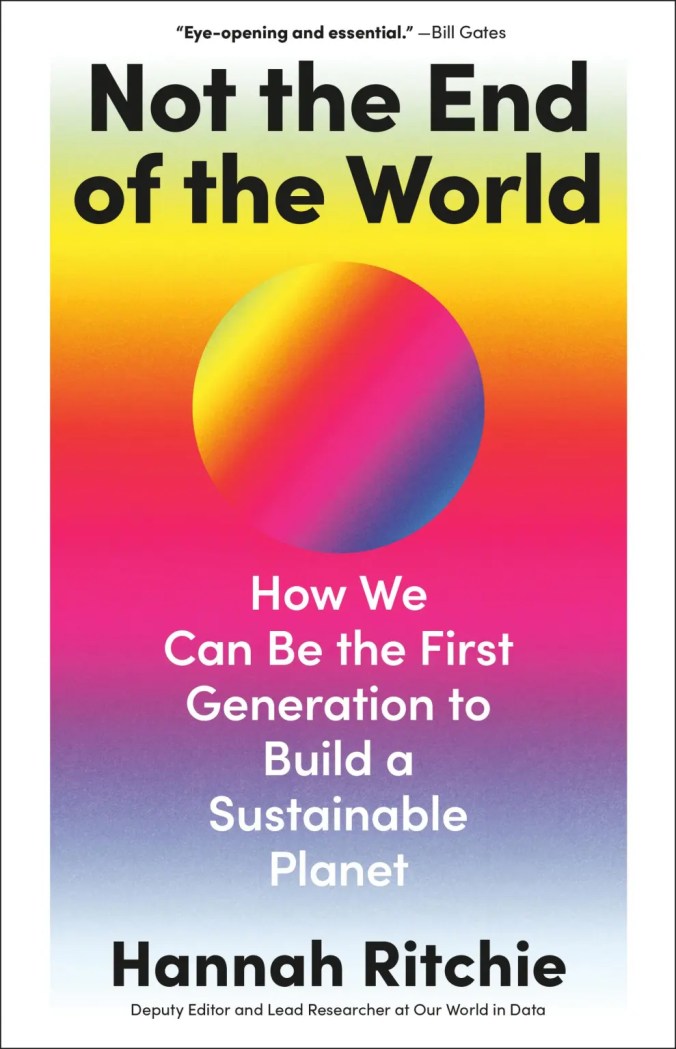
Not The End Of The World

This book came to my attention through an episode of Ezra Klein‘s podcast:

Cows Are Just an Environmental Disaster

The environmental data scientist Hannah Ritchie argues that climate technology is increasingly catching up to the world’s enormous need for clean energy and with a few changes, a more sustainable future is in sight.

English Apple Heritage

Today completes a trifecta of shared articles about trees, and Sam Knight gets extra thanks for the link with a part of food heritage our family is especially fond of (which led to finding the video above):

Illustration by Nicholas Konrad / The New Yorker

The English Apple Is Disappearing

As the country loses its local cultivars, an orchard owner and a group of biologists are working to record and map every variety of apple tree they can find in the West of England.

In June, 1899, Sabine Baring-Gould, an English rector, collector of folk songs, and author of a truly prodigious quantity of prose, was putting the finishing touches on “A Book of the West,” a two-volume study of Devon and Cornwall. Baring-Gould, who had fifteen children and kept a tame bat, wrote more than a thousand literary works, including some thirty novels, a biography of Napoleon, and an influential study of werewolves. Continue reading →

How Much Communication Between Trees?

Baobab trees in Madagascar.
Photograph: Dave Carr/Getty Images

Ancient oak trees in Glastonbury, Somerset. Photograph: Eddie Linssen/Alamy

I acknowledge my enthusiasm for the idea that there is something going on between trees. I always want to hear more about it. Those who know me well joke that I am anti-woo-woo; but this one topic betrays a soft spot for the as-yet not fully explained. So I am thankful to Daniel Immerwahr for reminding me of the boundaries of what we know (so far):

A bristlecone pine tree, one of the oldest living organisms on Earth. Photograph: Piriya Photography/Getty Images

Mother trees and socialist forests: is the ‘wood-wide web’ a fantasy?

In the past 10 years the idea that trees communicate with and look after each other has gained widespread currency. But have these claims outstripped the evidence?

There are a lot of humans. Teeming is perhaps an unkind word, but when 8 billion people cram themselves on to a planet that, three centuries before, held less than a tenth of that number, it seems apt. Eight billion hot-breathed individuals, downloading apps and piling into buses and shoving their plasticky waste into bins – it is a stupefying and occasionally sickening thought. Continue reading →

Honeybees & Salvation

Sarah Kliff

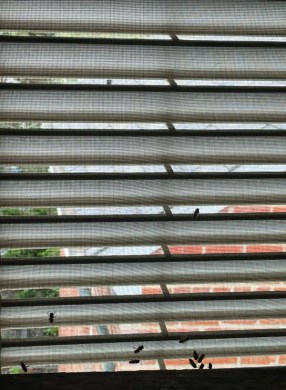
We had an experience with honeybees in our home in Costa Rica that echoes the one related below. We did get someone to help us extract the colony from under our roof and re-situate it as you can see in this photo. We were fortunate to find that man who did the extraction, but my takeaway was not that honeybees do not need saving. Read on:

Honeybees Invaded My House, and No One Would Help

Responding to fears of a “honeybee collapse,” 30 states have passed laws to protect the pollinators. But when they invaded my house, I learned that the honeybees didn’t need saving.

I noticed the first bee one afternoon as my dog gleefully chased it around the house. When the pest settled on a window by the stairwell, I swatted it with a cookbook and cleaned up the mess. Continue reading →

Oobli, Brazzein & Revolution In Sweetness

In our extended family there are several cases of diabetes that have made me interested in sugar and its alternatives. Stevia came to my attention while working in Paraguay, when honey was my primary interest, because stevia is native to that place. Stevia is a taste of place product as much as any other we have come to share in our current work.

But neither stevia nor have any other so-called sugar alternatives have featured in our work. Still, this article by Yasmin Tayag in The Atlantic fits perfectly as a theme in our pages:

Illustration by Ben Kothe / The Atlantic

A New Sweetener Has Joined the Ranks of Aspartame and Stevia

Unfortunately, it’s still nothing like real sugar.

A few months ago, my doctor uttered a phrase I’d long dreaded: Your blood sugar is too high. With my family history of diabetes, and occasional powerful cravings for chocolate, I knew this was coming and what it would mean: To satisfy my sweet fix, I’d have to turn to sugar substitutes. Ughhhh. Continue reading →

Marshes Matter, And This One More Than Many

The outer edge of the Nartë lagoon in Vlorë, Albania. YURIY BRYKAYLO / ALAMY STOCK PHOTO

I have worked in some of Albania’s most important coastal and inland bird habitats, though not this one. My time working there is not my only reason for caring about this particular location. Read on–thanks as always to Fred Pearce–to understand why it matters so much. No offense intended to Jared Kushner, but this is not one of his better ideas. The destruction is not worth whatever it is he is hoping to accomplish:

Jared Kushner Has Big Plans for Delta of Europe’s Last Wild River

Albania’s Vjosë River is known as Europe’s last wild river, and its pristine delta is a haven for migratory birds. As plans for luxury developments there — spearheaded by Donald Trump’s son-in-law Jared Kushner — move ahead, conservationists are sounding the alarm.

It is the jewel of the Adriatic. Its shimmering waters feed a rare colony of Dalmatian pelicans, the world’s largest freshwater birds, sustain the endangered Albanian water frog, and host loggerhead turtles on its encircling dunes. Continue reading →

The Paper Log House On View Until December

The Paper Log House at The Glass House. Photo by Michael Biondo.

The building in the background of the photo above has never featured in any of our architecture-focused posts before, even though architecture has been a key theme since our start, and especially after hosting these interns in India. I know why I never wanted that particular architect in our pages, but nevermind that. This post is about another architect’s achievement, which I plan to visit if I get close enough before December:

SHIGERU BAN: THE PAPER LOG HOUSE

The Glass House, Shigeru Ban Architects (SBA), and The Irwin S. Chanin School of Architecture of The Cooper Union announce the completion of Shigeru Ban: The Paper Log House at The Glass House. Students from The Cooper Union joined in erecting the structure through a unique opportunity offered this semester for the university’s Building Technology course. The collaborative installation will be on display April 15th through December 15th 2024 for The Glass House’s more than 13,000 annual visitors. Continue reading →

Coffee Bags On Other Second Shift Duties

More ways to re-use coffee bags

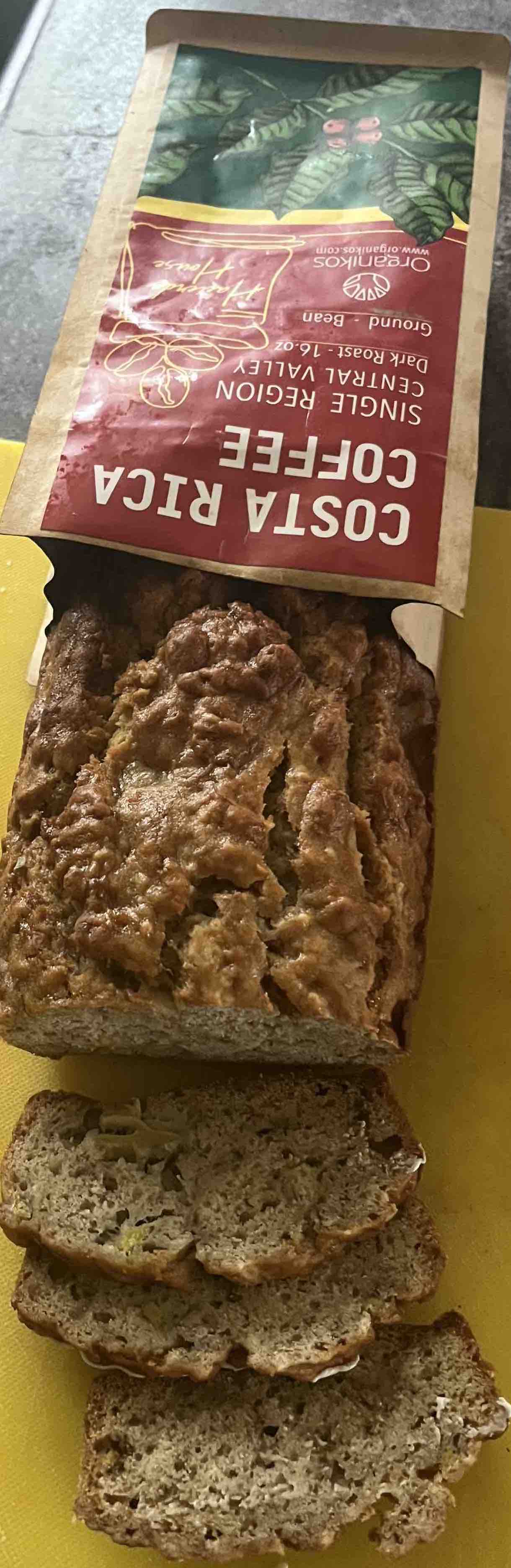
We have changed our coffee labels, but continue to use kraft bags, and continue to find ways to re-use those with the old style labels. Above, and below, case in point. Continue reading →

Gigantomania

Docked at Royal Caribbean’s own Bahamian island, known as the Perfect Day at CocoCay. (Gary Shteyngart)

On a topic I have found disgusting for a long time, and probably do not need more data points, in these hands at least I gain a new perspective on cruise ships.

Gary Shteyngart is a humorist, but no one who chose to go on the cruise he is writing about is likely to find his observations funny.

He punches down, rather than up, which is a type of humor I do not like; but he is honest about his purpose:

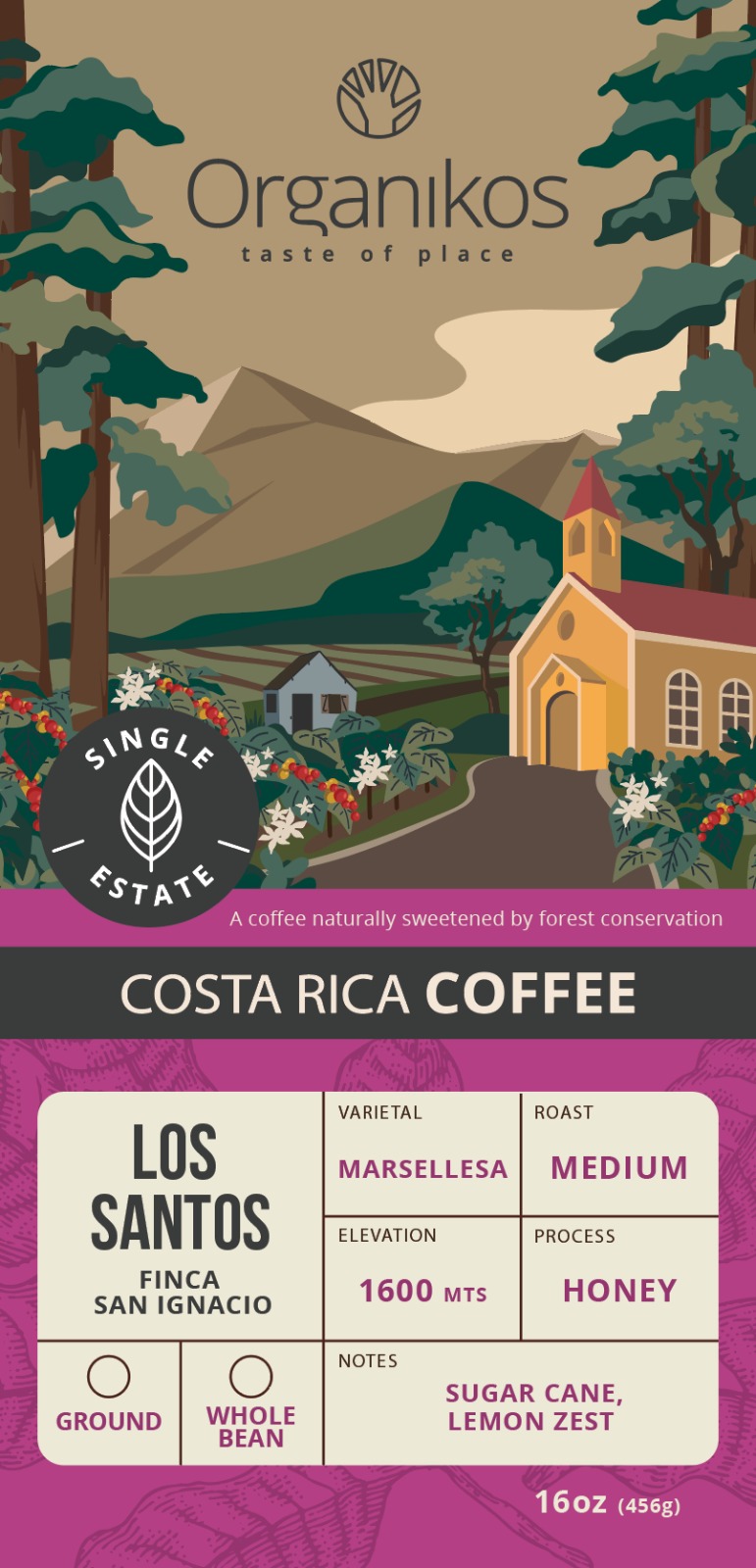
Finca San Ignacio, High Elevation Enlightenment

The land of Finca San Ignacio is 57% covered by forest, a form of conservation that is both generous to the planet and beneficial to the quality of the coffee. Shade-grown coffee has numerous environmental benefits, and the natural process of preparing the beans after harvest makes this coffee sweeter than the washed method allows.

This farm is in the highlands of the Los Santos growing region. In a bend to circularity, high elevation not only benefits coffee quality but is also where forest conservation has greater impact. Water first enters the earth’s filtration and storage systems with rains at higher elevations. Conservation of forest up there is more valuable than conservation at the base of the mountain. We see enlightenment at Finca San Ignacio.