In Costa Rica, With Rwanda On My Mind

In Costa Rica, where tourism has been shut down and our own business interests completely on hold, I have resilience of family farms on my mind, which may seem quite a narrow focus but it is my choice, for now. Even with that narrow focus, as always I enjoy stories about this little country’s contributions to the world (click above). But Costa Rica is not the only little country doing remarkable things, it just happens to be where I live and work.

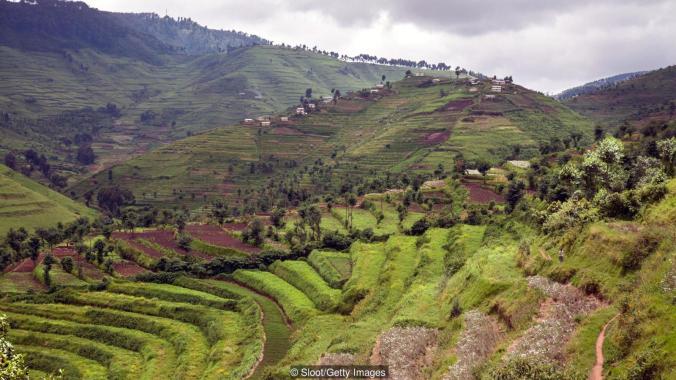
Newly constructed terraces in Rwanda

Rwanda has had experience in similar health crises, managing to successfully contain Ebola from its borders in 2019

This hunger for stories about little countries and their phenomenal achievements keeps me searching for stories to share here each day. And I just found one worth sharing. BBC’s website has a story in their travel section today on what they believe will be the five most resilient economies in terms of recovery from the current combined health and economic crisis. They use the 2019 Global Resilience Index to make some baseline inferences and then share their own expert opinion on how this would translate to recovery. I was struck that Rwanda, a country I have been musing about since Seth’s field work there last year, was in their top five:

Rwanda

We felt confident that the Rwandan government would handle the situation way better than in our home countries Continue reading

Lyon, Bread & Costa Rica

200413_r36217

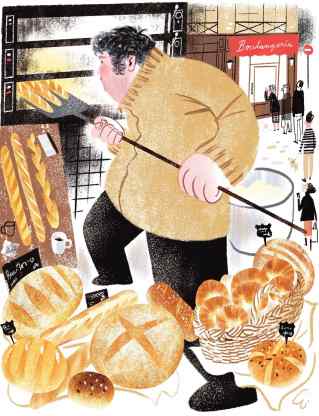
The bread from Bob’s boulangerie united a neighborhood of food fanatics. Illustration by Leo Espinosa

My first mention of Bill Buford was so brief, you might have missed it–just a link to an event he was moderating. The second was a link to his writing. And then another link to his writing. I am glad to see that he is still harvesting from his experience living in Lyon. It is a city that I have been to twice, with exceptional food memories which I will save for another time. For now I will just mention that one baker in Costa Rica has recently mastered the art of world-class bread-making, including baguette and chiabbata. During these challenging times for this country’s family farms it occurs to me, thanks to Bill Buford’s story, that ensuring the survival of this bakery is worthy of attention as well:

Baking Bread in Lyon

For a newcomer to the city, a boulangerie apprenticeship reveals a way of life.

In Lyon, an ancient but benevolent law compels bakers to take one day off a week, and so most don’t work Sundays. An exception was the one in the quartier where I lived with my family for five years, until 2013. On Sundays, the baker, Bob, worked without sleep. Late-night carousers started appearing at three in the morning to ask for a hot baguette, swaying on tiptoe at a high ventilation window by the oven room, a hand outstretched with a euro coin. By nine, a line extended down the street, and the shop, when you finally got inside, was loud from people and from music being played at high volume. Everyone shouted to be heard—the cacophonous hustle, oven doors banging, people waving and trying to get noticed, too-hot-to-touch baguettes arriving in baskets, money changing hands. Everyone left with an armful and with the same look, suspended between appetite and the prospect of an appetite satisfied. It was a lesson in the appeal of good bread—handmade, aromatically yeasty, with a just-out-of-the-oven texture of crunchy air. This was their breakfast. It completed the week. This was Sunday in Lyon. Continue reading

Birds’ Influence On My Appreciation Of Nature

03TB-KINGFISHER2-jumbo

Credit…Miguel David De Leon/Robert S. Kennedy Bird Conservancy

My first love of birds took shape in the Osa Peninsula of Costa Rica in the late 1990s. Toucans first, on the Drakes Bay side of the peninsula in 1997 when we had a family getaway at a lodge run by a bird-loving eco-couple. Then starting in 1999 when our company started managing lodges, on the other side of the Osa I had extended exposure to scarlet macaws, almost invariably in pairs. The love was real, and meaningful but not yet as serious as it would become. It was not until moving to India in 2010 that I seriously understood the power of birds to shape our appreciation of nature.

I can pinpoint the day, because it was at the intersection of when Milo took this photo of an owl, and when we started the bird of the day feature, which has been a daily contribution of this platform ever since. That is about the same time that my appreciation of nature, which I had thought to be quite strong already, became as strong as it is today. And this article below reminds me of that day, not least because of the number of medical doctors who are contributors to our daily feature. My profound thanks to Cara Giaimo (again) and especially to the doctor of whose story she shares:

03TB-KINGFISHER1-jumbo

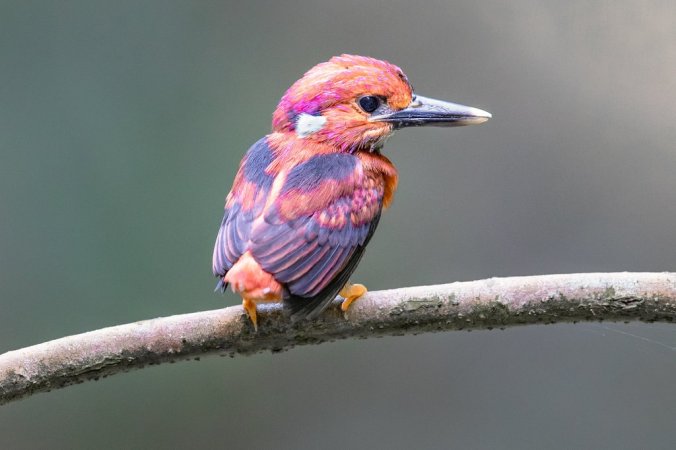
A juvenile kingfisher, with its distinctive black bill.Credit…Miguel David De Leon/Robert S. Kennedy Bird Conservancy

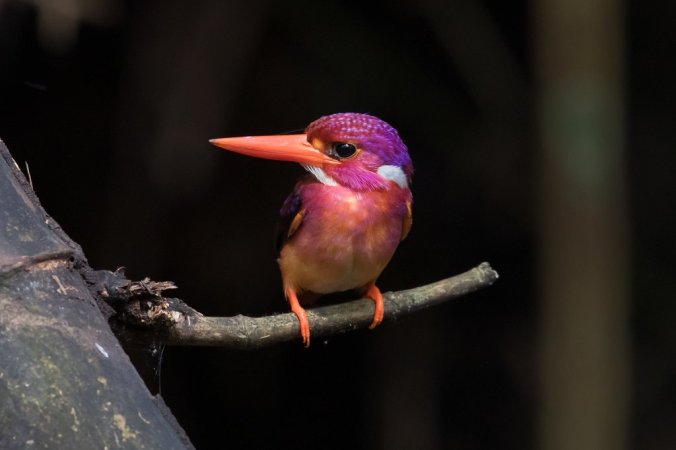
How an Eye Surgeon Got a Picture of This Rare Pastel Bird

The elusive South Philippine dwarf kingfisher is difficult to photograph, and there were no known photographs of its fledglings.

On March 11, Dr. Miguel David De Leon — a vitreoretinal surgeon in Mindanao, the southern island of the Philippines — worked a full morning at the medical center.When he got home, “I was exhausted,” he said.But he pulled it together, lugged his camera an hour uphill and clambered into his bird hide. Continue reading

Carbon Smart Farming

Frankfurter_200317_Trey_Hill0085_web2

Trey Hill on his farm in Rock Hall, Maryland. MICHELLE FRANKFURTER/FERN

Gabriel Popkin came to my attention twice when I was based in Belize, and had an obsession with Mayan foodways that led to a year of thinking about how to commercialize brosimum alicastrum in the USA. That seemed to have been in vain, except here we are on the trail again. Gabriel Popkin came to my attention a third time in 2017 and then I did not see any of his work again until today. It is good to see it again:

Can ‘Carbon Smart’ Farming Play a Key Role in the Climate Fight?

Markets are emerging to pay farmers to store more carbon in the soil by using improved agricultural practices. But flows of greenhouse gases into and out of soil are complex, and some scientists are questioning whether these efforts will actually help slow global warming.

Popkin_Trey-Hill-showing-off-soil_web

Trey Hill shows off the carbon-rich soil under his crops. GABRIEL POPKIN/FERN AND E360

Trey Hill led a small group of fellow farmers to a field outside his office in Rock Hall on Maryland’s Eastern Shore. It was a cloudy February day, but the ground was alive with color — purple and red turnip tops mixing exuberantly with green rye, vetch and clover, and beneath it all, rich brown soil. Hill reached down, yanked a long, thick, white daikon radish from the earth and showed his visitors sumptuous coffee-colored clods clinging to hairy rootlets. Those clumps, he explained, hoard carbon — carbon that’s not heating the planet. Continue reading

Ed Yong, Excellent Explainer

EdYongGiraffe

Davis Huber

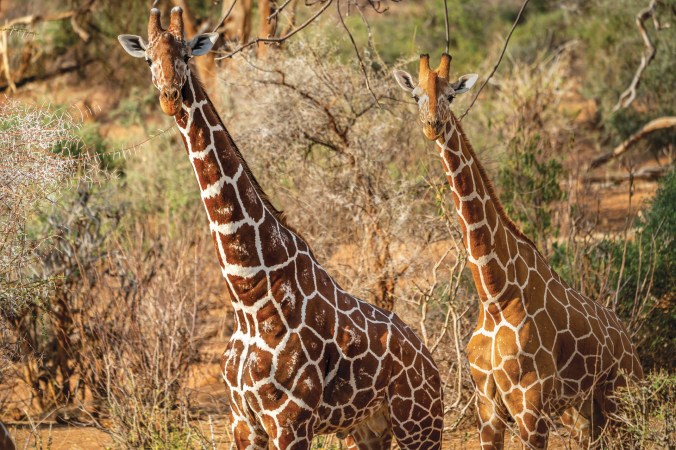
A little over seven years ago the great science writer Ed Yong first came to my attention, and he has featured dozens of times in these pages ever since, never failing to enlighten me. When I saw his recent work on giraffes in the Atlantic I neglected to post it here, but I am correcting that now. It is important work, and I now know he has taken leave from his book-writing assignment from which that story is derived. He has taken leave so he can explain to us something much more pressing. I learned that in his conversation here:

EdYong

I recommend listening to him talk about reporting his most recent work, which he says is the most important work he has done to date.

Escazu’s Family Farms

Ox0

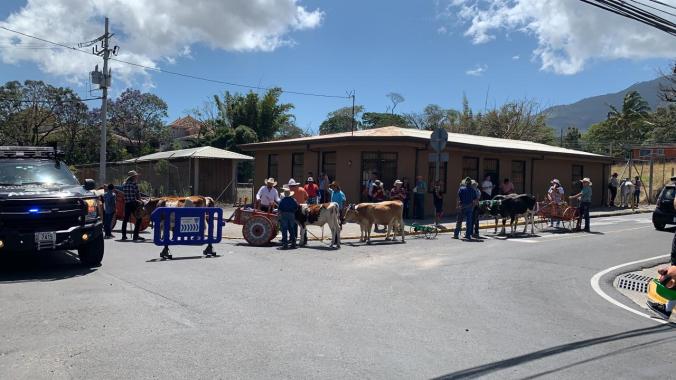
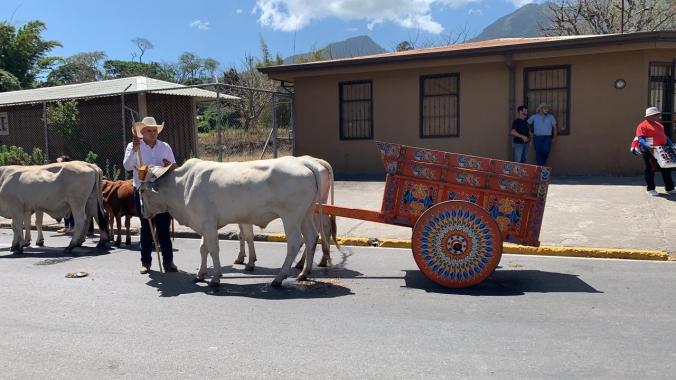
March 8, 2020 will remain a memorable date for me. I was walking down the mountain to pick up something from the store, and I came upon this gathering close the location where the feria happens in Escazu.

Ox1

It will remain memorable because I was aware of the growing crisis in other parts of the world, but at this moment did not yet see it in perspective. Nor, on this lovely morning, did I have reason yet to think about family farms the way I am thinking about them today.

Continue reading

Our Ferias, April 2020 Onward

Feria2020b

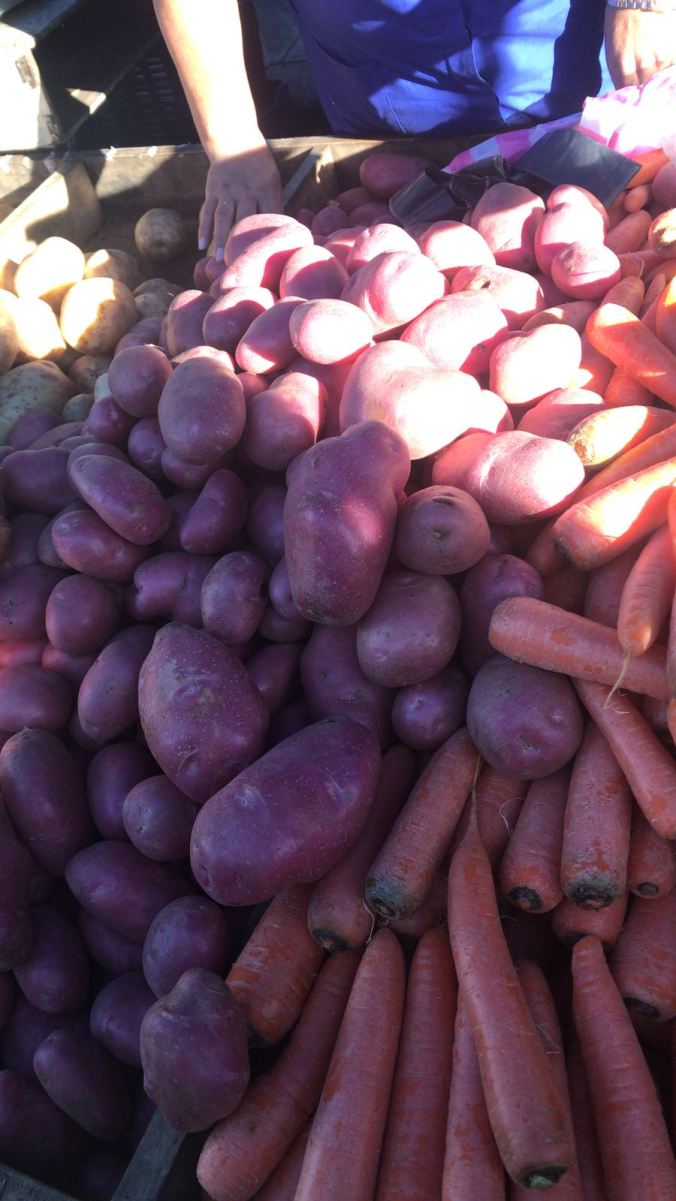
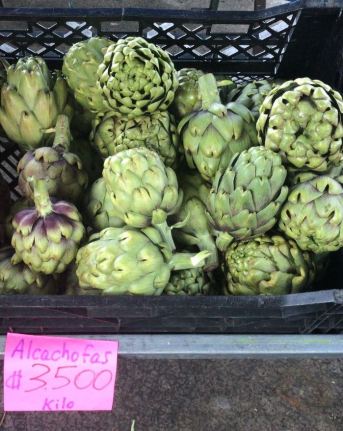
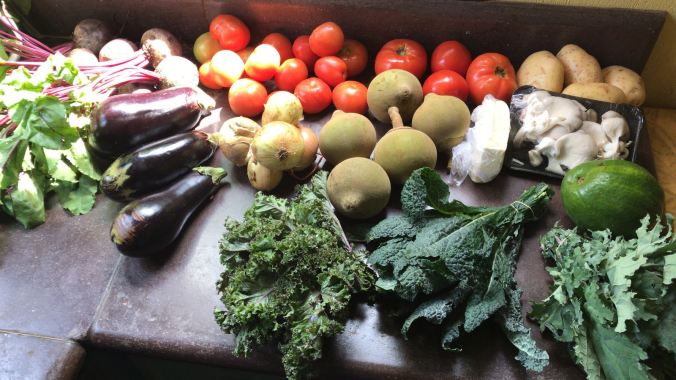
Feria2020dSince the 1990s, when we moved to the town of Escazú in Costa Rica’s Central Valley, every Saturday morning begins at the farmer’s market, locally known as a feria. A rustic, informal gathering when we started shopping there, with little variety to select from, we bought basics like carrots and potatoes back then. We moved to India in 2010 and when we returned to Costa Rica in 2018 and resumed this Saturday ritual, we discovered what is now a remarkably wide selection of fruits and vegetables, dairy products and freshly roasted coffees, meats and fish, as well as handicrafts. Artichokes were our happiest surprise.
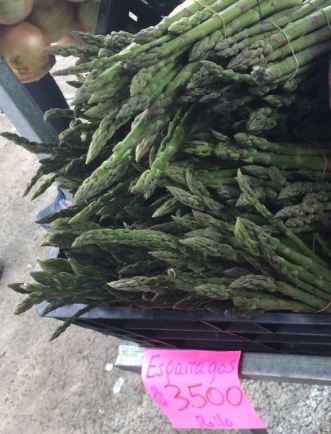
Feria2020eAsparagus is a close second. There is a vermiculturist who sells compost, and she also offers the service of bringing worms to your garden to set up a home garden composting system. There are families who we have known these two decades whose kids have taken over the farm, and the market responsibilities.

The farmer’s market in Ithaca, NY–our family’s benchmark when we arrived in Costa Rica, was more festive than the experience in Escazú’s feria. Later, we came to enjoy the elegance of our neighborhood marché in Paris. Likewise, while living on the island of Kalamota, our Saturday ritual was a ferry ride to Dubrovnik harbor where we would shop for the week at the excellent poljoprivredno tržište, a farmer’s market that in addition to fresh fruits and vegetables introduced us to ajvar (roasted sweet pepper salsa), walnut liqueur, and other Croatian delicacies. My memory of the farmer’s market in India where we shopped for nearly seven years is for some reason dominated by bananas.
Feria2020f

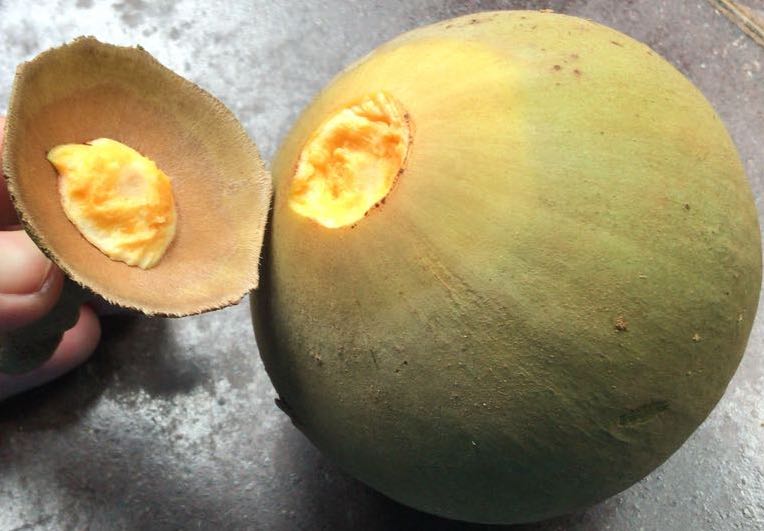
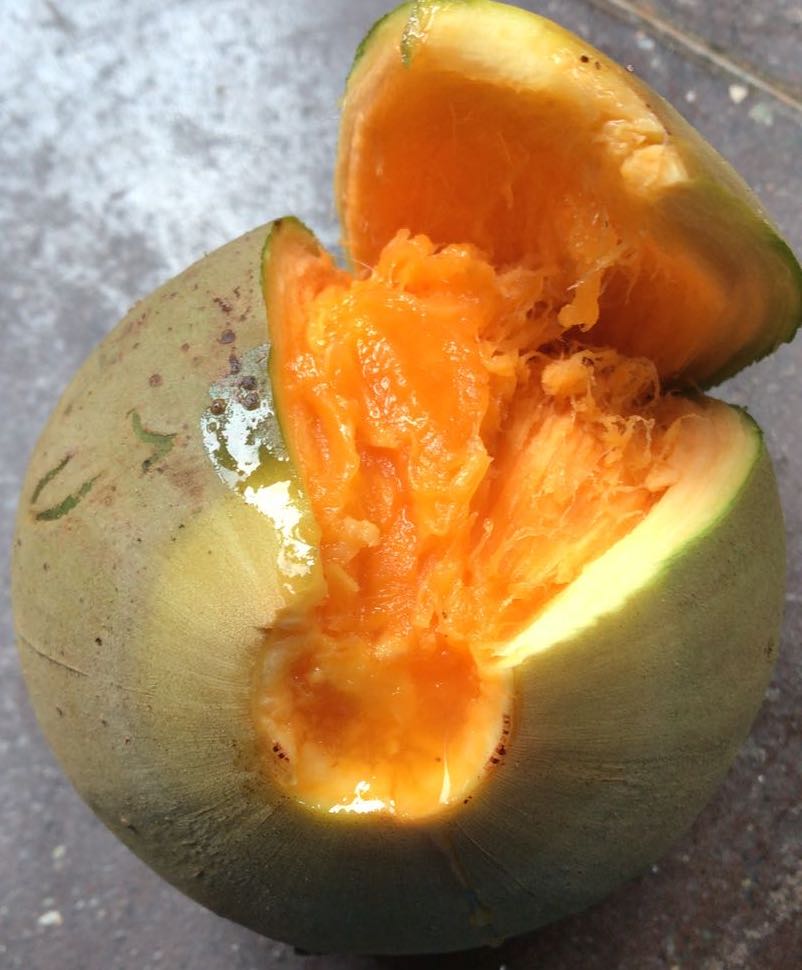
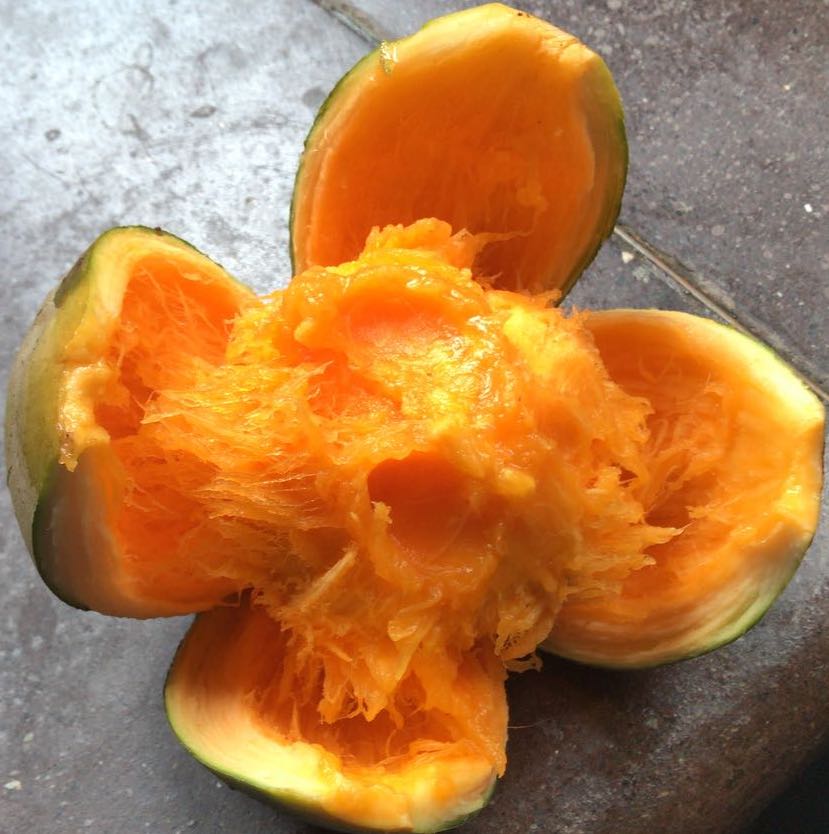
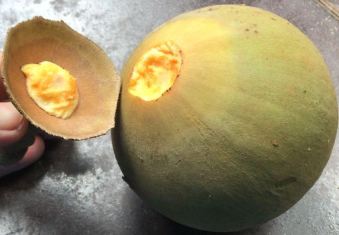
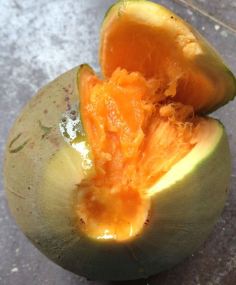
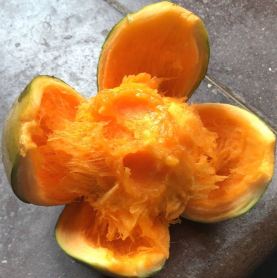
Now in Escazú’s feria we regularly find oyster mushrooms, two varieties of eggplant, three varieties of kale, and four varieties of avocado, not to mention this fruit that is unlike any I have seen or tasted anywhere else that we have lived or traveled. The farmer who offered it to me earlier this month explained how to open and eat it. He wanted to gift me some to take home to try, and buy the following week if I liked it.  Instead, I told him I liked the sample, bought a few and suggested I would find him next week if the ones I bought did not taste as good. He laughed and we settled for that.  For all their differences, Escazú’s feria does what the Ithaca, Paris, Dubrovnik and Kochi farmer’s markets do besides providing fresh produce: allow townspeople to know the farmer’s who grow their food.
That has been on my mind since nine days ago, when we decided that we would not shop in this crowded space, even if it remains open. I realized that it is likely to close the way many places are being forced to close currently, in part because it is a confined space and also because it is a cash economy, neither of which will help flatten the curve the way this country is working so hard (and so far, relatively effectively) to do.
But on my mind is not how I will miss the produce and the experience so much as wondering what I personally might do to ensure that the families whose farms depend on the feria make it through the next months. It occurs to me that the Community Supported Agriculture model gives farmers in the USA an alternative to these markets. One my sister is a member of in Atlanta is an example of a successful CSA. I have started imagining a social enterprise, limited in time and scope for this exact purpose: a 6-month single-purpose business that will receive the produce of these farmers, clean it and distribute it to homes that have always shopped at these ferias, and especially those who can afford to pay for the service, in the interest of supporting the family farms who serve the ferias of the Central Valley. My recent business interests, which I have enjoyed sharing about in these pages are anyway going to be on hold. April 1 to September 30, 2020 maybe I will be on a new mission.
Another Wonder From Rwanda

wheat_harvesters

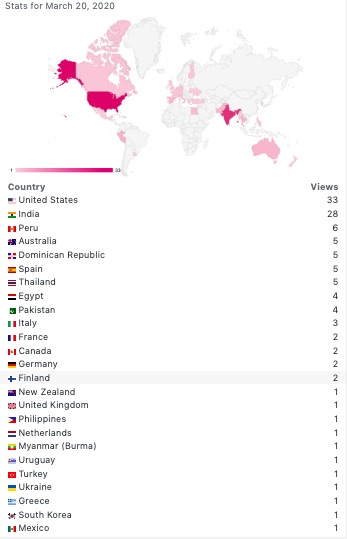
StatsTo the left you can see yesterday’s viewership of our posts, by country. Viewership has recently been low, for obvious reasons. It has made me wonder whether we should take a hiatus. My counter-thought is, if on a day like yesterday, just one person visited this site and found something of value, we should continue. As of today there have been 696,713 views of all of our posts since we started in mid-2011. Yesterday someone viewed a post I distinctly remember writing some months ago, which brought a smile to my face. And just now I was downloading a file using WeTransfer, and this story presented itself, and it seems a perfect companion piece:
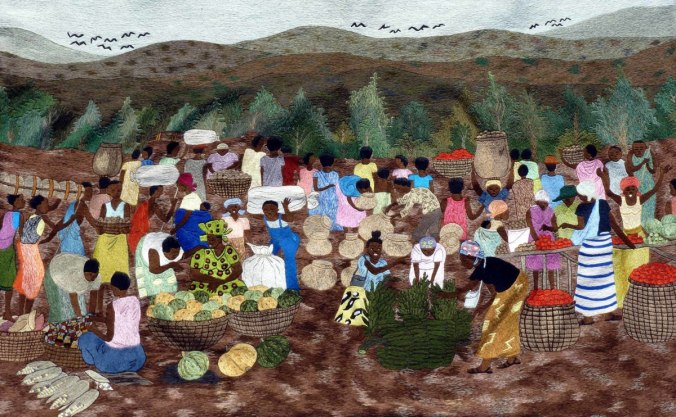
Savane Rutongo-Kabuye Embroideries of the Women of Rwanda

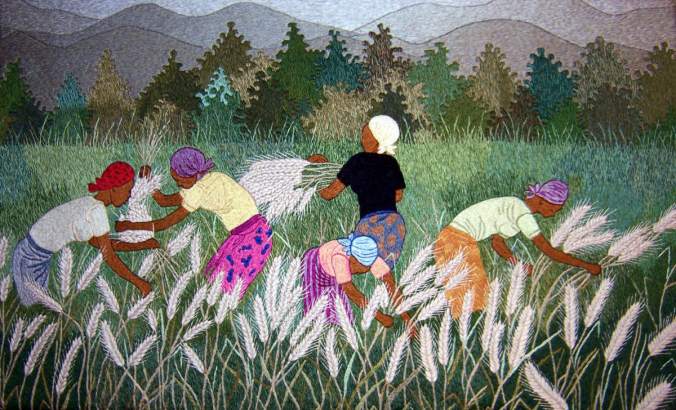
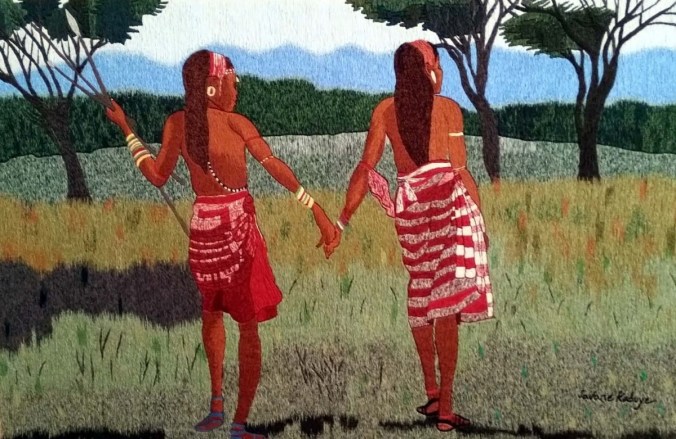
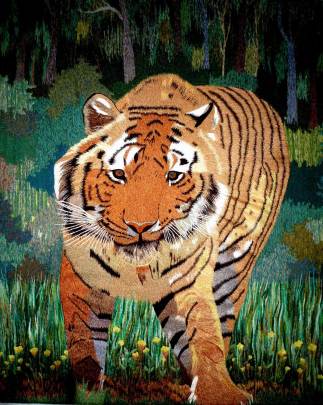
tiger_giclee_-_CopyFor 22 years, 15 Rwandan women have been turning their surroundings and their memories into beautiful textile art. Founded in 1997 by Christiane Rwagatare a short time after the genocide of 1994, the Savane Rutongo-Kabuye workshop offered a distraction, a source of income and a creative avenue to those who had been affected. The workshop has gone from strength to strength, and thanks to educator-turned-curator Juliana Meehan, the embroideries of the women of Rwanda have now been exhibited and seen across the US. Alex Kahl spoke to Christiane and Juliana to explore their uplifting story.

masai_lovers__1_

Due to her home country Rwanda’s turbulent history, Christiane Rwagatare lived much of her early life in exile. When she returned in 1994 in the aftermath of the genocide, the country had been devastated. “It was a very difficult time,” she says. In 1997, when she was visiting a relative in the small village of Rutongo, she saw women selling hand embroidered linens on the roadside, and felt an immediate sense of hope and possibility. At this moment, she recalled all that she had learned about art while in Europe, and knew she could contribute something positive. She announced that she would be starting an embroidery workshop, and asked that anyone interested come to the village church the next day. She was shocked when more than 100 women arrived with samples of their work.

market

“I must admit that I panicked,” Christiane says. Continue reading

Small But Important Triumphs Can Make Your Day

ntw_doughmorebeach_banner

STW__Artboard-5In 2006, our family moved to a small island in the Adriatic, one of the Elafiti islands near Dubrovnik. We were there working on one of my favorite of all our projects. There was a young man who did sea kayaking guiding for our guests; he was from the USA for one year doing this work and learning Croatian because of family heritage. Years later we reconnected and I learned that he had become the leader of this amazing conservation organization, so I follow their work. And today I was rewarded with some news that made me smile (video from an earlier Save The Waves post from 1+ year ago is worth another watch):

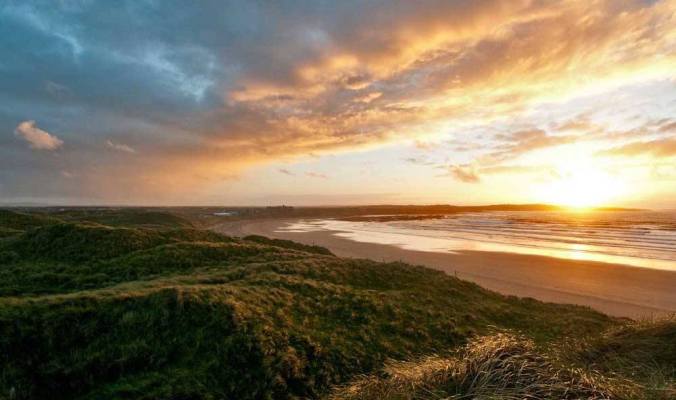
International campaign succeeds against Trump International Golf Links

(March 18th, 2020) After more than four years of campaigning and fighting to save beloved Doughmore Beach in Ireland, the #NatureTrumpsWalls campaign and coalition has succeeded in stopping the construction of major seawalls that would have led to catastrophic impacts to the coast.

Trump International Golf Links (TIGL) had submitted a plan to place hard armoring on the natural coastal dunes of Doonbeg that provide sediment for the surf ecosystem and breaking waves, as well as natural coastal protection from climate change. 

On March 12th, Ireland’s national planning appeal board, An Bord Pleanála, formally rejected the plan, citing the concerns submitted by the coalition about the adverse impacts to the dune ecosystem. Continue reading

Salmon & Earth’s Fate

9780593293843

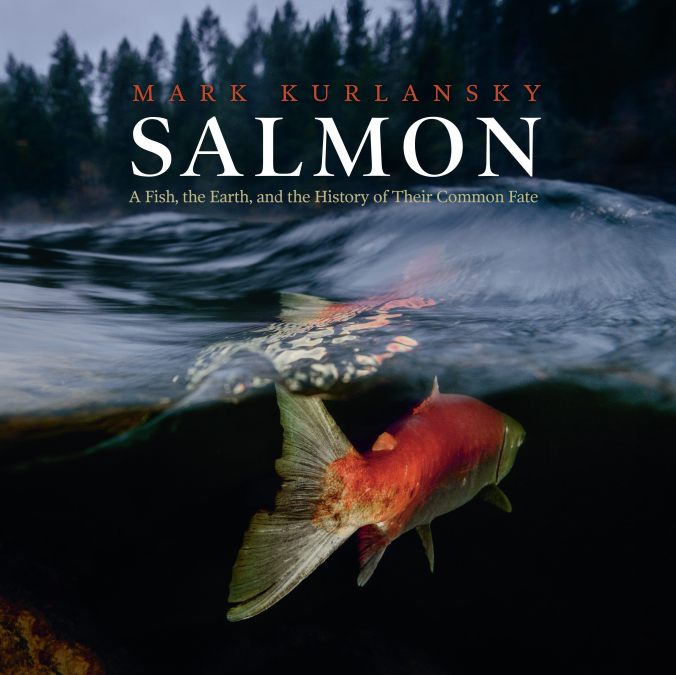
Mark Kurlansky first came to my attention thanks to Seth, whose post I riffed on.  Then Seth pointed this out, and I have been on the lookout ever since. And today I was rewarded when listening to the author discuss his new book. Click any image below to go to that interview.

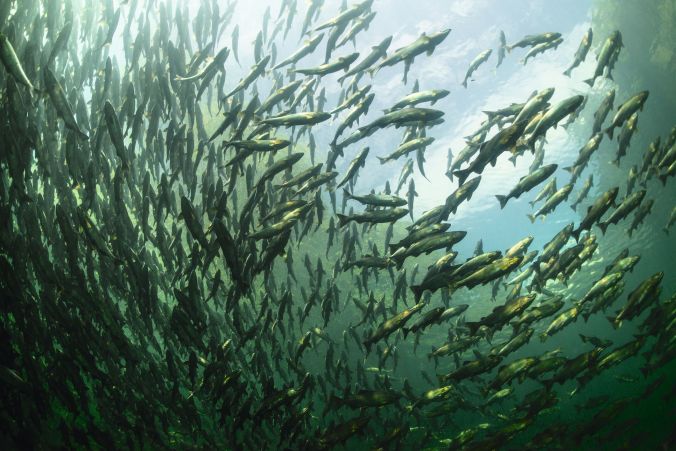
Web_Large-SALMON_006_campbell Pink salmon school in the deep pools of the Campbell River, before venturing farther upstream to the spawning beds. British Columbia. (Credit: Tavish Campbell) Continue reading

Dirt Candy’s Clean Win

200309_r35934

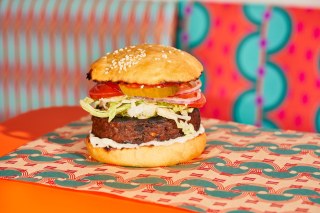
The eponymous Lekka burger, featuring a patty made primarily from portobello mushrooms and cannellini beans, is topped with vegan mayonnaise, lettuce, tomato, red onion, and pickles, on a house-made bun. Photograph by Heami Lee for The New Yorker

After a meatless month, and a strong belief that alternatives to meat are going to dominate my eating future, my thanks to Hannah Goldfield for another clue of where to eat in New York City if my goal is a mix of meatless and tasty. This one is titled Lekka Burger and the Quest for the Perfect Veggie Patty and the subtitle is the kind of question on my mind lately: In the golden age of vegetable-centric cooking, do we need more dishes made in the image of meat?:

There has never been a better time to eat a meatless hamburger. The current surge of interest in plant-based diets has sparked an arms race of sorts. Companies such as Impossible Burger and Beyond Meat are using cutting-edge technology to make ground-beef facsimiles that look, feel, and even smell eerily similar to the real thing; you can find their products everywhere from small restaurants to national fast-food chains and supermarkets. Meanwhile, in New York, a number of creative chefs have put serious effort into improving upon the archetype, using actual vegetables.

200309_r35935

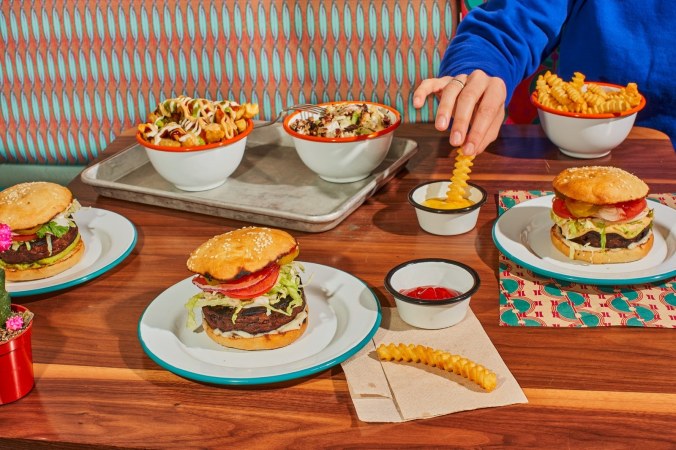
The menu offers five iterations of the burger, some with globally themed toppings such as guacamole and Hatch-chili sauce or papadum and curry-tamarind ketchup, plus French fries and a few salads. Photograph by Heami Lee for The New Yorker

Since 2008, the chef Amanda Cohen has been the force behind Dirt Candy, the first vegetarian restaurant to hold its own in New York’s fine-dining landscape. Cohen had never served a veggie burger before Andrea Kerzner, a South African philanthropist looking for ways to fight climate change, cold-called her to propose that they collaborate on a restaurant built around one, but she was game to try. Last November, they opened Lekka Burger, in Tribeca. Continue reading

Rewilding Considered, And Reconsidered

4368 (1)

The Scots pines near Glenfeshie. Photograph: Murdo MacLeod/The Guardian

Rewilding continues to intrigue me, as it has since my first introduction to the concept and the practice. Thanks to Christopher de Bellaigue for this long-read addition to the intrigue:

The end of farming?

For decades, the way we farm has been degrading land and destroying wildlife. Now there’s a revolution coming – but is it going to create more problems than it solves?

8688

John Cherry of Weston Park Farms inspects and smells the soil in one of his fields. Photograph: David Levene/The Guardian

In the last years of the 20th century, Glenfeshie, a 17,000-hectare estate in the Scottish Highlands, was in steep decline. Decades of overgrazing by deer had reduced its hillsides to clipped lifelessness. Denied the protection afforded by tree roots, the banks of the River Feshie were losing soil each time it flooded, the water depositing silt downstream. Those few Scots pines that had survived the browsing of the deer were nearing the end of their lives; soon there would be no seed source for the next generation. Continue reading

Do Not Count Out The Sun

WI020120_MG_Heliogen_01_numbered

1. Collected heat can also be transferred into gas and shot down ducts into manufacturing plants. 2. The 3.5-square-foot receiver takes in 400 kW of light, 1,200 times denser than direct sunlight. 3. Each heliostat gets realigned every few seconds so maximum light hits the receiver all day. PHOTOGRAPH: CINEATRA MEDIA

After nearly nine years of monitoring the mainstream and more scientific news for evidence that harnessing the sun is one of our highest potential solutions to climate change, and considering all the noise that comes from climate change skeptics and deniers, it is easy to lose track of whether solar has what it takes. Laura Mallonee shares this brief in Wired:

Automated Solar Arrays Could Help Incinerate Global Warming

Software-driven systems can produce enough searing heat to power manufacturing processes that now gorge on fossil fuels.

Plenty of days, temperatures in California’s Mojave Desert climb above 120 degrees Fahrenheit. A measly figure. These 400 silvered glass panels, tucked into the western edge of that hot, hot desert, are there to generate heat 15 times that amount. And, ideally, to help cool the planet too. Continue reading

A Wonky Yet Infectious Hopefulness

cover.1262163.2400x600

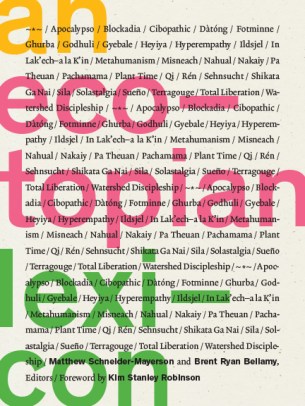
.The title of today’s post comes from a book review that serves me well after reading yesterday, then re-reading just now, about the conversation between a journalist I respect and a conservationist I admire. Since I am stuck in this myopic debate, a bookend to that conversation is the best I can hope for today. I do not yet have a copy of this book, but I hope to review it in these pages soon. For now, thanks to Hua Hsu for bringing it to my attention in THE SEARCH FOR NEW WORDS TO MAKE US CARE ABOUT THE CLIMATE CRISIS:

The reason we find ourselves verging toward planetary extinction is fairly simple: for quite some time, it’s been profitable for humans to behave this way. For business and government, it’s always been easier to toggle between plunder and neglect than to mind long-term, civilizational time lines. The actual conspiracy is that we are made to feel as though humanity’s fate were purely a matter of personal choice—our desire to buy this, that, or nothing at all, our collective willingness to recycle or compost. This isn’t to say that we possess no power at all. But the scale of the problem is difficult to comprehend, and discussions leave many of us feeling overwhelmed and paralyzed, reduced to myopic debates about whether we are too scared or not scared enough. Continue reading

Overflowing With Perspective, Lacking Optimism, But Looking Forward

JLA-RichardLeakey-Secondary

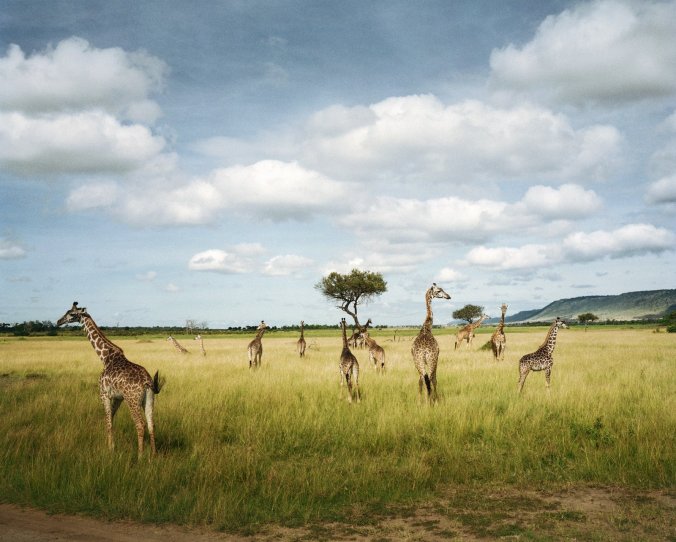
Giraffes in the Maasai Mara game reserve. Shrinking habitats and industrial pesticides have caused populations to plummet in recent years. Photograph by Guillaume Bonn

Jon Lee Anderson, who I am sourcing here for the third time, gives us perspective on Richard Leakey, who surprisingly was only mentioned once previously in nine years on this platform. Both men know their respective worlds. There is plenty of perspective among both, not much optimism, but a determined look forward:

CAN THE WILDLIFE OF EAST AFRICA BE SAVED? A VISIT WITH RICHARD LEAKEY

JLA-RichardLeakey

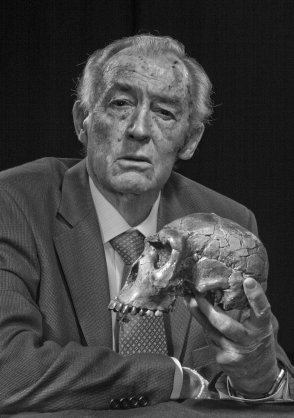
The paleoanthropologist Richard Leakey is pessimistic about the future of Kenya’s wildlife. Photograph by Mickey Adair / Getty

The week before Christmas, Richard Leakey, the Kenyan paleoanthropologist and conservationist, celebrated his seventy-fifth birthday. He is lucky to have reached the milestone. A tall man with the burned and scarred skin that results from a life lived outdoors, Leakey has survived two kidney transplants, one liver transplant, and a devastating airplane crash that cost him both of his legs below the knee. For the past quarter century, he has moved around on prosthetic limbs concealed beneath his trousers. In his home town of Nairobi, Leakey keeps an office in an unlikely sort of place—the annex building of a suburban shopping mall. His desk and chair fill most of his cubicle, which has a window that looks onto a parking lot. The space has no adornments other than two framed photographs, each sharply symbolic of the parallel interests that have absorbed most of his adult life: the world of extinct prehistoric hominids and the contemporary natural environment that is being pushed toward extinction by humankind.

In one of the photographs, Leakey is three decades younger, a trim man wearing a dark suit and standing amid a group of senior Kenyan officials, including then President Daniel arap Moi, who are gathered next to a pile of elephant tusks. It is a snapshot from 1989, when, as the head of the Kenya Wildlife Service, Leakey oversaw the public burning of several tons of poached elephant ivory. At the end of the nineteen-seventies, there were an estimated quarter of a million elephants in Kenya, but, when the photograph was taken, only sixteen thousand were left. Leakey wanted to stigmatize the ivory trade by treating poached tusks in the same way that police treated cocaine seized from drug traffickers. His publicity-seeking gambit worked, making global headlines and leading the way for an international ivory ban that went into effect that same year. The killing of elephants went down for a while as well, allowing Kenya’s herds to recover. Today, Kenya has a relatively stable population of about thirty-five thousand elephants.

Continue reading

Field Expeditions, Adventure & Risk

Braverman2-superJumbo

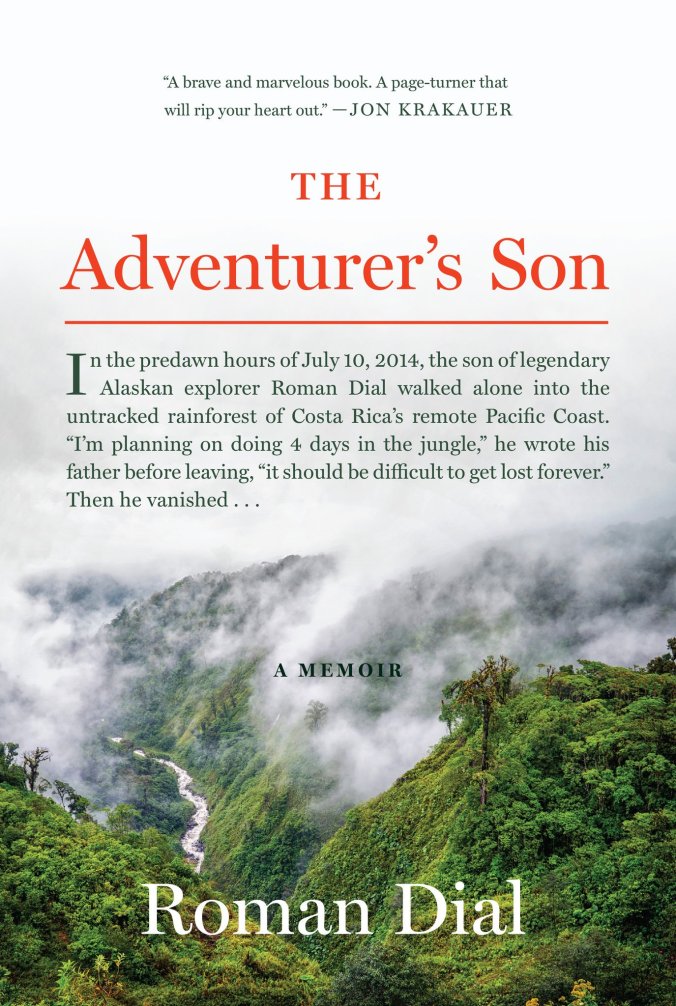
For all the fulfillment we get from our work in remote locations, and especially the wilderness work visits, we are, relatively speaking, conservative conservationists. After casually linking out to this article with references to expeditions, and hinting at our love of adventure, it occurs to me now to put it in perspective. What we do is not like what Roman Dial does. It is not like what Roman Dial Two did. I am sobered by Blair Braverman’s review of this memoir, written with respect as well as unflinching admiration:

His Son Hiked Into the Costa Rican Jungle, and Never Came Out. What Happened?

Braverman1-jumbo

Ben Weissenbach

Years ago, I brought a city friend hiking. We had to cross a river of snowmelt on a cold, rainy day, and though the water normally stayed shallow, it was deeper and faster than I’d ever seen it. I crossed first, testing the depth; I showed my friend how to face upstream, how to unbuckle his pack and use a stick for support. He made his way after me, a wake rising around him, feeling with his boots for solid ground — and he stumbled. For a moment I saw it all play out: him swept away in the frigid water, the near-instant hypothermia, how I’d struggle to start a fire in the rain. And then he caught his footing and came to shore.

Everything’s fine, I told myself that night in my sleeping bag. It’s fine. Nothing bad happened.

Nothing bad happened, but it could have. Continue reading

Coffee & Caffeine, Better Understood

14scams-coffee2-mobileMasterAt3x

Some days everything comes up roses. Today was one. This morning my scanning routine, looking for what to share here, was made easy by the image above and the headline below it: Is Coffee Good for You? Yes! But it depends on the kind of coffee and the quantity. My favorite takeaway, among many, points to the benefits of filtered coffee. Read each section and take what matters most to your coffee life.

PollanCaffeineMichael Pollan, first mentioned here in 2011, has been so frequently featured over the years it is fair to say he is one of our heroes (those links cover only part of the first year of this platform; dozens more since 2012). In a recent interview Pollan discusses his own findings related to coffee, and specifically its caffeine. The interview was promoting his new book, available in audible form. What I heard in the interview was just enough to ensure I click to the right when I have the 2+ hours to listen…

Field Expeditions, Panama, Ferns

200126PanamaExp10-1

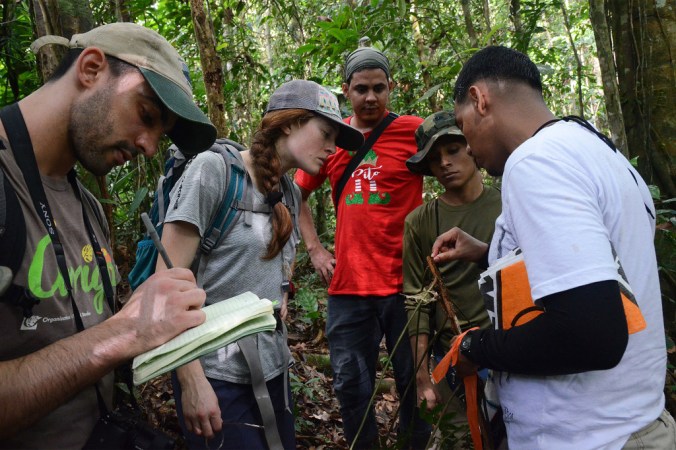
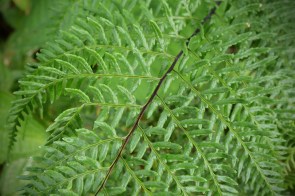
Student members of the Mamoní Valley Preserve Natural History Project, Jacob Suissa (left), Sylvia Kinosian, Brian Vergara, Jose Palacios, and Christian López examine the rhizome vasculature of a fern species during their first collection trip in the rainforest.

While most of our work between 1999 and 2019 was field work, once this platform started we distinguished field expeditions from our “regular work,” and Seth’s posts have dominated the expedition realm here. Today, with Seth in wintry New Haven in desk mode, my expeditionary imagination is instead fueled by the field expedition described below, on a topic not featured in these pages for seven years, so I am correcting the neglect:

Going where the diversity is

200126PanamaExp8

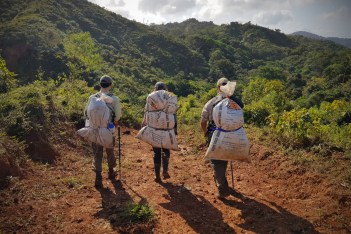
Student researchers Ben Goulet-Scott (left), Sylvia Kinosian, and Jacob Suissa, reach the crest of a hill overlooking the Mamoní Valley Preserve while carrying 90 species of ferns on their backs.
Photos by Ben Goulet-Scott/Harvard University Department of Organismic and Evolutionary Biology

Last month, two graduate students from the Arnold Arboretum of Harvard University traveled to one of the most species-rich landscapes in the world: a remote strip of tropical rainforest at the narrowest point in the Central American country of Panama.

Ben Goulet-Scott, a Ph.D. candidate in the Graduate School of Arts and Sciences’ Department of Organismic and Evolutionary Biology (OEB) and a fellow in the Arboretum’s Hopkins Lab, and Jacob Suissa, OEB Ph.D. candidate in the Friedman Lab at the Arboretum, hope their research in the Mamoní Valley Preserve in Panama will increase our understanding of how biodiversity can persevere in the face of climate change, deforestation, and human disturbance.

200126PanamaExp26The 20-square-mile land conservancy on the isthmus separating Central and South America teems with life, making the condensed rainforest habitat a perfect location for their research project because of the vast number of known and potentially undiscovered species living there, Goulet-Scott said. Continue reading

The Future We Choose

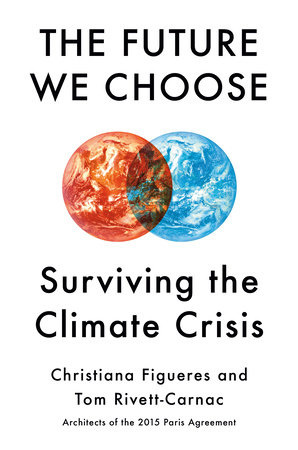
9780525658351It is nearly five years since I last posted anything related to her, but the time has come again. The Guardian’s interview below is in advance of the upcoming publication of the book to the right:

Christiana Figueres is a founder of the Global Optimism group and was head of the UN climate change convention when the Paris agreement was achieved in 2015.

Your new book is called The Future We Choose. But isn’t it too late to stop the climate crisis?
We are definitely running late. We have delayed appallingly for decades. But science tells us we are still in the nick of time. Continue reading

Rose, Better Understood

merlin_137426268_765b8b80-ea6d-4001-beca-ef693bae7e41-jumbo

M. Bendahmane

Three months ago I added “find that gardener” to my to-do list. I have still not checked it off, but remain as intrigued as ever by how roses do what they do. Thanks to Karen Weintraub for this reminder, and the better understanding:

How a Rose Blooms: Its Genome Reveals the Traits for Scent and Color

merlin_137426271_f4933c06-ea24-46c2-8275-7b87766c07cb-superJumbo

M. Bendahmane

The scent of a rose fades over time, and has for hundreds of years.

For centuries, generations of breeding in the quest for longer blooms and petals in shades of nearly every hue have dulled the sweetest smells that once perfumed gardens around the world.

French researchers have now figured out precisely which genes make a rose smell so sweet, and where to tinker in the genome to enhance its distinctive scent.

Although the rose genome has been mapped before, a newly published version is far more complete, indicating which genes tend to travel together — scent and color, for instance — and which genes are responsible for continuous blooming, among other traits. Continue reading