Ikaria, Blue Zones

ExoPlagiaMy mother’s best friend, before she emigrated from Greece to the USA in the 1950s, was from Ikaria. Amie and I traveled there some years after we were first exposed to the Blue Zones research. Our conclusion, from that visit, was that Ikarians live longer because they walk steep, rugged hillsides. But there is more to it than that; a concise summary of the Blue Zones concept:

For more than a decade, author Dan Buettner has been working to identify hot spots of longevity around the world. With the help of the National Geographic Society, Buettner set out to locate places that not only had high concentrations of individuals over 100 years old, but also clusters of people who had grown old without health problems like heart disease, obesity, cancer, or diabetes. His findings—along with easy steps you can take to live more like these cultures—can be found in his book, The Blue Zones Solution.

Now we are back living in Costa Rica, and have just taken a big step in the direction of Blue Zones, so here is where my current reading list is coming from.

Maya Nut, Superfood & Superdrink

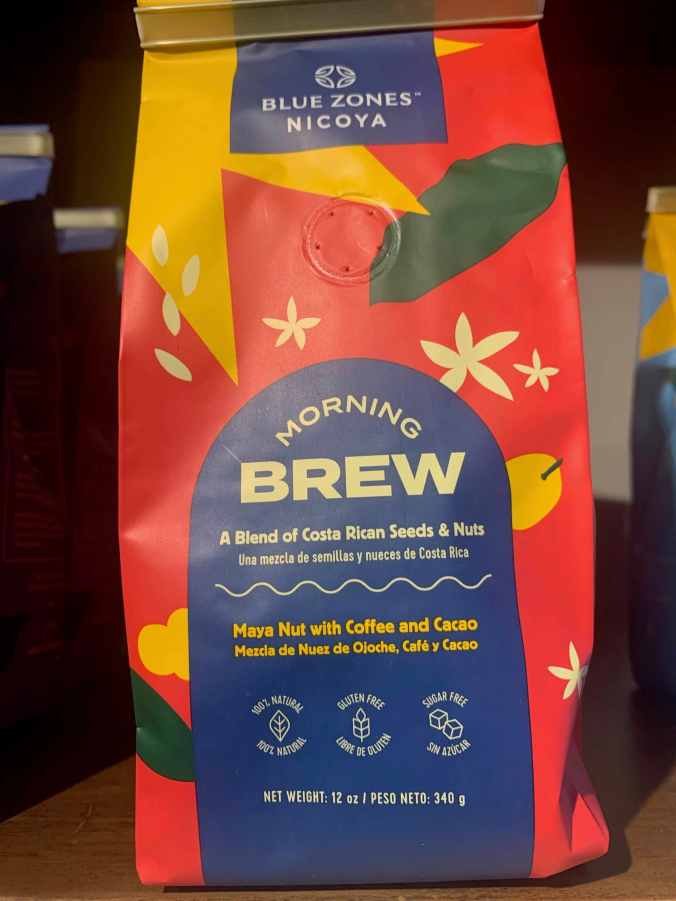
BZ MayaNut&C&C

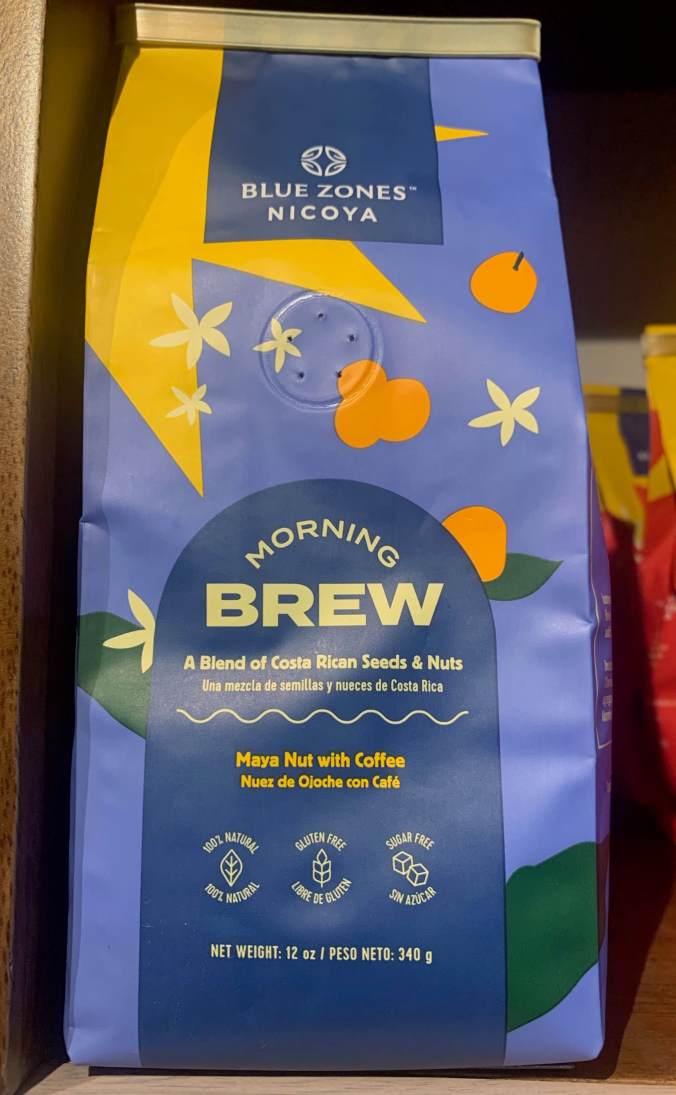
From the time it came to my attention in 2017, Maya nut was an obsession for a year until I learned everything that was available to learn. Between the internet and a group of anthropologists focused on Maya culture who I came to know through their work in Belize, the knowledge went from zero to overload quickly. I ordered large quantities of organic roasted, ground Maya nut and tested so many recipes that I can confirm it is a versatile ingredient to savory dishes and deserts, in addition to being a superfood.

BZ MayaNut&C

Continue reading

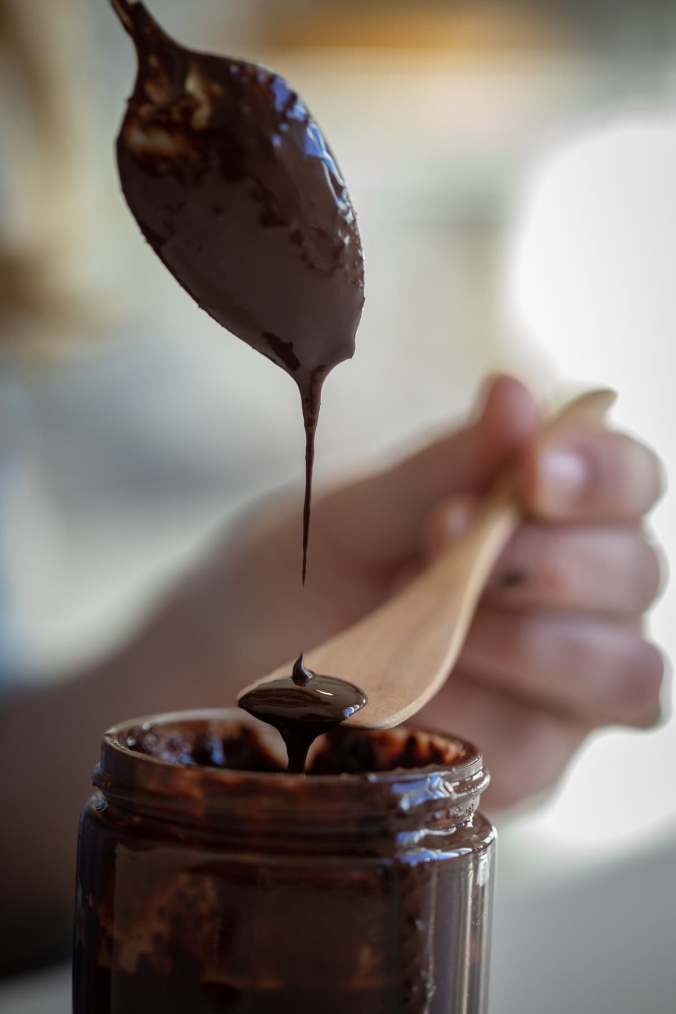
Chocolate Made Clearer

merlin_168444540_dc3d82ca-323f-428e-9a3f-deccbc6b33db-mobileMasterAt3x

Erin Lubin for The New York Times

I had planned to follow up on yesterday’s post today, but there is a better option. Even after years of learning, fun as well as more serious facts than I knew previously about chocolate, so that we would source excellent quality, and ethical, chocolate, there is always more to learn. Thanks to Melissa Clark, as always, for the enlightenment:

Everything You Need to Know About Chocolate

The beloved bar has come a long way in quality and complexity. Here’s a primer on how it’s made, and how to choose the best and most ethically produced.

merlin_168444732_854c1092-d8eb-41db-9a17-1bfbe786f01a-mobileMasterAt3x

Erin Lubin for The New York Times

You probably think you already know everything you need to know about chocolate.

For instance: The higher the percentage of cacao, the more bitter the chocolate, right? The term “single origin” on the label indicates that the chocolate expresses a particular terroir. And wasn’t the whole bean-to-bar movement started by a couple of bearded guys in Brooklyn?

Wrong; not necessarily; and definitely not. Continue reading

Maya Nut @ Authentica

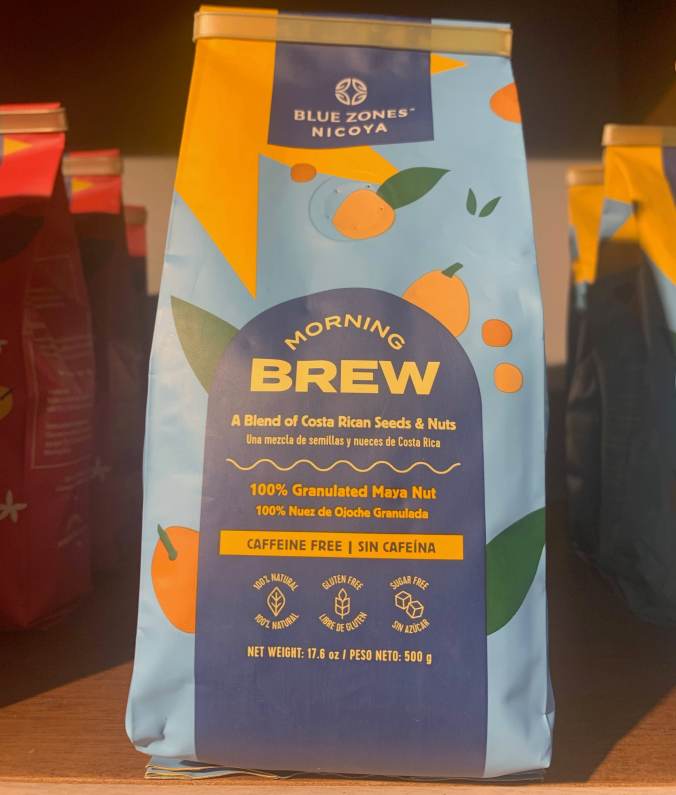
BZ MayaNut

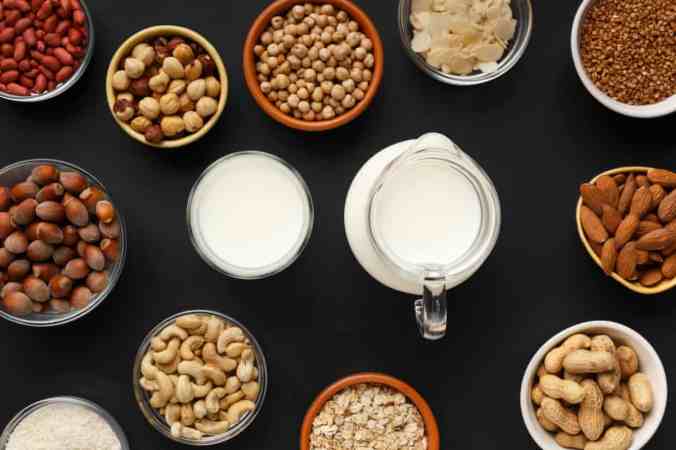
Authentica was conceived as a shop that would constantly be renewed by the creative forces surrounding us in Costa Rica. Artisans who shape wood in a way that we consider to be quintessentially Costa Rica, or sourced  in a way we consider to be more virtuous. Ceramic pieces that evoke Costa Rica. Foods and beverages that offer a taste of place like nothing else. Today we have a new set of products to talk about, starting with the one in the photo above. Known here as ojoche, but in other places as ramon, or especially as Maya nut; known in Latin by its botanical name as brosimum alicastrum. There is a story to tell, too long for one post but it started for me in Belize. A new plot line…

Easy Coffee Quality Improvement

Getty Images

Usually I avoid recommendation lists that have commercial intent, but exceptions are made when it might help someone visiting one of our shops. We sell specialty coffee. And we sell coffee paraphernalia. So here is an exception. Thanks to Joanne Chen for this short list of what you can do to improve your daily coffee drinking experience:

“Oh! The coffee’s good today” is something my husband or I murmur on occasion as we slowly come alive with our first sip of the morning. On most days, though, the coffee we make at home is just good enough. We make it the same way every time, but whether we achieve coffee nirvana on any particular day is anyone’s guess. How to brew a great cup mystified me for years — until I decided to get to the bottom of it.

It turns out that even with quality beans, it’s hard to be a good home barista without the right tools. Some of these things are admittedly pricey but entirely worth it, according to coffee experts. Continue reading

Oats, Health & Planet

5100

My eye is always caught by updated research findings on various food choices that are found to be either more environmentally friendly or healthier to consume–better for the planet or better for the human body–or both. I started a month-long test of my ability to give up foods and beverages that strain the environment and my body, so this article was on my to-read list the last few days:

5472 (4)

Plant-based milk is better for the planet than dairy, but it can have a dark side. Photograph: Prostock-studio/Alamy Stock Photo

Almonds are out. Dairy is a disaster. So what milk should we drink?

A glass of dairy milk produces almost three times more greenhouse gas than any plant-based milk. But vegan options have drawbacks of their own Continue reading

Please Let Your Dandelions Bolt

2142

Each dandelion head has up to 100 individual flowers. Photograph: Janek Skarzynski/AFP/Getty Images

So many challenges, so many unanswered questions about why bee colonies are collapsing. In the realm of how to help, the UK has a new notion:

Help bees by not mowing dandelions, gardeners told

Plants provide key food source for pollinators as they come out of hibernation

Gardeners should avoid mowing over dandelions on their lawn if they want to help bees, according to the new president of the British Ecological Society.

Dandelions – which will start flowering in the UK this month – provide a valuable food source for early pollinators coming out of hibernation, including solitary bees, honey bees and hoverflies.

Each dandelion head contains up to 100 individual flowers, known as florets, which contain nectar and pollen. There are 240 species of dandelion in the UK. Continue reading

If Fly Fishing Is The New Bird Watching

merlin_162397920_8fd06141-7343-46bc-a68b-8b1c790773f0-superJumbo

George Etheredge for The New York Times

The last time, prior to yesterday, when I posted anything related to fly-fishing, it included an acknowledgement of my brief enjoyment, but prompt abandonment, of the activity.

Today, I remain struck by what I learned about a sub-culture within the culture of fly-tying masters. It made me wonder about the overlap between fly-fishing and bird-watching, and searching on those terms led to an article link at the top of my search results:

Fly Fishing Is the New Bird-Watching

It’s the latest “old timey” hobby to gain a dedicated new following.

merlin_162397356_343825b5-56dd-401a-a1e9-6e12ba588124-superJumbo

George Etheredge for The New York Times

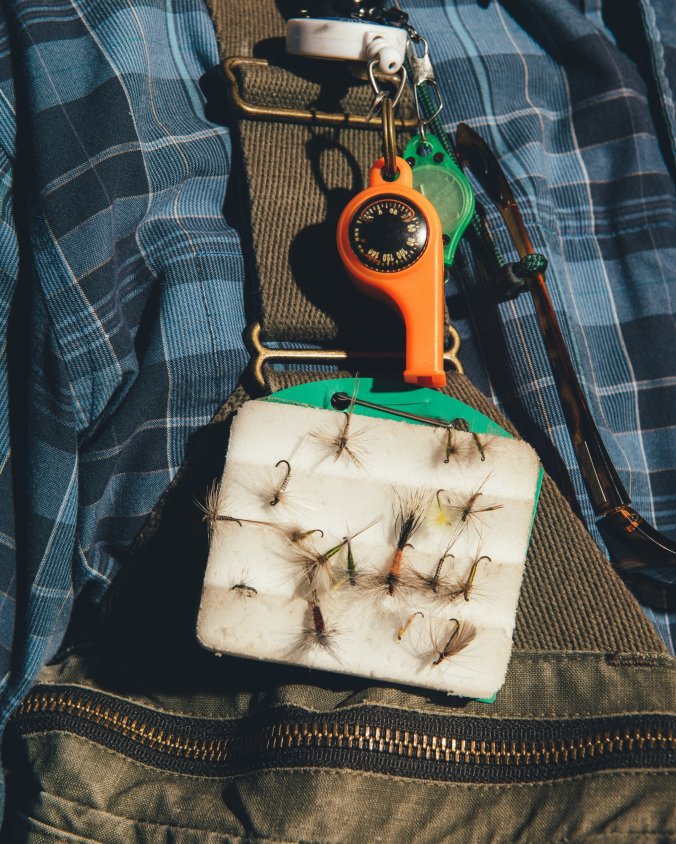
This one photo within the article got me thinking it is worth linking to now, as a marker for myself to start looking more deeply into the larger culture of fly-tying, where I expect to find that most people would abhor the museum heist or, bird-poaching, or any other illegal activity. And it got me wondering whether there is a sub-culture of birders who would rob natural history museums to fuel their hobby. If fly-fishing is the new bird-watching, what might bird-watching tell us about the future of fly-fishing?

Fly Versus Fly

tumblr_m4wecmybj01qg8e5ko1_1280-900x600_1

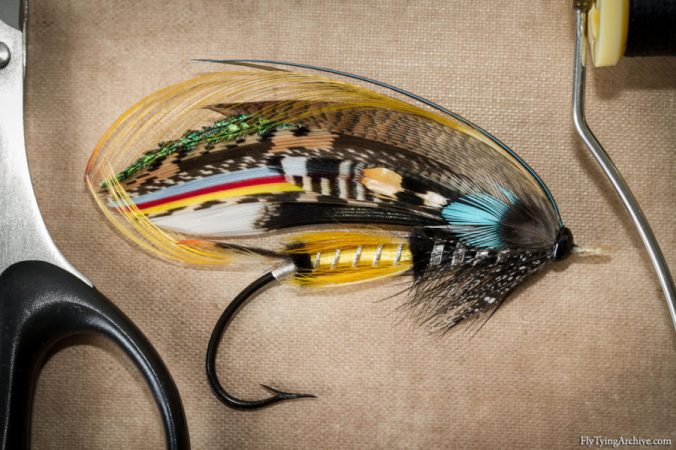
A Jock Scott salmon fly, tied according to the original T.E. Pryce-Tannatt recipe.Timo Kontio

Having friends who fish using this technique, this is a tricky post to write. I knew little about the history of the lures used in fly fishing until yesterday. I learned a little something about this history that is as disturbing as the lures are admittedly beautiful. I have tried fly fishing and found it more difficult than any other outdoor activity I ever tried. I respect anyone with the talent required to catch fish this way. But now I wonder about the lures. Above is an extra feature from the episode of a podcast which, if you are a regular viewer of our daily bird feature, you will want to listen to. Click the image to go to that photo gallery for more, either before or after you listen to the podcast:

Victorian salmon flies are tied according to recipes that are up to 150 years old and call for some of the rarest feathers in the world. Our show this week is the story of what may be the greatest feather robbery of all time, a million dollars in rare birds, stolen from a British museum.

The community of people devoted to tying these kinds of flies doesn’t fish with them—they’re just for show. Many try to use feathers from the same species listed in the classic manuals. But because so many birds have been killed for so many reasons over the years, a lot of the most coveted species are now endangered or protected.

Below are some photos of salmon flies—the Durham Ranger, the Jock Scott, and the Sherbrook—and some of the birds referenced in the recipes used to make them.

The episode those photos support offers as well told a story as This American Life is known for, but for bird nerds it is especially rich. And for those who are yet to become bird nerds, it may be just the stimulus you need. To tie the most prized fishing fly, the most prized birds lose the ability to fly. :
654

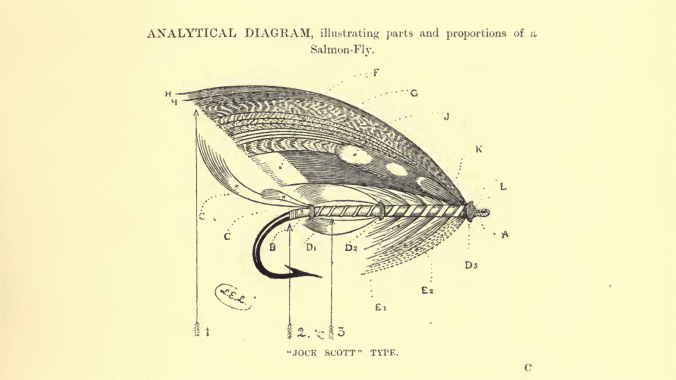
An “analytical diagram” illustrating the various parts of a Jock Scott salmon fly. 
George M. Kelson’s The Salmon Fly: How to Dress It and How to Use It (1895)

A flute player breaks into a British museum and makes off with a million dollars worth of dead birds.

Prologue

By Sean Cole

After hearing about the heist, Kirk Wallace Johnson gets sucked into the feather underground. He ends up discovering things that the people in charge of the theft investigation didn’t. Kirk’s book about the heist is called “The Feather Thief.” (7 minutes)
Meatless February For Me

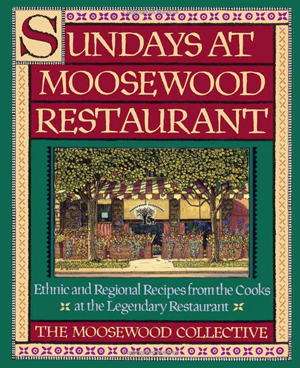
cb_Sundays300Finally, it is time to give it a shot. After reducing meat intake over the last decade, slowly but surely, now I am curious whether a month without meat will convince me to eliminate meat from my diet entirely. True, I have chosen the shortest month of the year to try my experiment, but knowing myself this is a reasonable decision.

I am thinking about tomorrow’s main meal already, and this book from our years living in Ithaca comes to mind.

Add Global Worming To Your List Of Concerns

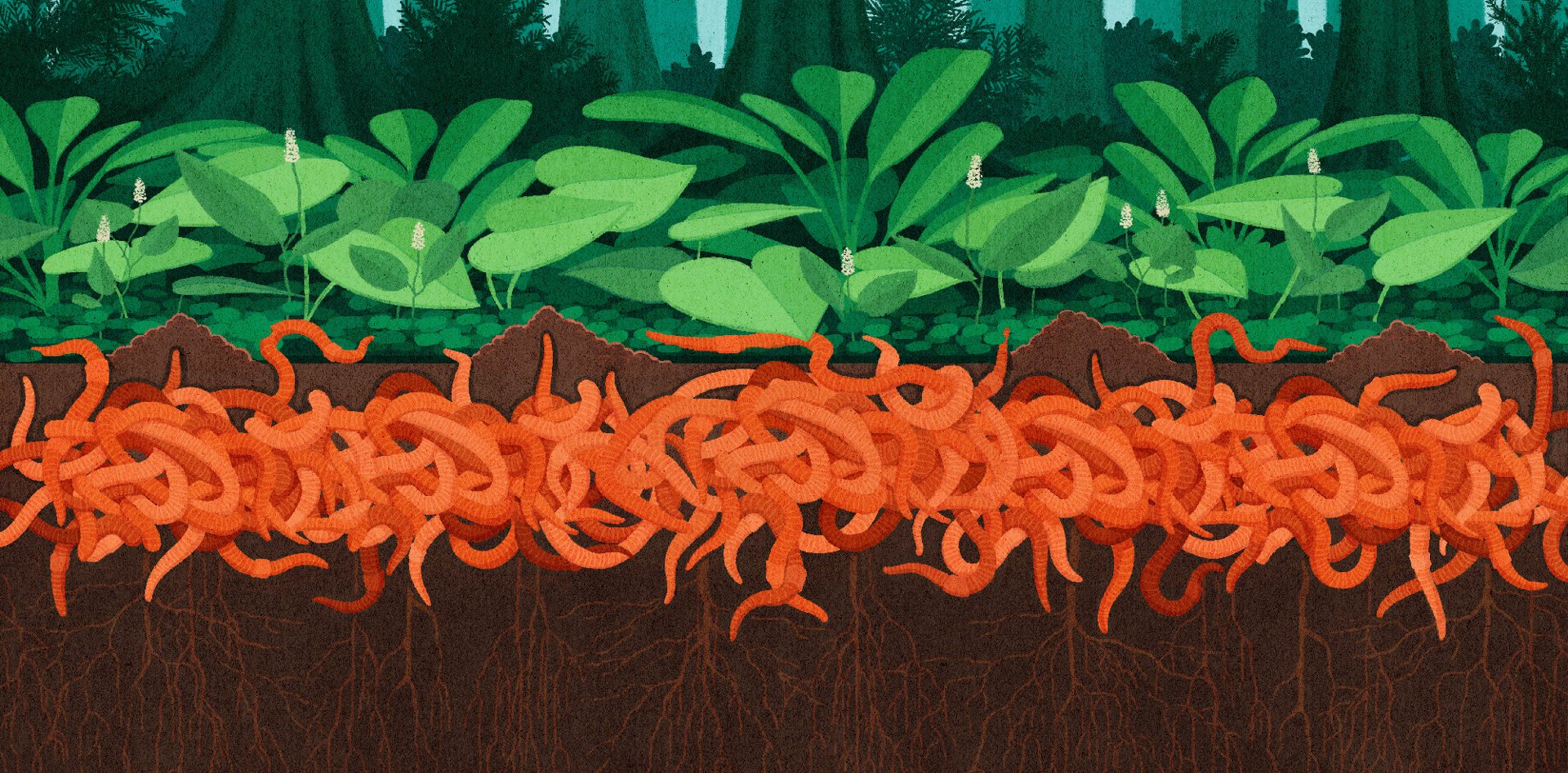
An illustration of a mass of worms beneath a forest.

Myriam Wares

Thanks to Julia Rosen, writing in the Atlantic, I am reading for the second time about worms as a radically different creature than I had assumed for my entire life:

Cancel Earthworms

The “crazy worms” remaking forests aren’t your friendly neighborhood garden worms. Then again, those aren’t so great either.

On a sweltering July day, I follow Annise Dobson down an overgrown path into the heart of Seton Falls Park. It’s a splotch of unruly forest, surrounded by the clamoring streets and cramped rowhouses of the Bronx. Broken glass, food wrappers, and condoms litter the ground. But Dobson, bounding ahead in khaki hiking pants with her blond ponytail swinging, appears unfazed. As I quickly learn, neither trash nor oppressive humidity nor ecological catastrophe can dampen her ample enthusiasm. Continue reading

Biodiverse Forests Are Better For So Many Reasons

Stare me, if you can!!

A tiger in Nagarhole National Park, India. Photo © Chethan Ramesh/TNC Photo Contest 2019

Sometimes the headlines for scientific findings seem to state the obvious; but then again, these days nothing is obvious, nor can be taken for granted:

Biodiverse Forests Capture Carbon Better Than Plantations

Plantations and natural forest regeneration are leading strategies for enhancing carbon sequestration and using nature to fight climate change. New science shows that diverse natural forests with a mix of tree species provide more stable and reliable carbon capture than monoculture plantations in the long run.

The Gist

Published in Environmental Research Letters, the study focused on India’s Western Ghats Mountains, one of 36 global biodiversity hotspots. The mountains are home to several wildlife reserves that were once colonial teak and eucalyptus plantations, allowing researchers to compare the carbon sequestration of both long-lived monoculture plantations and neighboring native forest. Continue reading

A Ceiba Prototype

image copy

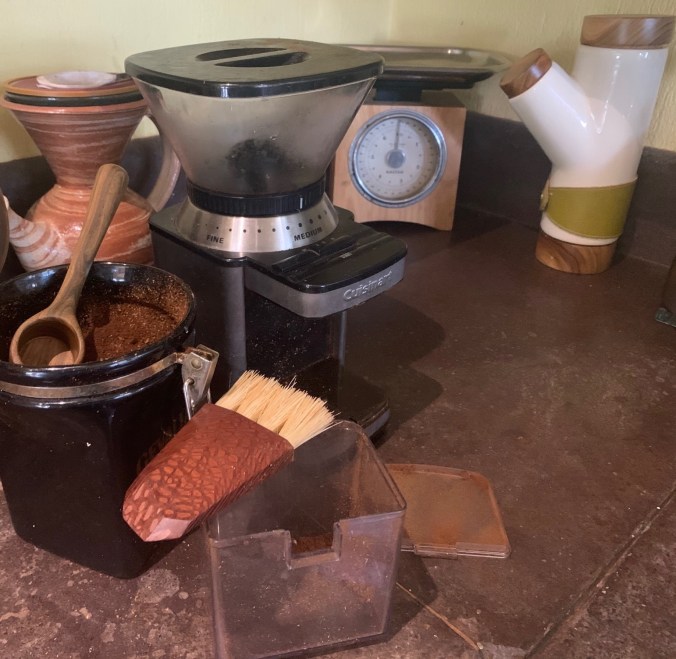
At the intersection of our coffee business and our work with local artisans, there is Ceiba. Today, just a snapshot and a few words celebrating this brush, a prototype that Ceiba shared with us to test out. They did not specifically identify it as a brush for use with a coffee grinder, but for me that is what it is. And it works like a charm.

Life In Southwest India

Elephants-and-people-co-exist-in-the-Western-Ghats_Sreedhar-Vijayakrishnan_web.jpg

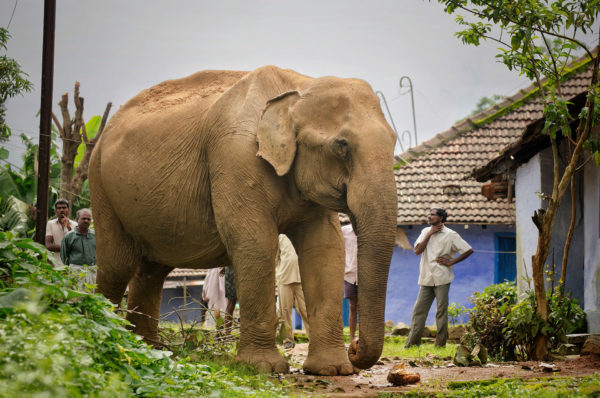
An elephant eats jackfruits in the backyard of a house in Valparai, Tamil Nadu. COURTESY OF SREEDHAR VIJAYAKRISHNAN

Thanks to Yale e360 for this reminder of the amazing nature we witnessed from 2010-2017 while living in the Western Ghats.

The-Anamalai-Hills-shrouded-in-mist_Ganesh-Raghunathan_web.jpg

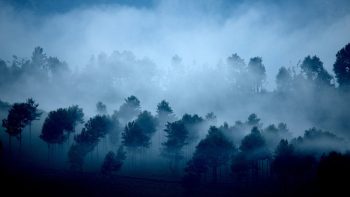
The Anamalai Hills in India’s Western Ghats region, shrouded in mist. COURTESY OF GANESH RAGHUNATHAN

The Young Writers Awards, presented by Yale Environment 360 and the Oak Spring Garden Foundation, honor the best nonfiction environmental writing by authors under the age of 35. Entries for 2020 were received from six continents, with a prize of $2,000 going to the first-place winner. Read all the winners here.

Song of the Western Ghats: A Green Island in a Crowded Land

For a young ecologist, the mountains of the Western Ghats are a respite from India’s intense urban life — a lush land of monsoon rains, elephants, king cobras, leopards, and a spectacular assortment of birds — and a place where wildlife and villagers still largely manage to coexist.

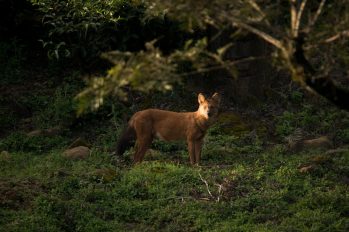
Dhole-in-the-dawn_Ganesh-Raghunathan_web

A dhole, or wild dog, in the Western Ghats. COURTESY OF GANESH RAGHUNATHAN

What is it that draws us to the quiet, to the green? To the mist-curtained mountains, where everything is crystal clear – leaves in high definition even against an overcast sky. Where leopards leave their mark in soft mud, and you smell where an otter has walked. Continue reading

Do Not Wait

Citizens of the USA have not much right to tell Australians what or how to think about climate change, and certainly not at this precise moment. On the contrary, scenes coming from Australia might well get Americans immediately wondering:

What Will Another Decade of Climate Crisis Bring?

2019 has been called the year we woke up to climate change. Australia’s wildfires are yet more evidence that it’s time we started acting like it.

200113_r35700web

Illustration by João Fazenda

Last week, thousands of people in the Australian state of Victoria were urged to evacuate their homes. “Don’t wait,” the alert warned. Bushfires were burning across the state; so large were some of the blazes that, according to Victoria’s commissioner of emergency management, they were “punching into the atmosphere” with columns of smoke nine miles high. The smoke columns were producing their own weather, generating lightning that, in turn, was setting more fires. Some time after residents received the evacuation warning, many of those in the most seriously affected region, East Gippsland, which is a popular tourist destination, received another alert. It was now too late to leave: “You are in danger and need to act immediately to survive.” Continue reading

Another Look At Svalbard

merlin_166333806_dce78ff7-be42-423a-aeb4-74189e43cb3f-jumbo.jpg

Melissa Schäfer

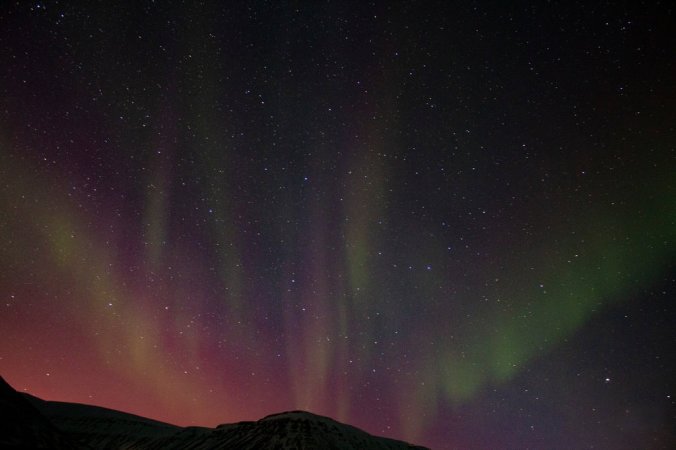
The seed vault has been covered in our pages so many times, that I thought I knew enough, and that plentitude made me almost skip this travel story. Having seen the Northern lights in my teen years, while working at a summer camp in Maine, with 40+ years perspective I can say with certainty that no travel experience comes close to that. I am a travel junky, and have had some profound travel experiences. Kelly McMasters makes me want to chase down that visual wonder that, try as I may, I cannot explain to anyone, and to combine it with some serious winter adventuring:

merlin_166333770_e846fa66-d76b-4a68-b658-f7eca0a4132e-jumbo.jpg

Greeting the New Year In Earth’s Northernmost Settlement

In Svalbard, above the Arctic Circle, you can’t be born and you can’t be buried, but you can find renewal in the dark of winter.

merlin_166333812_bb245b5b-e53a-42db-b2ab-93701fedb3fc-jumbo

Melissa Schäfer

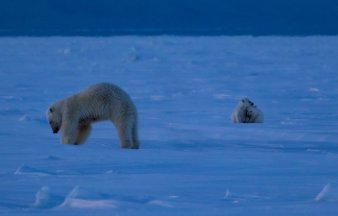
Few people have heard of Svalbard and even fewer have seen it. The isolated group of islands is an old mining settlement turned glacial adventuring outpost located 1,200 miles north of mainland Norway, one of the closest landmasses to the North Pole, along with Greenland and Nunavut. The approximately 2,200 inhabitants dotting the desolate tundra are itinerant, a mix of climate scientists, miners and globe-trotting explorers mostly from Russia, Scandinavia and Canada. There are more polar bears than people.

merlin_166333803_b98fc460-2767-469b-97e9-a3043886660a-jumbo (1).jpg

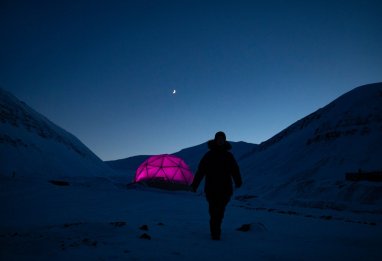
The northern-most greenhouse dome in the world provides microgreens to a local restaurant. Melissa Schäfer

Historically, this archipelago was the isolated purview of turn-of-the-century airship explorers obsessed with finding the Northwest Passage; more recently Svalbard served as the fantastical setting for Phillip Pullman’s “His Dark Materials” trilogy. Today, it is poised to be the next extreme vacation destination for tourists obsessed with climate change, wilderness and chasing the Northern Lights. Continue reading

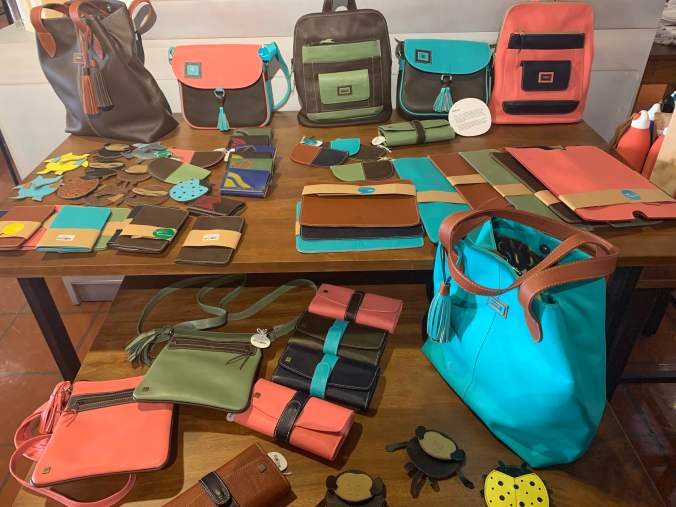
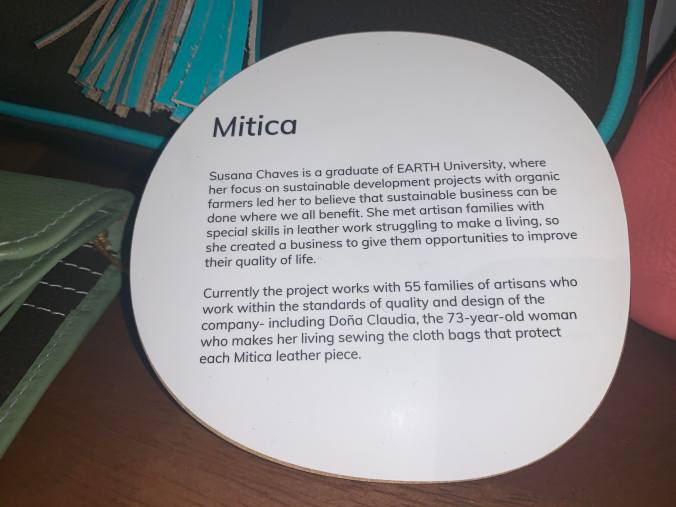
Mitica @ Authentica

Mitica1.jpg

There is something about EARTH University that produces some of the most creative entrepreneurs, whose work combines design, craftsmanship and social responsbility. We are happy to feature Mitica’s work in the shops for these reasons.

Mitica2.jpg

Ceiba @ Authentica

Ceiba1

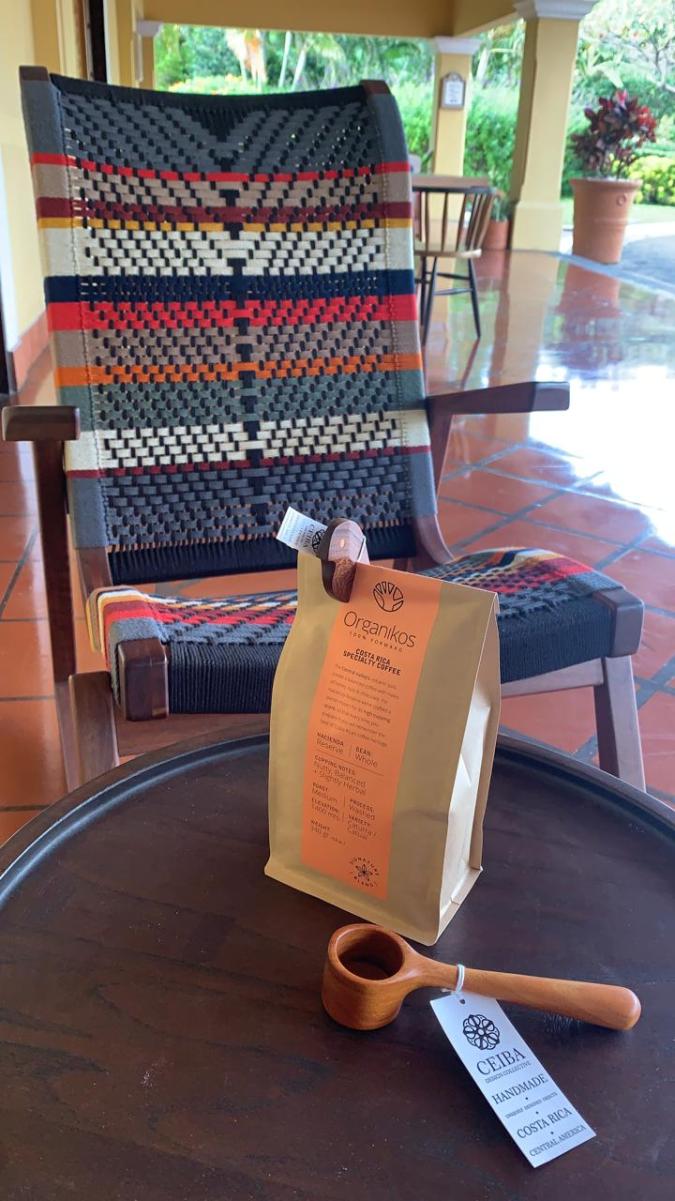
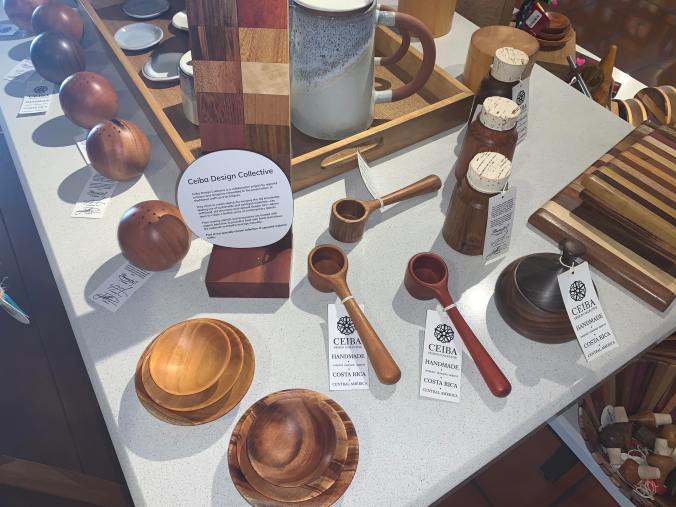
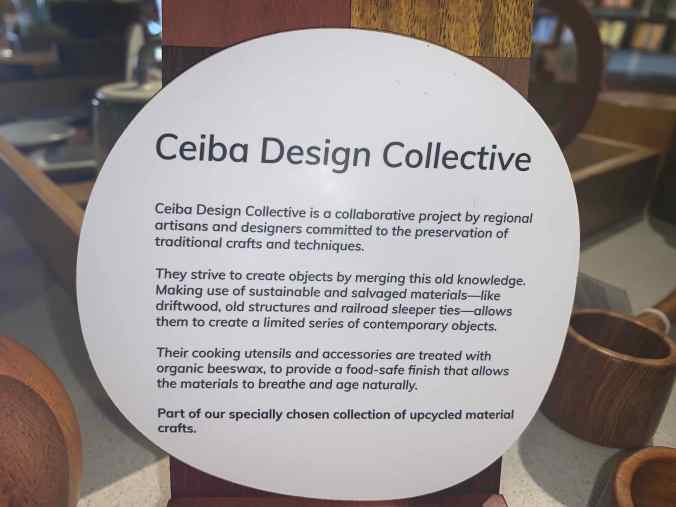
Ceiba2.jpegIt is equally rewarding to introduce new friends here as it is to talk about old friends. I already mentioned Ceiba recently, but I chose one of their more esoteric (if extremely useful) products to highlight in that post. This group of artisans had our attention sufficiently with the beauty of their products when we first met them last year. When we brought some of the products home to test them out in our own kitchen, the utility factor added to our decision to carry their products. But a third factor, which is our extra attention to coffee and coffee culture as essential parts of Costa Rica’s identity, made their products among my personal favorites. So here I am providing a second look at their work.
Ceiba4

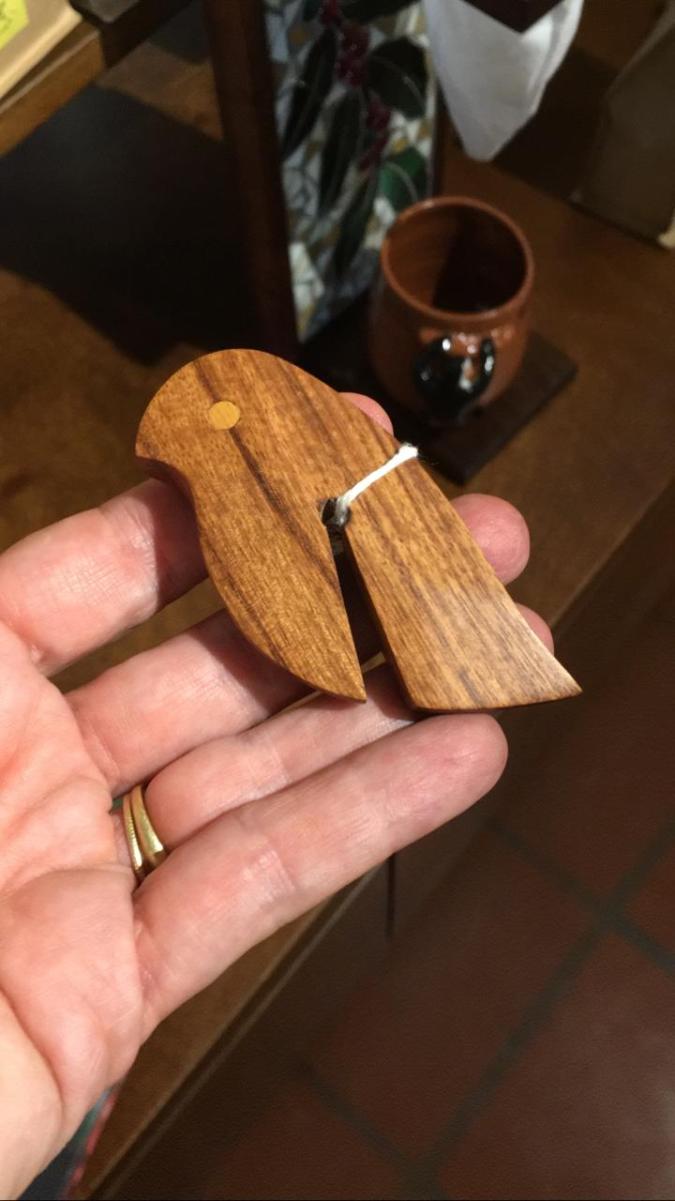
This simple bird motif carving is a clip to hold your coffee bag shut after opening. I use it every day.

Ceiba6.jpg

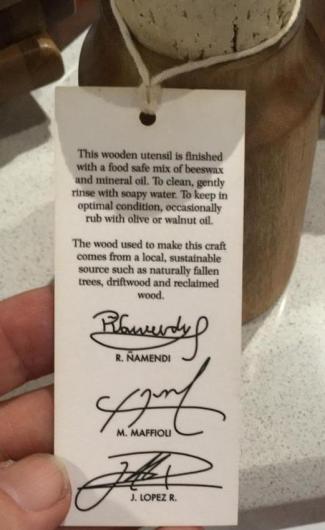
I also use the coffee scoop every morning, and while I love all their products it is these two coffee-centric ones I appreciate the most. Even for someone living in Costa Rica these are lovely little reminders of this country’s commitment to conservation, considering where Ceiba sources their wood, one of Costa Rica’s most important renewable resources. That makes me think these products are particularly well-suited to offer value as a takeaway for visitors to this country.

Ceiba7.jpg

Biesanz @ Authentica

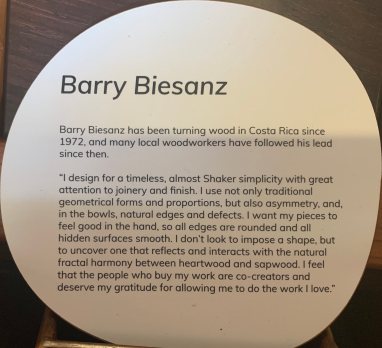
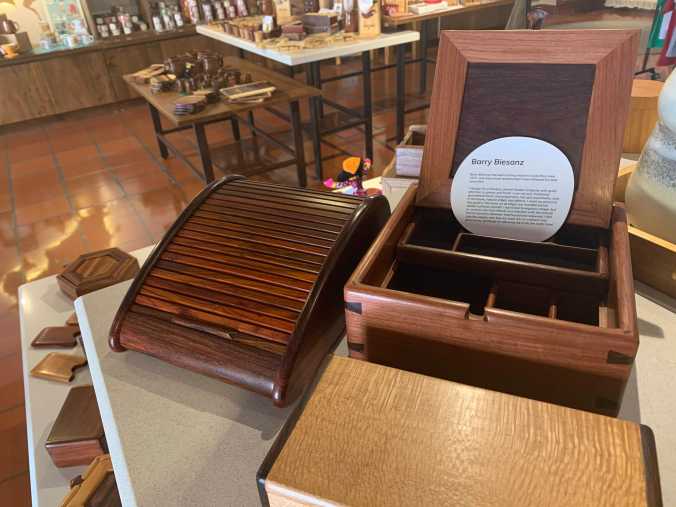
BB1.jpegWhen we moved to Costa Rica in the mid-1990s one dimension of my work required analysis of the handicrafts sector as part of the nascent tourism industry. That led to my getting to know one of the country’s pioneering wood turners, Barry Biesanz. We have been friends ever since, and as we started planning for what is now Authentica, a range of Biesanz wood products were the first we committed to.
BB2.jpeg

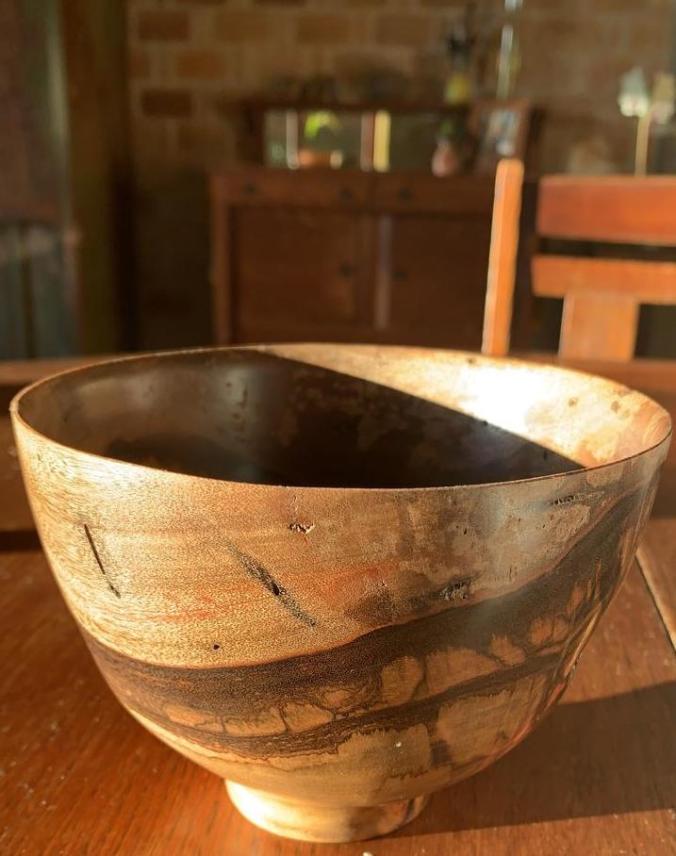
BB3.jpgAbove is a bowl not currently on display in Authentica, but it is a favored part of our home collection. Last year one of the old trees behind our home came down in a storm. Barry sent a few of his workmen to help clear it away. Months later this bowl was gifted to us, one of many bowls he had been able to craft from the wood from that tree.  In the sign we have placed with his work, note the reference to defects. You can see those in the bowl above. During the last year Barry also introduced us to other Costa Rican artisans, and we have featured their work alongside his in the two shops.
BB4