Tirana’s Time Warp Causes Creativity

06tmag-tirana-slide-Z2IZ-jumbo.jpg

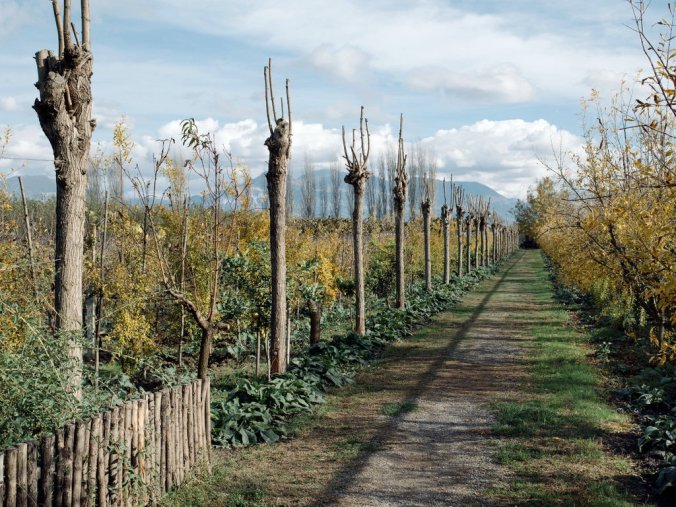
Rows of acacia trees and ceruja vines at Uka Farm, with a view of Dajti Mountain National Park in the distance. Federico Ciamei

Ten years ago I was in Tirana and if I squinted I might have seen this article coming. I was working on a project for the United Nations Development Programme, focused on the Prespa Lakes Basin, and the visits in Tirana were like a time warp. In a good way, as it is now more easy to see:

The City Poised to Become Europe’s Next Affordable Creative Haven

In the Albanian capital of Tirana, the country’s strange history and bright future collide.

Plaza Tirana

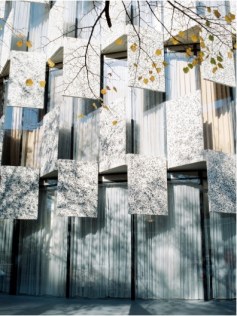
The paneled facade of the Plaza Tirana. Federico Ciamei

Over the past five years, Albania has been discovered by travelers as that rare thing: a largely unexplored corner of Europe (one with some 265 miles of coastline). The small Balkan country sits just across the Adriatic and Ionian seas from Italy’s heel and a mere 45-minute ferry ride away from the Greek island of Corfu. It’s recently gotten its first high-end waterside resorts, and as the beach town of Sarande and the seaside city of Vlore have become more comfortable, so too has Tirana — the country’s capital, about 22 miles inland with a population of over half a million — grown more cosmopolitan, with new restaurants, shops and galleries joining the almost surrealist pastiche of testaments to the city’s past. For a good example of the way eras collide in Tirana, just visit Skanderbeg Square, recently renovated with new fountains and rosy granite paving, and home to an 18th-century mosque and minaret, a domed Albanian Orthodox church opened in 2012, a set of government buildings that echo the fascist architecture of Mussolini’s Italy and a Brutalist monolith that houses the National Historical Museum.

Stair Tirana.jpg

A sun-dappled staircase at the Plaza Tirana leads to the hotel’s breakfast room. Federico Ciamei

Initially settled by Illyrian and Greek tribes during ancient times, Albania spent over four centuries as part of the Ottoman Empire. After 1912, it became a fascist-leaning monarchy, and then, in the wake of World War II, a Communist state ruled by the infamous dictator Enver Hoxha. In 1991, a full year behind many of its Eastern Bloc neighbors, the country saw its first democratic elections, as well as murmurings of a cultural awakening. Tirana may not have a robust avant-garde scene, but it does have a gritty, iconoclastic edge — the Pyramid, a large monument to Hoxha in the center of town, is now popular with skateboarders — and a joie de vivre that’s enticed many former expats. “There’s so much potential,” says Flori Uka, a local winemaker who trained in northeastern Italy and now specializes in vintages made from organic Kallmet grapes grown just outside the city. “We were isolated for so long, but today it’s possible for creative people to do what they love. The place has become very receptive to the new.” Continue reading

Authentica & Organikos & Responsible Coffee Consumption

This last week we have been busy opening two Authentica shops (at long last). Both shops sell Organikos coffee. So today, another day on the run, I will suggest a very brief reminder on how and why the way you consume coffee matters. Lots more to say on that, and we will, but this is about as succinct a summary as you will find.

Adjusting To Recycling Realities With A Re-Primer

grocery-plastics-0

Thanks to National Public Radio (USA) for this re-primer on recycling, a guide to what you should be doing after all the recent changes in where our refuse goes, and now does not go:

PLASTICS

What’s recyclable, what becomes trash — and why

Every year, the average American goes through more than 250 pounds of plastic waste, and much of that comes from packaging. So what do we do with it all?

Your recycling bin is part of the solution, but many of us are confused about what we should be putting in there. What’s recyclable in one community could be trash in another.

This interactive explores some of the plastics the recycling system was designed to handle and explains why other plastic packaging shouldn’t go in your recycling bin.

Let’s take a look at some items you might pick up at the grocery store.

grocery-plastics-1

PLASTIC WRAP

Not recyclable curbside.

At the store we find it covering vegetables, meats and cheeses. It’s common, but it can’t be recycled because it’s hard to deal with at the material recovery facility, or MRF. The MRF is where items collected from residences, offices and more through public and private recycling programs are taken to be sorted, baled and sold. The thin film gets wrapped around the equipment and can bring the operation to a standstill. Continue reading

What Climate Change Looks Like

Map_Struzik_Arctic-2019_web2.jpg

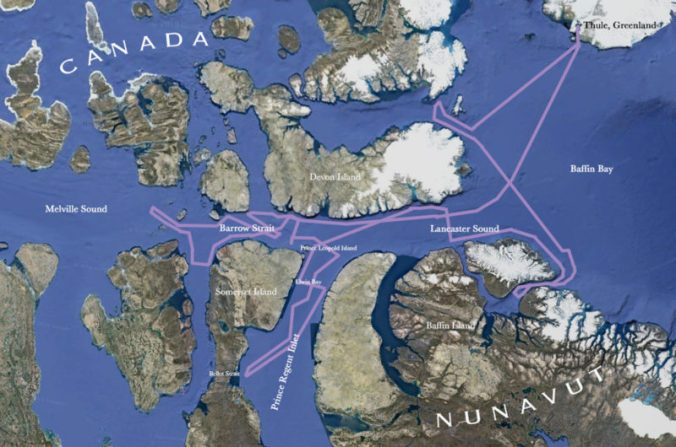
CLICK MAP TO ENLARGE. The route traveled by the Northwest Passage Project in July and August, from Greenland through the Canadian Arctic. YALE ENVIRONMENT 360

NWP-2019_polar-bears_web.jpg

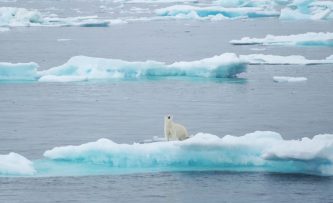
A polar bear in the Barrow Strait. As summer sea ice disappears in the High Arctic, polar bears are losing crucial platforms on which to hunt and rest. ED STRUZIK/YALE E360

You have seen the images, in which polar bears look lost or otherwise in peril. The one from this story, taken by its author, illustrates the central theme of ice receding in the locations highlighted in the map above.

Climate change is at work, 24/7, creating the sense of loss, peril and worse that we have not been shying away from in our pages. We are leaning in to try to understand what changes we can make, and promote, to live and work and play more responsibly. Thanks to Ed Struzik for both the words and images of this article:

NWP2019_T.Ketter-17_web (1)

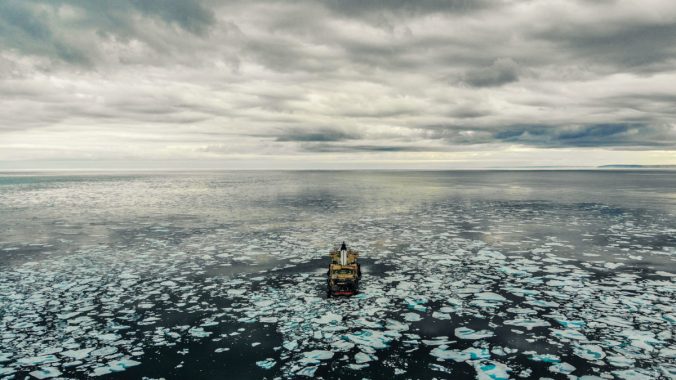
The icebreaker Oden sails through first-year ice in Lancaster Sound in the Canadian Arctic last month. COURTESY OF TOMER KETTER

A Northwest Passage Journey Finds Little Ice and Big Changes

After decades of travel in the Far North, E360’s Arctic correspondent joins a voyage through the Northwest Passage and witnesses a world being transformed, with ice disappearing, balmy temperatures becoming common, and alien invaders – from plastic waste to new diseases – on the rise.

NWP2019_T.Ketter-16_web.jpg

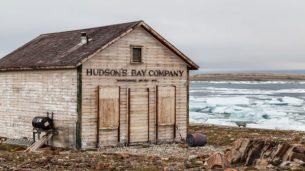
An abandoned Hudson’s Bay trading post on Somerset Island that was shut down in 1948 because supply ships could not get through the thick sea ice. COURTESY OF TOMER KETTER

Elwin Bay is carved into a steep, flat-topped mountain range along the northeast coast of Somerset Island in Canada’s High Arctic. For as long as anyone can remember, hundreds of beluga whales show up every year on an annual migration from Greenland through Canada’s Northwest Passage. Their fidelity to this site is remarkable given that 19th-century whalers killed more than 10,000 of them there – 840 during one notably gruesome, 17-day stretch – between 1874 and 1898.

Helicoptering over the bay earlier this month with members of a U.S. National Science Foundation-sponsored research expedition, we saw too many belugas to count accurately in waters riddled with rapidly disintegrating sea ice. Five hundred? Eight hundred? None of us could estimate with certainty. All we knew was that there were likely equal numbers of whales congregating in similar bays and estuaries, such as Cunningham Inlet, which we sailed past a few days earlier.

Polar bears were there as well — a female and cub in this case, homing in on a dead beluga that had presumably swum too far up the shallow estuary before the tide turned and trapped it. Continue reading

My time in Costa Rica

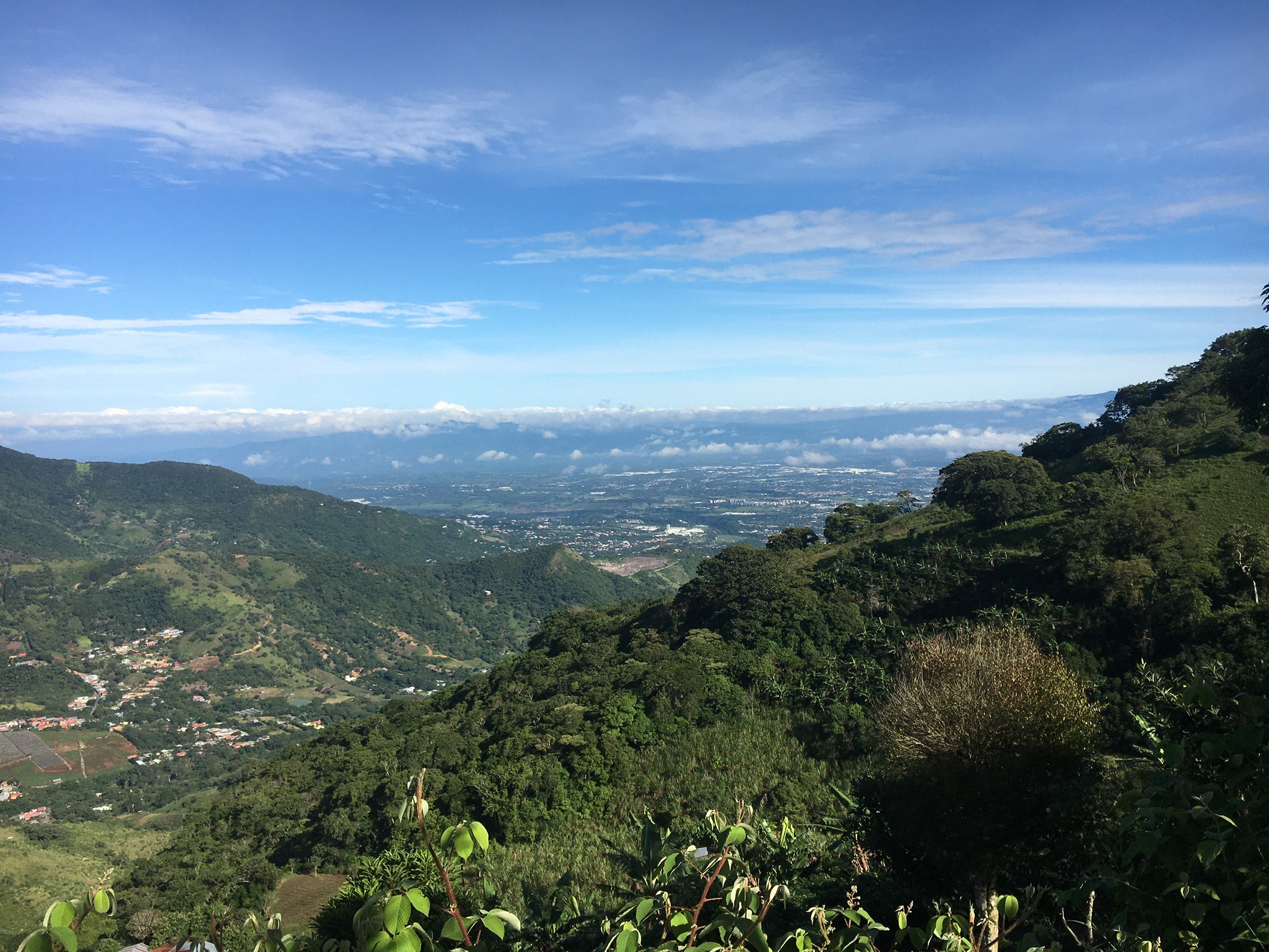
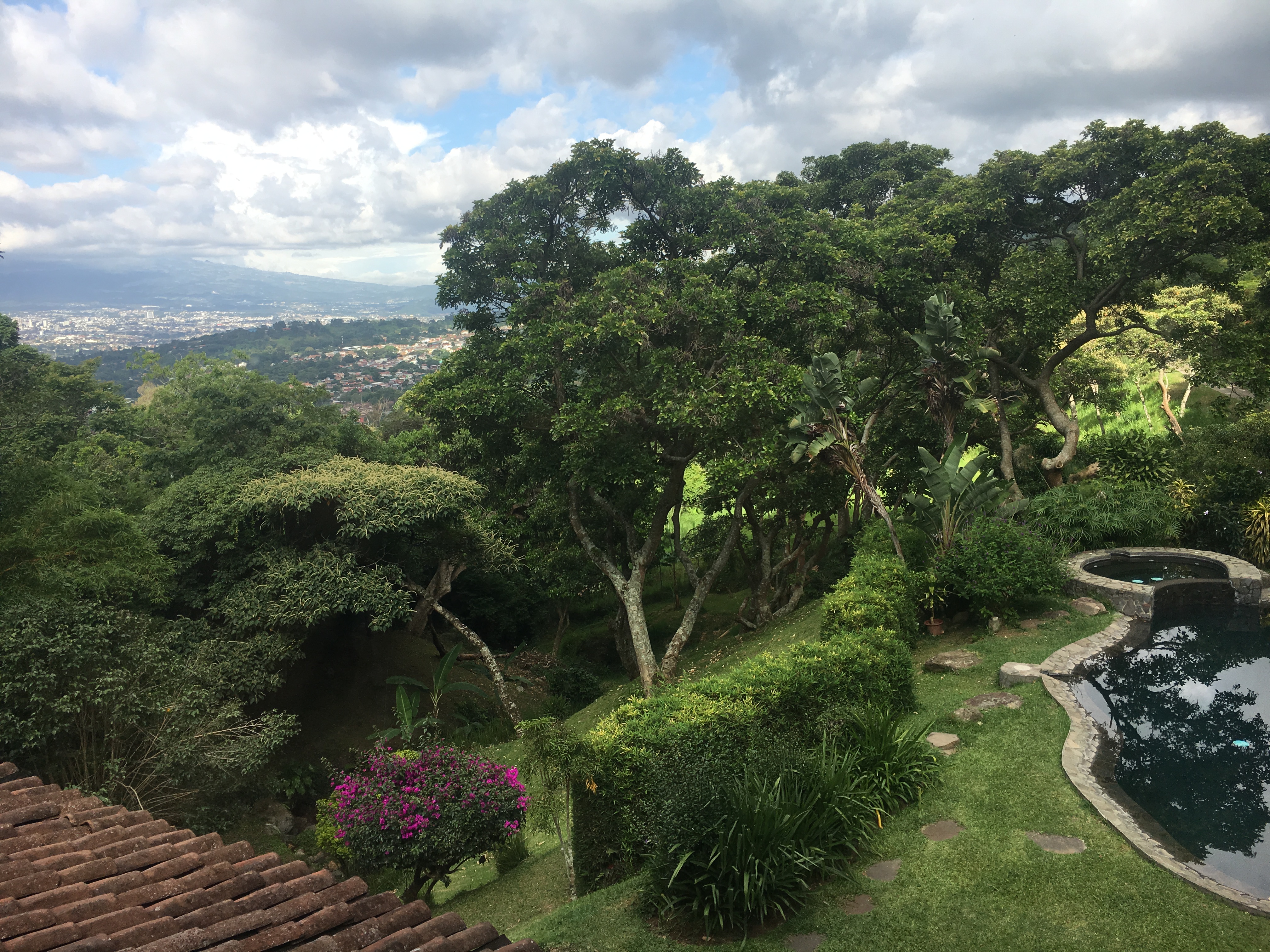
Yesterday I got back from my three week internship in Costa Rica. During my time there, I learned a lot about eco tourism, Costa Rica, and sustainable business practices. I got to take hikes through the back hills and see many of the bird species I had hoped to encounter. Three weeks in one location is a lot longer than most vacation visits to a country, and I got to really know the local area. While I was there we made frequent use of the bus to get around, which provided a more personal look at the San Jose area than driving would have. One thing I grew to appreciate was how green it was compared to the US. As soon as you leave the downtown area, the urban landscape is covered with trees and tall gras between buildings. Up in the hills there are farms mixed with residential housing and completely overgrown with forest.

Continue reading

A morning at the beach

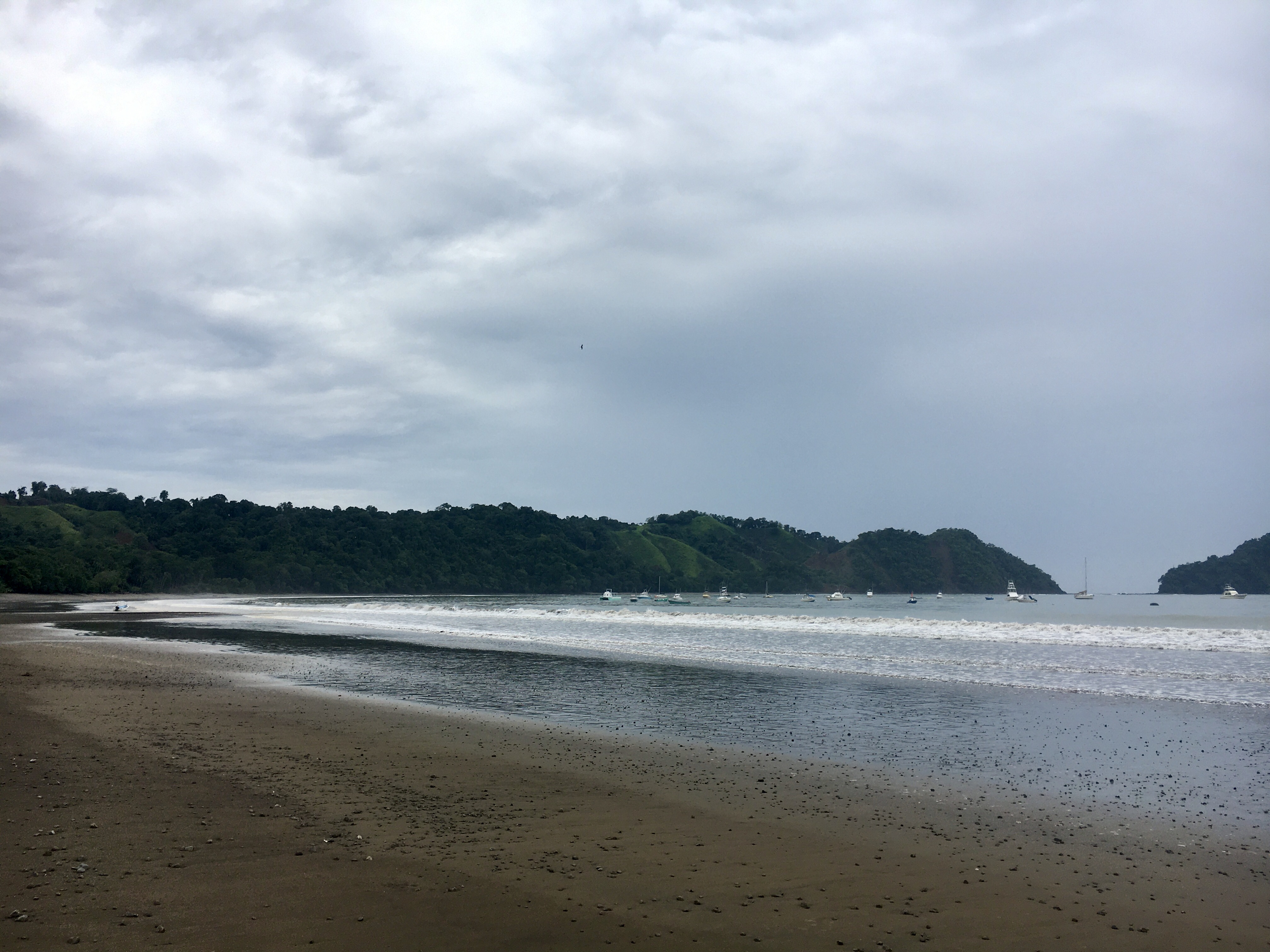
Playa Herradura, Costa Rica

On Friday I traveled to Los Sueños to view one of the Marriott properties that will be getting a more sustainable gift shop. While I was there I decided to go down to the beach and do some birdwatching. At first I was disappointed because I only saw black vultures and grackles. Then as I was walking down the beach I saw a bird soaring over the water with a very interesting wing shape. I moved closer to where it was flying and it turned out to be a magnificent frigate bird. Here is the closest photo I was able to get of it. You can just make out the distinct wing shape.

Continue reading

Learning To Eat Right

Korman-IPCCReport

According to a new report from the Intergovernmental Panel on Climate Change, deforestation, along with unsustainable agriculture and food systems, is contributing to greenhouse emissions. Photograph by Lalo de Almeida / NYT / Redux

Thanks to Carolyn Kormann for this reminder of the impact our diet has on the future of the planet:

Deforestation, Agriculture, and Diet Are Fuelling the Climate Crisis

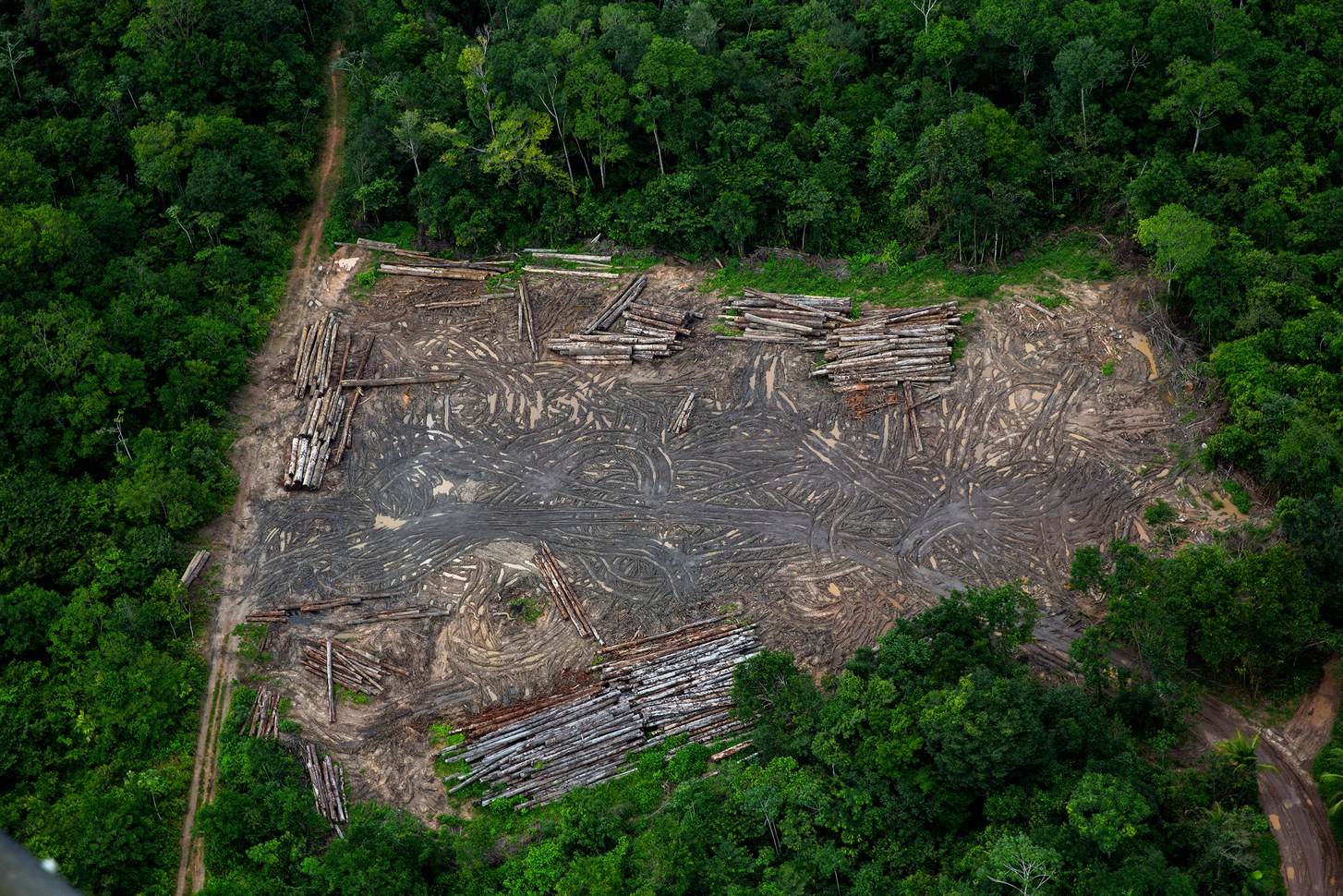
In the Amazon, or in the parts of the Amazon that people have mowed down and converted into grazing pasture, the average abattoir-bound cow has nearly three acres to himself. Nice for the cow, perhaps, but senseless and dangerous in every other way. Every year, on average, tropical deforestation adds ten to fifteen per cent of global greenhouse emissions. Of this amount, around half happens in South America; deforestation in the Amazon recently increased. If the rate continues, scientists have found, it could lengthen the forest’s dry season, triggering even greater warming and drying, killing trees in the nearby (still intact) forest, and eventually causing mass tree mortality and an entire ecosystem shift—from rainforest to savannah. The tipping point in the Amazon would be a rate of twenty-twenty-five per cent deforestation—fifteen to seventeen per cent is already gone. “If you exceed the threshold,” Carlos Nobre, a Brazilian climate and tropical-forest expert, told me, “fifty to sixty per cent of the forest could be gone over three to five decades.” Continue reading
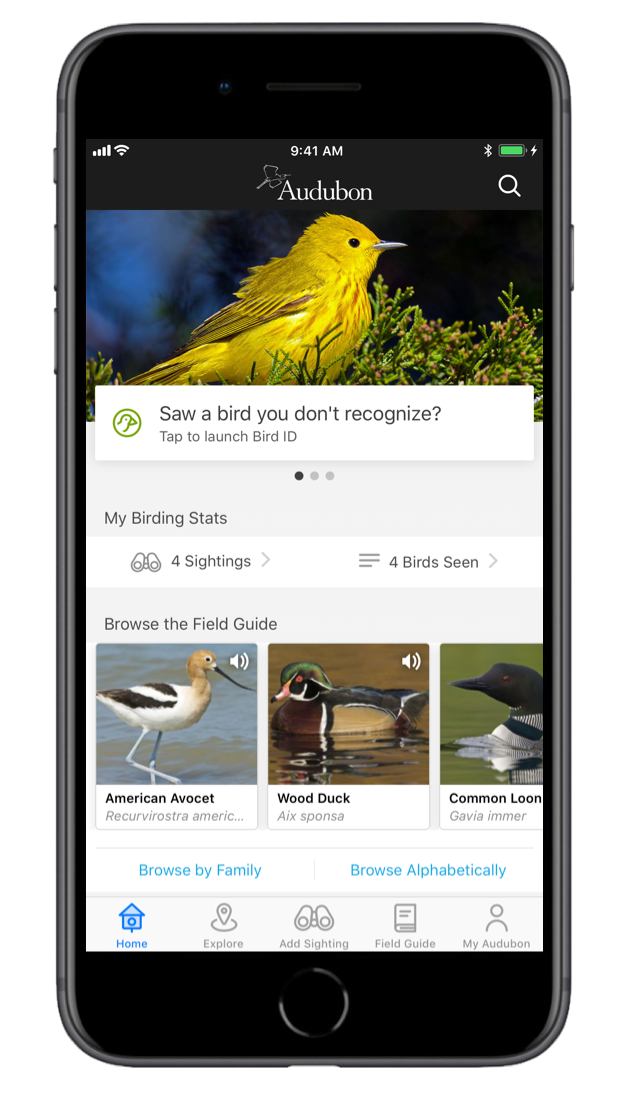
A Comparison of Audubon and Merlin Bird

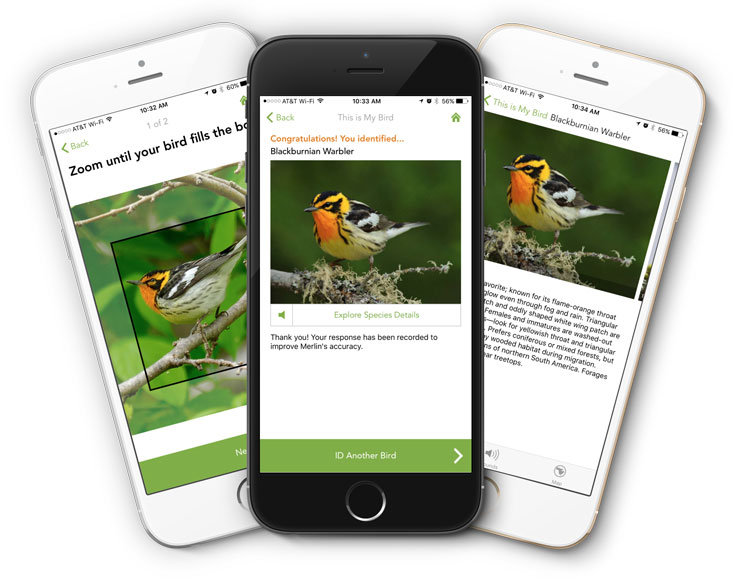
Merlin Bird and Audubon Bird Guide are both amazing resources and are well maintained and updated. They are both free and have a lot of the same features. At first, these apps might seem very similar. However, there are some big differences. I’ll start off with Merlin Bird. The Cornell Lab of Ornithology’s birding app has a couple of standout features. The app has a much cleaner interface with a simpler bird ID feature. You’ll answer five basic questions and it gives you a list of possible birds. It is very easy to use and is perfect for novices that do not have a lot prior knowledge about birds.

Another point for Merlin Bird is the variety of regions covered from all over the globe. They also let you download these regions individually, so you don’t have to fill up your device with information you don’t need. Merlin bird has a unique feature that allows you to take a photo of a bird and it will attempt to identify it. While it isn’t always accurate (or easy to get a good photo of a bird!) I am impressed by how often it gets it right. Even with photos I’ve taken at a distance the app has managed to identity the bird correctly.

Another nice feature is that the app integrates with Cornell’s other app, eBird. If you have a bird in eBird that you’ve identified it will display that in the Merlin app. It also has a nice ability that shows you a list of birds based on how likely it is that you’ll see them in your area.

Continue reading

Governors Island, Refresh

During our 7 years in India we experienced the development and growth of the Kochi-Muziris Biennale – from the early days of the first edition in 2012, to direct involvement in 2014, to an even more successful 3rd edition in 2016.  The diversity of India is undeniable, and the country’s first art biennale has increased its reach continually in both the breadth of the artists involved, and the depth of its work toward community outreach and inclusivity.

Having been exposed to Art myself from an early age, it’s difficult to describe the pleasure I felt seeing groups of school children, accompanied by parents and teachers, experiencing the wide range of installations and exhibits in the different venues of the biennale.

Reading now about Portal: Governors Island, I wonder how I could have possibly missed it, but then again – we were living in India! I love how the NYTimes called it an “Art Fair for the 99%”.  I would love to be the one to introduce the KMB team to the non-profit team 4heads, who organizes this annual September event.

There’s still time to get there, so if you happen to be in New York…

Created by artists, for artists

Our mission as an artist-created organization, is to cultivate a supportive community by hosting free large-scale art fairs and studio residency programs for under-represented artists, and by tailoring arts education programs for underserved youth. With a strong focus on artistic excellence and inclusion, we revitalize historic spaces with contemporary art, as we continue to enrich and expand our creative community: a socially, economically, and culturally diverse reflection of New York City itself.

On Saturday, August 31, 2019, 4heads will open Portal: Governors Island (formerly known as Governors Island Art Fair), featuring a diverse range of artists from across the U.S. and abroad. Installations, which span the spectrum of artistic genre and media, will be presented across eight of the historic homes on Colonels Row, with each artist installing in an individual room or connective space. Now in its 12th year, Portal: GI heralds the start of the fall visual arts season in New York, with a spirited atmosphere that encourages conversation between artists and visitors and challenges the established fair paradigm as one exclusively for art connoisseurs. Portal: GI will be open every Saturday and Sunday through from August 31 to September 29, 2019. Continue reading
First day in Costa Rica

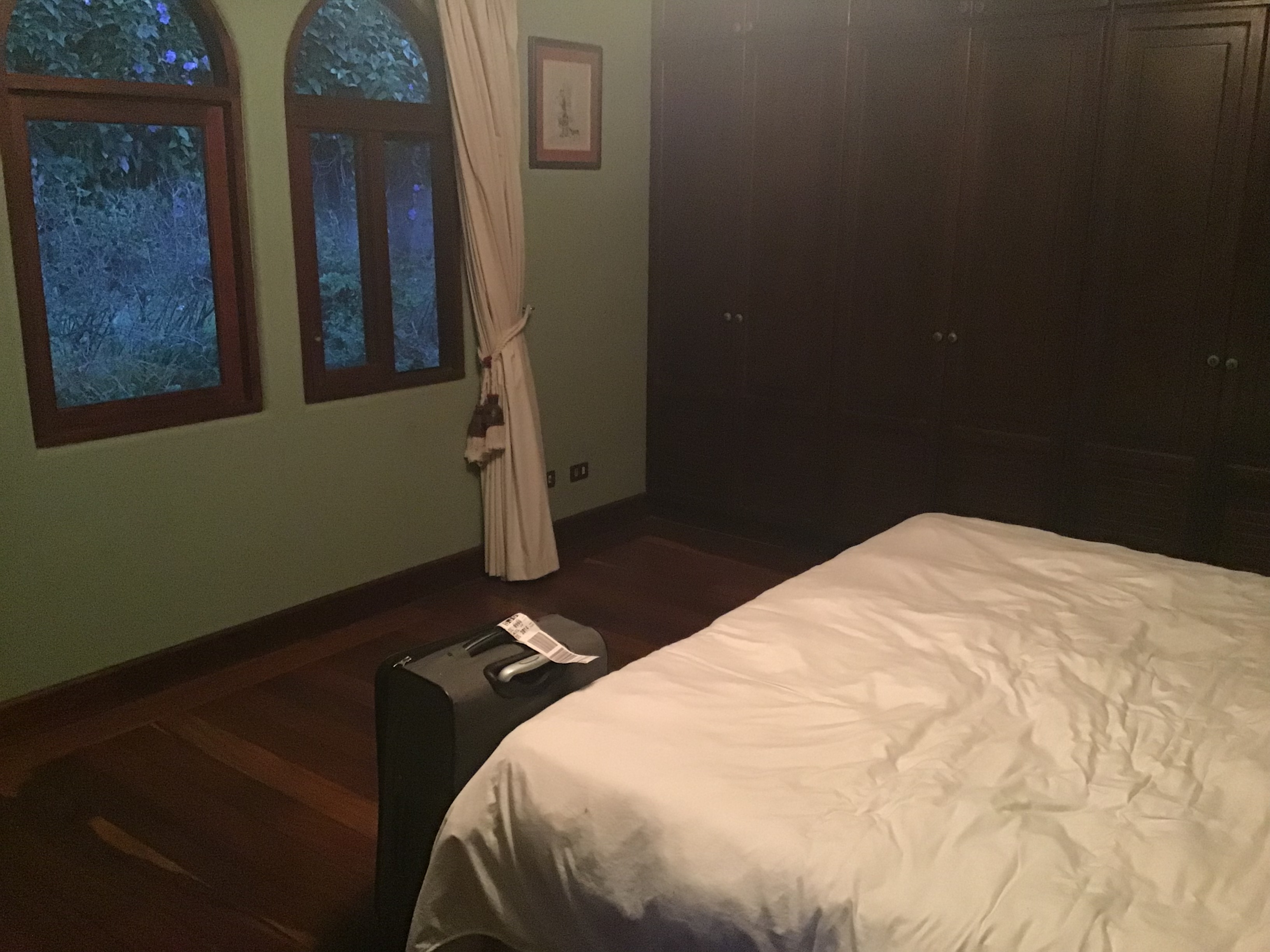
A few hours ago I got of my flight arrived in San Jose Costa Rica. This is not my first time outside of the United States, but it is my first time in Central America. In the few short hours I’ve been here I have already spotted a few birds I was hoping to see, experienced some of the incredibly inclined and twisted roads, realized just how much of my two semesters of Spanish I’ve already forgotten, and started doing research on Costa Rica’s coffee industry. Continue reading

Algae By Any Other Name

nonfood_bioreactor_1024x.jpg

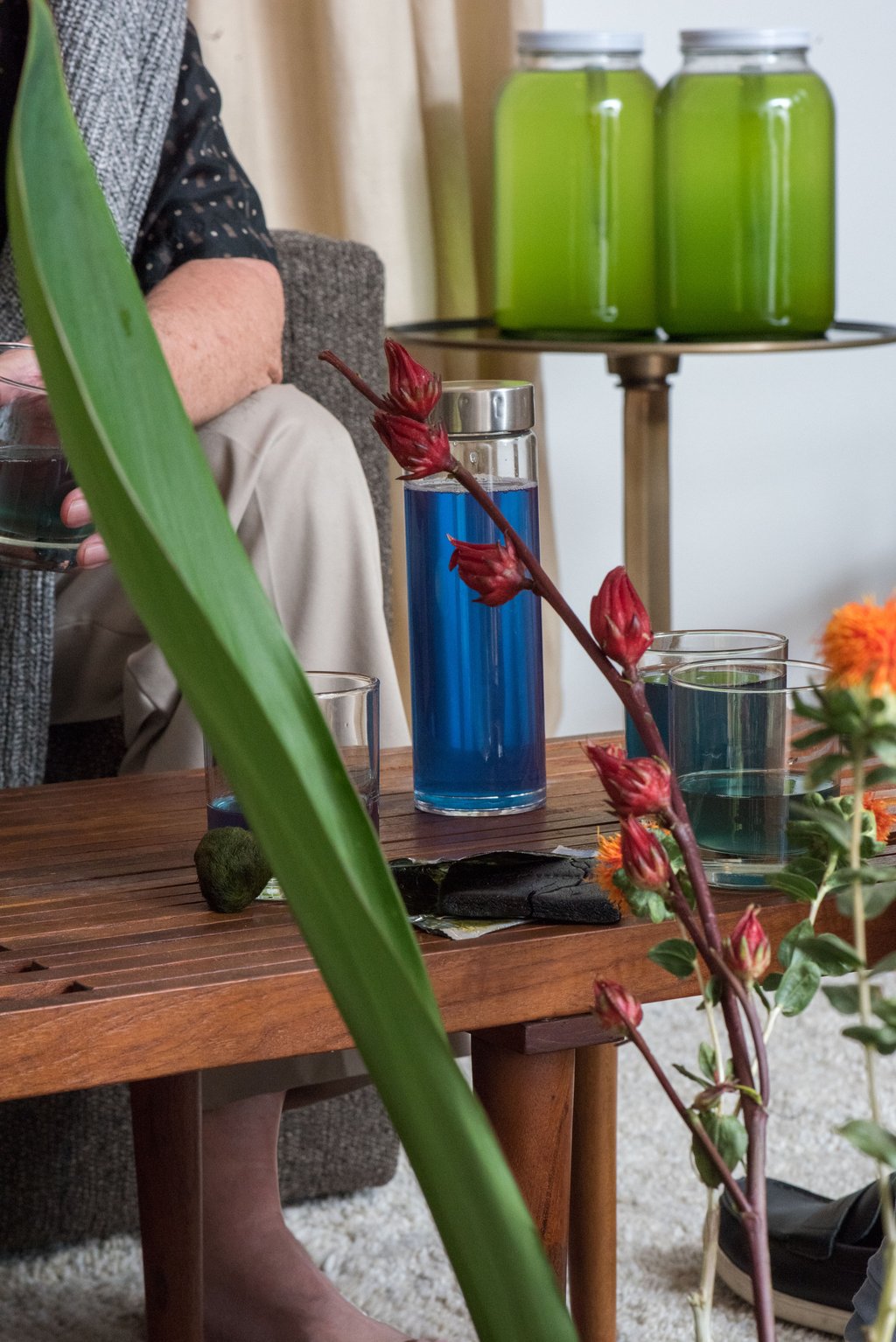
We have shared so many algae stories on this platform already, I am always on the lookout for the next breakthrough story. Thanks to a story in Sierra, which I almost skipped because of the smile in the photo below, I have learned about a company called nonfood, and found on their website other photos I could relate to (like the one above). The story is worth a read, and we hope to see more by Lewis Page:

The Future of Food Is Algae (Again)

A new generation of futurists look to the promise of pond scum

NONFOOD HAS UTOPIAN IDEALS, AND AN ALGAE-PRIDE MARKETING AESTHETIC. | PHOTOGRAPH COURTESY OF NONFOOD

A little over a year ago, CNN aired a segment about the future of food. “In 1800, there were a billion people on Earth,” said technology correspondent Rachel Crane. “Today, there’s seven times that. And by 2100, estimates say there could be nearly 12 billion people around the world.” Crane’s quest, then, was to taste-test food for a future with more people and fewer resources—one that would require eating lower on the food chain.

nonfood_smile_1024x.jpgFirst, Crane confronted a platter of sushi made with a tomato-based raw tuna substitute and devoured it approvingly. Then, she opened a silver pouch containing an algae-based food bar made by a Los Angeles start-up named Nonfood.

“Ugh, it smells,” Crane said, recoiling. “Instead of trying to emulate flavors we know and love, they decided to embrace the algae.” She took a bite and gagged. Her teeth were stained slightly green, and her tongue, when she stuck it out, was covered in a dark green paste.

Oddly enough, this was good publicity. After the episode aired, Nonfood, which seems sometimes like a business and sometimes more like an art project, was flooded with orders…

Read the whole article here. And while you are at it you might find the website for nonfood, with its ponderous accompanying photography, worth a visit as well:

RESTARTING THE FOOD CHAIN

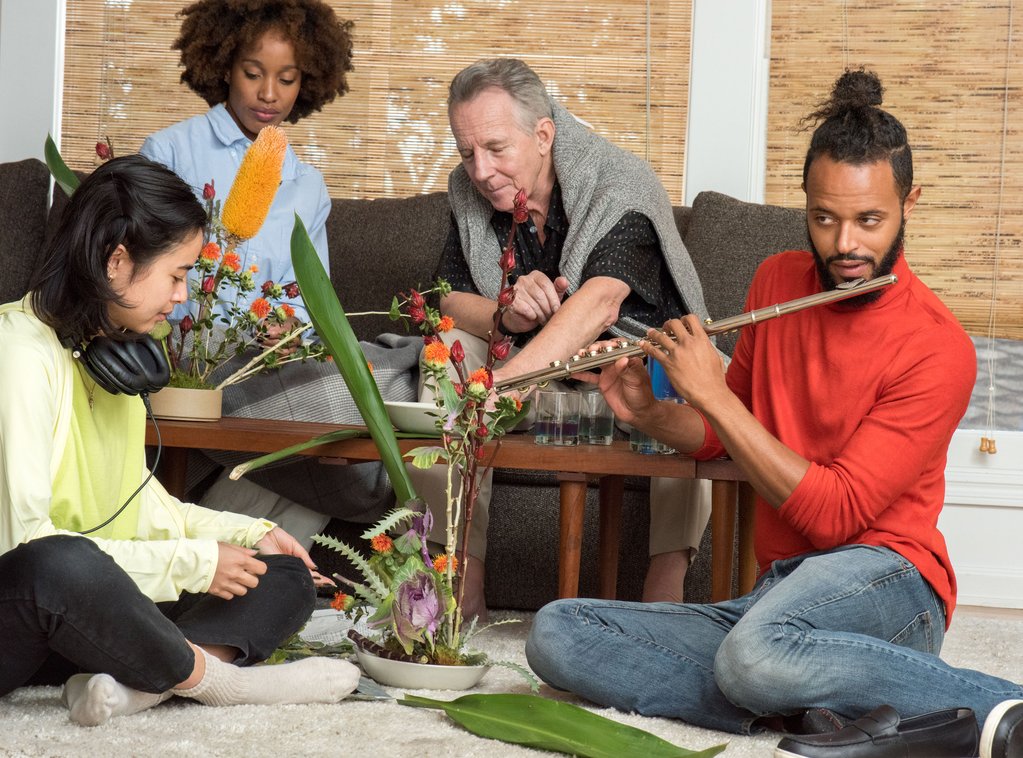
nonfood_groupikebana_1024x.jpgWe know that a plant based diet is better for the environment than a meat based diet, but we are also missing out on so many vitamins and nutrients the further up the food chain we eat. Algae is unique because it’s highly efficient at turning sunlight, water and CO2 into vitamins and nutrients, more than any other crop. It is the original source of food for life on earth and continues to be good for us as well as the planet.
Find out why algae will revolutionize the food industry

Plastic, Back At Work, Building Schools

merlin_157515186_a5507d98-988d-47f3-9b7e-81d1fb8a718f-jumbo.jpg

 Yagazie Emezi for The New York Times

For the two decades our company has been managing conservation-focused enterprises. Elimination of plastic has been a passion, and finding ways to reduce its use has been an obsession. While based in India, and working on a project in Ghana, we got a close look at entrepreneurial plastic re-use for the first time. We have been on the lookout for more ever since and this story gives hope for a whole new level of solution:

Less Trash, More Schools — One Plastic Brick at a Time

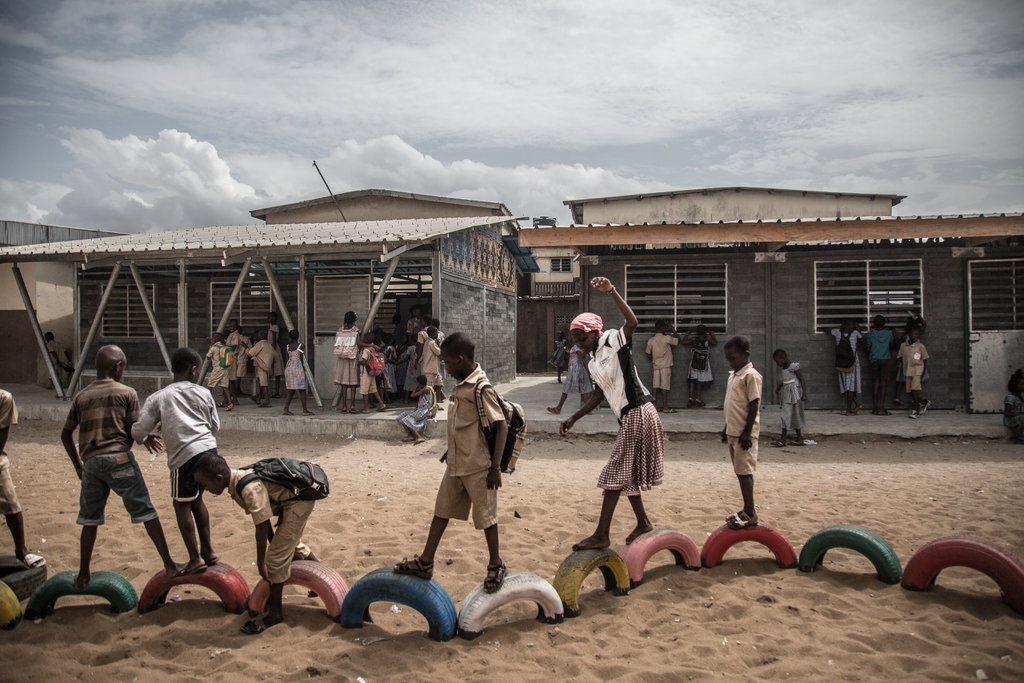
Plastic garbage collected by a women’s group is being recycled into bricks and used to build schools in West Africa.

merlin_157515216_f506bbda-79f7-48de-a48e-df2c3acc23cc-jumbo.jpg

Yagazie Emezi for The New York Times

ABIDJAN, Ivory Coast — She left home before dawn. Her four children were still asleep in her cement block house in Abobo, a maze of shops and houses occupied by dockworkers, taxi drivers, factory laborers and street sellers.

She and a friend crossed into the upscale neighborhood of Angré, home to doctors and businessmen. They tossed the plastic castoffs of the consumer class into bags slung over their shoulders as the cocks crowed and the sun peeked over villa walls draped with bougainvillea.

merlin_157515387_a493608b-0bcb-4662-9036-0839d219ce35-jumbo.jpg

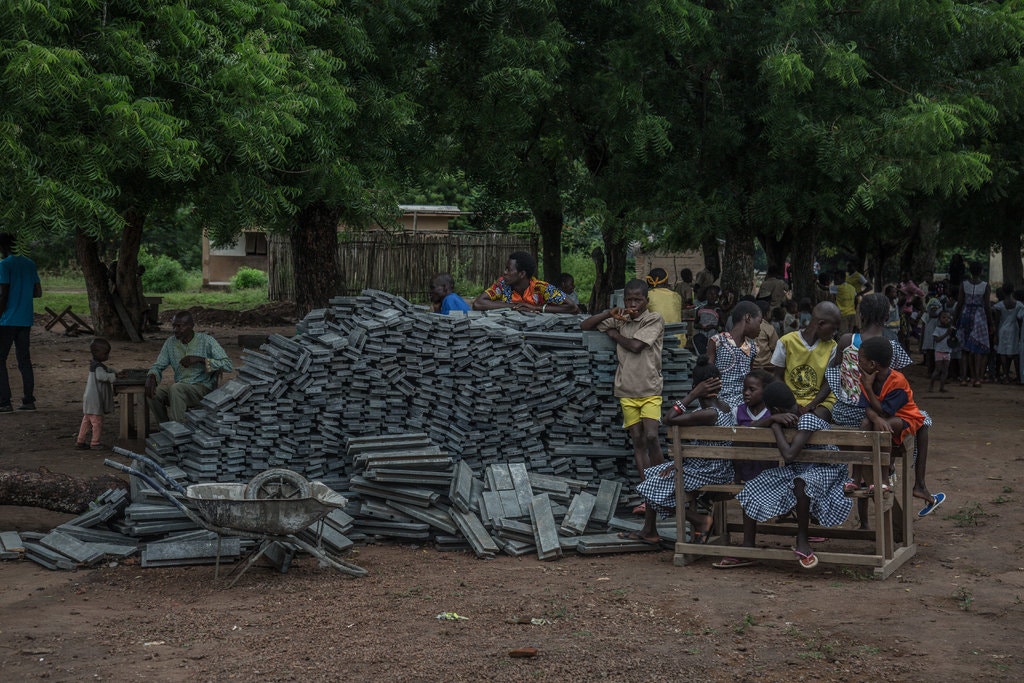
Students and residents gathered by plastic bricks outside their school in the Sakassou village. Yagazie Emezi for The New York Times

Mariam Coulibaly is part of a legion of women in Abidjan who make their living picking up plastic waste on the city streets and selling it for recycling. Now they are lead players in a project that turns trash into plastic bricks to build schools across the country.

merlin_157515282_8bf13b00-0c4f-4f76-bbb9-70eb4ccf6548-jumbo

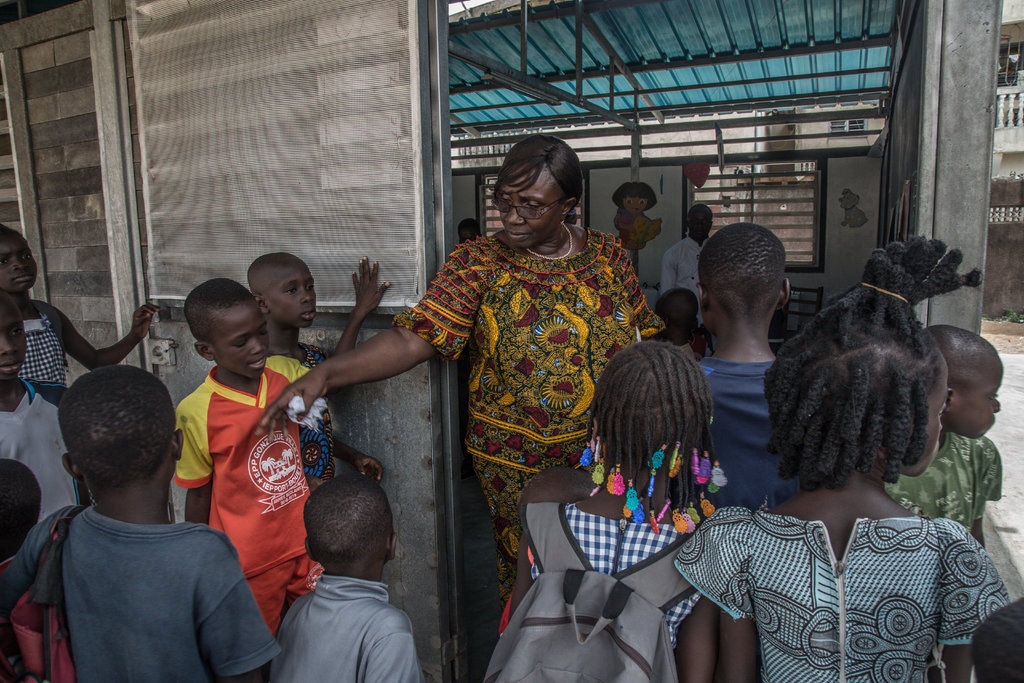
Pre-school principal Tirangue Doumbia ushering students into a new classroom built of recycled plastic bricks at the Gonzagueville school. Yagazie Emezi for The New York Times


They are working with a Colombian company to convert plastic waste — a scourge of modern life — into an asset that will help women earn a decent living while cleaning up the environment and improving education.

She sees it as a chance to better her life, maybe even to rise into the middle class.

“We don’t get good prices” from the current buyers, Ms. Coulibaly said. “This will help us.”

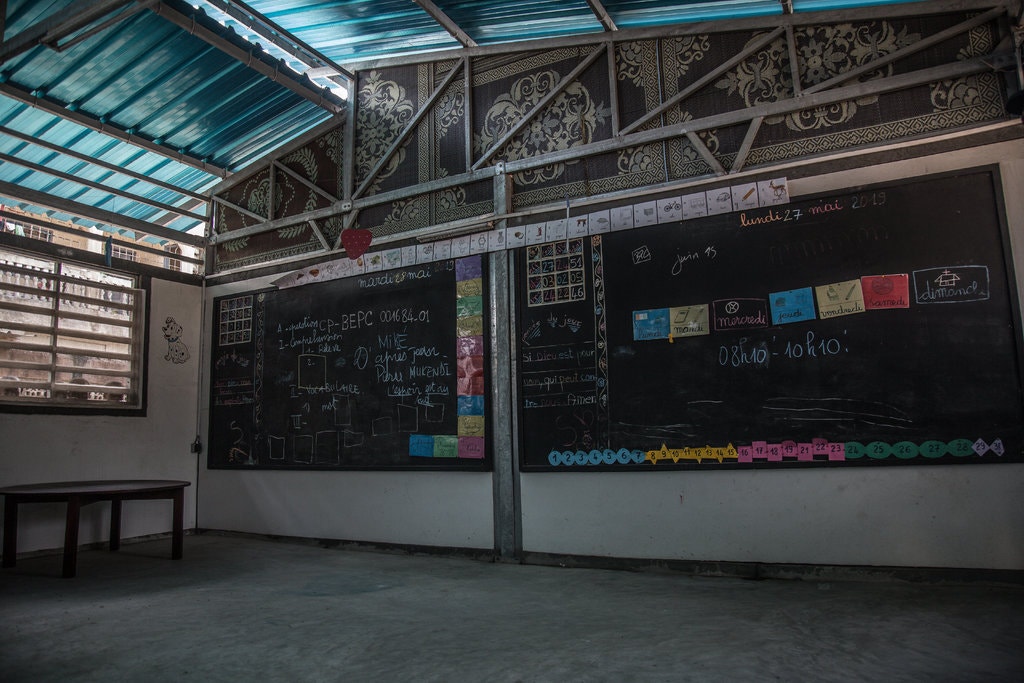
In the past year, the venture has built nine demonstration classrooms out of recycled plastic bricks in Gonzagueville, a scrappy neighborhood on the outskirts of Abidjan, and in two small farming villages, Sakassou and Divo. The first schools were built with bricks imported from Colombia. But in the fall, a factory now rising in an Abidjan industrial park will begin making the bricks locally. Continue reading

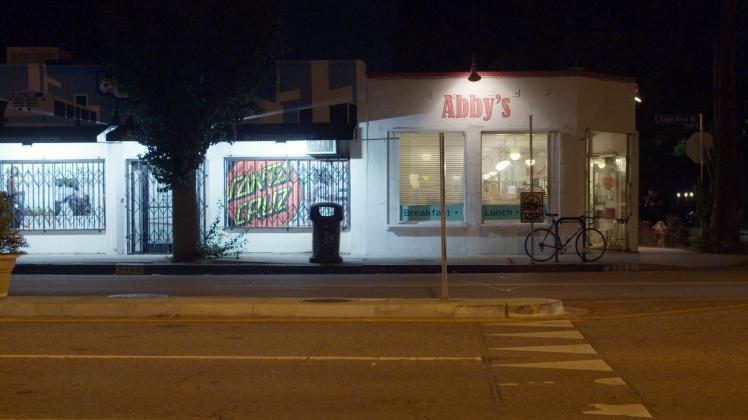
Vegan Hooligans @ Abby’s Diner

vegan01.jpg

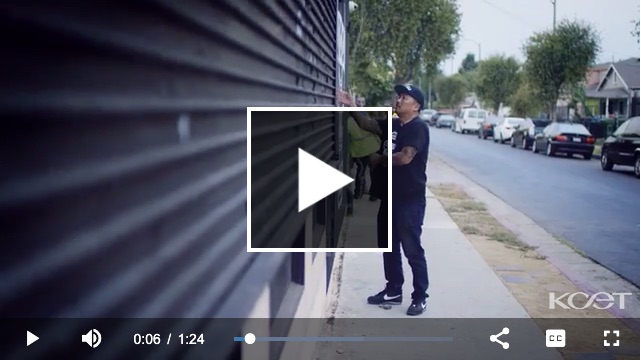
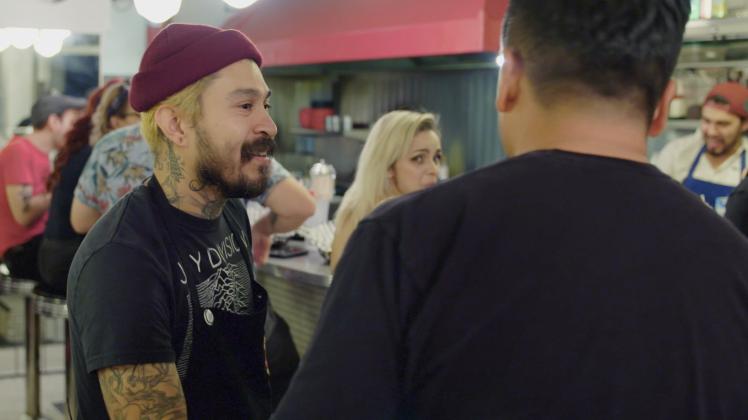
When I started reading this short piece below, subtitled “The chefs Roy Choi and Jose Mejia sample the Vegan Hooligans’ plant-based junk food at an L.A. pop-up.” and containing no photos, before getting two paragraphs in I had to see what Abby’s Diner looked like, and found the image above and those below, on Instagram and in a story by KCET, so following is a mix of the sources:

The chef Roy Choi posted up at the counter of Abby’s Diner in Los Angeles recently. Several times a week, the place morphs from a traditional greasy spoon—booths, tiled floor, B.L.T.s—to a greasy spoon that serves vegan renditions of such drive-through classics as the McDonald’s McRib.

Roi Choi.jpg

Entrepreneur, social activist and chef Roy Choi takes a journey through his hometown of Los Angeles to explore complex social justice issues including food deserts, food waste and sustainability. Learn more about “Broken Bread.” Watch this trailer.

Sheila Marikar has not appeared in our pages before, but I will be on the lookout for more from her, because even without images (thanks to KCET and the Hooligans’ Instagram account for those here) her words make vegan more compelling:

vegan03

Jose Mejia is the man behind the Vegan Hooligans.

“I like to re-create a lot of stuff from fast food so people feel comfortable,” Jose Mejia said. He is a founder of the Vegan Hooligans, which began popping up last February. (The name is a nod to his love of punk rock and soccer.) He wore overalls and a brown beanie. “I wanted to create a brand that didn’t just capture the eyes of, like, vegans,” he added.

BeLeaf.jpgEleven years ago, Choi co-founded Kogi BBQ, a fleet of Korean-taco trucks that fuelled a food-truck renaissance and got him on a number of best-of lists (Food & Wine Best New Chef, Time 100). He is not a vegan. “Kogi, for Pete’s sake, means ‘meat’ in Korean,” he said. But after meeting Mejia while filming an episode of his TV series, “Broken Bread,” a less hedonistic version of Anthony Bourdain’s “No Reservations,” Choi decided to try more meat substitutes. Now he eats animals maybe once a week. Continue reading

A little bit about me

Me and my two younger brothers at the top of Perry Tower

I have always been interested in sustainability, birding, and business. When I heard I might be able to help setup a sustainable gift shop in Costa Rica I knew I couldn’t turn down the chance. I leave for Costa Rica in a few weeks, but until then I will be posting on this blog. First, I thought I should introduce myself.

Continue reading

Raptors & Yardbirds

With a couple dozen chickens of our own at any given time, and a few acres of hilly land for them to forage on, the raptors who soar above menace the birds in the yard. But they captivate my attention. As this podcast episode does as well:

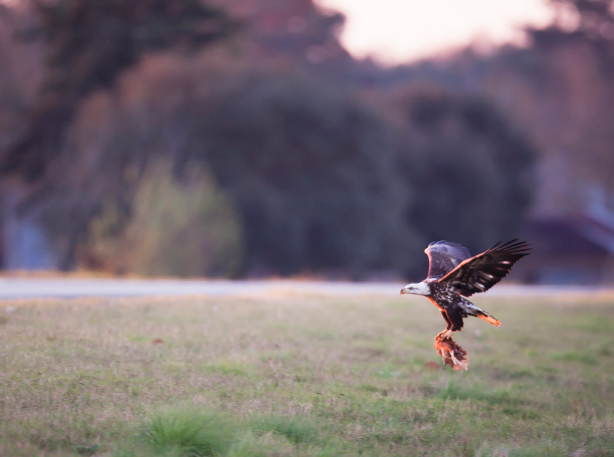
A bald eagle flies off with its kill. White Oak Pastures/White Oak Pastures

…He went organic. He started making changes. To replace the chemical fertilizer, he brought in chickens and let them roam free. Free-range chickens would fertilize the grass; the grass would nurture the cattle, and shoppers at Whole Foods would love Harris’s organic beef. It was a great plan.

But then, the eagles started to descend on Harris’s farm. Eagles eat chicken. Eagles love chicken…

For Further Consideration

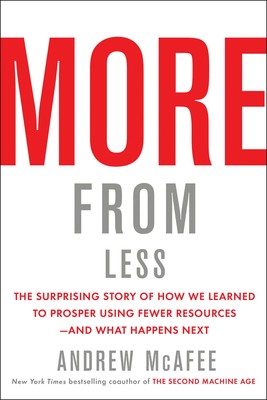
more-from-less-9781982103576_lgWith the most unlikely of titles to catch my attention in a long while, I gave HOW THE IPHONE HELPED SAVE THE PLANET a chance, and am glad for it. The author is the cofounder of MIT’s Initiative on the Digital Economy, so I was inclined to assume it was an essay titled ironically and give him the benefit of the doubt. Which led to some surprises in the essay, which then led me to read the pre-publication press for the book to the right. Let’s hope that Mr. McAfee is on to something true:

The more than 2 billion iPhones sold since Apple launched it exactly 12 years ago have done a lot of good for their owners, but it seems like they’ve been bad news for the planet. Building that many devices requires a lot of metal, plastic, glass, and other natural resources. Some of them, including cobalt, are mined by hand, reportedly sometimes by children, in desperately poor countries like the Democratic Republic of Congo. Others, like rare-earth elements, are in comparatively short supply. A project of the European Chemical Society found a “serious threat” that humanity could run out of many of these elements within a century. Continue reading

Biophilia via Oliver Sacks

Hortus Botanicus in Amsterdam. CreditKaren Massier/E+, via Getty Images

Being a daily reader of the NYTimes it’s surprising that I missed the publication of this posthumous essay by neurologist and author Dr. Oliver Sacks, who died in 2015. This is especially notable related to biophilia, a subject that means a great deal to all of us on this site, in fact, as Dr. Sacks states, it is an essential part of the human condition.

Oliver Sacks: The Healing Power of Gardens

Even for people who are deeply disabled neurologically, nature can be more powerful than any medication.

This is an excerpt from “Everything in Its Place,” a posthumous collection of writings by Dr. Sacks.

As a writer, I find gardens essential to the creative process; as a physician, I take my patients to gardens whenever possible. All of us have had the experience of wandering through a lush garden or a timeless desert, walking by a river or an ocean, or climbing a mountain and finding ourselves simultaneously calmed and reinvigorated, engaged in mind, refreshed in body and spirit. The importance of these physiological states on individual and community health is fundamental and wide-ranging. In 40 years of medical practice, I have found only two types of non-pharmaceutical “therapy” to be vitally important for patients with chronic neurological diseases: music and gardens.

The wonder of gardens was introduced to me very early, before the war, when my mother or Auntie Len would take me to the great botanical garden at Kew. We had common ferns in our garden, but not the gold and silver ferns, the water ferns, the filmy ferns, the tree ferns I first saw at Kew. It was at Kew that I saw the gigantic leaf of the great Amazon water lily, Victoria regia, and like many children of my era, I was sat upon one of these giant lily pads as a baby.

As a student at Oxford, I discovered with delight a very different garden — the Oxford Botanic Garden, one of the first walled gardens established in Europe. It pleased me to think that Boyle, Hooke, Willis and other Oxford figures might have walked and meditated there in the 17th century.

I try to visit botanical gardens wherever I travel, seeing them as reflections of their times and cultures, no less than living museums or libraries of plants.

Continue reading

Traditional Life Intersecting With Modern Sensibilities

merlin_156503076_dc4f4b3e-84bd-4974-811c-cb5f380c65f3-jumbo.jpg

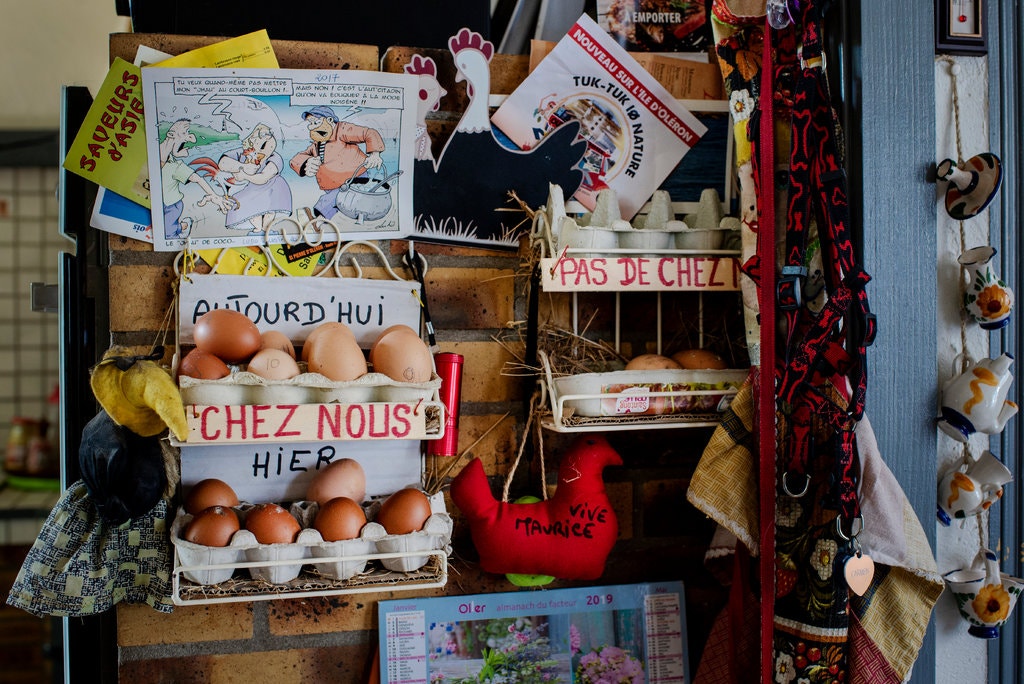
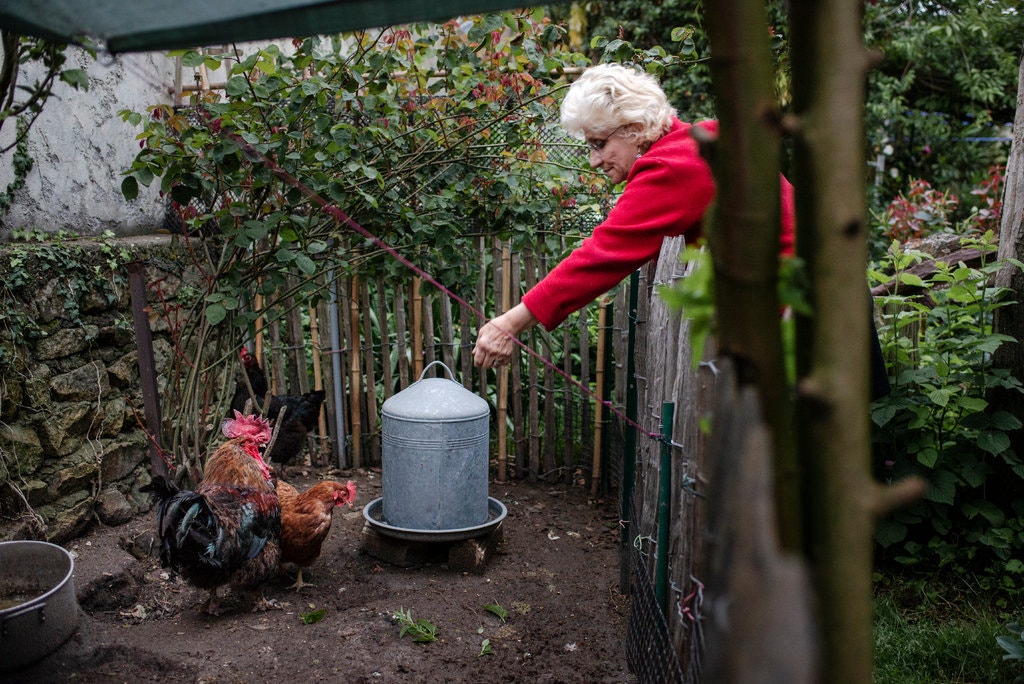
Ms. Fesseau keeps all the eggs from her chicken coop. Kasia Strek for The New York Times

It may be the Francophile in me that appreciates this story. Or maybe living surrounded by the sounds described in the story below helps me to take a position on roosters like the petition-signers all over France. Modern sensibilities include expectations to be shielded from such sounds, but equally modern sensibilities are emerging that remind us where food comes from, and ways in which we should respect the traditional life of rural areas.

‘The Rooster Must Be Defended’: France’s Culture Clash Reaches a Coop

merlin_156502533_982f1ebf-12eb-4f6d-81a8-e188e86d241c-jumbo.jpg

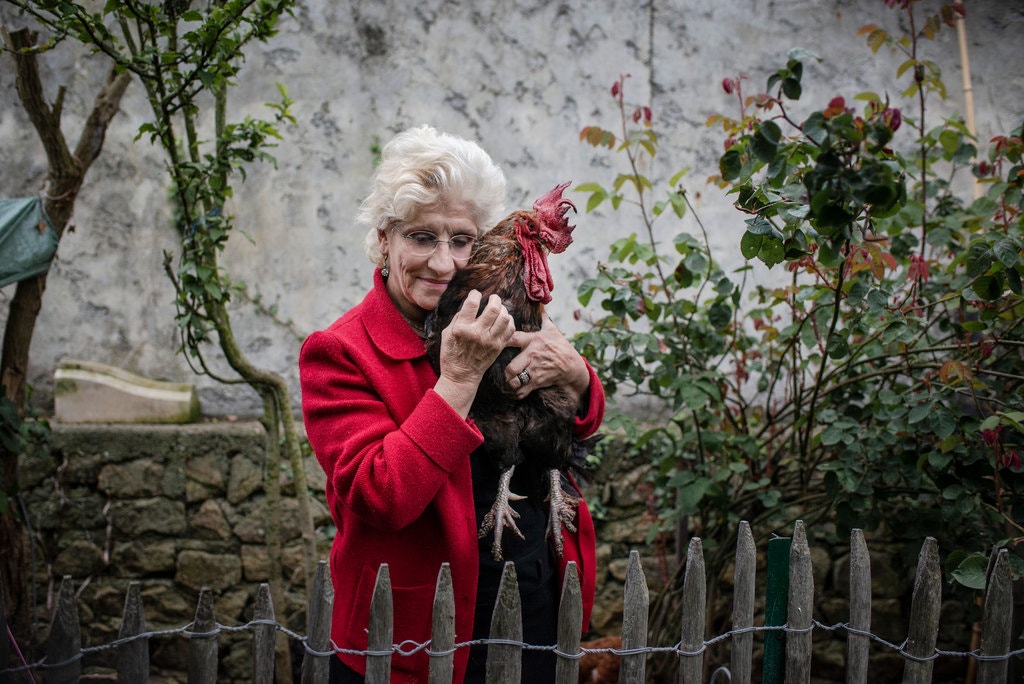
Corinne Fesseau with her rooster, Maurice, in the garden of her house in Saint-Pierre d’Oléron, France. Kasia Strek for The New York Times

SAINT-PIERRE-D’OLÉRON, France — The rooster was annoyed and off his game. He shuffled, clucked and puffed out his russet plumage. But he didn’t crow. Not in front of all these strangers.

“You see, he’s very stressed out,” said his owner, Corinne Fesseau. “I’m stressed, so he’s stressed out. He’s not even singing any more.” She picked up Maurice the rooster and hugged him. “He’s just a baby,” she said.

merlin_156502626_5c60349c-ce66-4fb6-b0fc-ccf7da3ed7cb-jumbo

Ms. Fesseau, a retired waitress, has defended Maurice vehemently. “A rooster needs to express himself,” she said. Kasia Strek for The New York Times

Maurice has become the most famous chicken in France, but as always in a country where hidden significance is never far from the surface, he is much more than just a chicken.

He has become a symbol of a perennial French conflict — between those for whom France’s countryside is merely a backdrop for pleasant vacations, and the people who actually inhabit it.

merlin_156503553_ca008159-9e82-4649-a675-572682fd9ec2-jumbo.jpg

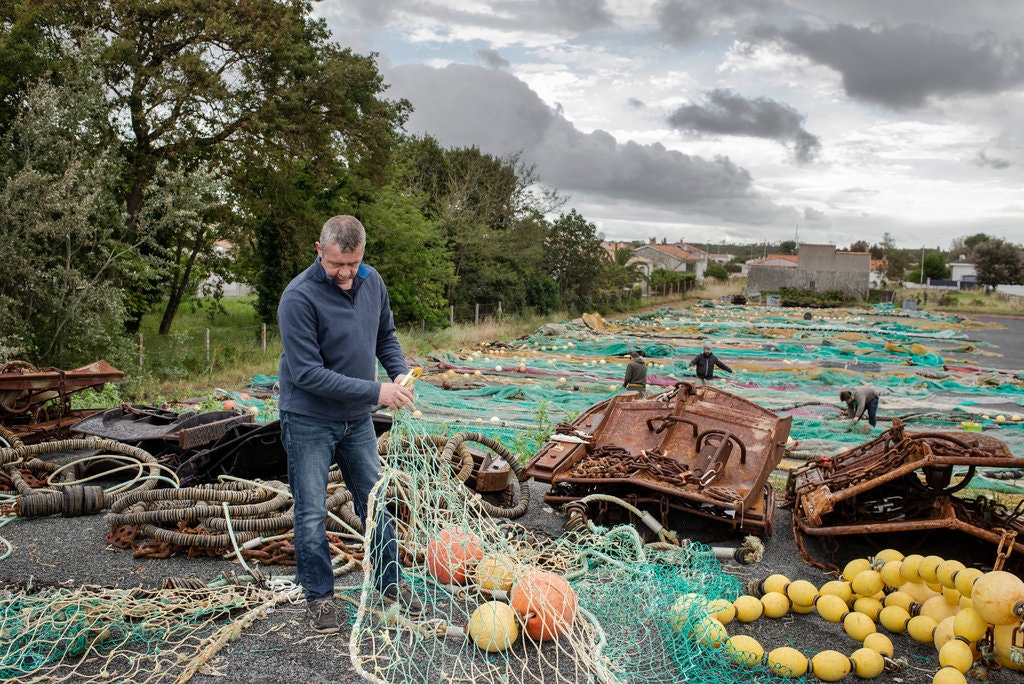
Sebastien Orsero, a fisherman on the island, said he was asked to replace a hedge separating his house from his neighbors’ property with a concrete wall because birds living in the hedge disturbed his neighbors. Kasia Strek for The New York Times

Maurice and his owner are being sued by a couple of neighbors. They are summer vacationers who, like thousands of others, come for a few weeks a year to Saint-Pierre-d’Oléron, the main town on an island off France’s western coast full of marshes and “simple villages all whitewashed like Arab villages, dazzling and tidy,” as the novelist Pierre Loti wrote in the 1880s.

These neighbors, a retired couple from near the central French city of Limoges, say the rooster makes too much noise and wakes them up. They want a judge to remove him. Continue reading