Looking Forward To The Debate On Nature As Climate Technology

Nature_Poster.jpg

We cannot help wondering, with the political upheavals in the USA and Europe, what will become of our commitments to take care of serious environmental issues, and specifically climate change; we are looking forward to this debate on the Intelligence Squared podcast, and will post a reminder when the podcast drops:

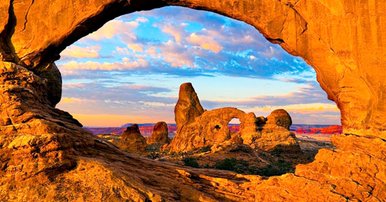
NATURE: OUR BEST CLIMATE TECHNOLOGY?

It was historic. The 2015 Paris climate agreement saw every member country of the UN pledge to cut its carbon emissions to zero by the second half of this century and keep global warming at well below 2°C above pre-industrial levels.

There’s just one problem. To reach this goal the world would need to shut down all of its coal-fired power stations by 2025 and ditch the combustion engine entirely by 2030. To reach its own targets, the UK will need to decarbonise the vast majority of its electricity supply within a mere 15 years. Eliminating fossil fuels this way is going to be extremely challenging. An extra lever is needed to reach the Paris climate targets. But from where? Continue reading
Food, Its Contents & Its Discontents

cheapeats2_wide-05fb98d6b9b328ebc4a3e00a3c9e08c64e00eefe-s1400-c85

Alex Reynolds/NPR

We appreciate that an immigrant restaurant owner has the courage to state the unpopular but important facts underpinning one of the popular memes of our time (thanks as always to the salt over at National Public Radio in the USA):

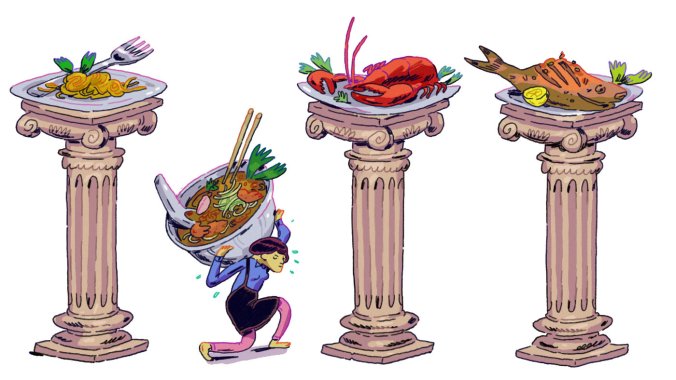
Cheap Eats, Cheap Labor: The Hidden Human Costs Of Those Lists

by Diep Tran

Everyone loves a cheap eats list. A treasure map to $1 tacos! $4 banh mi! $6 pad Thai! More often than not, the Xs that mark the cheap spots are in the city’s immigrant enclaves. Indeed, food media is never so diverse as when it runs these lists, its pages fill with names of restaurateurs and chefs of color.

These lists infuriate me.

Continue reading

Clean Water Should Not Be Politicized, But When It Is We Love Trout Unlimited More Than Ever

10wood-master768

Leigh Guldig

Please take a few minutes to read what follows to the end, and share it as far and wide as you can. Our thanks to Chris Wood–president and chief executive of Trout Unlimited, which needs and deserves our support for exactly the reason stated below–for writing, and the New York Times for publishing this clear statement:

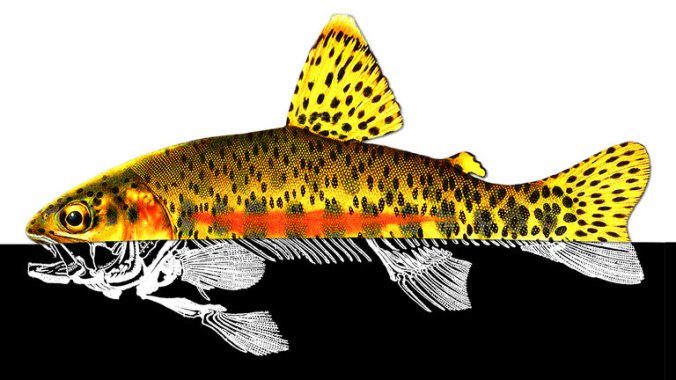
THE eastern brook trout, whose native haunts in the Appalachians are a short drive from my home in Washington, is a fragile species. It requires the coldest and cleanest water to survive, and over the past two centuries, its ranks have been decimated by all that modern society could throw at it. Today it lives in a fraction of its historic range.

One reason? Thousands of miles of prime brook trout streams have been polluted by poorly regulated historic coal mining, and what has been lost is difficult to bring back. Groups like Trout Unlimited have worked with partners to restore more than 60 miles of wild trout streams damaged by acid mine drainage in Appalachia. But it is hard, painstaking work — it has taken the better part of two decades and millions of dollars, and the fact is that it would take many lifetimes to revive all the streams in need of resuscitation. Continue reading

Model Mad, Literary

Mishra-VaclevHavelsLessonsonHowtoCreateaParallelPolis-1200.jpg

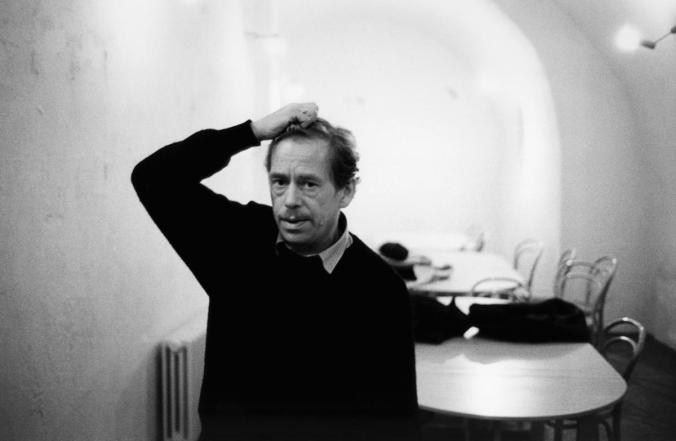
The Cold War–era writings of the Czech writer Václav Havel offer ideas on how dissidents can resist “the irrational momentum of anonymous, impersonal, and inhuman power.”PHOTOGRAPH BY MIROSLAV ZAJIC / CORBIS VIA GETTY

This post by Pankaj Mishra fits the bill for the theme we have been following, as the excerpted several paragraphs below will illustrate:

VÁCLAV HAVEL’S LESSONS ON HOW TO CREATE A “PARALLEL POLIS”

…Born in 1936, Havel came of age in Czechoslovakia, whose Communist rulers repeatedly imprisoned and continuously surveilled him while suppressing many of his writings. Defiant right until 1989, when he engineered the fall of the Communist regime, Havel came to be celebrated in the West as a “dissident,” a word commonly used to describe many in Communist countries who valiantly struggled against a pitiless despotism. Continue reading

Celebrating Species Recoveries

8727656416_56347460b6_k-1260x708.jpg

Brown Pelican. Photo by ALAN SCHMIERER / Flickr in the Public Domain

Thanks to Cool Green Science:

Five Endangered Species Recoveries You’ve Never Heard Of

by Christine Peterson

More than 40 species have been officially recovered by the Endangered Species Act. Some, like bald eagles and peregrine falcons, have received a lot of publicity.

Here are five lesser known – but no less interesting – stories of recovery. Continue reading

Model Mad, Boycott

3500-1

Travis Kalanick wrote in an email to Uber staff on Thursday that he stepped down after he spoke with Trump about his immigration executive order ‘and its issues for our community’. Photograph: Danish Siddiqui/Reuters

We appreciate the Guardian’s continued attention to stories that illustrate model mad
actions, wherever or however they might happen. The fertility of the soil, the richness of the ecosystem in which people are expressing themselves in novel model mad manner, is helping us imagine we will see through the dark cloud sooner rather than later:

Uber CEO steps down from Trump advisory council after users boycott

Travis Kalanick says participation in president’s strategic and policy forum has been ‘misinterpreted’ as endorsement of Donald Trump’s agenda Continue reading

Clean Energy, Nordic Style

norway-dam

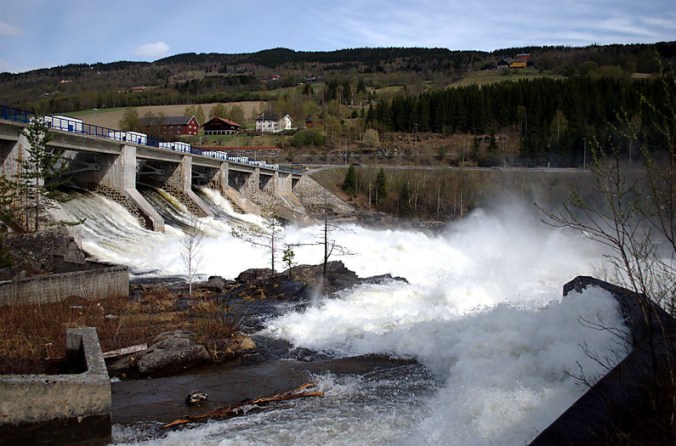
Hunderfossen Dam, Norway via Sigurd Rage/Flickr

Thanks to Anthropocene:

Nordic countries offer important lessons for clean-energy transition

Continue reading

Model Mad, Effective

2900.jpg

Utah’s congressional delegation has vigorously fought to open Ute tribal land, currently partially protected by the Bears Ears National Monument, above, to drilling. Photograph: Francisco Kjolseth/AP

Thanks to the Guardian for first bringing this to our attention, another example of model mad, and a pretty big deal too:

Model Mad, Canada

5000

Canadian scientists were not allowed to talk to the media on certain topics during the premiership of Stephen Harper. Photograph: Alamy

Thanks to the Guardian for reporting on the decision by some Canadian scientists to model mad in that distinctly polite, mild-mannered and highly effective way they have of doing things up north:

Canadian scientists offer support to muzzled US counterparts

For nine years under Canada’s previous government, science suffered harsh restrictions. Now US scientists may be facing a similar fate

by Ashifa Kassam in Toronto

Canadian scientists – who were muzzled for nearly a decade by the country’s previous Conservative government – have been making contact with their counterparts in the US to offer their support and solidarity amid mounting fears that Donald Trump’s presidency will seek to suppress climate science.

For nine years, scientists with Canada’s federal government grappled with what many described as an all out assault on science. Continue reading

Model Mad, Alt

gettyimages-541079114-270d8a863b14cf1c1d10eee0eaee567e7efe20fd-s1400-c85.jpg

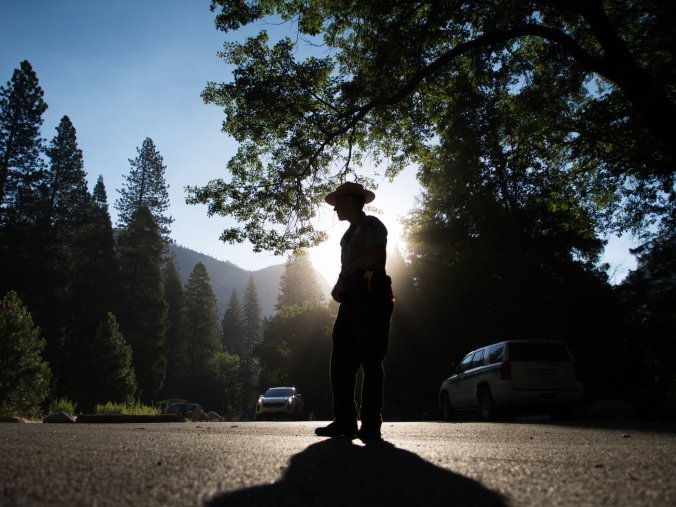
Multiple Twitter accounts claiming to be run by members of the National Park Service and other U.S. agencies have appeared since the Trump administration’s apparent gag order. The account owners are choosing to remain anonymous. David Calvert/Getty Images

Thanks to Wynne Davis at National Public Radio (USA) for It’s Not Just The Park Service: ‘Rogue’ Federal Twitter Accounts Multiply, another example of model mad:

“Rogue” accounts that have the look of those by real federal agencies are spreading like wildfire on Twitter.

The AltUSNatParkService Twitter account has gained more than 1 million followers and inspired the creation of many more “unofficial resistance” accounts for specific national parks and other entities, including accounts like Rogue NASA and AltUSForestService. Continue reading

Model Mad, Corporate

oh418v0r-1Thanks to EcoWatch for identifying these companies for speaking out, as is their right and responsibility as much as their self-interest–a good self-interest in conservation–and providing another example of model mad, corporate style:

The most anticipated outdoor recreation event of the year just finished in Salt Lake City, Utah, where hundreds of outdoor brands from small business outfitters to industry pioneers like Patagonia and Black Diamond Equipment gathered to witness the cutting-edge in outdoor gear. Continue reading

Model Mad, 314

314

The website itself is not exactly scintillating, but click the banner above to read the mission statement. Better yet, read Ed Yong’s scintillating explanation of how and why this organization came to be, and what it is doing:

For American science, the next four years look to be challenging. The newly inaugurated President Trump, and many of his Cabinet picks, have repeatedly cast doubt upon the reality of human-made climate change, questioned the repeatedly proven safety of vaccines. Since the inauguration, the administration has already frozen grants and contracts by the Environmental Protection Agency and gagged researchers at the US Department of Agriculture. Many scientists are asking themselves: What can I do? Continue reading

Model Mad, McKibben

McKibben-ABadDayfortheEnvironmentwithManyMoretoCome-1456x750-1485299497.jpg

PHOTOGRAPH BY DOUG MILLS / THE NEW YORK TIMES / REDUX

Bill McKibben is the founder of 350.org and we have posted on him so many times in the past for his environmental and other forms of activism we sometimes forget that he also has a day job, as the Schumann Distinguished Scholar in environmental studies at Middlebury College. Today he posted in a manner that captures well what we meant when we used the word mad, and qualified our intent to remain madly determined:

…There’s not the slightest evidence that Americans want laxer environmental laws. A poll released last week showed that nearly two-thirds of Americans would prefer that the E.P.A.’s powers be preserved or strengthened. Solar power, meanwhile, polls somewhere in the neighborhood of ice cream among Democrats, Independents, and Republicans alike. Continue reading

Scotland’s Awesome Accomplishments

4248

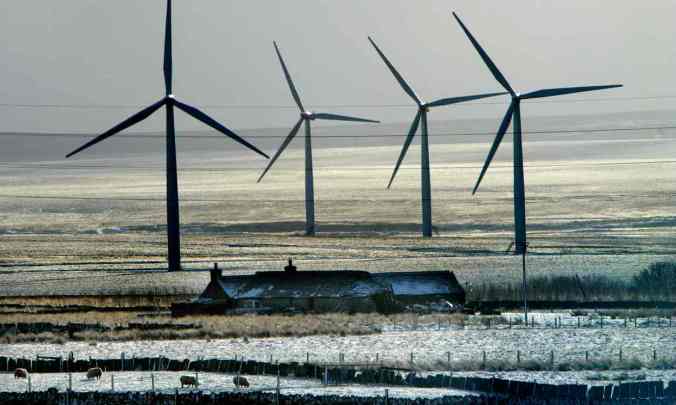
Scotland’s new strategy calls for a totally carbon-free electricity sector by 2032. Photograph: Murdo Macleod for the Guardian

Thanks to the Guardian for their excellent environmental coverage:

Scotland sets ambitious goal of 66% emissions cut within 15 years

Holyrood ministers aim higher after hitting target of 42% cut by 2020 six years early, but say Brexit poses challenge Continue reading

An Uncommon Conundrum

22eagles1-jumbo-v5.jpg

Illustration by Kelsey Dake

For our bird-centric and conservation-focused readers especially, this is a rich one:

When the National Bird Is a Burden

Bald eagles have been the emblem of the United States for more than two centuries. Now, in some parts of the country, they’re a nuisance. Continue reading

Urban Shape & Ecoefficiency

mini-sao-paulo.jpg

Thanks to Anthropocene for this summary of a counterintuitive finding:

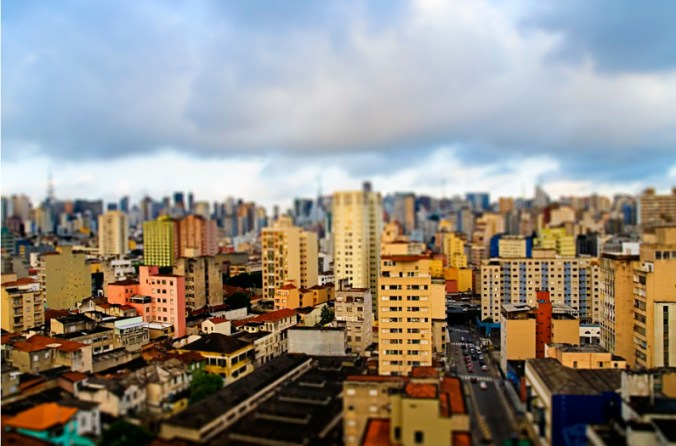
To save energy on heating and cooling, look at the shape of cities, not just their buildings

Rapid Radical Progress

gettyimages-627186506

GETTY IMAGES

In our seventh year based in Kerala, India we have experienced progress each year in the quality of connectivity, but another state to the north may become India’s superstar of connectivity, faster than we can imagine:

One Indian State’s Grand Plan to Get 23 Million People Online

By Hui Wu

THE TRENCH RUNNING along the road linking Kodicherla and Penjarla in southern India is just 5 feet deep and about half as wide. Yet it carries the promise of a better life for the people of those villages, and all of Telangana.

Within the ditch lie two pipes, a large black one carrying fresh water and smaller blue one containing a fiber optic broadband cable. The government of Telangana, a state born of the 2014 secession from Andhra Pradesh after its residents accused the government of systematic neglect, is doing something unprecedented in India: bringing broadband internet to every rural home in the region, some 23 million people in all.

Of the 4 billion people around the globe without access to the internet, one-quarter of them live in India. Continue reading

Back To The Land, And A Future

18Farmers5-superJumbo-v2.jpg

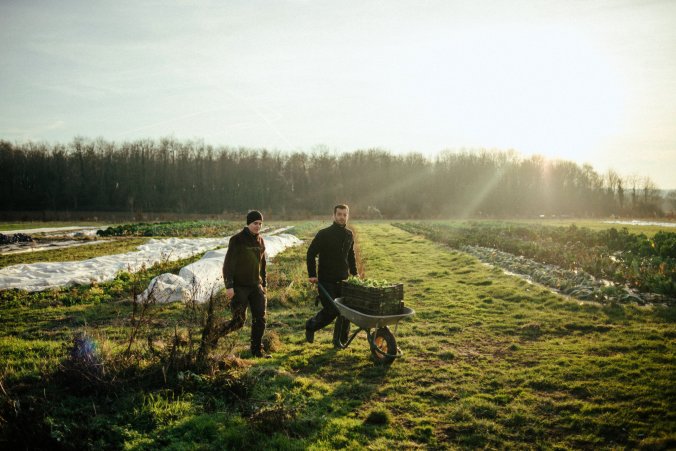
Vincent Martin, right, made a living selling health club memberships in Paris until he left his job about five years ago. “Land is key,” he said. Credit Dmitry Kostyukov for The New York Times

We are going back to the land this year, in Belize, and can relate to the description and explanation these ex-urbanites give for their retreat to the rural, agricultural life of their forebears:

Life on the Farm Draws Some French Tired of Urban Rat Race

By

SAULX-LES-CHARTREUX, France — Two years ago, Elisabeth Lavarde decided to quit her office job in Paris and start a new life in Saulx-les-Chartreux, a small town with two butchers and one baker just south of the capital.

Ms. Lavarde, 39, is now an apprentice farmer at a 24-acre farm that grows organic vegetables, sold directly to local consumers. New farmers like Ms. Lavarde usually make what they see as a decent salary of about 1,500 euros, or about $1,600, a month, slightly above the French minimum wage.

“I wanted a job with more meaning,” she said. “I felt like I was tilting at windmills.” Continue reading

Montenegro, 2017

5565

Wild and wet … Lake Skadar national park, Montenegro. Photograph: Alamy

It is now ancient history, but it may as well be yesterday, since I can look at the photo above and it has no less of an impact on me. When Montenegro was still part of what remained of ex-Yugoslavia, La Paz Group worked in partnership with UNDP on a project for the Prime Minister of this soon-to-be independent nation. He was visionary, and wanted to replicate what Costa Rica had accomplished as a small ecologically diverse country–harnessing sustainable development to ensure his country would not become the victim of the forces of mass tourism.

Skadar Lake was the crown jewel in the country’s potential attraction of ecologically-oriented travelers, and the perfect complement to the wild beauty of the coast line and the spectacular mountains. Montenegro has done a very good job in the decades since my first visit to Skadar Lake (standing exactly where the photographer above stood, looking at my own photos from that visit), communicating its commitment to those principles. Nonetheless, the challenges never go away, so we wish them continued success in fighting the dark forces:

Montenegro’s pristine Lake Skadar threatened by new resort

Tourism in Montenegro is booming, but the approval of plans for a new ‘eco-resort’ has led to protests from conservationists who fear it will threaten a stunning national park Continue reading

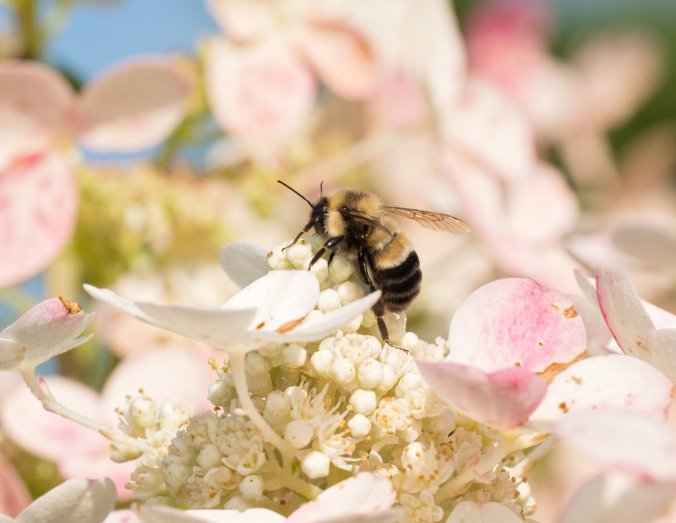
Bumble Bees & Conservation

06About-blog427-v2.jpg

The rusty-patched bumblebee, once common across the continental United States, has been designated an endangered species. Credit Clay Bolt

One more gift of protection:

A Bumblebee Gets New Protection on Obama’s Way Out

By and

The Obama administration, rushing to secure its environmental legacy, has increased protection for a humble bumblebee. Continue reading