Dutch Methane Capture

2711

Agriculture produces about 10% of the Netherlands’ greenhouse gas emissions. A new project will help capture methane emissions from Dutch dairy farming. Photograph: Julian Stratenschulte/EPA

Thanks to the Guardian for this:

Poo power: Dutch dairy industry launches €150m biogas project

Will a scheme to turn cow manure into biogas help the Netherlands lose its reputation as the ‘bad guy’ of Europe when it comes to agricultural emissions?

The air smells fruity, slightly alcoholic. Against the strong hum of machinery, 175 cows are eating hay. As their dung drops to the slatted floor, a machine sweeps it through and it runs underneath the barn to a futuristic dome outside. Continue reading


Lessons In Urban Water Conservation From Down Under

01fixes1web-master768.jpg

Residents of Melbourne, Australia, reduced their water consumption during the long drought and effectively saved the city from running dry. Credit Carla Gottgens/Bloomberg

Thanks to the New York Times for this tutorial, provided at city scale, on more sensible management of natural resources:

Australia’s Lesson for a Thirsty California

Sylvia Rowley

MELBOURNE, Australia — On his first visit to Melbourne in 2009, Stanley Grant, a drought expert and professor of civil and environmental engineering at the University of California, Irvine, had a question for his taxi driver.

“How’s the drought?” he asked.

“It’s about 28 percent,” came the reply.

Grant was puzzled. But shortly afterward, they drove past an electronic road sign announcing that the city’s reservoirs were indeed at just 28 percent of capacity. Continue reading

False Equivalence, Exhibit A?

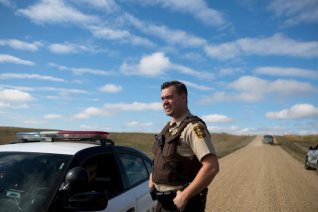
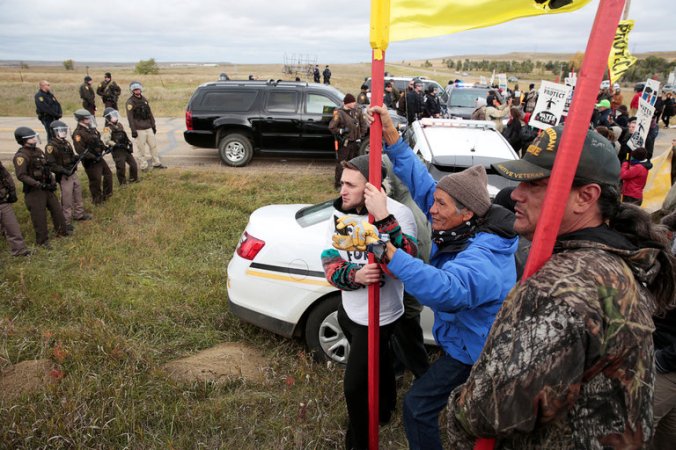
02dakota1-master675We are concerned about false equivalence journalism, especially on environmental topics, so we have read this story twice before highlighting it. The human interest attraction is meant to be heightened by including the law enforcement perspective.

02dakota2-master675One of the most respected journalists of our time, however, seems to have committed the error right on the heels of an obviously awkward parallel story that serves as a perfect cautionary tale for false equivalence. We still recommend reading it, so you can decide for yourself:

The View From Two Sides of the Standing Rock Front Lines

Northeastern USA Will Remain Greener, Longer, Thanks To New Protection In Maine’s Backwoods

06maineexplorer4-master1050

Thank you Maine and thank you federal government of the USA:

Touring Maine’s Newest — and Largest — Parcel of Federal Land

By

On an early fall day, with just a hint of red tinting the maples, the view from the summit of Deasey Mountain is spectacular.

To the west stand the rugged, treeless basins and knife-edge spine of Mount Katahdin. Off to the south, you see Wassataquoik Valley in the near distance, the peaks of the 100 Mile Wilderness beyond. To the east and north, more wild Maine woods and hills rolling for miles, to the Canadian border. Continue reading

Dakota Access & Fairness

4500

Chief Arvol Looking Horse, spiritual leader of the Sioux nation, leads his people to peacefully pray near a law enforcement barricade just outside of a Dakota Access pipeline construction site. Photograph: Stringer/Reuters

It looks hypocritical from our vantage point:

Dakota Access pipeline protesters see bias after Oregon militia verdict

Activists at the Malheur wildlife refuge were carrying guns – but ‘if native people were armed, we would be killed,’ says an activist at Standing Rock

in Cannon Ball, North Dakota

Johanna Holy Elk Face couldn’t help but chuckle. The 63-year-old Native American was one of hundreds of activists gathered to block construction of the Dakota Access pipeline on Thursday, when police with tanks and riot gear surrounded them and began making mass arrests. Continue reading

World’s Largest Marine Reserve, Another Accomplishment Of 2016

ap_16302025591684_custom-392a50abd26d8fdc885b7c2a23b34b542c8d806c-s1100-c85

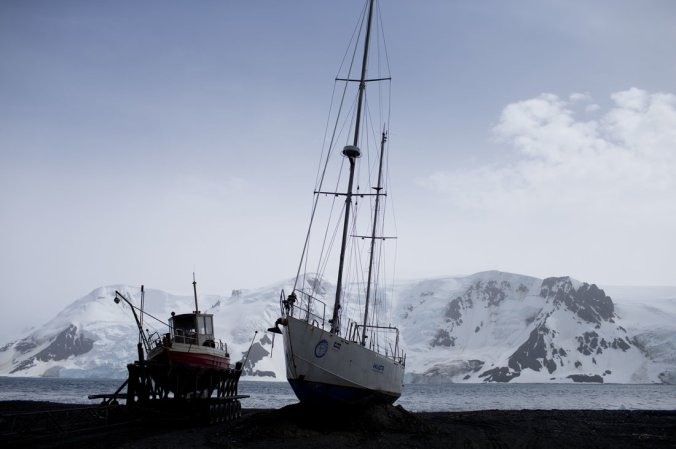
Boats sit on the beach at Bahia Almirantazgo in Antarctica. An agreement was reached on Friday to create the world’s largest marine protected area in the ocean next to the frozen continent. Natacha Pisarenko/AP

In an otherwise dismal year for the environment, we have tried to keep track of the few actions taken that are noteworthy for their scale and ambition. This week, and this month, are ending on a high note in that regard:

Nations Agree To Establish World’s Largest Marine Reserve In Antarctica

MERRIT KENNEDY

After years of negotiations, nations have reached an agreement to establish the world’s largest marine sanctuary in Antarctica’s Ross Sea.

Twenty-four countries and the European Union reached the unanimous deal at an international meeting of the Commission for the Conservation of Antarctic Marine Living Resources in Hobart, Australia on Friday. Continue reading

Dakota, Keystone & Resistance

29mckibbenWeb-master768.jpg

Dakota Access Pipeline protesters facing police officers in North Dakota this month. Credit Terray Sylvester/Reuters

As usual, Mr. McKibben is on the correct side of the debate and urges the rest of us to join that side and resist in solidarity:

Why Dakota Is the New Keystone

By

MIDDLEBURY, Vt. — The Native Americans who have spent the last months in peaceful protest against an oil pipeline along the banks of the Missouri are standing up for tribal rights. They’re also standing up for clean water, environmental justice and a working climate. And it’s time that everyone else joined in.

The shocking images of the National Guard destroying tepees and sweat lodges and arresting elders this week remind us that the battle over the Dakota Access Pipeline is part of the longest-running drama in American history — the United States Army versus Native Americans. In the past, it’s almost always ended horribly, and nothing we can do now will erase a history of massacres, stolen land and broken treaties. But this time, it can end differently. Continue reading

Centennial Portraiture

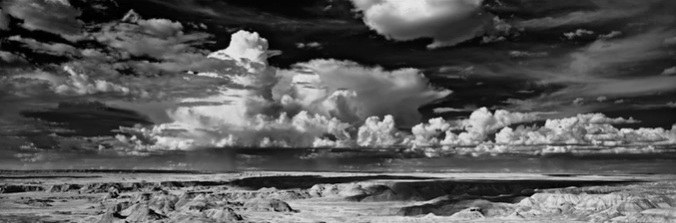
Painted Desert by Cody Brothers

Since August this year a multitude of events have occurred to honor the 100th birthday of the U.S. National Park Service. Aside from the obviously wonderful wilderness experiences available in the country’s 58 parks, as well as our own National Park of the Week series on this site, there are cultural events that highlight the beauty and history of the amazing achievement that is the preservation of our national patrimony for future generations.

Photographers have documented the landscapes of our national parks from the moment the technology made it possible, and the haunting beauty of the panoramas draw artists, explorers and dreamers still.

National Endowment for the Arts grant recipient Cody Brothers is all three. Continue reading

More Before The Flood

Flood.jpg

We have been there, we have seen it, we have breathed it, we have witnessed enough. We are grateful to the film makers for bearing witness to a wider audience. Click above to go to the preview of the film:

Exclusive Clip: DiCaprio’s Climate Doc Exposes Destruction of Rainforest for Palm Oil as Huge Driver of Global Carbon Emissions

Rainforest Action Network

A new documentary produced and starring actor and activist Leonardo DiCaprio premieres in Los Angeles today and will be broadcast globally in 45 languages in 171 countries on the National Geographic Channel starting Oct. 30, timed to air in advance of the November elections. Continue reading

Carbon Capture’s Unintended Consequences

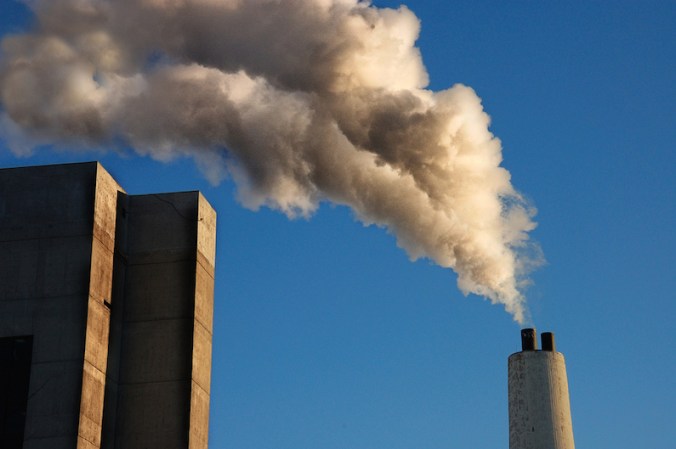
smokestack.jpg

Photo: Ryan T. Flickr Creative Commons.

Be careful what you wish for as this summary of a new scientific study reminds us:

Could carbon capture fuel our carbon addiction?

FishFace

tnc_17243496_preview_cropped-1260x708.jpg

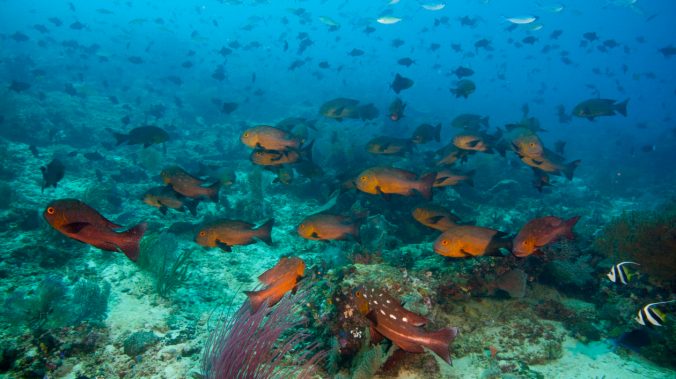
Midnight Snappers, Fusiliers, and Triggers school in deep water, photographed in the waters off Kofiau. Photo © Jeff Yonover

Nature Conservancy’s blog,

We Can Have Oceans Teeming with Fish with FishFace Technology

By Lisa Feldkamp

Traditional methods of gathering fisheries data can take as long as one or two years, costing time and money that many imperiled global fisheries don’t have.Enter FishFace, a new application under development by The Nature Conservancy in partnership with Refind Technologies. Similar to facial recognition software used to identify people, FishFace uses artificial intelligence to learn to recognize fish species in photographs. Continue reading

Solar Rising

4000

A road divides solar panels at the Ivanpah Solar Electric Generating System in the Mojave Desert, Nevada. Photograph: Bloomberg/Bloomberg via Getty Images

Those of us who live near the Kochi Airport in Kerala, India feel pretty proud of our 100% solar-powered access to the outside world; but this story tells us to expect even more in the USA soon:

US energy shakeup continues as solar capacity set to triple

Solar expected to almost triple in less than three years by 2017 as coal continues to fall, solidifying gas as country’s chief electricity source, reports Climate Central

Bobby Magill for Climate Central, part of the Guardian Environment Network

Solar power capacity in the US will have nearly tripled in size in less than three years by 2017 amid an energy shakeup that has seen natural gas solidify its position as the country’s chief source of electricity and coal power continue to fade, according to monthly data published by the US Department of Energy. Continue reading

Before the Flood

21BEFOREFLOOD-master768-v2.jpg

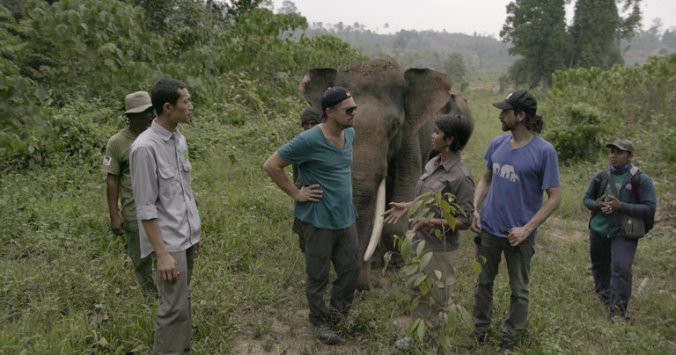
Leonardo DiCaprio in a scene from the global-warming documentary “Before the Flood.” Credit National Geographic

Have you seen it? Let us know if the reviewer got it right:

Review: In ‘Before the Flood,’ Leonardo DiCaprio Sounds the Climate-Change Alarm

Even if you subscribe to the view that a problem isn’t a problem until a Hollywood celebrity tells you it is, “Before the Flood” feels out of phase. It’s a documentary in which Leonardo DiCaprio sounds the alarm about global warming, something that could not possibly have escaped anyone’s attention in recent years and is at this point probably beyond discussion: Either you think climate change is real or you don’t, and the battle lines aren’t likely to be shifted by an earnest movie star. Continue reading

Rights, Entities & Conservation

5616-1

Mount Taylor, from Albuquerque, New Mexico. The Zuni believe Mount Taylor is a living being. Photograph: Morgan Petroski/AP

Thanks to the Guardian for this editorial opinion in their Environment section:

What if nature, like corporations, had the rights of a person?

For some people, like the Zuni in New Mexico, wild places are considered living beings. In western society, it’s companies that assume that privileged position

Chip Colwell

In recent years, the US supreme court has solidified the concept of corporate personhood. Following rulings in such cases as Hobby Lobby and Citizens United, US law has established that companies are, like people, entitled to certain rights and protections. Continue reading

Air Conditioning In The Tropics

refridge

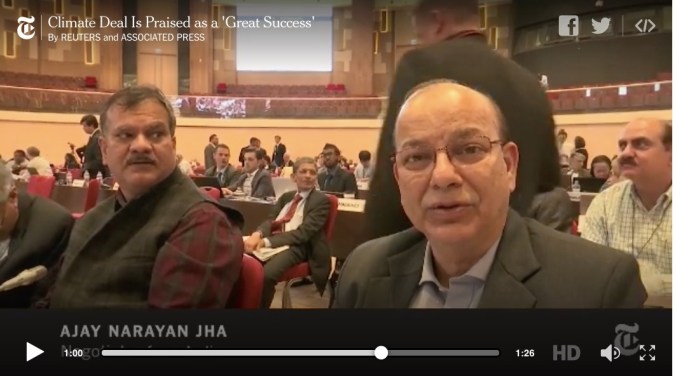
Negotiators from more than 170 countries celebrated in Rwanda on Saturday after reaching a legally binding accord to cut the worldwide use of a powerful planet-warming chemical used in air-conditioners. By REUTERS and ASSOCIATED PRESS on Publish DateOctober 15, 2016. Photo by Cyril Ndegeya/Agence France-Presse — Getty Images. Watch in Times Video »

Just to be extra clear on how problematic, and precarious our position is (jets and sharks are not the least of it) doing what we do for a living, today’s excellent news–complicated and full of ifs and buts–is excellent, full stop. But most of us contributing on this site live in the tropics, with air conditioning. Can we live under the new rules? (Accord Could Push A/C Out of Sweltering India’s Reach makes us wonder.) We will. Do we know what that means? Not yet. But we are paying attention:

Nations, Fighting Powerful Refrigerant That Warms Planet, Reach Landmark Deal

By

Negotiators from more than 170 countries on Saturday reached a legally binding accord to counter climate change by cutting the worldwide use of a powerful planet-warming chemical used in air-conditioners and refrigerators.

The talks in Kigali, the capital of Rwanda, did not draw the same spotlight as the climate change accord forged in Paris last year. But the outcome could have an equal or even greater impact on efforts to slow the heating of the planet.

President Obama called the deal “an ambitious and far-reaching solution to this looming crisis.” Continue reading

Beware & Resist The Frack

4896

Countryside near the village of Kirby Misperton in North Yorkshire where a planning application by Third Energy to frack was recently approved. Photograph: Ian Forsyth/Getty Images

Many claim to tire of hearing about climate change, species extinction, threats from fracking and other environmental issues of great importance. Thanks to the Guardian for continuing to pay attention:

Majority of potential UK fracking sites are rich in important wildlife

Almost two-thirds of proposed areas have higher biodiversity, valuable for functions such as pollination and pest control, analysis shows

Many of the areas that have been recently marked as potential sites for fracking are rich in wildlife that perform crucial functions from pollination to decomposition, researchers have found.

Scientists say that almost two-thirds of the areas that have been labelled as suitable for shale gas extraction have levels of biodiversity equal to or above the national average, according to a new analysis of records collected from across the country. Continue reading

Nudging In The UK

3500

Electric cars using the bus lane (left) during morning rush hour in Oslo, Norway. Photograph: Pierre-Henry Deshayes/AFP/Getty Images

Like the little victories in wilderness conservation, which may be too little to late or maybe a bright spot on a bleak horizon, the small moves in the right direction on other environmental fronts seem promising, and therefore worthy of note. We salute Mayor Khan for his efforts to get Londoners to do their part, according to this story below. It reminds me of Richard Thaler‘s explanation of the power of nudging things along in the right direction, and wishing these nudge stories were more commonplace in the eight years since we started hearing about them:

Electric vehicles could go first at traffic lights under UK clean air zone plans

Government proposals to tackle air pollution in five UK cities could see electric vehicle drivers using bus lanes and getting priority at traffic lights

Drivers of electric vehicles could be allowed to use bus lanes in five UK cities and even go first at traffic lights, to tackle illegal levels of air pollution, the government has suggested. Continue reading

Paris Gardens

980x-6

By the year 2020, the City of Paris wants to add 100 hectares of vertical gardens and roofs, with a third dedicated to urban agriculture.The Vertical Gardens by Patric Blanc / Flickr

Greening La Ville Lumière is as good a new objective as we can think of for a city that already has alot going for it (thanks to EcoWatch for the story):

Paris Becomes One of the Most Garden-Friendly Cities in the World

Earlier this summer, Paris quietly passed a new law encouraging residents to help green the City of Light by planting their own urban gardens. Continue reading

Bravo, Romania

980xz

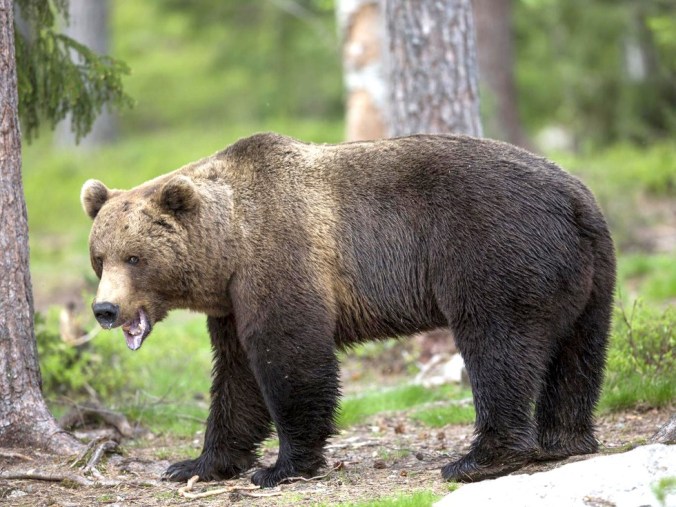
Romania’s government has taken action to protect its large carnivores from trophy hunters.iStock

There was a time when we found portions of the hunting-to-support-conservation argument compelling. Our view is getting more and more firm against it. We applaud a small country teeming with wildlife for taking a firm stand:

Wildlife Advocates Celebrate: Romania Bans Trophy Hunting

By Alicia Graef

In a surprise move that has wildlife advocates cheering, Romania’s government has taken action to protect its large carnivores from trophy hunters.

Last week, the Environment Ministry announced a total ban on trophy hunting of brown bears, wolves, lynx and and other wild cats, which is expected to save thousands of animals from being killed. Continue reading

Absurdity In Vivid, Brilliant Living Color

05porter-master768

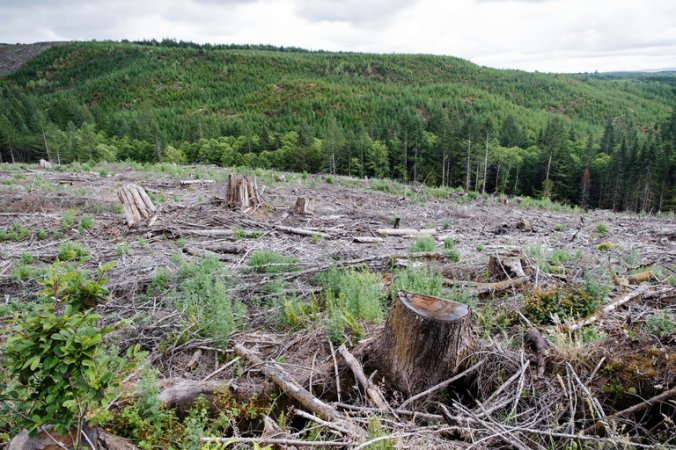
Clear-cutting along Highway 30 in Oregon. A bipartisan group of senators wants the government to assume that burning forests to generate electricity does not add carbon dioxide to the air but is instead “carbon neutral.” Credit Leah Nash for The New York Times

We have stayed away from politics as much as possible on this platform, except to celebrate innovative successes in the interest of conservation; but this news item is a must-share due to the gravity of its weirdness:

Next ‘Renewable Energy’: Burning Forests, if Senators Get Their Way

Eduardo Porter

President Obama’s Clean Power Plan — the central plank in his strategy to combat climate change — is in danger.

It’s not just that it is under attack in court, where its legality was challenged last week by a coalition of 28 states and scores of companies and industry groups. Or that fossil fuel interests and Republicans in Congress will keep trying to block it, whatever the courts decide.

The president’s plan to reduce emissions of heat-trapping carbon dioxide from the nation’s power sector could be undone within a matter of weeks by an unlikely bipartisan collection of senators that includes staunch Republican climate change deniers as well as Democrats who support the administration’s strategy. Continue reading