What Should We Expect of Solar?

I was pleased to see our fellow contributors give voice to the promising outlook of solar energy in a recent post. There is no doubt that this technology will be a game-changer for utilities in the coming century, and I’m excited to be a part of it. Last month, I was thrilled to start my first full-time position at SunPower Corporation, one of the largest solar cell manufacturers in the United States. Tempering that excitement was the knowledge that, at least for the short term, I wouldn’t be traveling to India to work with Crist and some of his wonderful staff. But let’s back solar.

This is every solar installer’s dream: a perfectly tilted, south-facing, non-shaded, sun-bathed roof.

Continue reading

Urban Muse

This slideshow requires JavaScript.

It does not matter whether you are a farmer, a geneticist, or whatever you do with your time: you will almost certainly be affected in important, unexpected ways after time spent in Paris.   Continue reading

Change In The Air

U.S. President Barack Obama wipes sweat off his face as he unveils his plan on climate change June 25, 2013 at Georgetown University in Washington, DC. President Obama laid out his plan to diminish carbon pollution and prepare the country for the impacts of climate change. (Photo by Alex Wong/Getty Images)

Thanks to Elizabeth Kolbert for a timely, pithy explanation of yesterday’s announcement of policy action in the USA:

Better late than never. This afternoon, speaking at Georgetown University, President Obama laid out what his aides had billed as a major initiative to fight climate change. The big news—which was not really news, since it had already been widely reported—was that the Administration will impose rules limiting carbon emissions from both new and existing power plants.

“For the sake of our children and the health and safety of all Americans, I’m directing the Environmental Protection Agency to put an end to the limitless dumping of carbon pollution from our power plants,” Obama said. This is, truly, a big deal. Power plants are responsible for about forty per cent of U.S. emissions. Continue reading

Healthcare in the Tibetan Exile Community

Guest Author: Hannah Miller

Last January I arrived in Dharamsala, a small city in India’s northwest state of Himachal Pradesh. Along with fifteen other American students I was there to study Tibetan culture, history, language and Buddhism. We spent the semester studying these subjects at two Tibetan colleges in Dharamsala, while living with Tibetan roommates and host families. At the end of the semester, we were given three weeks to conduct an independent research project of our choice. At my college in the United States I am majoring in Global Health, so I wanted to pursue a project related to public health in the Tibetan exile community in India.

Prior to 2012, there was almost no use of health insurance in the Tibetan exile community. The Tibetan government in exile provided reimbursement for healthcare costs on a case-by-case basis to Tibetans living in India, but could not afford to provide coverage for all who needed it.
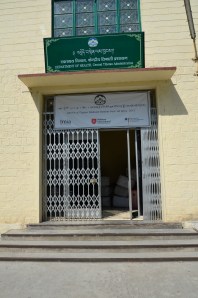
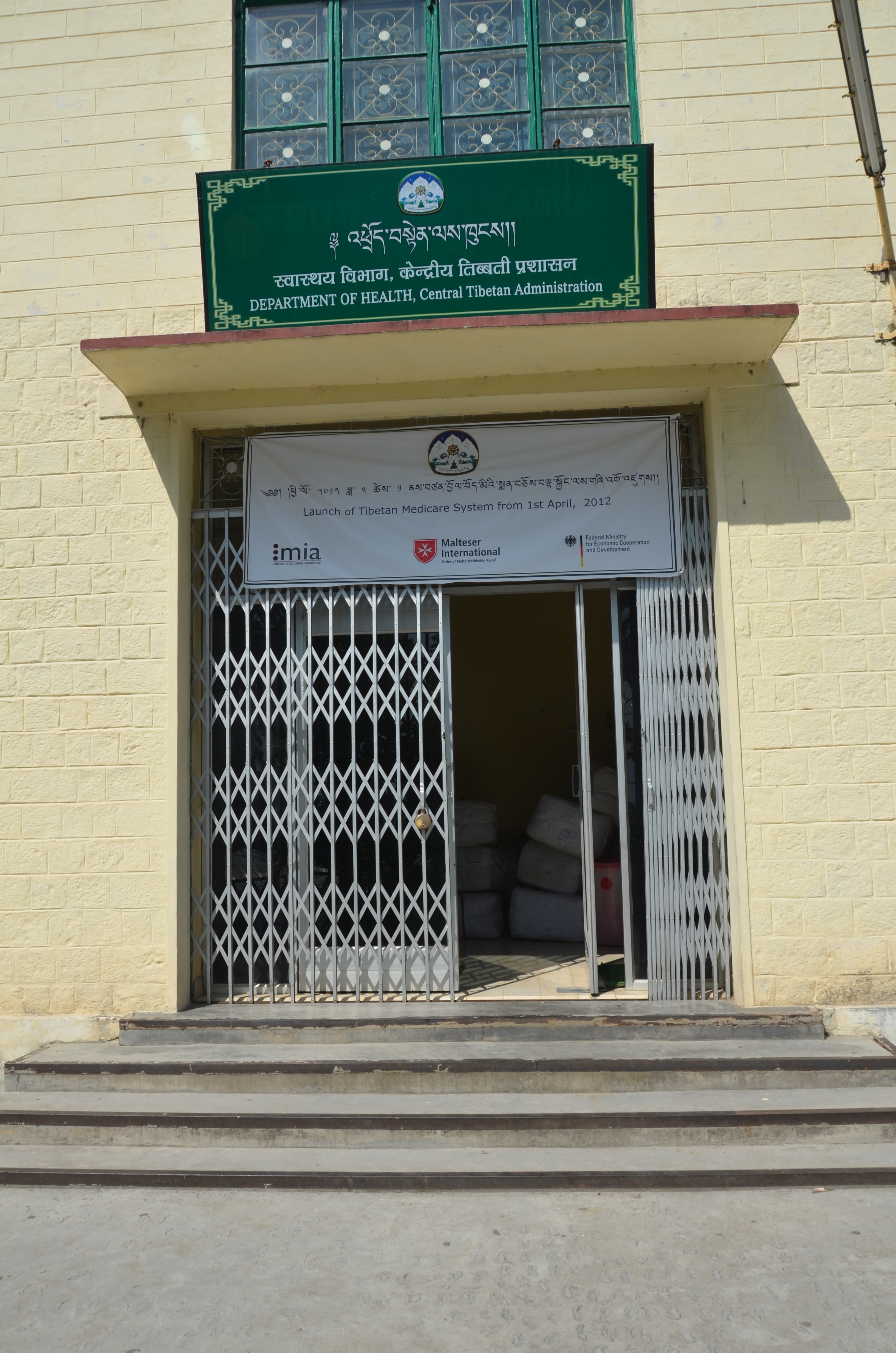
The Department of Health in Dharamsala, India

The Department of Health in Dharamsala, India

In 2012, the Tibetan exile government introduced the Tibetan Medicare System (TMS), which began providing coverage for inpatient expenses to Tibetan families and individuals. The system was developed through a partnership between the Central Tibetan Administration’s Department of Health and the Micro Insurance Academy (MIA), an NGO based in New Delhi, India. The program is open to any Tibetan individuals and families living in India. For an individual, it costs 950 INR per year to enroll, and 3565 INR per year for a family of two to five people. The insurance can be used at an extensive list of hospitals to cover inpatient expenses up to 50,000 INR or 100,000 INR per year for individuals and families, respectively. Continue reading

WED 2013: Europe dumps fish dumping

WED 2013 - Raxa Collective

On June 5, we’ll celebrate World Environment Day. This year UNEP focuses on the theme Food waste/Food Loss. At Raxa Collective we’ll be carrying out actions and sharing experience and ideas. Come and join us with your ideas and tips to preserve foods, preserve resources and preserve our planet.

www.fishfight.net

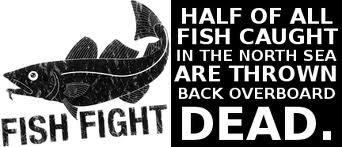
…and about 80 per cent of Mediterranean stocks and 47 per cent of Atlantic stocks are overfished. It may seem rather odd but the European Union’s policy to avoid overfishing consists in tossing dead fish back in the sea if a fleet exceeds its quota.

For decades industrial fleets have been subsidised to plunder the European waters working under the rules of the  Common Fisheries Policy devised in the 1970s. And the rule of ‘discards’ has been let’s say counter-productive in reviving the fish stock. The practice allows fleets to net quantities of fish exceeding their quota, then simply throw any unwanted dead fish overboard.

Continue reading

Pollution Solutions

We are on the lookout for innovative, tested and workable public policy solutions to everyday waste–governments actively engaged in finding solutions.  Here is one. Click the image to the left to go to the New York Times video segment.

Sometimes Only The Impossible Will Do

Journalists are trained to investigate and report facts; when the occasion merits, we might want them to advocate.  This writer does her reporting and then some.  This particular advocacy will be ignored, derided as another “dead on arrival” idea, blah blah blah.  But the fiscal cliff will be a picnic compared to the other cliff we are headed toward:

It’s been almost a century since the British economist Arthur Pigou floated the idea that turned his name into an adjective. In “The Economics of Welfare,” published in 1920, Pigou pointed out that private investments often impose costs on other people. Consider this example: A man walks into a bar. Continue reading

One Small Step For Pronghorns

Jeff Burrell/Wildlife Conservation Society

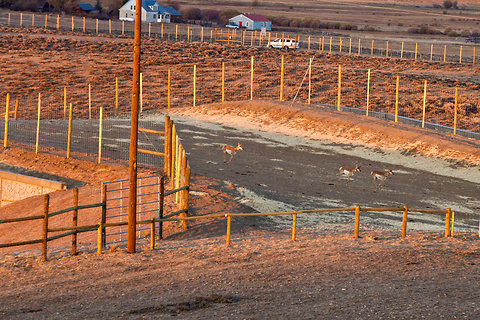
For a small good news story, click the image above.  It is from the Green Blog of the New York Times, and is the kind of story you would not read about in India because there are no states quite like Wyoming:

Until recently, the population of pronghorn — a small antelope-like mammal endemic to North America — outnumbered people in its native Wyoming. The Cowboy State may be the nation’s least populous, but the two groups still manage to come into conflict. Pronghorns numbering in the tens of thousands cross Highway 191 each year during their annual migration, and collisions between animals and cars are costly for all involved. Continue reading

Cherry Blossoms in Spring

Cherry Blossoms in Macon

One-hundred years ago, the First Lady of the United States of America, Helen Taft,
and the Japanese ambassador’s wife, Viscountess Chinda, planted two Japanese cherry trees in Washington, D.C. The annual commemoration of this act of good will would come to be known as the “National Cherry Blossom Festival.” In this festival, droves of Americans flock to see the riotously beautiful pink and white blossoms of the Yoshino and Kwanzan cherry trees. Officially, the National Cherry Blossom Festival in Washington, D.C. serves to reaffirm the commitment to enduring friendship between United States and Japan: Continue reading

USA Refresher

Before there was social media as we know it today, there was social media.  Social reformers and thinkers of all varieties have centuries of experience not just using the tools of social media, but utilizing them.  Leveraging them.  August 28, 1963 in Washington, D.C. was one of the days when the USA experienced a moment of truth, and when social media included word of mouth, television/radio simulcast and later replay.

This is the day when the man who spoke longest on that day is remembered officially.  One minute into the above video he begins speaking, but the memory is affected, no matter how many times one has seen, heard or read these words, most when that man talks about his hopes for the future of a country that had a history of injustice, but also a history of reform, change, improvement. Continue reading

A Complex Region Through A Thoughtful Lens

The newspaper, back in its paper days (1908-2008), was always excellent.  As a web resource, we are glad it has found firmer footing.  And some stories and contributors make its Latin America coverage particularly worth watching. Continue reading