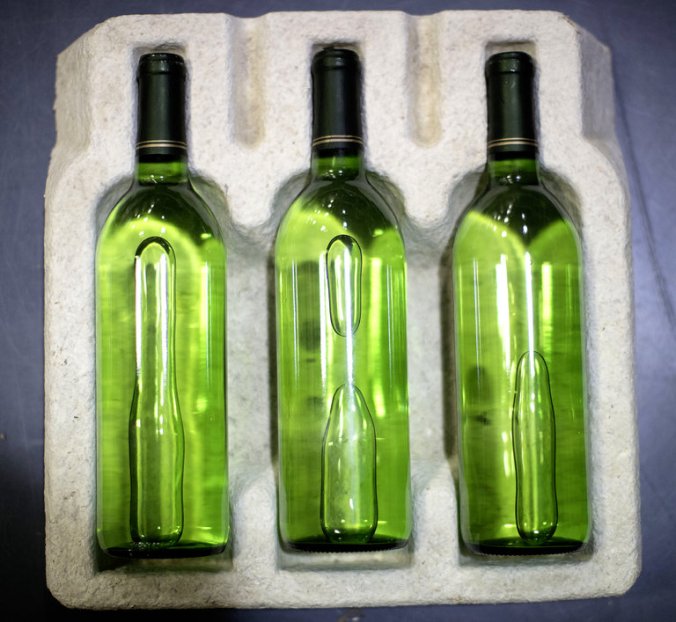
Consumerism’s Up(cycled) Side

Sustainability in both concept and practice has a long history in Scandinavian cultures in general, and Sweden in particular. As consumers become more conscious of the finite nature of materials, upcycling has to eventually be considered more mainstream. We applaud this type of public and private sector leadership that is the very definition of entrepreneurial conservation.

Thanks to the BBC for this story.

‘Welcome to my high-fashion, trash shopping mall’

Anna Bergstrom had a dilemma. She loved the glitzy world of high fashion, but had also come to feel that it was unsustainable and bad for the planet. She’s now found peace of mind by running a stylish shopping mall in Sweden, where everything is second-hand.

“Do you notice the smell?” Anna Bergstrom says, as she surveys her mall from the mezzanine level. “It smells nice here, doesn’t it?”

It’s very important to Anna that this place is enticing, because she feels it is making a statement. Everything for sale here, in 14 specialist shops covering everything from clothes to DIY tools, is recycled.

She is usually turned off by the smell of second-hand stores, she explains, even though she adores vintage fashion. For most people flea-markets and charity shops carry a stigma, she thinks – a mark left by countless bad experiences. Too often they are worthy but depressing, Anna says. Her mission is to bring second-hand shopping into the mainstream.

The mall itself is spacious and appealing, almost Ikea-like. An art installation – a tree and circular bench all fashioned from recycled materials – greets customers at the entrance. There is even a coffee shop and gift-wrapping service.

The mall is called ReTuna. “Tuna” because that’s the nickname for the city where it is based – Eskilstuna, an hour’s train journey west of Stockholm – and “Re” because the goods on sale have been recycled or repurposed.

It was set up by Eskilstuna’s local government in 2015, in a warehouse which used to house trucks for a logistics company. Continue reading
Accentuating the Positive

It benefits all to highlight the “non-rocket science” solutions to hugely global issues wherever we find them.

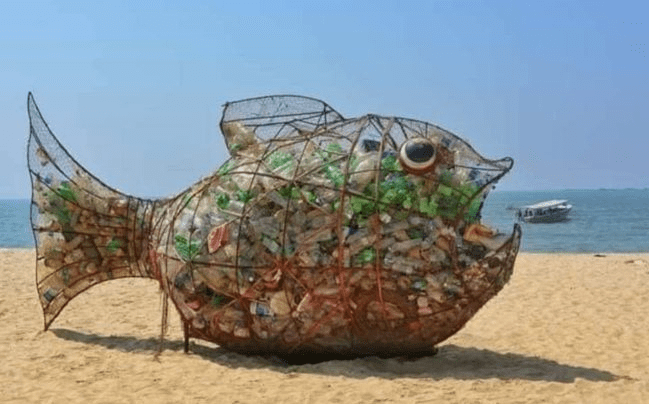
All It Took To Clean Up This Beach Was A Fish Sculpture Named Goby

As some rumors swirl around the internet that there will be more plastic than fish by 2050, there are also some great stories about local recycling, like this one about Goby the fish.

This local beach decided to do something simple, instead of placing a ton of boring old garbage cans around the beach, they made a giant see through fish out of some barbed wire and mesh, and added a sign to it that said, “Goby loves plastic, please feed him”. Continue reading

A Big Step To Reduce Plastic Pollution


gettyimages-984354822-1cd9174e52fd0dc14cf00ca4ec859b0ee256e09a-s1300-c85.jpg

Volunteers cleared trash from the banks of the River Thames during the annual Big Bottle Count in London last month. Credit Matt Dunham/Associated Press

Thanks to Ceylan Yeginsu and the New York Times for this news:

European Parliament Approves Ban on Single-Use Plastics

merlin_145766505_d571d0f9-8739-4a8d-b1cb-691bce23acf5-jumbo.jpg

Under the proposal, 10 single-use plastics that most often end up in the ocean will be prohibited in the European Union. Credit Rafael Marchante/Reuters

LONDON — The European Parliament has overwhelmingly approved a ban on single-use plastics such as straws, plates, cutlery and cotton-swab sticks in Europe by 2021, joining a global shift as environmentalists emphasize the urgency of halting the use of materials that are detrimental to the planet.

Under the proposal, approved on a vote of 571 to 53 on Wednesday, 10 single-use plastics that most often end up in the ocean will be prohibited in the European Union, as well as oxo-degradable plastics, such as bags or fast-food container packaging. Continue reading

Teaching Lego To Play Well By Eliminating Plastic

merlin_137674503_7ad52e7b-462c-4daf-897b-9940119cd67b-jumbo.jpg

Tim Brooks, Lego’s vice president for environmental responsibility, says the company emits about a million tons of carbon dioxide each year. Credit Carsten Snejbjerg for The New York Times

For a company, and a product, that has been a part of so many lives for so long–and especially one whose name means to play well, it is still a shock to be reminded of their carbon footprint. And three years after first reading about their commitment, it is good to read details of their plan and progress:

Lego Wants to Completely Remake Its Toy Bricks (Without Anyone Noticing)

merlin_137674470_486eb273-ba3b-4808-857f-956b9cb7f533-jumbo.jpg

At Lego, petroleum-based plastics aren’t the packaging, they’re the product — and the bricks making up these dinosaurs have barely changed in more than 50 years. Credit Carsten Snejbjerg for The New York Times

BILLUND, Denmark — At the heart of this town lies a building that is a veritable temple to the area’s most famous creation, the humble Lego brick. It is filled with complex creations, from a 50-foot tree to a collection of multicolored dinosaurs, all of them built with a product that has barely changed in more than 50 years.

A short walk away in its research lab, though, Lego is trying to refashion the product it is best known for: It wants to eliminate its dependence on petroleum-based plastics, and build its toys entirely from plant-based or recycled materials by 2030. Continue reading

The Aha Moment Explaining One Challenge To Recycling

15Fixes-jumbo.jpg

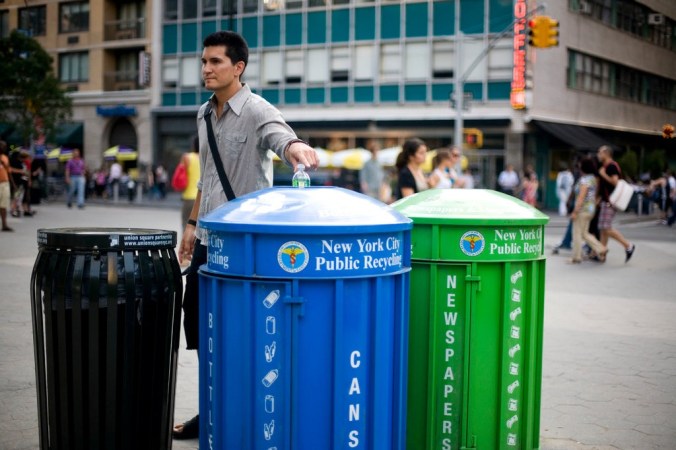
Color-coordinated waste baskets for waste recycling in New York City. Credit Ramin Talaie/Corbis, via Getty Images

Thanks for this interview full of incisive interview quetions by David Bornstein, who is co-founder of the Solutions Journalism Network, which supports rigorous reporting about responses to social problems. Thanks to Mitch Hedlund, executive director of Recycle Across America, for the explanatory answers in the interview that follows:

The Conflict of Interest That Is Killing Recycling

Some of the biggest recycling operations are owned by landfill companies whose profits improve when recycling doesn’t work well.

15fixes2-articleLarge.jpg

Mitch Hedlund, executive director of Recycle Across America. Credit Shelly Mosman/Recycle Across America

In the past few years, one of the core pillars of the environmental movement — recycling — has fallen on hard times. News dispatches reveal hundreds of cities and counties scaling back their recycling programs because of the high costs associated with processing recyclables and the lack of demand for the materials. A new conventional wisdom is gaining ground suggesting that recycling may not be worth the effort.

But is that true? And has recycling ever gotten a fair shake? After decades, less than a third of municipal solid waste is recycled — and much of that is contaminated with garbage, which diminishes or destroys its value. Almost 50 years after the first Earth Day, are we really ready to admit defeat and return to the “Mad Men”-era ethos of the “throwaway society”?

There may be another way. For most of the past decade, Recycle Across America, a nonprofit organization I covered in this column six years ago, has been demonstrating that it’s quite possible to get people to recycle properly, just as it’s possible to get most people to wear seatbelts, quit smoking and stop driving drunk. But the recycling industry has never taken the logical steps needed to create a successful societywide recycling habit — and today it may not be in the economic interest of some of the big recycling companies to build it. Recently, I spoke with Mitch Hedlund, the founder of Recycle Across America, about this dilemma and the possibility that a recycling collapse can be avoided. Continue reading

Plastic Straws Going, Going, Gone

gettyimages-497396938-c0057d75cb37fad8b412cd6413d77744e2063de2-s1100-c15.jpg

Marriott International became the latest company to announce it will stop using plastic straws, saying it would remove them from its more than 6,500 properties by next July. Justin Sullivan/Getty Images

We did not foresee the straw revolution gaining such momentum so quickly. But we are certainly happy to see it going mainstream, going global, going company-wide:

The days of plastic straws are drawing shorter.

Marriott International on Wednesday became the latest big company to announce it will stop using plastic straws, saying it would remove them from its more than 6,500 properties by next July. The giant hotel chain said it will stop offering plastic stirrers, too.

It said the environmentally friendly move could eliminate the use of more than 1 billion plastic straws and about 250 million stirrers per year. Marriott said its hotels will “offer alternative straws upon request.” Continue reading

Last Resort Waste Management

Incinerate.jpg

In our sustainable hospitality practice we do from time to time think of incineration as an option worthy of consideration. Especially in India, where waste management is at a completely different stage of development, we thought about it quite seriously. But in the UK, it is clearly not the first best option. If you want to learn a thing or two about waste management, a few minutes with this article will be worth your while:

Waste incineration set to overtake recycling in England, Greens warn

Amount of rubbish burned by local authorities triples while household recycling rates stall

3450.jpg

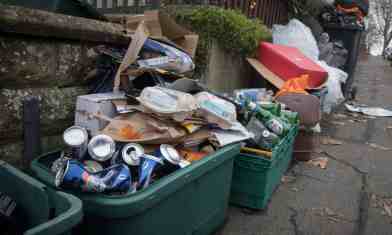
Full recycling bins on pavement in Bristol. Photograph: Matt Cardy/Getty Images

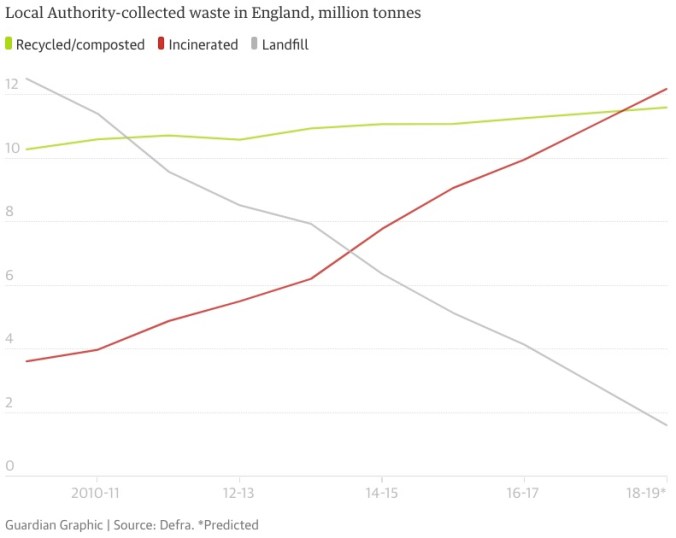
England is on the brink of burning more of its rubbish in incinerators than it recycles for the first time, according to a new analysis.

The amount of waste managed by local authorities and sent to incinerators, or energy-from-waste plants, tripled between 2010-11 and 2016-17. By contrast, household recycling rates have stalled since 2013.

If those trends continue, the millions of tonnes of waste incinerated will overtake the amount sent for recycling by the end of the current financial year, a report by the Green party found. Continue reading

Norway’s Plastic Innovation

4928

Infinitum recycling plant in Fetsund, Norway. Worker Michael Gebrehiwet is sweeping up paper from the bottles. Photo: Elin Høyland Photograph: Elin Høyland for the Guardian

Thanks to Matthew Taylor and colleagues at the Guardian for this news:

Can Norway help us solve the plastic crisis, one bottle at a time?

A bottle deposit hub on the outskirts of Oslo has had a stream of high-level international visitors. Can its success be replicated worldwide?

4436

Infinitum runs Norway’s deposit return scheme for plastic bottles and cans. Photograph: Elin Høyland for the Guardian

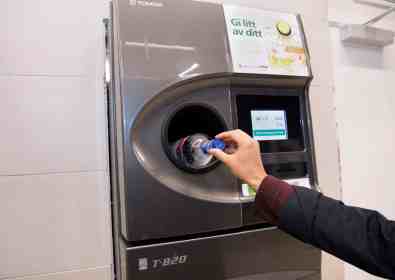
Tens of thousands of brightly coloured plastic drinks bottles tumble from the back of a truck on to a conveyor belt before disappearing slowly inside a warehouse on the outskirts of Oslo.

As a workman picks up a few Coke bottles that have escaped, Kjell Olav Maldum looks on. “It is a system that works,” he says as another truck rumbles past. “It could be used in the UK, I think lots of countries could learn from it.” Continue reading

Biobrick, Another Wonder Enabled By Mycelium

1500 (2).jpg

The Hulett hotel, Cleveland, which Redhouse are currently building using the biocycling process.
Illustration: Redhouse Studio

Thanks to Redhouse Studio and the Guardian’s Laura Dorwart for this story:

Magic mushrooms: how fungus could help rebuild derelict Cleveland

Could a process that uses mycelium to help recycle old buildings into new ones solve the problem of the city’s many abandoned homes?

1000

A biobrick created using broken down construction waste combined with biobinders made of fungi, plant material and microbes. Photograph: Redhouse Studio

Over 7,000 abandoned or condemned homes litter the urban landscape of Cleveland, Ohio, where a stunning population loss of about 100,000 residents in 25 years and widespread foreclosures have sparked a housing crisis marked by growing racial and economic disparities. Posing concerns in terms of economic stability, public health and safety, the abandoned homes that line many of the city’s streets are at once symbols of its resilience and ongoing obstacles to growth and prosperity.

Cleveland native Christopher Maurer, founder and principal architect at local humanitarian design firm Redhouse Studio and adjunct professor at Kent State University, has plenty of ideas about how to address the city’s complex challenges.

2500 (3)

Construction debris is ground to a pulp and combined with biobinders, then pressed and treated to make bricks and other materials. Illustration: Redhouse Studio

Continue reading

Aspirational Recycling & Bigger Problems

20cli-aspirational-lede-superJumbo

Tony Cenicola/The New York Times

I recall reading this article by Livia Albeck-Ripka and thinking that I would like to read more from anyone who can write clearly and creatively about topics that are central to our purpose here. And so today, my wish was granted, twice. In this first one, I am introduced to a term, aspirational recycling, that I had not heard until now:

6 Things You’re Recycling Wrong

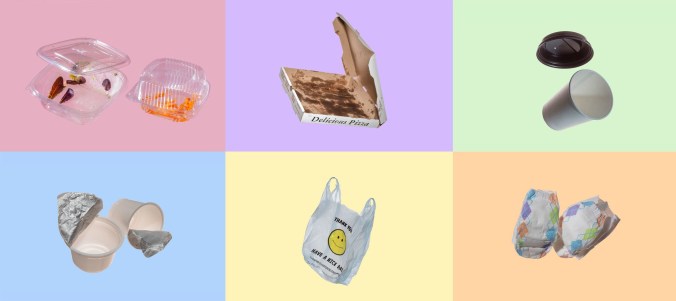
Can you recycle coffee cups or greasy pizza boxes? If you’re tossing things in the recycling bin out of sheer hope, you might be an “aspirational recycler.”

We have all done it: a greasy pizza box, a disposable coffee cup, the odd plastic bag. Sometimes, we want things to be recyclable, so we put them in the recycling bin.

Waste managers often call this wishful or aspirational recycling. But, unfortunately, putting these objects in with the rest of the recycling can do more harm than good. While rules differ in every municipality (check your local recycling website to find out what’s acceptable), we have picked out some key offenders to keep in mind.

Too many of these items will contaminate a batch of recycling. That means waste managers might not be able to find buyers for the materials — especially now that China, one of the world’s main importers of recyclable waste, has said it will reject shipments that are more than 0.5 percent impure. Contaminated loads could be sent to the landfill instead…

Same day, same publication, same author, an eye-opener for anyone who diligently follows all the rules made plain in the article above:

Your Recycling Gets Recycled, Right? Maybe, or Maybe Not

Plastics and papers from dozens of American cities and towns are being dumped in landfills after China stopped recycling most “foreign garbage.”

13cli-recycling-facility-jumbo

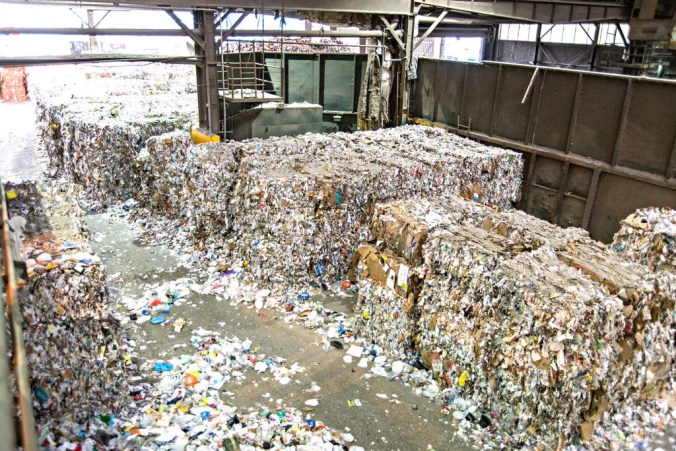
Bales of recyclable waste in Seattle. American waste managers are struggling to find plants to process their recyclables. Credit Wiqan Ang for The New York Times

Oregon is serious about recycling. Its residents are accustomed to dutifully separating milk cartons, yogurt containers, cereal boxes and kombucha bottles from their trash to divert them from the landfill. But this year, because of a far-reaching rule change in China, some of the recyclables are ending up in the local dump anyway. Continue reading

Recycling Primer, UK Edition

3840

Many people aren’t sure which plastics they can recycle – and which they can’t. Photograph: Alamy

Thanks to Angela Monaghan, at the Guardian, for this reminder of the basics of recycling:

Which items can’t be recycled?

Many people think items such as plastic bags and coffee cups can be recycled when they can’t. Here are the do’s and don’ts

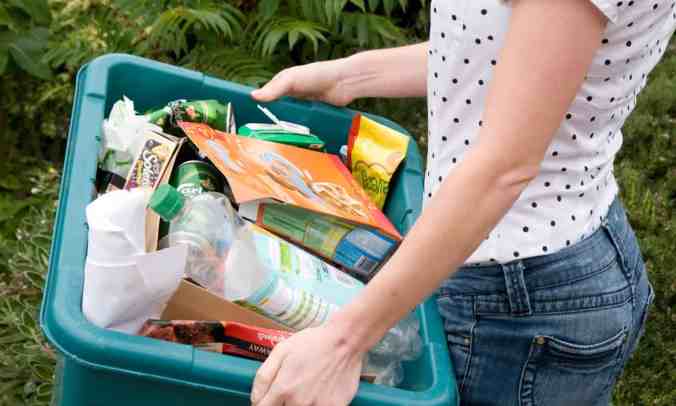
British consumers are increasingly willing to recycle their household waste but are failing to grasp the basics, according to the latest research by the British Science Association. Failure to get it right means that a lot of recyclable waste is going to landfill, the BSA says.

The issue is further complicated by inconsistency among councils, which make their own rules and funding decisions on recycling collections.

Common mistakes include putting tissue boxes in the recycling bin without first removing the plastic insert. On the flipside, people often wrongly think that empty deodorant aerosols cannot be recycled. Continue reading

Know Your Packaging

girl-juicebox_wide-4eff0c88df284307072a9da33247352693ffef88-s1600-c85.jpg

Because of layers of material that can be difficult to separate, many containers for juices and broths have traditionally been destined for landfills. But recycling them is getting easier. KidStock/Getty Images

Natalie Jacewicz, a science writer based in New York City has this illuminating story on packaging:

In The Recycling World, Why Are Some Cartons Such A Problem?

Scoot over, cans; cartons are moving in on your shelf space. Specifically, the soft, light rectangular containers commonly associated with juice boxes — “aseptic cartons” to the carton literati.

“They’re growing in popularity,” says Jason Pelz, vice president of recycling projects for the Carton Council, an industry group. “Broth is predominantly in aseptic packaging now, and you see a lot of coconut water in it.”

Aseptic cartons pack several environmental upsides, with one big catch: Traditionally, these containers have been quite difficult to recycle. To take stock of the promises and challenges of this supermarket sensation, I talked to experts on all things carton. Continue reading

Consumables Containing Consumables

31PACKAGE1-master768.jpg

The design company Ecovative makes a variety of packaging materials using mycelium fungus. Credit Nathaniel Brooks for The New York Times

Thanks again to Stephanie Strom for a story about ecology that surprises:

Packaging Food With Food to Reduce Waste

For the environmentally conscious eater, they are among the most inconvenient truths: Too much food goes to waste. Too much packaging comes with the food. And too much of the packaging is made to last for ages.

Now there may be a single answer to all three problems: using excess food to make the packaging. Continue reading
Gallon Jug’s Bird Friendly Coffee

CoffeeConsvtn.jpg

I am back at Chan Chich, with one goal before I start focusing on my plan to go to graduate school. A recurring theme in my work for La Paz Group, especially at Xandari, has been the intersection of birds and coffee. And now I have some months to think about how this may relate to what I will study in graduate school. One of the programs I am considering applying to is the Masters in Environmental Management at the Yale School of Forestry. Can I link what I have learned while working to what I would study there? If so, maybe I could link that to what I do after grad school.

This other post today reminds me of the value of geeking out from time to time. Most of my attention to coral reef comes from Phil Karp’s posts on this platform and I admit to preferring stories featuring real people and their entrepreneurial approaches to conservation. But science is the other best friend of conservation. Today my attention is turning to coffee, in advance of the arrival this week of an intern coming from Cornell University’s College of Agriculture and Life Sciences.

Just one of the many topics for an intern, with science and research on her side, to help us tackle over the next ten weeks, bird-friendly coffee has been on been on my mind since last year but I have been waiting for the perfect moment to focus. Nothing like the arrival of an intern to focus your mind. And so today in my task-oriented wanderings I came across this website (click the banner above), which I loved immediately for sharing this news on capsules, but the rest of the site is a great resource for present purposes as well:

A short round-up of coffee news.

‘Tis the Season for Creative Arborescent Decision-Making

photo credit: Carol Fernandez

photo credit: Carol Fernandez

Real Vs. Fake Trees – Which is Better for the Environment?

Tis the season for an age-old question: Which kind of Christmas tree – real or fake – is better for the environment?

We love this question, because it’s an example of a simple choice that anyone and everyone can make that can reduce our impacts on the environment.

We also love this question because, like many environmental issues, the answer isn’t as simple as you might think. Our #1 recommendation? Buy a real tree. Read on for more details on the impacts of both real and fake Christmas trees, and then make the choice that’s right for you. And check out our 12 Tree Tips for other earth-friendly holiday decoration tips.

REAL CHRISTMAS TREES

In 2015, 26.9 million trees were purchased from live Christmas tree farms – more than twice the number of fake trees purchased (12 million).   Continue reading
Recycling Thermal Erstwhile-Waste

00wit_paris-thermal-master768-v3

Illustration by Tamara Shopsin; Photos by All for You, Mrnok, via shutterstock

We appreciate that the City of Lights keeps brightening our future, as well as their own:

If the Pool Is Warm in Paris, Thank the Washing Machine

By

What do washing the dishes and uploading pictures to Facebook have in common? Continue reading
World Class Recycling

wit-germany-recycle-superJumbo.jpg

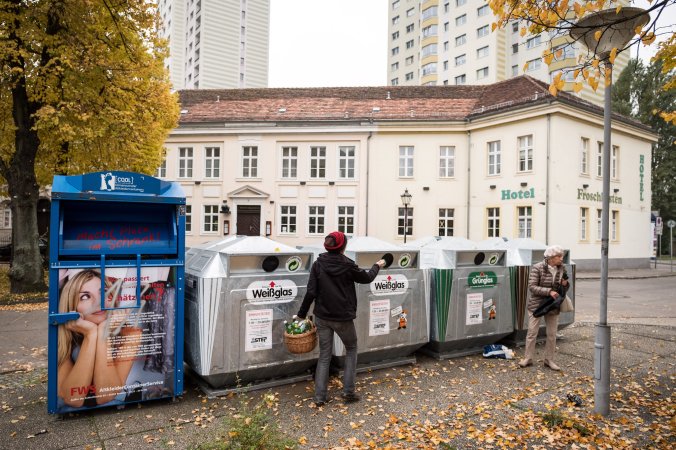
Recycling bins for glass bottles — both clear and colored — in Potsdam, Germany. Credit Gordon Welters for The New York Times

Thanks to the New York Times for reminding us who’s who in the world of recycling:

Germany Gleefully Leads List of World’s Top Recyclers

By

The praise from a German friend was the first sign that I had gone native.

“You see?” he said to his American wife, pointing to the sink where, without thinking, I was rinsing out the plastic yogurt cup I’d just emptied, unwrapping its cardboard sleeve and separating the foil from the lip of the container. “That is how to recycle!”

What may sound like a lot of extra fuss over trash has become second nature among Germans, the world’s recycling champions. Continue reading
Fiber Fashion

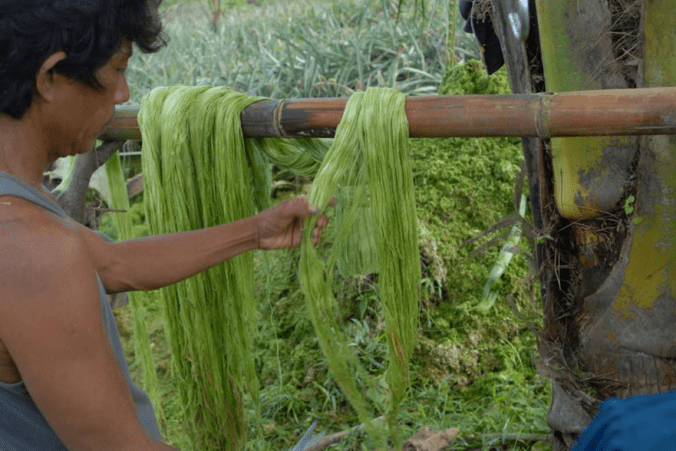
PiñatexTM production will bring new income opportunities for pineapple harvest farmers in developing countries, with the initial development stage taking place in the Philippines

We’re not insensitive to the frequent commentary on both news and social media by animal rights activists against viewing animals as commodities. With those feelings in mind, this discovery of Ananas Anam, a not for profit organization that is developing leather-like textiles using natural fibers that are the by-product of the pineapple harvest, is an exciting one.

I’ll definitely be on the look out for Pinatex products and hope our readers will as well!

ananas- anam – new materials for a new world

OUR SOCIAL IMPACT

Ananas Anam supports pineapple-farming communities in the Philippines. We are developing a new industry that will enhance the social network in rural areas as farmers will be able to sell fibres as a commercial and viable proposition.

Furthermore, the farming communities will benefit from the potential output of natural fertilizer/biogas which is the by-product of fibre extraction.

Other pineapple-growing developing countries will join the Philippines in the production of Piñatex, which will support local economies and strengthen their exports. Continue reading

Plastic Bottles for Homes

pbv_bluff_2

Source: plasticbottlevillage.com

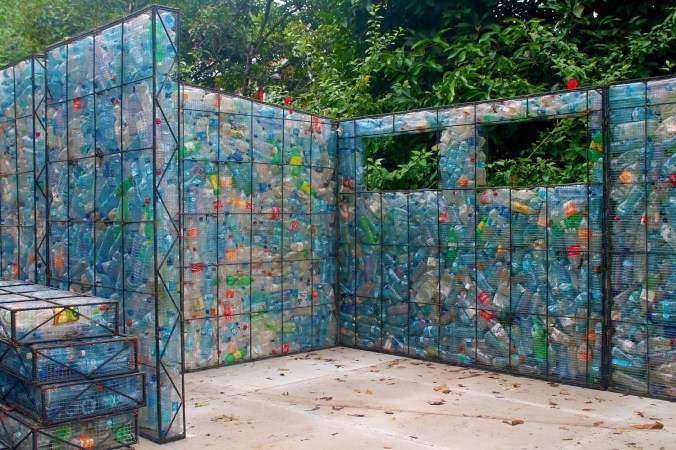
A Canadian man, Robert Bezeau, who lives in Bocas del Toro, Panama, woke up from a dream one night that transformed the future of a village – and our perception of plastic bottles. Bezeau dreamed of a village where everything was made of bottles and instead of leaving the idea dormant in his mind, he decided to act on his vision and turn it into a reality.

One hundred and fifty million tones of plastic waste are estimated to be floating in our oceans, and at the current pace it is predicted that by 2050 there will be more plastic than fish in the sea. Assuaging this brutal prediction, Bezeau’s company, Plastic Bottle Village, builds houses, roads, and more from plastic bottles that are collected from the surrounding communities. Continue reading

High Fashion Upcycling

om-archist_upcycling

Source: triplepundit.com

The concept of upcycling has become a movement thanks to innovative and sustainable companies that divert our wasteful habits and produce other goods in order to recreate the cycle in nature: nothing goes to waste. An example of one of these companies in the clothing industry is Looptworks. The company only uses excess materials that would have otherwise been incinerated or ended up in landfills to create high-quality bags, accessories and apparel.

Co-founder Scott Hamlin noticed the issue of clothing material waste in the manufacturing process during the time he worked for a large outdoor apparel company.

“Thirty percent of our materials never actually got used in manufacturing,” Hamlin said of his prior work experience with an outdoor gear company. “To me, that was a huge issue that nobody was talking about. It was dealt with as ‘business as usual.’”

Continue reading