The Medicine We Fear Instinctively

Specter-Gene-Drives-And-Endangered-Birds-1200.jpg

Genetically modified mosquitoes could be the solution to Hawaii’s quickly disappearing avian population, including the island’s famous honeycreepers. PHOTOGRAPH BY RESOURCE HAWAII / ALAMY

Michael Specter writes frequently (but not exclusively) about frighteningly unpleasant, sometimes devastatingly horrible topics with grace not often found in technically rigorous writing. Here, in a short post, he addresses the prospects of a technology many rightly fear and its potential to address many rightly feared environmental (the one in the title below obviously catches our attention) and health challenges:

COULD GENETICALLY MODIFIED MOSQUITOES SAVE HAWAII’S ENDANGERED BIRDS?

By

Every four years, thousands of environmentalists gather at the World Conservation Congress to assess the state of the planet, and to consider what might be done to protect it.  Continue reading

Biofuels: Worse than Petroleum-based?

Image via thehindubusinessline.com

Image via thehindubusinessline.com

A few years ago, I wrote about two cases of industrialized biofuel production, based on corn and sugarcane in the US and Brazil, respectively. Both of these sources are first-generation biofuels, and there is no doubt that second- and third-generation sources, which often don’t require land conversion or threaten food security, are better alternatives to petroleum-based fuels. A new study funded by the American Petroleum Institute and carried out by the University of Michigan Energy Institute has created headlines declaring biofuels to be non-carbon neutral, but many find the research to be too limited. Prachi Patel reports:

Biofuels have for years divided energy experts and environmentalists. Critics say that they displace farmland and cause deforestation. Proponents argue they are a green, low-carbon alternative to petroleum-based fuels.

A new analysis adds fuel to the incendiary topic. Researchers report in the journal Climatic Change that biofuels might harm the climate more than petroleum. Substituting petroleum fuels with biofuels in American vehicles has led to an increase in net carbon dioxide emissions over the eight years covered by their study, they calculate.

Continue reading

More CO2 Means Less Water for Plants

160829163305_1_540x360

Credit: © yommy / Fotolia

A new study on plant water retention from the University of California, Irvine and the University of Washington might rescind some of our assumptions of climate change impacts on agriculture, water resources, wildfire risk, and plant growth. Their findings reveal that water conserved by plants under high CO2 conditions compensates for much of the effect of warmer temperatures, which means more water is retained on land than predicted in commonly used drought assessments. ScienceDaily reports:

The study compares current drought indices with ones that take into account changes in plant water use. Reduced precipitation will increase droughts across southern North America, southern Europe and northeastern South America. But the results show that in Central Africa and temperate Asia — including China, the Middle East, East Asia and most of Russia — water conservation by plants will largely counteract the parching due to climate change.

Continue reading

Understanding Biomaterials

shutterstock_90501193

Source: Greenbiz.com

Bio-based materials are becoming more mainstream and according to Duke University’s Center for Sustainability & Commerce, over $400 billion worth of conventional manufacturing products are produced each year using biomass, which in many cases are more sustainable than older alternatives. Nonetheless, bio-based alternatives have yet to reach scale due to traditional industry adhering to classic chemistry.

This is beginning to change, as breakthroughs in bio-based materials engineering reach a tipping point. Collective understanding of how microbes work is, for the first time, allowing us to make chemicals in a safer and more environmentally friendly way. It is possible for us to engineer microbes to have specific functions, including a variety of sustainability applications.

Continue reading

Comic Heroes Promote STEAM

steam-comics-01_custom-178e12d22e5a23c61e43f2d12b77fd95c322801d-s800-c85

Moon girl and Spiderman. Image from Marvel

Comic superheroes is a curious topic to cover here, but relevant with the development of Marvel’s new comic series of STEAM Variants. Five of Marvel’s heroes are stepping to into a new role and tackling new challenges in science, technology, engineering, art, and math (hence STEAM, sometimes referred to as STEM, which lacks the art component) with the intent of inspire young readers to explore their passions in those disciplines.

“We plan to continue to motivate our fans to explore their passions in the fields of science, technology, engineering, art, and math and present these disciplines through some of our favorite young heroes who are doing just that — following their dreams and preparing for the challenges that await them ahead,” David Gabriel, Senior VP for Sales & Marketing of Marvel Comics said in a statement.

Continue reading

Novel and Efficient Mosquito Control

The predator cues emitted by the Backswimmer, a mosquito larvae predator, trigger a stress response in the mosquitoes, which impairs their immune system.
Photo © E. Van Herk

Two weeks ago we saw a chemically-baited, solar-powered trap for mosquitos implemented in Kenya. New research – conducted only in the laboratory so far – has shown the potential for another chemical cocktail to be used in a very different way for mosquito control, hopefully in a manner that can reduce quantities of pesticide applied in eradication efforts. From the EurekAlert press release by the Belgian University of Leuven:

Existing strategies for mosquito control often involve the use of pesticides that harm the environment. These pesticides are increasingly less effective as well, as insects can become resistant to existing products relatively quickly.

Biopesticides are a possible alternative. The most commonly used biological pesticide is the Bacillus thuringiensis israelensis (Bti) bacteria. Unfortunately, mosquitoes are already developing a resistance to this pesticide as well. This means we have to keep increasing the dose of Bti to kill mosquitoes, so that this biological substance, too, is beginning to harm the environment.

Continue reading

Superlens from Spider Silk

(a) Nephila edulis spider in its web. (b) Schematic drawing of reflection mode silk biosuperlens imaging. The spider silk was placed directly on top of the sample surface by using a soft tape, which magnify underlying nano objects 2-3 times (c) SEM image of Blu-ray disk with 200/100 nm groove and lines (d) Clear magnified image (2.1x) of Blu-ray disk under spider silk superlens. Images © Bangor University and Oxford University, via EurekAlert

We’ve seen silk made without spiders, photomicrograph competitions, and the development of a new underwater microscope, but never thought that a strand of spider’s silk could be put under a normal microscope to then magnify an image even more than previously possible with current technology. But biologists from the Department of Zoology at Oxford University provided the silk know-how for engineers at the Bangor University’s  School of Electronic Engineering to create a natural superlens:

Extending the limit of classical microscope’s resolution has been the ‘El Dorado’ or ‘Holy Grail’ of microscopy for over a century. Physical laws of light make it impossible to view objects smaller than 200 nm – the smallest size of bacteria, using a normal microscope alone. However, superlenses which enable us to see beyond the current magnification have been the goal since the turn of the millennium.

Continue reading

The Bosnian Tree Elder

122212_web

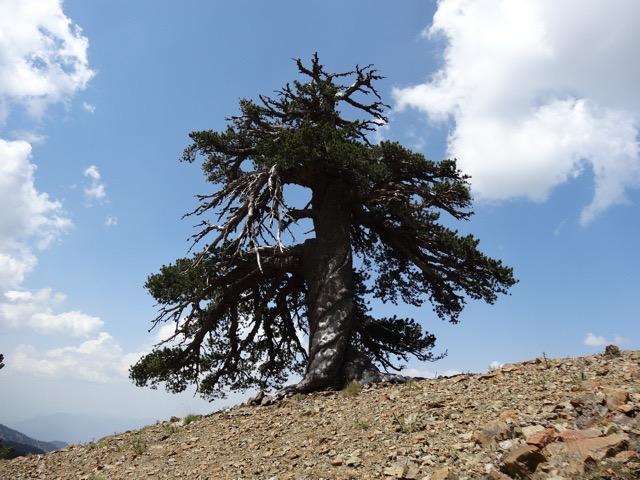
Certain species of trees can grow to be very old, and a group of scientists from Stockholm University  discovered a Bosnian pine (Pinus heldreichii) that would certainly classify as ancient. The solitary Bosnian pine is growing in the highlands of northern Greece and has been dendrochronologically dated– that is, analyzed to see how old the tree is – to be more than 1075 years old, making it the oldest known living tree in Europe.

“It is quite remarkable that this large, complex and impressive organism has survived so long in such an inhospitable environment, in a land that has been civilized for over 3000 years” says Swedish dendrochronologist, Paul J. Krusic, leader of the expedition that found the tree. It is one of more than a dozen individuals of millennial age, living in a treeline forest high in the Pindos mountains.

Continue reading

New Mosquito Trap Tested With Mixed Success

A mosquito trap that runs on solar electricity and mimics human odor as bait. Credit Alexandra Hiscox via NYTimes

We’ve seen solar power used for many things here, but not yet as a source of power for insect trapping.  On the island of Rusinga in Lake Victoria, Kenya, scientists from the Netherlands, Kenya, and Switzerland tested new traps that use electricity from solar panels to release a chemical similar to the carbon dioxide we exhale (which attracts mosquitos) and a blend of chemicals that mimic human odor (which also draws in the blood-suckers) as bait for the disease-bearing biters. From the New York Times:

Although the traps appeared quite effective at lowering mosquito populations, they had some significant drawbacks.

Because they need power from rooftop solar panels, they are relatively expensive. Still, the panels appealed to residents who could also use them to power a light bulb or charge a cellphone.

Continue reading

Conservationists and Climate Change

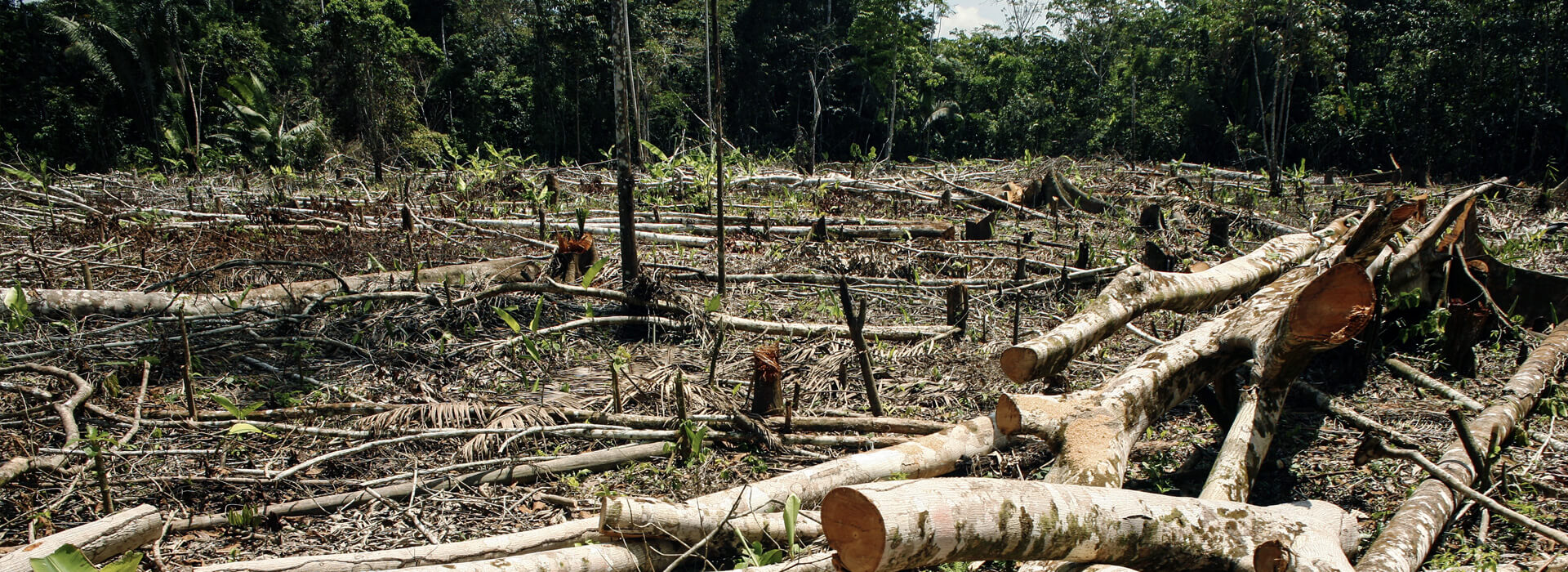
Deforestation in Peru, photo via the American Bird Conservancy’s habitat loss webpage

Almost two weeks ago, we shared a story from Conservation Magazine that covered a recent discussion piece published in the academic journal Biological Conservation, which was titled, “From biodiversity-based conservation to an ethic of bio-proportionality.” The author argued that the word ‘biodiversity’ limited conservationists to too small a goal in policy changes; in her opinion, ‘bioproportionality’ would be a better baseline. Today, we consider another contrasting view on conservation and what it should focus on when biodiversity is threatened, this time sourced from a commentary article in Nature, and covered by environmental writer Michelle Nijhuis for the New Yorker:

In January of this year, James Watson, an Australian scientist who works for the Wildlife Conservation Society, noticed an image that had been tweeted by a friend of his, a physician in Sydney. With a chain of progressively larger circles, it illustrated the relative frequency of causes of death among Australians, from the vanishingly rare (war, pregnancy and birth, murder) to the extremely common (respiratory disorders, cancer, heart disease). It was a simple but striking depiction of comparative risk. “I thought, ‘Why hasn’t anyone done something like this for the rest of nature?’ ” Watson recalled.

Continue reading

You’ve Seen Bird Cams – How About a Salmon Cam?

Resolution is low, probably due to poor internet where the fish is and where I am, but you can see a coho, just like they say you might when watching the cam!

Resolution is low, probably due to poor internet where the fish is and where I am, but you can see a coho, just like they say you might when watching the cam!

We’ve shared various of the “bird cam” projects here before: websites, often run by universities like Cornell’s Lab of Ornithology, that host a live-streaming video of a nest somewhere so that people around the world with internet can tune in to the parent or chicks’ activities at any time of day. In some circles, similar videos of cats are also available. Now, not necessarily for the first time but at least the first I’ve heard of personally, there’s a live-streaming site of a real-life stream owned by The Nature Conservancy (I’m surprised their blog writers didn’t pun their way into that one). Matt Miller and Chris Babcock write about the new Salmon Cam:

Welcome to Salmon Cam, where you can enjoy the underwater happenings of a California salmon river throughout the day, on your computer or device.

The Salmon Cam is located in a tributary creek on The Nature Conservancy’s Shasta Big Springs Ranch. The camera is powered on in daylight hours (currently between 7 am and 7 pm Pacific time). Throughout the season, it will provide a view of migrating Chinook and coho salmon and steelhead trout.

Continue reading

Watch the Perseids this Week

Photographer Ruslan Merzlyakov captured this spectacular photograph of the Perseid meteor shower filling the Danish sky in the early morning of Aug. 13, 2015. Photo via space.com

Sometimes you should just sit back, relax, and enjoy the show, especially when it’s broadcast by nature itself. This week, between August 11th and 12th, try to find time to stay awake once the moon has set, and a place you can be as far from light pollution as possible, and watch the sky for what promises to be a particularly active meteor shower from the Swift-Tuttle Comet, near the Perseus constellation:

According to NASA meteor expert Bill Cooke, the Perseids are perhaps the most popular meteor shower of the year. They will be in “outburst” in 2016, which means they’ll appear at double the usual rates. Learn more about the 2016 Perseid meteor shower in this video.

“This year, instead of seeing about 80 Perseids per hour, the rate could top 150 and even approach 200 meteors per hour,” Cooke said. It’s the first such outburst since 2009.

Continue reading

Biolighting: A New Alternative for Light

icone_v7qrqw

Glowee.com

In the developed world, light and electricity go hand in hand. But what if there was a way to produce light without electricity? That is the question Glowee, a biolighting living system, is striving to resolve. Glowee is a biological source of light that relies on the natural properties of marine microorganisms, specifically, the genetic coding for bioluminescence. The benefit to this alternative lighting is that it emits very low light pollution and CO₂.

To understand this new development, Continue reading

Climate Change Deniers Meet Their Match

Oreskes.jpg

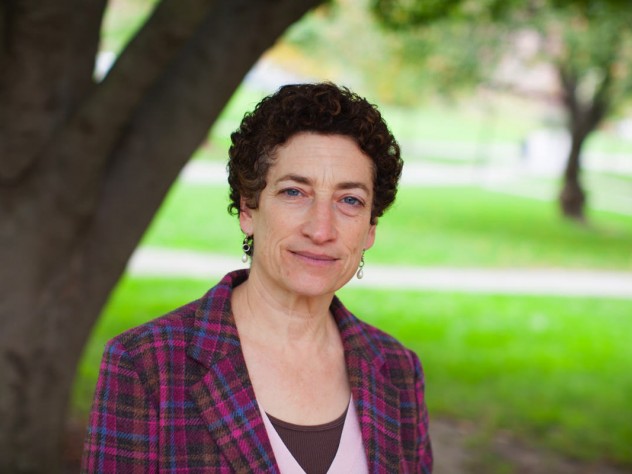
Naomi Oreskes. Photograph by Stephanie Mitchell/Harvard Public Affairs and Communications

Thanks to Harvard Magazine for this interview that puts into perspective how science writers can best serve the interest of accurate information about climate change:

Naomi Oreskes on How to Write about Science

HISTORY OF SCIENCE professor Naomi Oreskes talks about climate change the way one might expect of both an earth scientist and a historian. “Science has to be part of the conversation on climate change,” she says, “but it’s not the whole conversation. At this time, I actually don’t think it’s the most important piece. There’s a basic issue of justice here, and we desperately need economists and sociologists and philosophers and artists to be heard.” Her humanist instincts allow her to move a wide audience in a way most scientists never achieve. Her work has helped broaden the public’s acceptance of climate change as an issue of scientific consensus rather than debate, and for taking up this public mantle of climate change advocacy, she will be honored with the Schneider Award for Outstanding Climate Science Communication this winter. Oreskes recently talked to Harvard Magazine about the climate-denial industry, the political role of scientists, and writing about academic research for a wide audience. Continue reading

Biodiversity, Conservation, Questions

natural-history-collection1.jpg

From Conservation, a provocative question answered in the summary of a scientific investigation:

IS BIODIVERSITY THE ENEMY OF NATURE?

It’s easy to use a word so often that its meaning is taken for granted. Nuances are lost, conceptual freight laid aside, assumptions unexamined. Take biodiversity: just a few decades old, the word is now ubiquitous, a default frame for thinking about nature — and that’s not necessarily a good thing. Continue reading

The Most Avid Fans of Flying

weimerskirch3hr_860

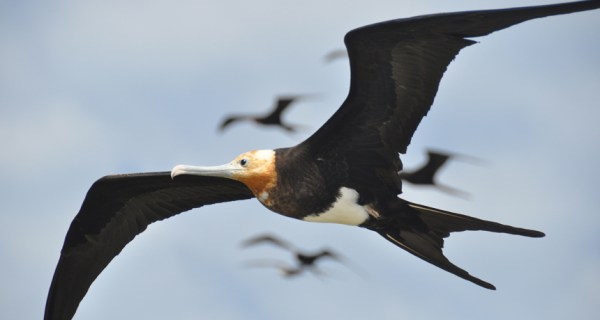
Photo © AURÉLIAN PRUDOR/CEBC CNRS

Who enjoys flying? I do (on planes, of course) and birds certainly do as well (they better because they do a lot of it)!  According to recent study, frigatebirds can drift in the skies for up to two months without landing (I think this makes them the biggest fans of flying, along with albatrosses, another ocean-faring flier). In order to do this, the seabird seeks out routes with strong and upward-moving currents to save energy on its flights across the ocean. By hitching a ride with favorable winds, frigates can fly more than 400 kilometers a day (which is the equivalent of a daily trip from Boston to Philadelphia) and avoid having to flap their wings as much.

For instance, the birds skirt the edge of the doldrums, windless regions near the equator. For this group of birds, that region was in the Indian Ocean. On either side of the region, the winds blow steadily. The winds come from cumulus clouds (the ones that look like fluffy cotton balls), which frequently form in the region. Riding upward-moving air currents underneath the clouds can help the birds soar to altitudes of 600 meters (about a third of a mile).

The birds don’t just stop there, though. Sometimes they fly higher into the [cumulus] clouds…[and] use the rising air inside the clouds to get an extra elevation boost. It can propel them up to nearly 4,000 meters (2.4 miles).

Continue reading

Pigeons Helping with Health Research

newyorkpigeon

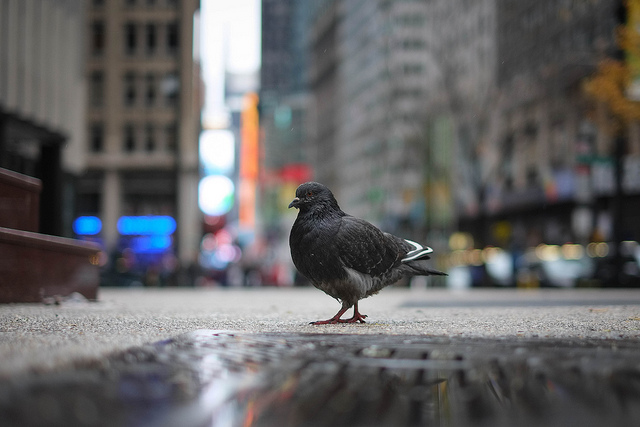
Source conservationmagazine.org

For most city dwellers, pigeons are just another speck in the hustle and bustle of urban life and are only truly noticed when they don’t move out of the way fast enough as you stride down the sidewalk. However, for environmental health scientist Rebecca Calisi from the University of California, Davis, pigeons are her primary focus and the basis of her research for potentially finding areas in cites with high level of contaminants dangerous to humans.

Continue reading

Hydrogen Derived from Grass, Sunlight, and Nickel

A type of fescue grass in the UK, photo by T. Voekler via WikiMedia Commons

Another research university, another new chemical conversion. Yesterday we shared an innovative prototype system from Cornell to generate electricity, and today we learned via Eurekalert.org, “the global source for science news,” that hydrogen, a source of renewable energy, can be produced by the cellulose found in fescue grass during a chemical reaction with sunlight and a metal catalyst such as nickel, according to researchers from Cardiff University and Queen’s University in the UK:

It is the first time that this method has been demonstrated and could potentially lead to a sustainable way of producing hydrogen, which has enormous potential in the renewable energy industry due to its high energy content and the fact that it does not release toxic or greenhouse gases when it is burnt.

Co-author of the study Professor Michael Bowker, from the Cardiff Catalysis Institute, said: “This really is a green source of energy.”

Continue reading

“Watermelon Snow” = “Black and Bloom” = Melting Ice

Photo via blackandbloom.org

The last time we mentioned Greenland and melting ice sheets it wasn’t good news either; it rarely is. But any new research that can analyze how ice is melting faster than it could be is also helping figure out how we might reduce that rate of ice loss and ocean level rise. Alexandra Witze reports on algae and Arctic ice sheets:

Researchers are fanning out across the Greenland ice sheet this month to explore a crucial, but overlooked, influence on its future: red, green and brown-coloured algal blooms. These darken the snow and ice, causing it to absorb more sunlight and melt faster.

The £3-million (US$4-million) Black and Bloom project aims to measure how algae are changing how much sunlight Greenland’s ice sheet bounces back into space. “We want to get a handle on just how much of the darkness is due to microbes and how much to other physical factors”, such as soot or mineral dust, says Martyn Tranter, a biogeochemist at the University of Bristol, UK, and the project’s principal investigator.

Continue reading

Expeditions In The Interest Of Science (Secondary Discovery, Nature’s Majesty)

p03xtfz4

The survey crew inventories the park for butterfly habitats (Credit: John McLaughlin)

This BBC article, featuring butterfly hunters in the very northwestern-most spot in the lower 48 of the USA, reminds us of an expedition we tracked not long ago:

Equal parts academic and mountain man, wildlife biologist John McLaughlin has scaled mountains and traversed snowbound passes to identify more than 40 butterfly species.

It’s best to bring an ice axe when counting butterflies in North Cascades National Park. Located on the Canadian border in the US state of Washington, the park is renowned for its jagged peaks, limited trails and annual snow pack.

“Before my census crew could learn to identify over 40 butterfly species,” John McLaughlin recalled, “they had to know how to safely traverse snowbound, steep passes and – if necessary – to self-arrest using an ice axe.” Continue reading