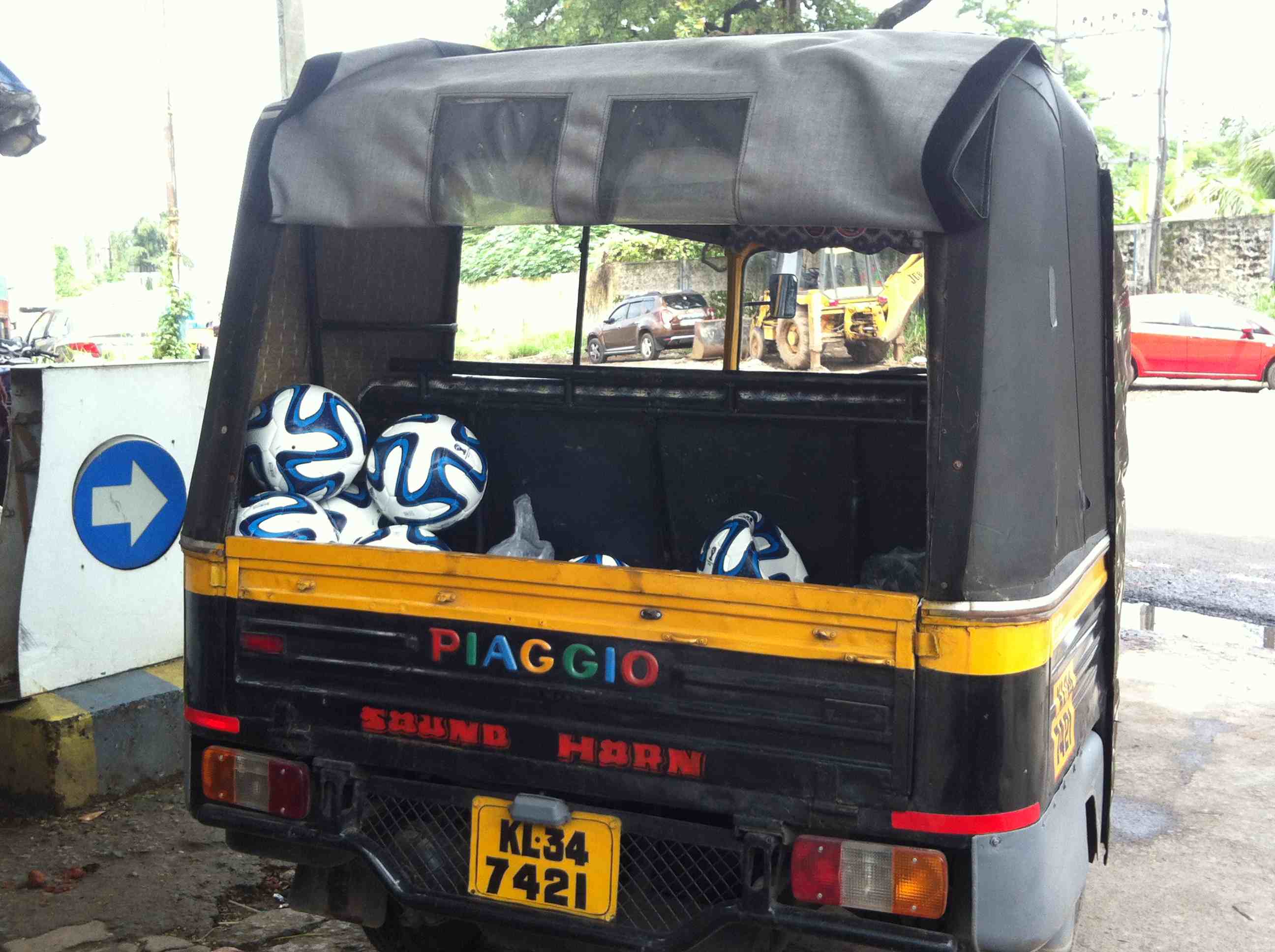
Thevara Junction, Ernakulam
Thevara Junction, Ernakulam
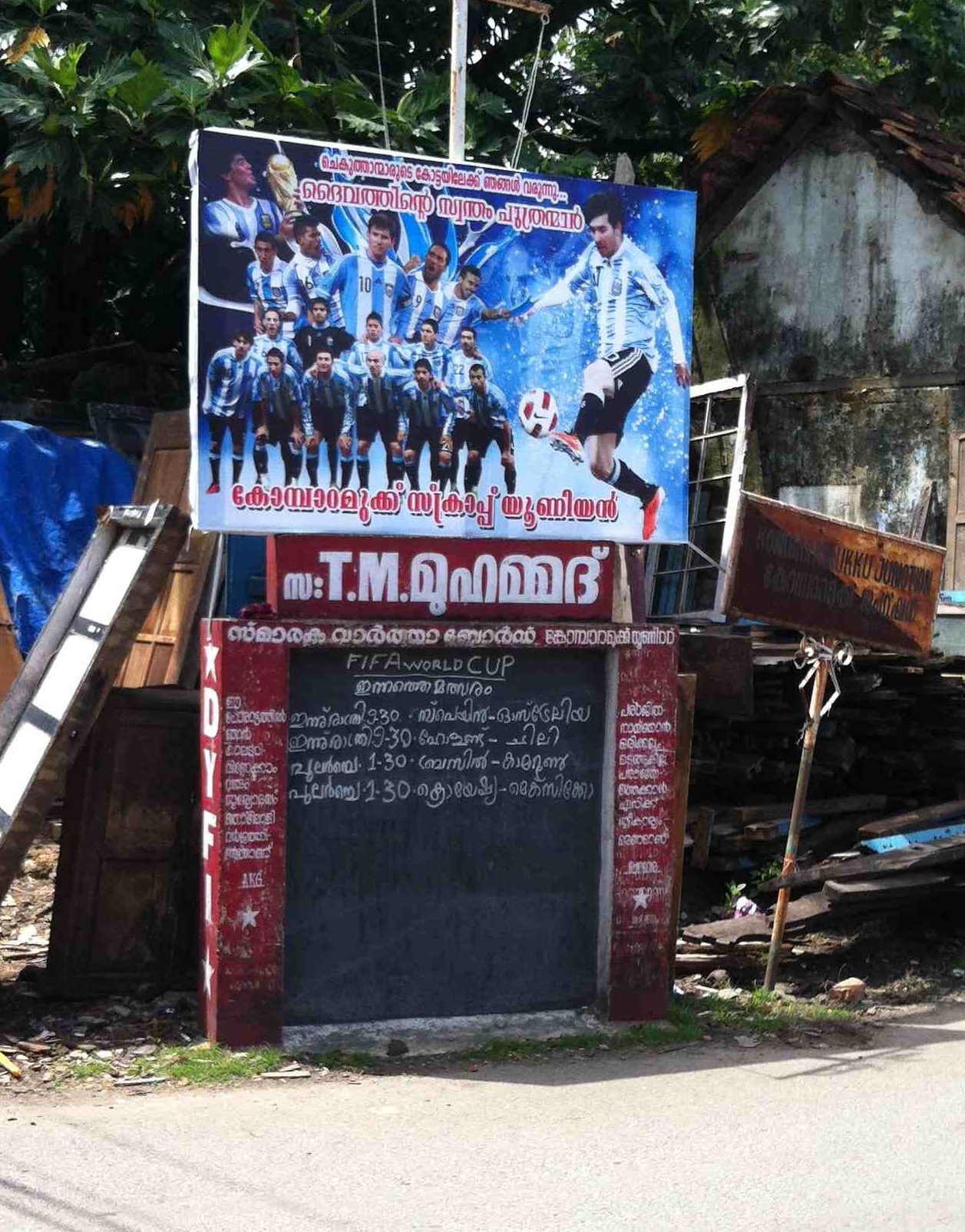
Kombara Mukku Junction, Mattanchery
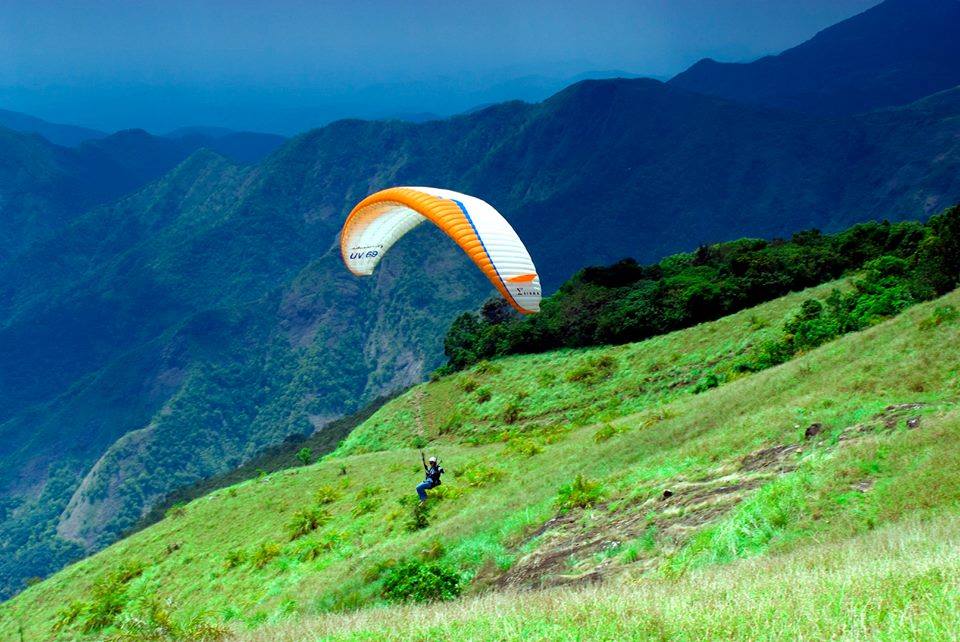
Photo credits: Ranjith
Paragliding is one of the newest adventure sports in India, with the number of thrill seeking enthusiasts growing annually. In Kerala, Vagamon has been identified as a Paragliding hotspot for by travelers and tourists the world over. Continue reading

Photograph by Alex Livesey/Getty.
Samanth Subramanian–an author we hope will pay us a visit in Kerala one day soon, considering how much of his authorship overlaps with our own interests, especially this book–has posted on the New Yorker‘s website a blog post about a remarkable young man, and two fellow countrymen from India, very much worth the read. The Jamaican bobsled team gets all the attention, and it is well deserved, but they are, rather surprisingly, in good company. We excerpt from the second half of the post because the first half is a too-familiar “dirty laundry” story which we would rather not repeat, but what follows is inspirational:
…The thirty-two-year-old Keshavan will be participating in his fifth Winter Games. He set a speed record for Asia in 2012 and won the Asian Luge Cup in 2011 and 2012, but he has not been so dominant on the world stage; his best Olympic performance remains a twenty-fifth-place finish at Turin, in 2006. Continue reading
The United States National Football Leage (NFL) and it’s Hunky Dory Saucery Thing (which is beyond my scope of imagination) have never held any interest for me. The sport doesn’t elicit any reaction other than sympathy for the players’ bodies, although my disinterest bears no grudge against those who enjoy a game, whether from within the dynamic minefield of titanic collisions or from the comfort of their own home’s sofa, or anything in between. In fact, I know so little of the culture, statistics, and geopolitical implications of the sport that before last week I couldn’t have named three teams off the top of my head. Today, I unsuspectingly watched this:
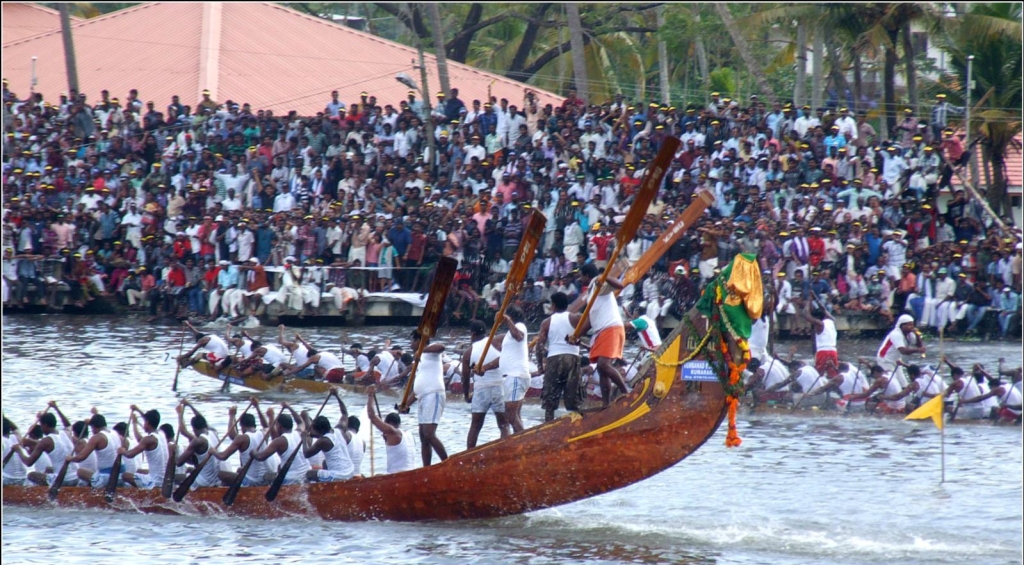
Photo credits: Ramesh Kidangoor
The tranquil backwaters of Kerala turn into a sports arena once every year as more than a dozen snake boats, some manned by 100- 125 oarsmen, fiercely compete with each other in the boat races called “Vallamkali”. Vallamkali are an integral part of the history and culture of the people of Kerala. Continue reading
 We have mentioned cricket on more than one occasion, because of its place of importance in the Indian culture. If you are not from here, or at least here, in India, it may be difficult to understand this importance. Now is as good a time as any to begin understanding it. Tunku Varadarajan, a research fellow at the Hoover Institution, provides some helpful hints and lessons about the sport, and the country, in an OpEd in today’s New York Times about the one man who has been practically deified in recent times:
India, Where the Gods Live On … and On
…Tendulkar, whom everyone calls Sachin, is the most revered cricketer in India…In fact, it would be entirely accurate to describe him as the most revered contemporary Indian, or even, with only a pinch of hyperbole, the most revered Indian since Mahatma Gandhi held the nation in thrall… Continue reading
Jake may be our guide into a future where surfing plays a larger role in Raxa Collective’s portfolio of experiential offerings. For now, he is going to paint his masterpiece at Pearl Beach and take things one step at a time from there. This clip is from a film we hope to premier in Kerala in the coming months. We have sent an invitation, formally, to Sherpas Cinema, and will keep you posted on whether and when this may happen:
This is a story of rising to the ultimate challenge. Having the courage to risk fatal exposure and the perseverance demanded on the quest for achievement. These are not solely physical feats, they are mental conquests. Continue reading

Photo credits: Ramesh Kidangoor
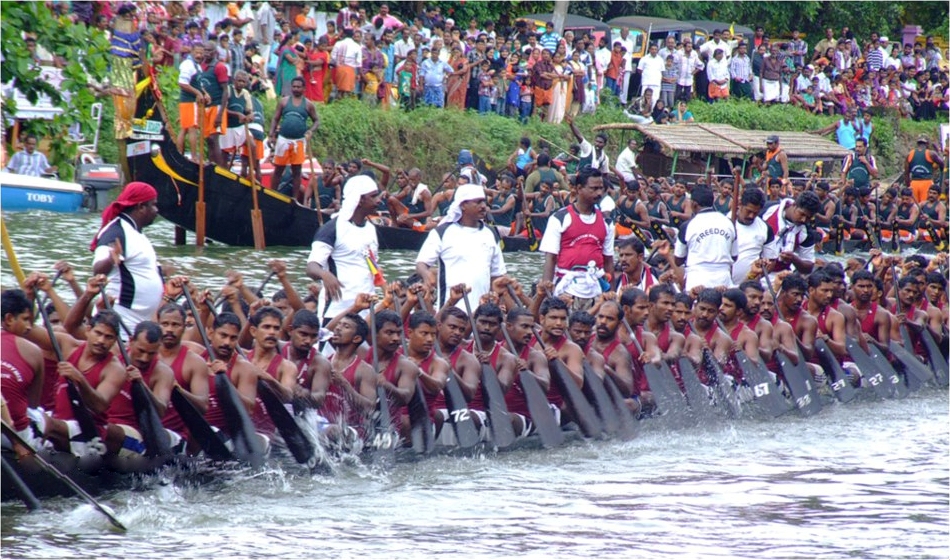
snake boat race
What is now known as the Nehru Trophy Boat Race, which is held every year at Punnamada Lake in Alappuzha on the second Saturday in August, was first held to commemorate the visit of the Prime Minister, Pandit Jawaharlal Nehru, in 1952. Around 16 boats take part in this fiercely contested event that attracts an enormous number of spectators annually. Continue reading

Photo credit: BU Dining Services
Earlier this week I wrote about an entirely different sort of swamp. This brief post is about a topic much more in tune with the holiday season: cranberries. Grown in bogs with layers of peat, sand, gravel, and clay, cranberries are native to North American wetlands (our readers across the pond will probably know the European variety of the fruit as lingonberries). In the United States they are primarily grown in Massachusetts, New Jersey, Oregon, Washington, and Wisconsin (ordered alphabetically, not by output). Something not many people may know is that these cranberry bogs are cyclically flooded with vast amounts of water every season; some might worry over the constant waste of this precious liquid in areas of major cranberry production, or the contamination of water tables with pesticides and fertilizers common to agricultural use.
But I am about to tell you about some of the advantages cranberry-growers have over other industrial agriculturalists in terms of their water utilization. Why will I share this with you? Well, cranberry sauce features prevalently in the traditions of recent holidays, namely Thanksgiving and Christmas (and was thus probably consumed in an overwhelming majority of American households at least once in the past 60 days), plus my grandparents swear by cranberry juice, but I also recently found out that cranberries–and the water they are flooded with for harvesting–make for excellent art, or sport. What I never would have guessed is that Red Bull would be the one to show me this; just watch the video below:
Guest Author: Siobhan Powers
I’ve been staying in the beautiful backwaters of Kerala for the past few days, which has put me at ease as I always feel more comfortable by the water. Jonathon and I took some time out of our workday to take a walk and get a feel of the area, including all it has to offer, both culturally and agriculturally. We interrupted the construction of a stone wall surrounding a rice paddy field and watched a young boy catch fish in a stream at the side of the narrow road. In the heat of the Indian sun’s rays, we contemplated buying ice cream, but, on our return, settled on the universal refreshing thirst-quencher that is an ice-cold cola.
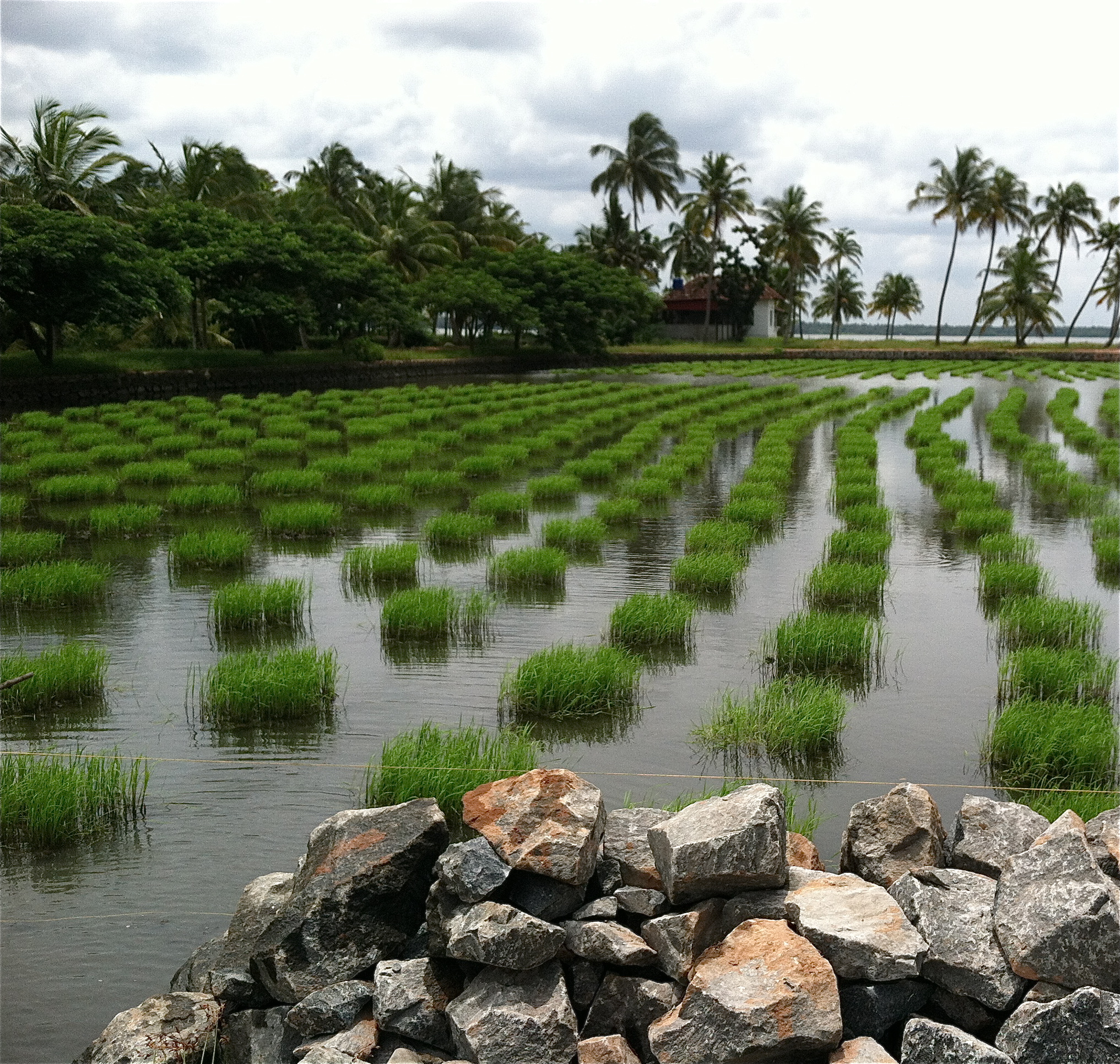
Rice paddy in Panangad
Every Monday and Wednesday evening, starting at 8:30PM, a group of Puerto Ayora residents gathers at Parque San Francisco to play Ultimate Frisbee together. About half of these 25- to 35-year olds are teachers at Tomás de Berlanga, and others work at the Charles Darwin Foundation or around town.
Parque San Francisco is a long and fairly narrow stretch of land between Charles Darwin Avenue and the shore, and to walk from Baltra Avenue (the main road that crosses the whole island from north to south) to the main pier one has to walk through the part of the park that skaters, Ecua-volley players, and Frisbee players use at different times of the day: youngsters anywhere between eight and eighteen years old are constantly skating on the cement space enclosed by steps lengthwise, a stage on one end, and a large cement ramp on the other. Metal rails are often laid out to practice rail-grinds or hopping over the rail while the skateboard rolls under it. Skaters dominate this part of the park (the other parts are a sandy playground and some benches shaded by trees lining the coast) for most of the day, until 4:30PM or so when the volleyballers come out to set up two courts on one of the rectangle. These Ecua-volley players (who deserve their own post) then share half the park with the skaters, with the occasional stray ball or board, until the late evening, when volleyball stops and the skating continues on.
From Scotland and South Africa to Scottsdale and South America, certain destinations draw countless visitors whose singular recreational motivation is golf. Few other sports or activities require the amount of terrain that golf does, so its environmental implications go further than most sports. But when considering golf’s land use, it is refreshing to recognize how many courses end up being preservations of rich natural areas and contribute to conservation as places of refuge for wildlife and plant life.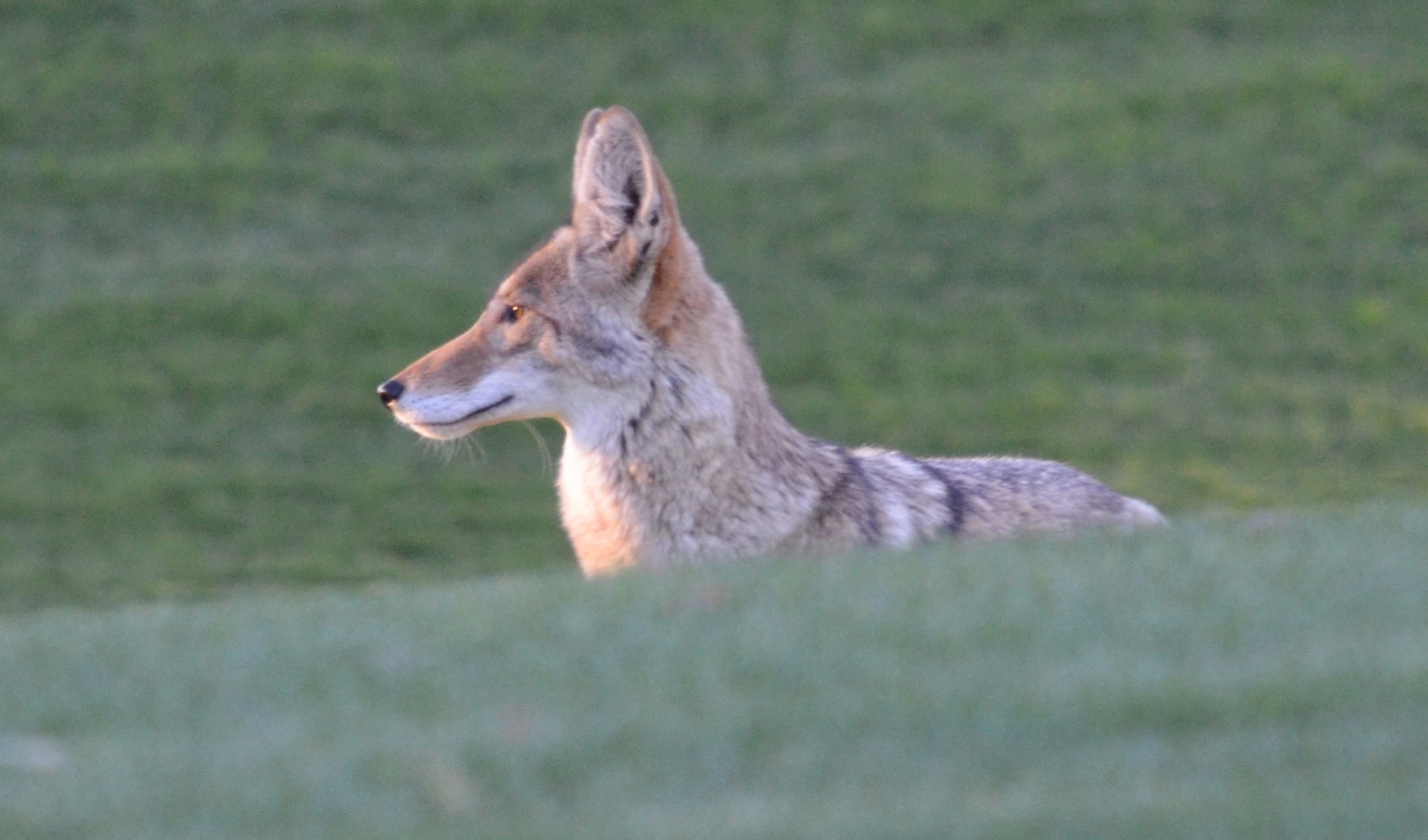
Snake Boat races are the largest team sport in the world. These races integrate team spirit, adventure and a great sense of rhythm. A number of small boats also participate in these events. Usually, a snake boat is manned by four helmsmen, 25 singers, and 100-125 oarsmen, who row in unison according to the fast rhythm of the racing songs. The songs sung by the helmsman is known as ‘Vanchipaatu’. Boat races take place seasonally. The Champakulam Moolam Boat Race in Jun-Jul at Alappuzha, the Aranmula Boat Race in Aug-Sep at Aranmula, the Payippad Jalotsvam during the Onam festival in Aug-Sep at Alappuzha, and the Nehru Trophy Boat Race in the second Saturday of August at Punnamada Lake-Alappuzha. The following photographs were taken at the Payippad Jalotsvam Boat Race by Mr. Joshi Manjummel during the last Onam festival in August-2011.

Photo by Mr. Joshi Manjummel at Payippad, Alapuzza
Anyone who has ever been to ski slopes may have experienced small, pint-sized, infant skiers buzzing down the hills. As a veteran skier of 18-years, I proudly proclaim that I was once one of these daring children.  However, I learned this past weekend that through the years I have lost this fearlessness when I was challenged to try snowboarding. I would love to boast that my first run was very similar to this video, but the aching of my entire body keeps me truthful as if to say, “Ha! You wish, Meg!”
Several times I met the side of the mountain and regardless of the many parts of my body that hit, the solid surface was resilient to my attacks; in fact, the bruises that continue to surface would argue that it fought back with increasing firmness. The absence of soft, powdery snow brought my awareness to this season’s lack of typical winter weather, and it drew my attention to the resort’s snow-making cannons. Continue reading

Ready, Set…And the Race is On!
We had the good fortune to work directly with the Patagonian Expedition Race and its founders for several years, both behind the scenes and in the field, and it was an exhilarating experience to say the least.
Blending adventure, conservation, sportsmanship and the ancient concept of finding “the sacred” in nature, the race gives athletes the opportunity to test their ingenuity and endurance while bringing attention to one of the earth’s last wild places. Continue reading
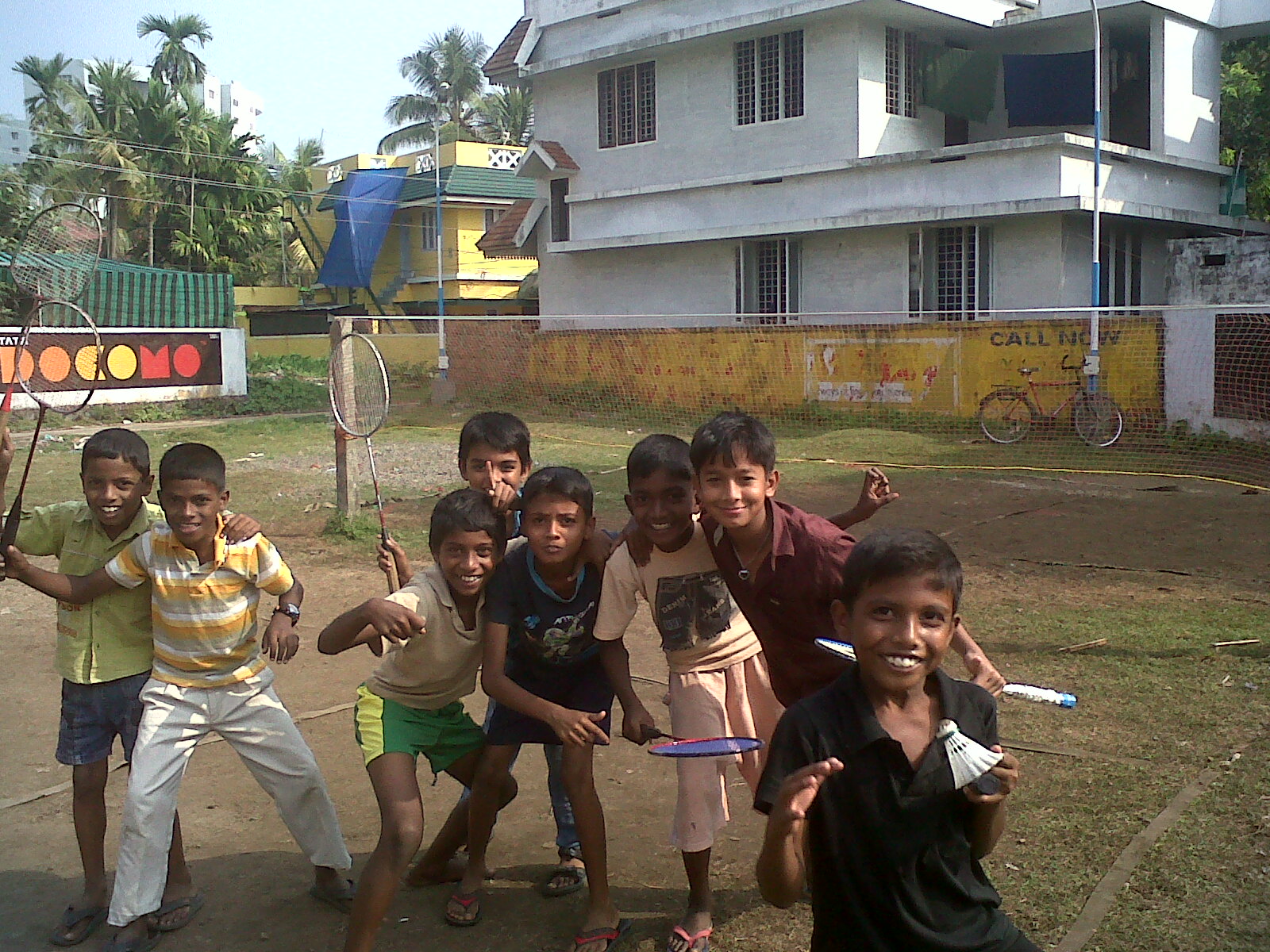
The friendliest fellows to be found. Any passerby will get a smile. Any passerby who tries to click a snapshot will get the royal treatment: a split second shift from the middle of a game (which was the point of the snapshot) to the most spectacular improvised pose that could be mustered. Continue reading
Guest Author: Robert Frisch
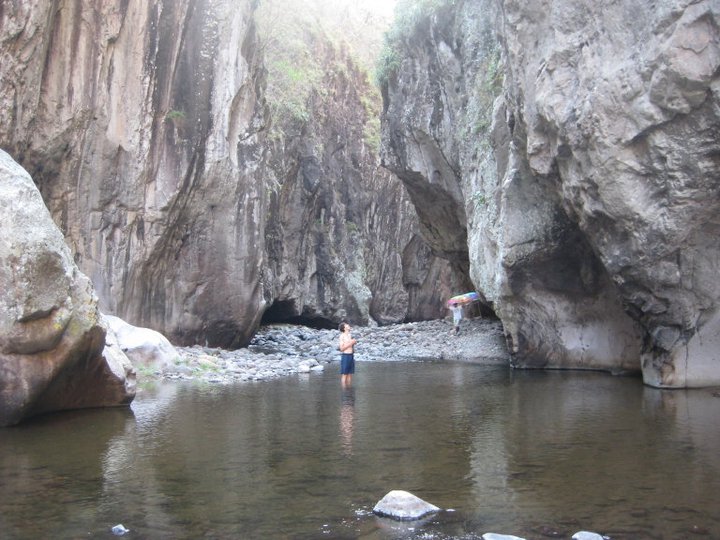
The burgeoning sport of rock climbing is an excellent example of how an adventure sport can propagate the conservation of natural areas through private sector initiatives. In the early days of the sport, climbers would hammer iron “pitons” into cracks in the rock as they ascended, and attach ropes to them in order to protect against falls. The pitons were not designed to be removed, and can still be seen on some of the classic climbs around the world. Visionary thinkers such as Yvon Chouinard (of the Patagonia clothing and gear company) were unsatisfied with the fact that with each new climb, permanent scars were left in the rock, and set out to devise other means of protection. Nowadays, climbers use removable “nuts” and “cams” that still protect against falls, but leave no trace in the rock. In fact, rock climbers have even set up organizations such as the Access Fund that participate in conservation and land protection initiatives. The sport has also helped to bring much needed revenue to rural areas as diverse as Slade Kentucky, Yangshuo China, or Sigsipamba Ecuador. Continue reading
If you have not seen this short promo for Being There, these few minutes are enough, in the words of one of the characters, to get you… Continue reading
 Organikos