Sri Lanka Says Hello to Project Loon

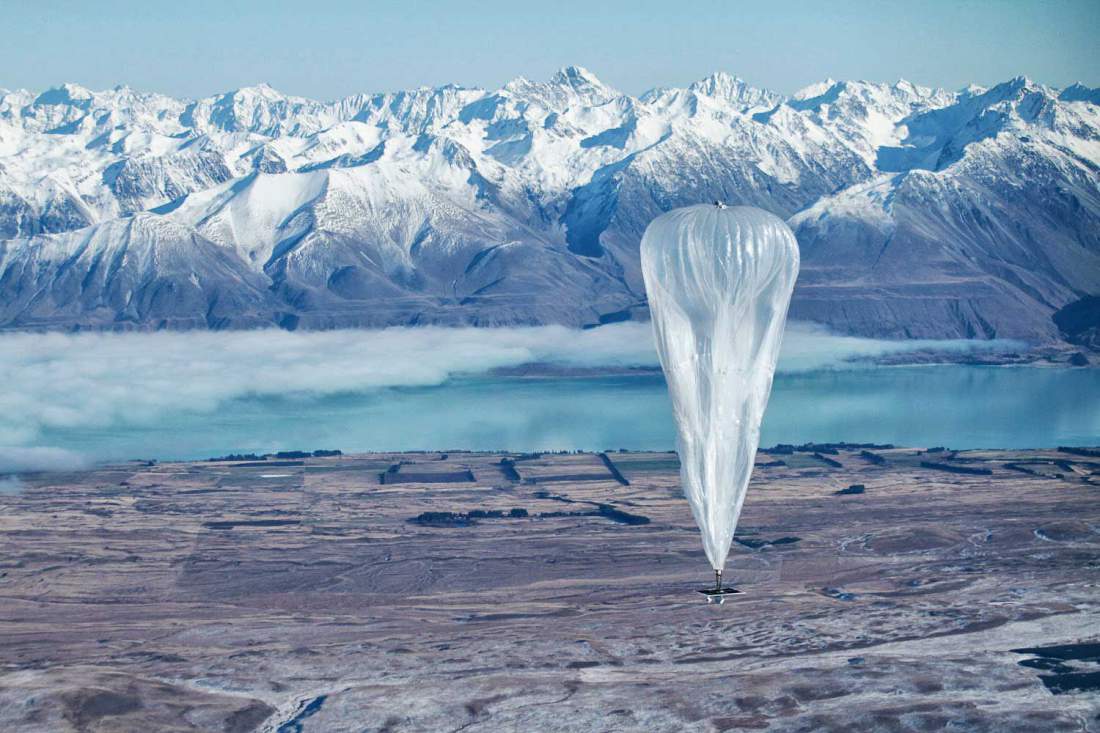
In this June 10, 2013 photo released by Jon Shenk, a Google balloon sails through the air with the Southern Alps mountains in the background, in Tekapo, New Zealand (AP Photo/Jon Shenk)

In this June 10, 2013 photo released by Jon Shenk, a Google balloon sails through the air with the Southern Alps mountains in the background, in Tekapo, New Zealand (AP Photo/Jon Shenk)

Technology juggernaut Google changed the way we search with its proprietary algorithims. But the company is constantly working on technologically impressive, forward-leaning projects that have the promise to push broadscale change for billions of people around the world. Project Fi, self-driven vehicles, the delivery system named Project Wing and the three-dimensional mapping system named Project Tango later, Project Loon is here.

Continue reading

Prefab Solar Classrooms Power Education in Kenya

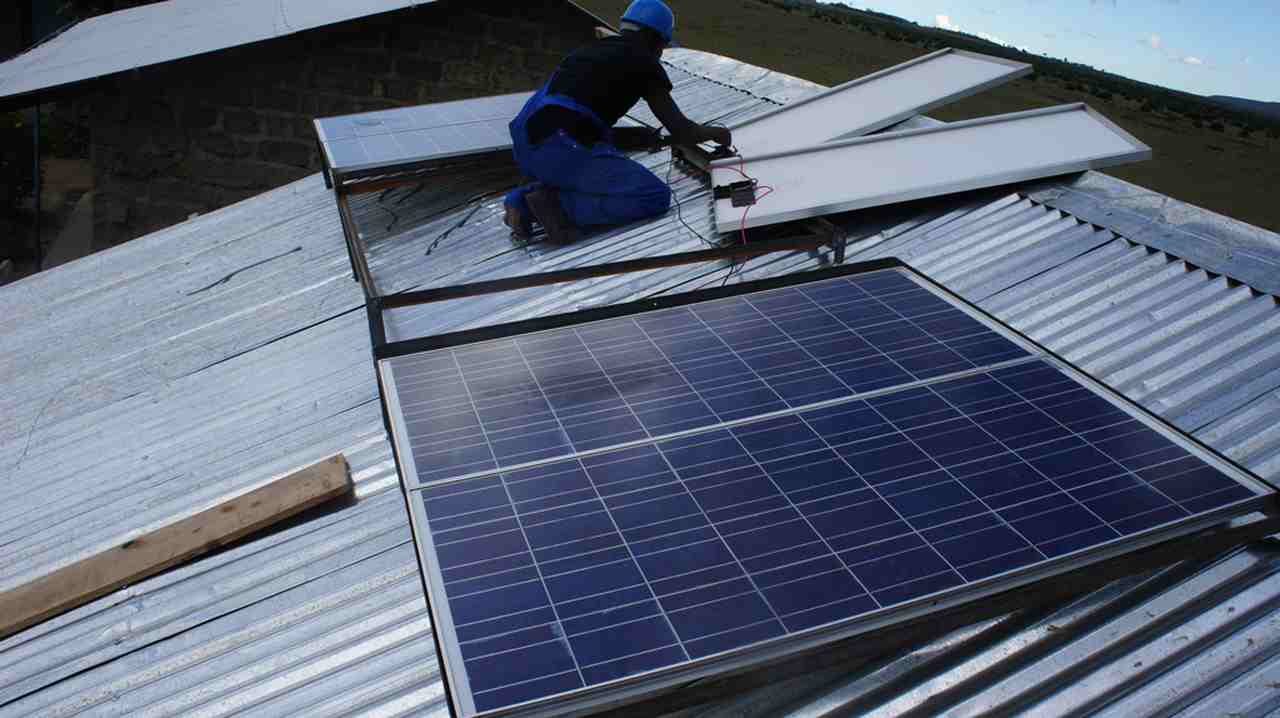
According to a UN report, there are around 57 million children who don’t have a school to go to.The UN’s Educational, Scientific and Cultural Organisation (Unesco) says in some areas it could take 70 years before there are enough primary school places for every child. There has been some progress though; there are now half as many children unable to go to school as there were in the year 2000. That means in the past 13 years around 60 million more children now have access to an education. And initiatives like Aleutia’s definitely play a big role in bringing down the number of children who lack access to education.

Continue reading

Fancy Some Printed Food?

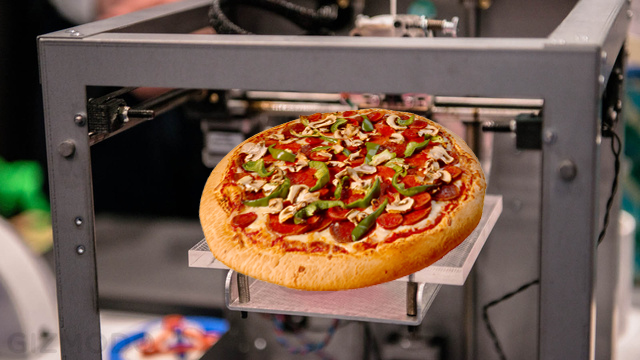
What is 3D printing's effect on fine dining? PHOTO: Shiftgig

What is 3D printing’s effect on fine dining? PHOTO: Shiftgig

What connects information and software to cooking? 3D printers. Though still finding a fan base among top chefs, the technology is poised to redefine the fine world of fine dining. For now the mechanism is nascent, it takes multiple materials to ‘print’ one dish and its newness is a put-off but it’s also stirring up some interesting innovations in the culinary world. No, not a la carte.

Continue reading

A House For and By the People

This Swedish house was designed by two million people. PHOTO: Tech Insider

This Swedish house was designed by two million people. PHOTO: Hemnet

Technology and democracy – two great forces to reckon with in today’s world. And when these two come together, it exemplifies what community of thought and the powers and possibilities of science can do. Take the Hemnet House. Designed collaboratively by 2 million people (the population size of Jamaica, Latvia, Slovenia and more), the house stands for the greatest tenet of democracy – for the people, by the people.

Continue reading

Recycling the Core of Computers

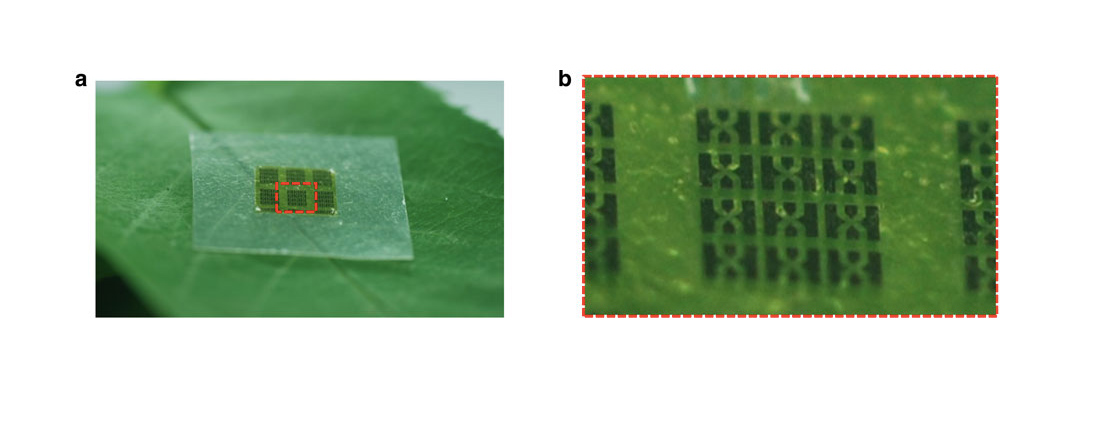
This wooden computer chip could make recycling electronics a lot easier as it replaces most of the silicon with biodegradable cellulose. PHOTO: Co Exist

This wooden computer chip could make recycling electronics a lot easier as it replaces most of the silicon with biodegradable cellulose. PHOTO: Co Exist

A recent report from United Nations University (UNU) found that the world produced 41.8 million metric tons of e-waste in 2014 – an amount that would fill 1.15 million 18-wheel trucks. Lined up, those trucks would stretch from New York to Tokyo and back. Computers and smart phones are among the ditched items, which could top 50 million tonnes by 2017, UNEP estimates. Virtually all electronics contain toxic materials and a lot of this hazardous stuff is in the circuit board, including lead (in the solder), mercury (in switches and relays), and brominated flame-retardants. Some electronics, like smart phones and laptops, contain heavy metals like cadmium, beryllium, hexavalent chromium, or arsenic, which have been shown to build up in our bodies and the environment. Also, the wires and cables that run through all this stuff are often coated with PVC, which contains toxic additives called phthalates.

Continue reading

A 3D Printed Shell for Fred

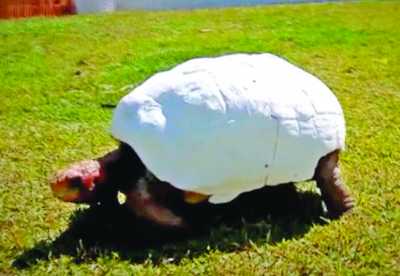
Fred the tortoise received a 3D printed shell after a horrific fire destroyed his original. PHOTO: 3DPrint

Fred the tortoise received a 3D printed shell after a horrific fire destroyed his original. PHOTO: 3DPrint

This one’s a win for goodwill and technology, a fine example of how how ideas can traverse diverse spaces and change lives. The high cost of human prostheses has long been a challenge for amputees and people born with missing limbs, but 3D printers have begun to change that. Unlike traditional manufacturing, 3D printing can create an object in almost any shape by reading a digital model. Using cheap materials, companies and non-profits can now print simple prosthetic hands and arms for as little as $50. And animals like Grecia and Derby, and now Fred, stand to gain, too.

Continue reading

Playing to Light Up Lives

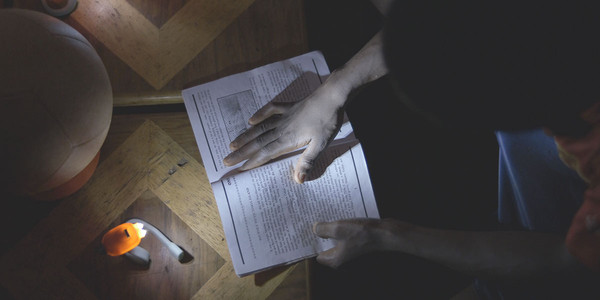
Uncharted Play is a social enterprise based in New York City founded with the mission of harnessing the power of play to achieve social good. PHOTO: UP

Uncharted Play is a social enterprise based in New York City founded with the mission of harnessing the power of play to achieve social good. PHOTO: UP

1.2 billion people around the world lack access to reliable electricity. They end up using kerosene lamps or diesel generators for their lighting requirements. But did you know that the annual collective emissions from kerosene lamps all over the world is equal to the carbon emissions of 38 million automobiles? It’s not just the carbon footprint – burning kerosene lamps indoors is as bad for the lungs as smoking two packs of cigarettes per day.

Continue reading

Solar Power Just an Adapter Away

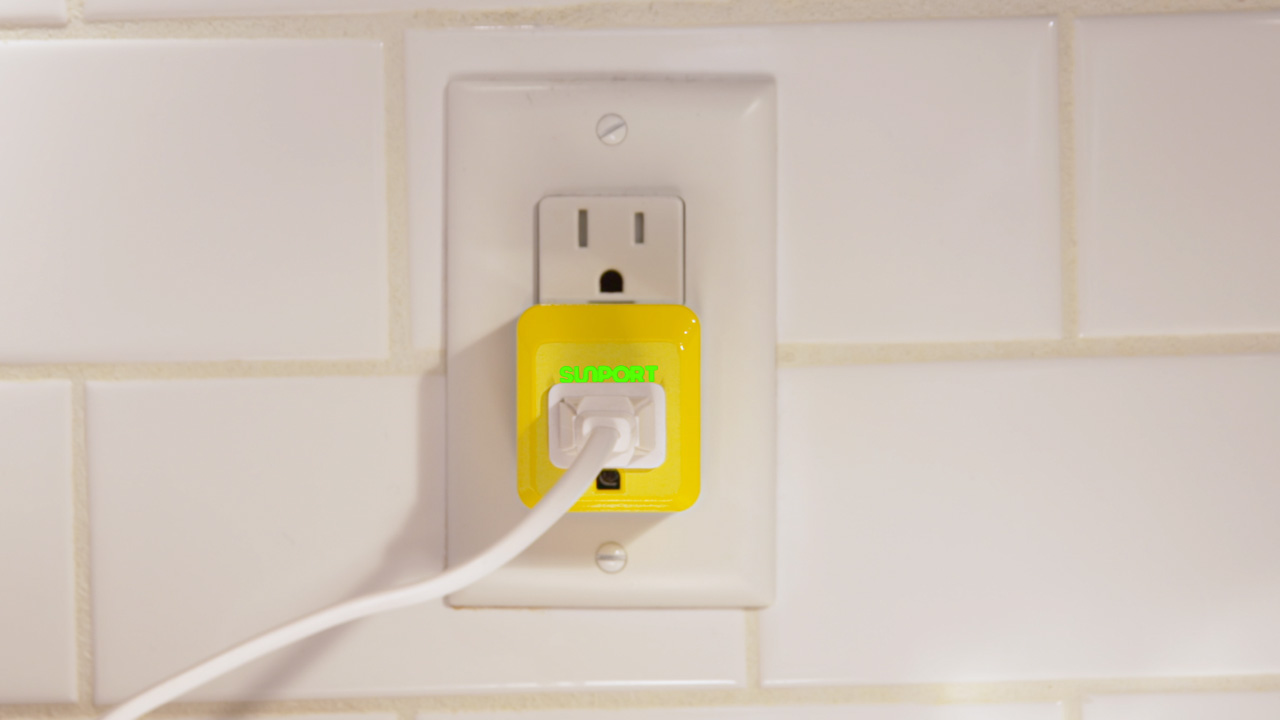
Now you can power your iPhone from the sun, even if you can't afford solar panels.

Now you can power your iPhone from the sun, even if you can’t afford solar panels.

Thanks to steeply falling prices, solar power keeps breaking records for new installations. But it still makes up less than 1% of total energy production in the U.S. The chances are good that you probably don’t yet have solar panels on your roof yet. Now, however, you can run your gadgets on solar just by using a different outlet. Plug your laptop into the SunPort, and it will automatically calculate how much power you’re drawing from the grid—and “upgrade” you to solar instead of coal, natural gas, or whatever else your local utility happens to use.

Continue reading

Is That a Real Swan?

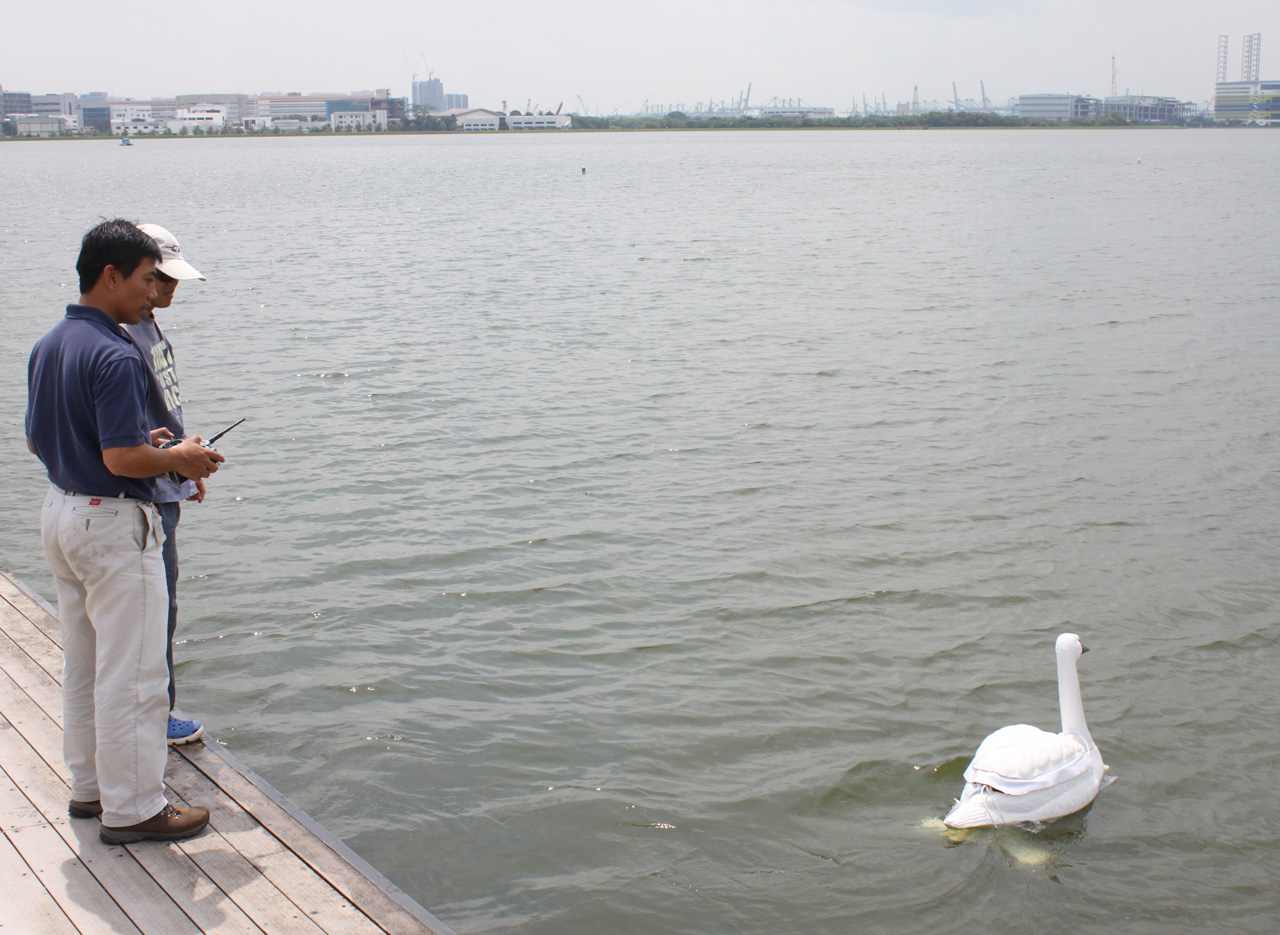
Robot swans patrol Singapore’s reservoirs, hunting pollution. PHOTO: CoExist

Robot swans patrol Singapore’s reservoirs, hunting pollution. PHOTO: CoExist

The  National University of Singapore has deployed robot swans to swim around water reservoirs and keep an eye on water quality. Presently, monitoring Singapore’s reservoirs is done by humans in boats, which is impractical, slow and not very scaleable. The NUSwan can swim tirelessly, continually testing pH, dissolved oxygen, turbidity (cloudiness) and chlorophyll. The results are transmitted wirelessly back to researchers, the GPS-equipped swans sweep the lake without duplicating any already-tested spots, and they automatically return to base for recharging when batteries run low.

Continue reading

Dubai Thinks Solar Palm Trees

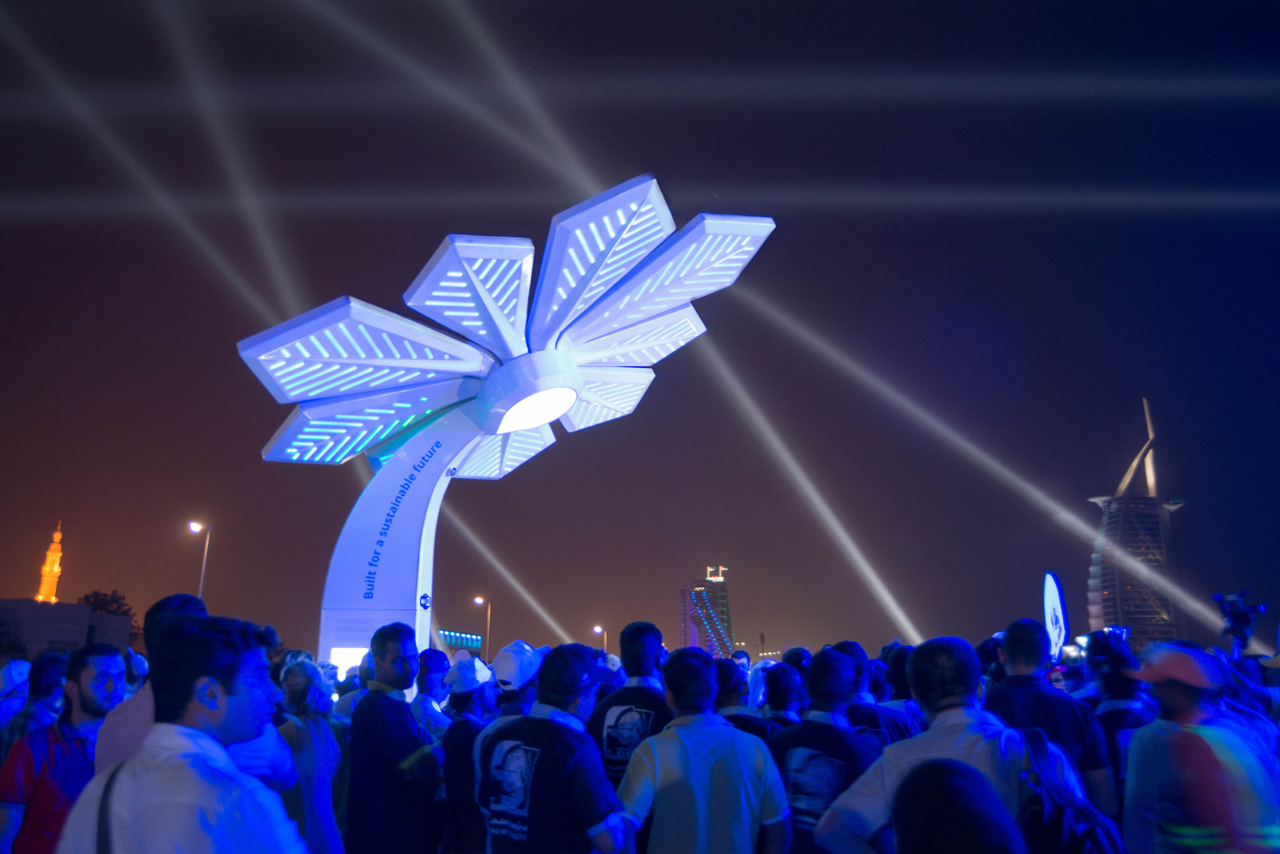
These solar "Palm Trees" in Dubai will charge phones at parks and beaches

These solar “Palm Trees” in Dubai will charge phones at parks and beaches

Look at what’s installed and ready-for-use in Dubai this summer: “Smart palms” that store solar energy during the day and discharge power at night. Smart Palm, the company, has set up two so far—one on Surf Beach, another in a park near the waterfront. It plans to plant them in 103 locations under a contract with the United Arab Emirates city.

Continue reading

A Scooter That Charges Faster Than Your Phone

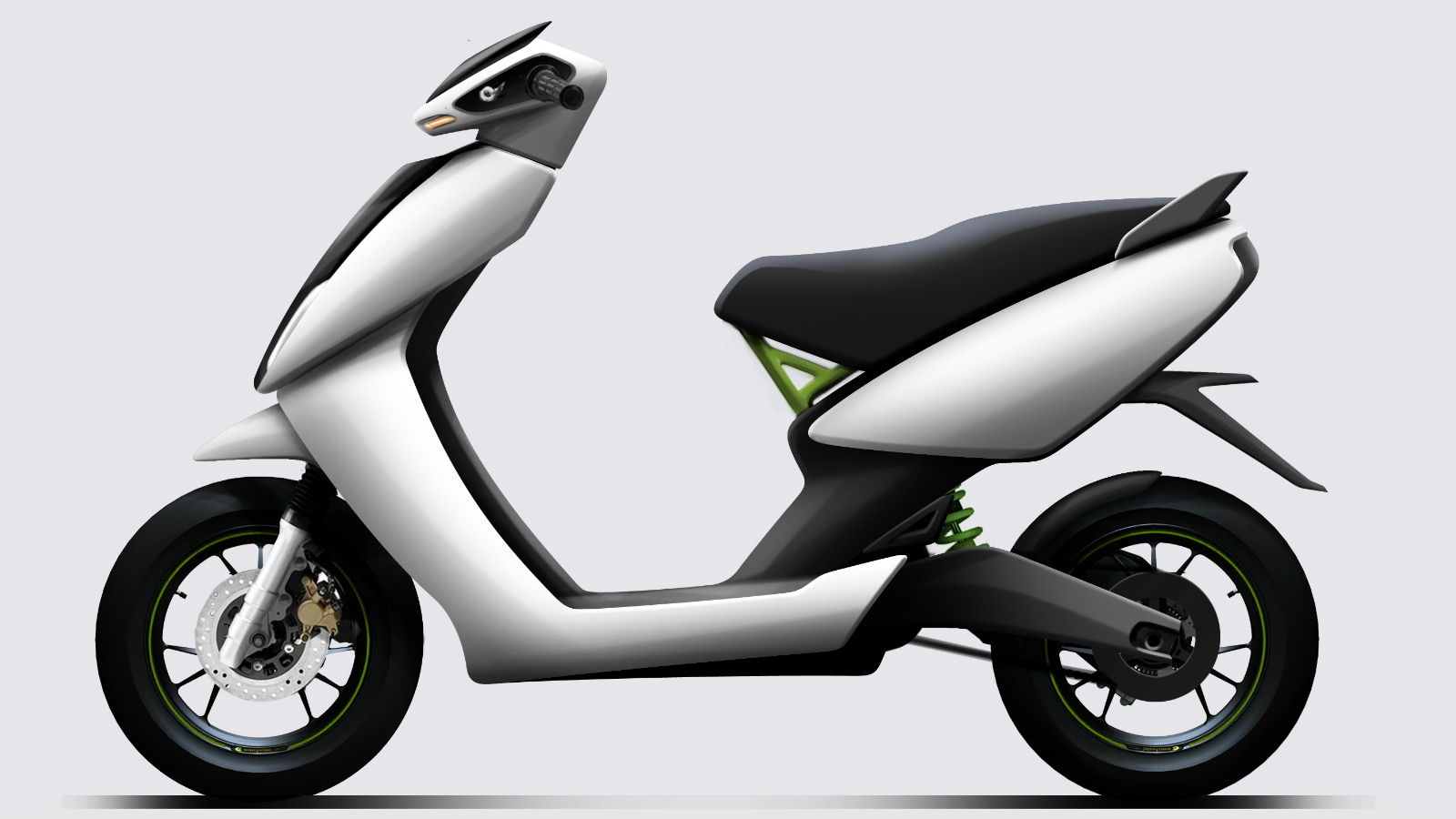
Ather Energy's e-scooter - S340 - is powered by a battery that charges within an hour

Ather Energy’s e-scooter – S340 – is powered by a battery that charges within an hour

India is the world’s second largest market for two-wheelers, and more than 14 million two-wheelers were sold last year. But electric scooters, so far, aren’t too big a part of that pie. When electric two-wheelers were first introduced nearly a decade ago, companies were betting big. They had a brief honeymoon period between 2008 and 2010, with sales more than doubling during that time. But all that dwindled once the government slashed its Rs22,000 ($346) subsidy for lithium battery packs in 2012. From selling 100,000 units two years ago, sales plunged to 21,000 units by 2014. But Ather Energy is bent on revising the trend.

Continue reading

Can GPS Be Replaced?

A new geolocation system is helping people get around in places where the streets have no name. PHOTO: Mapcode

A new geolocation system is helping people get around in places where the streets have no name. PHOTO: Mapcode

Rely on numbers to get around the neighbourhood? Then this one’s for you. A nonprofit called the Mapcode Foundation, has designed a system that assigns a unique and easily remembered address to any spot on the planet, without reference to landmarks or street names. Mapcodes consist of between four and nine digits and letters, which correspond to a five-square-metre patch on land or sea. Vowels have been eliminated from the system—so that mapcodes would not look like words, and because “O”s and “I”s cause confusion—but the remaining Latin consonants can be replaced with characters from the alphabets of most major languages. And the addresses are largely sequential: take a few steps in any direction and you’re in another square with a similar mapcode.

Continue reading

Repel, Trap and Steer Light

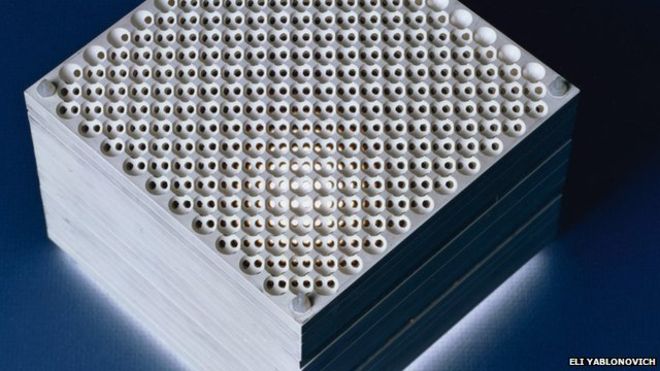
Photonic crystals can manipulate light in the same way that a semiconductor like silicon can steer electrical current. PHOT: Eli Nablonovich

Photonic crystals can manipulate light in the same way that a semiconductor like silicon can steer electrical current. PHOTO: Eli Nablonovich

The US physicist who first discovered “photonic crystals” which can repel, trap and steer light is to receive the Newton Medal, the BBC has revealed. This is the highest honor given by the Institute of Physics in London. Prof Eli Yablonovitch of the University of California, Berkeley, proposed and created the crystals in the 1980s.  Photonic crystals are periodic dielectric structures that have a band gap that forbids propagation of a certain frequency range of light. This property enables one to control light with amazing facility and produce effects that are impossible with conventional optics. Butterfly wings and the colorful plumage of peacocks and some parrots all contain examples, which were only understood after Yablonovitch and his fellow physicists fully described photonic crystals in the 1980s.Even the chameleon was recently shown to produce – and control – its color using the shape of photonic crystals.

Continue reading

Is This the New Super Battery?

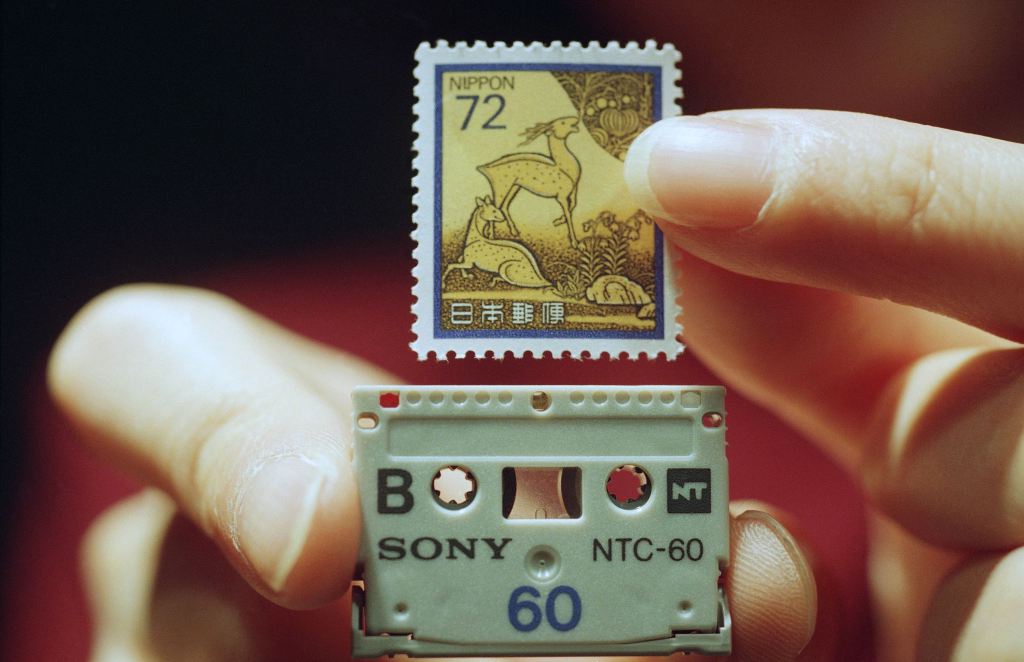
A cassette tape—the origin, incredibly, of how batteries are made.(AP Photo)

A cassette tape—the origin, incredibly, of how batteries are made.(AP Photo)

Since about 2010, a critical mass of national leaders, policy professionals, scientists, entrepreneurs, thinkers and writers have all but demanded a transformation of the humble lithium-ion cell. Only batteries that can store a lot more energy for a lower price, they have said, will allow for affordable electric cars, cheaper and more widely available electricity, and a reduction in greenhouse gas emissions. This is where Yet-Ming Chiang enters the picture. A wiry, Taiwanese-American materials-science professor at the Massachusetts Institute of Technology (MIT), Chiang is best known for founding A123, a lithium-ion battery company that had the biggest IPO of 2009.

Continue reading

Green Talk on the High Seas

Phytol-based herders aren’t a universal remedy for oil spills, but in certain scenarios they could become the go-to mitigation strategy. PHOTO: Bloomberg

In May, an oil pipeline in Santa Barbara County burst, pouring some 21,000 gallons of oil into the Pacific Ocean. Despite clean-up crews’ efforts to contain it, the oil slick stretched along the coast for miles, serving as a glaring reminder that spill mitigation strategies are still lacking. When oil tankers crash and inevitably spill oil into the open seas, a go-to clean-up method is corralling the rapidly spreading oil and burning it. But in some places, like the ice-strewn Arctic ocean, physically corralling that oil with boats and boons is practically impossible. But here’s a plant-based, eco-friendly molecule that could be used to clean up the inevitable spills of the future.

Continue reading

Spider’s Silk, Minus the Crawlies

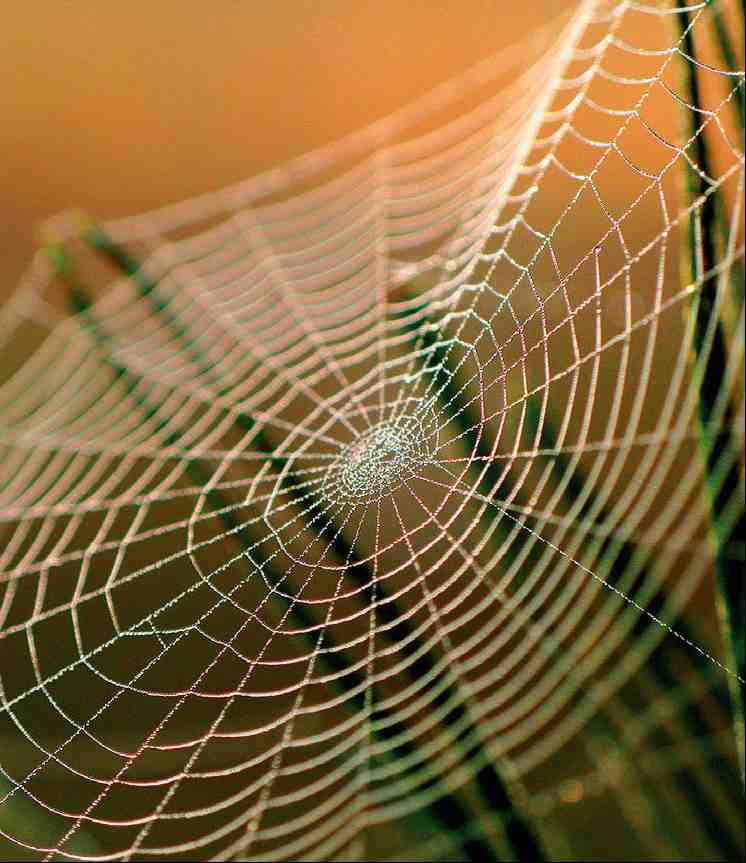
Bolt Threads' technology was inspired by the spider, but it has broadened into a platform of programmable polymers: a protein material that can be tuned to create a nearly limitless array of properties PHOTO: Researchgate

Bolt Threads’ technology was inspired by the spider, but it has broadened into a platform of programmable polymers: a protein material that can be tuned to create a nearly limitless array of properties PHOTO: Researchgate

Welcome to the age of slow fashion. Fashion that’s got its sense and sensibility focused on sustainability. Slow fashion represents all things “eco”, “ethical” and “green” in one unified movement. It was first coined by Kate Fletcher, from the Centre for Sustainable Fashion, when fashion was compared to the Slow Food experience. Carl Honoré, author of “In Praise of Slowness”, says that the ‘slow approach’ intervenes as a revolutionary process in the contemporary world because it encourages taking time to ensure quality production, to give value to the product, and contemplate the connection with the environment. And now meet Bolt Threads. A company that started out to make spider’s silk sans the creepy crawlies. Have they succeeded?

Continue reading

The Food Cart Just Turned Green

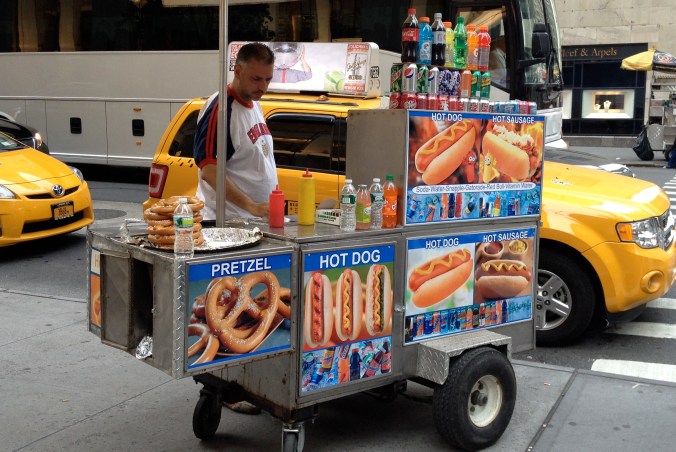
One hundred of the first carts will be funded by MOVE and reserved for disabled veterans, and the remaining 400 will go to vendors who sign up—at no cost to them, because the pilot program will be sponsored. PHOTO:  Today's the Day I

One hundred of the first carts will be funded by MOVE and reserved for disabled veterans, and the remaining 400 will go to vendors who sign up—at no cost to them, because the pilot program will be sponsored. PHOTO: Today’s the Day I

Food carts are an iconic part of New York City’s street life. NYC has over 5,000 licensed trucks and carts, and an estimated 3,000 unlicensed ones on the streets. Cart operators, representing diverse ethnicities and cuisines, serve approximately 1.2 million customers every day. A food cart can be started with little capital and improved with sweat equity. However, until now, this industry has had no choice but to rely on smoke-spewing carts and their antiquated technologies that are dirty and unsafe. But hold on, the MRV100 is here.

Most food carts run off a diesel generator that’s designed to run only a few hours. Vendors run them for stretches of up to 14 hours, leading to a high output of greenhouse-gas emissions such as carbon monoxide, nitrous oxide, and particulate matter. You can see the smoke with the naked eye, but the hard facts are even more frightening: The research and consulting firm Energy Vision found that each cart produces the same amount of nitrous oxide as 186 cars on the road.

Continue reading

This Furniture Can Grow You Dinner

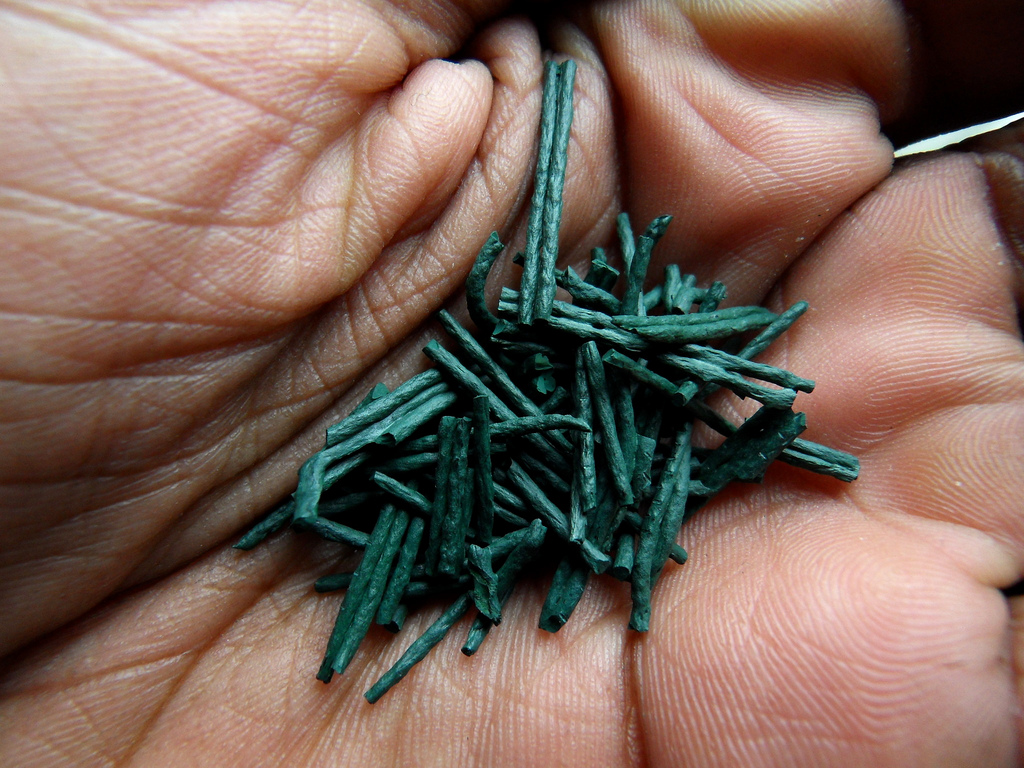
Spirulina is said to be the richest food in iron, 20 times higher than common iron-rich foods; and its iron is twice as effective than iron found in most vegetables and meats. COURTESY: Esse Spirulina

Spirulina is said to be the richest food in iron, 20 times higher than common iron-rich foods; and its iron is twice as effective than iron found in most vegetables and meats. COURTESY: Esse Spirulina

In the living room of the not-so-distant-future, you might have a glowing green blob of microorganisms next to your sofa instead of a lamp. A new line of photosynthetic furniture is filled with spirulina—a tiny, edible bacteria—that the designers imagine could help feed us without the incredible environmental footprint of conventional agriculture.

A new line of photosynthetic furniture is filled with spirulina… The custom glass bioreactors use waste heat, light, and carbon dioxide from a home to feed the spirulina inside. Periodically, someone can turn a tap, empty out the green sludge, and eat it.

Continue reading

Stop Typing!

Sustainable fonts require the least amount of energy to load. Using one also allows one to process more even when internet speeds are low.

Sustainable fonts require the least amount of energy to load. Using one also allows one to process more even when internet speeds are low. Is Ryman Eco one of them?

It’s only been an exact week since we discussed the ‘most eco-friendly’ ad campaign. And we vaguely remember a 14-year-old from a Pittsburgh-area middle school challenging the government to use the Garamond font in official communication to save up to $136 million each year. Find the original study here. So, clearly the sustainability debate has reached the doors of design. Supporters and naysayers abound, as is the case with Ryman Eco, whose creators claim it can reduce ink usage by 33 per cent.

“Ink is only about 15 percent of the total carbon footprint of a printed page. Despite the rise of e-everything, paper use is prodigious in the United States. Americans still use an average of 10,000 sheets of office paper per year, which is a lot.”

Continue reading

10,000 km in a Tuk-tuk and With the Sun

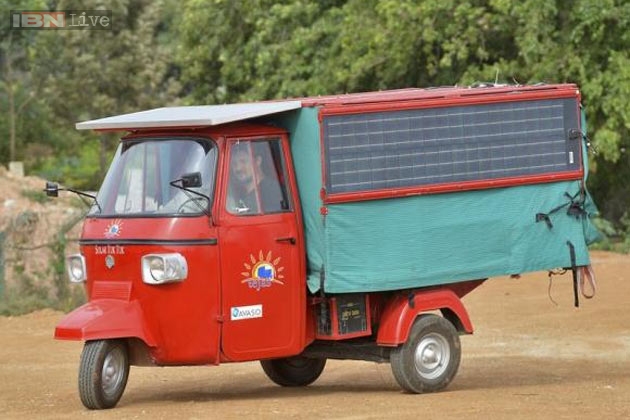
Tejas is a renovated Piaggio Ape  with a 13-kilo-watt prototype engine, lithium-ion batteries and six solar panels. PHOTO: IBN

Tejas is a renovated Piaggio Ape with a 13-kilo-watt prototype engine, lithium-ion batteries and six solar panels. PHOTO: IBN

Our itinerary has been filled with travel all week. And we almost gave The New Indian Express article on the travel plans of Indian engineer Naveen Rabelli and Austrian filmmaker Raoul Kopacka a miss. That was only until we read the details: a 10,000 km journey from India to London on a self-built solar-powered tuk-tuk/autorickshaw to Britain to promote a sustainable low-cost alternative-transport solution and check air pollution in towns and cities across their journey. Talk about going the extra mile.

Continue reading