A Day Without Shoes

Over dinner one night, I revealed to a few of my fellow interns my fear of feet, specifically adult feet.  We established that I may have podophobia: an irrational fear of feet.  You may think that I should consider taking a quick course in dinner convo dos and don’ts, or consider seeking psychiatric help; however, I guess I feel I have bigger fish to fry than to try to acquit myself of this fear.  We discussed other phobias and how many people overcome theirs by simply “facing” them.  I certainly am not at a place in my life to face my peculiar fear, but I am happy to say that a trip the following day to Meenashki Amman Temple helped me take one step (well, many steps really) towards defeating podophobia.

This beautiful Hindu temple is located in Madurai, Tamil Nadu, India, and devoted to Meenashki, an avatar of Parvati, one of the few female Hindu deities to have a major temple named for her.  Before entering the temple, visitors must remove both socks and shoes to be held outside.  Thousands of devotees and tourists visit this temple daily, and from the lines of barefoot men, women, and children, I and my fellow interns seemed to be visiting on a busy day.  I must admit: at first, I was not keen on sauntering around where so many people have trod, and for some time I tip-toed around to minimize my foot-to-ground contact.  Though, with each step against the granite flooring, my focus shifted to the detailed sculptures and the passionate faces of those around me. Continue reading

Serpentine Routes Of Kerala

The roads through the Western Ghats in Kerala are hilly and serpentine. These photos were taken along those winding routes heading to the neighboring state of  Tamil Nadu. The route across the border goes through Kumily, Lower Camp, Gudalur and Cumbum, with Kumily being the border town in Kerala and the rest located in Tamil Nadu.

The distance from Kumily down into the valley is only 6km. The huge pen stock pipes that bring water from Mullai Periyar Dam to the power house in Lower Camp can be seen on this drive; a view that shows a part of the unique relationship between the two states.  Continue reading

Backwaters Of Kerala

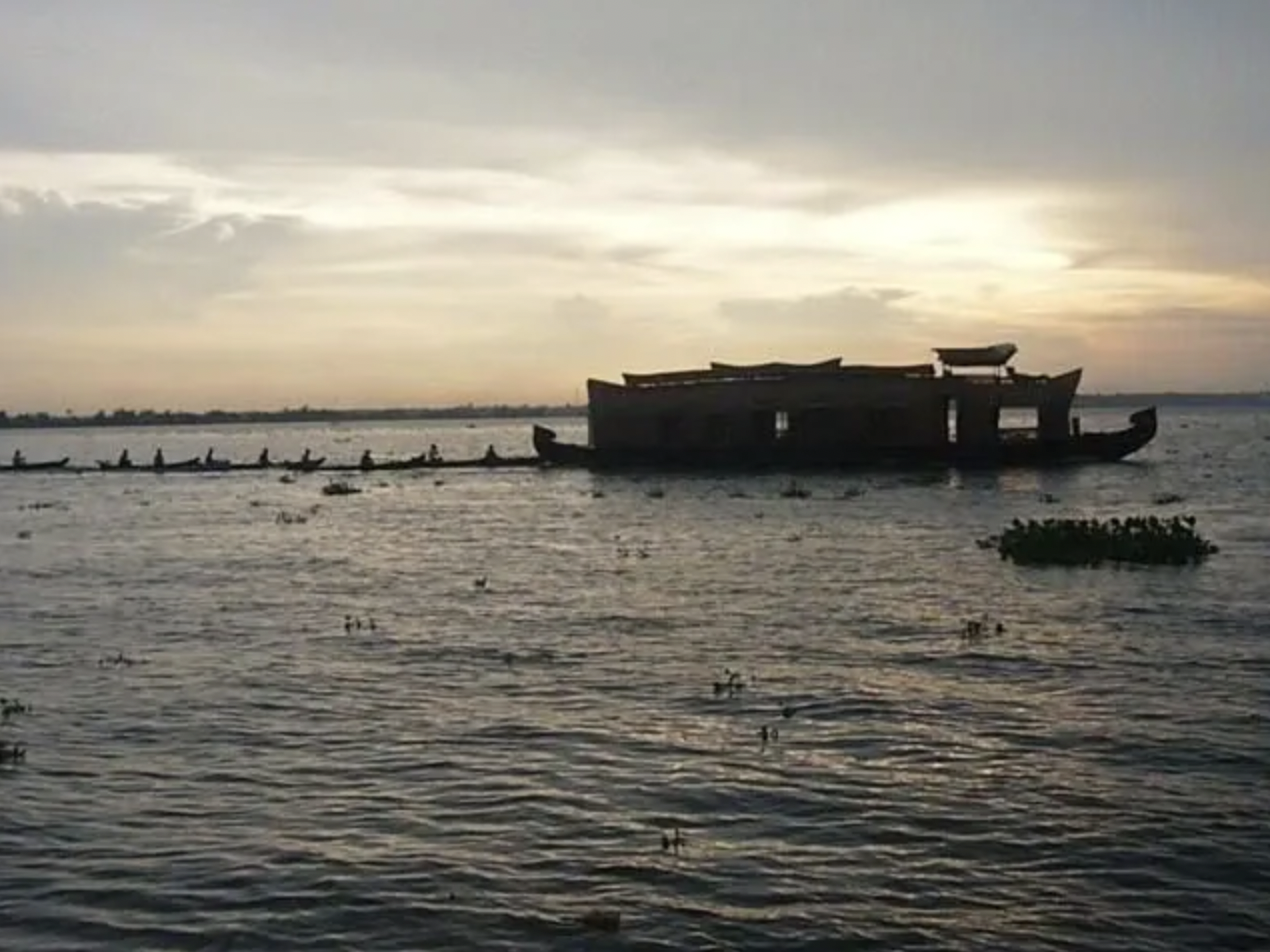
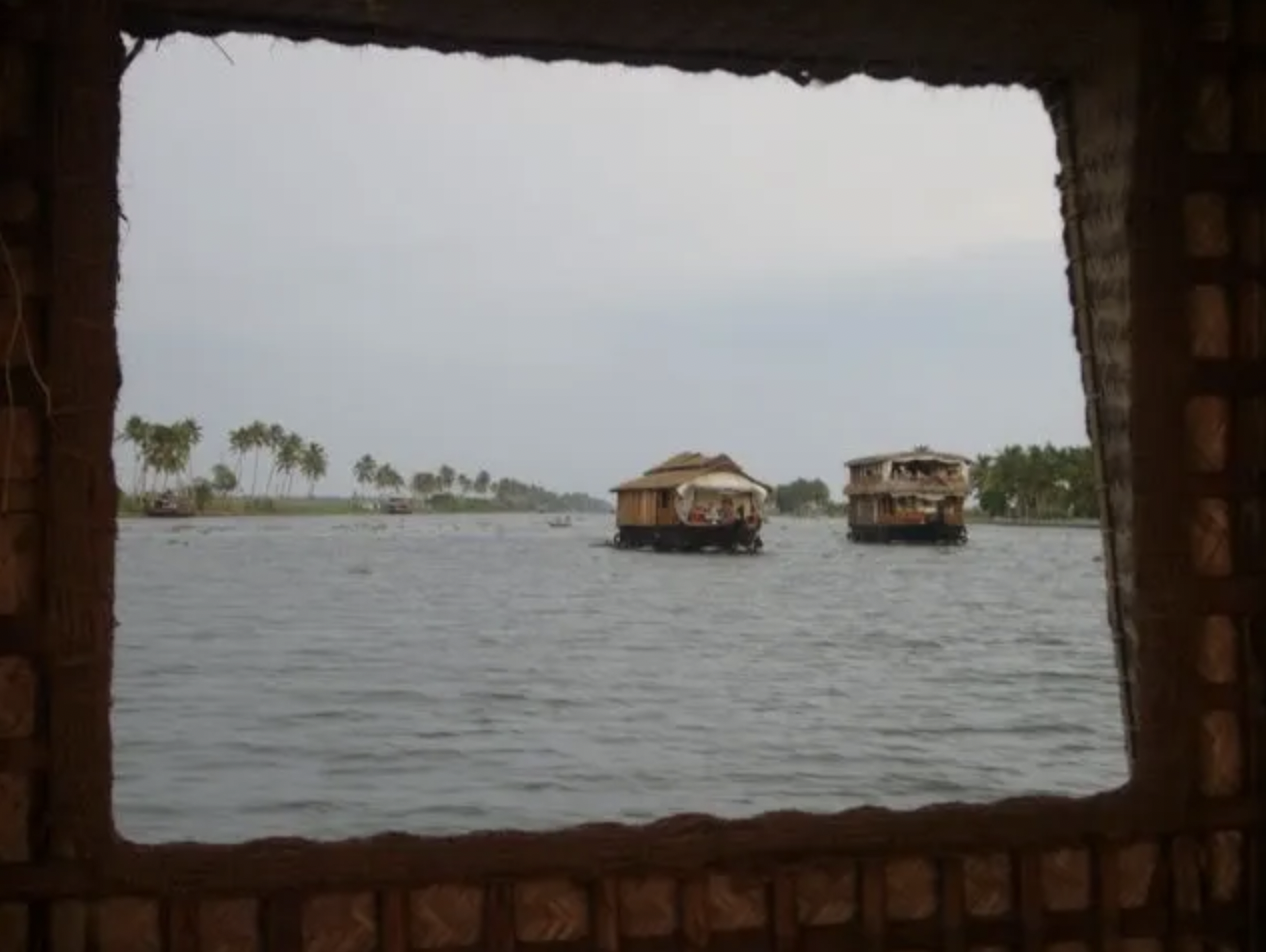
Kerala has an extensive network of waterways covering a distance of approximately 560 km. Besides the large inland lakes, the backwaters include the whole network of canals and waterbodies made by the unique craftsmanship of nature. The lifestyles along these waterways has given rise to a popular but easy going form of tourism. The photos in this post are taken from Alappuzha (Alleppey), the smallest district of Kerala.  Continue reading

Wadi Dana – Valley of the Rising Sun

Jordan is a composite of valleys and gorges, gullies and canyons, gulches and sand. Dry, warm air is blown through every nook and cranny, a stark contrast from the moist, muggy air I’ve grown accustomed to breathing in the south of India the last two years.

In fact, the only real similarity between Kerala and Jordan in my mind is how different they are (if you have been to both and think they are birds of a feather, let’s agree to disagree) – particularly climatically. I took advantage of my enhanced ability to physically exert myself without rapidly dripping sweat as often as possible during my time at Feynan; I accompanied the guides on as many activities as possible, and also did a fair bit of hiking on my own.

One of my favorite (as well as most convenient) hikes was from Feynan up the first valley to the north-east: Wadi Dana. I spent at least 24 hours walking in this valley on my own – and probably nearly that long with guides and guests. It was a boon to watch the lodge’s Bedouin guides walking through the lands they grew up in, as well as learning about the area’s natural bounties from them; every hike yielded a treasury of information on goat udder infection remedies, headache alleviation; arthritis, diabetes, and chronic headache treatments – all sourced from plants that appear to an outsider’s eyes as weeds growing from the cracks in the mountain. I learned how to sanitize my hands with “Bedouin Soap”, how to find a decent snack when feeling peckish, and what type of branch to use to make a splint if one of your goats breaks its leg (although I wasn’t taught how to actually do so, I was in someone’s tent and watched it being done), as well as several other folk remedies and fixes based on native plant life. Continue reading

Art of Taxi Driving

It has been a week since I arrived in Kerala, India. Not surprisingly, my first cultural shock was the ear-piercing, honking sound of rickshaws (small Indian taxis) that welcomed me when I stepped out of the Cochin airport. In the beginning, I thought the drivers here were just a little more aggressive or would get frustrated easily: the reason why they honked so much. But, as we drove away from the airport, our driver explained to us that these drivers honked to show their existence and alert others. In addition, drivers in India tend to not keep to their lanes. They use the entire road sometimes driving on the left side, right side, and in the middle…so ALL sides! These days, many young Indians are actively protesting to eliminate this unnecessary honking and to reduce noise pollution. So, increasingly you can see many signs like “Yi Horn Not OK Please.”

Rickshaws in India

Continue reading

Hide and Seek with Matterhorn @ Alps

Looking back on my family trip to Switzerland, I realized that the most prominent aspect of the humungous mountain tops covered in snow was not their size but the fact that they are shy during the day and bold in the morning and night. Whenever my family and I hiked up or took the cable cars up the mountain to see the famous peaks, the clouds kept blocking our views while we were trying to take a picture. However, we didn’t give up and kept waiting and waiting just to get a quick glimpse of the peak that was revealed for literally five seconds until the next cloud came. So, here we go!

Matterhorn, Zermatt was the toughest of them all. Its great height (4477m), steep front face, and isolated position from other peaks create the well-known “banner clouds” which make Matterhorn look like it’s blowing out smoke from the lee side.

Image

Panoramic View of Matterhorn at 3pm, Zermatt, Switzerland 

Continue reading

Southern City of Light

Guest Author: Denzel Johnson

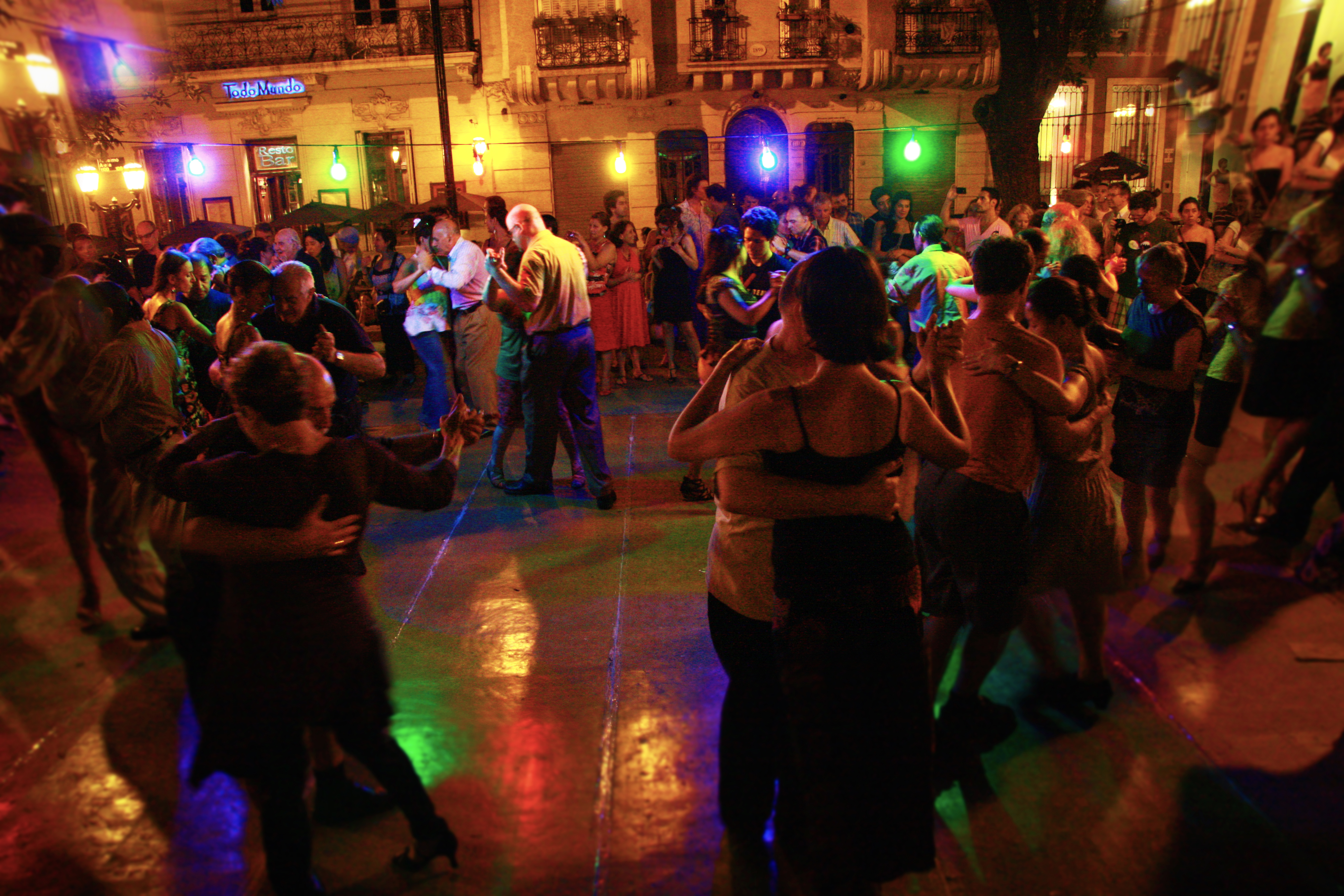
During the 1800’s Buenos Aires hosted a wealthy group of people in what is today’s most popular district- San Telmo. The district today is as popular as it could be and hosts a series of events that accommodate locals as well as tourists as they flock between the clubs and cafes. Continue reading

Low-Impact Voluntourism

Guest Author: Denzel Johnson

Tourism is a big industry. In some countries it’s their largest.  A fair amount of people who travel come from developed regions and visit less developed countries with the aim to help. No one can fault another person for wanting their travels to have a positive impact, but what happens when voluntourism causes more harm than good?

This question led me to form an opinion about what type of tourism is acceptable. I began with the premise that travel has positive implications on the traveller and used myself as an example. Having graduated from High School last summer, I set off to travel and explore the Americas. In England, that is referred to as a Gap Year, wherein a student takes the year off between High School and College (University) and in this year can travel, work or do nothing. My situation is a little different because I am travelling on a scholarship from the Royal Geographic Society but the benefits are the same. Continue reading

A Road Less Traveled

Guest Author: Denzel Johnson

The positive thinker regards life as an adventure where the rewards are in the risks and the pleasure in responding to the challenge.

A card printed with that quote has sat in my wallet since setting off last year for my journey through Latin America. I convinced myself that my philosophy as a traveller should somehow reflect these words and the card was meant to encourage me to step off the beaten track and venture where others wouldn’t consider a destination.

Having recently just spent a good portion of my gap year in solo travel through South America, I not only found myself on my own but always more positively challenged because there was no one else I could rely on. Continue reading

Rollin’ On The River

Our second excursion in India was heading from Fort Cochin to the backwater region of Kerala called Alleppey. (The actual Malayalam name is Alappuzha, the ‘zha’ letters forming the same sound as the Hungarian actress who I’m sure to date myself by mentioning.) Just the sound of these Indian names invoked a sense of the exotic and we weren’t disappointed. After a little adventure finding the River Escapes dock (a determined taxi driver made sure we arrived at the right location), we were welcomed with a refreshing drink of tender coconut and sipped away along with four other guests – a young Indian couple (honeymoon perhaps?) and an older English couple. As Dave and I began to settle in, we felt ourselves slipping into a lazy relaxation underlined with an excited sense of anticipation.  After a brief orientation, each group was escorted to the dock, where a row of beautifully maintained wooden houseboats waited for boarding.

The houseboat held a casual elegance with spotless wooden floors, wide wicker chairs and large open-air windows. The dining table had a bowl of fresh fruit and before we even got our shoes off, the staff of three – the captain, first mate and chef introduced themselves, integrating a slight nod of the head, a typical Indian gesture indicating friendship or often agreement (depending upon the exchange at the moment).  With the captain comfortably seated at the helm, the steward pushed the houseboat away from the dock and the chef headed to the galley.

Having been a chef on the high seas myself, a highlight for me was following the chef to the galley as he prepared our lunch. (At the end of this blog, I’ve included some of the culinary tips I learned and have repeated, with great success, at home.)  The chef, a tall, slender man in a clean white chef’s coat and tall toque (making him all the more imposing in height) was shy but friendly, explaining his preparations as he skillfully cooked with a deliberateness that conveyed training and personal pride. Our fish, a favorite on the Kerala backwaters called Pearl Spot or Karimeen, was trippy looking, resembling more of a skeleton than an edible item, but it was delicious – crunchy and spicy. As the chef cooked, the captain remained attentive at the helm, navigating through the waterways that would eventually (for someone else) lead to the Arabian Sea. And we were not alone. There were dozens of other houseboats meandering their way down the river  – some had two levels with expansive balconies while others stood out with ornate window frames and decorative wood designs. And we all just moseyed along, with passengers waving to one another as we passed modest homes on the shore with clotheslines holding colorful saris. As the waterway became narrower, we found ourselves being led off the houseboat and into a long motorized canoe.  We had arrived at the backwaters. Continue reading

Feynan Ecolodge at the Dana Biosphere Reserve

When I stepped into the cool morning air outside Amman’s airport two weeks ago, I knew I was in for an interesting time. For the next seven weeks I would be staying at Feynan Ecolodge as a live-in writer and photographer, spending time with Bedouin locals, adventuring through the Dana Biosphere Reserve, which was established as a protected area in 1989 by Jordan’s Royal Society for the Conservation of Nature, and experiencing Feynan in a way few people are able to. I hope to become familiar with both the magnificently diverse geological and biological features of the area, as well as the Bedouin culture, which is as steeped in mystery to me as their chai is with sugar. Traditions and rituals, beliefs and taboos which seem impractical or unsophisticated to the Western world all have significance which might not be superficially visible. Continue reading

Report To Greco

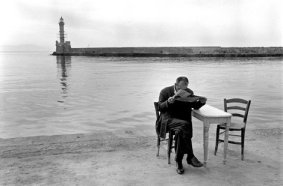
Man reading, Chania, Crete, 1962 (Costa Manos/Magnum Photos)

Click the photo to go to the recent post titled “Do We Need Stories?” in the blog site of the New York Review of Books.  It starts out:

Let’s tackle one of the literary set’s favorite orthodoxies head on: that the world “needs stories.” There is an enormous need,” Jonathan Franzen declares in an interview with Corriere della Sera (there’s no escape these days), “for long, elaborate, complex stories, such as can only be written by an author concentrating alone, free from the deafening chatter of Twitter.”

Continue reading

Carbon Emissions Series: Scope 3 for Hospitality

If someone asks you to measure your property’s scope 3 emissions, you should tell them that it’s basically impossible. Because it is. That’s the gist of this post. But before we despair over the endless range of scope 3 emissions for a hotel property, let’s toss in the GHG Protocol’s definition:

Scope 3: Other indirect emissions, such as the extraction and production of purchased materials and fuels, transport-related activities in vehicles not owned or controlled by the reporting entity, electricity-related activities (e.g. T&D losses) not covered in Scope 2, outsourced activities, waste disposal, etc.

How far does your supply chain reach? The vast scope, depth, and complexity of hotels' supply chains and customer interactions make scope 3 measurement a daunting task.

My Recent Spice Route

This slideshow requires JavaScript.

Do you ever have a project you keep putting off?  And putting off, because the project just feels too all-consuming with no easily defined beginning or end? Welcome to my world of trying to write this brief recollection of my extraordinary experiences in India during the fall of 2011.

This is one of 3 reflections regarding my time in India and my pleasure meeting Amie Inman and visiting two of the Raxa Collective resorts.  This first entry focuses on visiting the markets of Cochin and Ernakulum.

Last October my husband Dave and I visited Amie Inman, with Raxa Collective, in Fort Cochin and Ernakulam, in Kerala.  At the time, I was the Adult Lifelong Learning Coordinator for the University of Virginia’s Semester at Sea around-the-world voyage. Dave and I had 6 days in Southern India and we didn’t waste a minute. Dave was returning to a region he loves while I was just being introduced, not knowing what to expect. Continue reading

From the GMIC’s Sustainable Meetings Conference

Greetings from Montreal! I’m posting from Montreal and the Green Meeting Industry Council’s 2012 Sustainable Meetings Conference. I was fortunate to receive the Nancy Zavada Scholarship that enables me to attend this wonderful conference, and I’ve been thrilled to participate in the Future Leaders Forum, which informs current students of the challenges and opportunities of the meetings/events sector. I’m pleased to briefly share some of the things the conference has covered so far.

Strangely enough, the Hilton hotel at which our conference is held does not seem to be very sustainable. A lack of low-flow water fixtures, occupancy sensors, high-efficiency HVAC, and aggressive guest engagement is evident.

Continue reading

The Unseen Scenes

March 2012

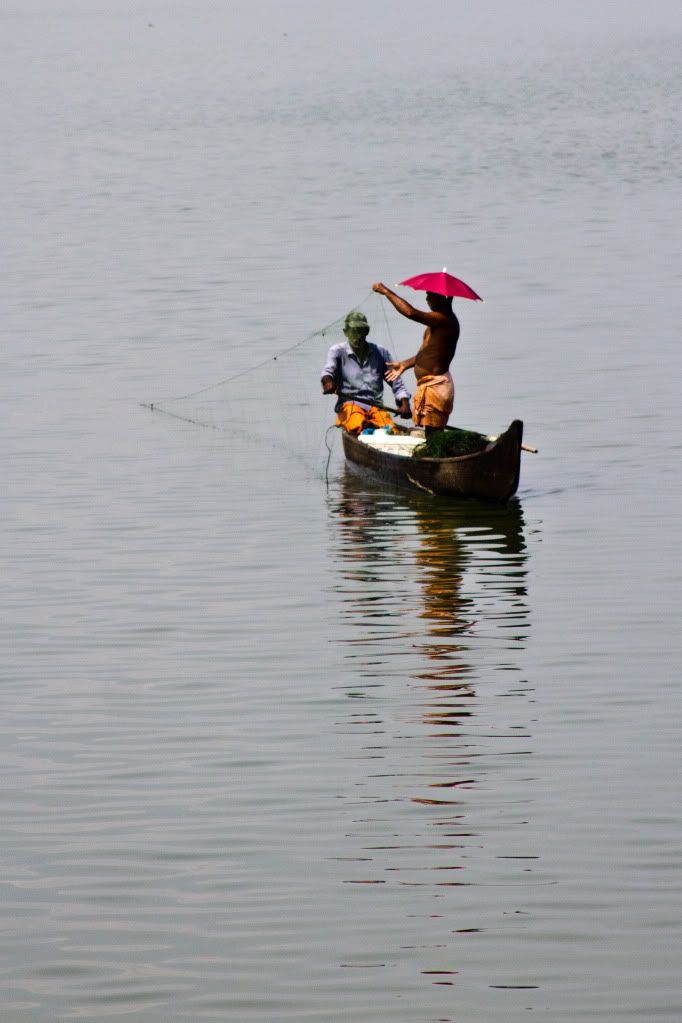
A morning on Kerala’s Backwaters. Although in the general sense you know what to expect in terms of how the day will play out, you are guaranteed to see some strange and possibly surreal things between breakfast and lunch. More if you rise before the sun comes up. This is purely out of self-preservation – during the heat of the day, any significant physical activity ends up being exhausting, and the locals know best. That said, it’s worth being up early to catch a number of interesting photographs that you would have been unable to were you sleeping. To the left are two fishermen – one rowing slowly while the other (suitably attired for protection from the sun) checks nettings for a catch. This was my first time seeing fishermen wearing umbrella hats, but I see workers in the paddy fields with them often. Despite this fact, I haven’t photographed them due to poor lighting conditions and a significant distance between us every time. Continue reading

If You Happen To Be In New York City

In New York, of all places, you can see and learn about one of our favorite phenomena.  If we have not written about it yet, we will post on this topic from the perspective of some of our own contributors who have seen this in southern Chile, and as recently as last summer Seth took photos while at Morgan’s Rock in Nicaragua.  Here is what the New York Times has to say about the exhibition at the Museum of Natural History in New York:

A thoroughly engrossing exhibition at the American Museum of Natural History that opens on Saturday — “Creatures of Light: Nature’s Bioluminescence” — teaches us quite a bit about the phenomenon. Yet it still manages to preserve that otherworldly mystery, even cherishing it — treating it as if it were one of those ecologically vulnerable bioluminescent bays of glowing plankton in the Caribbean by whose shimmer visitors could once read in the middle of the night. Continue reading

Real Rural California

In India, the migration from rural to urban areas is one of the most dynamic changes to the economy, the environment, the landscapes, the urbanscapes (just as in China and other rapidly developing agrarian economies) so it is refreshing to see and hear the stories that writer and photographer Lisa Hamilton shares on this site (click the image to go to one of those stories):

In February/March 2012, an ad-art campaign on trains throughout the Bay Area Rapid Transit (BART) system will feature select portraits of people and places from rural California. In fall 2012, photographs from Real Rural will comprise a show at the California Historical Society Museum, and there will be a concurrent ad-art campaign on billboards in Los Angeles and Sacramento. Continue reading