Who Dreamed This City into Being?

paris

In the 19th century, George-Eugene Haussmann completely redesigned and rebuilt the French capital. PHOTO: Matt Robinson

“Paris was a universe whole and entire unto herself, hollowed and fashioned by history; so she seemed in this age of Napoleon III with her towering buildings, her massive cathedrals, her grand boulevards and ancient winding medieval streets–as vast and indestructible as nature itself. All was embraced by her, by her volatile and enchanted populace thronging the galleries, the theaters, the cafes, giving birth over and over to genius and sanctity, philosophy and war, frivolity and the finest art; so it seemed that if all the world outside her were to sink into darkness, what was fine, what was beautiful, what was essential might there still come to its finest flower. Even the majestic trees that graced and sheltered her streets were attuned to her–and the waters of the Seine, contained and beautiful as they wound through her heart; so that the earth on that spot, so shaped by blood and consciousness, had ceased to be the earth and had become Paris.”
Anne Rice, Interview with the Vampire

Literature, history, art, everyday news, talk at a neighborhood cafe – the exquisite and the commonplace are rife with paeans to this city. But how did she come into being?
Continue reading

The Power of Parks

yosemite

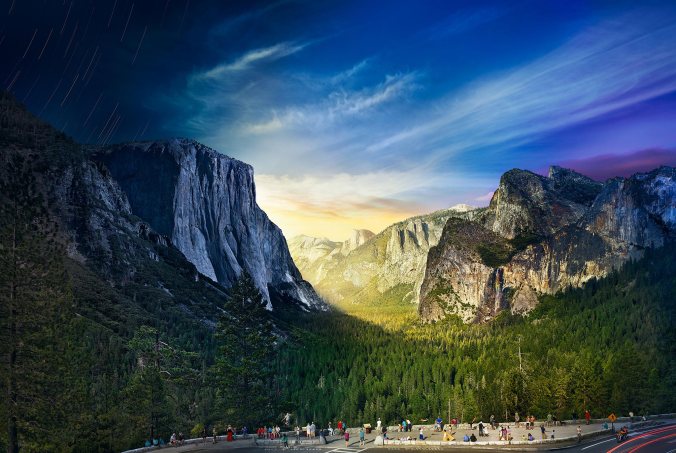
Photographs of Yosemite National Parks composed by Stephen Wilkes. Courtesy: National Geographic

Which side are you on – the one that believes national parks are the past or to the side that sees the future in these stretches? As long as national parks figure on your maps and feature in your scheme of things, you must know that the National Park Service is celebrating its centennial this year.  In commemoration, National Geographic looks at how to preserve these wild spaces:

“In March 1868 a 29-year-old John Muir stopped a passerby in San Francisco to ask for directions out of town. “Where do you wish to go?” the startled man inquired. “Anywhere that is wild,” said Muir. His journey took him to the Yosemite Valley in California’s Sierra Nevada, which became the spiritual home of Muir’s conservation movement and, under his guidance, the country’s third national park. “John the Baptist,” he wrote, “was not more eager to get all his fellow sinners into the Jordan than I to baptize all of mine in the beauty of God’s mountains.” Today around four million people a year follow their own thirst for the wild to Yosemite.”

Continue reading

An American Soldier, World War, and India

photo

28 years ago, a Chicago-based couple found a shoebox of photographs of the Indian countryside and they traveled halfway across the world to find their origin. PHOTO: Scroll

Here’s the plot: In 1988, a couple visited an estate sale of a deceased friend and stumbled upon a shoebox of old photographs tucked under a couch. It contained more than a hundred envelopes filled with negatives and contact sheets for photographs depicting India in 1945. The identity of the photographer: unknown.

But only until they set out to discover the man behind the lens. The answer (and the photographs) hang at Delhi’s Indira Gandhi National Centre for the Arts till January 31.

Continue reading

Sifting Through Food Memories

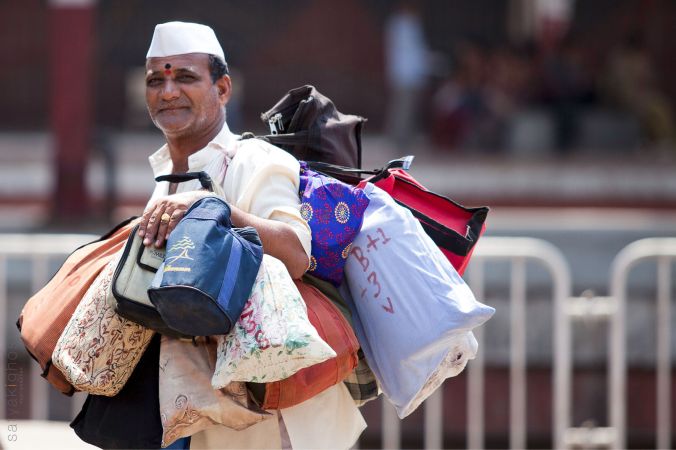
Dabbawala,the lifeline of Mumbai.

The Indian city of Mumbai is home to the ‘dabbawala’ service wherein boxes of hot lunch make their way from homes to customers’ offices.   PHOTO: Satyaki Ghosh

Food memories. Absolutely universal, absolutely distinctive. Across cultures, across borders. United by the emotions they evoke – nostalgia, love, warmth, hope. While travel memories are notched up by the miles, they are bound to feature a food memory or two. Of cultures, smells, people, faces, history.  Jacques Pepin, noted French chef, writes of his in The New York Times:

There is something evanescent, temporary and fragile about food. You make it, it goes, and what remains are memories. But these memories of food are very powerful. My earliest memories of food go back to the time of the Second World War. My mother took me to a farm for the summer school vacation when I was 6 years old with the knowledge that I would be lodged and fed there. I cried after she left and felt sad, but the fermière took me to the barn to milk the cow. That warm, foamy glass of milk is my first true memory of food and shaped the rest of my life.

Continue reading

Costa Rica’s Tourism Revenue Grows 9% in 2015

tortuguero-turismo-ict-ingresos-visitas_lncima20160115_0086_5

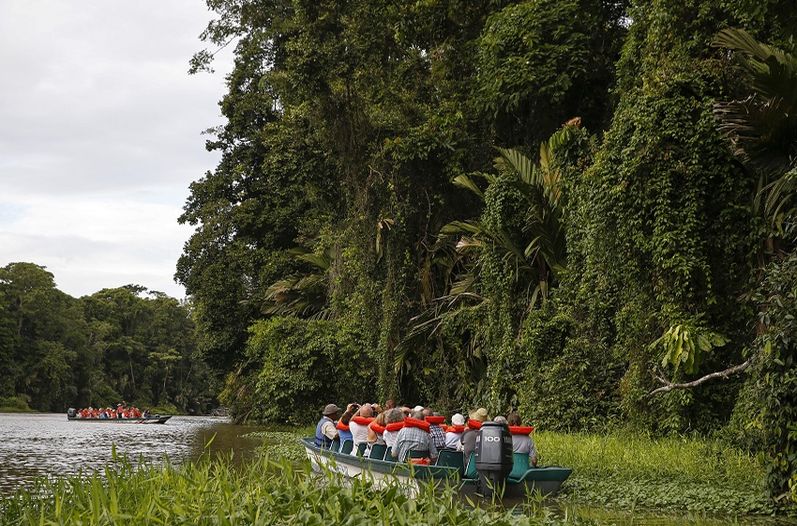
Tourists travel by boat through the canals of Tortuguero, on the Caribbean coast. Photo by Mayela López for La Nación.

Yesterday, the Costa Rican Tourism Institute reported that revenue from the tourism sector increased in 2015 by 9% over 2014, totaling $2.8 billion for the year. This was partly because the number of actual tourists was up from the previous year: 8% more from the United States, 6.1% more from Europe, and a whopping 29.2% more from China. The total increase in tourists to Costa Rica was by 5.5%, with about 2.6 million people–about half of Costa Rica’s population–visiting the country.

Continue reading

Forests Giving Deeply Appreciated Gifts

4928

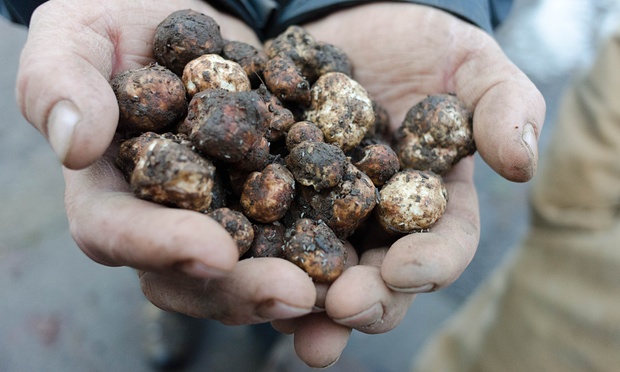
‘You could take an iron rake and rip outwards several feet from the trunk of a fir until you gathered up every truffle in the vicinity.’ Photograph: Jason Wilson for The Guardian

Two Raxa Collective representatives made their way in late autumn (northern hemisphere) to Istria, Croatia. Those same two, and their two sons, had lived in Croatia 2006-2007 but had stayed on their island at the very southern limit of Croatia; never had the chance to make it to Istria during truffle season. So, the two who finally went made the Istria visit a culinary weekend, which will need to be the subject of another post.

The exposure to truffles in their native habitat is an experience that is difficult to describe, because it is at once a deep immersion in a very comforting deciduous forest ecosystem during a time of delicious decay; and it is simultaneously a whetting of the appetite. We are now inclined to seek out more places where we can experience this. For now, the foodies among us, and particularly the mycologically oriented, will appreciate this article in today’s Guardian Environment section, which clues us in on one possible next location for next autumn:

Truffle trackers: how dogs and humans help ecology and gastronomy in Oregon

Hunting for the underground fungus delicacy with dogs ensures ripe truffles and minimum environmental impact – and it’s a great way to bond with a canine

Jason Swindle has already learned the best and hardest lesson that his dog can teach. “It’s about trust. River does the craziest things when we’re out here – she charges up cliffs or hillsides – and I have really just had to learn to trust her.”

This trust is perhaps even sweeter than the prize she helps him find beneath the forest floor: truffles. Continue reading

If You Happen To Be In New York City

NYTTS

Come say hello. Amie and I are representing Xandari at the Costa Rica stand in North America’s largest consumer travel show. Today through Sunday they are expecting nearly 30,000 visitors to enter the premises of this show. For $20 you can have a whirlwind tour of the world, and some interesting Event Speakers (for our few recommendations, click the titles to go to the ticket page): Continue reading

When A Legend Fades Away

Stories about the Yeti date back thousands of years, especially in the Himalayan nations. Legends say it can be seen only when it comes down from the high mountains to lower elevation and that it passes through the forests and into the villages where it surprises or scares people and sometimes kills a yak for food. Several climbers claim to have seen an unusual animal on their way up Mount Everest. A few have taken photographs of very large footprints in the snow, claiming they belong to the Yeti. It has another name that many people will recognize: Abominable Snowman. Think of a big human-like animal covered in white hair, with huge canine teeth and very big footprints.

But now, no one’s looking for the Yeti.

Continue reading

Still Standing – the Last Jews of Jew Town

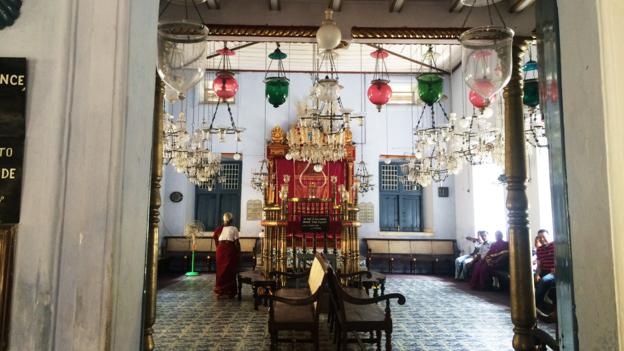
The Paradesi synagogue in Jew Town, Fort Kochi, Kerala.  Credit: Alyssa Pinsker

The Paradesi synagogue in Jew Town, Fort Kochi, Kerala. Credit: Alyssa Pinsker

Xandari Harbour, going beyond a hotel, doubles as a gateway to history. Located between the tourist paradise of Fort Kochi and the heritage rich bylanes of the spice markets of Mattanchery, it sees people and time come and go. Among the tales we hold precious is the heartwarming lifestory of the Jews of Jew Town. A handful left, behind doors and windows they sit – reminders of a people who found warm refuge in an alien land. Reminders of a page of a history turning to close.

In a small neighbourhood in the South Indian city of Cochin, Kashmiri shopkeepers in Islamic dress stand in front of shops emblazoned with banners reading “Shalom!” Inside, Hindu statues and shawls vie for space with Jewish stars, menorahs and mezuzahs. Although this multiculturalism might seem strange, the majority-Hindu city is well known for its substantial Muslim and Christian populations. Less known is that there’s also a fast-dwindling native Jewish community, known as the Paradesi (Foreign) Jews, who once populated the neighbourhood of Jew Town.

Continue reading

A Tiny Land and Its Large Ocean Reserve

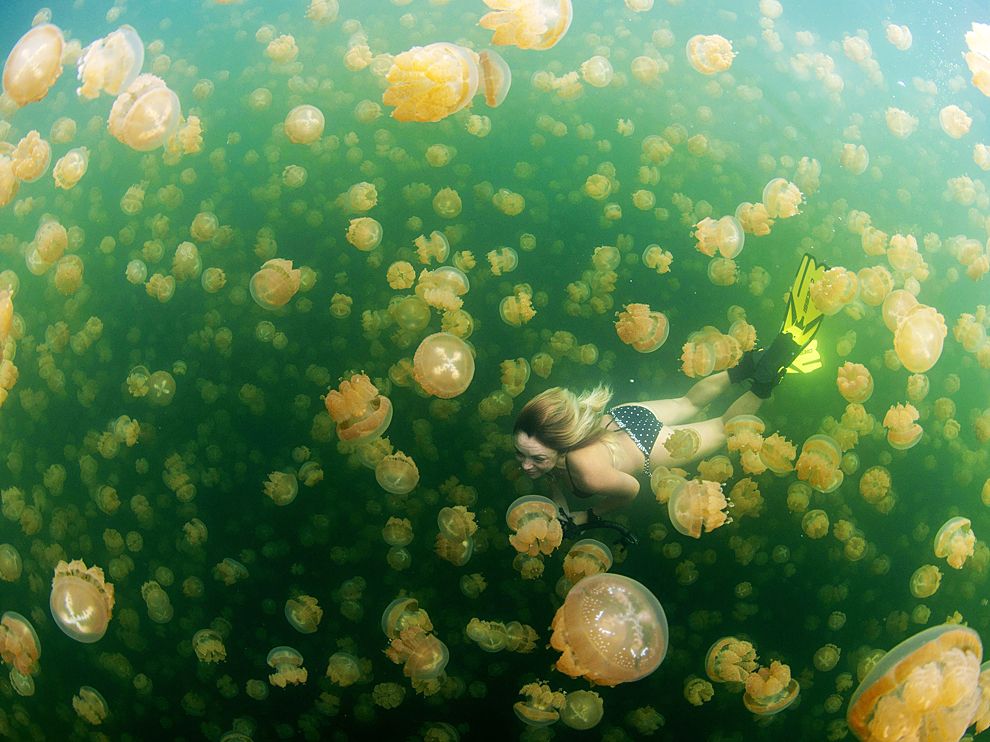
The president of Palau signed legislation Wednesday designating a reserve that's about 193,000 square miles (500,000 square kilometers) in size. This makes it one of the five largest fully protected marine areas in the world. PHOTO: National Geographic

The president of Palau signed legislation Wednesday designating a reserve that’s about 193,000 square miles (500,000 square kilometers) in size. This makes it one of the five largest fully protected marine areas in the world. PHOTO: National Geographic

The Chilean government recently announced that it has created the largest marine reserve in the Americas by protecting an area hundreds of miles off its coast roughly the size of Italy. The new area, called the Nazca-Desventuradas Marine Park, constitutes about eight percent of the ocean areas worldwide that have been declared off-limits to fishing and governed by no-take protections. Now, the Pacific island nation of Palau has resolved to protect nearly 80% of its oceans.

Continue reading

On the Rocks

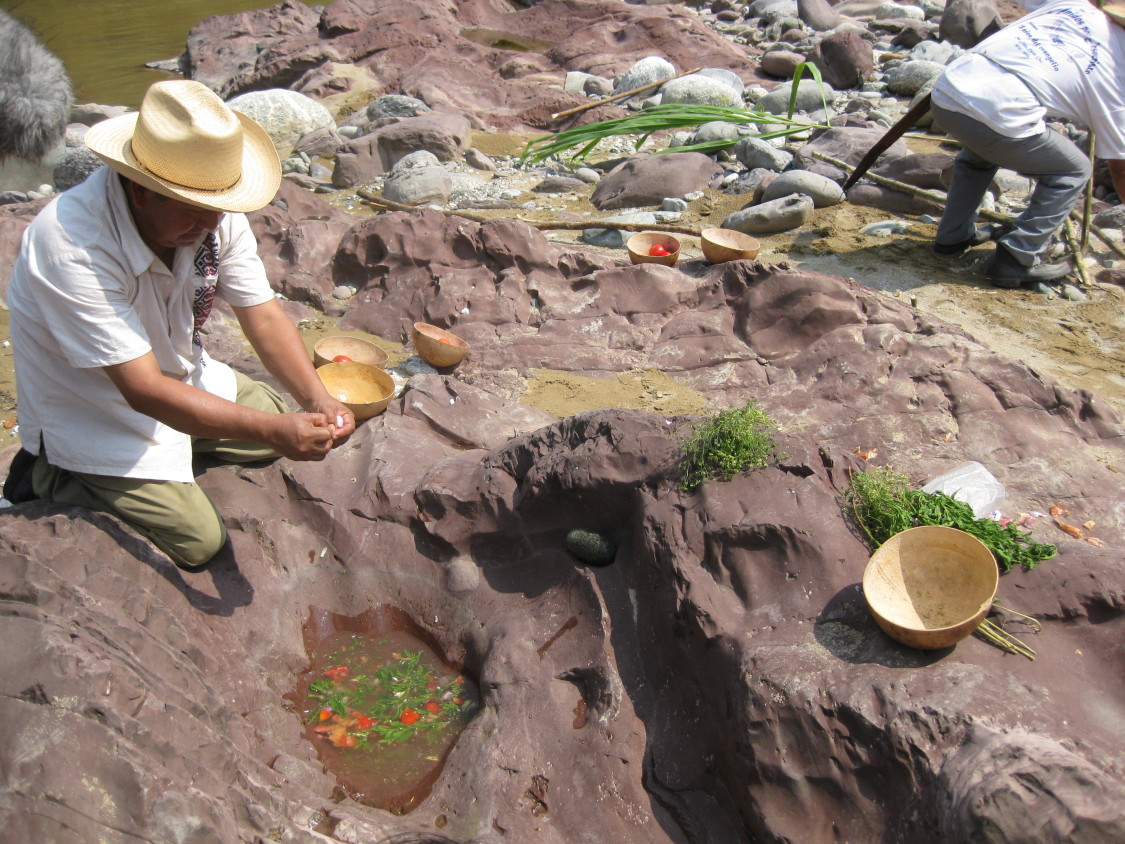
Chinatec elders prepare stone soup the traditional way, by the Papaloapan River. PHOTO: SARAH BOREALIS

Chinatec elders prepare stone soup the traditional way, by the Papaloapan River. PHOTO: SARAH BOREALIS

National Geographic’s The Plate explores the “global relationship between what we eat and why, at the intersection of science, technology, history, culture and the environment”. The latest in its daily discussion on food is the preparation of  real stone soup in Oaxaca, Mexico.

The soup originated in a remote ritual site in the Papaloapan River basin, about 12 hours by car from Oaxaca City, in the highlands of the Sierra Madre mountain range. The geography there is very rocky, and in the Pre-Ceramic [period,] Chinantec ancestors developed an elemental way to cook their food using fire and stone. The ritual site features large boulders excavated to serve as large cooking pots, and I guess you might say that the rest is history! The recipe for stone soup features local ingredients and really is a product of this unique environment.

Continue reading

When Development Usurps Lakes

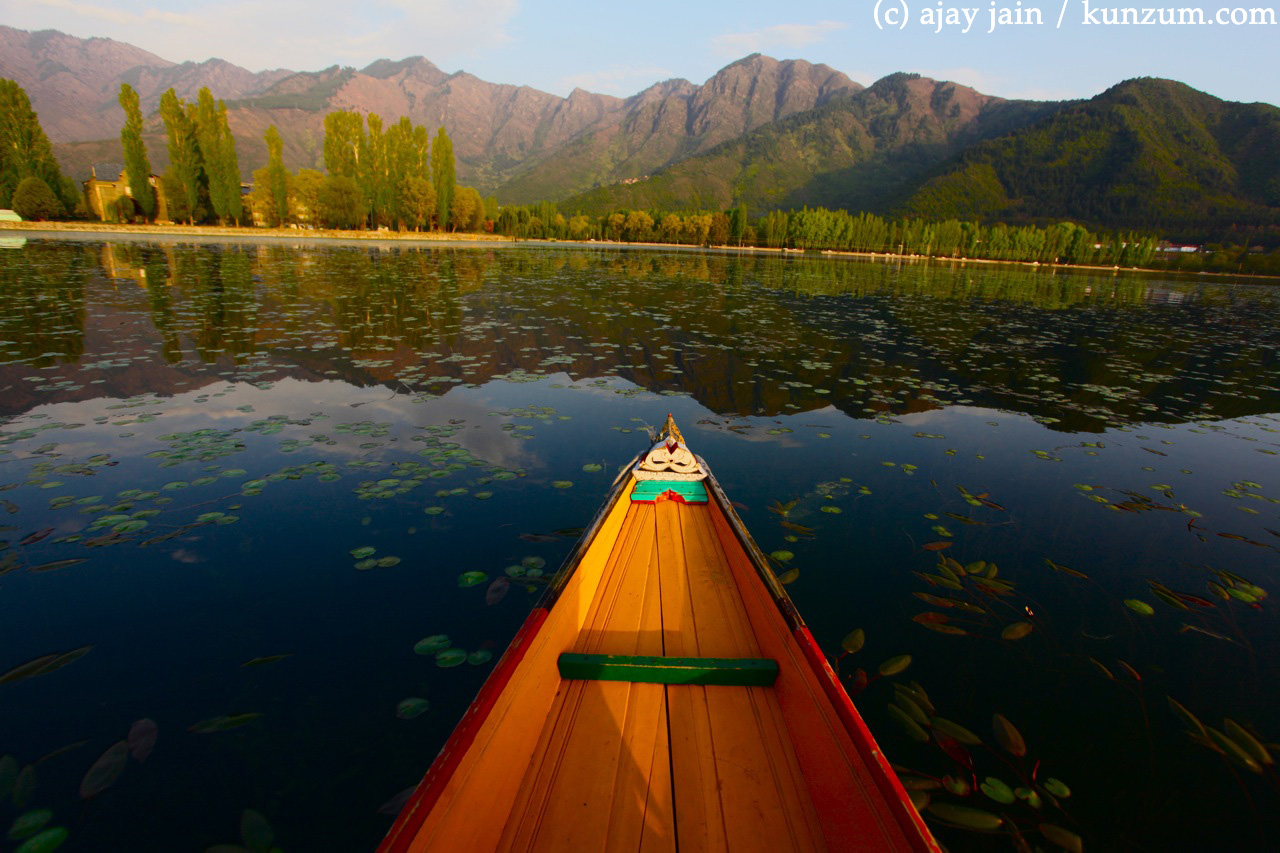
Half of the water bodies in and around Srinagar have disappeared over the last century under the pressure of rapid and badly managed urbanisation. PHOTO:

Half of the water bodies in and around Srinagar have disappeared over the last century under the pressure of rapid and badly managed urbanisation. PHOTO: Kunzum

Urban India is witnessing a rapid growth with more than 300 million Indians already living in cities and towns. In the coming 20-25 years, another 300 million people will be added to the urban population. If not managed properly, Indian cities will turn into ecological disaster zones. In a hurry to expand, cities have already eaten into their local water bodies. Kashmir, the land of snow\clad mountains and unrivaled natural beauty, is feeling the heat already.

The beautiful Kashmir Valley has over a thousand small and large water bodies, which are the bedrock of both its ecology and its economy. Unfortunately over the last century, massive urbanisation around these water bodies has led to pollution, siltation due to deforestation and overexploitation of the many streams and lakes. Many have shrunk to a fraction of their original size while some have all but disappeared.

Continue reading

Mark Your Calendar for Steve McCurry

Do you remember the image of the Afhan girl that made the cover of the June 1985 issue of National Geographic? It is regarded as one of the world’s most recognizable photographs. And the man behind it is Steve McCurry. Since then, McCurry has traveled extensively, later returning to India to create the series’ “Monsoon” and “India by Rail.” Photographs from these collections, including some that have never been seen before, will be showcased in a new exhibition by the International Center of Photography and the Rubin Museum of Art that opens on November 18th.

Continue reading

As Wild As It Gets

Greg Carr says Gorongosa is a “human development and conservation project". PHOTO: BBC

Greg Carr says Gorongosa is a “human development and conservation project”. PHOTO: BBC

What does it take to restore a wildlife hotspot? To put some animals back in, develop and sustain the environment so more animals return, and hold up the model as a means to uplift communities, and thereby the nation? The answer is Gorongosa National Park – a Mozambican safari paradise.

In 1962, six-year-old Vasco Galante was treated to his first cinema trip – to see Charlton Heston in the Hollywood epic, The Ten Commandments. But despite the blockbuster’s eye-popping sequences, the images that most impressed young Vasco came from a short advert shown before the film, which showcased the elephants, lions and buffalo in the verdant floodplains of Gorongosa National Park – a Mozambican safari paradise once marketed as “the place where Noah left his Ark”.

As he left the Lisbon picture house, young Vasco vowed to visit the park one day, and more than 40 years later, he finally got the chance. But the park he encountered was a far cry from the Gorongosa of ’60s showreels that once attracted the likes of John Wayne, Joan Crawford and Gregory Peck. A brutal 15-year civil war in the aftermath of Mozambique’s independence from Portugal in 1975 had devastated much of the province, and Gorongosa, one of its key battle grounds, was almost destroyed.

Continue reading

Where World Heritage Sites Meet

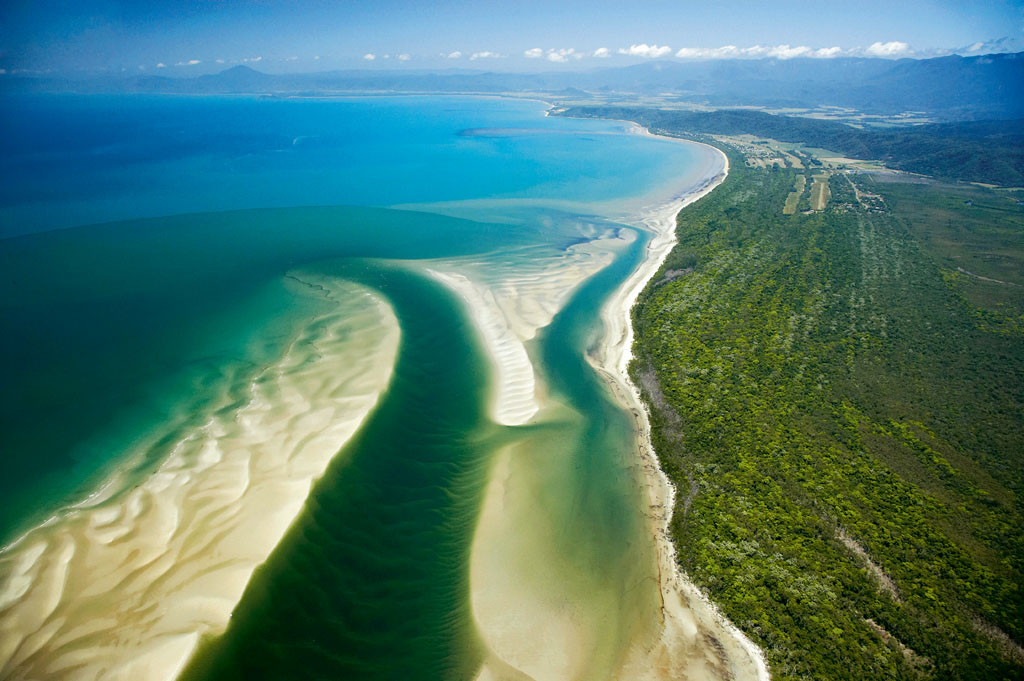
A variety of birds, frogs, and crocodiles can be spotted while cruising the mangrove-lined Daintree River. Photo: David Wall/Dinodia

A variety of birds, frogs, and crocodiles can be spotted while cruising the mangrove-lined Daintree River. Photo: David Wall/Dinodia

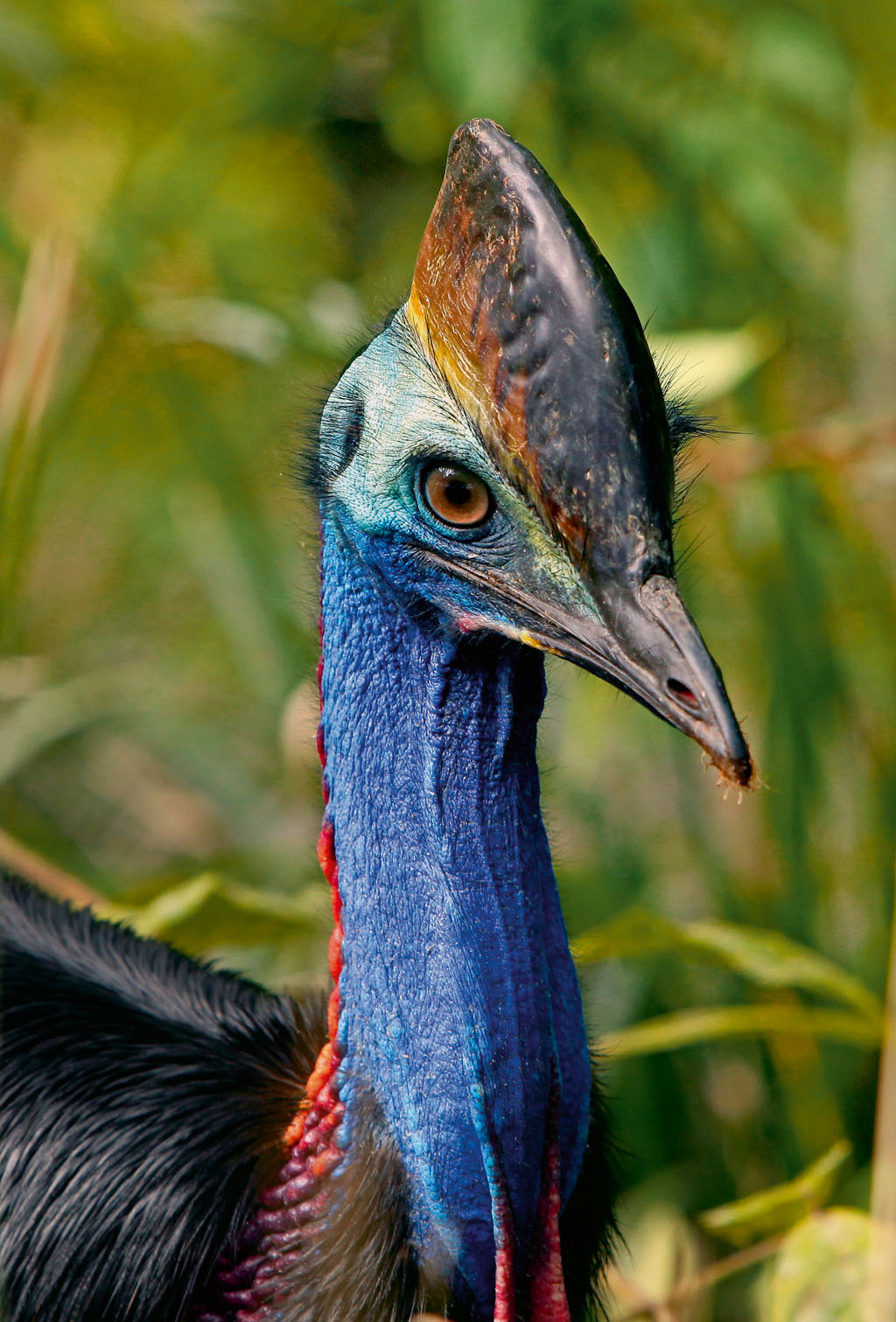
Unique to Australia, the flightless cassowary bird lives a solitary existence for most of its life. It is integral to the survival of many of the plants of this rainforest. Photo: CCOPhotostockBS/Dinodia

Unique to Australia, the flightless cassowary bird lives a solitary existence for most of its life. It is integral to the survival of many of the plants of this rainforest. Photo: CCOPhotostockBS/Dinodia

The list of the World Heritage Sites, as recognized by UNESCO, is a goldmine of history, natural and cultural patrimony. It tells of places and cultures that warrant a second look, an effort to better understand them. And of all the geography the list covers, there’s only one place where two Heritage Sites meet: the Daintree Rainforest and the Great Barrier Reef.

Continue reading

Leaving the Map Behind

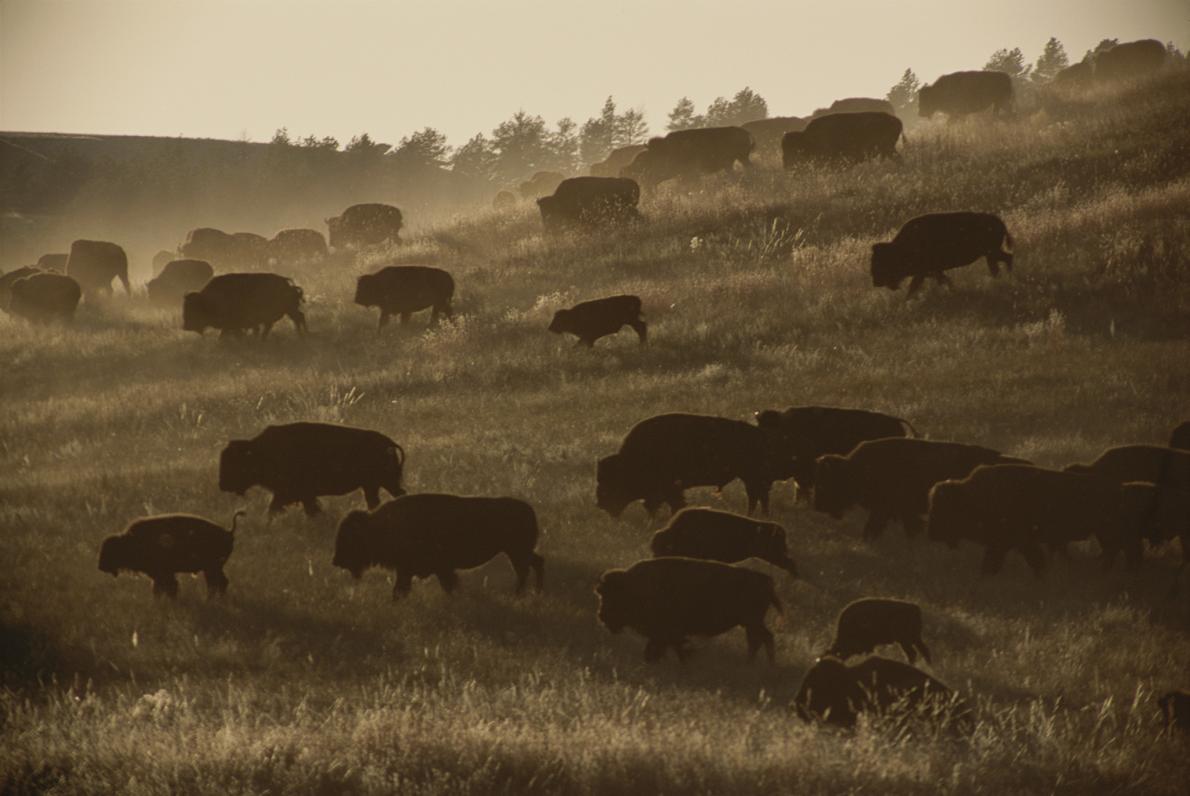
Bison, like these at Custer State Park, in South Dakota, were central to the Plains Indians. But when the U.S. National Parks Service tried to reintroduce them to Lakota lands, it tore the community apart.  PHOTO: SARAH LEEN, NATIONAL GEOGRAPHIC CREATIVE

Bison, like these at Custer State Park, in South Dakota, were central to the Plains Indians. But when the U.S. National Parks Service tried to reintroduce them to Lakota lands, it tore the community apart. PHOTO: SARAH LEEN, NATIONAL GEOGRAPHIC CREATIVE

Rewilding is the idea that, having extirpated many species, by returning large animals and birds like the California condor to the landscape, we can restore key ecosystem functions. The most famous example is probably the reintroduction of grey wolves to the northern Rockies and the Mexican grey wolf to the desert Southwest in the mid-late’90s. There’s a phenomenon called trophic cascade, which means that a large predator like a wolf has a regulatory effect on the entire food chain. In Yellowstone, the return of wolves has meant that the elk can’t be fat and lazy and start to browse in a different fashion, which in turn allows aspen and beavers to come back.
If 20th-century conservation was about drawing lines on a map and saying, this is a park or preserve, 21st-century conservation is about filling in those lines, bringing back animals that have been extirpated.

Rewilding, the need and benefits of having places that are off the map, modern day cave woman Lynx Vildern make for some pages of Satellites In The High Country: Searching For The Wild In The Age Of Man, by Jason Mark, cofounder of the largest urban farm in San Francisco.

Continue reading

What’s The Catch?

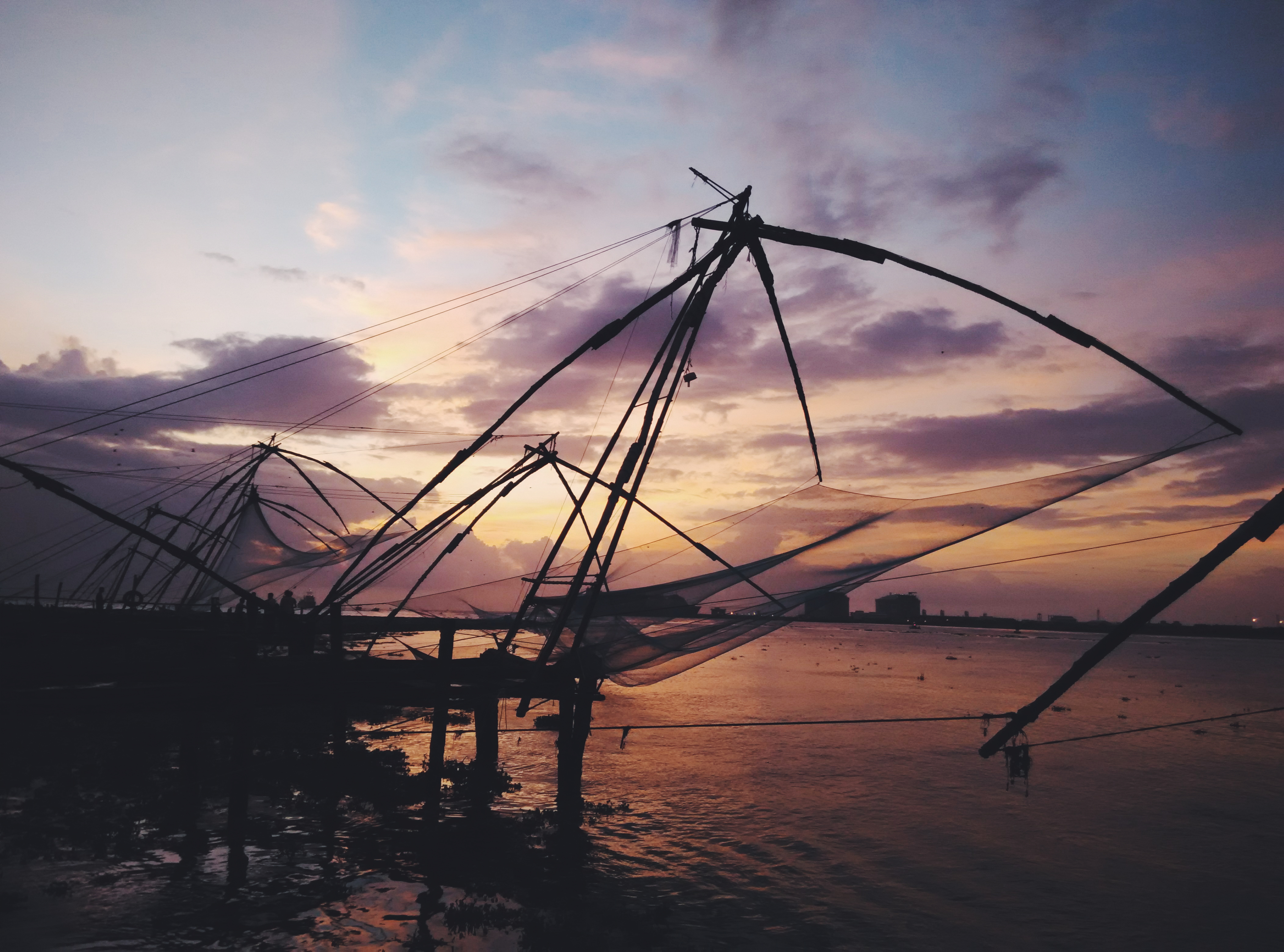
Golden hour at the line of fishing nets along Fort Kochi beach, Kerala, India. PHOTO: Rosanna

Golden hour at the line of fishing nets along Fort Kochi beach, Kerala, India. PHOTO: Rosanna

Are you a traveler or a tourist? Yes, both mean different things. A traveler – unhurried, lacks the “need” to see/do things, explores beyond the ‘must’ eat, visit lists. A tourist – one for order, one who settles for a “simplified ABC version of the globe“. Highly subjective definitions, yes. Disputable, too. But it easily makes you and I a traveler every single day, at every other place. It makes me a traveler in my own land, in my own time. Friend to tourists and wayfarers, a commonplace storyteller, a forever traveler.

Continue reading

Walk About

I recently had the opportunity to participate in the planning and execution of a video project as part of my internship. We worked with creative director Anoodha Kunnath, who has already produced many videos about different topics.

The first step was of course a discussion between Anoodha and Raxa Collective to understand what they both expected from the video. This took place about one month ago – at the beginning of my training – so it was really interesting for me to be aware, in a different way, of the company and its philosophy. The main goal of Anoodha’s work will be to communicate all the characteristics of Xandari Harbour (one of the hotels developed and managed by Raxa Collective) and of course its fascinating location.

Continue reading

When Stories Travel the World

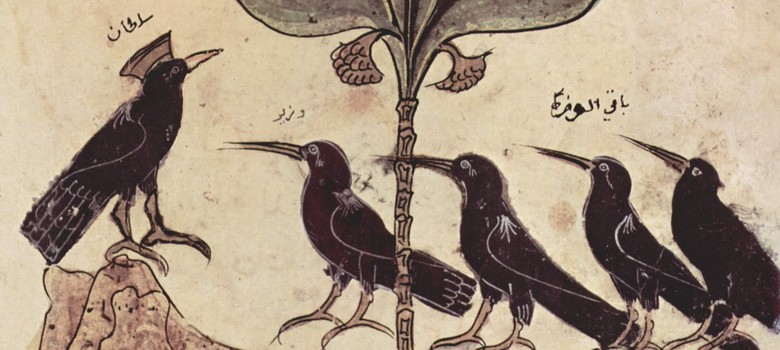
Few books have been narrated, written, re-written, translated and adapted as much as Panchatantra, the collection of tales of wisdom. PHOTO: Scroll

Few books have been narrated, written, re-written, translated and adapted as much as Panchatantra, the collection of tales of wisdom. PHOTO: Scroll

For more than two and a half millennia, the Panchatantra tales have regaled children and adults alike with a moral at the end of every story. Some believe that they are as old as the Rig Veda. There is also another story about these fables. According to it, these are stories Shiva told his consort Parvati. The present series is based on the Sanskrit original.

A king, worried that his three sons are without the wisdom to live in a world of wile and guile, asks a learned man called Vishnu Sharman to teach them the ways of the world. Since his wards are dimwits, Vishnu Sharman decides to pass on wisdom to them in the form of stories. In these stories, he makes animals speak like human beings. Panchatantra is a collection of attractively told stories about the five ways that help the human being succeed in life. Pancha means five and tantra means ways or strategies or principles. Addressed to the king’s children, the stories are primarily about statecraft and are popular throughout the world. The five strategies are: First Strategy: The Loss of FriendsSecond Strategy: Gaining FriendsThird Strategy: Of Crows and OwlsFourth Strategy: Loss of Gains and Fifth Strategy: Imprudence.

Continue reading

What Does the World Heritage Tag Mean?

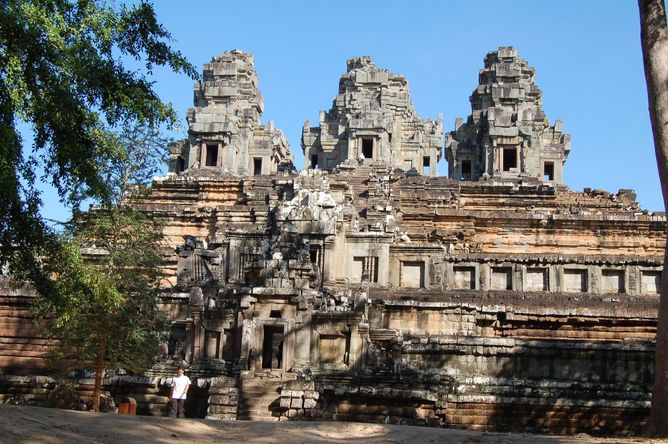
Ta Keo temple in Angkor, Cambodia. Source : China, Singapore, CC BY-SA

Ta Keo temple in Angkor, Cambodia. Source : China, Singapore, CC BY-SA

The idea of creating an international movement for protecting heritage emerged after World War I. The 1972 Convention concerning the Protection of the World Cultural and Natural Heritage developed from the merging of two separate movements: the first focusing on the preservation of cultural sites, and the other dealing with the conservation of nature. But what comes with the World Heritage tag?

Continue reading