 I never expected to return to Costa Rica after finishing college, and much less, to fulfill a role that I only dreamed about. When I was offered the opportunity to help advance the sustainability projects at Xandari Resort in Costa Rica, I knew this was an opportunity that I could not let pass. From the first day that I selected Hospitality Administration as my major at Boston University (BU) and through my four years learning about and working in hospitality, I have grown to cherish the industry. Through my multiple work experiences in hotels and food and beverage companies, primarily in operations and guest relations, I experienced daily the joy of hospitality services. Continue reading
Travel
In Art’s Holy Name, From Italy

Fra Antonio Moscheni’s work meet you right at the entrance of the basilica

While the church exterior is finished in brilliant white, pastels lend a warmth to its interiors

Apart from seven canvases on the Passion of Christ, the walls and columns have murals and frescoes

Fra Antonio Moscheni’s rendition of the women at the foot o f the crucifix
When you are a native of the land, you inevitably end up being a guide. From the fastest route to reach the airport, places to visit in Fort Kochi and Mattanchery, and the lowdown on where to get the best seafood – it is assumed that you know it all. And, rightly so. For every textbook guide on India/ Kerala will tell you that you shouldn’t miss what’s left of the Chinese fishing nets, about taking a walk in Jew Town and catching a cultural performance or two. The Santa Cruz Basilica, too, will be on the must-do list. But only a native can tell you of the Italian Jesuit priest, who studied Michelangelo’s repertoire in Rome, and came to Cochin after he was commissioned to paint in churches. And that he died here, too.
The Backwater People
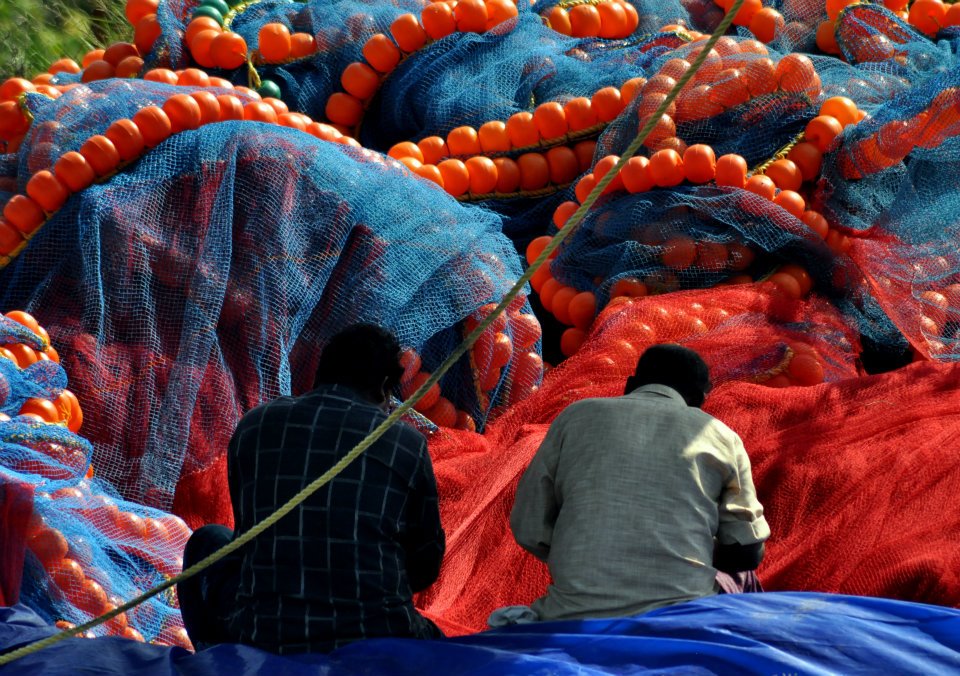
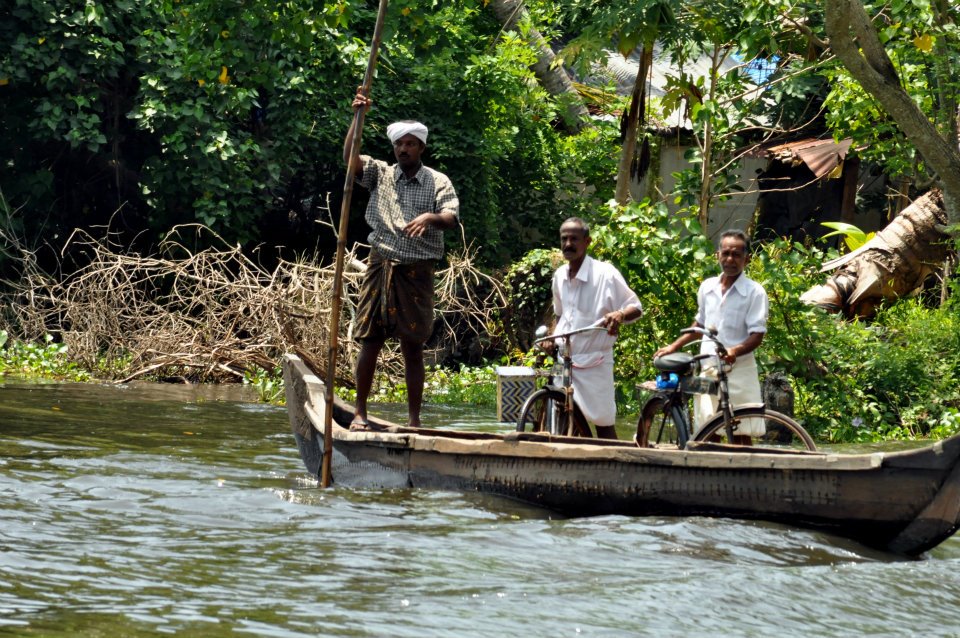
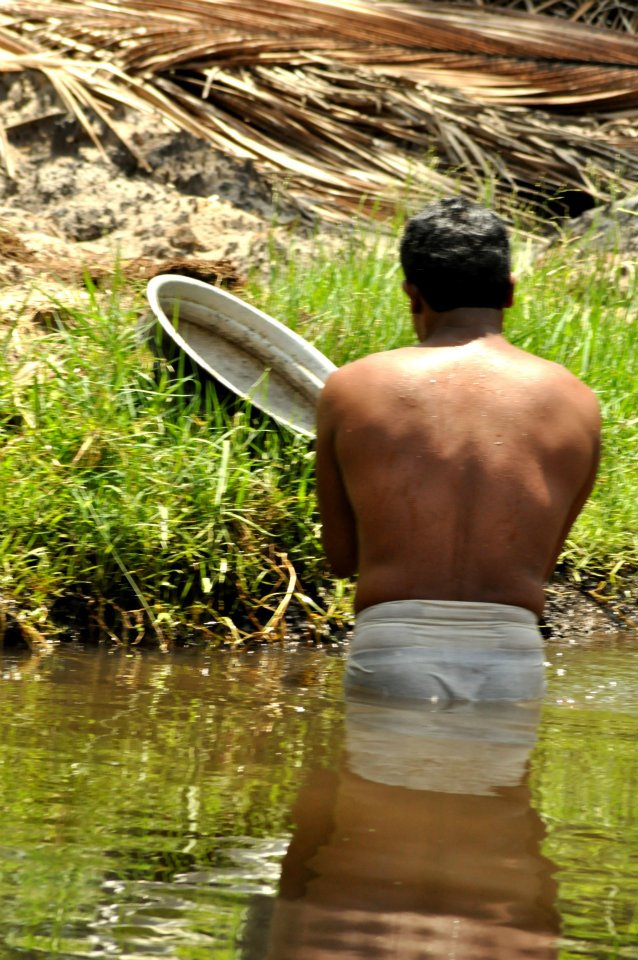
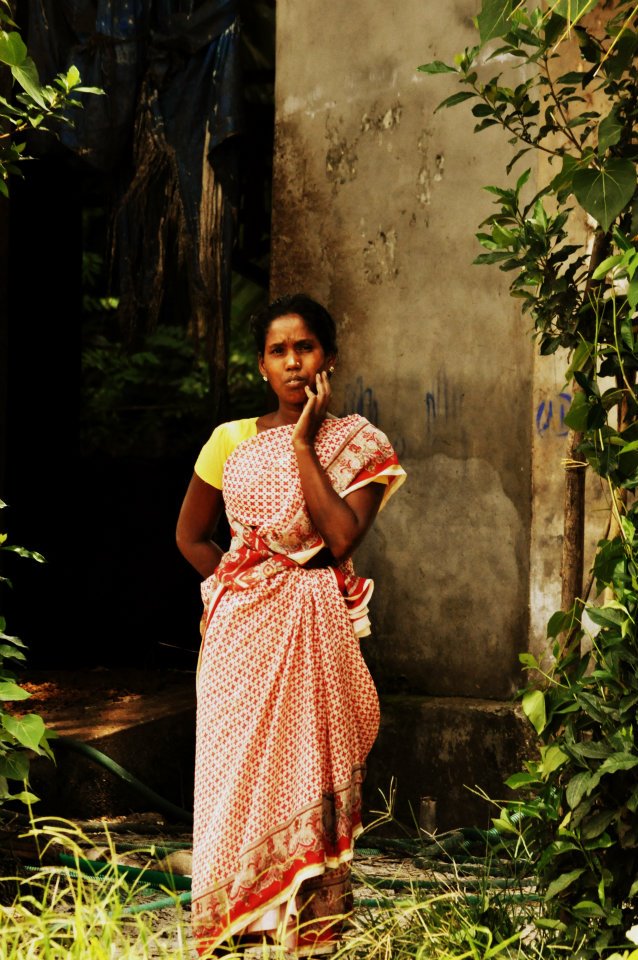
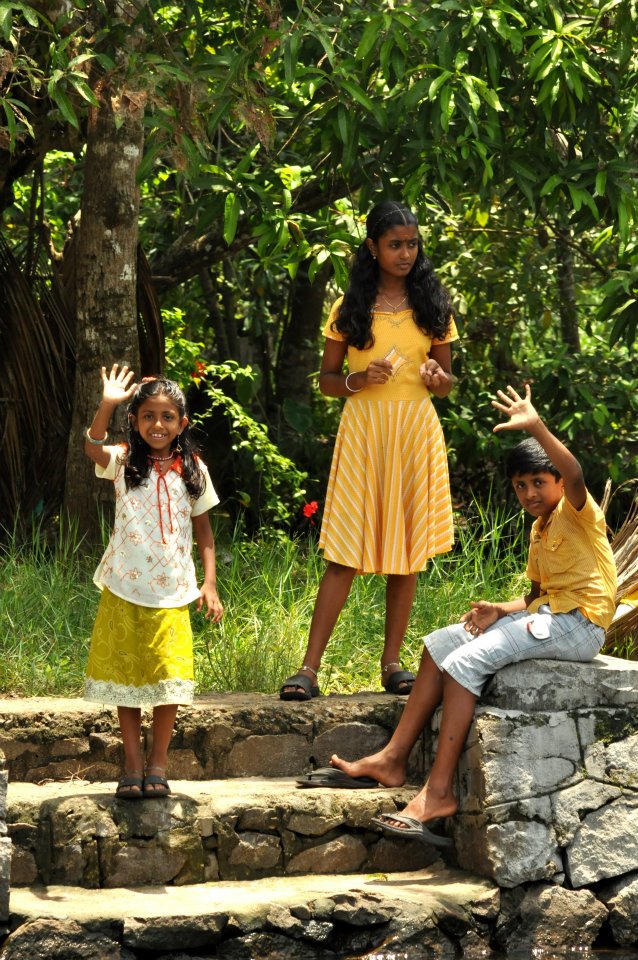
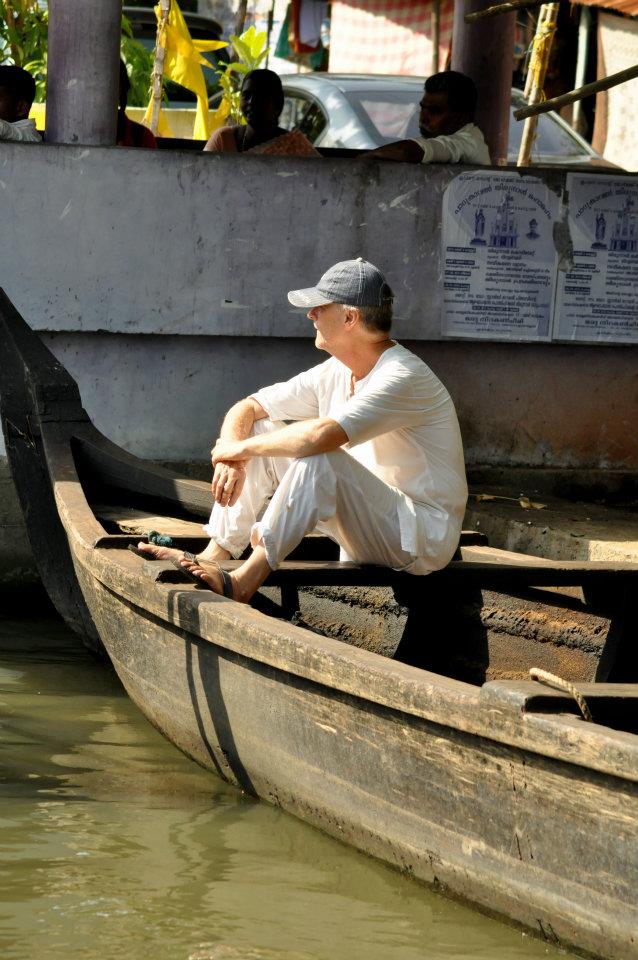
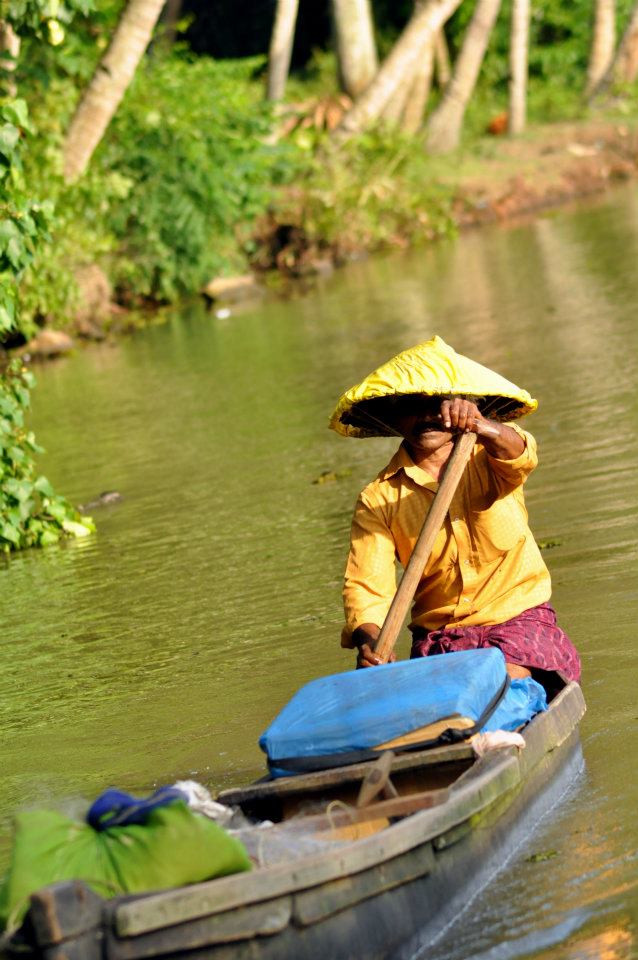
Think Kerala, think backwaters. The world’s most fascinating water world, the network of canals, rivers and waterways runs along half of Kerala and is a tourists’ mecca. Imagine golden sunrises, lush green paddy fields, palm leaves dancing in the river breeze, long stretches of silence save for the ripples, pink kissed dusk and night company of stars. Beautiful, right? Probably why even President Barack Obama, the first US president to visit India twice, mentioned the backwaters in one of addresses on a recent visit. And then there are the houseboats – your floating home on the waters, with its windows opening to a moving tapestry of blue and green. Not to forget the backwater people – generations who depend on the water for all their needs, a people seemingly untouched by the ways of time.
Ferry Around

The Cochin harbor lights caught on the move from the ferry
“Airrrrr, waterrrrrr and laaaaaand” – my first grade Geography teacher chanted the three main modes of transport until we pony-tailed girls were sure to never forget them. While travel by land was a plain daily affair, air transport completed family vacations. It was the much-awaited – but timed – visits to the grandparents, their home on an island in the backwaters, that sparked my love for the ferry.
As with love of all kinds and sizes, it began with the unknown. “How much water is there in the river,” “Will we die if the boat breaks”, “How works the ferry” – curiosity trumped grammar in my little world. There were some answers but the fascination stayed because how could wooden planks and boards placed across two large canoes carry people and vehicles! So every time the car reached the water’s edge, out jumped a little girl with 5 rs ($0.08), stood on tiptoes to reach the greasy ticket counter and waited until the father maneuvered the car to climb onto a ladder placed between the ferry platform and the edge of the boat (craving to do justice to this bit but Physics is not my cup of my tea). If I promised to not go close to the railings, I was allowed to stand out in the open, letting the river breeze ruffle my curls and rouse up conversations I’d drown my grandparents in.
Yesterday, the ferry was about a little girl reaching her elders on an island where once there was no bridge. Today, two decades on, the ferry is the bridge that connects the old and the new, brings together kindred and the wayfarers, and tells her stories of the land and its people. Continue reading
Best hands forward
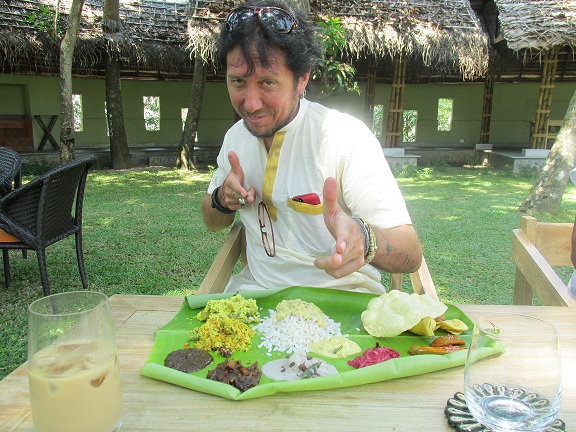
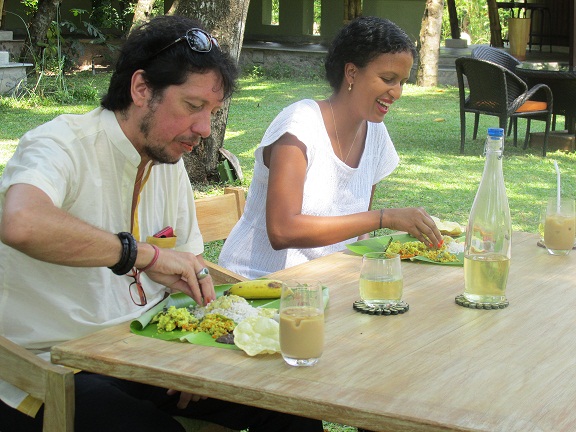
Musician Sami Yaffa hits the right note at the table
![IMG_3037[1]](https://organikos.net/wp-content/uploads/2015/05/img_30371.jpg)
Mina Soliman appears sadya-ready!
Their stay with us by the Mararikulam beach went beyond the comforts of their villas. There was definitely a stop by the kitchen because don’t we all travel the world plate by plate? Only that the plates and cutlery were on a little holiday of their own this time. A plantain (banana) leaf met the couple at the table and, well, they had to put their best hands forward. It was the call of the Sadya.
From Behind The Wheel: Larger Than Life
Fort Kochi
Monemvasia

In 2008 Amie, Seth and Milo made a pilgrimage with me, accompanying my mother to her village in the mountains north of Sparta, in the region of southern Greece’s mainland known as the Peloponnesos. My mother’s village is in a region known for producing some of the finest olives on earth. More on that later. While there for some days we had outings, including to the walled fortress town of Monemvasia, built nearly 1,500 years ago. In the picture to the right you can see a photo I took from inside a hermitage, a cave where various monks lived throughout centuries, above the walled city.
When I opened the New Yorker this week, I was struck by a photo accompanying one of the stories. It reminded me of the photo I took, but the story below could not be more different than the story I would tell about this hilltop town in southern Greece:
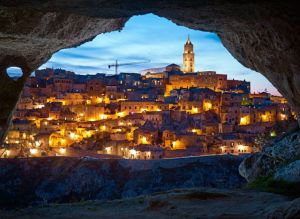
Inhabited since prehistoric times, the caves of Matera, in the Basilicata region, housed mostly the very poor until recent renovations. CREDIT PHOTOGRAPH BY SIMON NORFOLK / INSTITUTE
Take any road in Italy, look up, and you’ll see a lovely hilltop town: a campanile, a castello, a few newer buildings spilling down the slope, as if expelled for the crime of ugliness. But even amid this bounty there is something exceptional about Matera. It clings to a denuded peak in the extreme south of the country, in the Basilicata region—the instep of Italy’s boot. Travellers are often shocked by the starkness of Matera. Continue reading
Rosario Dawson, When You Come Back To Ghana, Come To Zaina Lodge!
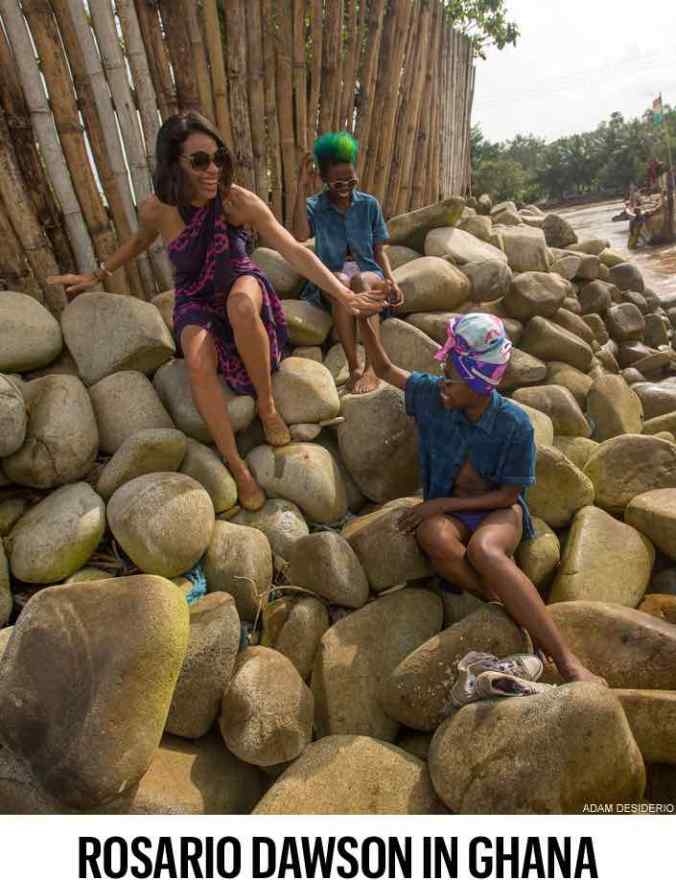
 We are still a few months away from opening the doors, but every day we see the progress. This post is to share with our Raxa Collective and Zaina Lodge colleagues a welcome love letter from a celebrity who manages to put Ghana in the glossiest pages of the New York Times:
Rosario Dawson’s Adventures in Ghana, Celebrating Women and Her First Clothing Collection
By JEANINE CELESTE PANG
The actress shares with T the friendly faces behind Studio One Eighty Nine — and the many friends she encountered on a recent trip to Africa.
Wild, Walk, Wonder
 Keeping it wild is a wonder of its own. Thanks to Britain for that; and to the New York Times for bringing it to our attention:
The Living Beauty of Wicken Fen
In one of Britain’s oldest nature reserves, Darwin collected beetles and Saxon warlords hid from invaders. But walking there now is more than a visit to the past.
Raxa Collective’s Activities & Model Replicability

ILLUSTRATION BY CHRISTOPH NIEMANN
A friend of Raxa Collective has a place in this story below, of which we share the first and last paragraph. It does not matter who, or what role, just that it made us pay particular attention. And it rings true to us. Our work involves “first steps up” in emerging or re-emerging economies, at least those with remarkable patrimony and friendly people. First steps refers to stretching from what opportunities a place offered its community to a set of improved economic conditions (and related outcomes in health, education and other forms of welfare) for locals. We believe that what we do for a living is “a good place to start,” for many places:
In 1958, Laurance Rockefeller threw an inaugural party for Dorado Beach, his luxury resort on the northern coast of Puerto Rico. The guests included millionaires, politicians, and movie stars. Continue reading
Place, Memory And Experience At Present

Our kind of project, and we look forward to the experience:
MADE WITH KICKSTARTER
In Japan, a Farmhouse Becomes a Journalist’s Elegy
A River Runs Through It, In Ethiopia

One of Ethiopia’s many excellent national parks
This is not the post promised. It is a taste of why I must post, as promised. This canyon, this river, this view came early in our expedition and is among the strongest in my visual memory. It seemed fortunate, at the time, to catch this view at sunset but the more I think about it the more I am convinced that the place is worthy of a snapshot any time of the day. And it is worth making future visits, so next time I intend to navigate downriver (from the right in this photo), arriving at the place where I snapped this photo after hiking up the canyon. Continue reading
Munnar in 24 hours
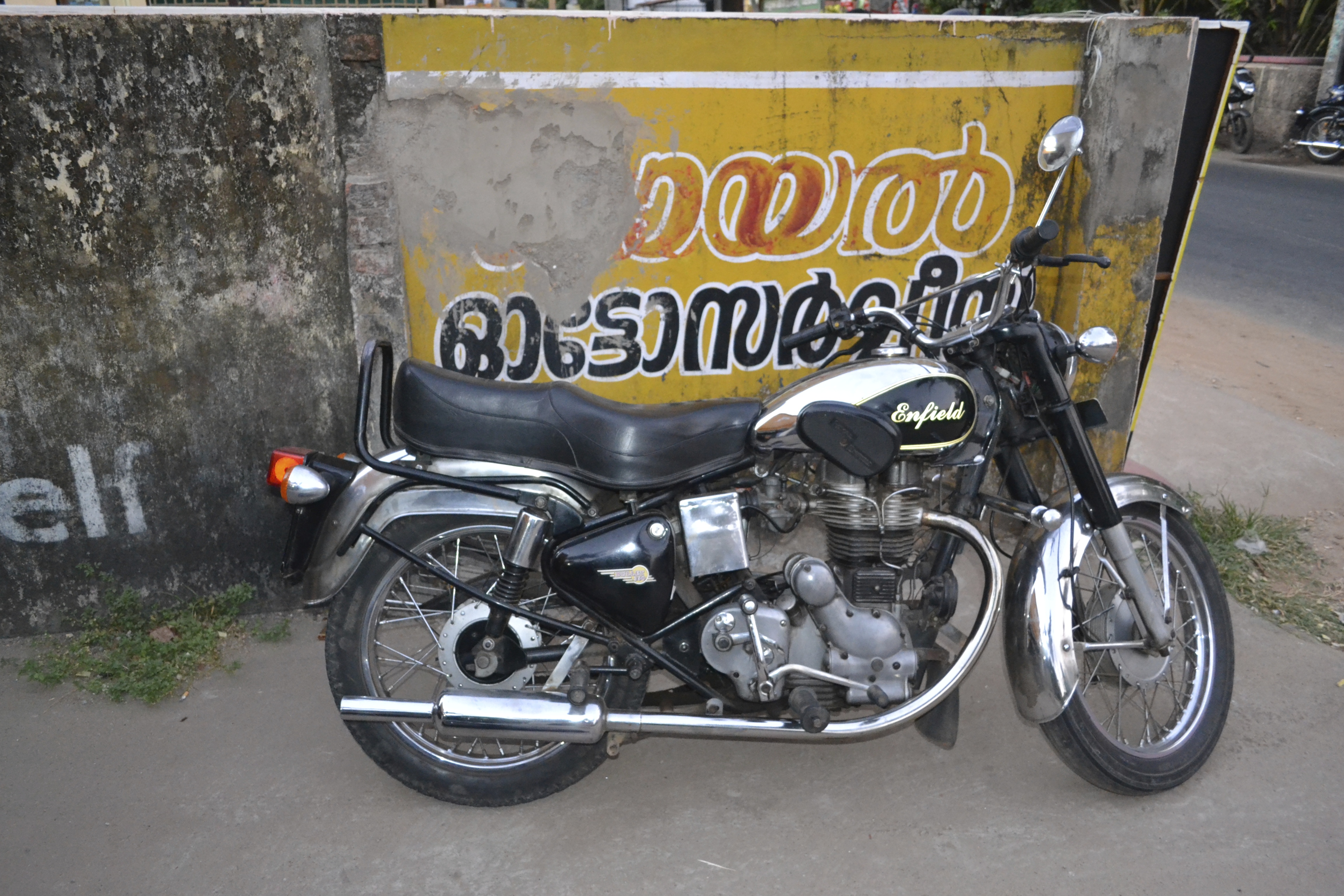
The classic 350cc Royal Enfield or “Bullet”
When I arrived in Kerala around 6 weeks ago it would never have occurred to me to drive here in India. Based on my first impression of driving I was overwhelmed just sitting in the passenger seat. But between making new friends and my thirst for experiencing more of this beautiful state, it’s amazing what a mere 45 days can do. But a journey is multi-faceted; it’s not only about where one is going, but how one gets there, and everything in between.
I arrived to Fort Kochi in the late afternoon in search of a Royal Enfield, a classic Indian-made motorcycle that I’ve had a crush on for a while now. The older models are “backwards” to the typical bike, with the gear foot-lever on the right side and the break lever on the left. I was determined to find the newer model where the arrangement is “normal”. After scouring the city and asking every bike rental and all the contacts available to me, it was apparent that there was no chance of finding what I was looking for. With that news I made the decision to go with what was available rather than what I wanted, (a perfect example of the flexibility that India demands) and I paid the Rs. 800, roughly $13 for the rental. I couldn’t believe what I’d just done: My first time driving in India and I’d rented a totally unfamiliar bike from an unfamiliar source with a 6 hour drive ahead of me, at night. My nerves were tingling at the realization!
Luckily, Dilshad, a friend from Marari Pearl who’d been planning everything for us, was with me. We started the drive through Cochin rush hour traffic. Slowly, I began to stretch my motorcycle-memory-muscles, and gradually the drive became more pleasurable. Soon enough, I was flirting with my 350cc beauty and she was smiling back.
Rimbaud In Ethiopia
Michael Tsegaye for The New York Times. The Arthur Rimbaud Cultural Center in Harar.
For those involved in Raxa Collective’s recent scouting expedition in Ethiopia, since Harar was not on the itinerary we must consider Rimbaud’s endorsement during the next expedition:
Craters Of Man’s Devotion
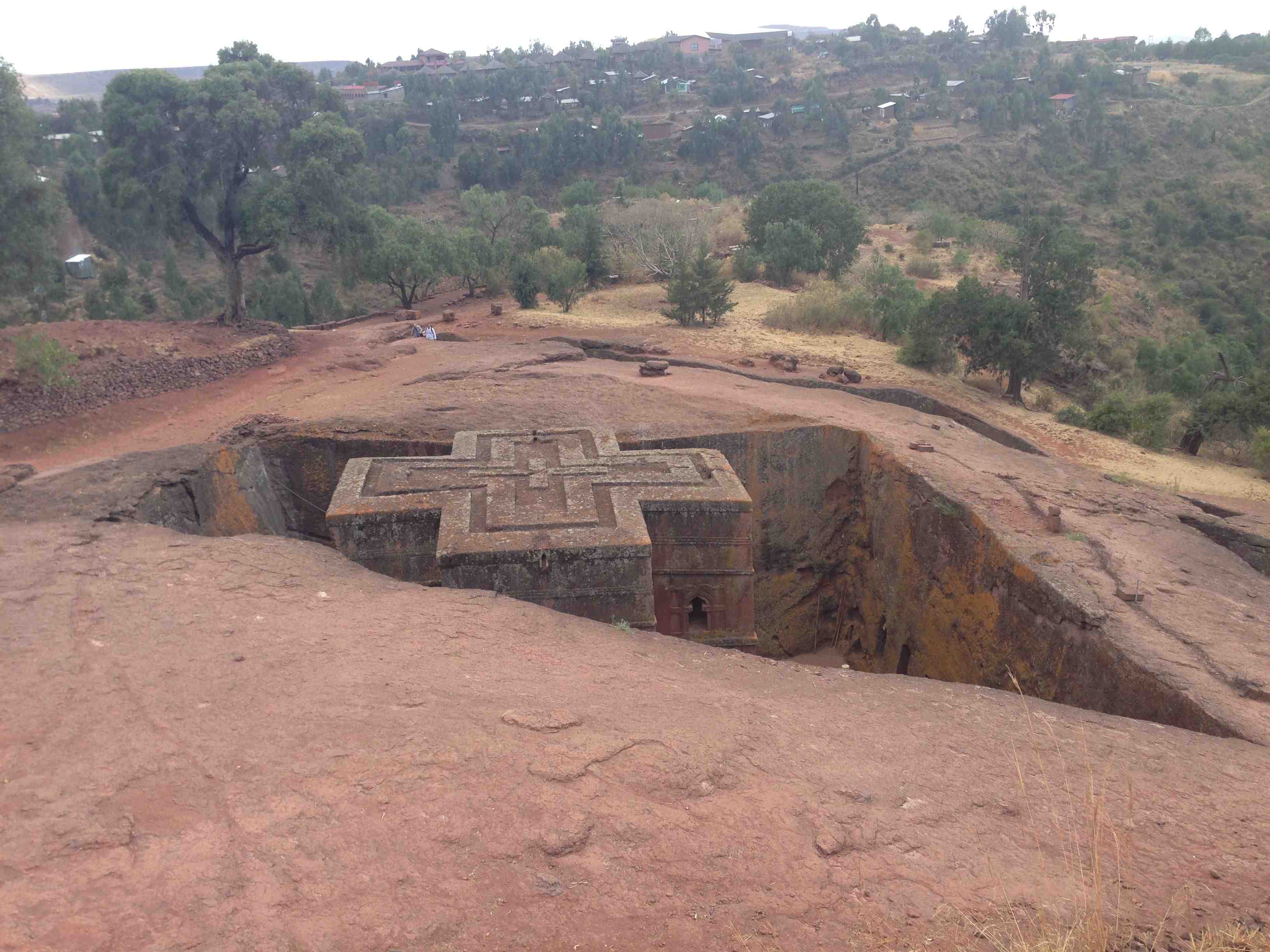
Some snapshots of my Ethiopian expedition, just ended, are in order; not of the national parks which were the main purpose of the expedition–more on which later–but from the visit to the north which is where most visitors to Ethiopia currently make a sort of pilgrimage for reasons you can understand looking at these snapshots.
It would be difficult for any photo to do justice to this wonder, a church created by men 1,000 years ago by carving down into the stone mountain. But words are even less helpful for reasons you can probably best understand by seeing another view of the same, following what the UNESCO World Heritage Centre has to say about this and the other churches of Lalibela, Ethiopia:
…The churches were not constructed in a traditional way but rather were hewn from the living rock of monolithic blocks. These blocks were further chiselled out, forming doors, windows, columns, various floors, roofs etc. This gigantic work was further completed with an extensive system of drainage ditches, trenches and ceremonial passages, some with openings to hermit caves and catacombs…

As impressive as those craters in Siberia may be, they pale compared to what man can do when he is sufficiently motivated, which may be the one source of hope for addressing the challenges of climate change (one of the seemingly impossible challenges of our own time). This modern challenge, now that I think of it, seems particularly well-suited to the beliefs many hold, across various religious traditions, about the saint who is the namesake of this particular church.
The New Grand Tour
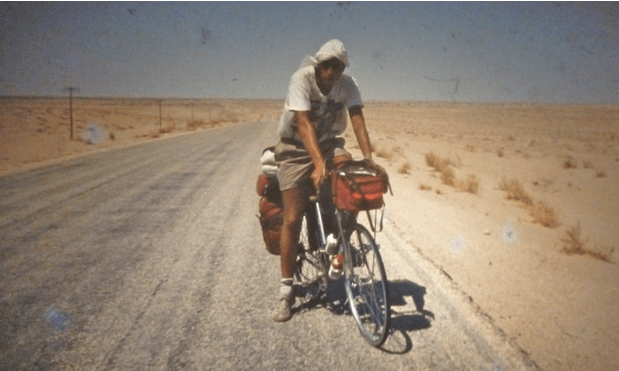
Trevor Ward on a cycle tour in the Sahara. Photograph: Trevor Ward
In the summer of 1988 Crist and I boarded a flight to Missoula, Montana, watching nervously through the window as the luggage that included our bikes and gear was loaded on the plane. We’d been “training” for several months, riding our bikes around New York City, our panniers filled with heavy phone books. Our 900 kilometer journey through the Canadian Rockies from Missoula to Jasper, Alberta – carrying all the requisite gear – was exhilarating, “impossible” and crazy, especially for biking novices such as ourselves. Reading about Trevor Ward’s experiences strikes a chord.
Back in the mid-1980s, I did something that members of my local cycling club found hilarious – I cycled to the Sahara Desert and back.
In their Lycra shorts and replica Peugeot and La Vie Claire racing jerseys, they laughed at my bike which, laden with panniers, tent, cooking stove, sleeping bag, spare tyres and even a small folding deckchair, had been transformed from a sleek blade of steel to something resembling the aftermath of a gas explosion.
My humiliation continued in the remotest parts of Tunisia and Algeria where groups of children would greet my arrival at their villages by throwing lumps of rock at my head. Continue reading
Visual Acuity, And Other Talents, Ever Deployed To Good Ends

Petrified wood. Las Cruces, New Mexico. PHOTOGRAPH BY SHANE LAVALETTE
Contributors to our blog come and go. We wonder from time to time how the talents we saw in India, or Costa Rica, or elsewhere are being deployed today and will be deployed tomorrow. That is how it is with interns, and volunteers, as much as with other types of team members. Above, this, and a few of the other photographs in this post remind us of Milo’s first year with a camera, and his sense of spontaneity combined with visual acuity; someone who is a natural with that tool, the camera, and is ever on the lookout to tell a story with a snapshot:
Last week, the photographer Shane Lavalette set out on a road trip from Austin, Texas, to Joshua Tree, California. Each day, he posted austere, poetic photographs of the region’s landscapes and people to the New Yorker photo department’s Instagram feed, using the photo-editing app VSCO Cam. Continue reading
Ghana, One Of Our “It” Places For 2015 Discovery
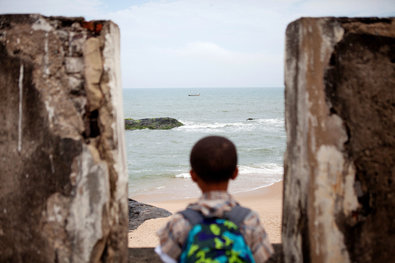
Jane Hahn for The New York Times. Jasir Robert Ryan-Lee, a descendant of Venture Smith, on the roof of the fort in Anomabo, Ghana, where his ancestor was held as a slave.
As Amie promised we will have much more to say as the countdown to the opening of Zaina Lodge continues apace since our first mention on this blog a couple years back. In fact, we are behind on stories from Ghana. Doug, where are you?
As we post this article from the current Travel section of the New York Times, a Raxa Collective team is preparing for an extended camping expedition in the Mole National Park, in the interest of discovering guest experiences that will be on offer when the Lodge opens. So, if Mr. Ryan-Lee and his mom choos to return to Ghana mid-2015 or later, and makes a visit to the wild interiors of the country, he will have another kind of life experience in store; meanwhile we appreciate his story and hope it will encourage others to follow in his footsteps to discover this hidden gem of a country:
On Slavery’s Doorstep in Ghana
By RUSSELL SHORTO
Descendants of Venture Smith, a famous slave who won freedom and success in America, return to the roots of his captivity.
We Are Not Sure We Could Have Said It Any Better (But We Will Keep Trying)
More than one contributor to Raxa Collective saw the original New York theatrical production of John Guare’s play Six Degrees of Separation; we agree that the underlying conceit never gets old. We get it. We love it. And we play our own version of the six degrees game every time we post on this blog, or on any of our various other social networks. We are not in the habit of passing along the advertising of hotel companies, and this is not likely the beginning of a habit; but why not share a good ad when we see it?
The Backwaters of Kerala, India
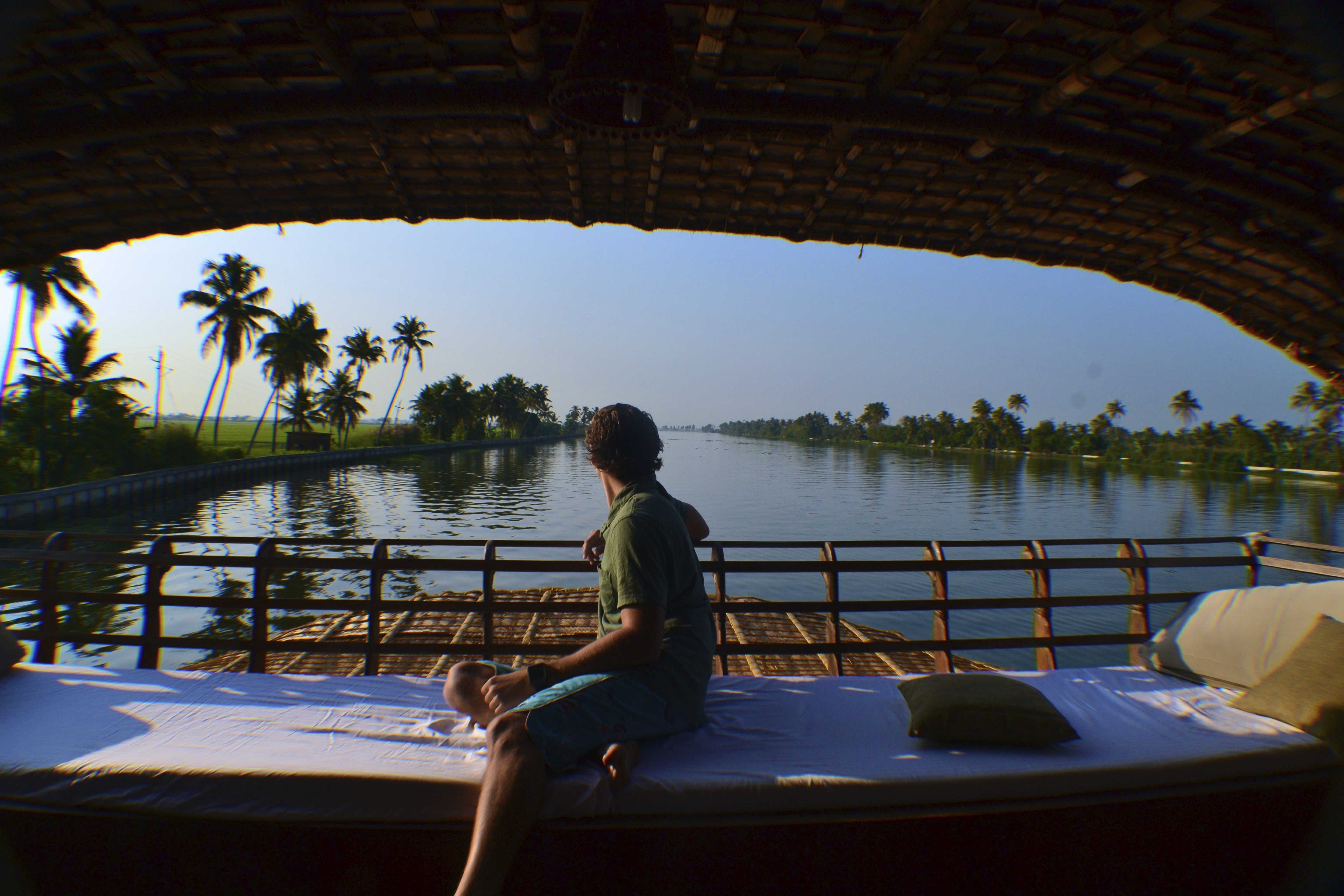
Upstairs deck/lounge
Our group of four was greeted with “tender coconuts” to drink while we got settled into the boat and into our bedrooms. Our houseboat was over 100ft long with three bedrooms, a dining room, an upstairs lounge deck and all the amenities of a hotel (including AC), I was in awe. The outside was covered in a coconut palm woven shell tied together by coconut husk rope. Truly a product of “Kerala”, meaning “Land of Coconuts”. Continue reading
 Organikos