If You Happen to be in Cincinnati

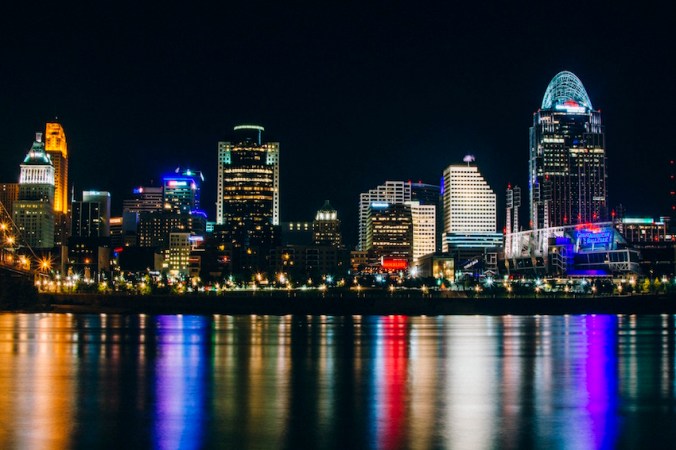
cincyatnight

If you happen to be (or work) in Cincinnati, you will likely notice that the city is setting precedent as one of the “greenest,” most innovative cities in the US. According to an article published on Triple Pundit, the city is one of the fastest growing centers for technology innovation and it is employing that expansion to propel its 60 sustainability initiatives as outlined in the Green Cincinnati Plan, which covers a whole spectrum of topics from renewable energy, to transportation, to food waste.

“In addition to benefiting the environment, our initiatives must make economic sense (save money, create jobs) and improve quality of life for residents (improve public health, mobility, connectedness)” explained Ollie Kroner, the Sustainability Coordinator for the City of Cincinnati.
Continue reading

Sanitation’s Reincarnations

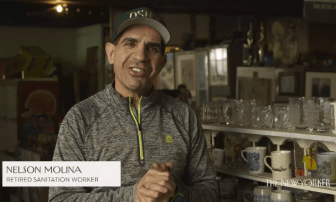
Still from video by The New Yorker

Still from video by The New Yorker

Some trash can be found and then turned into art, like the pieces of plastic that were built into sculptures at the National Zoo. Other trash is not necessarily garbage, but merely objects that someone doesn’t have the space or energy to take care of, and that man’s trash can become another man’s treasure. A man who worked for the New York Department of Sanitation for about thirty years spent a good part of his career collecting and curating things people threw away, but which caught his eye as interesting treasures, as David Owen explains:

Saving Treasures from the Trash

A Sanitation worker shows off the notable items he has rescued from curbs and bins over the course of thirty years.

Nelson Molina grew up in a housing project in East Harlem, in an apartment where his mother still lives. “Starting when I was nine years old, in 1962, I had a passion for picking up,” he said recently. “I had, like, a three-block radius. I would look through the garbage and pick up toys that people threw out, and I would fix them. I had two brothers and three sisters, and I was like Santa Claus to them.” Continue reading

Enhancing the L.A. River


img_0431_kb

Nature Conservancy biologist Sophie Parker in the Glendale Narrows section of the Lost Angeles River. Source: Yale E360

It might be hard to believe, but at one point in time the Los Angeles River was characterized by perennial and seasonal wetland, seeps, springs, swamps, riparian forests, and mud and alkali flats. Starting in  1938 and until 1960, however, the river underwent a radical transformation, as it was enclosed by a concrete straitjacket for 51 miles to funnel the water through a channel that prevents flooding.

In its natural state [the L.A. River] was often little more than a trickle for nine months of the year. During the rainy season, however, the small, braided stream would turn into a powerful, churning river. It behaved like a dropped firehose, wildly lashing the Los Angeles valley, scouring gravel and soil across a seven-mile-wide floodplain, and carving a new course with every deluge. When the waters receded, a mosaic of fertile marshes, ponds, and other wetlands remained.

Now the L.A. River will undergo another profound change in the near future that will release parts of the river from its man-made confines and allow for  the water to transgress more naturally. The U.S. Army Corps of Engineers, in collaboration with the City of L.A.  and conservation groups, completed a plan to remove three miles of concrete, enhance an 11-mile run through the Elysian Valley called the Glendale Narrows, and restore lost habitat. Continue reading

10,000 Suns

We have a long fascination with Land Art Installations and urban land reclamation going back to the earliest days of this site.  Learning about landscape architect Adam E. Anderson’s public art project in Providence, Rhode Island was exciting news.

This summer long “botanical performance” takes land that until recently was covered by an elevated highway system and cultivating it with volunteers into a different sort of public space.

Rather than using high maintenance and energy intensive large swaths of turf grass, the installation uses the bio-accumulating (removes toxins) and habitat creating properties of Helioanthus (aka, Sunflower) planted in rows in a series of large circles, leaving paths in-between for intimate exploration. Continue reading

The “Wildman” in You


Whether you live in an urban or rural setting, the abundance of edible plants that surround us typically remains unconsumed unless we are referring to the plants that are growing in our own gardens. “Wildman” Steve, NYC’s famed foraging expert, is an avid naturalist who learns about the properties of common plants growing in neighborhoods in order to identify their utility for human consumption, including their medicinal attributes in some cases. He shares his findings through various forums and even has a phone application to offer a practical and user-friendly tool for those who want to get “in the field” and learn.

All of his videos, like the one below, remind us of the plethora of flavorful plant species right in our own backyard or neighborhood park and the following one highlights the joy it can be to do it with someone you love.

Continue reading

A Birdy Kinda Film

compressed20wild20parrot20flock

Image from Evergreen.edu

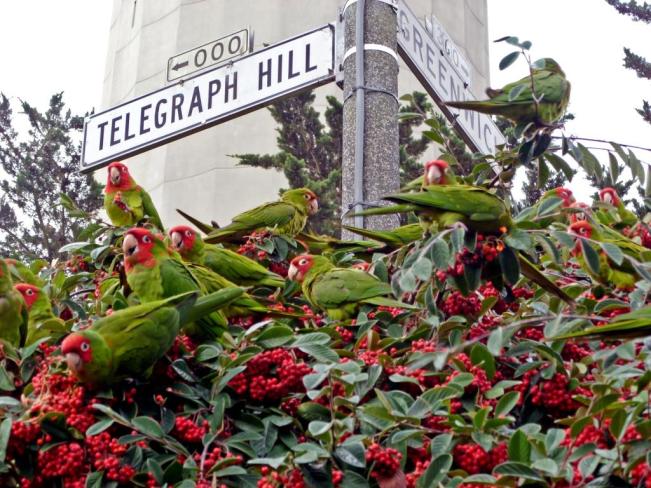
Given the large amount of bird lovers on this blog, if you have not seen the documentary The Parrots of Telegraph Hill I recommend you watch it (list-keeping birders, on the other hand, might not like it as much). As any of our followers would know, every day on our blog we feature a bird, usually exotic to westerners, on our Bird of the Day post, and frequently have a bird-related post (as you can see below) regarding their habits, migration, population change, and more (I guess I’ll add another one to that list right now!). Continue reading

Largest Lithium-ion Storage Battery for L.A.

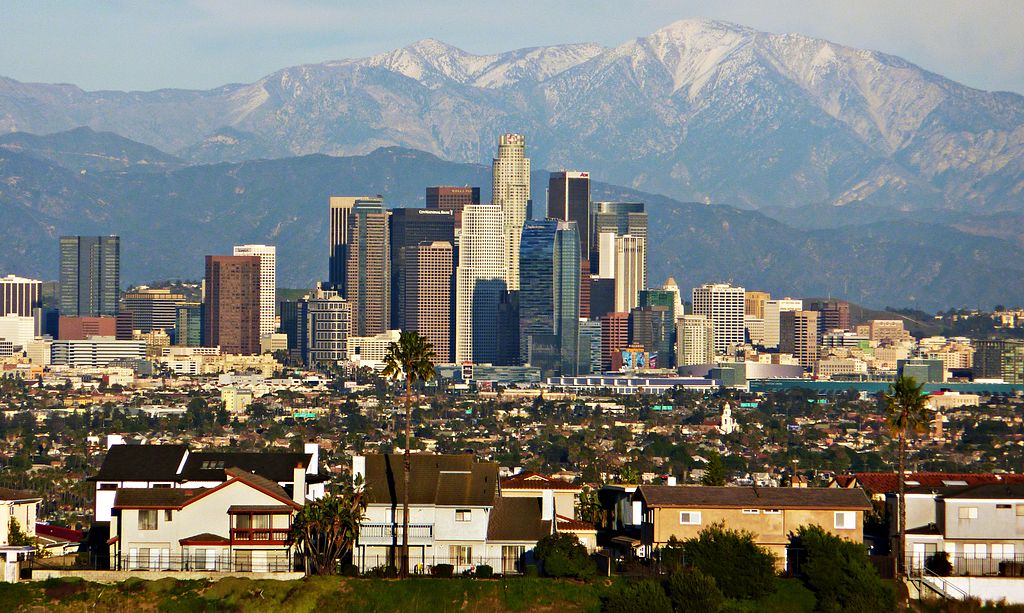
Downtown Los Angeles and the San Gabriel Mountains via Wikimedia Commons

Our posts about solar power normally include some mention of the batteries involved, since that’s where the electricity is stored for actual domestic or commercial use. Lithium-ion batteries in particular are some of the more powerful ones on the market, but sustainable options are on our radar too. This week, we learned about the proposal for a set of over 18,000 lithium-ion batteries to be put together as a super-battery in Los Angeles to meet peak demand. John Fialka reports for Scientific American:

By 2021, electricity use in the west Los Angeles area may be in for a climate change-fighting evolution.

For many years, the tradition has been that on midsummer afternoons, engineers will turn on what they call a “peaker,” a natural gas-burning power plant In Long Beach. It is needed to help the area’s other power plants meet the day’s peak electricity consumption. Thus, as air conditioners max out and people arriving home from work turn on their televisions and other appliances, the juice will be there.

Continue reading

Floating Dairy Farm Planned in Netherlands

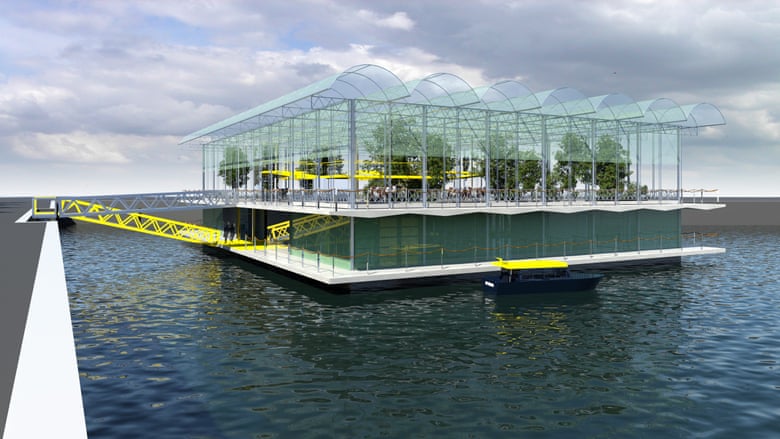
Illustration of proposed floating farm by Beladon.

We’ve written about floating solar panels before, and created a floating fence at Xandari Harbour to keep out water hyacinth, but there are plans in Rotterdam for a floating cow farm that will process milk and yogurt, according to Senay Boztas, writing for the Guardian:

Do cows get seasick? It’s not a question farmers often ask, except in the Dutch city of Rotterdam where a team of developers plans to build a floating dairy.

“They won’t here,” says Minke van Wingerden of Beladon, a company involved with water-based projects from a luxury hotel to this floating farm proposed for Rotterdam harbour. “In Friesland, where I come from, sometimes they bring cows from one place to another on a small barge,” van Wingerden recalls. “[The floating farm] will be very stable. When you are on a cruise ship, you aren’t seasick.”

Continue reading

Invisible, With Clear Vision

242_Parks-690

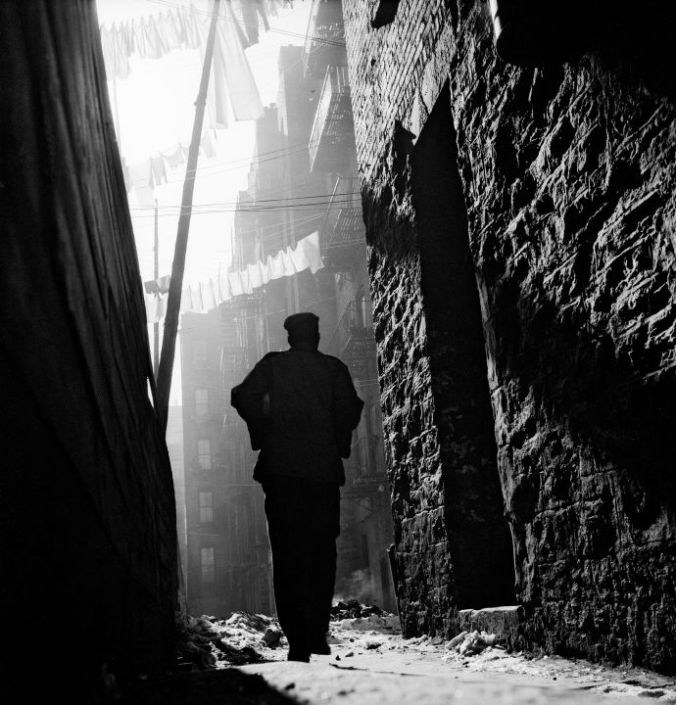
A forgotten portfolio, back for our viewing and reading pleasure a book offering the photography and writing of two giants, briefly reviewed here:

RALPH ELLISON AND GORDON PARKS’S JOINT HARLEM VISION

In the summer of 1947, editors from the short-lived magazine ’47, known since its shuttering in 1948 as The Magazine of the Year, contacted Ralph Ellison—then in the thick of his seven-year labor to complete “Invisible Man”—with an idea for a photo essay on the Lafargue Psychiatric Clinic in Harlem. Established a year earlier with help from Richard Wright, the clinic had become famous for its stance against segregation, not only in the clientele it served but also, perhaps more remarkably, in its all-volunteer staff. Ellison was excited by the prospect, and, after enlisting the photographer Gordon Parks—an acquaintance from Harlem artistic and intellectual circles—he accepted the assignment, though the magazine would go out of business before the photo essay could be published. Continue reading

The Law Of Unintended Consequences

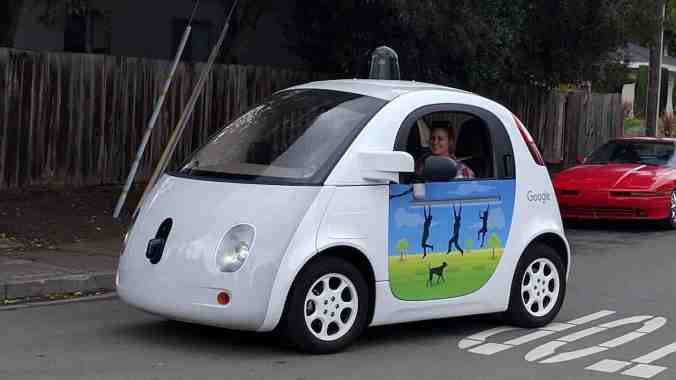
Google

A Google self-driving car. Photo © Grendelkhan / Wikimedia through a Creative Commons license

From Cool Green Science:

Why Driverless Cars May Make Cities Sprawl Even More

Continue reading

UberPool’s Social and Environmental Impacts

http://www.nytimes.com/2016/03/31/technology/car-pooling-helps-uber-go-the-extra-mile.html?action=click&pgtype=Homepage&version=Moth-Visible&moduleDetail=inside-nyt-region-0&module=inside-nyt-region&region=inside-nyt-regio

For “baby boomers” the concept of car pooling is a standard one – and not just for over-scheduled kids being taken to after school soccer, dance and music classes. In the mid-20th century fewer people owned a car, and if they did it was one per family, so it was a common occurrence for friends or neighbors to coordinate their morning commutes. Augmented by public transportation, those trips were part of the community fabric.

As the now global Uber app continues to both expand and adapt to the market’s changing demands and needs, it’s possible that UberPool may have both social and environmental impacts.

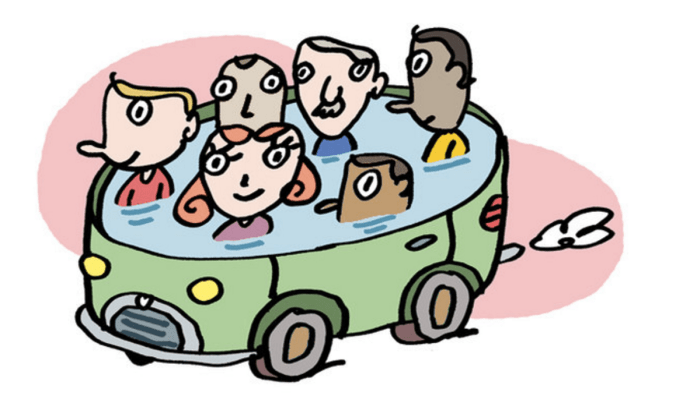
Unlike a standard Uber ride, in which a single rider starts a one-time trip, UberPool works like a party line for cars. Travis Kalanick, Uber’s co-founder and chief executive, describes it as the future of his company — and thus the future of transportation in America.

Call up the app, specify your destination, and in exchange for a significant discount, UberPool matches you with other riders going the same way. The service might create a ride just for you, but just as often, it puts you in a ride that began long ago — one that has spanned several drop-offs and pickups, a kind of instant bus line created from collective urban demand…

…Mr. Kalanick said it was likely that soon, in big cities and even in many suburbs, most Uber rides will be pooled, meaning each Uber car will be serving more than one rider most of the time.

If that occurs, and if Uber continues growing at its breakneck pace, it would represent a momentous transformation in how Americans get around. Continue reading

Urban Heroic Recycling

29RECYCLE1-master675

Workers inspecting a bale of refuse at the Recology recycling plant in San Francisco. Foreign officials and others often visit the facility for ideas on how to handle their own mushrooming piles of garbage. Josh Haner/The New York Times

From the New York Times:

San Francisco, ‘the Silicon Valley of Recycling’

By

Robert Reed, who is enjoying a surprising career turn as a busy tour guide at the latest hot spot here, stood smiling one recent sunny morning before 10 foreign dignitaries and journalists. They included the mayor of Genoa, Italy, and the general consuls from Italy, Canada and Switzerland.

Each visitor wore a sport coat and tie, and a yellow safety vest to ensure they wouldn’t be run down by garbage trucks. Continue reading

Disruptive Urban Energy-Generation

brooklynmicrogrid

Brooklyn Microgrid wants to increase the amount of renewable energy generated in the community by members of the community. Photo credit: Brooklyn Microgrid

Thanks to Ecowatch for this story:

Many U.S. cities have taken the lead on sustainability efforts, particularly when it comes to adopting renewable energy. Already, at least 13 U.S. cities—including San DiegoSan FranciscoBurlington, Vermont; and Aspen, Colorado—have committed to 100 percent clean energy.

Other American cities, though not generating all their electricity from renewables, have innovative projects that could soon become widely adopted and transform our energy system.

Here are three cities leading the way: Continue reading

When Development Usurps Lakes

Half of the water bodies in and around Srinagar have disappeared over the last century under the pressure of rapid and badly managed urbanisation. PHOTO:

Half of the water bodies in and around Srinagar have disappeared over the last century under the pressure of rapid and badly managed urbanisation. PHOTO: Kunzum

Urban India is witnessing a rapid growth with more than 300 million Indians already living in cities and towns. In the coming 20-25 years, another 300 million people will be added to the urban population. If not managed properly, Indian cities will turn into ecological disaster zones. In a hurry to expand, cities have already eaten into their local water bodies. Kashmir, the land of snow\clad mountains and unrivaled natural beauty, is feeling the heat already.

The beautiful Kashmir Valley has over a thousand small and large water bodies, which are the bedrock of both its ecology and its economy. Unfortunately over the last century, massive urbanisation around these water bodies has led to pollution, siltation due to deforestation and overexploitation of the many streams and lakes. Many have shrunk to a fraction of their original size while some have all but disappeared.

Continue reading

Airports and Urban Farming

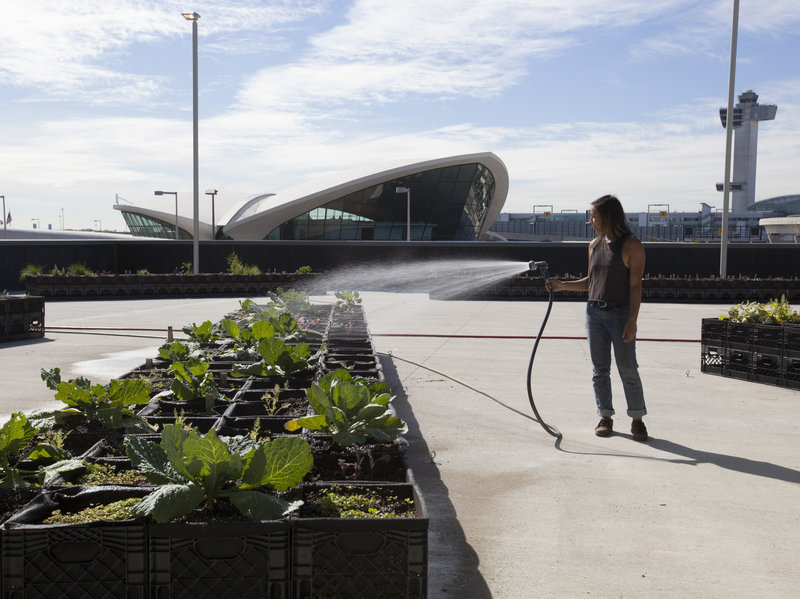
Katrina Ceguera tends JetBlue's farm outside Terminal 5 at New York's John F. Kennedy International Airport. PHOTO: Chelsea Brodsky /JetBlue

Katrina Ceguera tends JetBlue’s farm outside Terminal 5 at New York’s John F. Kennedy International Airport. PHOTO: Chelsea Brodsky /JetBlue

Airports are growing a ‘green’ conscience, and how! If Kochi in Kerala, India is home to the world’s first airport to be completely powered by solar energy, then the Galapagos airstrip is not far behind. Going off-grid is just one way to offset massive carbon footprints left behind by the use of fossil fuels. Another way might be to add a touch of green – like JetBlue did at the New York airport.

JetBlue was intent on growing potatoes and other produce at John F. Kennedy International Airport in New York. It took three years of jumping through hoops before the T5 Farm, named for its location outside Terminal 5, came to fruition in early October, the company says.

Continue reading

The Grave History of Ocean Beach

In order to build a new, swimmer-friendly waterfront on the bay, San Francisco looked to an unusual building supply they just happened to have lying around: Gold Rush era tombstones. PHOTO: Photo by Annetta Black/Atlas Obscura

In order to build a new, swimmer-friendly waterfront on the bay, San Francisco looked to an unusual building supply they just happened to have lying around: Gold Rush era tombstones. PHOTO: Photo by Annetta Black/Atlas Obscura

The town of Colma in San Mateo County, California, has a rather peculiar distinction: over 73% of it is covered with cemeteries. Simply put, the dead outnumber the living here. And the city of San Francisco has much to do with this. Before San Francisco voted to stop burials within city limits in 1900, there were at least 30 cemeteries in use or abandoned with bodies. Post the restriction, most of the deceased non-native residents previously buried in SF were moved to cemeteries in Colma in 1900-40s. But some of the tombstones returned to the city. You’ll see why at Ocean Beach.

Continue reading

New York, Have a Sunny Day!

With New York packing so many buildings into a small area, the rooftops offer seemingly limitless potential to take homes off the grid. PHOTO: Business Insider

With New York packing so many buildings into a small area, the rooftops offer seemingly limitless potential to take homes off the grid. PHOTO: Business Insider

For the average homeowner, there’s more benefit to going solar than ever before. With the sun being a consistent source, of energy, those investing in photo-voltaic panels can be assured of seeing returns. There’s bound to be questions about feasibility, yes. About how much space is required, the type of structures involved, whom to contract for setup, etc.That’s where Mapdwell, a spin-off company from MIT that is creating incredibly detailed maps of the solar potential for each and every building in various cities, comes in.

“Solar energy has all this baggage, in a way. Solar panels have been out there for 30 to 40 years, but most homeowners still believe panels are “complicated, expensive, not-for-me kinds of things,” says CEO Eduardo Berlin, an architect and designer who is based in Cambridge, MA. “Solar is a real possibility for many people now, but somehow that got missed. It never got rebranded. The idea that you can put something on a roof and create energy from the sun, it’s pretty amazing.”

Continue reading

Introducing Taxi Fabric

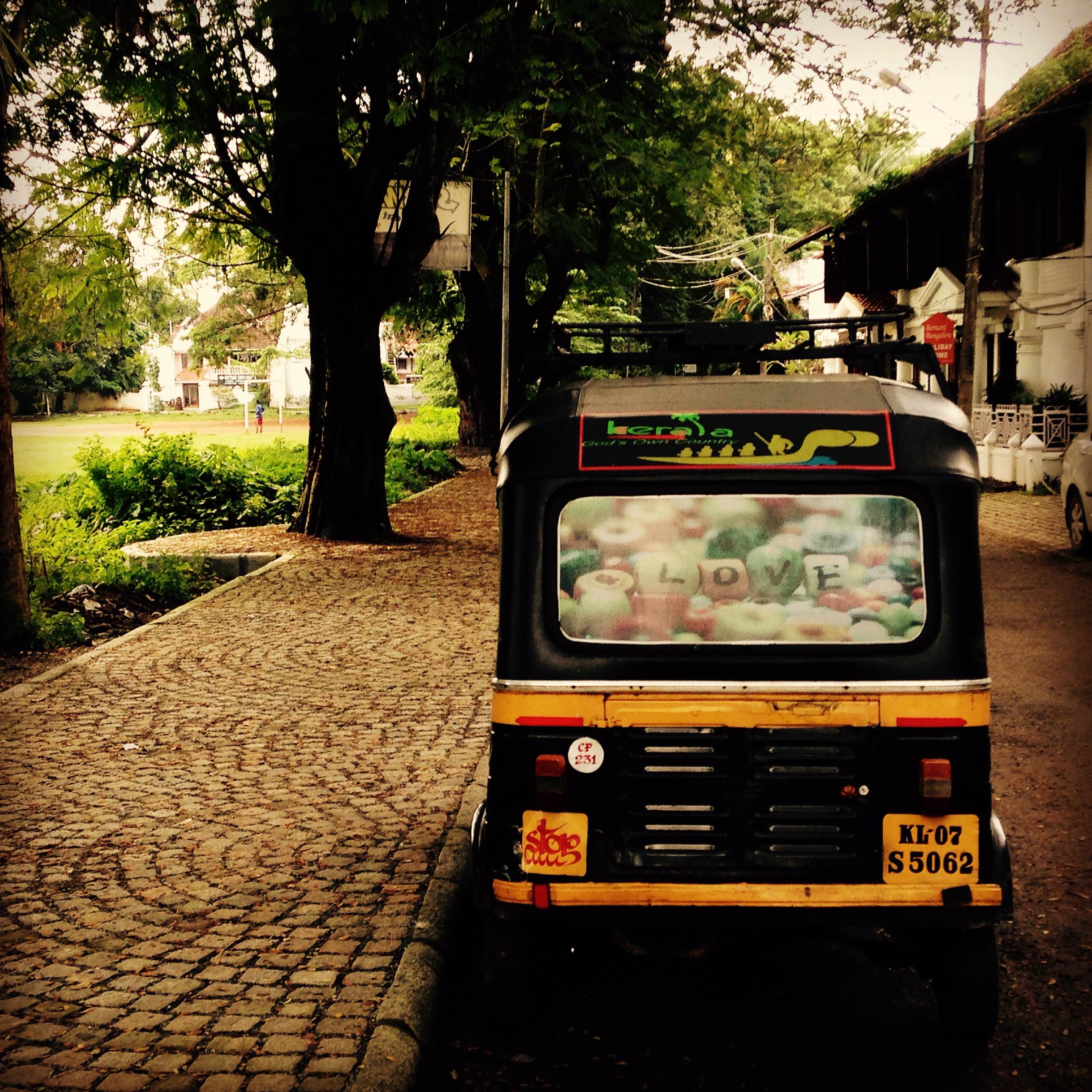
In Mumbai, India—a city of nearly 19 million people—over 50,000 taxis pick up at least 25 to 30 people every day. For the majority of Mumbaikars, the iconic black and yellow taxis are the most convenient form of transportation in the city. And now a new vehicle of design, dialogue, and a sense of belonging – thanks to the Taxi Fabric project.

Continue reading

Five Years In Kerala

IMG_3080

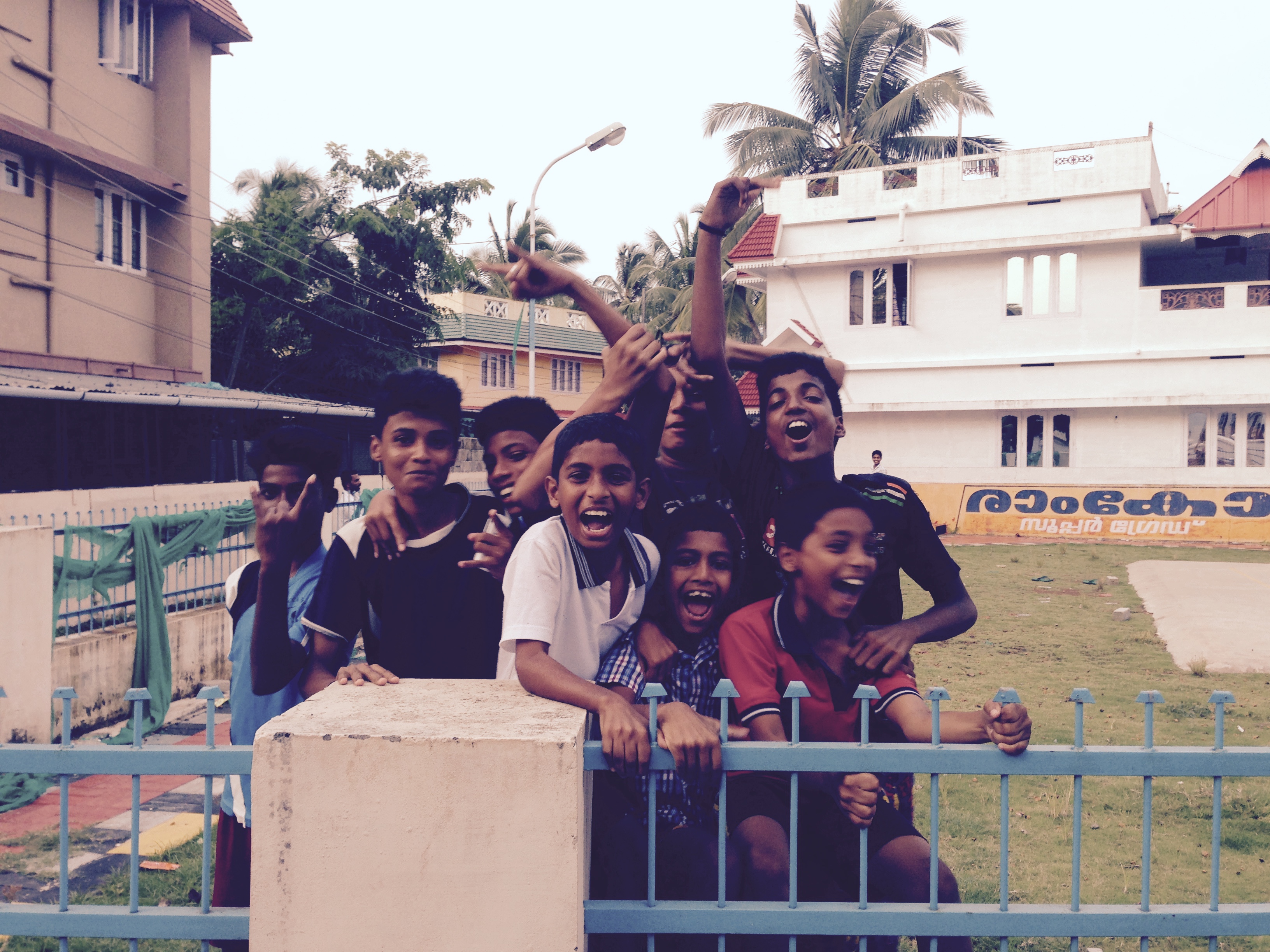
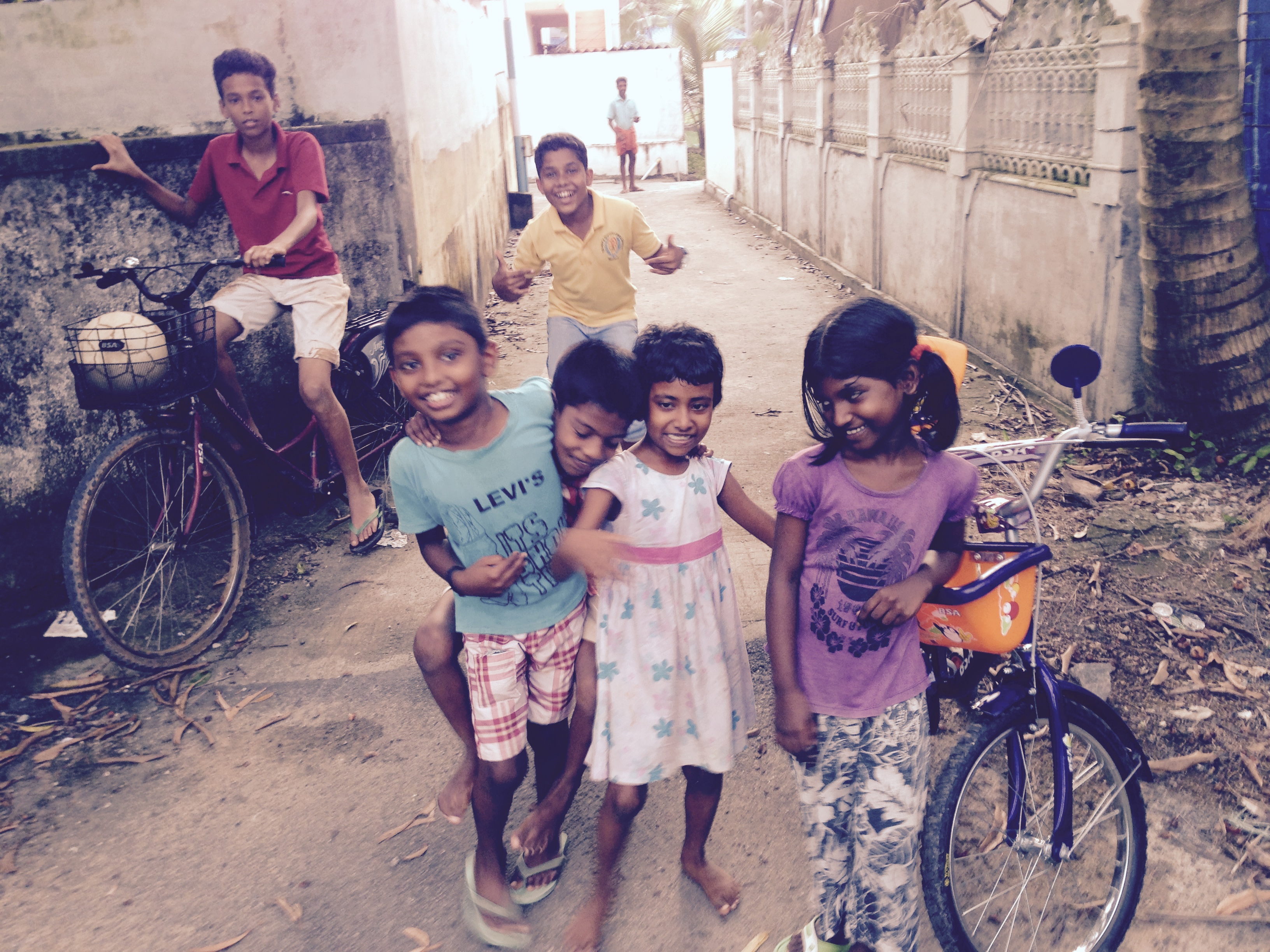
Jocelyn’s post reminds me of my favorite part of the last five years living in the wondrous, sometimes ponderous, always mysterious Kerala: these kids. Our gang, Thevara. My hoodies. They have all been growing by leaps and bounds, while leaping and bounding through the streets. This photo, taken some hours ago, could have been taken five years ago except for the heights of these fellows. And these young ladies on the right side of the photo below (also just taken) were but infants when I arrived into their world.

IMG_3074

They welcomed me with cheers and high fives from day one, and continue to welcome me today with the same enthusiasm as on day one. So I have felt most at home in Kerala when I am walking through our shared neighborhood. My name, to them, is very simple: Saip. It is a term of endearment, at least it seems so to me. They all speak Malayalam, the language of Kerala, and almost zero English. But that is changing. The older sister of the young lady in the white starry dress is the most advanced in English, and now serves as the translator for the neighborhood when I walk through. I will bring her voice into the next post from Thevara. For now, my hat is off to the kids of Thevara, and those in Tacacori, Costa Rica where Jocelyn is having the same opportunity I have had, to make the children the center of our attention.