Sustainable Cities Index 2015

Screen Shot 2015-02-11 at 7.15.47 PM

We have not had as many posts on sustainable cities as we should, but aim to begin making up for that with this link to the current state of the art:

…The purpose of this report, our first Sustainable Cities Index, is to take 50 of the world’s most prominent cities and look at how viable they are as places to live, their environmental impact, their financial stability, and how these elements complement one another. All 50 of these brilliantly different cities – many of which I have been fortunate enough to visit – are in various stages of evolution – some being further along the sustainability journey than others. Each possesses its own geolocation and cultural distinctions but shares common urban challenges in the areas of job creation, mobility, resiliency and improving the quality of life of its residents.

Continue reading

Panthers In Man’s Habitat

shutterstock_225706531-680x405

And in other “nature sometimes solves man-made problems” news to complement today’s editorial from the Guardian, we thank Conservation for their daily summaries of important environmental science news:

MOUNTAIN LIONS SURVIVE NEAR CITIES, BUT AT WHAT COST?

The samango monkeys living near South Africa’s Lajuma Research Centre have learned that they can rely on humans as lookouts while they forage for food. The monkeys have learned that if humans are around, then they’re probably safe from leopards. When left alone, the monkeys spend less time foraging for food and more time scanning their surroundings to avoid becoming someone else’s dinner. The mountain lions of California have a different tale to tell. Continue reading

Weather Small Talk, In Elegant Essayist Form

PHOTOGRAPH BY YANA PASKOVA/GETTY

PHOTOGRAPH BY YANA PASKOVA/GETTY

We operate in locations where there can be extreme weather (though not the white variety), so we are reminded of the value of good description of weather events.  One of our favored essayists, specifically, reminded us today with fabulous made up words and reminders of literature, all while making small talk about the weather:

The threatened Snowpocalypse missed New York, more or less, making Monday morning’s panic look slightly absurd on Tuesday afternoon, as panics do when they turn out to be unneeded. On Monday afternoon, with the storm on the way and the blizzard warnings screeching, the lines in a Manhattan supermarket stretched from the cash registers deep into the paper towels and bottled spaghetti sauces, with a sudden shortage of carts causing shoppers to clutch bottles of water and cold meats to their bosoms, as though the items were small children being kept warm from the Cossacks. Presumably, the immigrant nature of New York has given us a sort of collective unconscious of Old World flight and refugee instincts. The irrationality of the purchases might have been clear enough. Lady ahead in the line: How do you imagine that you’re going to cook all that raw meat if the power goes out; and, if it doesn’t go out, what will you really have to worry about? But you were thinking this even as you clutched your own raw meat and water to your own worried heart.

For a Canadian or two in New York—I name no names, though my wife comes to mind—it seemed a little absurd: we didn’t even call this kind of thing a snowstorm when we were kids in Canada. Continue reading

Seeing The Forest Through The Concrete Jungle

urbanization-680x450

Shutterstock, Oxygen64

Thanks to Dan Levitan for his ever-punchy summaries of important environmental science stories in Conservation:

IS THERE AN OPTIMAL URBANIZATION STRATEGY?

Cities are going to get bigger. With more than half the world now living in urban areas, and that percentage growing steadily, that means the concrete and steel will have to stretch out into areas that are currently forest and farm and grass. But just letting that process happen without a plan is likely to be a very bad idea.

A study published in the journal Landscape and Urban Planning simulated the urbanization process in the Piedmont region of North Carolina out to 2032. The question the authors posed was, essentially, what land will suffer in favor of the ever-growing city? Continue reading

When Walls Can Talk

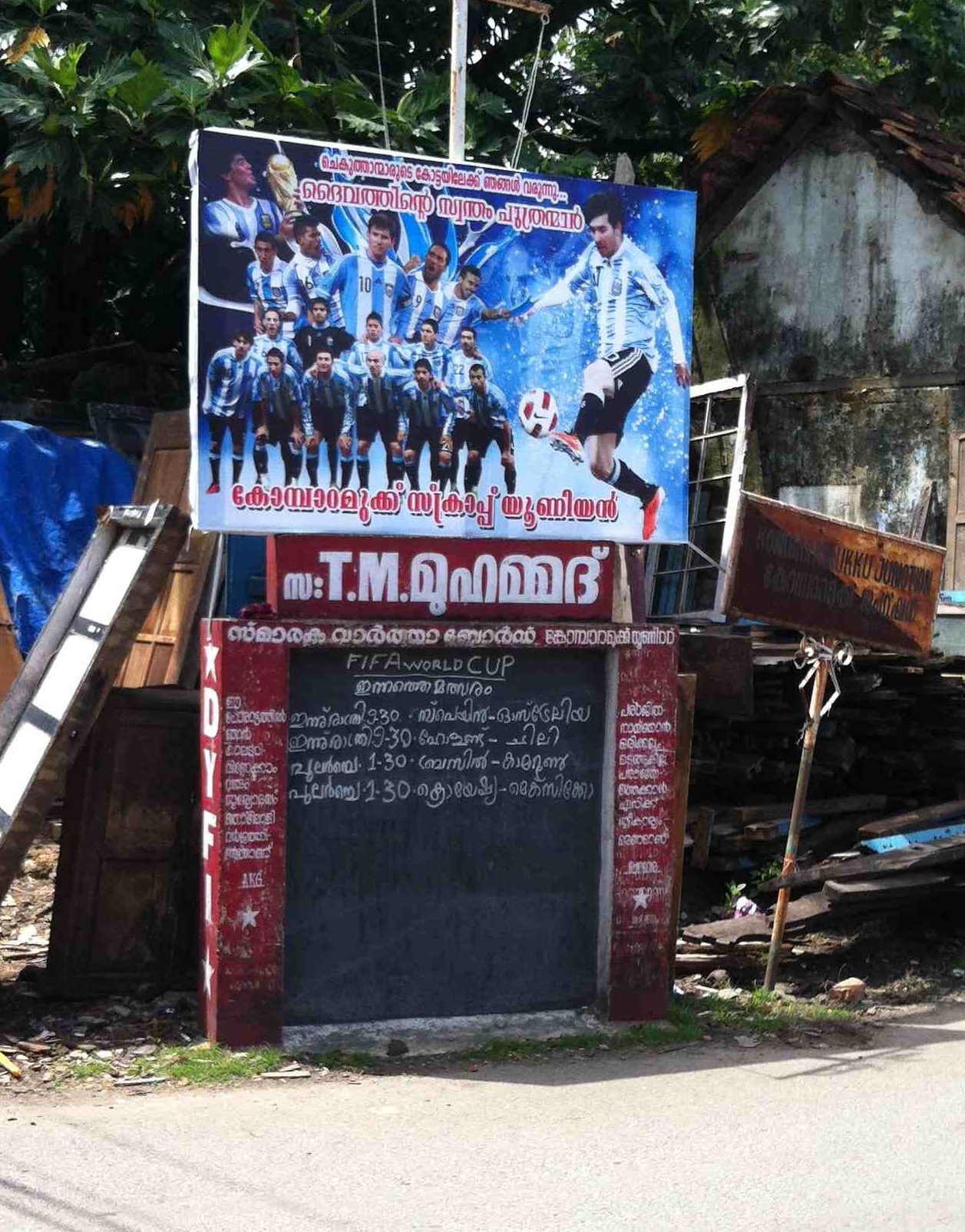
As preparation for the second edition of the Kochi-Muziris Biennale slides into the preopening home stretch the streets of Fort Kochi are awash with colorful activity. Stay tuned for more images as they continue to unfold!

This slideshow requires JavaScript.

Ken Brown, Come to Kerala!

This slideshow requires JavaScript.

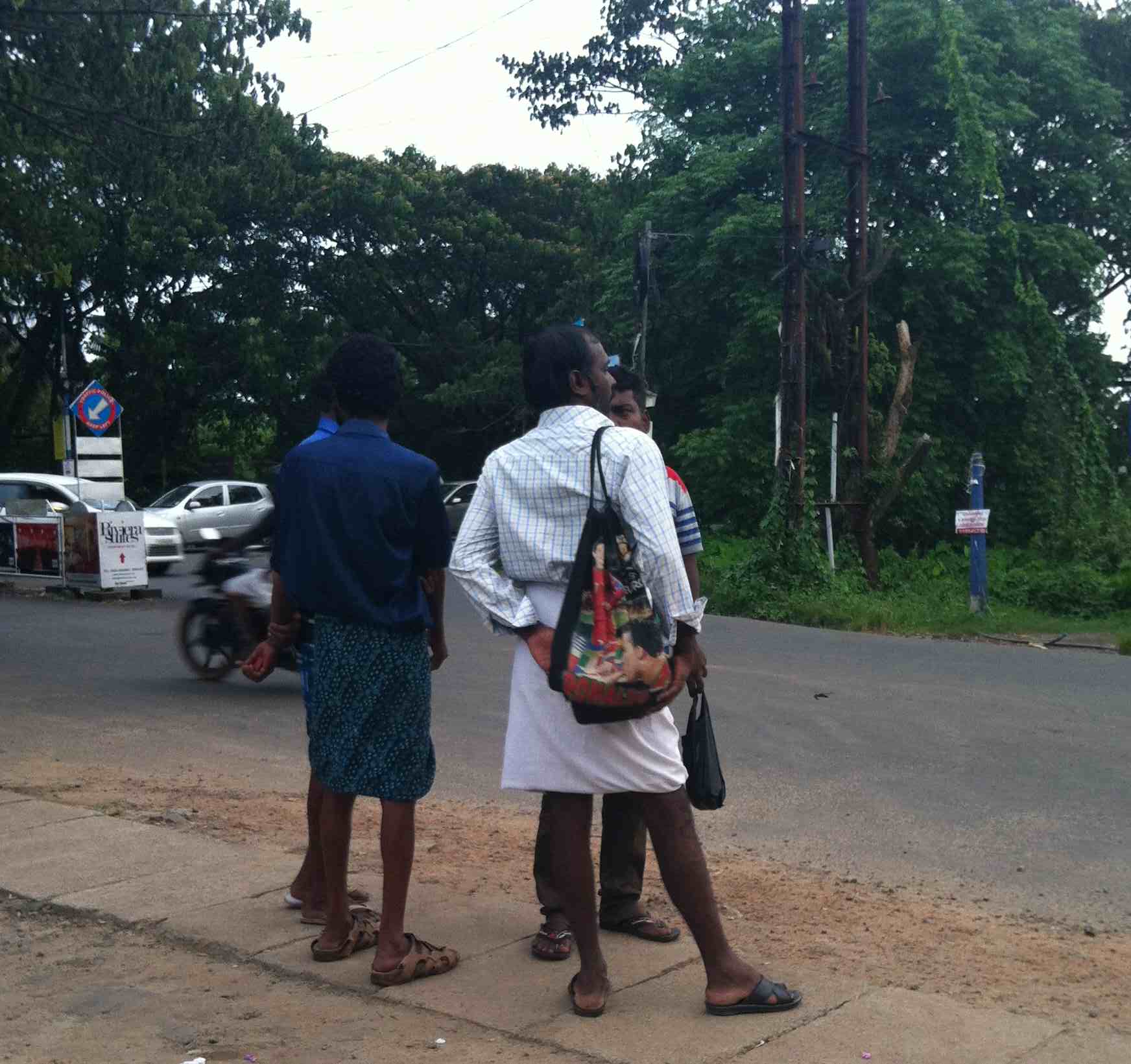
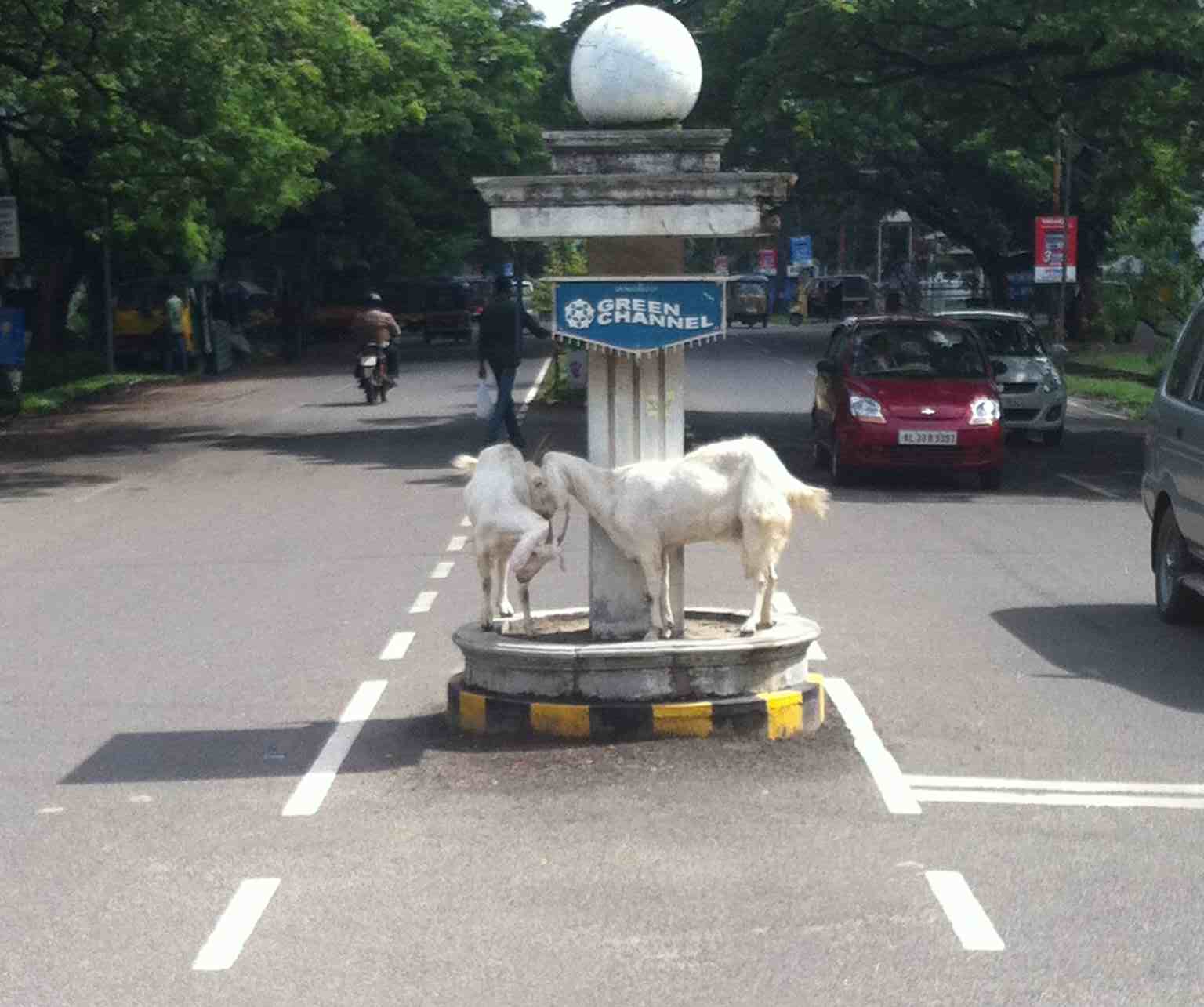
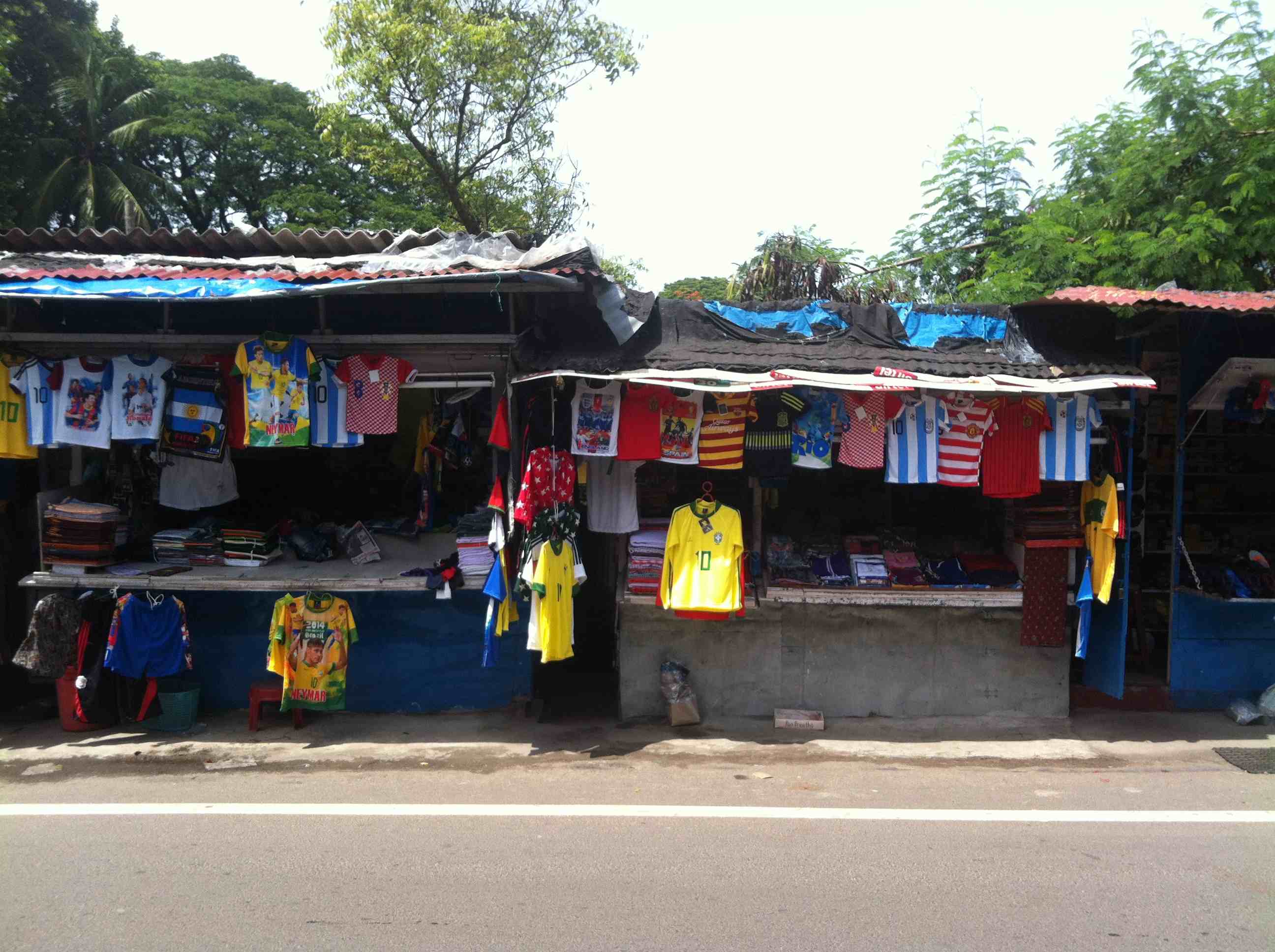
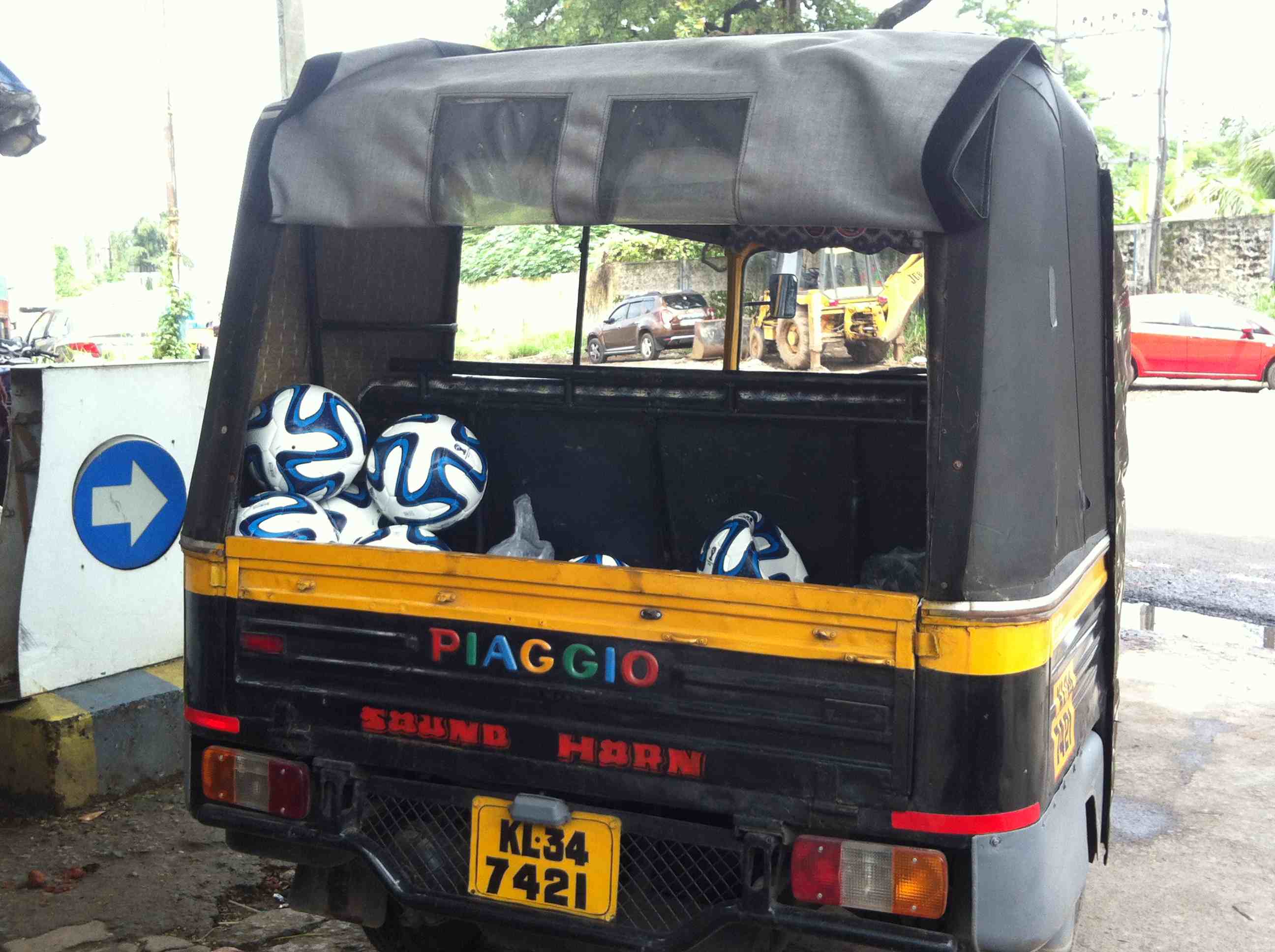
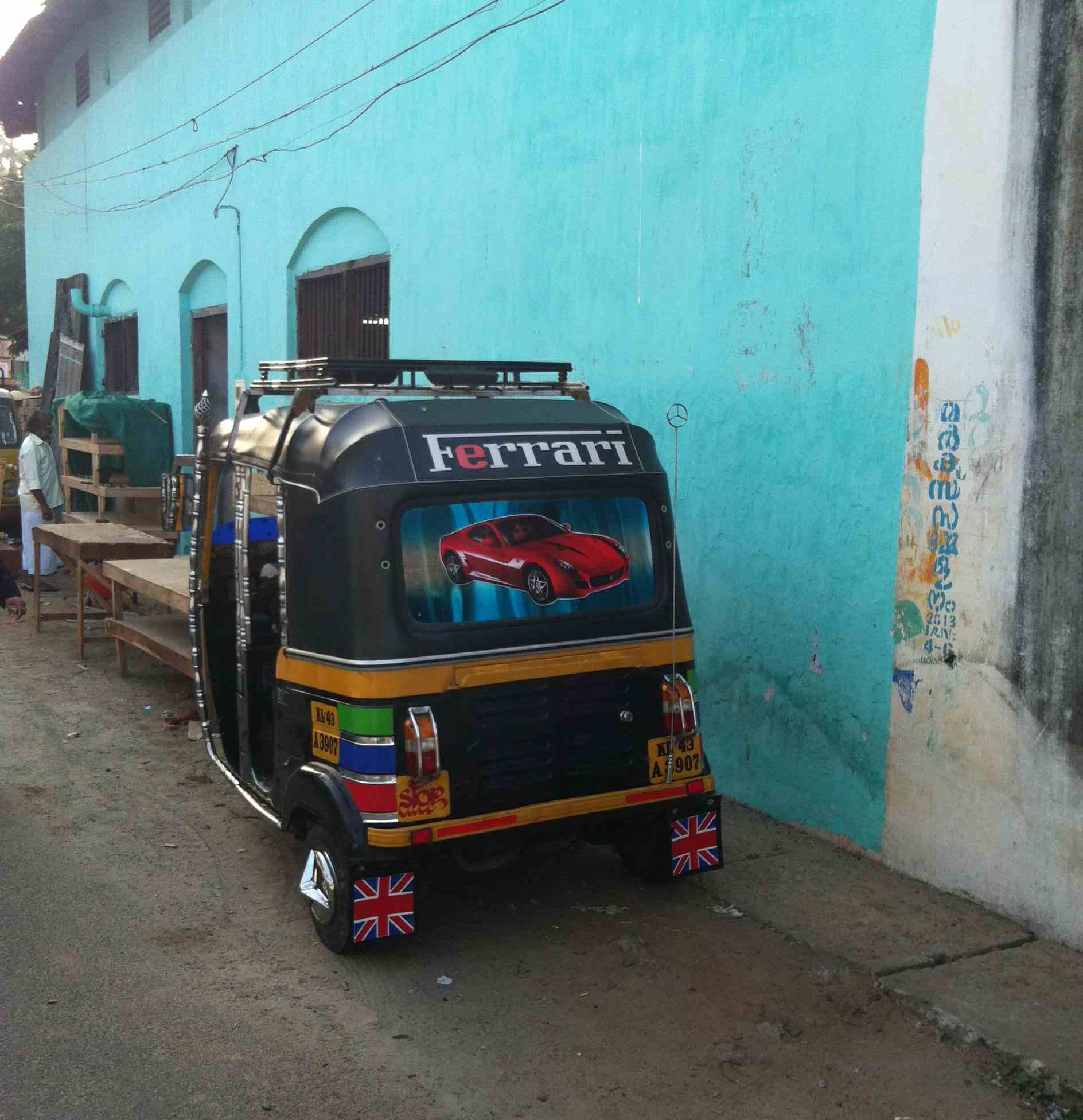
The colorful ebb and flow of  daily life is evident in our Spice Harbour neighborhood of Mattanchery. We keep wondering what odd-abilia Ken Brown would find waiting for him here!

(all photos ©Ken Brown)

Funky Nests, Oh My!


Wren leaving her basket nest

The Cornell Lab of Ornithology is hosting a “Funky Nests” contest for their Celebrate Urban Birds project. The above image is of a wren nest in a basket in my backyard (Atlanta, GA). Continue reading

Mobile Art Exhibitions

The Rodi Gallery, parked in Astoria Park in Queens. Credit Aaron Graham

The Rodi Gallery, parked in Astoria Park in Queens. Credit Aaron Graham

Thanks to the New York Times for its coverage of the arts in general, and for this specific reporting on the efforts to get art where it may be seen outside the normal venues:

On a recent Saturday, Elise Graham and her 22-year-old son, Aaron, pulled a 12-foot van into a parking spot on West 14th Street in Greenwich Village, swung open the back doors, lowered the aluminum stairs, and welcomed visitors inside their mobile Rodi Gallery.

Around the United States, art is on the roll. Inspired by the success of food trucks, gallery owners like the Grahams, who are based in Yorktown Heights, N.Y., have been taking their show on the road. For the last year, they have traveled to populated spots like the meatpacking district of Manhattan, the Peekskill train station and Astoria Park in Queens. This Saturday, they are parking in the center of Bushwick Open Studios, a three-day festival in Brooklyn. Continue reading

Unexpected Problems With Urban Farming

Above: A rendering of City Slicker Farms’ plans for a farm and park in West Oakland. Image courtesy City Slicker Farms.

Above: A rendering of City Slicker Farms’ plans for a farm and park in West Oakland. Image courtesy City Slicker Farms.

In interesting juxtaposition to the article on urban farming we linked to yesterday, a post on the New Yorker‘s website covers a related topic from a completely unexpected angle:

In 2012, Linnette Edwards, a Bay Area real-estate agent, produced a video promotingNOBE, a name conjured up by developers for an area covering parts of Oakland, Berkeley, and the town of Emeryville. She posted it on NOBE Neighborhood, a Web site she created to drum up buzz among potential home buyers. The video includes interviews with enthusiastic young residents, a local cupcake maker, a bartender at a new watering hole, and with Edwards herself. It also features a local, volunteer-run enterprise called the Golden Gate Community Garden. “We’re super psyched that there’s a community garden across the street—it’s definitely a bonus to this block,” a new homeowner says, over footage of greenery. “The fabulous edible garden movement is in full swing,” the NOBEWeb site notes. “It’s not uncommon to find neighbors crop swapping their homegrown edibles and frequenting the local Farmer’s Markets.” The site listed several neighborhood community-gardening programs, including one run by a nonprofit called Phat Beets Produce. Continue reading

Unexpected Benefits Of Urban Farming

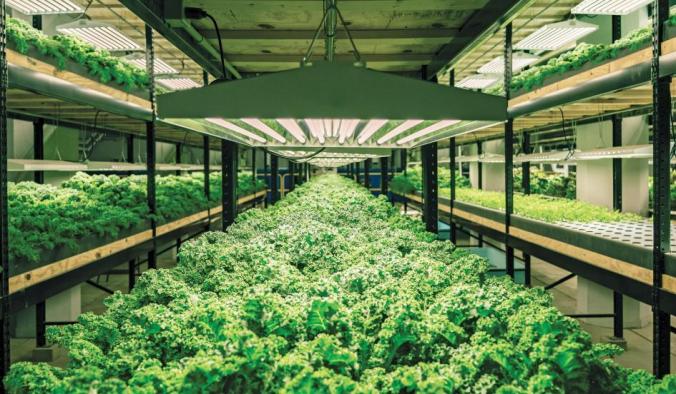
A converted Minnesota brewery now combines hydroponics and fish farming Urban Organics

A converted Minnesota brewery now combines hydroponics and fish farming Urban Organics

While the article opens with some hairy, crunchy stereotypes of organicistas (left out here because of their tedium) we nonetheless are happy to see an old school publication like Newsweek paying attention to such important issues more often left to specialist publications:

…It’s a huge, airy space, completely climate-controlled, filled with racks of vegetables that reach up to the ceiling. There’s no dirt—plant roots are suspended in water that flows through the racks like a gentle river. On the far wall past the vegetables, large, circular, windowed tanks of fish reside on raised platforms four feet off the ground. The platforms look like big decks, and pipes connect the fish tanks to the racks of plants. Bugs? Not a one—but if workers do find one with their Integrated Pest Management system, it’s dealt with sans pesticide, in compliance with organic guidelines from the U.S. Department of Agriculture. Haider and co-founders Fred Haberman, Chris Ames and Kristen Koontz Haider ask visitors to clean their feet at the door so as not to track in anything unsavory. Continue reading