Brown Takeaways, & Galapagos Giveaways

For the work we do, there are a few places always on my radar.  I do not mean some search engine tool for getting all the news on such and such.  I mean radar in the sense of, what really matters?  Why? When and where did it start mattering for me?  September, 1983 at JFK Airport is at the very top of the list, believe it or not, but I will save that story for another day. August, 1988 at Cornell University is near the top, as is February, 1995 in Costa Rica.  The Galapagos Islands joined the list in July, 1998 when I had my first work assignment there.  Ever since, I have had WWDD? buzzing in my thoughts, something like a bumper sticker in the back of my mind that cannot and will not go away.

This story from 2000 is a reminder of one my my subsequent visits.  Continue reading

Citizen Science

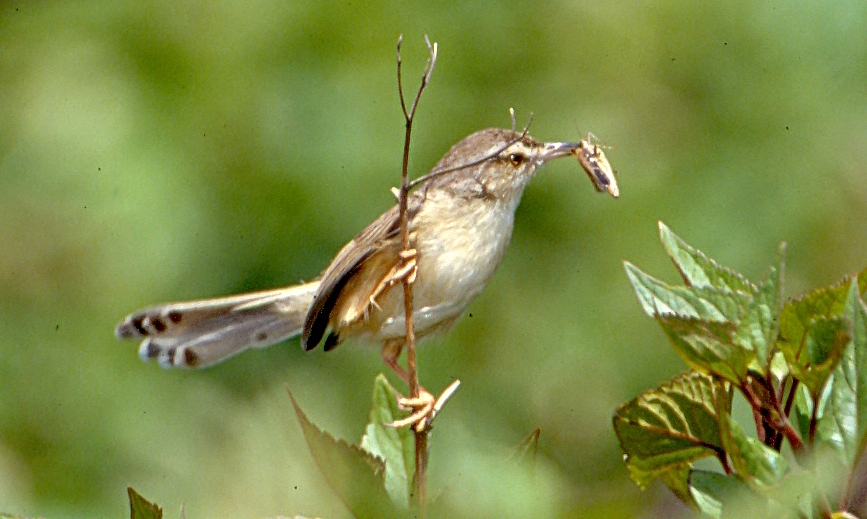
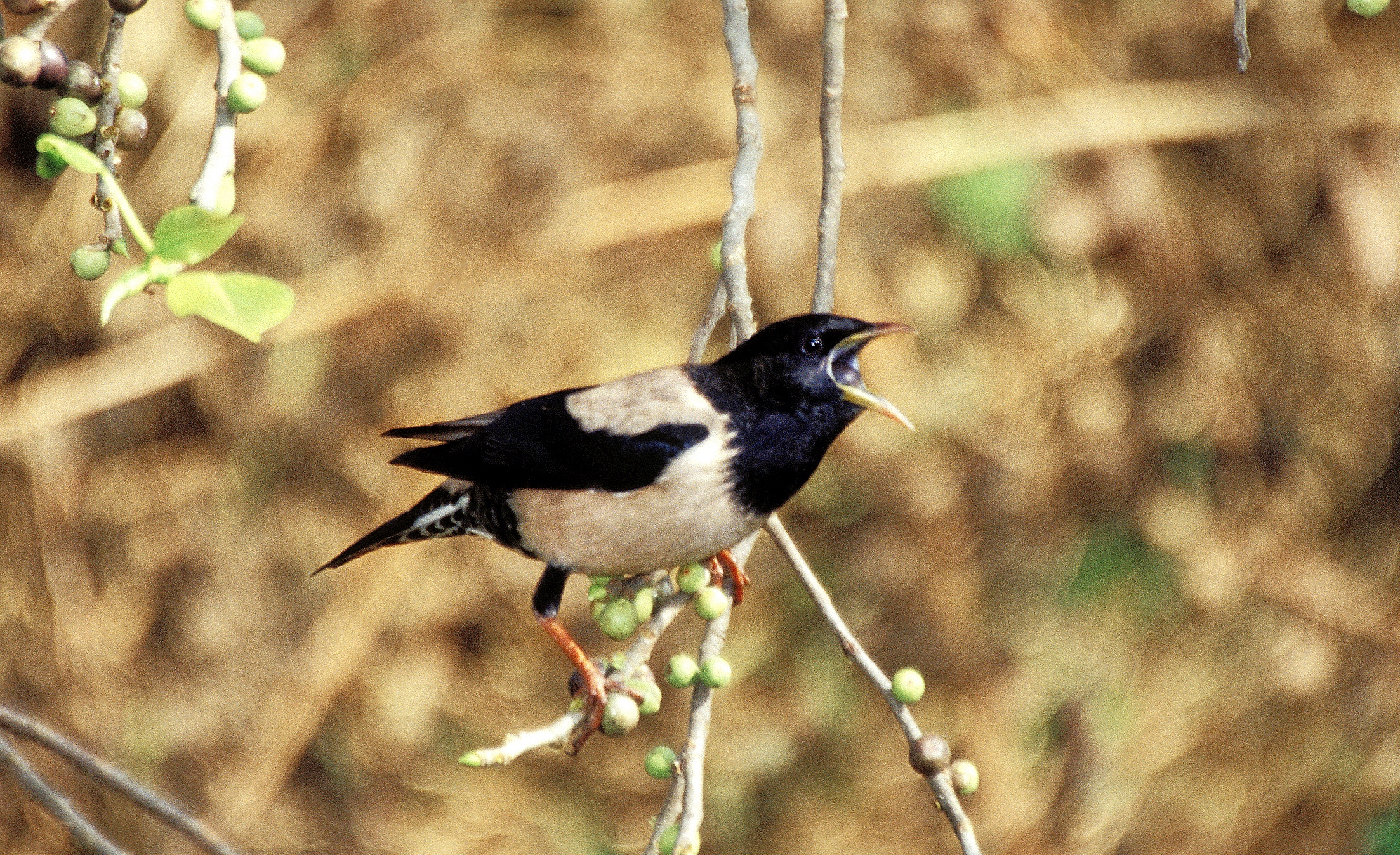
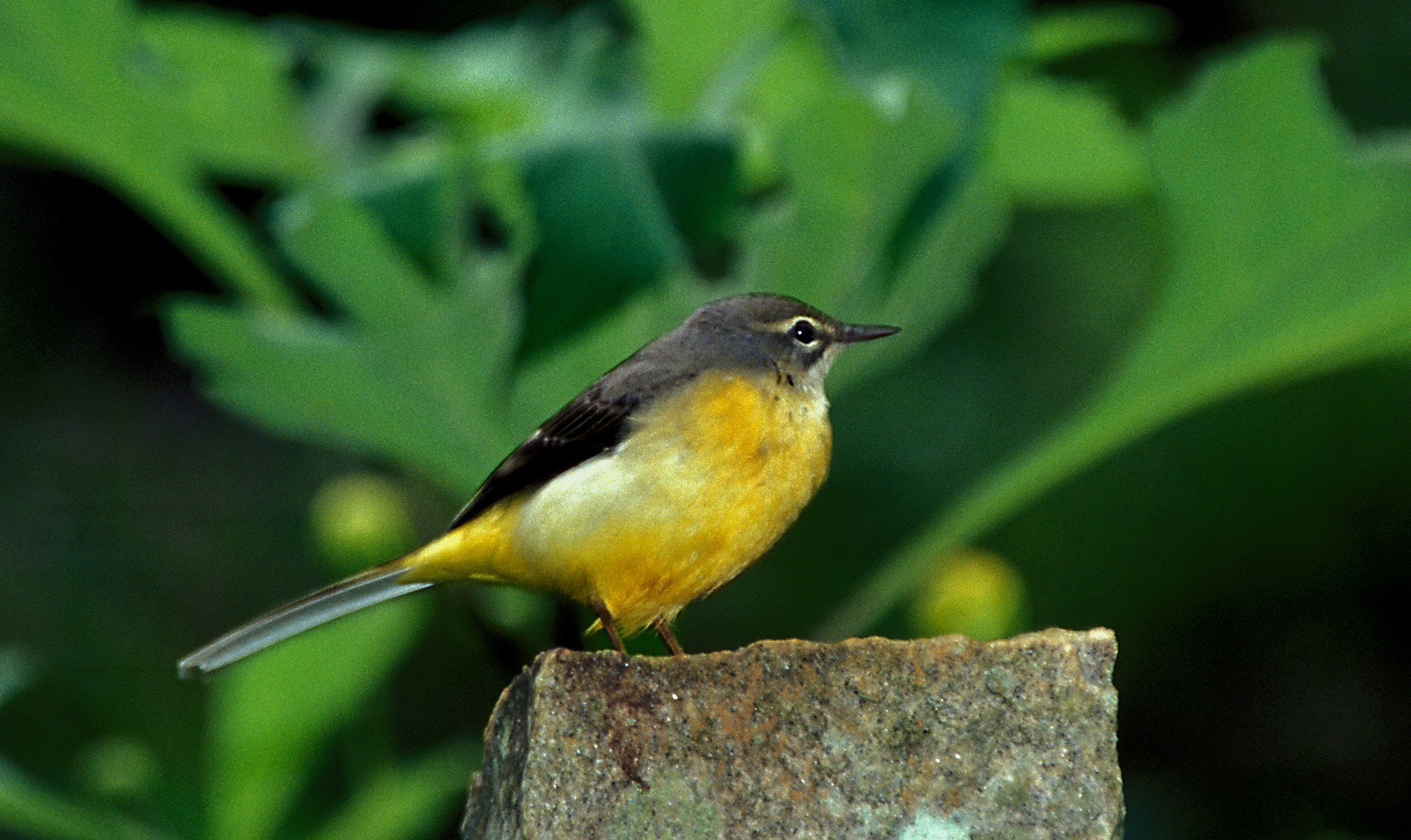
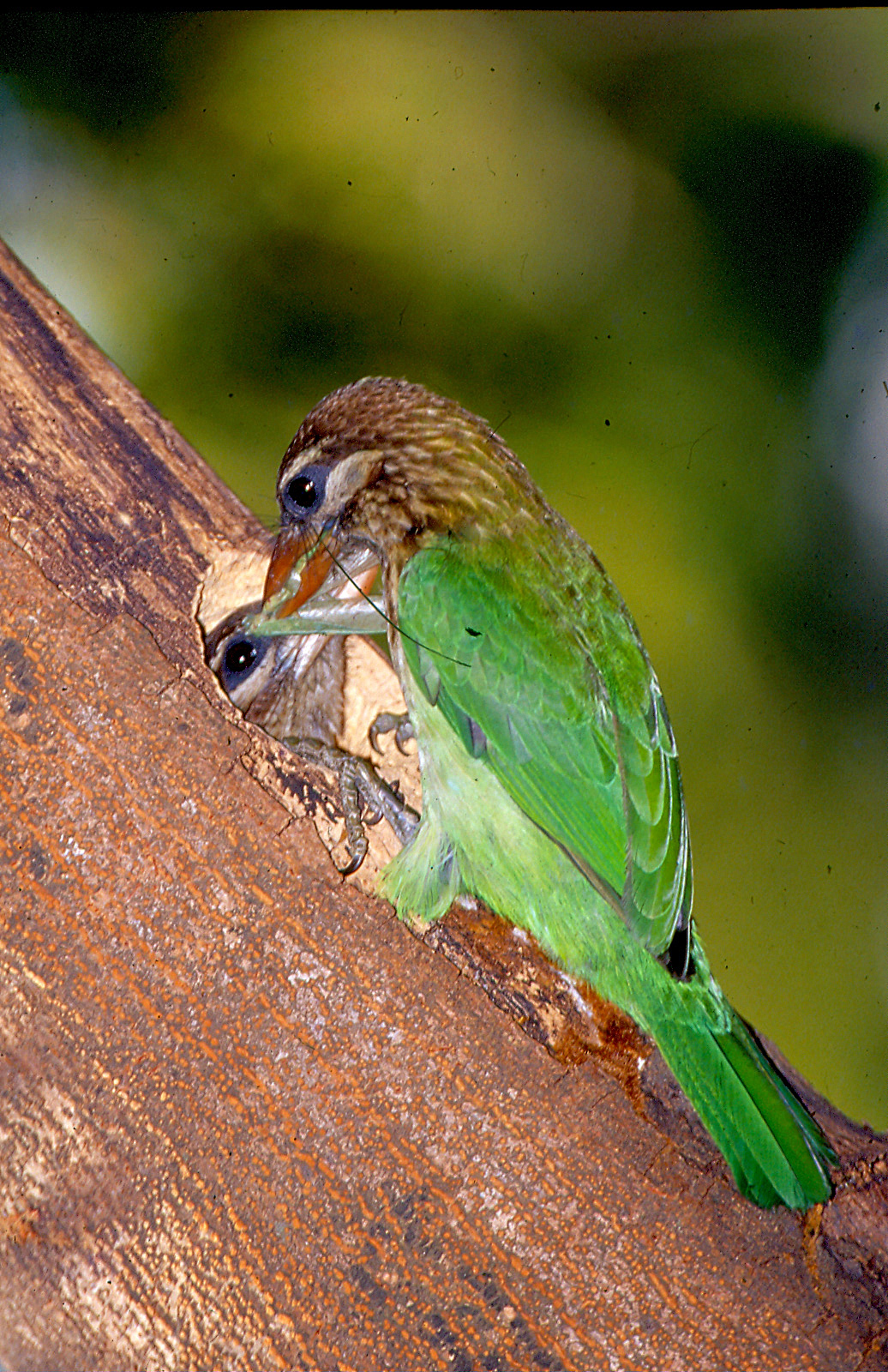
Bird watchers are everywhere. Countless households around the world sport bird-feeders in back yards, and thousands of photographers like Vijaykumar Thondaman dedicate much of their lives to capturing stunning images. It is practically impossible to believe that anyone could fail to see the beauty in a toucan or quetzal, Latin American species that tourists travel whole hemispheres to see for themselves in the wild.
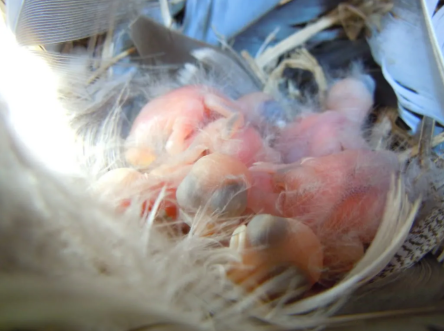
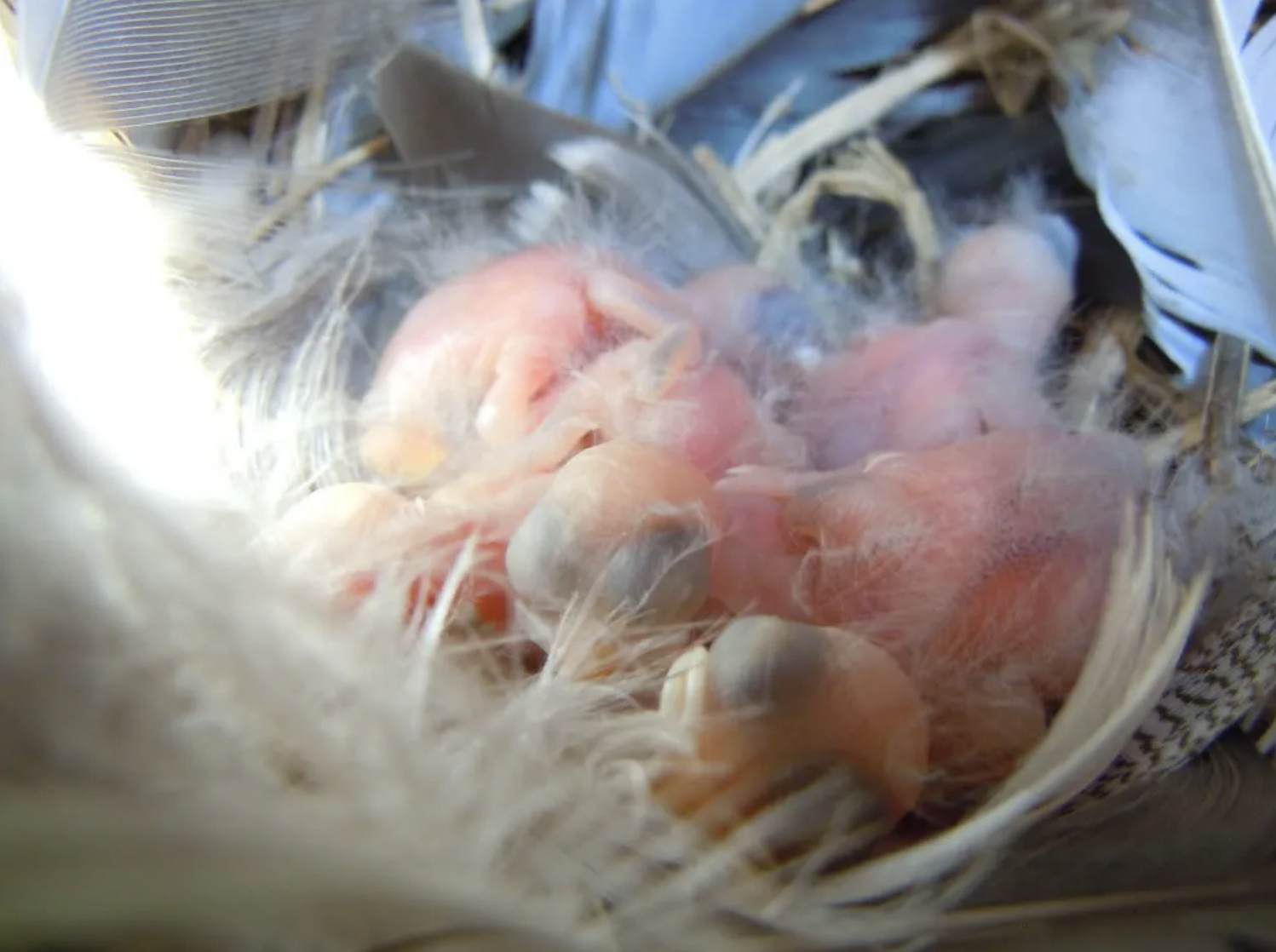
Swallow nestlings studied by Cornell students

Collecting data on birds is a difficult process because there aren’t enough ornithologists to be in the field all the time. But what about the casual bird watchers carrying around their binoculars, the families gathering on their porches to watch hummingbirds flit around flowers, or the schoolchildren staring out the classroom window at the distant and free shadows of birds of prey in the sky? Citizen science involves using these millions of bird lovers as a resource. As one of the world leaders in the study of birds, the Cornell Lab of Ornithology has been using citizen science since 1966, and is involved in many projects that bring bird watchers together while building an impressive database that is used for important research.

Here’s an article on Cornell Lab of Ornithology and the National Audubon Society’s citizen science project eBird.org.

Starting next week I will be working at one of these projects, called Celebrate Urban Birds, managing/deciphering this data and helping people around the country get involved in the surprisingly simple and rewarding experience of watching and identifying birds, whether they have a background in ornithology or not.

Pachyderm Premonitions

At the risk of being tagged a superstitious bumpkin, I bring up the topic of auguries for the second time. My first omen of good fortune in Kumily was the appearance of an owl – the portent was indeed accurate, as shown by the success of Diwia’s paper bag workshop. Today, while in the Periyar Tiger Reserve, I sat on a bamboo raft and allowed my gaze to amble into the skies. It was a bright, sunny day (my toasted face solid evidence), with a clear sky save for a few small outcroppings of water vapor drifting in the soothing breeze. One particular puff of cloud caught my eye for a single reason – it looked like an elephant.

Amused but not particularly touched, I returned to my casual waterline eye-scanning. Not 10 minutes later, the significance of the elephant cloud hit me, albeit from about a football field’s distance.

Borneoculars: Observations from a Scientific Expedition in Borneo

Guest Author: Nicole Kravec

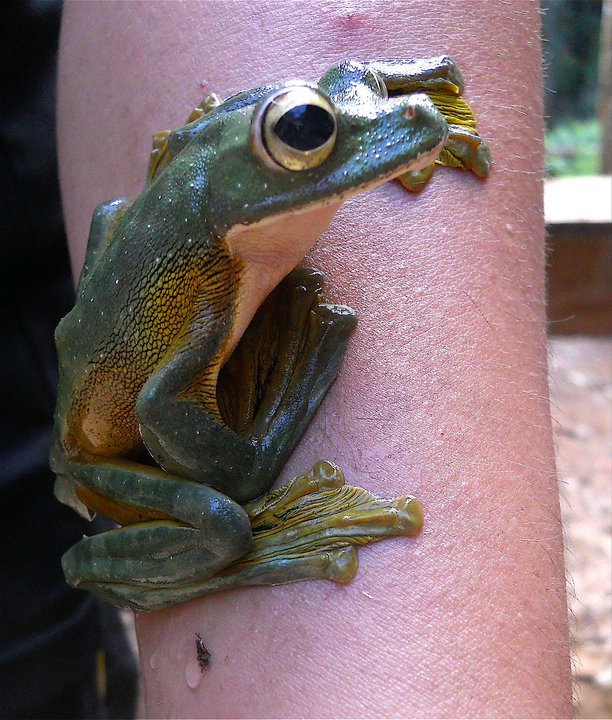
Indiana Jones would be proud of the entire scientific expedition team.  For two weeks we trekked through the jungles of Malaysia’s Imbak Canyon, the “biological gene bank” in the heart of the Malaysian state of Sabah in northern Borneo.  It was one of the best – and most adventurous – trips of my life.

Continue reading

Jellyfish Preserves

Ever heard of Jellyfish Lake? Located on the Eil Malik island of Palau, Ongeim’l Tketau (as the natives call it) is a lake which was formed about 12,000 years ago by the Pacific Ocean. Along with the clean blue waters of the Pacific, the tides brought in  immigrants – jellyfish of the genus Mastigias . Today, after 12,000 years of isolation and removal from the predator-rich environment of the Pacific Ocean from which they originated, the jellyfish have evolved into a significantly different organism. Due to the fact that the only predators the scyphozoans have is a species of anemone which is significantly removed from their swimming depth, they reduced their defensive mechanisms to virtual non-existence, meaning that unlike most beach-faring jellyfish, they don’t sting.

Due to this remarkably friendly gesture, Jellyfish Lake has become a popular snorkelling destination, and those fortunate enough to swim those waters are graced with an ethereal sensation of a world different and far removed from our own.


[vimeo 23079092]

How So?

After watching some random video captures of natural scenes and especially creatures interacting, by more than one of our Contributors over the last few months, the temptation is to follow the cute animal trail where it leads.  No.  But from time to time, if for no other reason than to wonder how they did that video, we do not hesitate to share something that seems worth a moment of wonder:

Baby Elephant Rescue in Kenya

Guest Author: Nicole Kravec

In the morning I was at my computer, preparing for a visit from Muriel, a woman from London who is a director of a top-notch research firm.  She’s doing pro-bono work for the Maasai Wilderness Conservation Trust and Campi ya Kanzi Community Ecolodge (www.maasai.com) where I am, and I am preparing for her 3 day visit that starts tomorrow.  After a few hours of mind-numbing regression analysis I heard some commotion outside. Continue reading