El Paredon, Guatemala
Trees’ Wondrous Capabilities

Diana Beresford-Kroeger at her home in Ontario. “If you build back the forests, you oxygenate the atmosphere more, and it buys us time,” she said. Nasuna Stuart-Ulin for The New York Times
Another round of thanks to Cara Buckley for a vividly written snapshot. Using Science and Celtic Wisdom to Save Trees (and Souls) is about one person’s multi-talented capacity to inspire us in new ways related to trees, and the patience it has required:
Diana Beresford-Kroeger, a botanist and author, has created a forest with tree species handpicked for their ability to withstand a warming planet.
MERRICKVILLE, Ontario — There aren’t many scientists raised in the ways of druids by Celtic medicine women, but there is at least one. She lives in the woods of Canada, in a forest she helped grow. From there, wielding just a pencil, she has been working to save some of the oldest life-forms on Earth by bewitching its humans. Continue reading
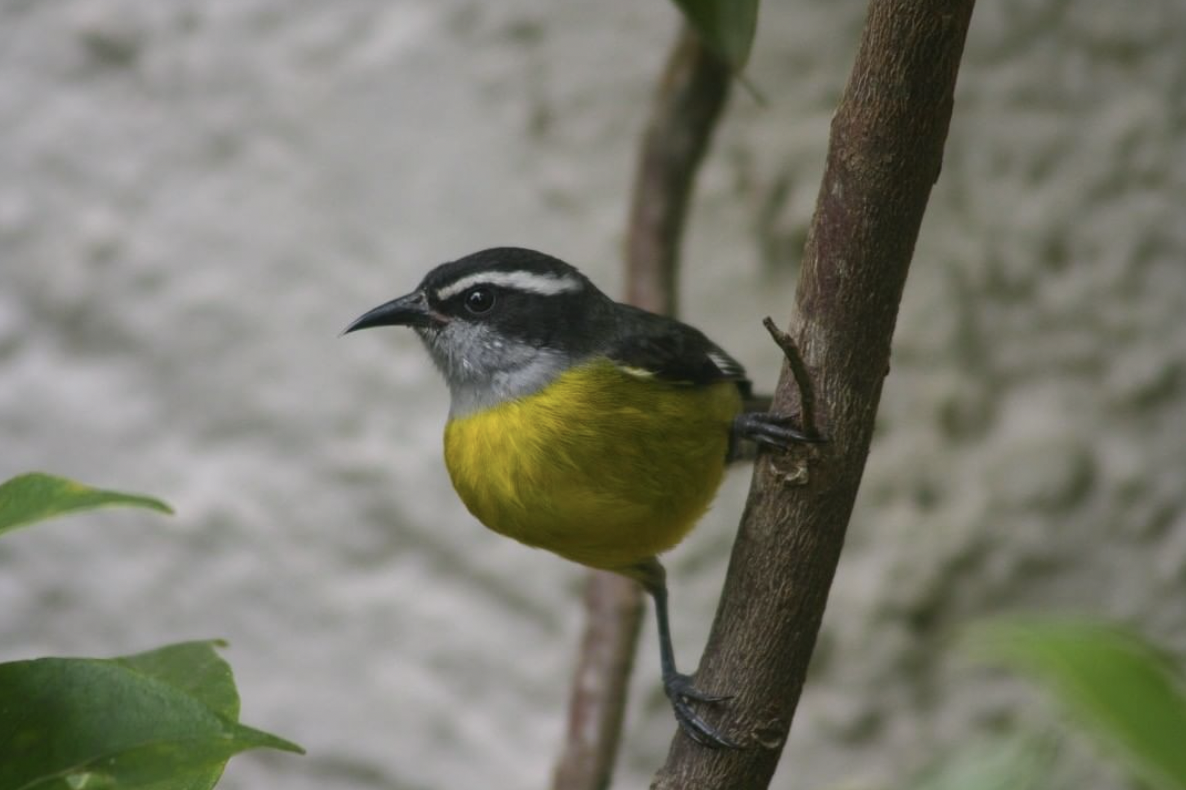
Bird of the Day: Purple-throated Mountain-gem
Airborne Wind Energy

An airborne wind turbine at the SkySails Power’s pilot site in Klixbüll, Germany. AXEL HEIMKEN / PICTURE ALLIANCE VIA GETTY IMAGES
Wind energy, as we have pictured it, was in a race between fixed and floating models. We did not know about the airborne model. Nicola Jones, writing in Yale e360, gives a clear picture of why it faltered and how it is recovering:
After a Shaky Start, Airborne Wind Energy Is Slowly Taking Off
This long-exposure nighttime photograph shows the figure-eight flight pattern of Kitepower’s airborne wind system. KITEPOWER
Numerous companies are developing technologies, such as large kites, that can harvest wind energy up to a half-mile above ground. While still in its nascent stages, airborne wind power could potentially be used in remote locations or flying from barges far offshore.
Look up over the white sand beaches of Mauritius and you may see a gigantic sail, much like the kind used by paragliders or kite surfers but the size of a three-bedroom apartment, looping figure-eights overhead. Continue reading
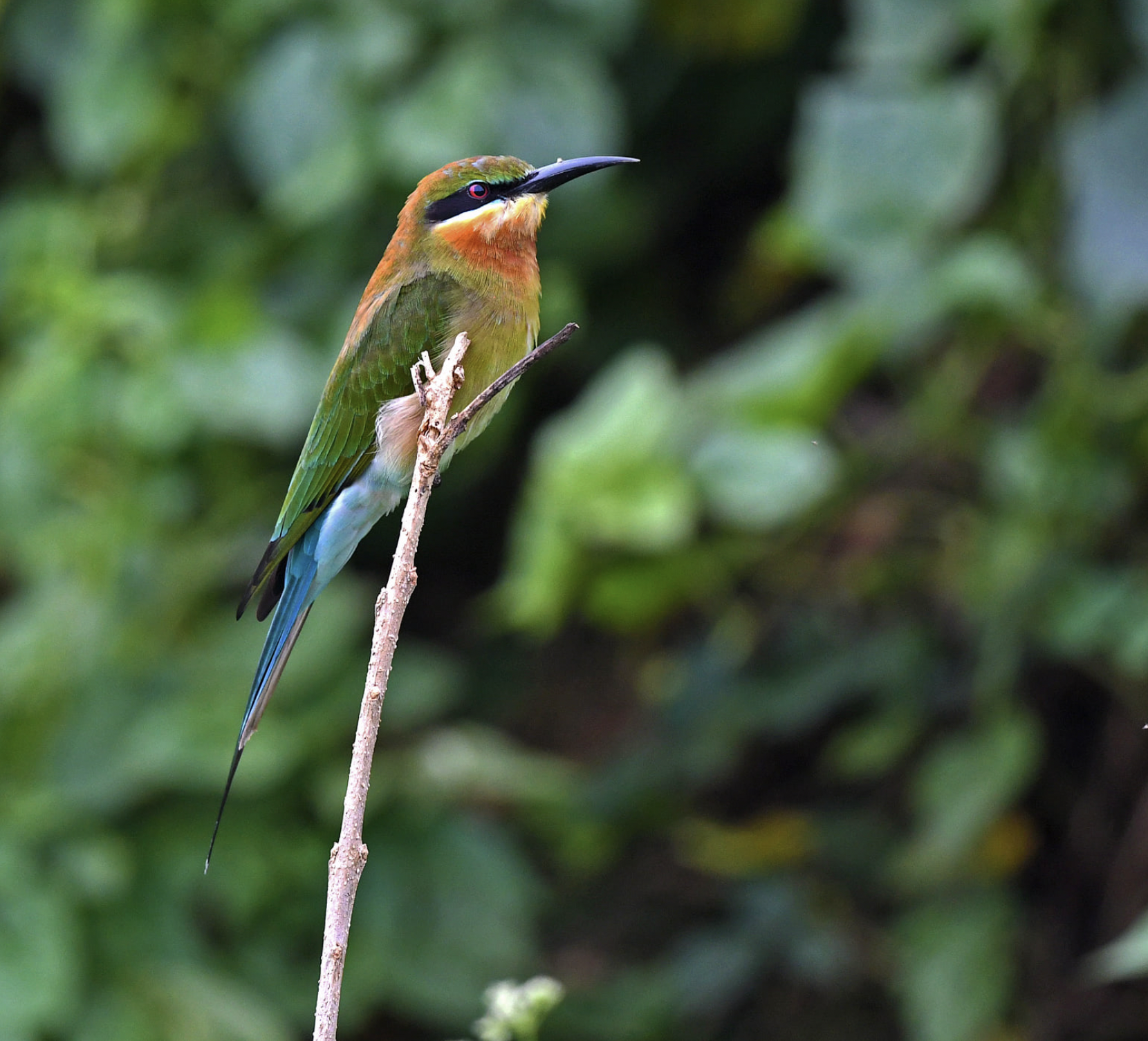
Bird of the Day: Rufous-tailed Lark
Migration Motivated By Climate Change, Defined

Workers place geo-textile bags to prevent river erosion on the banks of Padma River in Bangladesh last September. Munir Uz Zaman/AFP via Getty Images
Climate change has been a constant topic in our pages. Migration motivated by this crisis, not at all. Thanks to Ari Shapiro, at National Public Radio (USA) for this clarifying question and answer session:
The first step to preparing for surging climate migration? Defining it
There are calls to better define what constitutes “climate migration” amid concern that policies are not keeping up with the growing issue and countries are failing to properly help those fleeing disasters.
Anywhere from tens of millions to one billion people could become climate migrants by 2050, according to a recent report from the RAND Corporation. The number varies so widely depending on the definition used. Continue reading
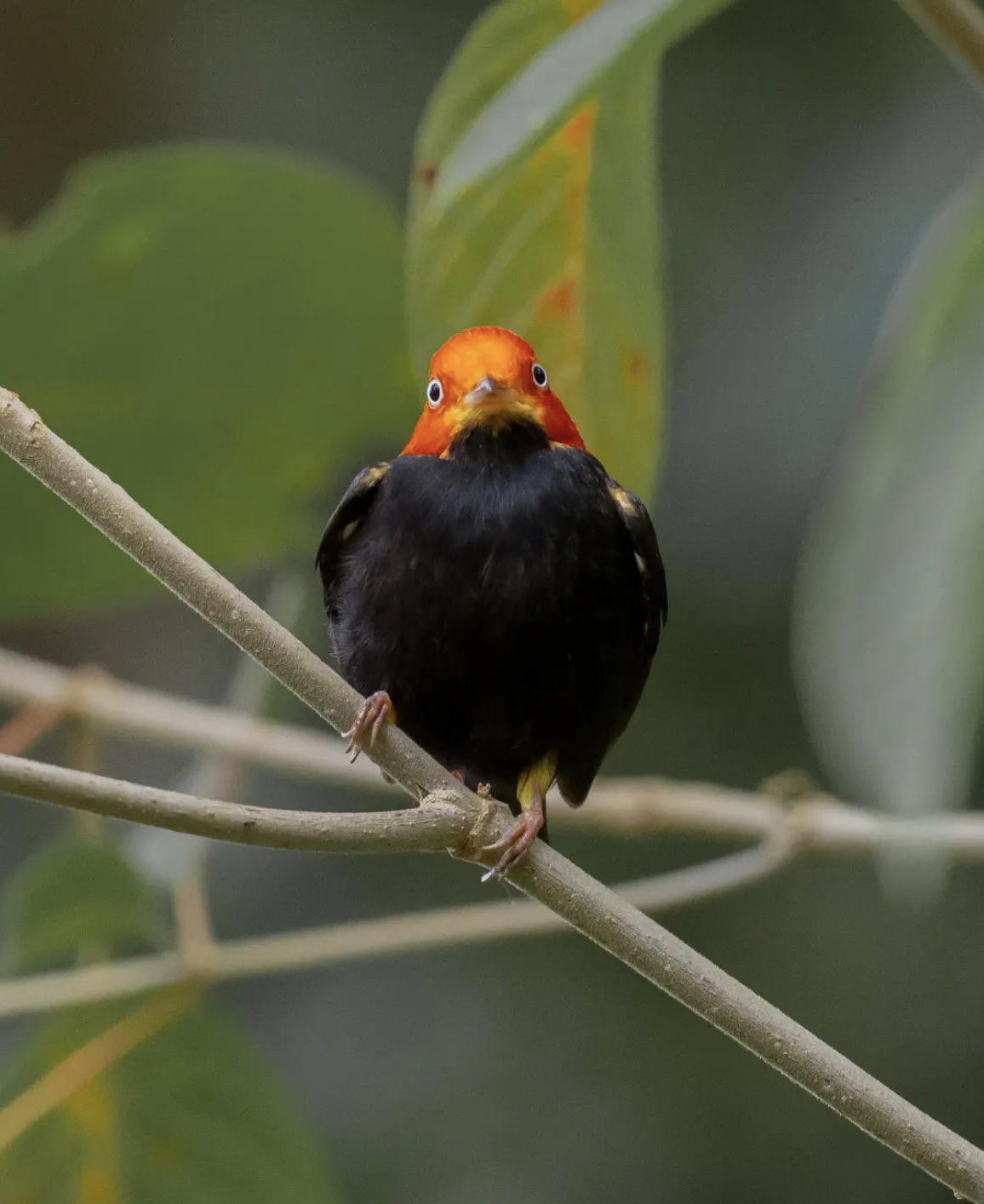
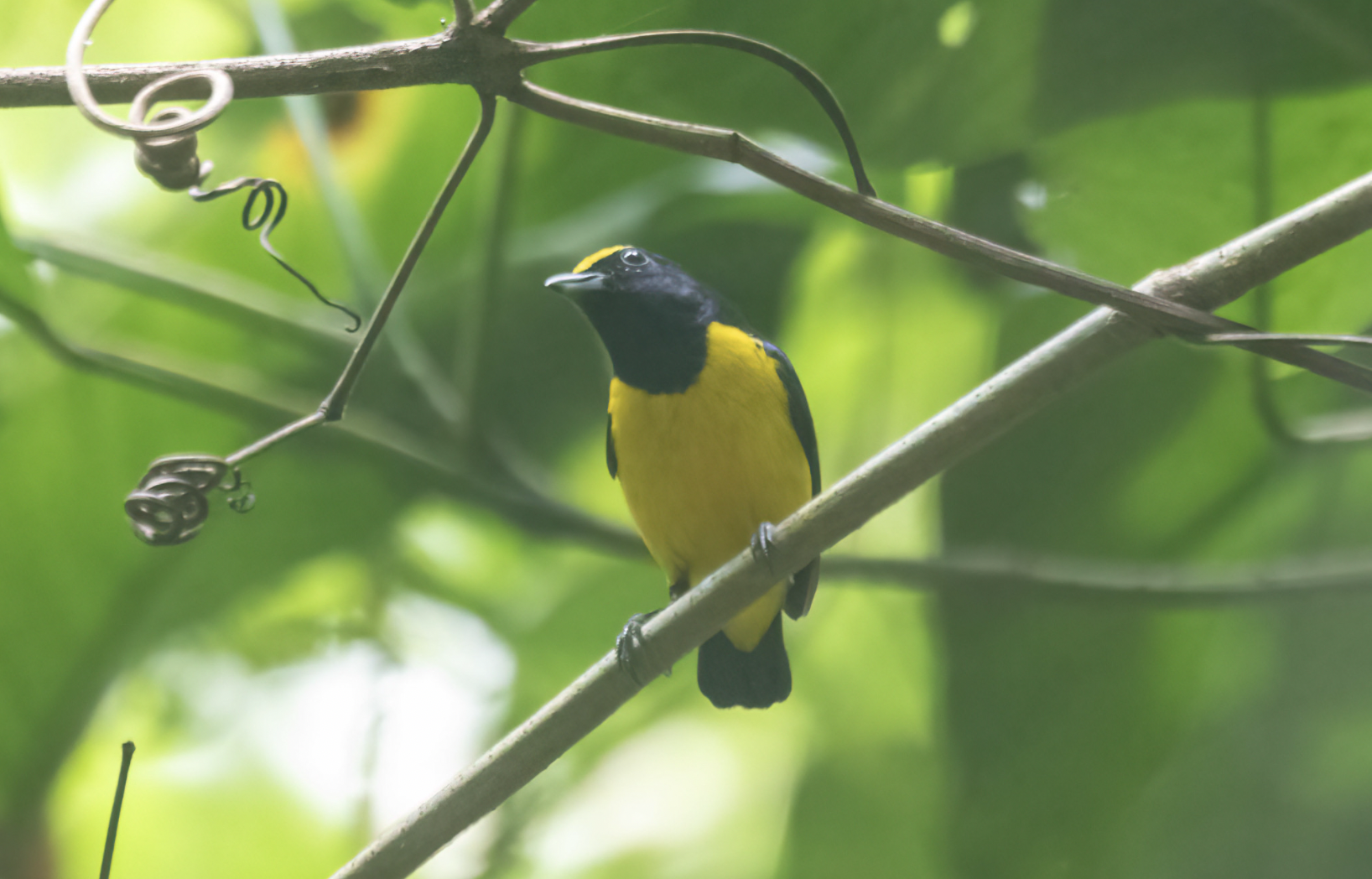
Bird of the Day: Masked Trogon
Keep Peat In Place
Peat is back on our radar, with this excellent report by Matthew Thompson in the New York Times. It is part of a new series called Headway, an initiative “exploring the world’s challenges through the lens of progress,” which is exactly the founding sentiment of our platform here. So, read on:
Rural Congolese villagers are being asked to protect one of earth’s most precious ecosystems. What can other places contribute to our shared future?
Imagine someone showed up on your doorstep one day and told you that the swampy forest not far from your home contained a rare and precious soil, so powerful that the planet’s future hinges on its preservation. The world is relying on you to keep the soil undisturbed, you’re told, or sinister forces will be unleashed, large enough to doom us all. Continue reading

Bird of the Day: River Tern
Wendell Berry Here & Now

Berry has found a kind of salvation—and a lifelong subject—in his stewardship of the land he farms in Kentucky. Illustration by John Broadley
When we previously mentioned him it was without as much background as he deserved. So now, a corrective titled Wendell Berry’s Advice for a Cataclysmic Age, by Dorothy Wickenden. It comes with a set of photographs that motivate you to read on:
Sixty years after renouncing modernity, the writer is still contemplating a better way forward.
Hidden in the woods on a slope above the Kentucky River, just south of the Ohio border, is a twelve-by-sixteen-foot cabin with a long front porch. If not for the concrete pilings that raise the building high off the ground, it would seem almost a living part of the forest. Readers around the world know the “long-legged house” as the place where Wendell Berry, as a twenty-nine-year-old married man with two young children, found his voice. As he explained in his essay by that name, he built the cabin in the summer of 1963—a place where he could write, read, and contemplate the legacies of his forebears, and what inheritance he might leave behind.
When Berry moved to the country with his wife, Tanya, he gave her a privy that “never aspired so high as to have a door.” Photograph by James Baker Hall
The cabin began as a log house built by Berry’s great-great-great-grandfather Ben Perry, one of the area’s first settlers, and it lived on as a multigenerational salvage operation. Continue reading
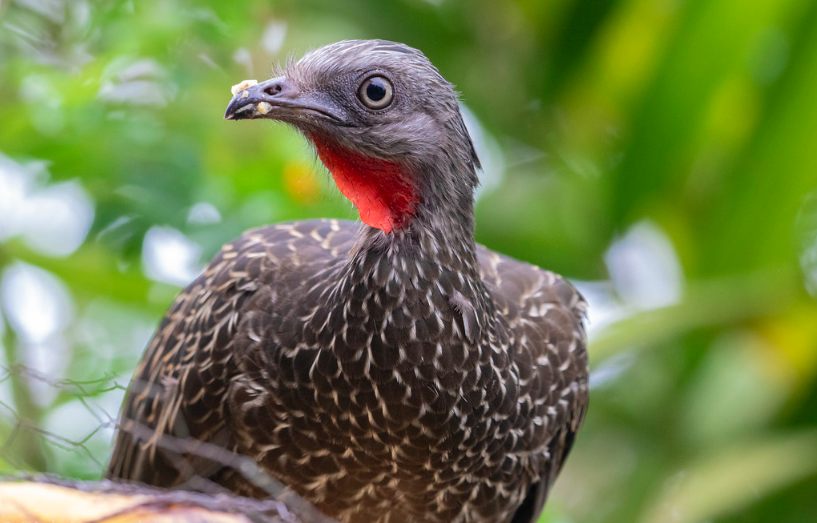
Bird of the Day: Wine-throated Hummingbird
Quetzaltenango, Guatemala
The Standing Rock Sioux Tribe Asks For Your Help
If you have been following the pipeline news stories and you care, but not yet found a way to get involved, the Standing Rock Sioux tribe offers you a simple first step to help them end the DAPL. Click on the DAPL EIS Countdown Alert signup image below to show support, by asking to be alerted when public comments open:
The fight to stop the Dakota Access pipeline isn’t over, and you can help right now! This month, the U.S. Army Corps of Engineers will take public comment on DAPL’s fatally flawed Environmental Impact Statement (EIS). Sign up to be first in line to tell the Corps to conduct a proper environmental review — without interference from the fossil fuel industry. We’ll let you know how to make your voice heard as soon as the comment period opens! Thank you for standing with Standing Rock.
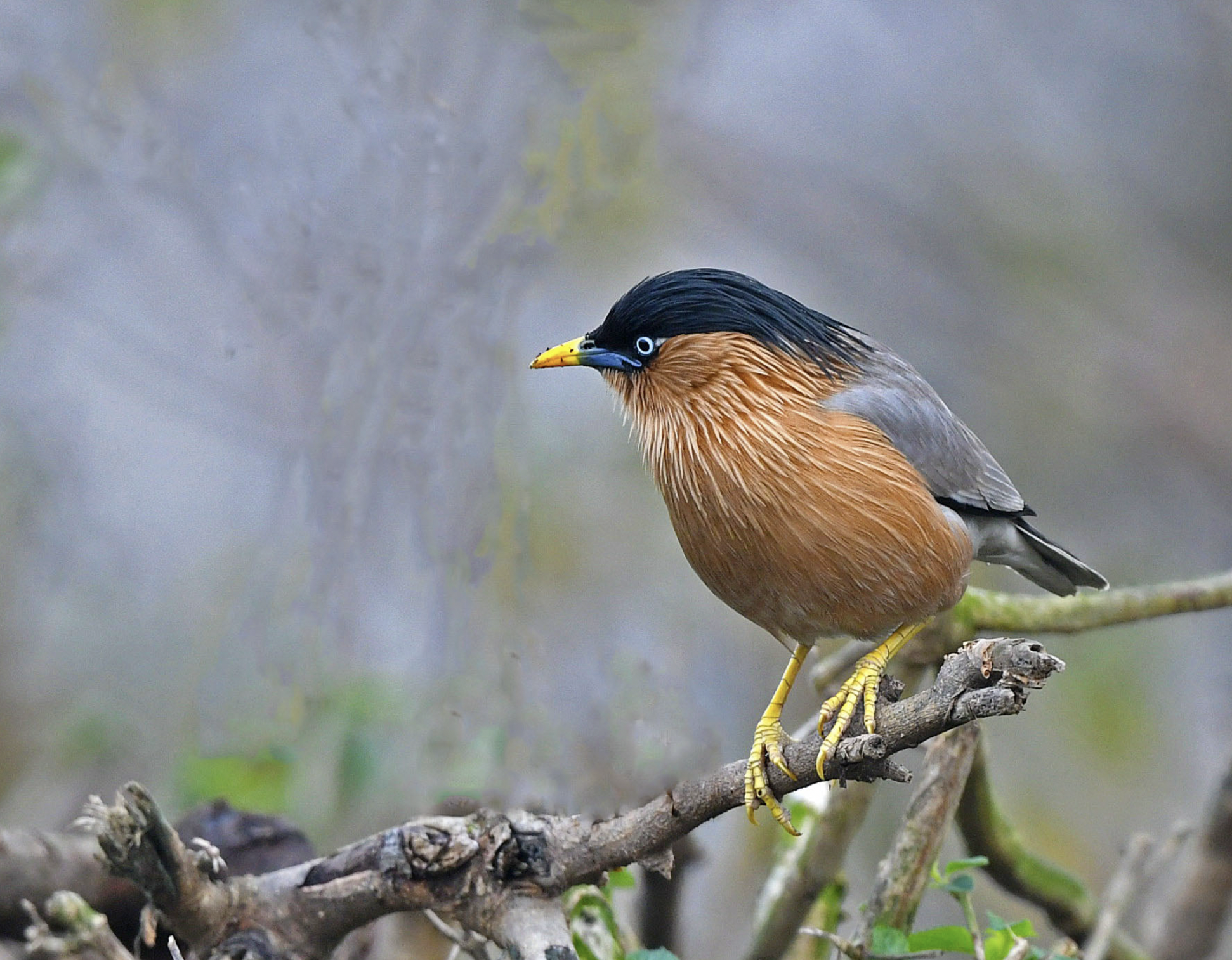
Bird of the Day: Drongo
Chocolate Quinoa Crunch
I have no skills as a food photographer, so this may not be the most flattering image of this new product. But even so, maybe the snapshot above will serve my purpose. We are introducing this today, in sample portions, in the Authentica shop at the Marriott Los Suenos. It is 70% dark chocolate, semi-sweet, covering puffed quinoa. It will be offered in the most biodegradable packaging I am aware of. I am working on the label design, and pricing for a package of 12, so stay tuned for final details.
Bird of the Day: Scaled Piculet
Guardian’s Week In Wildlife

A sifaka lemur eats leaves at the Berenty Reserve in Toliara province, Madagascar. Photograph: Alkis Konstantinidis/Reuters
We source from the Guardian frequently for environmental stories, but sometimes just a few good photos from nature are a good way to end the traditional work week:
The week in wildlife – in pictures
The best of this week’s wildlife pictures, including a patient great tit, a hungry lemur, and a lucky escape for one humpback whale

Icelandic horses walk on the snow in Hunavatnshreppur. The horses are unique in that they have five gaits, while other horses typically have three or four. Photograph: Nacho Doce/Reuters
Weekends are the busiest part of our work week; for us the photos are a motivator for that work; so thanks to Joanna Ruck for these. Click any image to go to the source.

Honeybees venture out of their hive box on a warm afternoon on a farm near Elkton in western Oregon, US. Honeybees become active and start foraging at approximately 12.8C. Full foraging activity is not achieved until the temperature rises to 19C. Photograph: Robin Loznak/Zuma Press Wire/Rex/Shutterstock
Bird of the Day: Red-vented Bulbul
Why War On Wolves?
At Yale e360 this opinion by Ted Williams is an important read:
America’s New War on Wolves and Why It Must Be Stopped
Hunting of wolves is again legal in the Northern Rockies, where running them over with snowmobiles or incinerating them in their dens is now permitted. The Biden administration must stop the slaughter of these wolves and protect their recovery from the brink of extinction.
America’s tradition of persecuting wolves has resumed. And although it’s mostly happening on federal land, the Biden administration appears singularly unmoved and unconcerned. Continue reading

Bird of the Day: Yellow Oriole
Organikos In Antarctica
On Sundays I try to stay away from the Authentica shops in order to do other types of work. But on a recent Sunday morning we needed to deliver coffee that had just been roasted to the Belen shop. While bringing the coffee in, a man was poring over the labels in our honey display. My conversation with him started on the minutiae of how these raw honeys are prepared, and extended for more than an hour to the subject of the current coffee harvest. When I told him about the recently introduced geisha varietal, he enjoyed hearing as much as I enjoyed conveying its phenomenal success in Panama first, and now Costa Rica. And so, yesterday, he sent the photo above as promised, holding a bag of our coffee in front of the Antarctic coast, where he is on a scientific expedition.
Organikos served coffee at the southern most tip of the South American continent a dozen years ago, and I am happy to see its reach extending further south and keeping the scientists warm and happy.