The young man who we met 15 years ago is going strong. Save The Waves Coalition has pulled off another small miracle:
SAN MIGUEL SURF BREAK PROTECTED WITH LANDMARK CREATION OF BAJA CALIFORNIA’S FIRST STATE PARK
The young man who we met 15 years ago is going strong. Save The Waves Coalition has pulled off another small miracle:
SAN MIGUEL SURF BREAK PROTECTED WITH LANDMARK CREATION OF BAJA CALIFORNIA’S FIRST STATE PARK
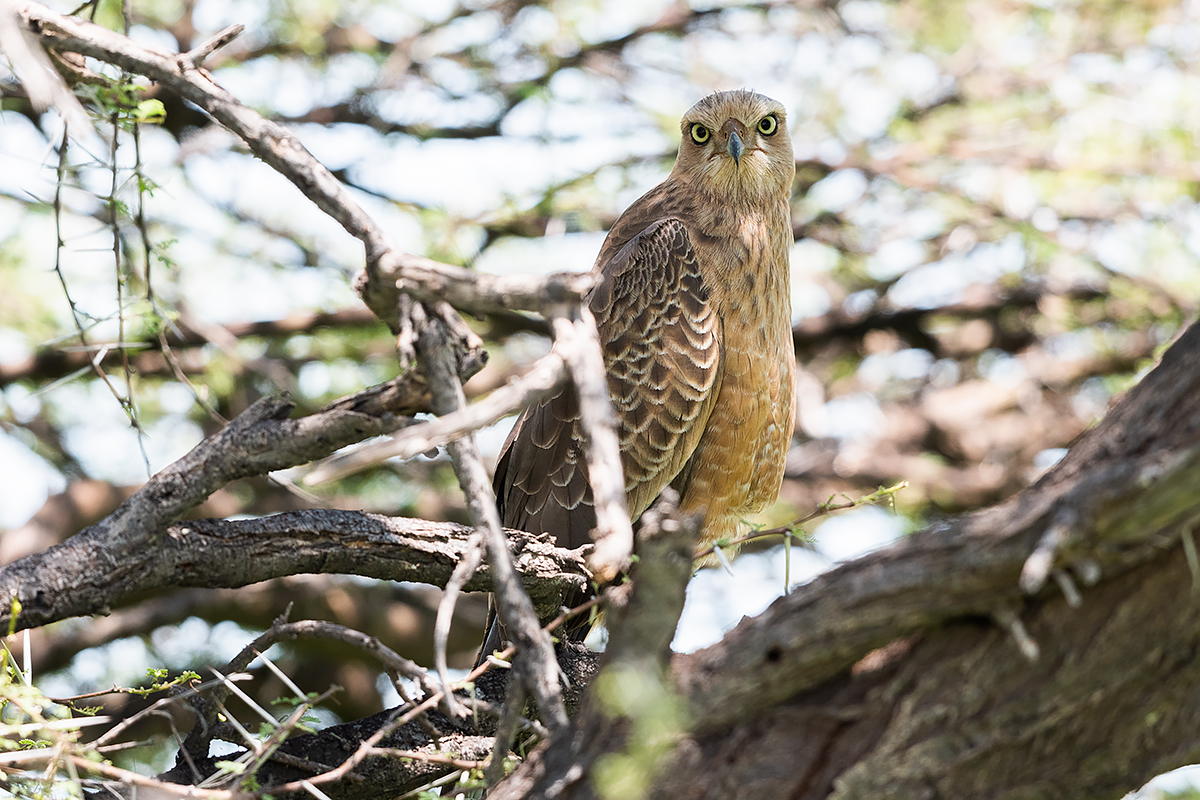
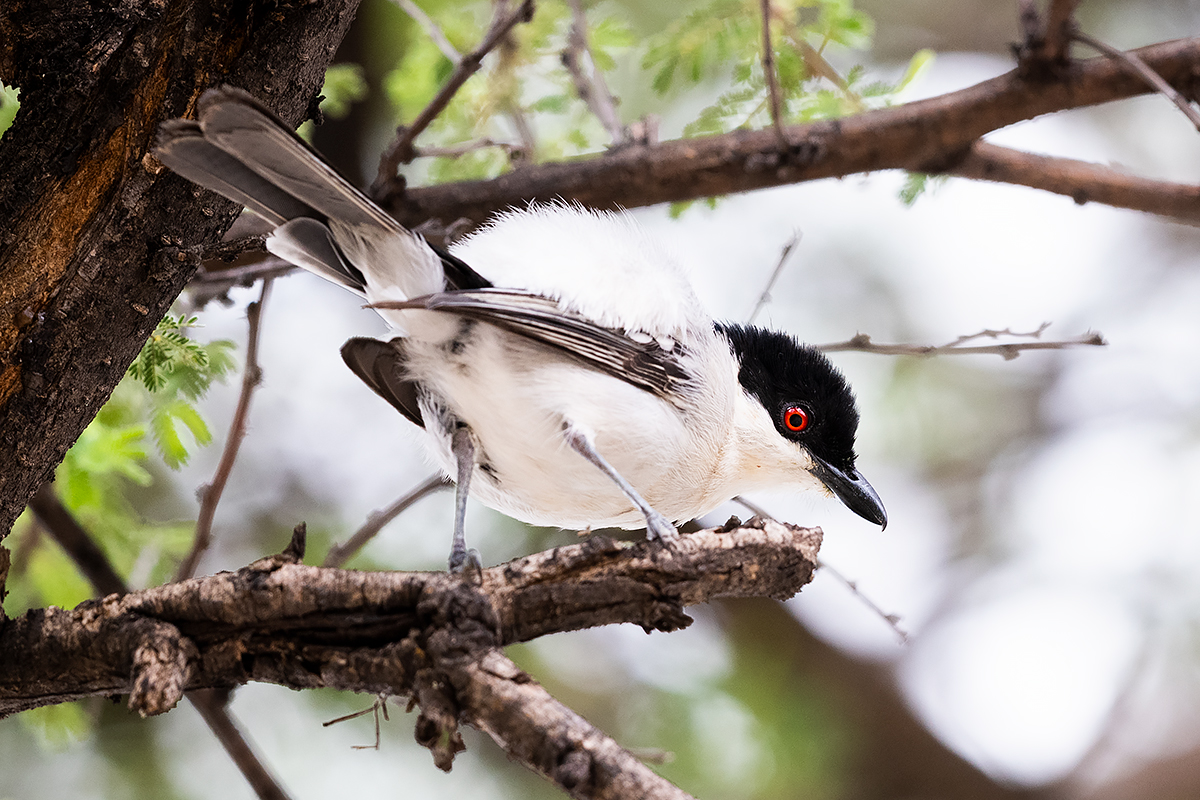
Etosha National Park, Namibia

During the most recent ice age, glaciers divided an ancestral population of crows; one group became all-black carrion crows, the other hooded crows with gray breasts and bodies. Illustrations by François-Nicolas Martinet / Alamy
Protecting species from extinction has been a running theme in our pages over the years. Underlying these many stories was an assumption, at least on our part, that defining boundaries between species is settled science. We will no longer take that for granted:
Where Do Species Come From?
By studying crows, a German biologist has helped to solve a centuries-old mystery.
The evolutionary biologist Jochen Wolf was working from home when we first spoke, in April, 2020. Germany was under lockdown, and his lab, at Ludwig Maximilian University, in Munich, had been closed for weeks. Still, a reminder of his research had followed him from the office. “I have a crow nest right in front of me,” Wolf said, from his rooftop terrace. The nest was well hidden at the top of a tall spruce tree. Through the branches, Wolf could see a female crow sitting on her eggs. Continue reading
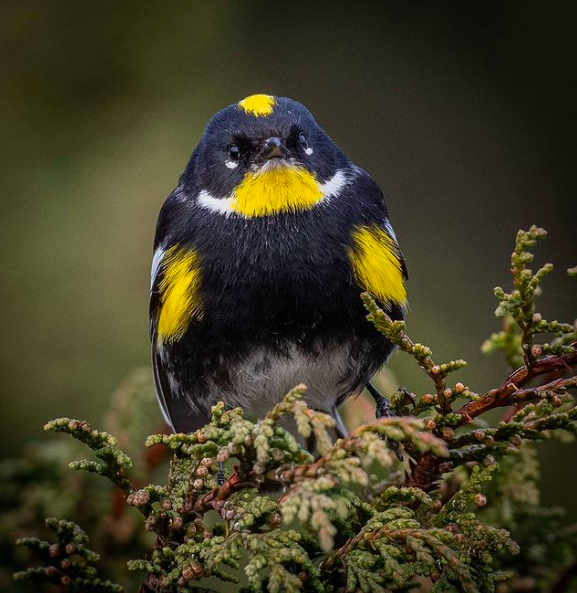
Parque Regional Todos Santos, Cuchumatan, Guatemala
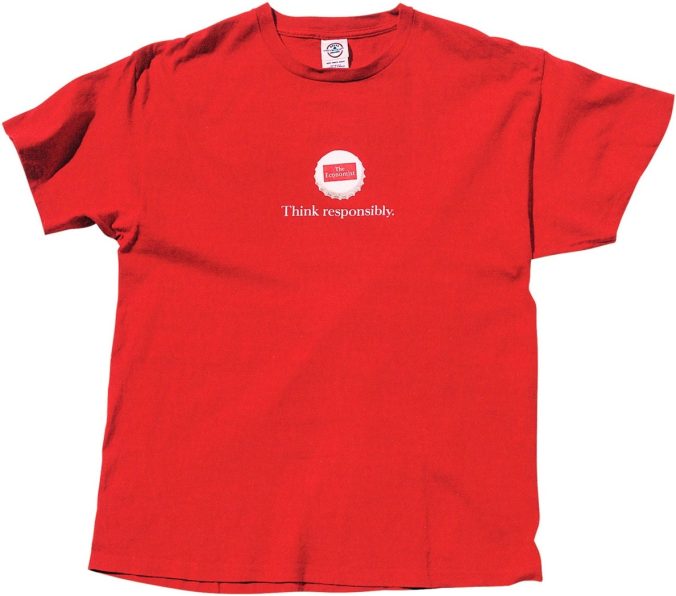
This is from the British magazine The Economist. The message is very stylish, but it’s still a T‑shirt, and it makes me wonder about how to react to such a sudden, challenging dictum.

Photographs courtesy Ebisu Yasutomo
I would wear the shirt above. No surprise given how often I link to that publication. At our Authentica shops we sell items that serve as reminders. T-shirts are among those items.
We do not sell it, but I can relate to the kind of person who would wear the one in the photo to the right. Like the one above it illustrates a very short and delightful photo essay:
An Accidental Collection
How I amassed more T-shirts than I can store
by Haruki Murakami.
I’m not particularly interested in collecting things, but there is a kind of running motif in my life: despite my basic indifference, objects seem to collect around me. Continue reading

Galvaston Bay, TX

The steel industry produces around two billion tons of it each year, while emitting more than three billion tons of carbon dioxide annually. Photograph by Christine Olsson / Alamy
The ratio of carbon dioxide produced, relative to steel produced, is surprising. The bigger surprise is how to improve that ratio:
The Promise of Carbon-Neutral Steel
A new manufacturing technique could drastically reduce the footprint of one of our dirtiest materials.
Steel production accounts for around seven per cent of humanity’s greenhouse-gas emissions. There are two reasons for this startling fact. First, steel is made using metallurgic methods that our Iron Age forebears would find familiar; second, it is part of seemingly everything, including buildings, bridges, fridges, planes, trains, and automobiles. According to some estimates, global demand for steel will nearly double by 2050. Green steel, therefore, is urgently needed if we’re to confront climate change. Continue reading
Etosha National Park, Namibia
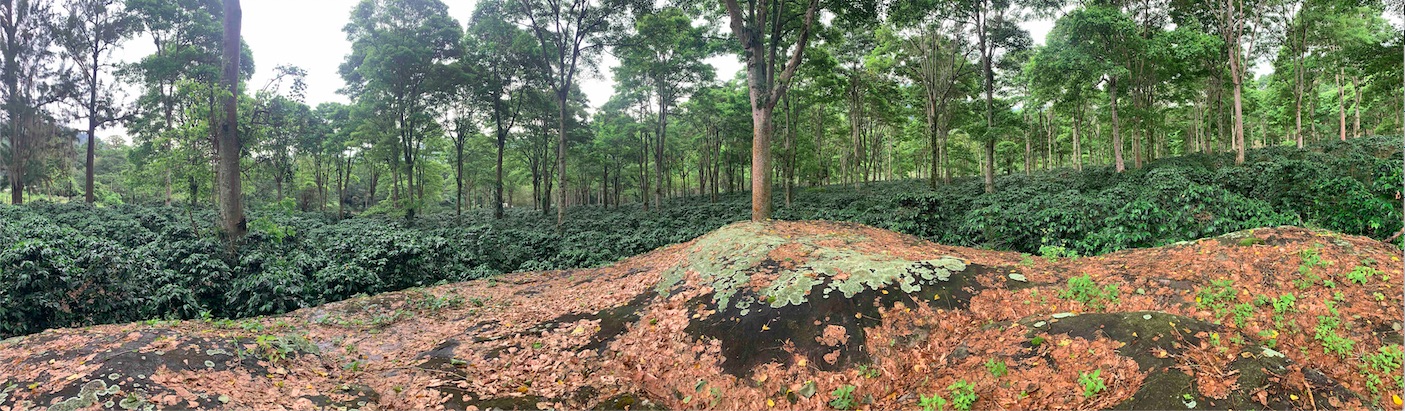
During the last six weeks or so of rainy season in Costa Rica, the word verdant is the perfect word for describing coffee plantations, especially those with long-lived canopies. The photo above, which I took while visiting a coffee farm in the Turrialba region, shows a mature canopy and coffee that is thriving under it, as are the lichens and moss on the gigantic rock in the foreground. Greenest this time of year, the coffee will have red cherries ready for picking within the next two months as the rains subside.
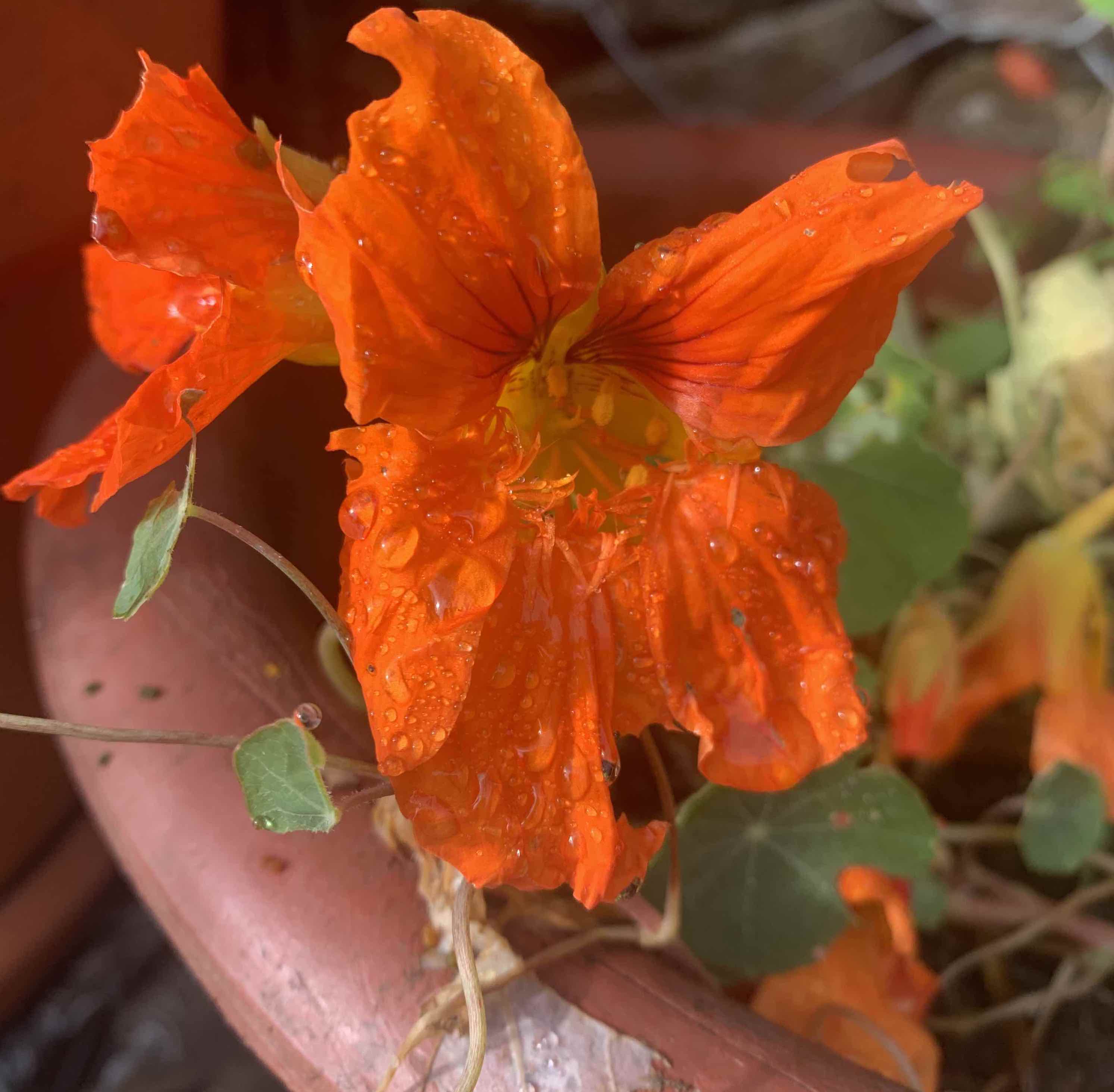
At home, potted flowers that have been providing color on a rock wall near our terrace are getting that drenched look.
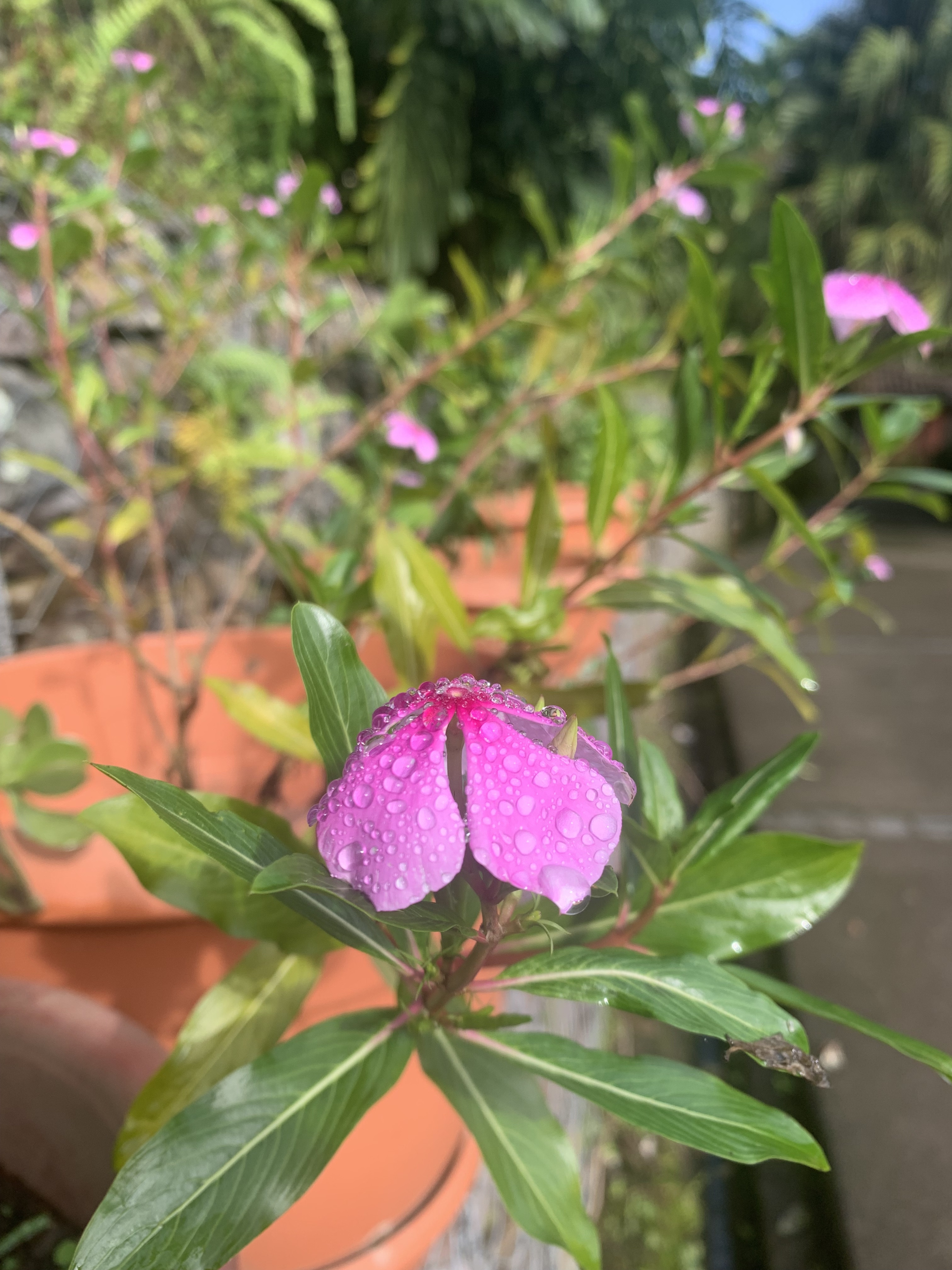
Drenched does not have the same beautiful implication of verdant, but it will have to do. I cannot find a prettier alternative to describe the look of flowers that have absorbed as much water as possible and now just let the morning mist roll off.
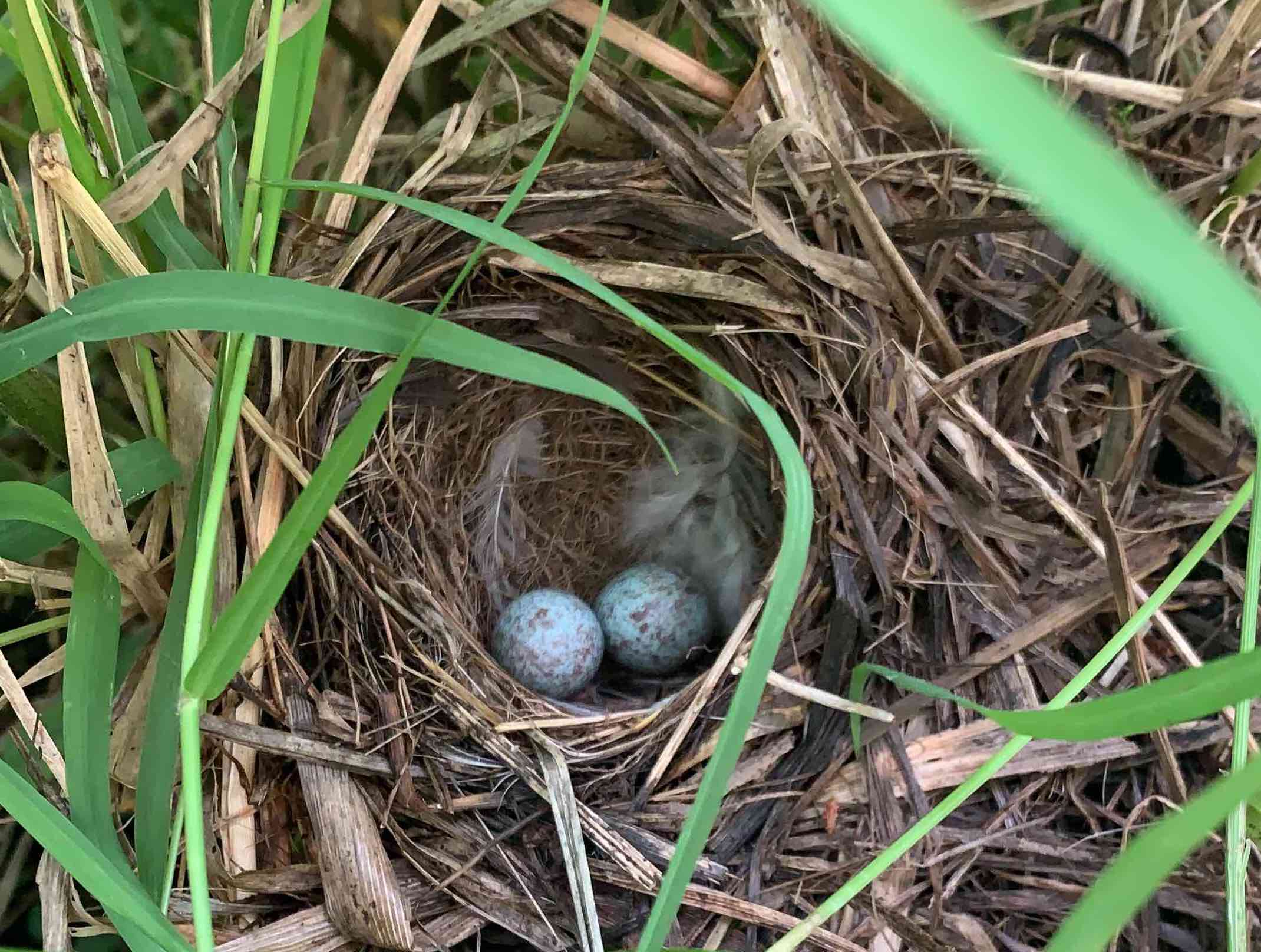
I was surprised to find this nest while tending to some overgrown grass yesterday. It was right by a post of the fence that protects the land we are replanting. The surprise was a nest at ground level. According to Seth these are most likely eggs from this bird. Good luck, eggs. Good luck, birds.

Desert National Park, Rajasthan
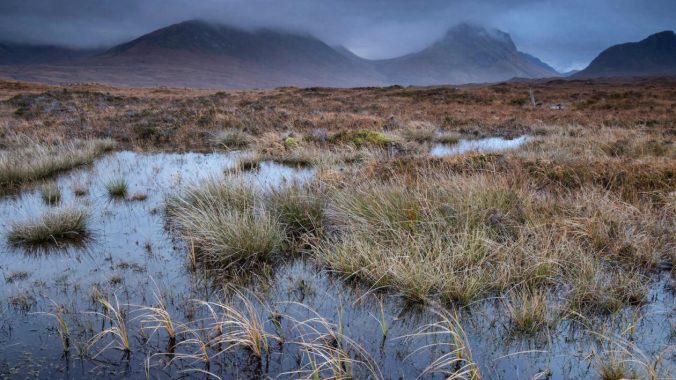
Peat bogs on the Isle of Skye, Scotland. ALAN NOVELLI / ALAMY STOCK PHOTO
Peat made two appearances in our pages in 2014, both underscoring the importance of this type of landscape for storing carbon. More such stories in 2017 and again last year made it clear how the case has been building over the years:
Why Saving World’s Peatlands Can Help Stabilize the Climate
Peatlands make up 3 percent of the earth’s landscape, yet absorb large amounts of carbon and harbor surprising biodiversity. Although peat bogs and fens are under increasing environmental threat, efforts to protect and restore these ecosystems are gathering momentum.
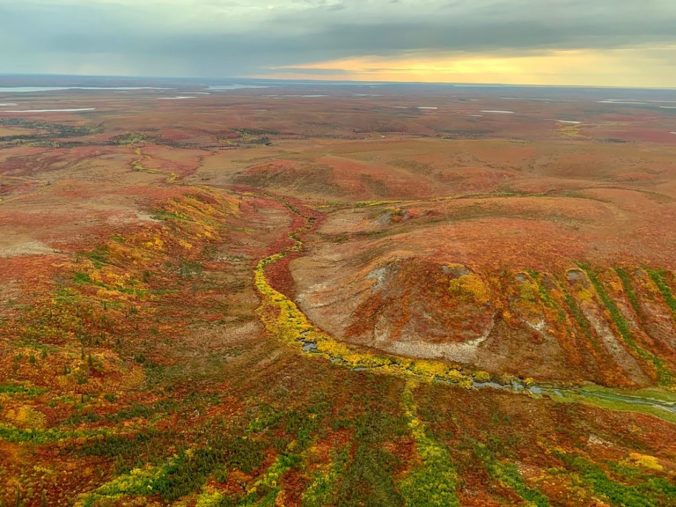
Peatlands in northern Canada’s Mackenzie Valley, seen here in autumn. ED STRUZIK
The Aweme borer is a yellowish-brown moth with an inch-and-a half wingspan. In the often-colorful world of lepidopterology — the study of moths and butterflies — it’s not particularly flashy, but it is exceedingly rare. For decades, entomologists thought the moth lived in the sand dunes and oak savannahs in southern Manitoba and the Great Lakes region. Continue reading
Andaman and Nicobar Islands
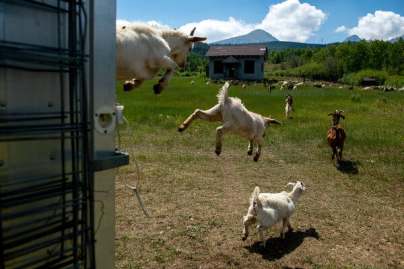 Goats made their first appearance in our pages as a matter of pure visual fun. Then there were several in a row that touched on companionship as well as culinary aspects. Finally one treated goats as workers. That was five years ago. Today Coral Murphy Marcos tells the story, with photographs by Amanda Lucier, about a family, plus one intern, at the cutting edge of fighting fire with appetite:
The Unconventional Weapon Against Future Wildfires: Goats
When megafires burn in unison and harsh droughts parch the West, local governments, utilities and companies struggle with how to prevent outbreaks, especially as each year brings record destruction.
Carrying an unconventional weapon, Ms. Malmberg travels the American West in an Arctic Fox camper, occupying a small but vital entrepreneurial niche.
Ms. Malmberg, 64, is a goat herder and a pioneer in using the animals to restore fire-ravaged lands to greener pastures and make them less prone to the spread of blazes. Continue reading
Medina, TX
 Gerald Durrell, somehow, has escaped mention in 11,281 previous posts over the last decade+ on this platform. Today is the day to begin correcting that oversight. His novelist brother Lawrence is worthy of his own post here another day. And the family name was recently popularized on television. While Gerald’s own legacy is not easy to categorize, a good starting point is to look at Durrell Wildlife Conservation Trust and his related conservation work. Books are a big part of the legacy and the one to the right has had a tangible influence:
An Ark for Vanished Wildlife
Derek Gow’s maverick efforts to breed and reintroduce rare animals to Britain’s countryside.
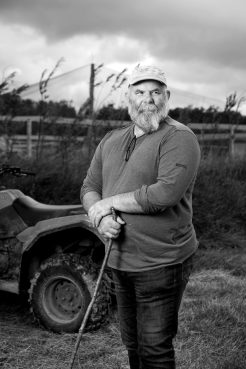
Derek Gow wants his farm to be a breeding colony, a seedbed for a denuded island. Photograph by Jonny Weeks / eyevine / Redux
Derek Gow decided to abandon conventional farming about ten years ago, not long after the curlews left. At the time, Gow, who is thickset and white of beard, had a flock of fifteen hundred breeding ewes and a hundred and twenty cows, which he kept on a three-hundred-acre farm of heavy clay close to the border between Devon and Cornwall, in southwest England. He was renting an extra field from a neighbor, and a pair of curlews had come to forage for a few days. A farm worker spotted the distinctive brown birds; they have long beaks that slope downward, like violin bows. “He didn’t even recognize what they were,” Gow told me.
Curlews are Europe’s largest wading bird. Continue reading
Zona Núcleo Sierra de las Minas, Guatemala
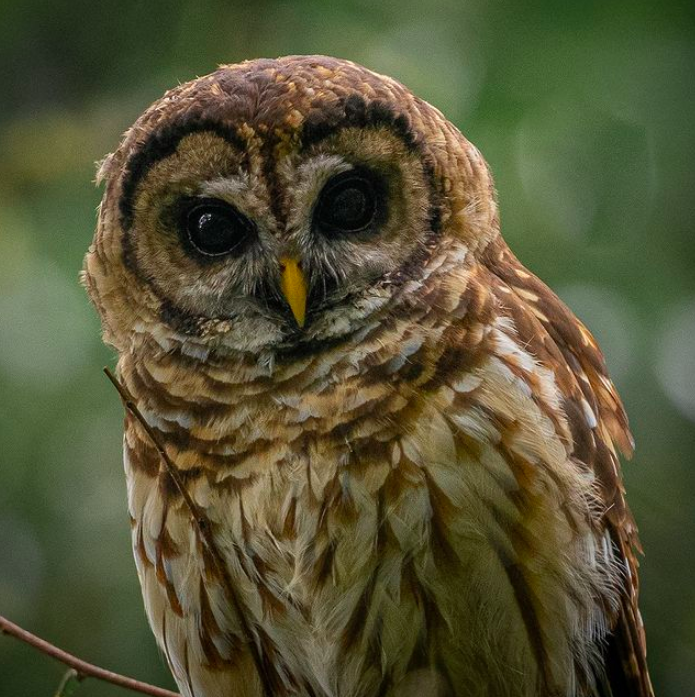
If you enjoy this few minutes of video above, click the link below to see all the variety of bird cams that the Cornell Lab of Ornithology has on tap:
2021 Barred Owl Season Highlights | Cornell Lab | Wild Birds Unlimited
184K subscribersAs winter fades each year, cam viewers anticipate the return of the Barred Owls to their springtime residence in Zionsville, Indiana. Activity at the nest box in late February signaled the owls’ preparations for the new breeding season. It wasn’t long before the female laid two pearly white eggs in the nest box in early March. Continue reading
Leimhakong, Manipur
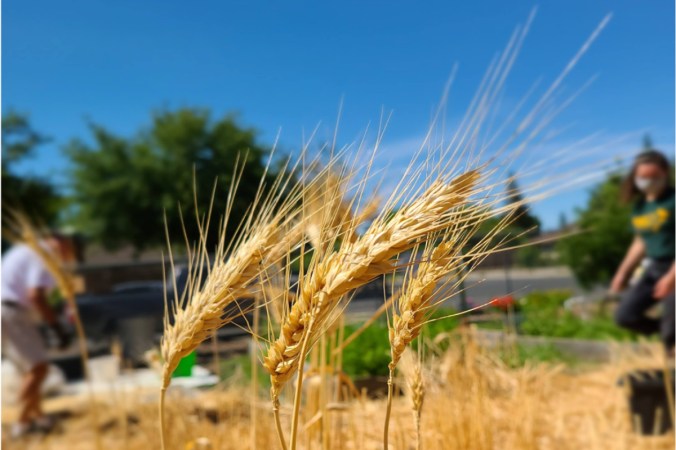
Harvesting Hard Red Spring wheat variety Summit 515 at Whitehead Elementary school in Woodland, California – the second school to grow wheat as part of the Wheat 2 Schools project. (Photo courtesy of Claudia Carter)
Thanks to Civil Eats, after a while, for bringing Nan Kohler and her mission to our attention:
The Next Chapter for Farm to School: Milling Whole Grains in the Cafeteria
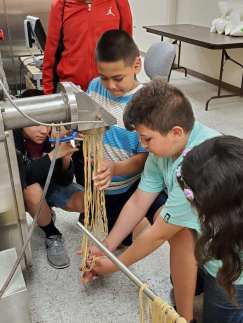
Elementary students processing whole wheat pasta with the wheat they harvested that season from their school’s wheat garden.
A new project in California aims to purchase mills for school cafeterias, marking the next step in years-long effort to bring local, whole grains to schools around the country.
Nan Kohler founded the milling company Grist & Toll in Pasadena, California in 2013 and her freshly milled flours have been a hit with bakers, chefs, and locavores ever since. But her abiding wish is to sell California-grown, freshly milled whole grain flour, which is nutritionally superior to refined flour, to the public schools in the area. Continue reading
Etosha National Park, Namibia