Williamson, TX
Williamson, TX
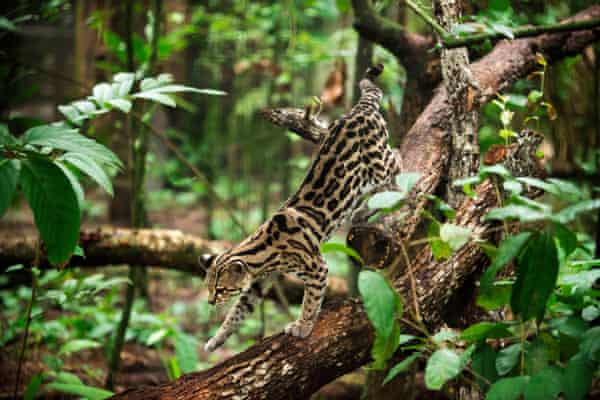
The Belize Maya Forest is home to five species of wild cat, including endangered ocelots. Photograph: Sergi Reboredo/Sipa USA/PA
The photo above, from the news story below, is similar not only to guest photos I saw but of sightings too quick to catch well on my on phone camera in 2016 and 2017. During that period, when we were under contract to oversee the management transition at Chan Chich Lodge, wilderness conservation was our primary motivation. In addition to the animal wildlife, the forest was habitat for other forms of life that have had a lasting impact on me. When we started offering ojoche in our shops in Costa Rica, I was able to check off one more item on a long to-do list that came from the time in Belize.
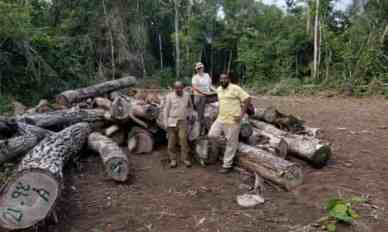
The last felled trees in Belize Maya Forest. Photograph: Handout
The idea for organizing a group of investors to accomplish this protection was more than well-formed. Names were attached to the idea already, and it was easy to imagine then that they were the right names; it just took more time than I expected for it to get accomplished. Now that it is, if anything this news understates the wow factor:
Conservation organisations purchase 950 sq km biodiversity hotspot, helping to secure a vital wildlife corridor
“These logs are historic,” says Elma Kay, standing in Belize Maya Forest, where she has been doing an inventory of felled trees. “These are the last logs that were cut here, for mahogany and other hardwoods, left behind by the previous logging company.” Continue reading
Santa Rosalía, Guatemala

According to one source, a single bitcoin transaction uses the same amount of power that the average American household consumes in a month. Photograph by Akos Stiller / Bloomberg / Getty
In my attempt to reduce my own carbon footprint, diet has been the low-hanging fruit I reached for first. But other parts of daily routine have also allowed painless reductions. I remain culpable on too many fronts, and had hoped for an explanation of the environmental issues around cryptocurrency that I could understand; Elizabeth Kolbert is the perfect person to provide it:
Why Bitcoin Is Bad for the Environment
Cryptocurrency mining uses huge amounts of power—and can be as destructive as the real thing.
Money, it’s often said, is a shared fiction. I give you a slip of paper or, more likely these days, a piece of plastic. You hand me eggs or butter or a White Chocolate Mocha Frappuccino, and we both walk away satisfied. With cryptocurrency, the arrangement is more like a shared metafiction, and the instability of the genre is, presumably, part of the thrill. Dogecoin, a cryptocurrency that was created as a spoof, has risen in value by eight thousand per cent since January, owing to a combination of GameStop-style pumping and boosterish tweets from Elon Musk. On Tuesday, which backers proclaimed DogeDay, the cryptocurrency was valued at more than fifty billion dollars, which is more than the market cap of Ford. Coinbase, a cryptocurrency exchange, went public last Wednesday; almost immediately, it became worth more than G.M. Continue reading
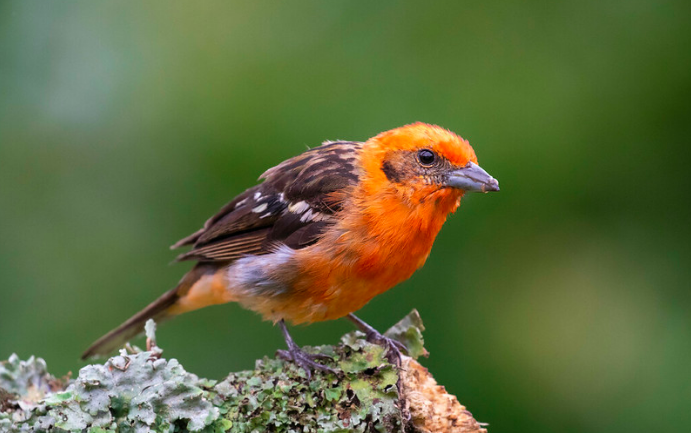
male – San Gerarda de Dota, Costa Rica
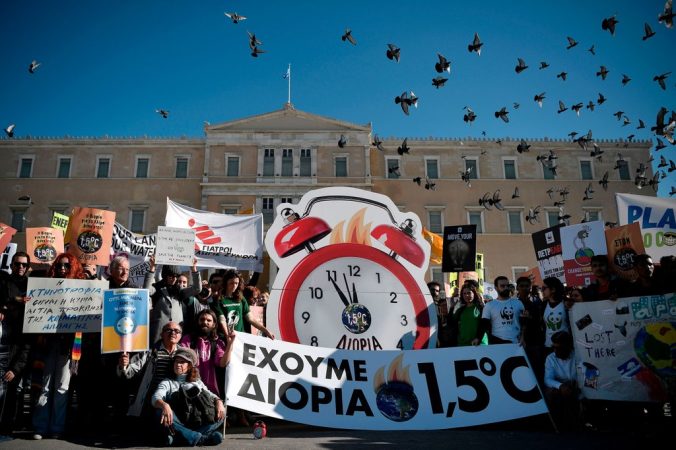
Climate activists at a rally in Athens, Greece, in late 2018, hold up banners warning that time is running out on efforts to contain the earth’s warming to a rise of 1.5 degrees Celsius. Photograph by Louisa Gouliamaki / AFP / Getty
Thanks to Bill McKibben for this Earth Day edition of his newsletter, The Climate Crisis, which we sample from regularly:
How 1.5 Degrees Became the Key to Climate Progress
The number has dramatically reorganized global thinking around the climate.
It’s Earth Day +51, as we near the end of President Biden’s first hundred days, and forty world leaders are scheduled to join him for a virtual summit on climate change. “For those of you who are excited about climate, we will have a lot more to say next week,” the White House press secretary, Jen Psaki, said last Thursday, which is a sweet way to think about it—better than “for those of you who are existentially depressed about climate.” Continue reading
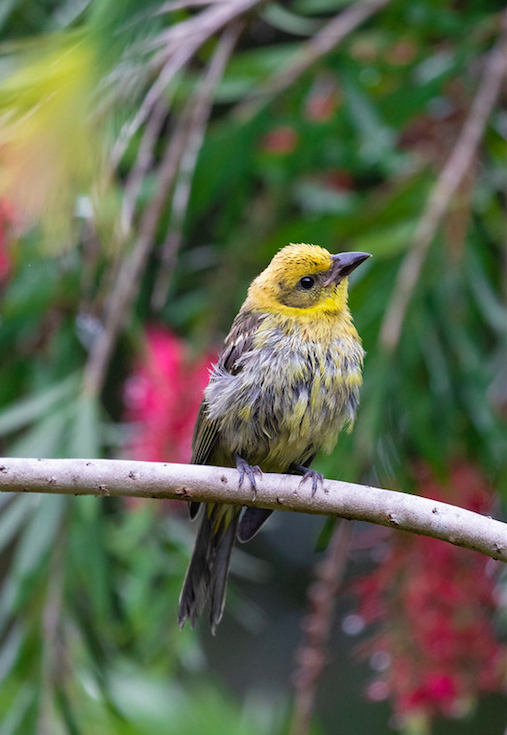
female – San Gerarda de Dota, Costa Rica
 Thanks to Matthew L. Miller for this series of book reviews in honor of Earth Day (including the book to the left, which may make you wonder who would be interested in such a topic):
I have a confession: I have never celebrated Earth Day. That may sound almost sacrilegious for a conservation writer to admit, I know. And perhaps it’s more accurate to say I don’t celebrate it in the usual way: going to a festival or concert with some “green” theme. It’s never really been my scene.
Instead, I’ll go for a walk, look for the local birds and wildflowers, hopefully write something about nature and certainly read about it. But that’s pretty much how I spend every day.
“Biodiversity” is one of those terms that gets said a lot on Earth Day. As a concept, I’m not sure it connects to many people. For me, the diversity of life on Earth is not only why I’m a conservationist, it’s one of the main motivators of my life. Continue reading
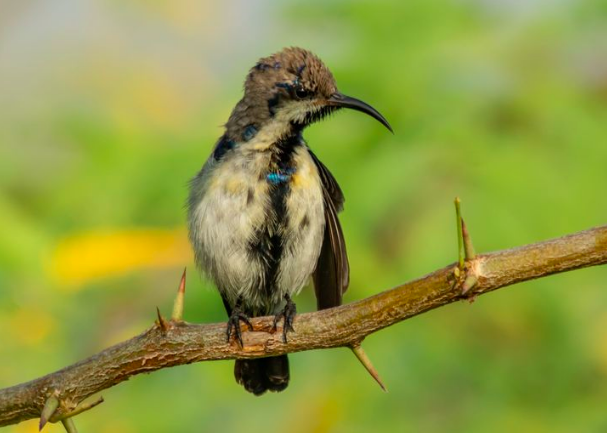
Male – Eclipse plumage, Bhutnal Lake, Vijayapura, Karnataka
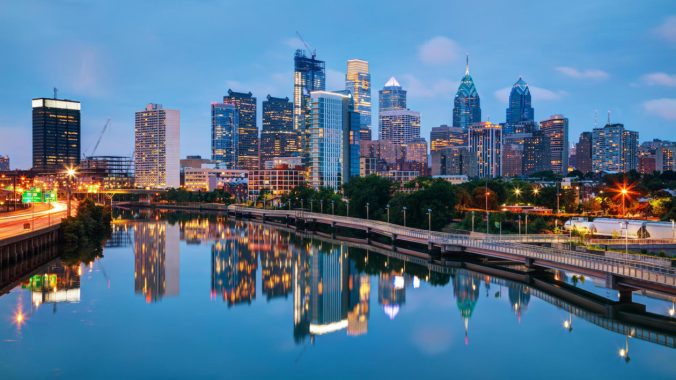
Center City Philadelphia, viewed from the Schuylkill River. ZOONAR GMBH / ALAMY STOCK PHOTO
Thanks to Jonathan Mingle and Yale e360 for this analysis:
Cities Confront Climate Challenge: How to Move from Gas to Electricity?
Ending the use of fossil fuels to heat homes and buildings is a key challenge for cities hoping to achieve net-zero emissions. Nowhere is that more evident than in Philadelphia, where technical and financial hurdles and a reluctant gas company stand in the way of decarbonization.
In 1836, Philadelphians mostly used whale oil and candles to light their homes and businesses. That year, the newly formed Philadelphia Gas Works caused a stir when it lit 46 downtown street lamps with gas made from coal in its plant on the Schuylkill River. Continue reading
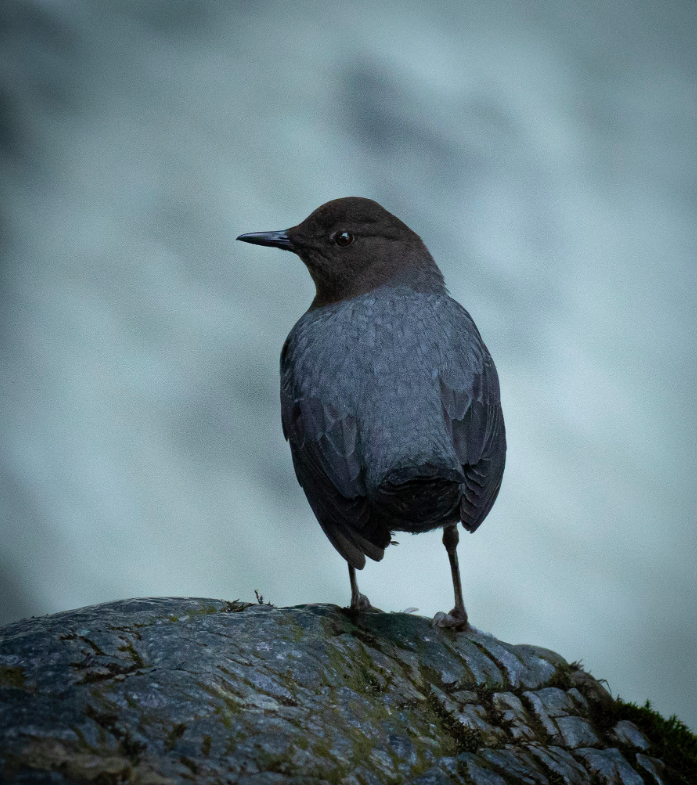
Río Raxtap, Tamahu – Alta Verapaz, Guatemala
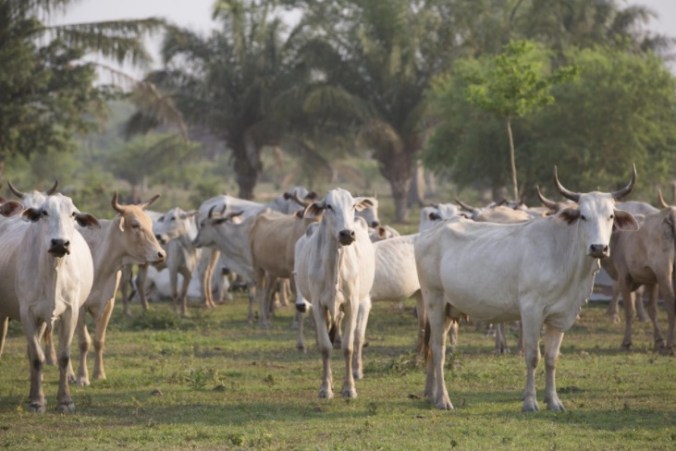
 Progress is slow on the route to vegetarianism, so we monitor what we can about the meat we continue to consume. Thanks to Mighty Earth for this scorecard:
Beef Scorecard: Global Food Brands Failing to Address Largest Driver of Deforestation
WASHINGTON, DC – The world’s top supermarket and fast-food companies are largely ignoring the environmental and human rights abuses caused by their beef products, a new scorecard by Mighty Earth finds. The scorecard evaluates the beef sourcing practices of fifteen of the world’s largest grocery and fast-food companies that have pledged to end deforestation across their supply chains. Despite beef’s role as the top driver of global deforestation, only four companies- Tesco, Marks & Spencer, Carrefour, and McDonald’s – have taken some action to stop sourcing beef from destructive suppliers. Continue reading
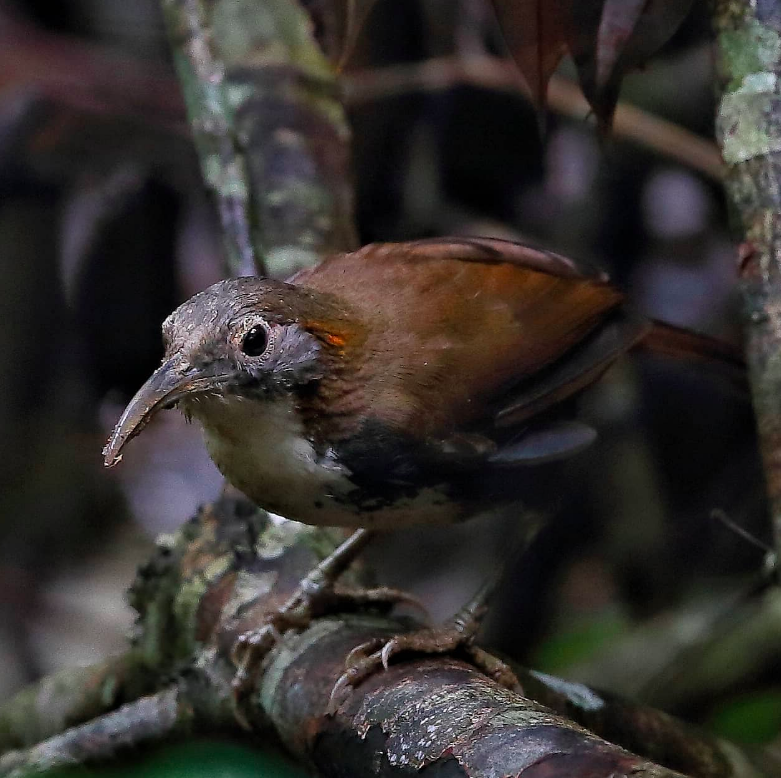
Dehing Patkai Joypur Rain Forest, Assam
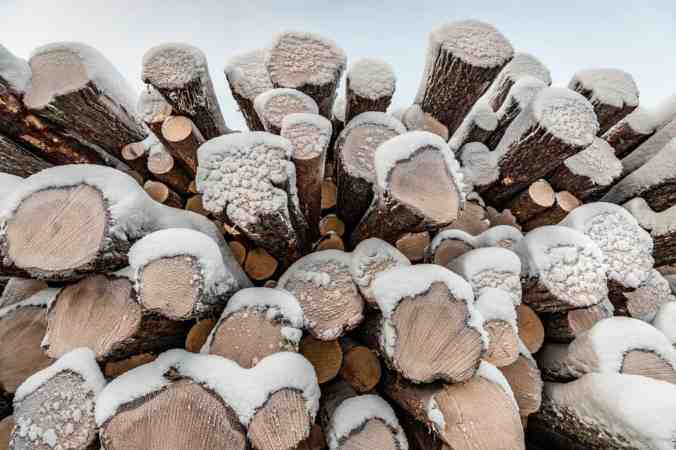
The remnants of an old-growth forest in northern Sweden. Forest biologist Sebastian Kirppu counted over 100 trees more than 150 years old in these piles. Photograph: Marcus Westberg
The Guardian features this gallery of photos with commentary, by Marcus Westberg, to raise awareness; click any image to see the entire collection:
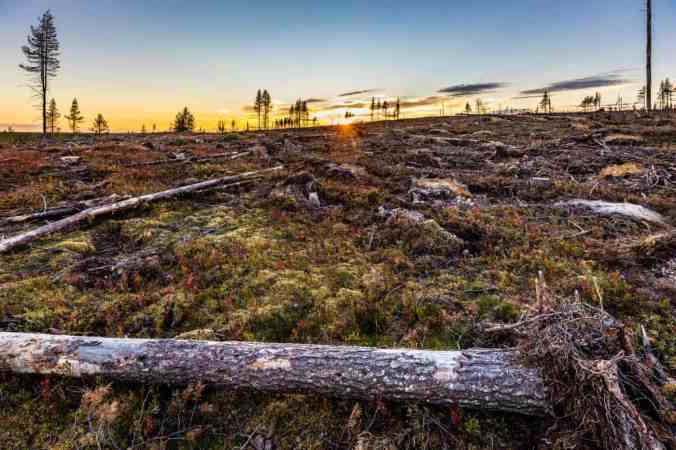
Each year, about 1% of Sweden’s forest is cut down, according to the trade association Swedish Forest Industries, mainly in the northern half of the country. Since 2000, Sweden has lost more than 48,000 sq km (19,000 sq miles) of tree cover, not accounting for replanting, or 17% since 2000, according to Global Forest Watch. It is an area greater than Denmark
‘Forests are not renewable’: the felling of Sweden’s ancient trees
Forests cover 70% of the country, but many argue the Swedish model of replacing old-growth forests with monoculture plantations is bad for biodiversity.
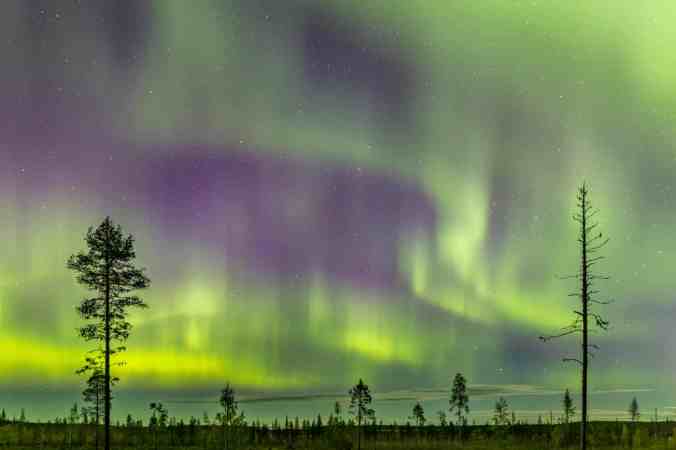
The remains of an old-growth forest are silhouetted against the aurora borealis in Pajala municipality, in Sweden’s northernmost county of Norrbotten

Costa Rica
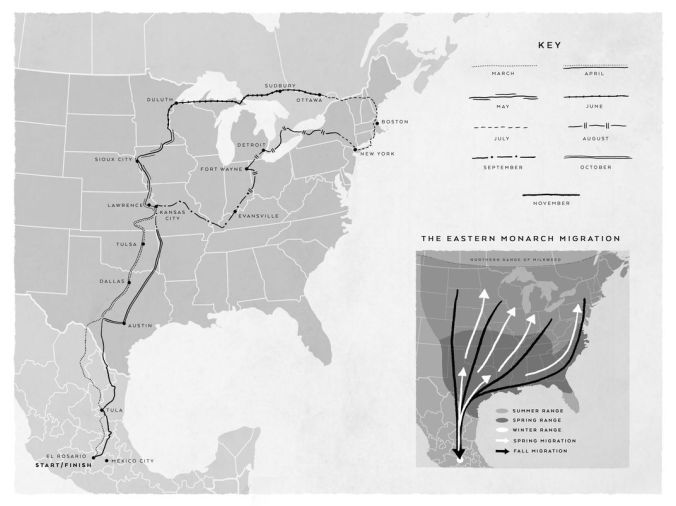
Sara Dykman biked from the monarchs’ overwintering grounds in Mexico to Canada and back, covering a total distance of 10,201 miles in 264 days. (Timber Press)
We have featured the plight of monarch butterflies plenty of times on this platform. And bicycle travelogues feature, together with bicycle activism, even more frequently. Today, at the intersection of butterflies and bicycles, we thank Sara Dykman for writing and Smithsonian for publishing this travel-with-a-cause story:
BIKING 10,000 MILES WITH MONARCHS
I set off to be the first person to cycle alongside the butterflies to raise awareness of their alarming decline
Dykman works in amphibian research and as an outdoor educator. (Tom Weistar)
The idea to bike from Mexico to Canada and back with the migrating monarch butterflies arose from a simple wish to visit them. In 2013, crossing Mexico by bike for the first time, a friend and I entertained the idea of visiting the monarchs at their overwintering sites. Because it was April and the monarchs had already begun migrating north, we decided to forego the side trip.
I spent the next few years idly daydreaming about returning. Continue reading

San Gerarda de Dota, Costa Rica

Fossil fuel divestment is easier said than done. Some in the creative sector have fostered skepticism about climate change. A message from some creative folks that we are inclined to believe:
OUR PLEDGE:
—Clean Creatives is bringing together leading agencies, their employees, and clients to address the ad and PR industry’s work with fossil fuels. Continuing to work for fossil fuel companies poses risks to brands that prioritize sustainability, and their agencies. Continue reading
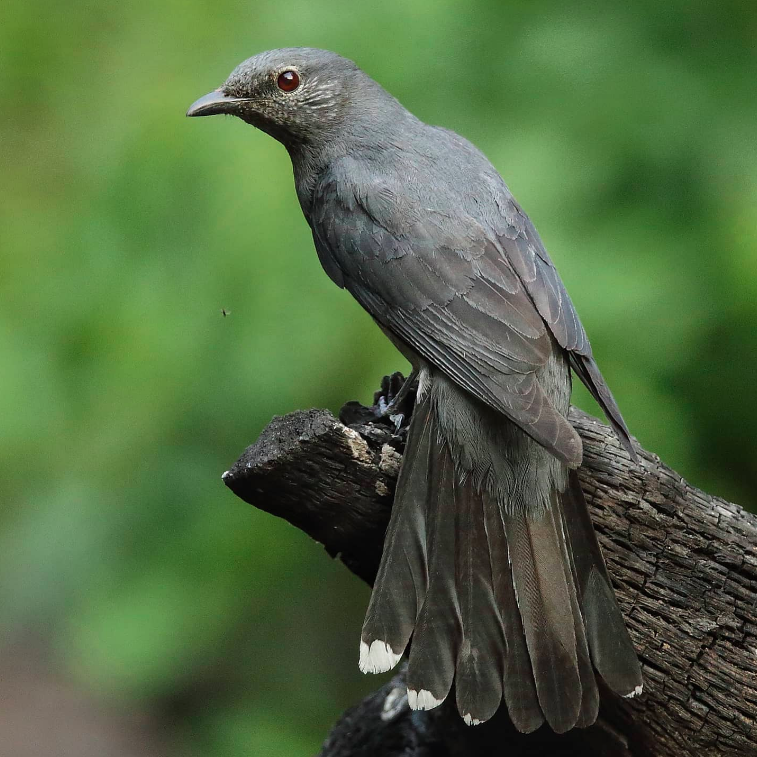
Pangot, Uttarakhand
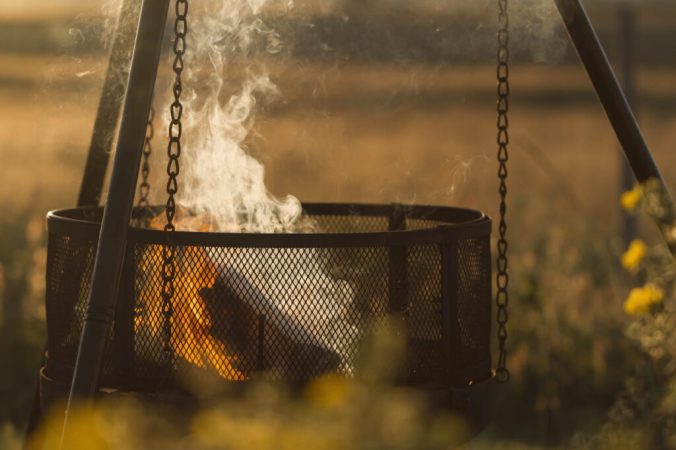
Much thanks to Gastropod for reminding us of culinary considerations:

Where There’s Smoke, There’s … Whiskey, Fish, and Barbecue!
As anyone who’s spent time by a crackling campfire or a barbecue pit can attest, the scent of smoke is unmistakable—and surprisingly mysterious. Smoke clings to clothing but vanishes in the breeze. Continue reading
 Organikos