Murphy Candler Park, GA
Bird of the Day: Great Blue Heron
Murphy Candler Park, GA
Murphy Candler Park, GA

Do you plan to fly less when coronavirus travel restrictions ease? Photograph: Alamy
Our business, entrepreneurial conservation, has been fully dependent on air travel for more than two decades, and we have had plenty of indicators before now that something must change. We want to know what others think about this. The Guardian is performing an important service for all of us, so please consider participating:
A new normal: will you stop flying?
We would like to hear from Guardian readers for a video series about what’s next for travel and the environment
In our video series A new normal, we ask Guardian readers what they want a future shaped by Covid-19 to look like. Our next episode will look at air travel and its environmental impact.
Has the pandemic affected your thoughts about the way you will travel for leisure and work in the future? Would you consider giving up flying to offset your carbon footprint? Or do you miss overseas holidays, need to travel internationally for work or have you already booked a flight abroad? Continue reading
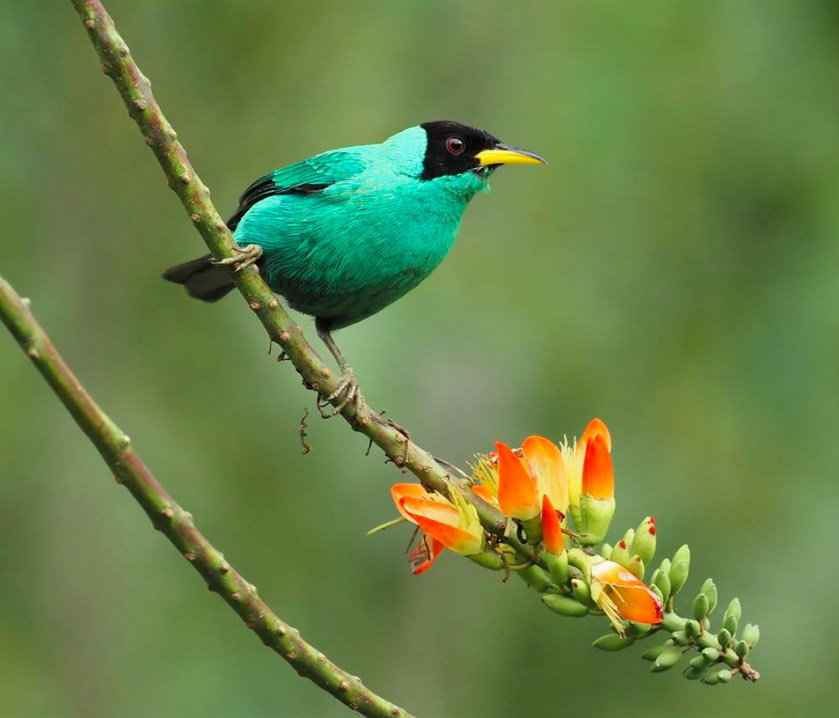
Reserva Buenaventura, Ecuador
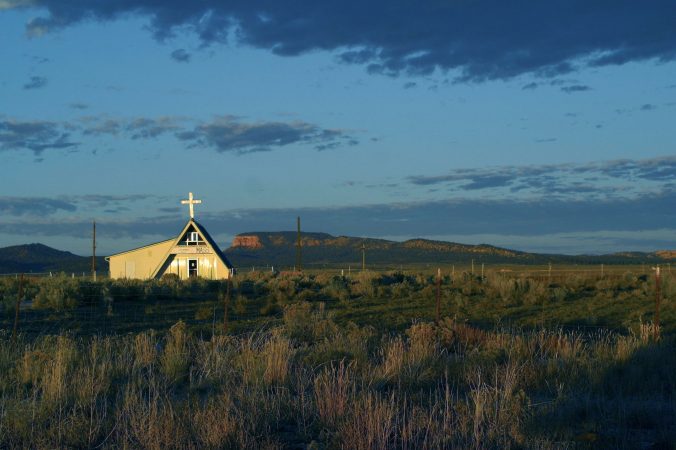
The point of church is not just comfort or familiarity: it is, or should be, coming to grips with the gospel demand that we love our neighbors in effective ways.Photograph by Peter Schickert / Visum / Redux
Articles on religious topics are not the norm on our platform, but in this case we make an important exception:
Back to Church—But Not, Let’s Hope, Back to Normal
I went to church for the first time in many months on Sunday; in fact, it was the first even mildly routine public thing I’ve done since March. The service was outdoors, of course, in a small open-sided tabernacle built here in the Adirondacks, along the banks of the upper Hudson, in 1908, to serve a Methodist campground where congregations began meeting in 1871. Continue reading
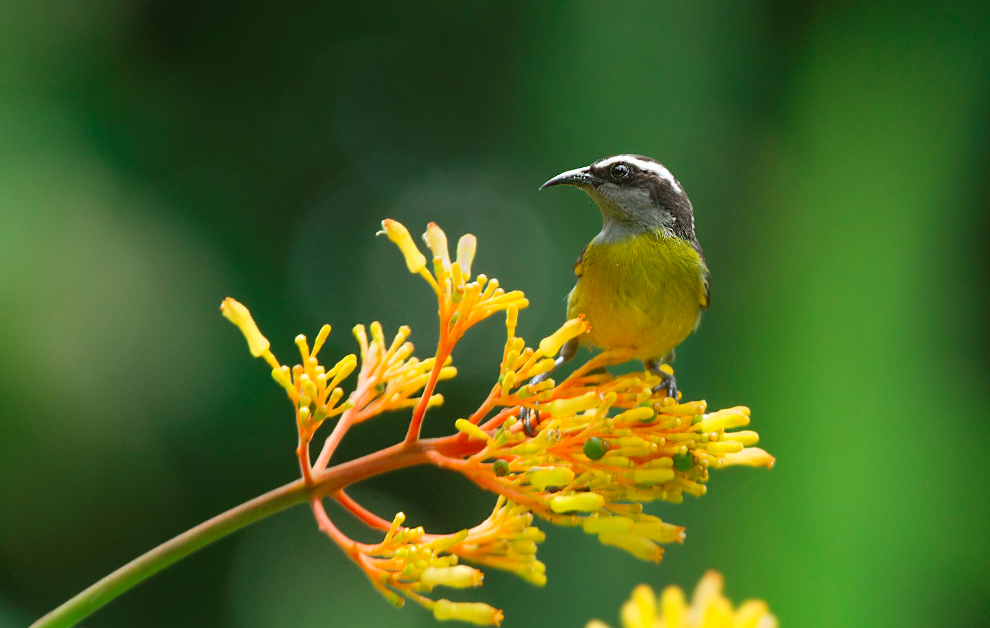
Isla Bastimentos, Panama
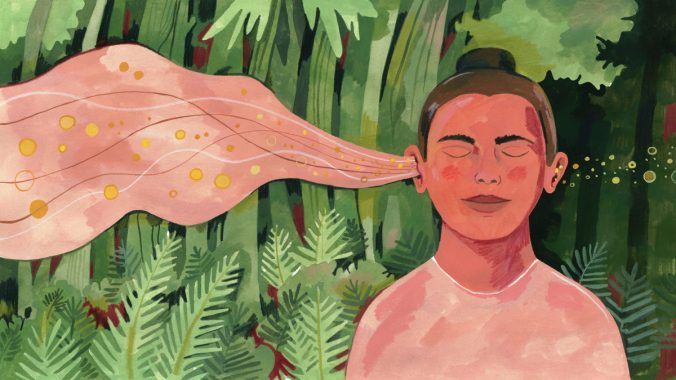
Point well taken. We came to believe in the importance of efforts to reduce noise pollution while living in southern India, a noisy place indeed. Thanks to Dr. Morber for adding the soundscape to this story:

Listening to Silence: Why We Must Protect the World’s Quiet Places
As more people push into once-remote areas, truly quiet spots — devoid of the noise of traffic or crowds of tourists — have become increasingly scarce. Now, a coalition of activists, scientists, and park officials are trying to preserve the last quiet places on the planet.
It is a frosty March morning in the Hoh Rainforest, deep within Olympic National Park in Washington state. The forest is full of Jurassic ferns, hanging moss, and towering spruce and cedars, but what I hope to find is an absence. I seek a spot known as the “One Square Inch of Silence” — one of the quietest places in the contiguous United States, free from chattering people, humming power lines, and the whoosh of cars. Continue reading
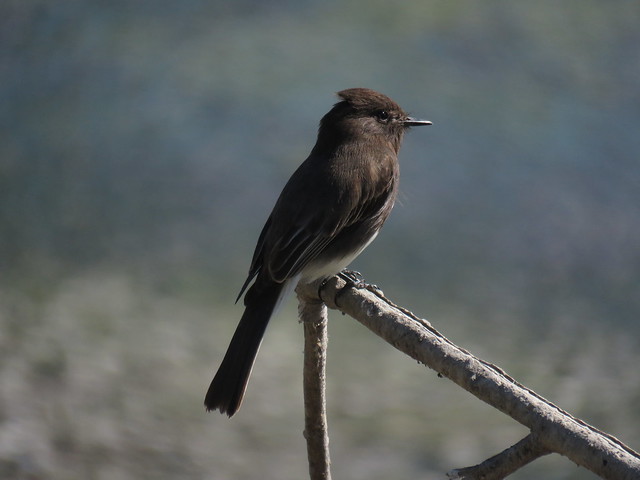
La Paz, Baja California Sur, Mexico

Thanks as always to Bill McKibben, in particular this time for disguising a podcast recommendation (click the image above to go to the website of the podcast) as a recommendation for regulating Facebook:
What Facebook and the Oil Industry Have in Common
Why is it so hard to get Facebook to do anything about the hate and deception that fill its pages, even when it’s clear that they are helping to destroy democracy? And why, of all things, did the company recently decide to exempt a climate-denial post from its fact-checking process? The answer is clear: Facebook’s core business is to get as many people as possible to spend as many hours as possible on its site, so that it can sell those people’s attention to advertisers. (A Facebook spokesperson said the company’s policy stipulates that “clear opinion content is not subject to fact-checking on Facebook.”) This notion of core business explains a lot—including why it’s so hard to make rapid gains in the fight against climate change. Continue reading

Boca Tapada de San Carlos, Costa Rica
 Bureo is news to us, and we like good news. We are always on the lookout for fellow travelers, and while Tin Shed Ventures is by no means new it is news to us. And newsworthy based on the partners they have chosen:
Tin Shed Ventures is Patagonia’s corporate venture capital fund, which invests in start-ups that offer solutions to the environmental crisis. Originally launched as $20 Million and Change in May 2013, Tin Shed Ventures partners with businesses focused on building renewable energy infrastructure, practicing regenerative organic agriculture, conserving water, diverting waste and creating sustainable materials. Continue reading
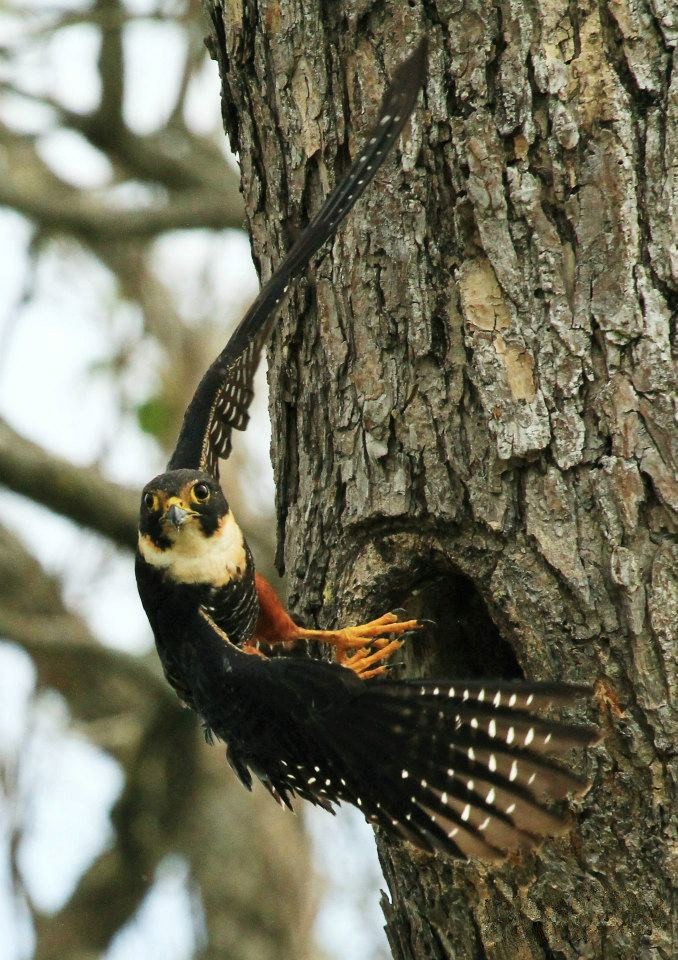

Education Images/Universal Images Group/Getty Images
Thanks to the folks at Short Wave for this brief tutorial on backyard birding, featuring a scientist from the Cornell Lab of Ornithology. For those fortunate enough to be able to use some of their time in recent months for this purpose, the tutorial may resonate. A total novice like me finds it useful so I recommend it to others.
 I especially appreciated the advice of paying attention to the coffee that you purchase, because it can have significant impact on migratory birds. The new series of Organikos labels are almost ready for print-testing. One of the final decisions made in the last month was to let the label on the bag focus on the coffee and keep the bird-habitat mission messaging on the website and in places like this. A key part of that message is that the particular coffee offered matters most. We believe that if we start with the highest quality green beans, apply the perfect level of heat, and deliver them at the fairest price we will get what we need to plant more trees. So, the Tarrazu single estate is the second label I will share here. Along with the Hacienda la Amistad single estate organic, this is some of the most spectacular coffee grown in Costa Rica. And for every bag sold, the difference between what we pay to get this to you, and what you pay to Organikos, goes to bird habitat regeneration.
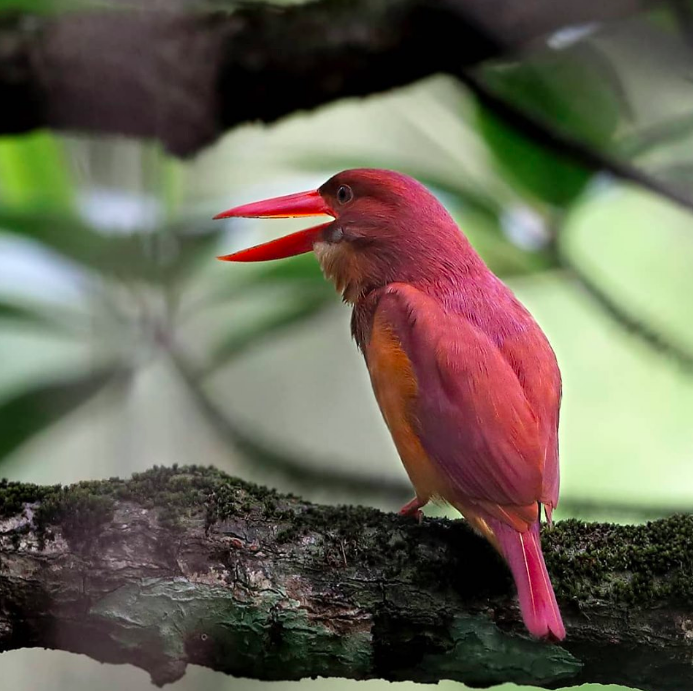
Shoal Bay, Andaman and Nicobar Islands
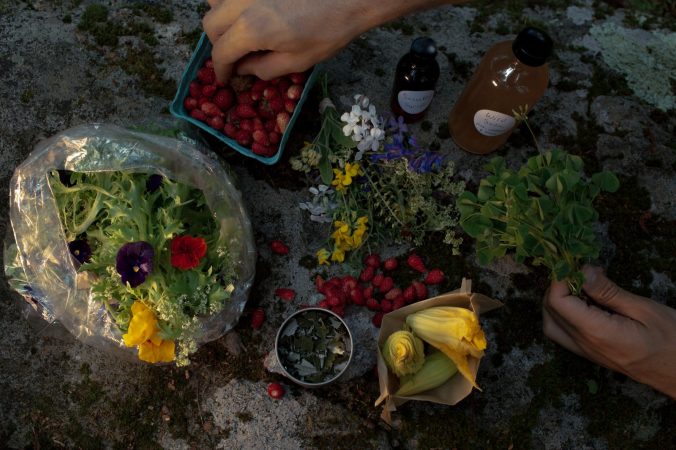
A Wild Box from Allora, available for delivery in Manhattan, Brooklyn, Queens, and the Bronx, might include, clockwise from top: squash blossoms grown on the farm; a bouquet of common vetch (also known as wild peas), linden flowers, dame’s rocket, and bedstraw; a hunk of a chicken-of-the-woods mushroom.Photograph by Courtney Sofiah Yates for The New Yorker
We’ve long been fans of foraged foods on this site, whether that be the seasonal delights of wild mushrooms, or the community gleaning of urban trees and gardens. These Wild Boxes are definitely an inspiration to get outside with an expert, and find a meal.
Foraged Foods Shorten the Supply Chain
Chicken-of-the-woods mushrooms that fry up like their namesake, snappy sea beans that need no extra salt, sassafras syrup, and other edible offerings from the wilds outside the city limits.
“Alot of the talk about quarantine cooking, in the beginning, was, like, ‘Here’s twenty ways to use a can of tuna,’ ” James O’Donnell recounted the other day. “It was very much survivalist.” O’Donnell and his partner, Amanda Kingsley, own Allora Farm & Flowers, in Pine Plains, New York, where they grow what they need for their floral-design studio, plus vegetables. It struck him that “a lot of people at home could probably use feeling connected to the natural world right now, a little bit of excitement and wonder.” Before the pandemic, a substantial part of O’Donnell and Kingsley’s business was supplying restaurants with ingredients that they foraged sustainably from the acres that they lease, as well as from friends’ properties and from public lands in the Hudson Valley and on Long Island. With the restaurant market shrinking, they decided to experiment with a direct-to-consumer weekly-ish Wild Box, available for delivery in the Bronx, Manhattan, Brooklyn, and Queens.
To forage safely requires a good amount of training. Perfectly edible plants can look nearly identical to perfectly poisonous ones. In some cases, a berry that grows on a tree may be as palatable as its flower is lethal. Still, eating my way through a Wild Box gave me hope for my chances of surviving should even the canned tuna run out. Learn the rules—many inherited from indigenous peoples—and unlock access to treasures hiding in plain sight in thickets, on riverbanks, and by the shore. A hefty wedge of chicken-of-the-woods mushroom pried from a tree trunk performed exactly as its name would suggest, its edges pan-frying to a crisp golden brown that rivalled a buttermilk crust, its creamy interior shredding almost like meat.
A vial of sassafras syrup, made by steeping bark and small roots removed responsibly from a sassafras tree, was transformed into an aromatically fizzy glass of root beer when mixed with soda water. The detailed ingredient key that came in the box suggested treating tender, sweet, snappy sea beans—a succulent, also known as samphire, that grows on beaches and in coastal marshes—like salad greens, but to leave the salt out of your vinaigrette until you had tasted the dressed beans. Sure enough, they were so infused with a natural brine that they didn’t need a single grain. Continue reading
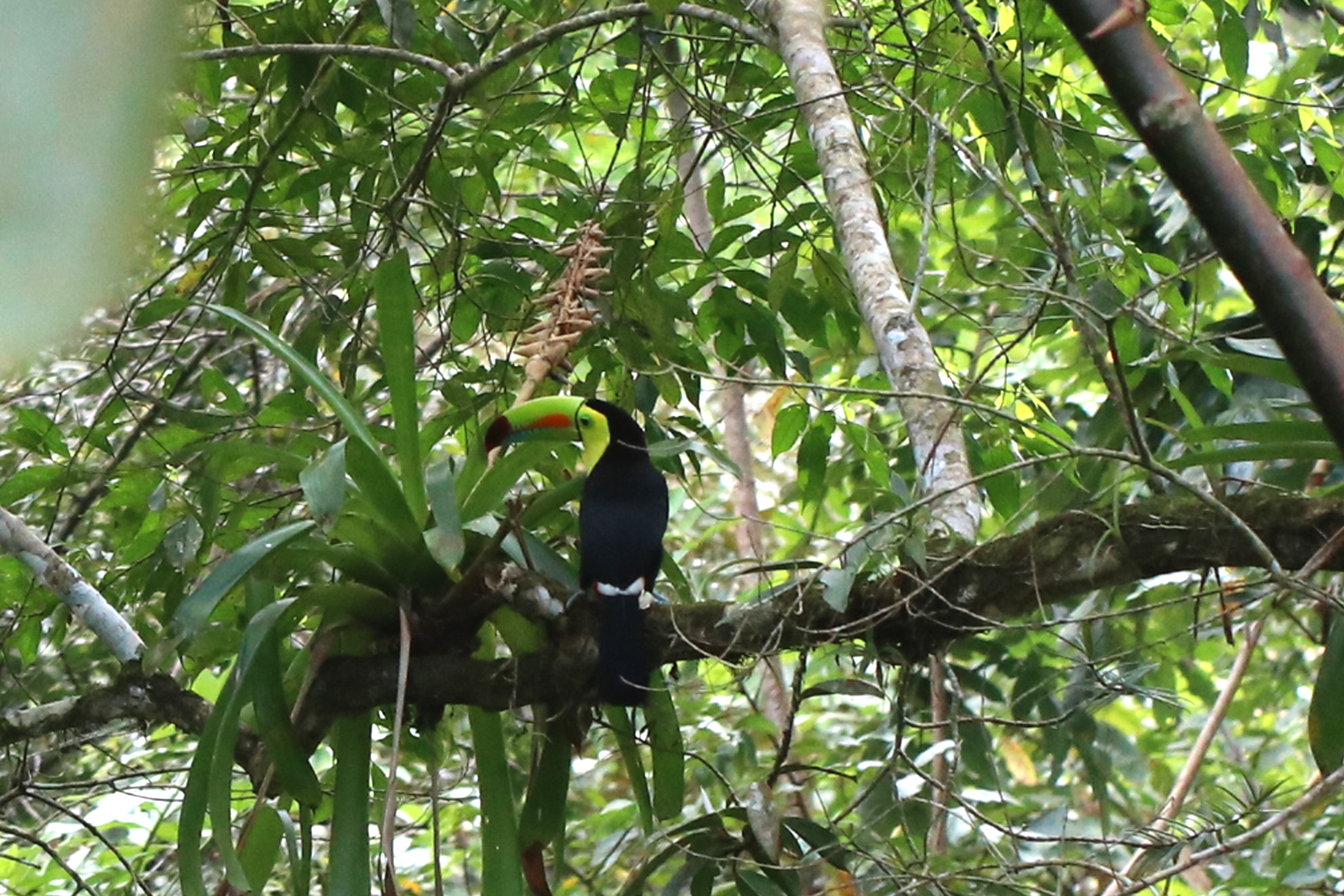
Photo Credit: Stephen Crafts
La Fortuna, Costa Rica
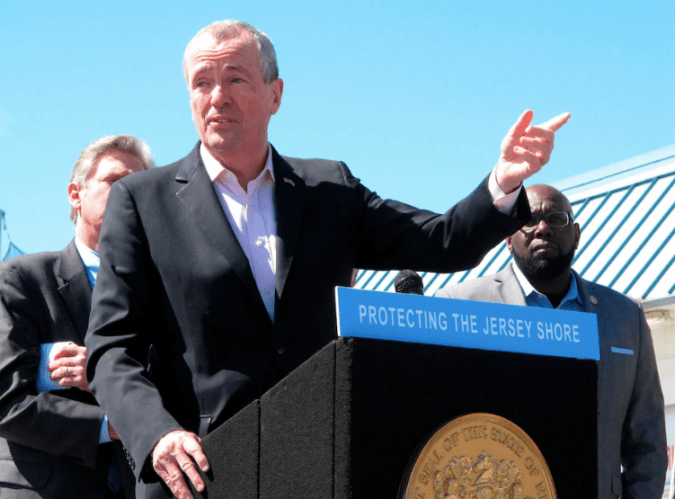
New Jersey Gov. Phil Murphy (D) speaks at a news conference on the boardwalk in Point Pleasant Beach, N.J., in 2018 before signing a bill banning offshore oil and gas drilling. (Wayne Parry/AP)
Alternative energy sources are the requirement for the future. We can only hope that positive leadership actions such as this aren’t vetoed by an administration that would like to keep progressive plans as a thing of the past.
New Jersey aims to lead nation in offshore wind. So it’s building the biggest turbine port in the country.
Gov. Phil Murphy (D) said his state will build the country’s first port dedicated to assembling the turbines that will go up not just in New Jersey but across the Eastern Seaboard.
For New Jersey, it is about more than just tackling climate change. Just as Texas is the de facto capital of the U.S. oil and gas industry, New Jersey wants to be an economic engine for offshore wind.
“We have a huge opportunity,” said Tim Sullivan, chief executive of the New Jersey Economic Development Authority. “Somebody’s going to get to be the Houston of American offshore wind.”
To make sure New Jersey plays that role, the state government is planning to turn 30 acres along the Eastern Shore of the Delaware River 20 miles south of Wilmington, Del., into a staging area for assembling the massive turbines. Taller than 800 feet, the turbines will tower higher than the Washington Monument.
State leaders are also hoping to coax factories to the rural area, too, and have set aside 25 acres for potential turbine part manufacturers. They aim to start construction next year and launch operations by 2024. Another 160 acres will be available for future development.
“We’ll be able to be the focal point for the industry in this part of the country,” Murphy said in an interview.
The port is part of the state’s broader plan to get all of its electricity from clean energy by the middle of the century. New Jersey, already one of the nation’s fastest-warming places, wants to generate 7,500 megawatts from offshore wind by 2035 — enough to power half of New Jersey’s homes.
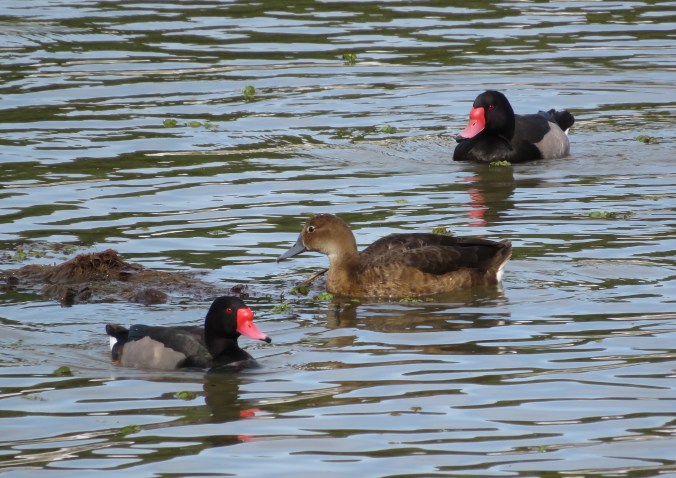
Buenos Aires, Argentina
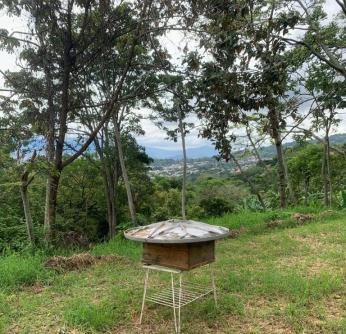 Our bee obsession on this platform has many explanations, but my personal motivation for following the science of bees goes back to a summer in the late 1970s when I worked for a beekeeper. I cleared brush and vines from the forest edge to make way for more bee-friendly plantings. I worked within sight of a dozen active bee colonies in boxes where I could see buzzing swarms constantly. I learned to be calm around them from the man who tended them. He used a poncho, a mask, and a smoker when opening the boxes to remove honey, but other times walked among them with no protective gear. To my surprise the resins from Toxicodendron radicans–poison ivy, poison oak and poison sumac–did more harm to me than the bees I worked around. In fact, I was never stung by those bees. Not once.
Which explains why when we finally had the chance to start our own bee colony I was all in. Above is a bee box, with found objects inside, above and below it. The bees inside had nested at the top of our house so we had a beekeeper extract them. He gave them this new home in a location where we have been clearing brush to make way for coffee planting. The old table had been in the chicken coop and the mysterious disk was on the roadside headed for recycling. One month later now, very happy bees.
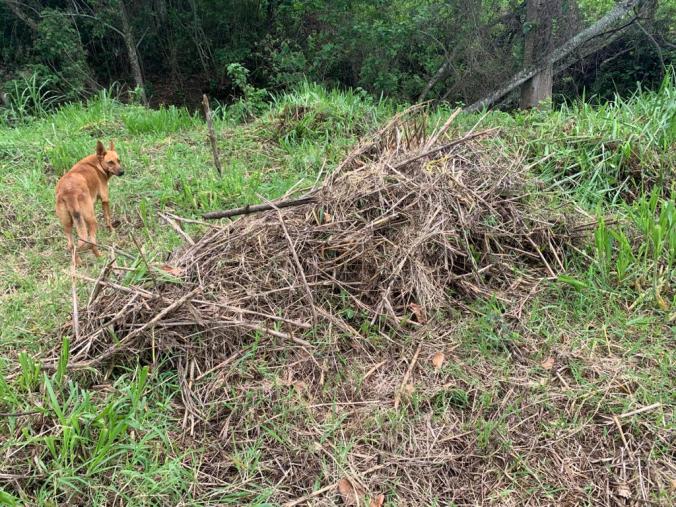
Above is a small sampling of the vines and brush I have been clearing from the land near that hive. History may not repeat, but sometimes it rhymes. As it happens, on my arm I have some of the same toxins from vines like those 40 years ago. The clearing work started in March and is nearing completion to make way for several hundred shade trees and several thousand coffee plants.
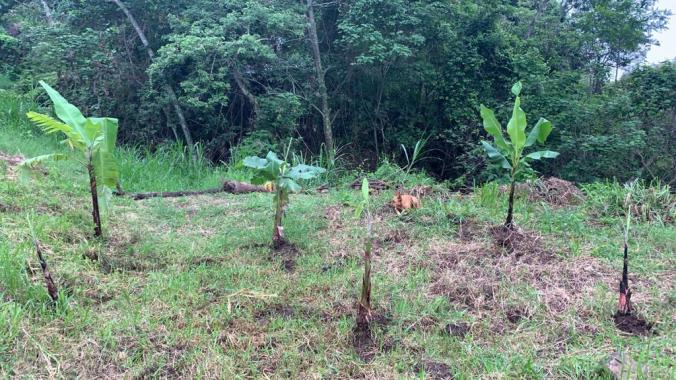
One section of this clearing has already received twenty banana plants, based on the practice of our friends at Hacienda la Amistad. These make excellent companions to the coffee and are pollinated by bats, so provide another kind of ecological service too complex to discuss in a post primarily about bee surprises.
So, with all that in mind I was very happy to come across the story below by Cara Giaimo. Her work first appeared in our pages last October, then again a few months ago–both times related to birds. Somehow I missed this short article on bees from earlier this year, and I thank her for it now for making me laugh when there is not enough other news to laugh about:
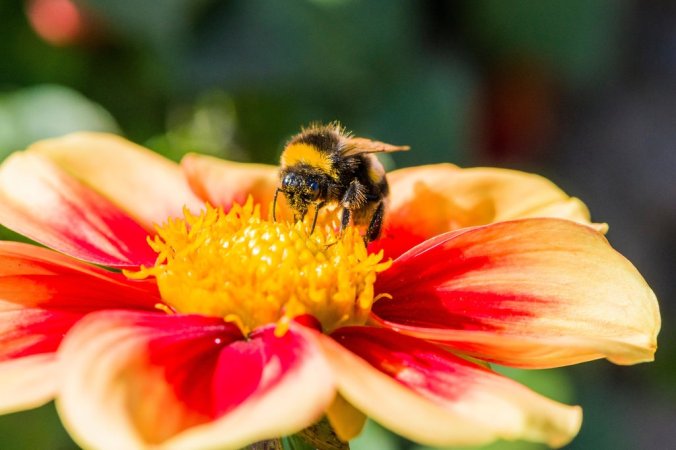
Frank Bienewald/imageBROKER, via Alamy
Bumblebee Vomit: Scientists Are No Longer Ignoring It
Regurgitation is an important consideration when it comes to the process of pollination.
The bumblebee is a discerning nectar shopper. When choosing which flowers to gather the sticky substance from, it might consider a plant’s distance, the shape of the petals and how sugar-rich the nectar is. Continue reading
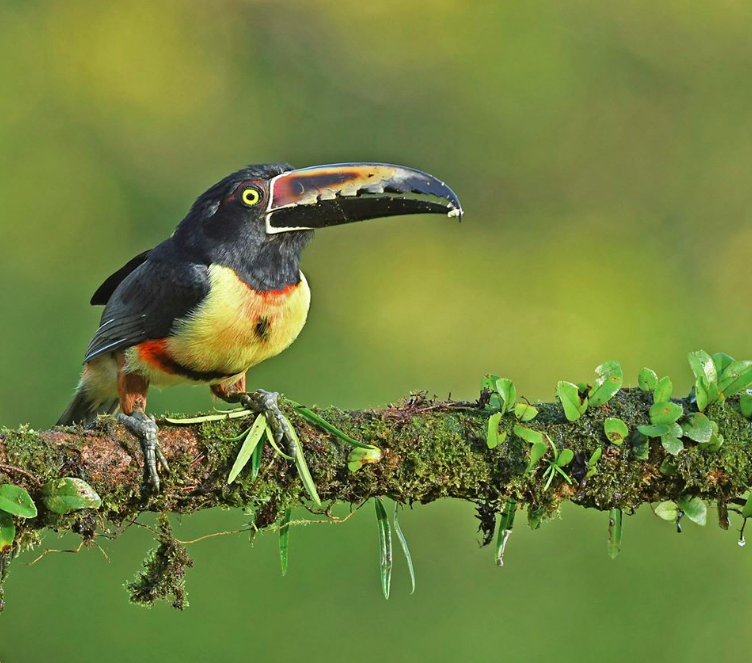
Boca Tapada de San Carlos, Costa Rica
In the summer of 2005 I worked in Yakutia (officially known as the Republic of Sakha). My strongest memory is a week on a boat going from Yakutsk up into the Arctic circle. I can still feel the intensity of the August sun through my sunglasses at midnight, while freezing air pierced my fleece. My project assistant, who was also my translator, helped me understand from the boat’s captain and two crew members that our passage on the Yana River toward the Laptev Sea was getting easier and easier each year. They had all been Soviet naval crew on this river long ago and could remember plenty of Augusts when the northern stretch of this passage was not possible.
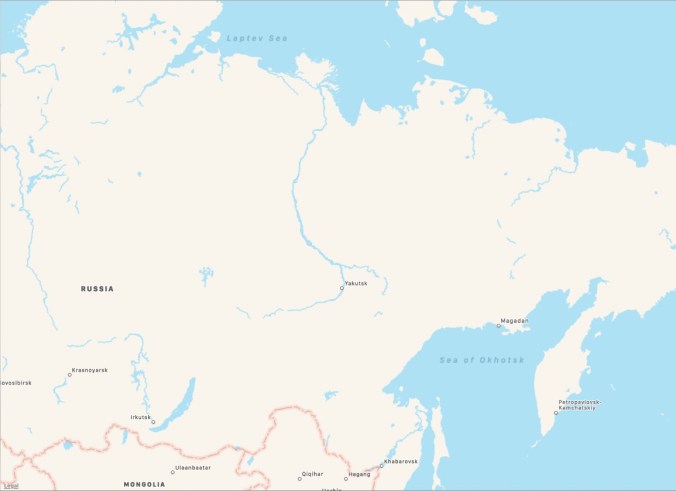
I was aware of climate change as a distant calamity that required urgent action, but did not have a clue what it might eventually mean for this location. The funding for our tourism development strategy came from a natural attraction discovered in the permafrost. Our assumptions about attracting nature tourism to this region were clearly rooted in the permafrost. For the following decade, projects we worked on in the region continued with these assumptions, which seems ignorant now.
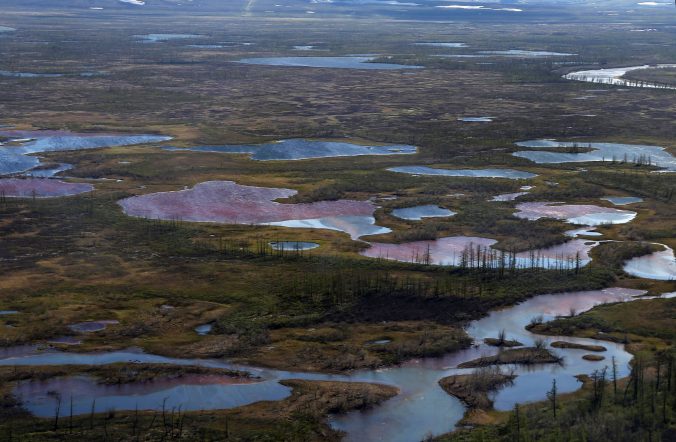
In Siberia in late May, thawing permafrost caused an oil-storage tank to collapse, leading to the largest oil spill ever to occur in the Russian Arctic. Photograph by Irina Yarinskaya / AFP / Getty
We have linked out to some of Carolyn Kormann’s various smile-inducing environmental stories, as well as more serious ones. A Disastrous Summer in the Arctic goes darker than her previous darkest, but is a must-read for keeping current on the impacts of climate change in faraway places.
The remote Siberian town of Verkhoyansk, three thousand miles east of Moscow and six miles north of the Arctic Circle, has long held the record, with another Siberian town, for the coldest inhabited place in the world. The record was set in 1892, when the temperature dropped to ninety below zero Fahrenheit, although these days winter temperatures are noticeably milder, hovering around fifty below. Last Saturday, Verkhoyansk claimed a new record: the hottest temperature ever recorded in the Arctic, with an observation of 100.4 degrees Fahrenheit—the same temperature was recorded that day in Las Vegas. Miami has only hit a hundred degrees once since 1896. Continue reading
 Organikos