Really, France?

This post was going to link out to one of our favorite sources, celebrating fossil fuel tough times. But at the very end of his post, almost as a throw away, there was this reference to the ad above. It led somewhere more fun–and got us thinking Really?–and a chance to instead shout out again about ebikes and VanMoof:

This e-bike ad has been banned in France – let’s talk about why

by Iain Treloar

E-bikes are the future. That’s what the bike industry thinks, that’s what a bunch of new cyclists think, and that’s what sustainable transportation advocates think.

But not everyone thinks that way, as a spat between e-bike brand VanMoof and the French advertising regulatory body has proven.

At the centre of this stoush is a slick TV commercial by VanMoof, a Dutch urban bicycle brand best known for creating that bike with the top tube that looks like that. In the ad, a glossy black sports car has images of pollution, traffic jams and emergency vehicles projected onto it, before melting into a pile of black goo from which a VanMoof e-bike emerges to the slogan ‘time to ride the future’.

It’s pretty visually striking. It also does a succinct job of boiling down many of the concerns people have about over-reliance on automobiles in light of the, you know, climate emergency that we may or may not* be going through globally (*definitely are).

So it’s a little surprising to learn that the ad has been banned from French television because it “creates a climate of fear” around cars.

So what’s really going on here? Let’s break this down.

357826-Reflections-3-170566-original-1593436632

THE PLAYERS

VanMoof: The quirky Dutch brand launched in 2009 with an analogue town bike with integrated lights and lock, and has since had an electric renaissance. Continue reading →
Rock Dust Carbon Cure

1028

 Crushed basalt is applied to an arable field in Norfolk as part of the research programme of the Leverhulme Centre for Climate Change Mitigation. Photograph: Dr Dimitar Epihov

At first glance, this seemed like a headline from a satirical news site, but it is serious:

Spreading rock dust on fields could remove vast amounts of CO2 from air

It may be best near-term way to remove CO2, say scientists, but cutting fossil fuel use remains critical

Spreading rock dust on farmland could suck billions of tonnes of carbon dioxide from the air every year, according to the first detailed global analysis of the technique.

The chemical reactions that degrade the rock particles lock the greenhouse gas into carbonates within months, and some scientists say this approach may be the best near-term way of removing CO2 from the atmosphere.

The researchers are clear that cutting the fossil fuel burning that releases CO2 is the most important action needed to tackle the climate emergency. Continue reading →

Wordists & Their Discontents

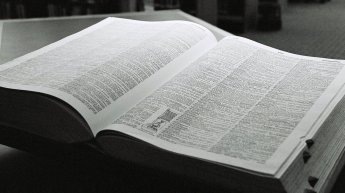
One of the earliest series of posts on this platform, wordsmithing was a way for us to say something about words we like, words we avoid, and important words almost lost to history. A fun, useful, if shortlived series. On August 12, 2011 we started the Bird of the Day series, where photos tell colorful stories with no words other than species name and photo location. Yesterday’s BOTD marks the 3,251st entry in that series, whereas the wordsmithing ended after the 26th entry. Parsimony of words combined with excellent photography wins the series longevity contest. But I find I still care enough about words to post on the topic. I cringed when I heard this news below, but was glad to read more about the decision to include a nonsensical word creation in the dictionary (I am 100% with the teacher who will still mark it as incorrect):

Regardless Of What You Think, ‘Irregardless’ Is A Word

Merriam-Webster raised the hackles of stodgy grammarians last week when it affirmed the lexical veracity of “irregardless.”

The word’s definition, when reading it, would seem to be: without without regard.

“Irregardless is included in our dictionary because it has been in widespread and near-constant use since 1795,” the dictionary’s staff wrote in a “Words of the Week” roundup on Friday. “We do not make the English language, we merely record it.”

Merriam-Webster defines irregardless as “nonstandard” but meaning the same as “regardless.” “Many people find irregardless to be a nonsensical word, as the ir– prefix usually functions to indicates negation; however, in this case it appears to function as an intensifier,” the dictionary writes. Continue reading →

Your Participation Is Important

640t

Do you plan to fly less when coronavirus travel restrictions ease? Photograph: Alamy

Our business, entrepreneurial conservation, has been fully dependent on air travel for more than two decades, and we have had plenty of indicators before now that something must change. We want to know what others think about this. The Guardian is performing an important service for all of us, so please consider participating:

A new normal: will you stop flying?

We would like to hear from Guardian readers for a video series about what’s next for travel and the environment

In our video series A new normal, we ask Guardian readers what they want a future shaped by Covid-19 to look like. Our next episode will look at air travel and its environmental impact.

Has the pandemic affected your thoughts about the way you will travel for leisure and work in the future? Would you consider giving up flying to offset your carbon footprint? Or do you miss overseas holidays, need to travel internationally for work or have you already booked a flight abroad? Continue reading →

McKibben Monday Sermon Notes

McKibben-Church

The point of church is not just comfort or familiarity: it is, or should be, coming to grips with the gospel demand that we love our neighbors in effective ways.Photograph by Peter Schickert / Visum / Redux

Articles on religious topics are not the norm on our platform, but in this case we make an important exception:

Back to Church—But Not, Let’s Hope, Back to Normal

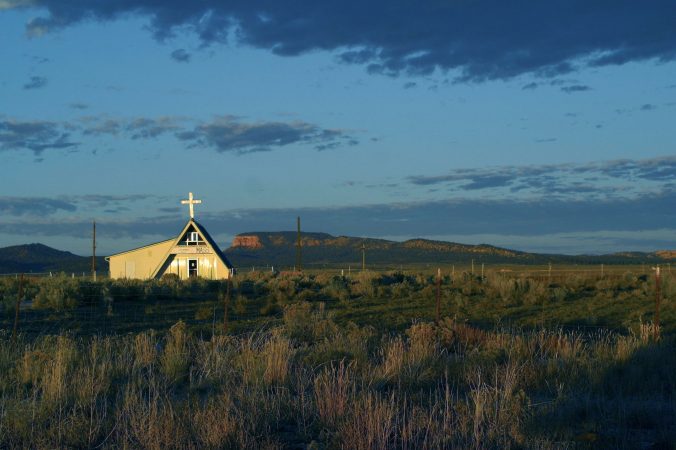
I went to church for the first time in many months on Sunday; in fact, it was the first even mildly routine public thing I’ve done since March. The service was outdoors, of course, in a small open-sided tabernacle built here in the Adirondacks, along the banks of the upper Hudson, in 1908, to serve a Methodist campground where congregations began meeting in 1871. Continue reading →

Caring About Quiet

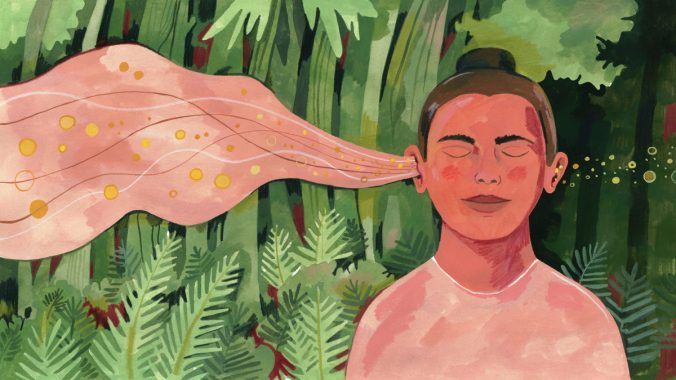
lerivera-yale-e360_web

Point well taken. We came to believe in the importance of efforts to reduce noise pollution while living in southern India, a noisy place indeed. Thanks to Dr. Morber for adding the soundscape to this story:

SoundSilence

Listening to Silence: Why We Must Protect the World’s Quiet Places

As more people push into once-remote areas, truly quiet spots — devoid of the noise of traffic or crowds of tourists — have become increasingly scarce. Now, a coalition of activists, scientists, and park officials are trying to preserve the last quiet places on the planet.

It is a frosty March morning in the Hoh Rainforest, deep within Olympic National Park in Washington state. The forest is full of Jurassic ferns, hanging moss, and towering spruce and cedars, but what I hope to find is an absence. I seek a spot known as the “One Square Inch of Silence” — one of the quietest places in the contiguous United States, free from chattering people, humming power lines, and the whoosh of cars. Continue reading →

No Place Like Home

NoPlace

Thanks as always to Bill McKibben, in particular this time for disguising a podcast recommendation (click the image above to go to the website of the podcast) as a recommendation for regulating Facebook:

What Facebook and the Oil Industry Have in Common

Why is it so hard to get Facebook to do anything about the hate and deception that fill its pages, even when it’s clear that they are helping to destroy democracy? And why, of all things, did the company recently decide to exempt a climate-denial post from its fact-checking process? The answer is clear: Facebook’s core business is to get as many people as possible to spend as many hours as possible on its site, so that it can sell those people’s attention to advertisers. (A Facebook spokesperson said the company’s policy stipulates that “clear opinion content is not subject to fact-checking on Facebook.”) This notion of core business explains a lot—including why it’s so hard to make rapid gains in the fight against climate change. Continue reading →

Bureo & Tin Shed Ventures

tsv-main-logoBureo is news to us, and we like good news. We are always on the lookout for fellow travelers, and while Tin Shed Ventures is by no means new it is news to us. And newsworthy based on the partners they have chosen:

Tin Shed Ventures is Patagonia’s corporate venture capital fund, which invests in start-ups that offer solutions to the environmental crisis. Originally launched as $20 Million and Change in May 2013, Tin Shed Ventures partners with businesses focused on building renewable energy infrastructure, practicing regenerative organic agriculture, conserving water, diverting waste and creating sustainable materials. Continue reading →

Backyard Birding & Organikos

ViviBirding

Education Images/Universal Images Group/Getty Images

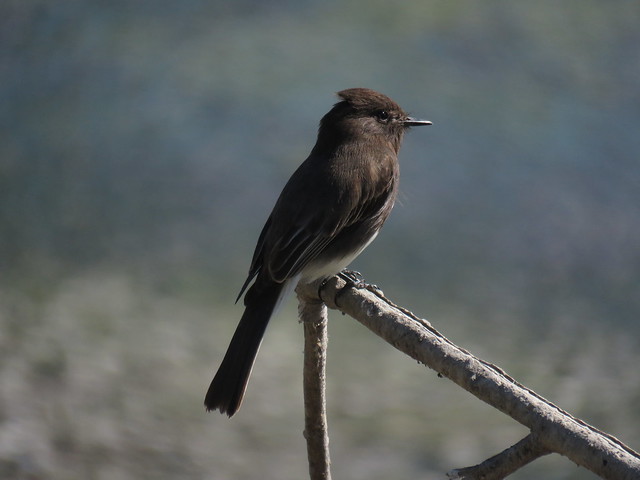
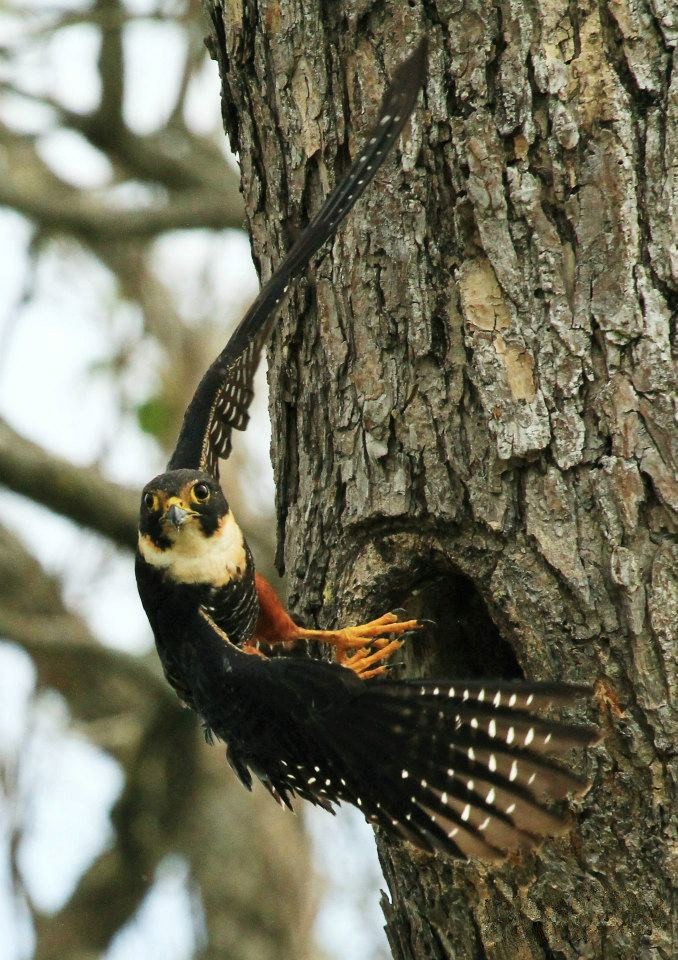
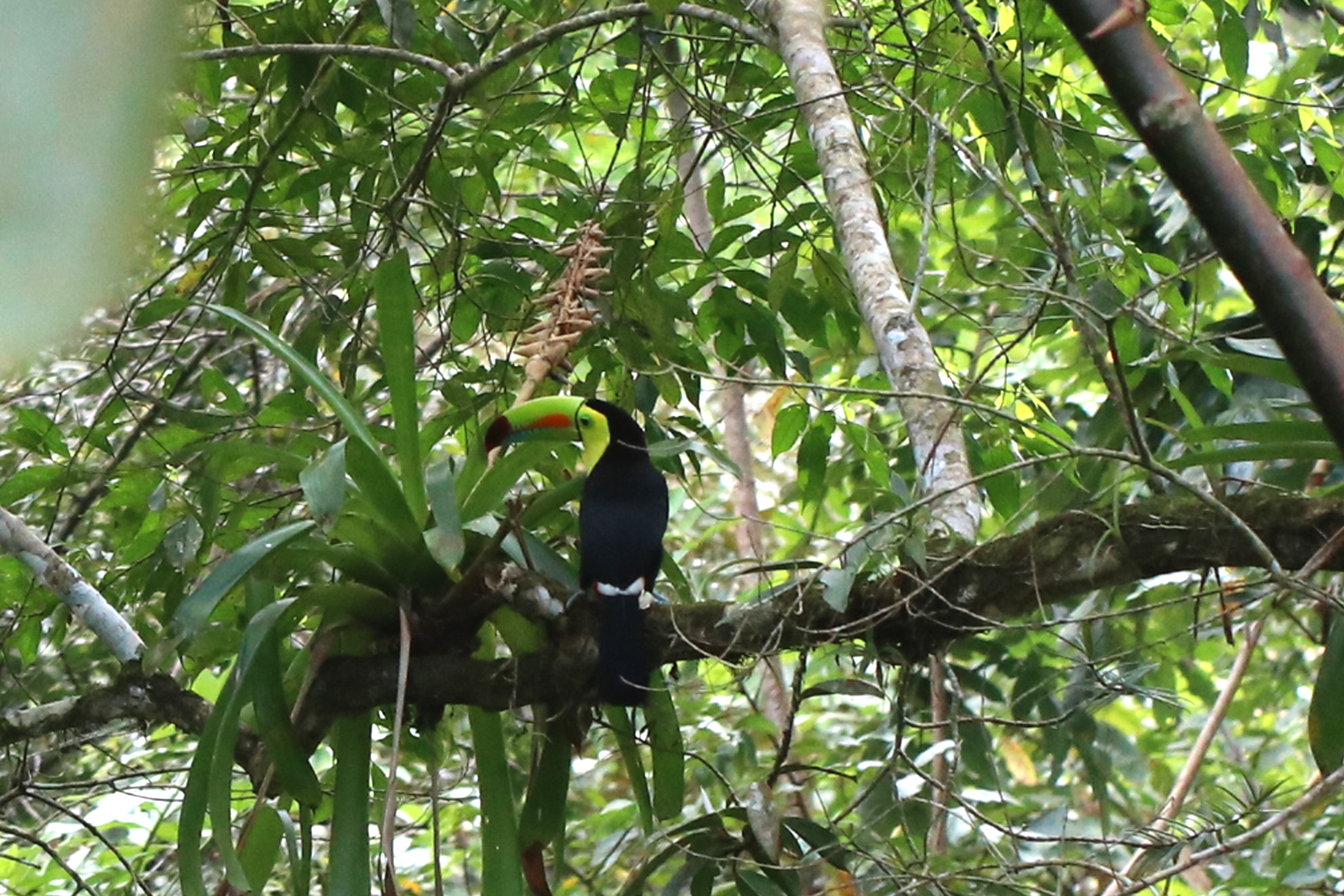
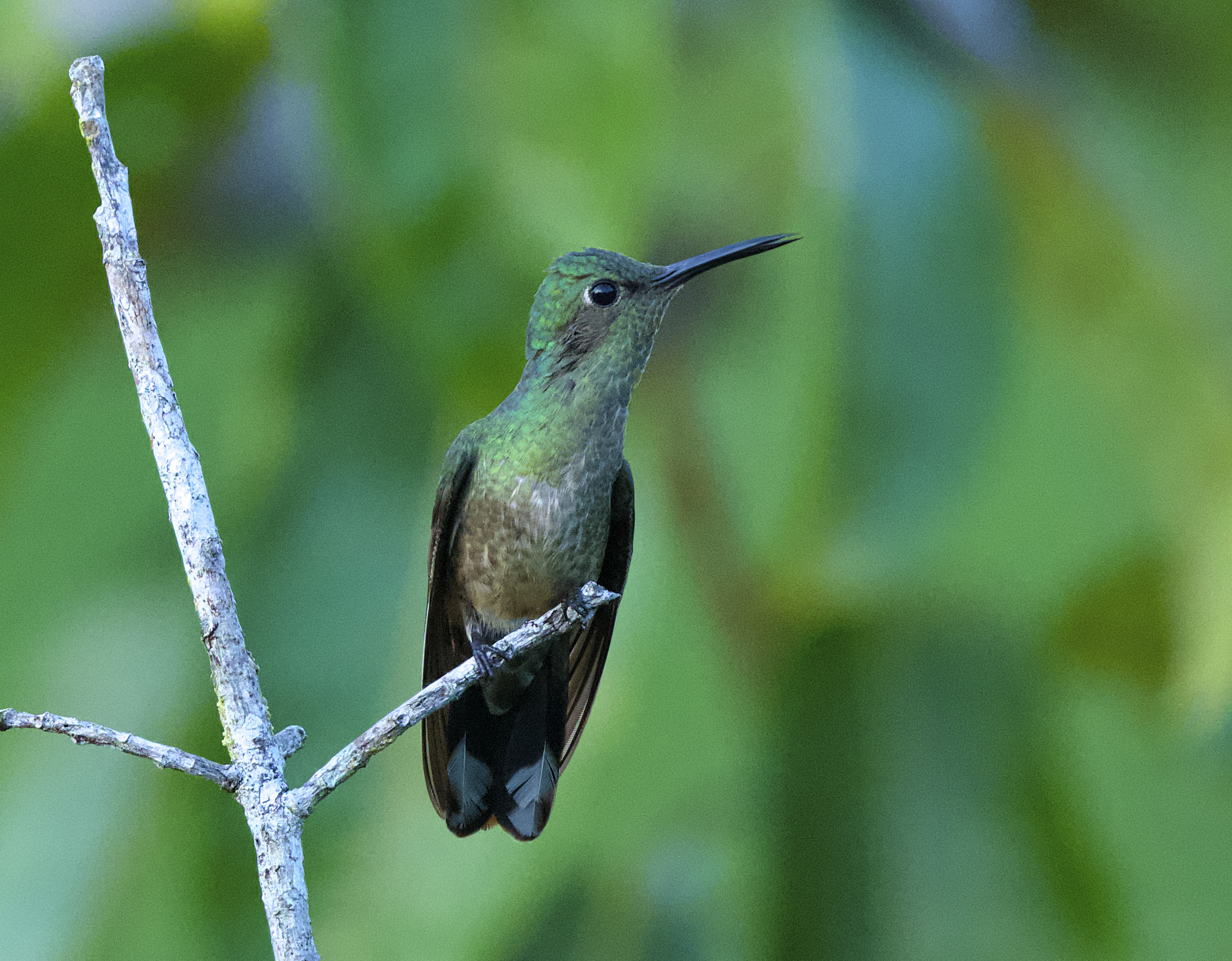
Thanks to the folks at Short Wave for this brief tutorial on backyard birding, featuring a scientist from the Cornell Lab of Ornithology. For those fortunate enough to be able to use some of their time in recent months for this purpose, the tutorial may resonate. A total novice like me finds it useful so I recommend it to others.

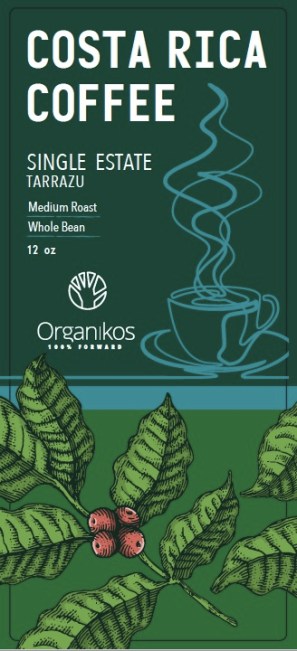
SETarrazuLabelI especially appreciated the advice of paying attention to the coffee that you purchase, because it can have significant impact on migratory birds. The new series of Organikos labels are almost ready for print-testing. One of the final decisions made in the last month was to let the label on the bag focus on the coffee and keep the bird-habitat mission messaging on the website and in places like this. A key part of that message is that the particular coffee offered matters most. We believe that if we start with the highest quality green beans, apply the perfect level of heat, and deliver them at the fairest price we will get what we need to plant more trees. So, the Tarrazu single estate is the second label I will share here. Along with the Hacienda la Amistad single estate organic, this is some of the most spectacular coffee grown in Costa Rica. And for every bag sold, the difference between what we pay to get this to you, and what you pay to Organikos, goes to bird habitat regeneration.
Singing the Praises of Wild Foods

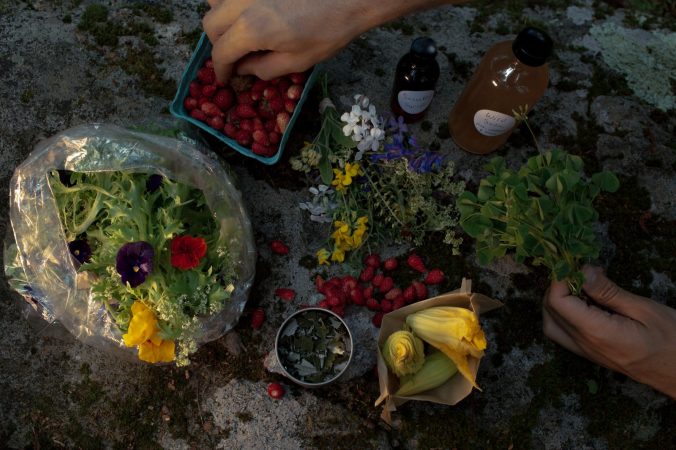
A Wild Box from Allora, available for delivery in Manhattan, Brooklyn, Queens, and the Bronx, might include, clockwise from top: squash blossoms grown on the farm; a bouquet of common vetch (also known as wild peas), linden flowers, dame’s rocket, and bedstraw; a hunk of a chicken-of-the-woods mushroom.Photograph by Courtney Sofiah Yates for The New Yorker

We’ve long been fans of foraged foods on this site, whether that be the seasonal delights of wild mushrooms, or the community gleaning of urban trees and gardens. These Wild Boxes are definitely an inspiration to get outside with an expert, and find a meal.

Foraged Foods Shorten the Supply Chain

Chicken-of-the-woods mushrooms that fry up like their namesake, snappy sea beans that need no extra salt, sassafras syrup, and other edible offerings from the wilds outside the city limits.

“Alot of the talk about quarantine cooking, in the beginning, was, like, ‘Here’s twenty ways to use a can of tuna,’ ” James O’Donnell recounted the other day. “It was very much survivalist.” O’Donnell and his partner, Amanda Kingsley, own Allora Farm & Flowers, in Pine Plains, New York, where they grow what they need for their floral-design studio, plus vegetables. It struck him that “a lot of people at home could probably use feeling connected to the natural world right now, a little bit of excitement and wonder.” Before the pandemic, a substantial part of O’Donnell and Kingsley’s business was supplying restaurants with ingredients that they foraged sustainably from the acres that they lease, as well as from friends’ properties and from public lands in the Hudson Valley and on Long Island. With the restaurant market shrinking, they decided to experiment with a direct-to-consumer weekly-ish Wild Box, available for delivery in the Bronx, Manhattan, Brooklyn, and Queens.

To forage safely requires a good amount of training. Perfectly edible plants can look nearly identical to perfectly poisonous ones. In some cases, a berry that grows on a tree may be as palatable as its flower is lethal. Still, eating my way through a Wild Box gave me hope for my chances of surviving should even the canned tuna run out. Learn the rules—many inherited from indigenous peoples—and unlock access to treasures hiding in plain sight in thickets, on riverbanks, and by the shore. A hefty wedge of chicken-of-the-woods mushroom pried from a tree trunk performed exactly as its name would suggest, its edges pan-frying to a crisp golden brown that rivalled a buttermilk crust, its creamy interior shredding almost like meat.

A vial of sassafras syrup, made by steeping bark and small roots removed responsibly from a sassafras tree, was transformed into an aromatically fizzy glass of root beer when mixed with soda water. The detailed ingredient key that came in the box suggested treating tender, sweet, snappy sea beans—a succulent, also known as samphire, that grows on beaches and in coastal marshes—like salad greens, but to leave the salt out of your vinaigrette until you had tasted the dressed beans. Sure enough, they were so infused with a natural brine that they didn’t need a single grain. Continue reading →