Really, California?

The executive order does not affect cities and counties that adopted their own ordinances banning or regulating single-use plastic bags.(Frederic J. Brown / AFP/Getty Images)

It’s been some months since we added to our “Really?” posts–which is definitely a good things– and California has usually been on the applaud side of our commentary. It’s a sad situation that the plastic industry is able to exert these pressures to take advantage of the current health crisis.

Coronavirus prompts Gov. Gavin Newsom to suspend California’s plastic bag ban

 Gov. Gavin Newsom has suspended California’s ban on grocery stores providing single-use plastic bags amid concerns that clerks may be at risk for exposure to the coronavirus if shoppers are required to supply their own reusable bags to carry their purchases home.


Newsom announced Thursday that he signed an executive order to suspend the 2016 plastic bag ban for 60 days after hearing concerns from the California Grocers Assn. about shoppers bringing reusable bags from home that are handled by store clerks filling them with groceries.

“We are being cautious to make sure there is no transmission of the virus,” said Dave Heylen, a vice president for the grocers’ group. He said the grocers will go back to abiding by the plastic bag ban when the order expires.

The executive order signed Wednesday does not affect the more than 100 cities and counties that adopted their own ordinances banning or regulating single-use plastic bags.

Continue reading

Immunity Boost Pep Shot

5084bce2c484b_170546bWhen Amie and I visited the Greek island of Ikaria in the autumn of 2013, it was years after we had first read about Blue Zones. We were there for work reasons, looking to identify a new location for Xandari. We learned plenty, though Xandari Ikaria never happened. Hortopita, for one. Not only spinach, but all kinds of greens, both cultivated and wild, can make a dish both healthier and more interesting than the spanakopita I had grown up with. For several weeks now, while investigating ways in which the ferias of Costa Rica might adapt to the new health protocols, and whether we might assist family farms in any way, we took a hiatus from attending the one in our town. I am happy to report that our municipality has made adjustments, and so we attended a new, smaller gathering of family farms this last week. Now that the feria is twice a week, the number of people shopping at either one is effectively halved.
4ae28a27-003e-45c4-9a4c-ed63067f9c2d

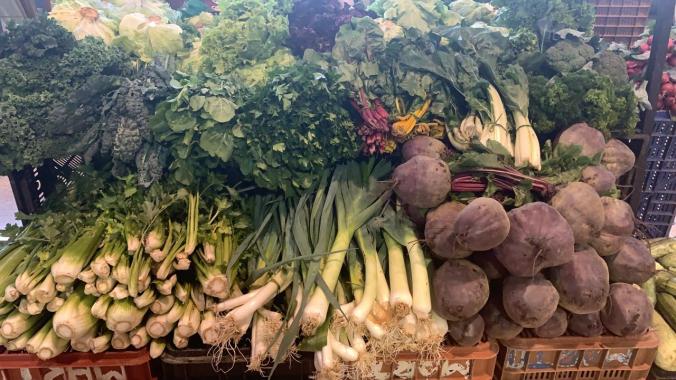
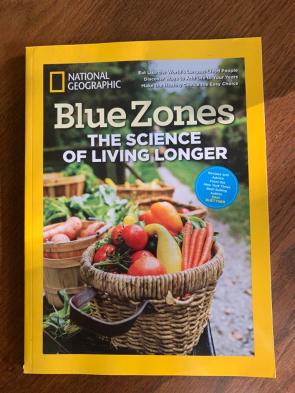
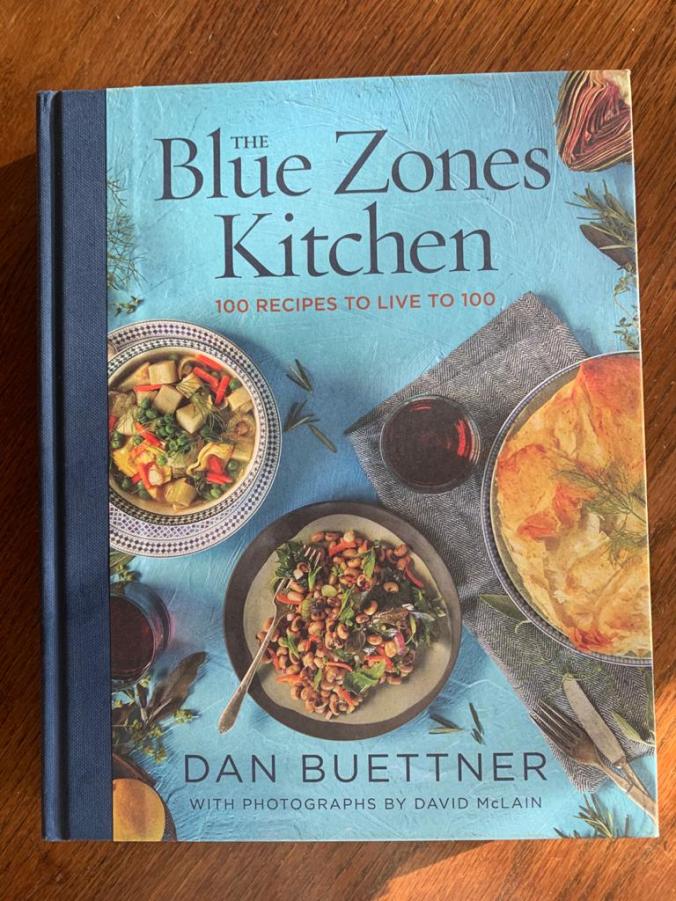
b6cbd244-7cad-4258-bd6a-7293eb55a5b4I bought beets and broccoli and various greens from the stall above a few days ago with no other shopper in close proximity. Good start. And plenty of other distancing measures in place, plus an abundance of soap and sinks and disinfectant sprays at every place where you can enter or exit the feria. Also good. But we remain convinced that a new social enterprise might help these farmers, and shoppers, more. And for that, our kitchen has been a laboratory for generating ideas, with various reading materials to assist. The Blue Zones Kitchen has been especially helpful.
c49f854e-24a9-4859-8432-58321c878bf3

While the “it” social enterprise is elusive, the meals have been nutritious and tasty. This experimentation has converged with my coffee tests, and my 3-year near-obsession with how to bring Maya nut to a wider audience, so this is what I will report on today.
9e3815f9-9c67-4b44-9c7f-8e8917fefeaf

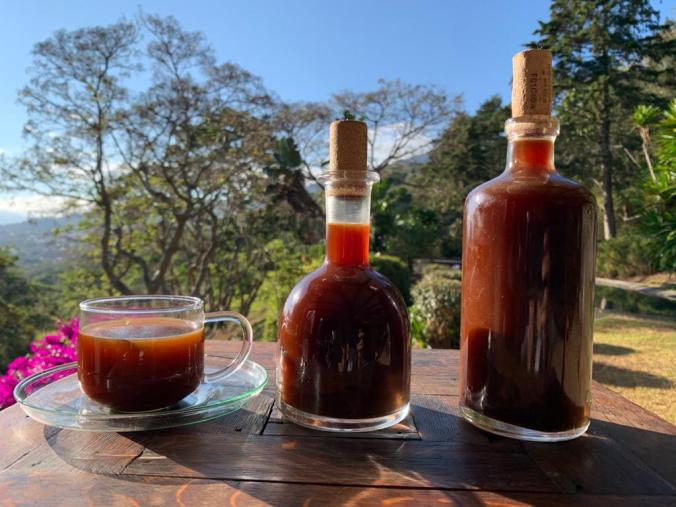
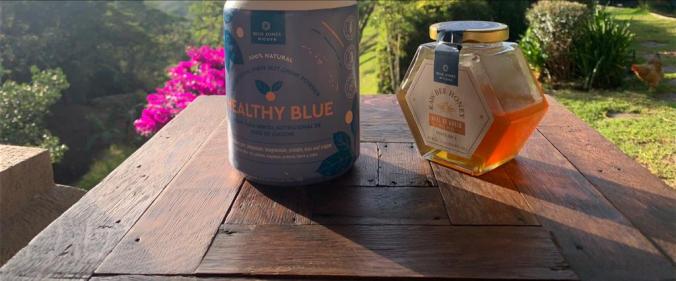
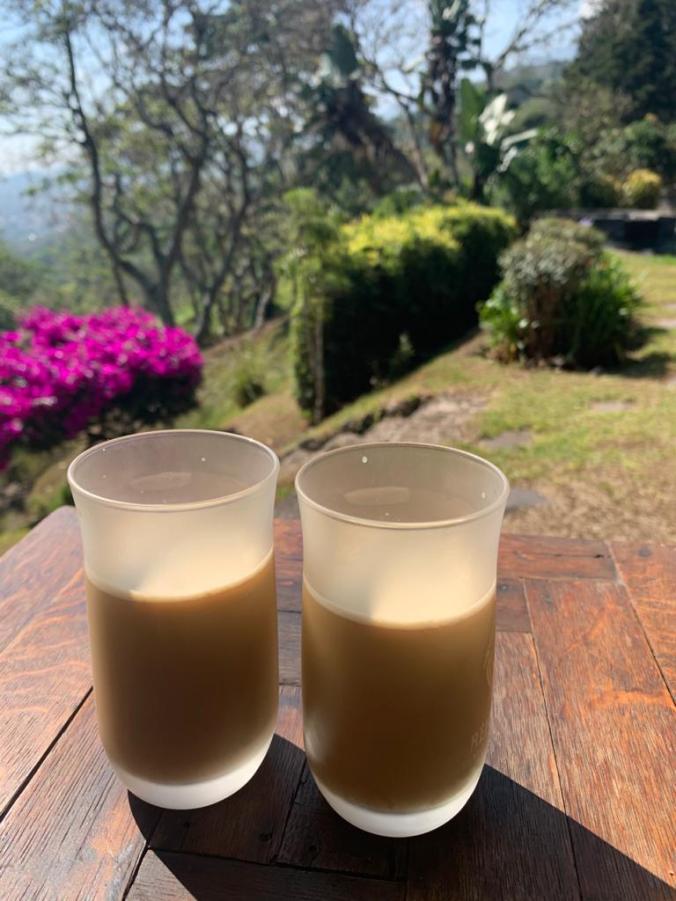
I have been combining a couple Blue Zones products with slow brew coffee, thinking of a drink that can add pep to the day and at the same time add other value, nutritional and otherwise. Honey is part of the recipe for its antioxidant properties as much as its sweetness. And the ojoche (aka Maya nut) to the left in the image above is there for its own nutritional reasons, which will require a post of its own.
d99afbe5-7706-4663-9112-3e501b121fb6

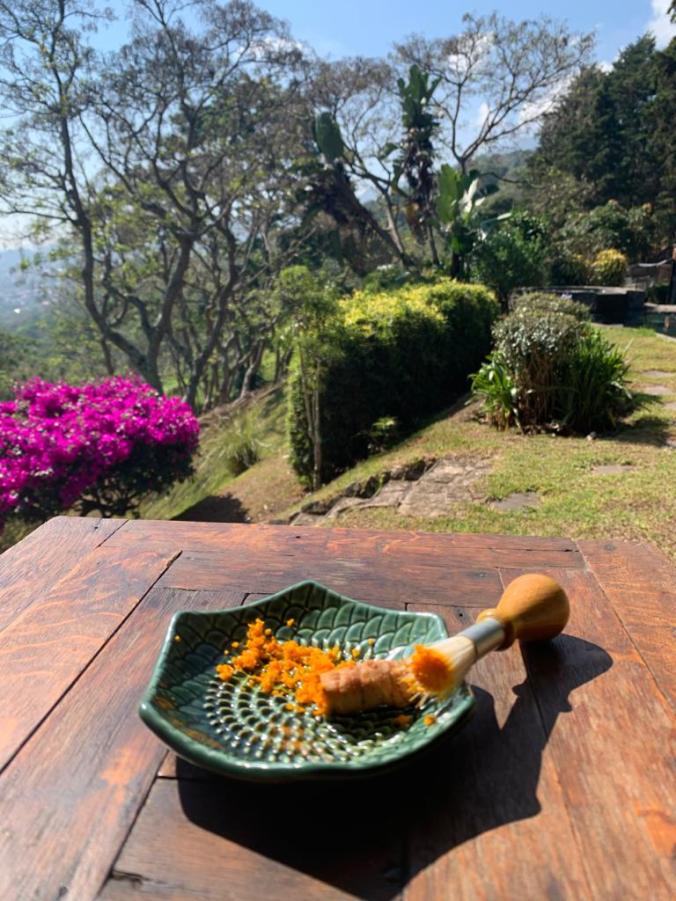
But to get this drink just right, sweetly combining pep + immunity, the ingredient that comes from our feria is the magic touch.
e86c32dd-186b-4ee8-b23e-4a10180a410d

Turmeric became an important part of our diet while living in India. And so it came to be again last month when, just prior to the closure of Costa Rica’s borders, a friend from India visited us. He is a medical doctor, not prone to folk remedies, but under the circumstances we all found ourselves suddenly in, looking for ways to boost our bodies’ immunities–he recommended something simple to us: have some turmeric every day. He specifically recommended combining it with milk, honey and freshly ground black peppercorn. Which we started doing, immediately. And day after day, one thing led to another. So now we have a slow brew coffee with these ingredients, plus some ojoche for good measure.
Birdcam Sunday

1314

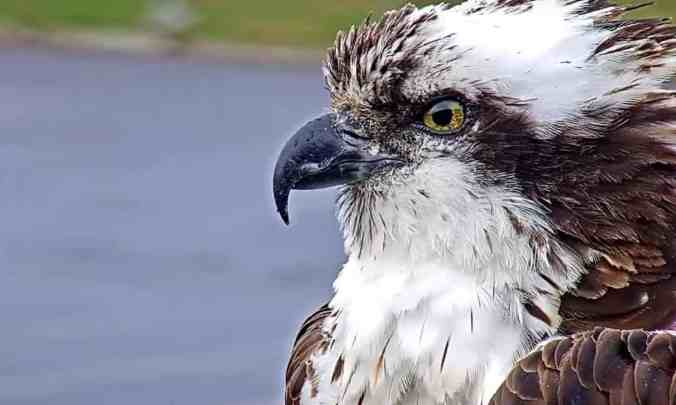
‘Sleek, powerful and yellow-eyed’: an osprey has an irresistible screen presence. Photograph: Cornell Lab Bird Cams

Thanks to Emma Beddington and the Guardian for this story to help put today into a different perspective:

2622

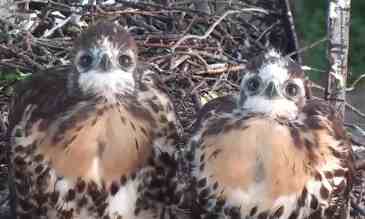
Anyone for Nestflix?: a pair of red-tailed hawks in their nest. Viewing figures for online nestcams are now sky high. Photograph: Cornell Lab Bird Cams

On the webcam it is clear that Telyn is back. Sleek, powerful and yellow-eyed, the osprey has successfully raised a dynasty high above the wind-buffeted grass near the west Wales coast. Last year came Berthyn, Peris and Hesgyn – they sound like Game of Thrones characters. The watchers are waiting for Telyn’s mate, local hero Monty. A magnificent fisherman, heroic provider and model father, he’s been a fixture at the Dyfi Osprey Project since 2008. But where is he?

1600 (3)

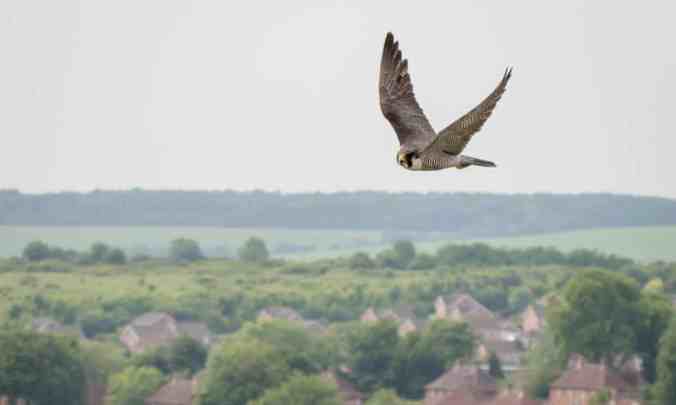
Flying over the spire: one of the peregrines that has made itself at home in Salisbury Cathedral. Photograph: James Fisher

“Is Monty back?” says every third post on the webcam’s chatboard. He isn’t – instead, there’s a new pretender on the nest, upstart Idris. He’s doing everything right, ingratiating himself with Telyn, bringing offerings of sea trout and twigs, chasing off intruders and yes, mating. Is this the end for the Burton and Taylor of ospreys? Unswayed by Idris’s can-do attitude and beady-eyed charm, Team Monty is inconsolable. “Still waiting for Monty… His usual slot is mid-afternoon,” says one hopeful post. “Hope Monty is home tomorrow, he is all I have known since 2011, love you, amber eyes,” says another. Still they wait. Continue reading

Mark Kurlansky (Again) On The Importance Of Salmon

KurlSalmon

A spawning salmon is shown through a viewing window near a fish ladder, Thursday, Oct. 17, 2019, during the fall spawning season at the Issaquah Fish Hatchery in Issaquah, Wash.
( AP Photo/Ted S. Warren )

We linked out once previously to this author discussing this book, but it is worth doing again (click the image to the right to go to the podcast); and here is what a bookseller has to say about it:

“Henry David Thoreau wrote, ‘Who hears the fishes when they cry?’ Maybe we need to go down to the river bank and try to listen.”

In what he says is the most important piece of environmental writing in his long and award-winning career, Mark Kurlansky, best-selling author of Salt and CodThe Big Oyster, 1968, and Milk, among many others, employs his signature multi-century storytelling and compelling attention to detail to chronicle the harrowing yet awe-inspiring life cycle of salmon. Continue reading

A Win for the Water

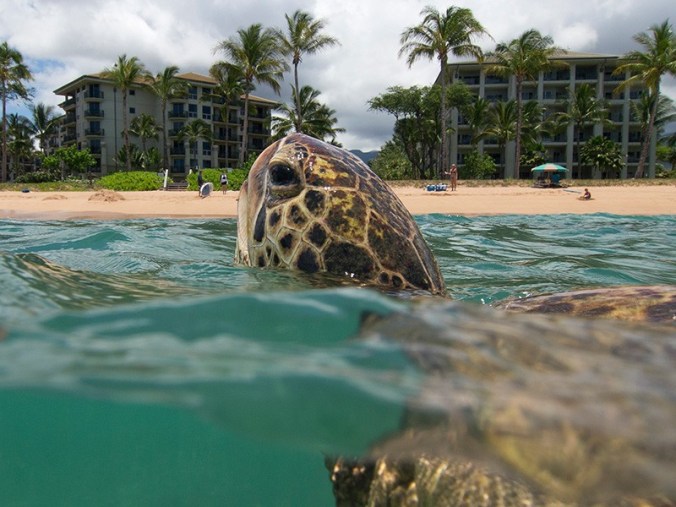
A turtle surfaces offshore of Kahekili Beach Park, Maui, Hawaii. COURTESY OF DON MCLEISH

It seems like a fitting Earth Day celebration that the U.S. Supreme Court voted to block the Trump Administration’s attempts to roll back the EPA Clean Water Act.

SUPREME COURT LEAVES THE CLEAN WATER ACT INTACT

Today the Supreme Court issued its opinion in County of Maui v. Hawaiʻi Wildlife Fund siding with clean water advocates that point source discharges to navigable waters through groundwater are regulated under the Clean Water Act.

The following is a statement from David Henkin, Earthjustice attorney who argued the case defending clean water:

“This decision is a huge victory for clean water. The Supreme Court has rejected the Trump administration’s effort to blow a big hole in the Clean Water Act’s protections for rivers, lakes, and oceans.

“We will have to return to the lower court to confirm this, but we fully expect that Maui County’s sewage plant will be required to get a Clean Water Act permit as a result of the Court’s decision today. That permit will require the County to protect the ocean from sewage discharges in a way it has refused to do to date.

“We are glad the Court has recognized the importance of protecting clean water for all Americans.”

The court held that the Clean Water Act “require[s] a permit if the addition of the pollutants through groundwater is the functional equivalent of a direct discharge from the point source into navigable waters.” In other words, the Clean Water Act prohibits unpermitted discharge of pollution “into navigable waters, or when the discharge reaches the same result through roughly similar means.” In doing so, the Court rejected the Trump administration’s polluter-friendly position in the clearest of terms: “We do not see how Congress could have intended to create such a large and obvious loophole in one of the key regulatory innovations of the Clean Water Act.” Continue reading

Crisis Inspired Pivots

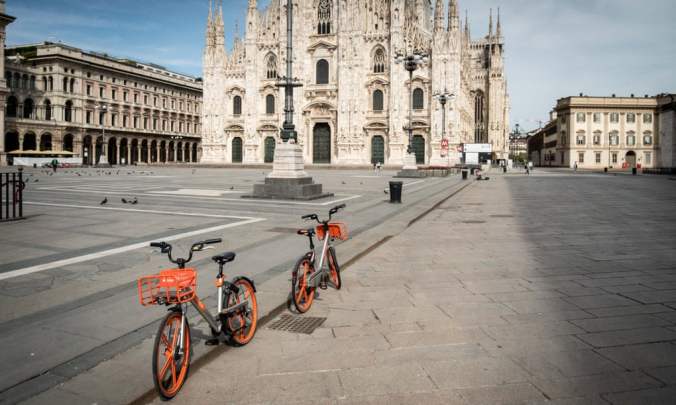
The Strade Aperte plan includes temporary cycle lanes and 30kph speed limits. Photograph: Stefano De Grandis/REX/Shutterstock

Looking for silver linings during the current times isn’t always easy, but reviewing how cities strategize over plans to open economies while keeping the public safe is a possible place to start. (It can also be a source of discouragement, so we’re glad to highlight the enlightened…)

In Milan the concept of pivoting toward carbon-free commuting within the city was a far-reaching goal for a future decade. The current crisis has helped to create a thought shift toward action now.

Seriously working on solutions to both the health crisis and climate crisis together could be a silver lining, indeed.

Milan announces ambitious scheme to reduce car use after lockdown

Milan is to introduce one of Europe’s most ambitious schemes reallocating street space from cars to cycling and walking, in response to the coronavirus crisis.

The northern Italian city and surrounding Lombardy region are among Europe’s most polluted, and have also been especially hard hit by the Covid-19 outbreak.

Under the nationwide lockdown, motor traffic congestion has dropped by 30-75%, and air pollution with it. City officials hope to fend off a resurgence in car use as residents return to work looking to avoid busy public transport.

The city has announced that 35km (22 miles) of streets will be transformed over the summer, with a rapid, experimental citywide expansion of cycling and walking space to protect residents as Covid-19 restrictions are lifted.

The Strade Aperte plan, announced on Tuesday, includes low-cost temporary cycle lanes, new and widened pavements, 30kph (20mph) speed limits, and pedestrian and cyclist priority streets. The locations include a low traffic neighbourhood on the site of the former Lazzaretto, a refuge for victims of plague epidemics in the 15th and 16th centuries. Continue reading

Earth Day @ 50

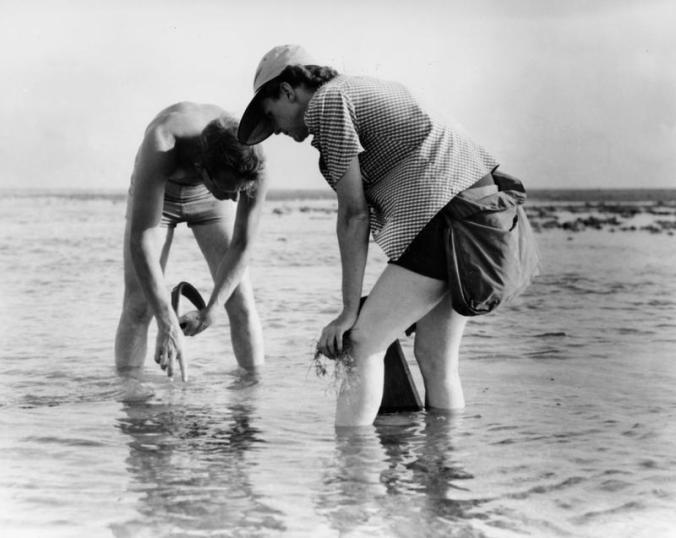
Rachel_Carson_Conducts_Marine_Biology_Research_with_Bob_Hines

( wikipedia/commons/4/48 )

CarsonDreamSeaThis week’s podcast rebroadcasts an episode we first heard a couple years ago, but Rachel Carson Dreams of the Sea is as good a tribute to Earth Day’s 50th anniversary as you will find:

Before she published “Silent Spring,” one of the most influential books of the last century, Rachel Carson was a young aspiring poet and then a graduate student in marine biology. Although she couldn’t swim and disliked boats, Carson fell in love with the ocean. Her early books—including “The Sea Around Us,” “The Edge of the Sea” and “Under the Sea Wind”—were like no other nature writing of their time, Jill Lepore says: Carson made you feel you were right there with her, gazing into the depths of a tide pool or lying in a cave lined with sea sponges. Lepore notes that Carson was wondering about a warming trend in the ocean as early as the 1940s, and was planning to explore it after the publication of “Silent Spring.” If she had not died early, of cancer, could Carson have brought climate change to national attention well before it was too late?

Excerpts from Carson’s work were read by Charlayne Woodard, and used with permission of Carson’s estate.

Slow Brew Coffee Variations

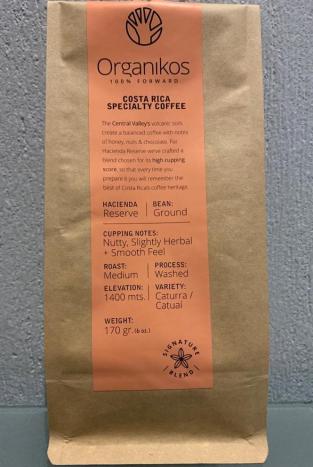
SlowBrew3SlowBrew2For four decades I heated water to draw out coffee’s flavors. I varied the use of hot water through drip machines, espresso machines, pod machines, v60 cones, French presses and an AeroPress. I also varied the coffee, sampled from around the world. Nine days into an experiment, I have simplified. No more heat. No more machines. Only coffees from Costa Rica. This week I have moved to a third variety of coffee, and it is living up to its 87 cupping score. Tested against the Tarrazu and the House, both high quality blends of specialty coffee from two of the best growing regions in Costa Rica, the Reserve tastes like what its name implies.

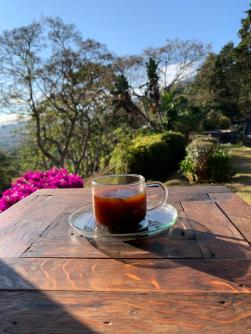
SlowBrew4While everyone must come to their own conclusion, for me the slow brew draws out that taste as well as any hot brew method. We have more blends, an espresso roast, and three single estates yet to be tested with the slow brew method, and I enjoy variation so I look forward to testing.  But once the Reserve stood out as the best of the first three, it got me thinking about how to use the remaining portions of the first two slow brew blends. And I took a path that will horrify purists, but I am happy to report on the result.
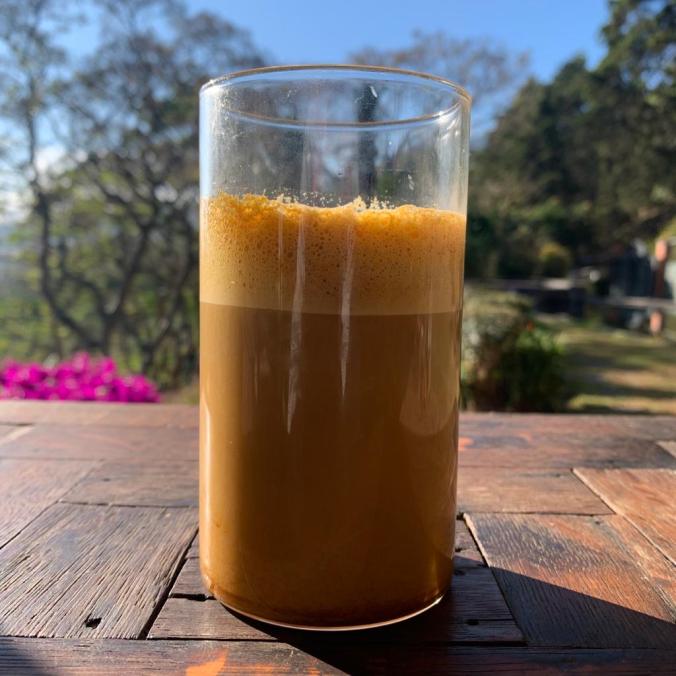
SlowBrew5The recipe for this will follow soon, because I have been varying it slightly each of the last few days, but as you can see there is a head on it, and there is a golden hue.
 

A Corrective History Of Coffee

200427_r36287

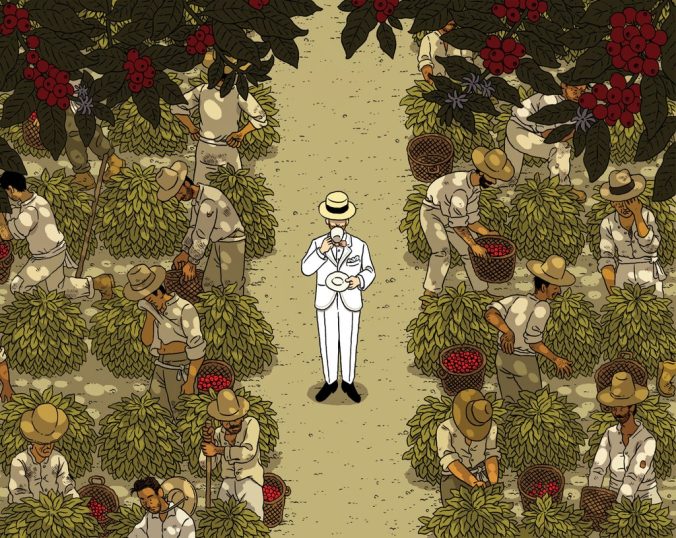
The literature of coffee has produced a new genre: corrective history. Illustration by Ilya Milstein

An essayist‘s review on one of our favorite topics is a nice surprise for a start to a new week:

The War on Coffee

The history of caffeine and capitalism can get surprisingly heated.

What would life be without coffee?” King Louis XV of France is said to have asked. “But, then, what is life even with coffee?” he added. Truer, or more apt, words for the present moment were never spoken, now usable as a kind of daily catechism. At a time when coffee remains one of the few things that the anxious sleeper can look forward to in the morning (What is life without it?), giving as it does at least an illusion of recharge and a fresh start, the charge has invariably slipped away by the time the latest grim briefing comes (What is life even with it?). Imagining life without coffee right now is, for many of us, almost impossible, even though the culture of the café that arose in America over the past couple of decades has, for some indefinite period, been shut down.

The growth of coffee as a culture, not just as a drink, can be measured in a unit that might be called the Larry, for the peerless comedy writer Larry David. In “Seinfeld,” which he co-created in 1989, coffee came as a normal beverage in a coffee shop—bad, indistinct stuff that might as well have been tea. (Paul Reiser had a nice bit about the codependency of coffee and tea, with tea as coffee’s pathetic friend.) Then, on “Friends,” the characters gathered in a coffee-specific location, Central Perk, but the very invocation of a percolator, the worst way to brew, suggested that they were there more for the company than for the coffee. Six or so Larrys later, by 2020, the plotline of an entire season of David’s own “Curb Your Enthusiasm” turned on a competition between Mocha Joe’s and Latte Larry’s—the “spite store” that Larry opens just to avenge an insult over scones, with many details about a specific kind of Mexican coffee bean he means to steal. The audience was expected to accept as an obvious premise the idea that coffee was a culture of devotion and discrimination, not just a passable caffeinated drink.

This change is real, and is reflected in the numbers. As Jonathan Morris documents in his recent book, “Coffee: A Global History” (Reaktion), epicurean coffeehouses in the United States numbered in the hundreds in 1989, and in the tens of thousands by 2013. Continue reading

Searching For Bread

000064298Yesterday’s post got me thinking more about bread, which reminded me of Cherchez le pain. This guide to the best bakeries in Paris was published when we lived there, and its author had been my professor at Cornell. As soon as I saw the publicity for the book I sent him an email congratulating him. To my surprise, he was on sabbatical leave, living just a few blocks from where we were living, so I invited him to join us for dinner.

I had sat through enough of his lectures on the history of food to anticipate an interesting dinner, but I was not prepared for what might sound now like a parlor trick. As soon as we sat for the meal, he picked up the bread in front of him, our favorite from a bakery we had chosen from dozens during our first few months living in that city. He held it to his nose, then brought it to his ear and tapped it with a spoon. He broke it in two and pressed his face into it. Maybe there was more to the show that I have forgotten now. What I do remember is that he named the bakery it was from.

I was impressed. And I was gratified after that when he said we had chosen well. But then he mentioned that if we were willing to walk just two blocks further we would find a bakery that ranked in the top five out of six hundred bakeries he had sampled in Paris. Next morning, of course, we went to that bakery and bought what might be the best bread of our lives. As we walked home with our bread, our entire family halted as we approached the bakery that had been our regular bakery for the past several months. We decided to walk an entire city block out of our way so that the baker would not see us having bought our bread elsewhere.