Bengaluru Outskirts, Karnataka
Bengaluru Outskirts, Karnataka
Most of us find ourselves these days in need of better negotiating tools, to navigate the big changes imposed by forces seemingly out of our control. Adam Grant has not featured enough in these pages, but here is a small step in the right direction.
In Negotiations, Givers Are Smarter Than Takers
Generosity is a sign of intelligence, and givers are the rising tide that lifts all boats.
In 2010, a Costa Rican diplomat named Christiana Figueres set out to do something that many people saw as impossible. The United Nations had appointed her to build a global agreement to fight climate change. She needed to get 195 countries on board, and one of the biggest challenges was Saudi Arabia. Their economy was dependent on oil and gas exports, so they had every incentive to keep profiting from that rather than reducing their carbon footprint. Continue reading
Los Tarrales, Guatemala
The Guardian features nature photos every week, and this particular week they are more welcome than usual:
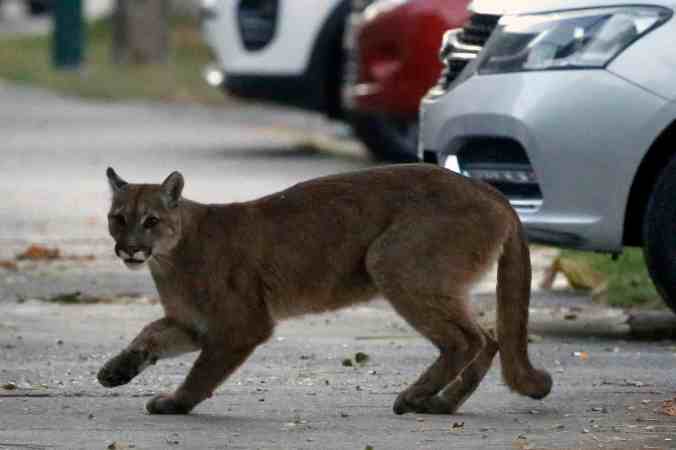
A puma, believed to be about one year old, in Santiago, Chile. According to the country’s Agricultural and Livestock Service (SAG), it came down from the nearby mountains in search of food after seeing fewer people in the streets due to the coronavirus pandemic.
Photograph: Andres Pina/ATON Chile/AFP via Getty Images
The week in wildlife – in pictures
The pick of the world’s best flora and fauna photos, including a puma on the streets of Santiago, Chile
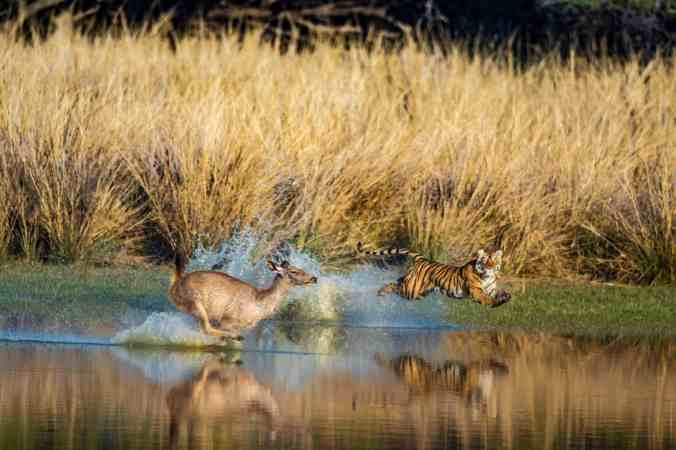
A tiger comes for tea: a deer desperately runs into the water, but is unable to escape the big cat.
Photograph: PranayPatel/Mediadrumimages
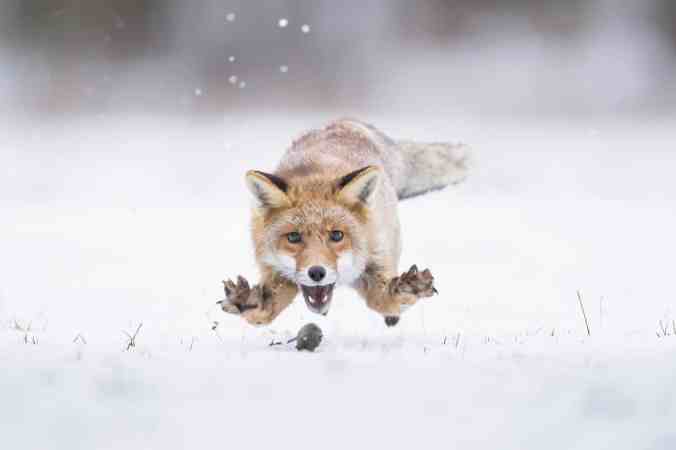
A fox pounces on a mouse in the snowy hills on the border of the Czech Republic and Slovakia.
Photograph: Johnny Krüger/Mediadrumimages
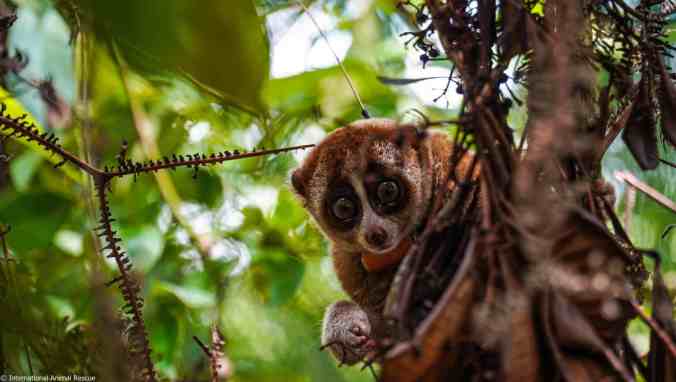
Thirteen rescued slow loris have been released in the Batutegi protected forest conservation area in Lampung, Sumatra, after undergoing medical care and rehabilitation at a specialist primate centre in Bogor, West Java.
Photograph: Reza Septian/International Animal Rescue
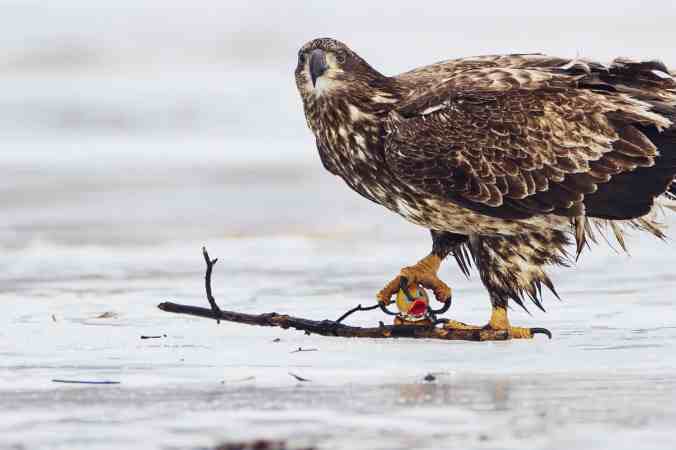
An immature bald eagle tries to hunt a plastic duck on the frozen Quidi Vidi lake in St John’s, Newfoundland, Canada. It was seen picking up and trying to take a bite out of the bath toy, before tossing it away.
Photograph: David Howells/SWNS
See the whole collection here.
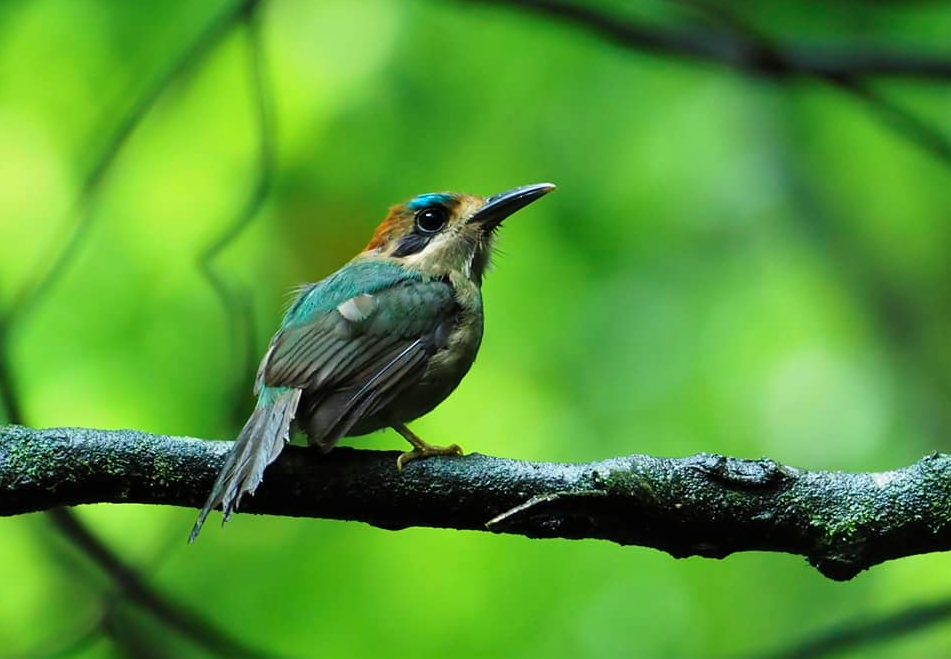
Pacific Foothills, Guatemala
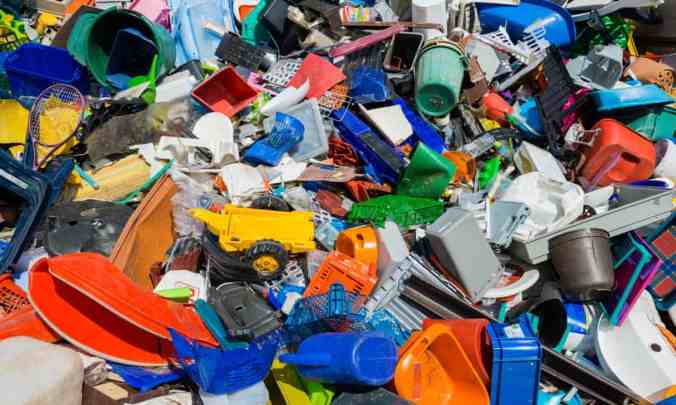
The bacterium is the first that is known to attack polyurethane. Photograph: imageBroker/Alamy
Thanks to the scientists who found this bacterium:
Scientists find bug that feasts on toxic plastic
Bacterium is able to break down polyurethane, which is widely used but rarely recycled
A bacterium that feeds on toxic plastic has been discovered by scientists. The bug not only breaks the plastic down but uses it as food to power the process. Continue reading

male – Uttarakhand
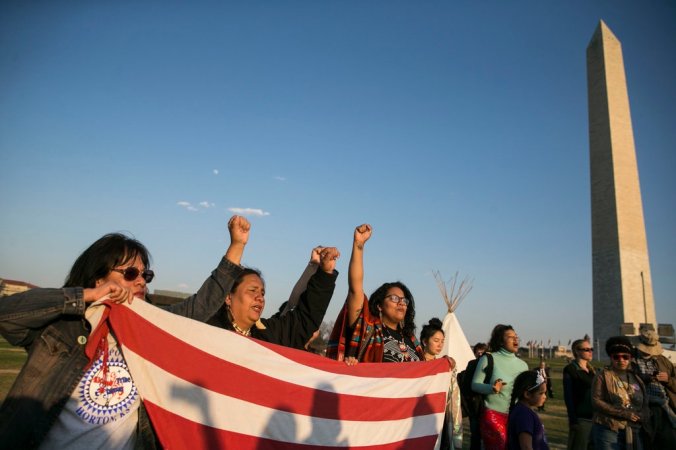
Demonstrators protested against the Dakota Access Pipeline on the National Mall in Washington in 2017.Credit…Al Drago/The New York Times
In 2017 two separate stories by Lisa Friedman were featured in the same post we titled Victory Favoring Earth, We Hope. The title fits the article she has published today, which gives a bit more hope:
Standing Rock Sioux Tribe Wins a Victory in Dakota Access Pipeline Case
WASHINGTON — In a significant victory for the Standing Rock Sioux Tribe, a federal judge on Wednesday ordered a sweeping new environmental review of the Dakota Access Pipeline.
The pipeline, which runs from North Dakota to Illinois, has been carrying oil for nearly three years and has been contested by environmental groups and Native American tribes who live near it. President Trump sought to keep the project alive.
The ruling by United States District Judge James E. Boasberg found that the pipeline’s “effects on the quality of the human environment are likely to be highly controversial” and that the federal government had not done an adequate job of studying the risks of a major spill or whether the pipeline’s leak detection system was adequate. Continue reading
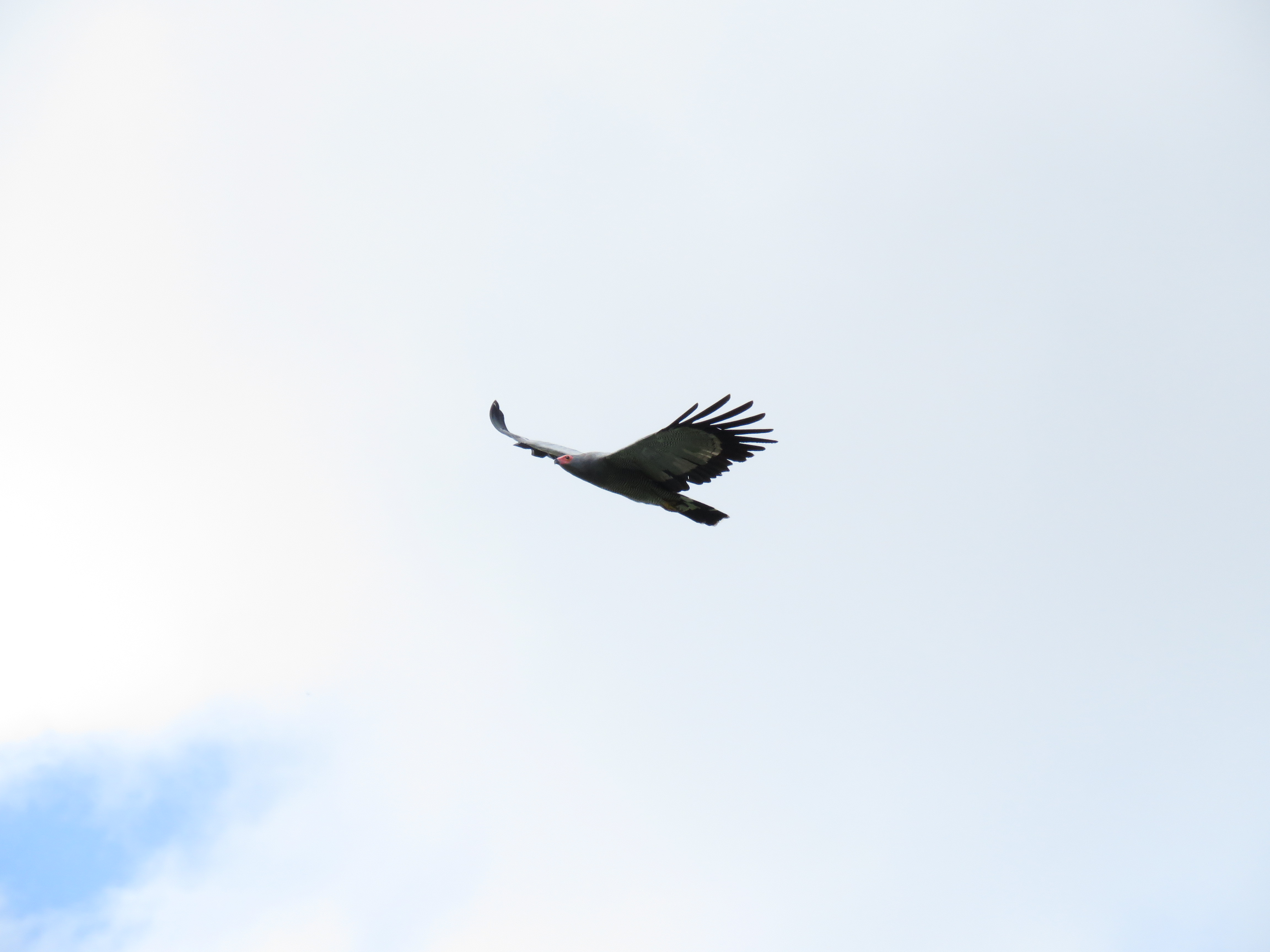
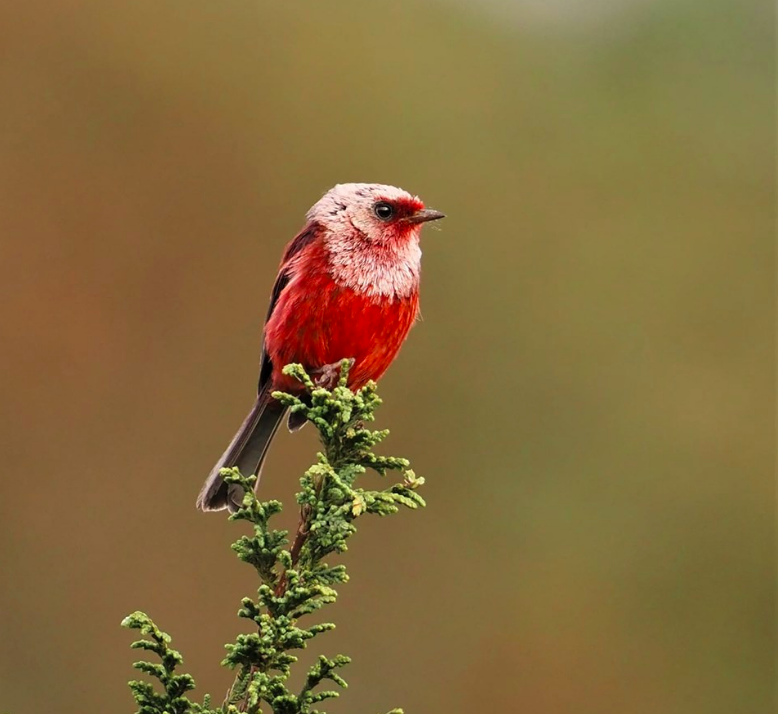
Excited enough to have red facial skin instead of its usual yellow
Nyarutarama Lake, Kigali, Rwanda
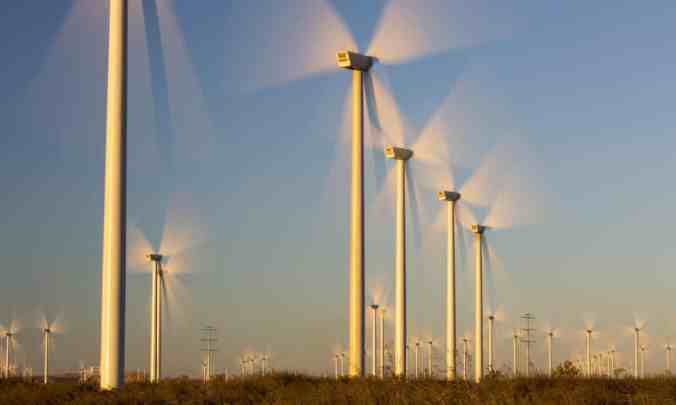
A large-scale wind farm in California. The US and China make up almost two-thirds of global growth in wind power. Photograph: Warming Images/Rex/Shutterstock
Every bit of positive news is welcome:
World’s wind power capacity up by fifth after record year
Offshore windfarms and onshore projects in US and China fuel one of strongest years on record
The world’s wind power capacity grew by almost a fifth in 2019 after a year of record growth for offshore windfarms and a boom in onshore projects in the US and China. Continue reading
Khonoma, Nagaland

Simon Myers, who volunteered on a recent Clean Ocean Sailing expedition with his son, Milo.
The smoke has not cleared, but it is not too early to share thoughts of what will need our attention next:
The Plastic-Hunting Pirates of the Cornish Coast
The Clean Ocean Sailing initiative removes plastic waste from areas of England’s coastline that are inaccessible by foot.
The Clean Ocean Sailing crew aboard the 112-year-old Annette.
The Cornish coast — with its high cliffs and inlets, lining the peninsula that juts out from England’s southwest corner — has a long association with pirates. Its rocky coves, secret anchorages and long winding creeks have historically been a haunting ground for seafaring scoundrels and salty sea dogs. Continue reading
Volga Delta, Russia

A Mini Electric car next to the production line at the BMW plant in Cowley, near Oxford. Photograph: Tolga Akmen/AFP via Getty Images
When the smoke clears, we will need to get back to key environmental issues. Thanks to the Guardian for this news, in that regard:
Electric cars produce less CO2 than petrol vehicles, study confirms
Finding will come as boost to governments seeking to move to net zero carbon emissions
Electric vehicles produce less carbon dioxide than petrol cars across the vast majority of the globe – contrary to the claims of some detractors, who have alleged that the CO2 emitted in the production of electricity and their manufacture outweighs the benefits.
The finding is a boost to governments, including the UK, seeking to move to net zero carbon emissions, which will require a massive expansion of the electric car fleet. A similar benefit was found for electric heat pumps. Continue reading

Mishmi Hills, Arunachal Pradesh

Photo © Chiot’s Run / Flickr
A seasonal distraction, more than welcome, and we thank Cool Green Science for featuring Ken Keffer’s primer on North American tree-tapping:
Tree Tapping Isn’t Just for Maples
March is tree tapping season across the upper Midwest, New England, and southern Canada. As the cardinals start to sing again in the northwoods, the long-dormant timbers are also responding to the first signs of early spring.
Sap is stored in the roots over winter, but as temperatures begin to rise, it starts flowing through the xylem layer of the tree.
For a number of species, the sap flow becomes a sweet treat and a renewable resource for those working the sugarbush.
Photo © Eamon Mac Mahon
Tapping Throughout History
The exact origins of making maple syrup are a bit of a mystery. It is clear that a number of indigenous tribes in northeastern North America were utilizing this natural resource, and the process predates European settlers. Continue reading
La Sierra de los Cuchumatanes, Guatemala
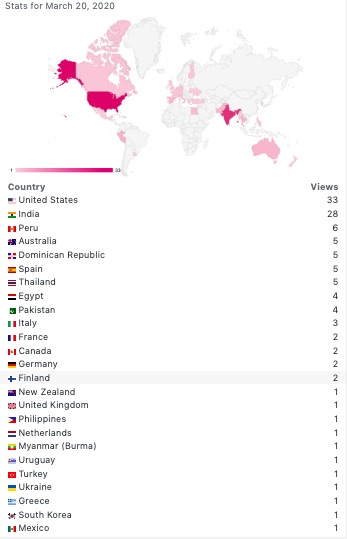 To the left you can see yesterday’s viewership of our posts, by country. Viewership has recently been low, for obvious reasons. It has made me wonder whether we should take a hiatus. My counter-thought is, if on a day like yesterday, just one person visited this site and found something of value, we should continue. As of today there have been 696,713 views of all of our posts since we started in mid-2011. Yesterday someone viewed a post I distinctly remember writing some months ago, which brought a smile to my face. And just now I was downloading a file using WeTransfer, and this story presented itself, and it seems a perfect companion piece:
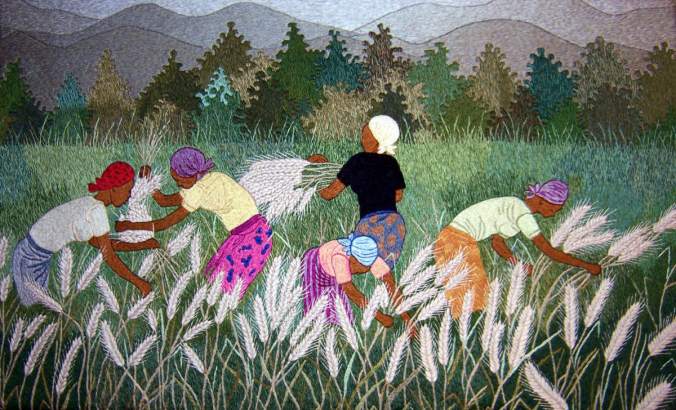
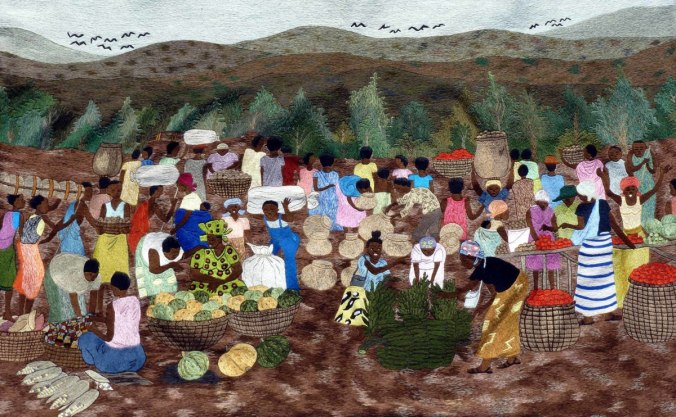
Savane Rutongo-Kabuye Embroideries of the Women of Rwanda
For 22 years, 15 Rwandan women have been turning their surroundings and their memories into beautiful textile art. Founded in 1997 by Christiane Rwagatare a short time after the genocide of 1994, the Savane Rutongo-Kabuye workshop offered a distraction, a source of income and a creative avenue to those who had been affected. The workshop has gone from strength to strength, and thanks to educator-turned-curator Juliana Meehan, the embroideries of the women of Rwanda have now been exhibited and seen across the US. Alex Kahl spoke to Christiane and Juliana to explore their uplifting story.
Due to her home country Rwanda’s turbulent history, Christiane Rwagatare lived much of her early life in exile. When she returned in 1994 in the aftermath of the genocide, the country had been devastated. “It was a very difficult time,” she says. In 1997, when she was visiting a relative in the small village of Rutongo, she saw women selling hand embroidered linens on the roadside, and felt an immediate sense of hope and possibility. At this moment, she recalled all that she had learned about art while in Europe, and knew she could contribute something positive. She announced that she would be starting an embroidery workshop, and asked that anyone interested come to the village church the next day. She was shocked when more than 100 women arrived with samples of their work.
“I must admit that I panicked,” Christiane says. Continue reading

Campbell Bay, Central Nicobars
 In 2006, our family moved to a small island in the Adriatic, one of the Elafiti islands near Dubrovnik. We were there working on one of my favorite of all our projects. There was a young man who did sea kayaking guiding for our guests; he was from the USA for one year doing this work and learning Croatian because of family heritage. Years later we reconnected and I learned that he had become the leader of this amazing conservation organization, so I follow their work. And today I was rewarded with some news that made me smile (video from an earlier Save The Waves post from 1+ year ago is worth another watch):
International campaign succeeds against Trump International Golf Links
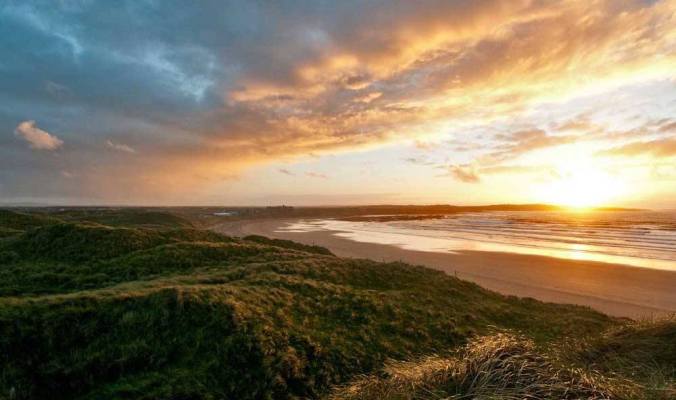
(March 18th, 2020) After more than four years of campaigning and fighting to save beloved Doughmore Beach in Ireland, the #NatureTrumpsWalls campaign and coalition has succeeded in stopping the construction of major seawalls that would have led to catastrophic impacts to the coast.
Trump International Golf Links (TIGL) had submitted a plan to place hard armoring on the natural coastal dunes of Doonbeg that provide sediment for the surf ecosystem and breaking waves, as well as natural coastal protection from climate change.
On March 12th, Ireland’s national planning appeal board, An Bord Pleanála, formally rejected the plan, citing the concerns submitted by the coalition about the adverse impacts to the dune ecosystem. Continue reading




 Organikos