Uttarakhand
Uttarakhand
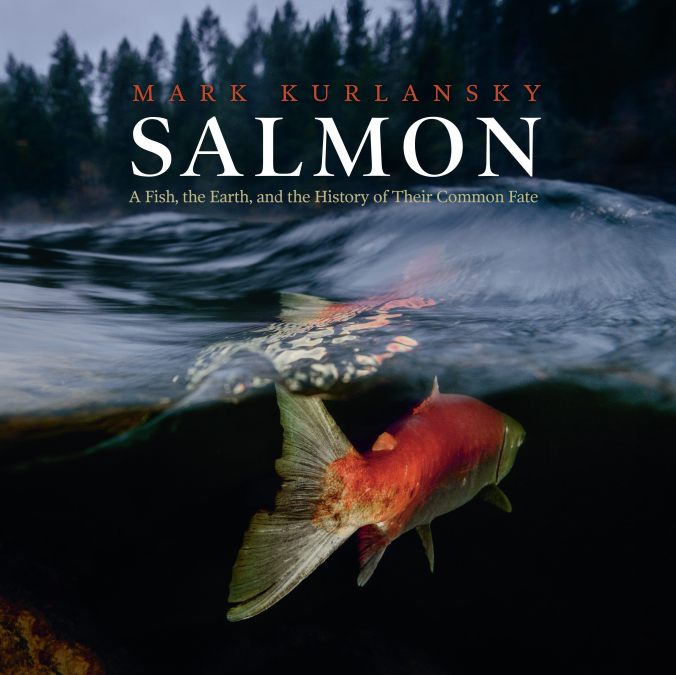
Mark Kurlansky first came to my attention thanks to Seth, whose post I riffed on. Then Seth pointed this out, and I have been on the lookout ever since. And today I was rewarded when listening to the author discuss his new book. Click any image below to go to that interview.
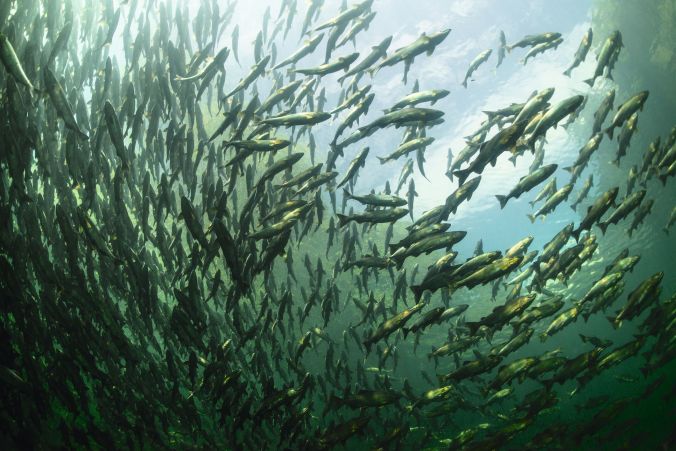 Pink salmon school in the deep pools of the Campbell River, before venturing farther upstream to the spawning beds. British Columbia. (Credit: Tavish Campbell) Continue reading
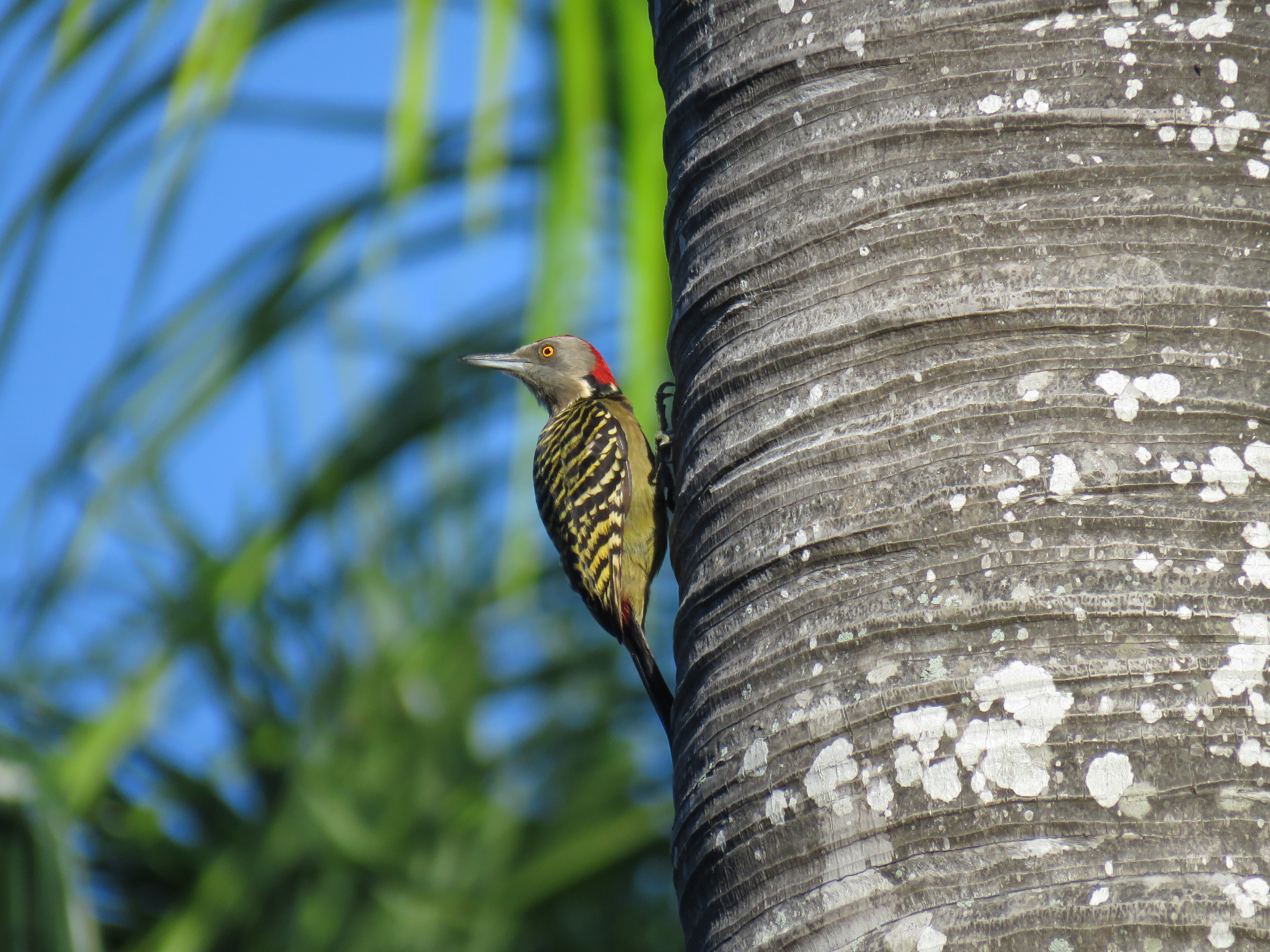
Las Terrenas, Dominican Republic
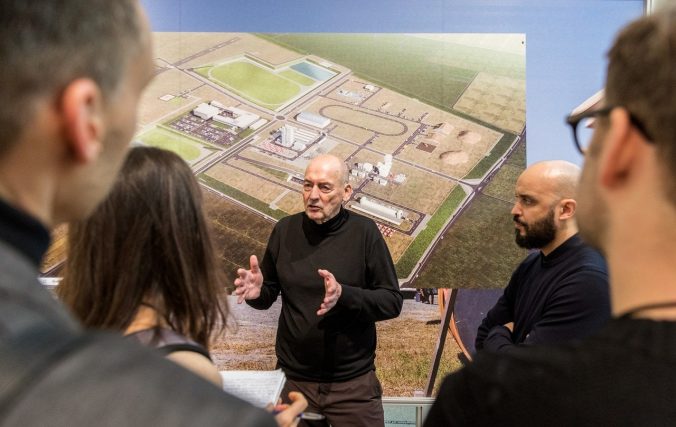
Rem Koolhaas’s new show tells a story that stretches from ancient Rome and China to the environmental, existential crisis of the present. Photograph by Laurian Ghinitoiu / Courtesy AMO
Thanks to Carolyn Kormann for the welcome distraction:
Rem Koolhaas’s Journey to the Countryside
One morning last week, the Dutch architect Rem Koolhaas was slowly turning in place in the center of the Guggenheim Museum’s rotunda, his face tilted up toward the sun-flooded glass roof. Suspended above his bald head was a miniature yellow submarine with a long needle at one end, like a bayonet. The device, Koolhaas explained, was something Australians developed to exterminate starfish. “Because of global warming, they are proliferating to the extent that they need to be killed, to protect the great barrier reef,” Koolhaas said. “The sub injects them with poison.” He smiled slyly. “Organic poison.” Continue reading
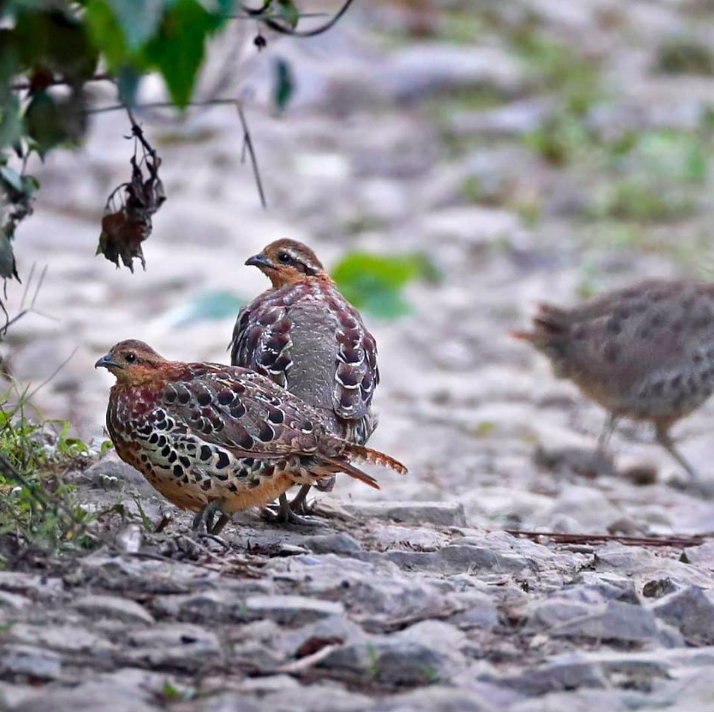 Khonoma, Nagaland

Illustration by James Taylor
Thanks to Colleen Walsh and the Harvard Gazette for this:
What the nose knows
Experts discuss the science of smell and how scent, emotion, and memory are intertwined — and exploited

Little Rann of Kutch, Gujurat
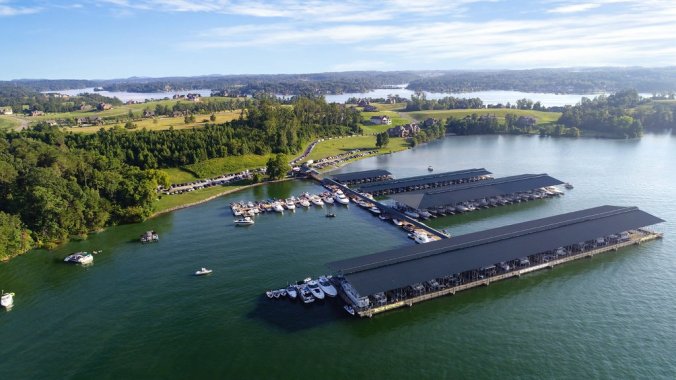
This trend in real estate development is a breath of fresh air:
Taking the Golf Out of Golf Communities
Around the country, planned developments are adapting and reinventing in order to appeal to a wider range of buyers.
Hilton Head Plantation is a gated golf community on Hilton Head Island in South Carolina.
MacDonald Highlands is a master-planned community of less than 1,000 units in Henderson, Nev., a wealthy suburb of Las Vegas within squinting distance of the Strip. For years, its main selling point was DragonRidge Country Club, a private 18-hole golf course sculpted out of the desert foothills, with emerald fairways that wind past multi-million-dollar homes.
But lately, the property’s owner, Rich MacDonald, has had more on his mind than golf.
Mr. MacDonald opened the club in 2001, sold it in 2014 and bought it back in 2016. When he did, he said: “I wanted to make sure we have the equivalent of a cruise director. Someone who does fun things, interesting events. We’ve had to adapt quite a bit because the social aspect seems to be the main focus for new residents.”
At existing golf communities around the country, a similar story of adaptation and reinvention is playing out. Continue reading
male – St. Martins Therme & Lodge, Austria
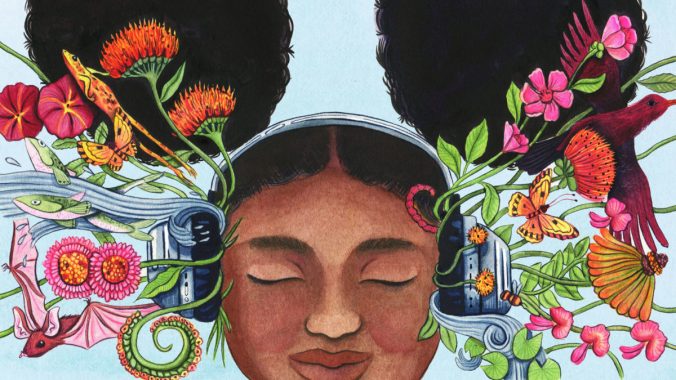
ENZO PÉRÈS-LABOURDETTE / YALE E360
It is commonplace belief that music from our youth influences our taste in music for the rest of life, and that no music ever displaces the favorite music of our late teens and early twenties (this is lore, admittedly, not science), so it makes sense that this same period of music acquisition can influence much more:
How Hip Hop Can Bring Green Issues to Communities of Color
The environmental movement has largely failed to connect with people of color and marginalized urban communities. By confronting issues from contaminated water to climate change, hip hop music can help bridge that divide and bring home the realities of environmental injustice.
When I was diversity director at North Carolina State University, part of my job was to recruit young people — often from communities of color — into the College of Natural Resources. It could be a struggle; these were talented and creative kids, but often they didn’t see how environmental or sustainability issues were relevant to their lives. Continue reading
Dunwoody, GA
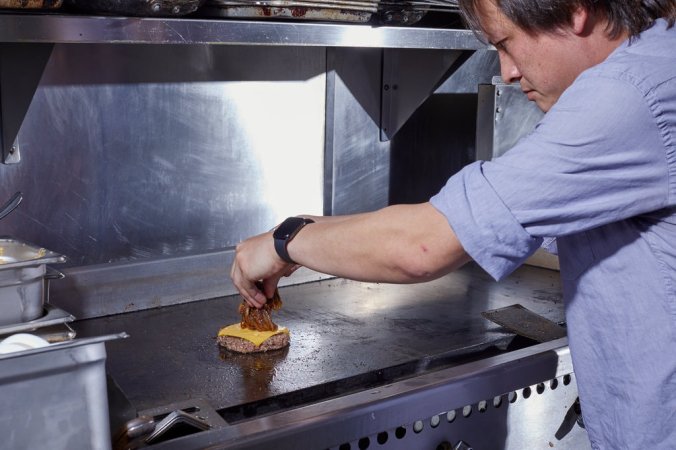
Our columnist J. Kenji López-Alt making a burger at Wursthall, his restaurant in San Mateo, Calif. Peter Prato for The New York Times
Thanks to the New York Times for having a chef as a writer on these themes we care very much about:
How to Cook With Plant-Based Meats
You may have tried restaurant versions, but making them at home is another matter. J. Kenji López-Alt has tested them and offers practical advice.
SAN MATEO, Calif. — Even before opening my restaurant, Wursthall, here a couple years ago, I knew that taking vegan and vegetarian options seriously — with both traditionally vegan foods and modern meat alternatives — would be a central element of its success.
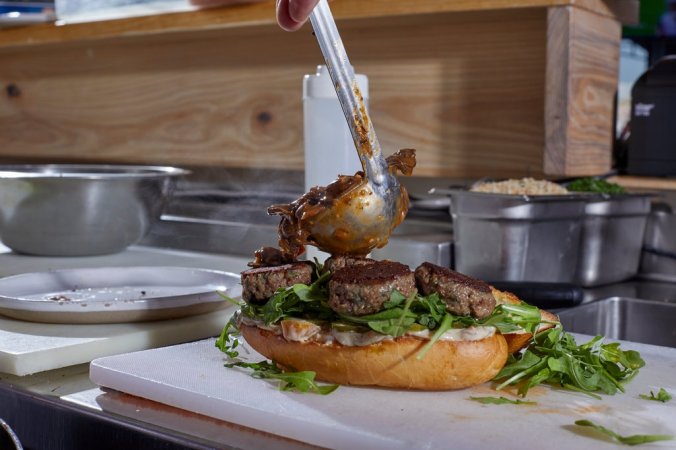
A meatball sandwich made with Impossible meat at Wursthall. Peter Prato for The New York Times
Though sausages form the backbone of the menu, my team and I believed that people who don’t eat meat should be able to dine in mixed company without feeling that they were second-class citizens, or that their meal consisted of a series of side dishes, as they so often do at restaurants.
Amy Lombard for The New York Times
For me, a food-science writer who is a chef on the side, this meant testing, and lots of it. Continue reading
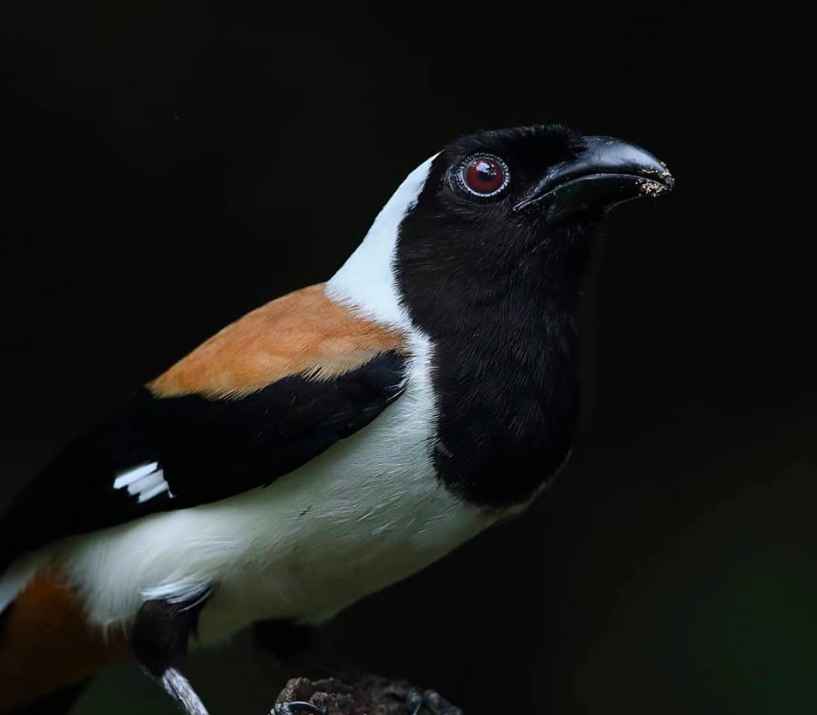
Thattekad Bird Sanctuary, Kerala
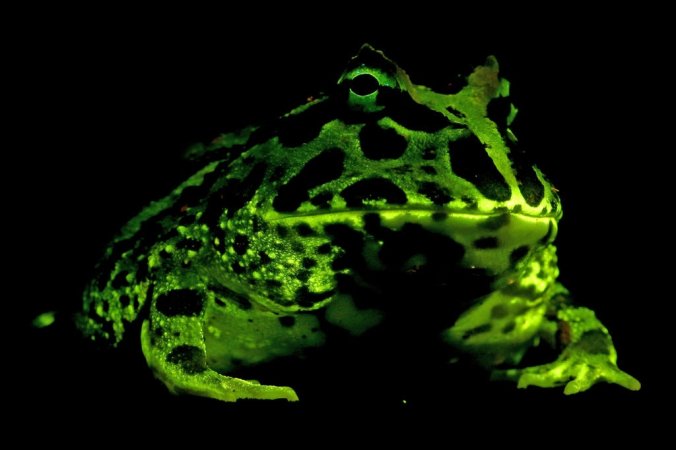
A biofluorescing Cranwell’s horned frog. Jennifer Lamb and Matt Davis
Thanks to Joanna Klein, as always:
Salamanders and Frogs Hide a Glowing Secret
Many amphibians — possibly all of them — are biofluorescent, according to a new survey.
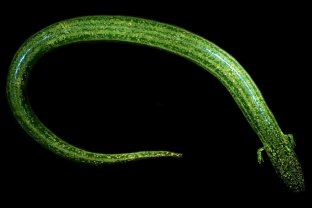
A glowing dwarf siren… Jennifer Lamb and Matt Davis
Amphibians are half-landlubbers, half water-babies. They breathe through skin that is moist, warty, crested and in some cases, poisonous or hallucinogenic. Some wear dull, leaflike-camo patterns. Others sport Guy Fieri flames.
And as cute, gross, pretty, ugly, magical and witchy-named as these slip-sliding creatures may be, they’ve been hiding something in a secret, fluorescent world invisible to humans. Many amphibians, whether salamanders, frogs or their distant cousins — possibly all of them — glow, according to a survey published Thursday in Scientific Reports.
Jennifer Lamb and Matt Davis
“There is still a lot out there that we don’t know,” said Jennifer Lamb, a biologist who conducted the research with Matt Davis, both at St. Cloud State University in Minnesota. “This opens up this whole window into the possibility that organisms that can see fluorescence — their world may look a lot different from ours.”
The study paves the way for new research into how or why amphibians possess this special adaptation, which has potential applications in medical technology and conservation. Continue reading

Mendoza, Argentina
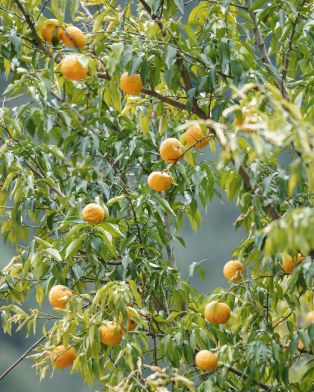
Among New York chefs, there is, reportedly, a thriving black market in fresh yuzu smuggled from Japan.Photograph from World Discovery / Alamy
NOTHING COMPARES TO YUZU
I suffer terribly from what you might call a paralysis of wonder. When I become the custodian of something truly marvellous, notably beautiful, or a little bit rare, I worry so much about using it for a sufficiently special purpose that, more often than not, I fail ever to use it at all. My kitchen, in particular, is a graveyard of reverent neglect: a golden bottle of sunflower oil, pressed by monks in an ancient Georgian monastery, long past rancid; a little jar of barbecue sauce folded into my palms years ago by a grizzled pitmaster in Tennessee; a desiccated hunk of white truffle tucked in molding white rice; bags of international potato chips hanging on far beyond their sell-by dates. Continue reading
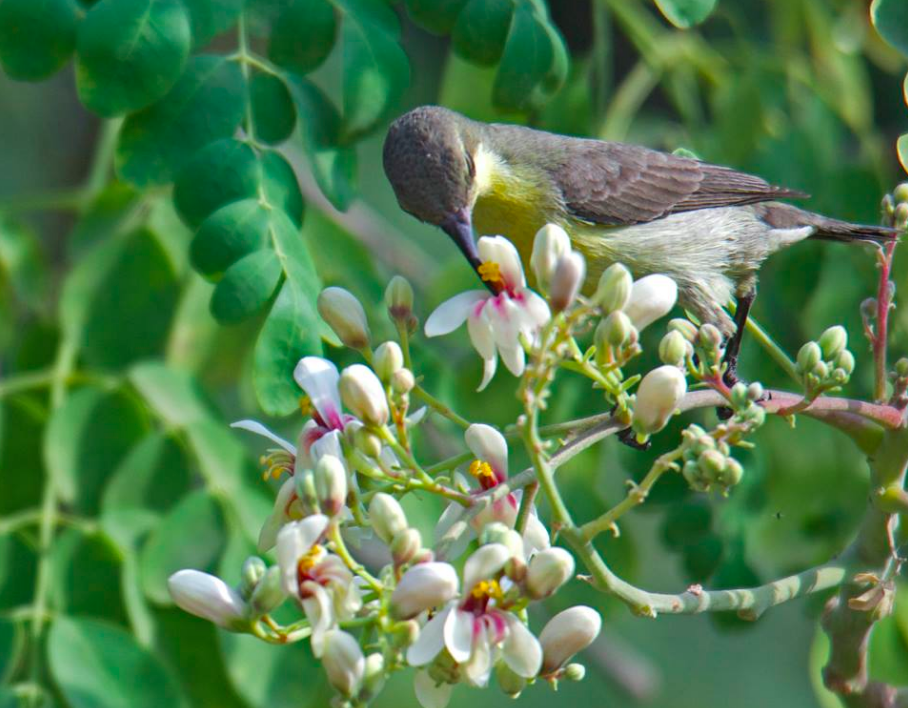
female – Little Rann of Kutch, Gujurat
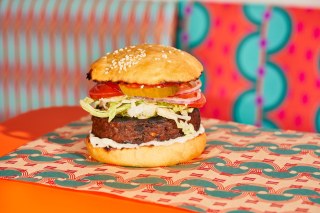
The eponymous Lekka burger, featuring a patty made primarily from portobello mushrooms and cannellini beans, is topped with vegan mayonnaise, lettuce, tomato, red onion, and pickles, on a house-made bun. Photograph by Heami Lee for The New Yorker
After a meatless month, and a strong belief that alternatives to meat are going to dominate my eating future, my thanks to Hannah Goldfield for another clue of where to eat in New York City if my goal is a mix of meatless and tasty. This one is titled Lekka Burger and the Quest for the Perfect Veggie Patty and the subtitle is the kind of question on my mind lately: In the golden age of vegetable-centric cooking, do we need more dishes made in the image of meat?:
There has never been a better time to eat a meatless hamburger. The current surge of interest in plant-based diets has sparked an arms race of sorts. Companies such as Impossible Burger and Beyond Meat are using cutting-edge technology to make ground-beef facsimiles that look, feel, and even smell eerily similar to the real thing; you can find their products everywhere from small restaurants to national fast-food chains and supermarkets. Meanwhile, in New York, a number of creative chefs have put serious effort into improving upon the archetype, using actual vegetables.
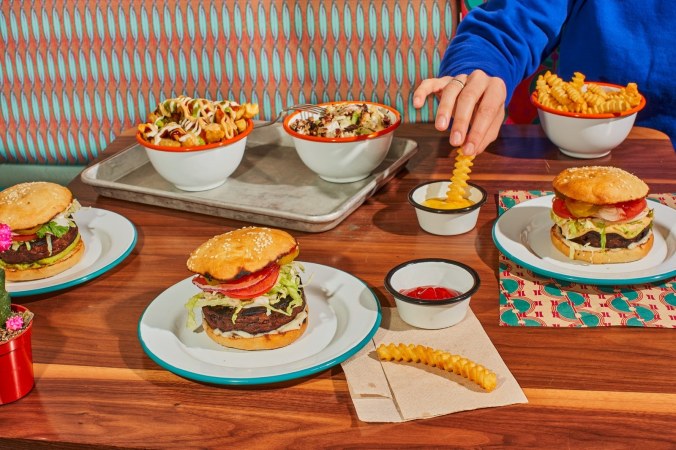
The menu offers five iterations of the burger, some with globally themed toppings such as guacamole and Hatch-chili sauce or papadum and curry-tamarind ketchup, plus French fries and a few salads. Photograph by Heami Lee for The New Yorker
Since 2008, the chef Amanda Cohen has been the force behind Dirt Candy, the first vegetarian restaurant to hold its own in New York’s fine-dining landscape. Cohen had never served a veggie burger before Andrea Kerzner, a South African philanthropist looking for ways to fight climate change, cold-called her to propose that they collaborate on a restaurant built around one, but she was game to try. Last November, they opened Lekka Burger, in Tribeca. Continue reading
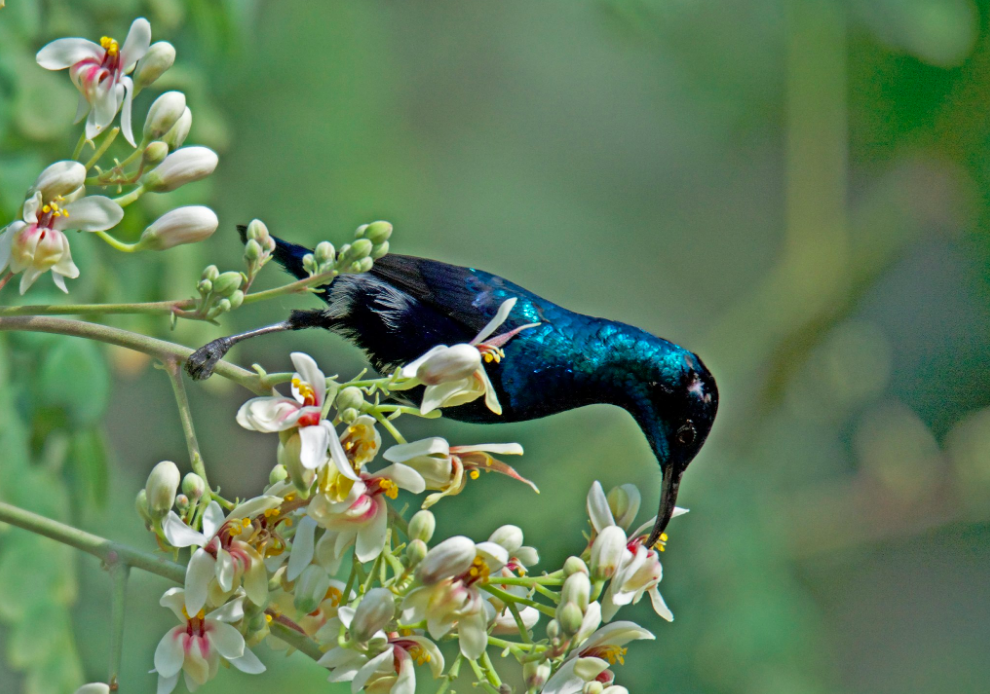
male – Little Rann of Kutch, Gujurat
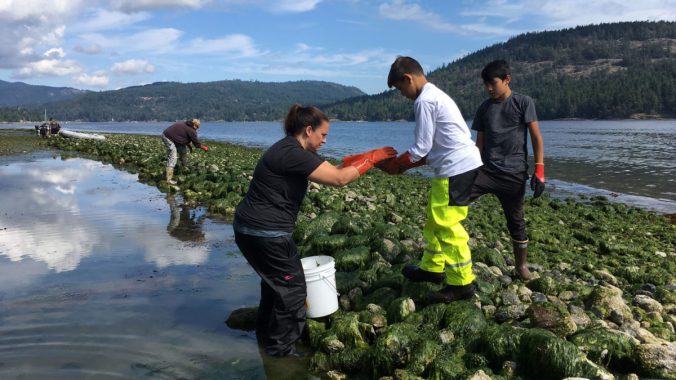
Swinomish tribal members from Washington state participate in a clam garden restoration in British Columbia. PHOTO COURTESY OF SWINOMISH INDIAN TRIBAL COMMUNITY
Thanks to Nicola Jones for this:
How Native Tribes Are Taking the Lead on Planning for Climate Change
With their deep ties to the land and reliance on fishing, hunting, and gathering, indigenous tribes are especially vulnerable to the impacts of climate change. Now, native communities across North America are stepping up to adopt climate action plans to protect their way of life.
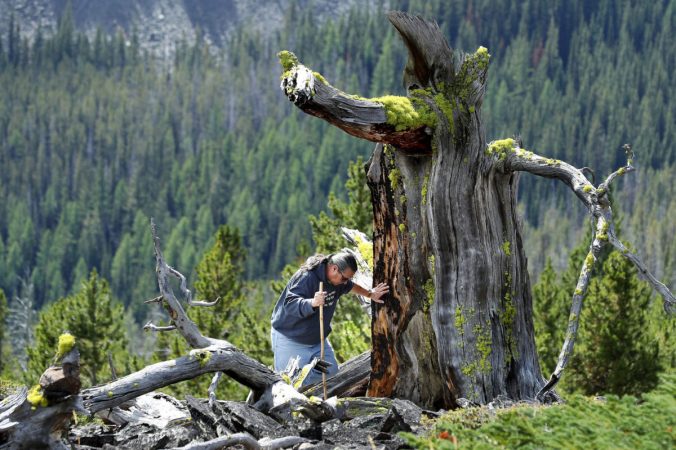
Tribal program manager Mike Durglo Jr. examines what remains of a 2,000-year-old whitebark pine on the Flathead Indian Reservation in Montana, where trees are dying from warming-related diseases. CHIP SOMODEVILLA/GETTY IMAGES
On a hot summer’s day, marine ecologist Courtney Greiner walks the shore of a rocky Washington beach at low tide with a handful of staff and interns. They stake out the ground and hunch down, digging up the top two inches of mud, silt, and gravel looking for baby clams.
For thousands of years, the indigenous peoples of the West Coast would build rock walls at the low tide line, allowing sand to pile up behind them, making the slope of the beach gentler, and expanding the area of the intertidal zone that clams like to call home. These simple clam gardens are effective at boosting shellfish numbers, and have long been used to improve food security for traditional peoples. Continue reading