
Sela Pass, Arunachal Pradesh
Sela Pass, Arunachal Pradesh

Ceiba’s juicer at Authentica, as seen in front of the Costa Rica Marriott Hotel Hacienda Belen
To make the best use of the citrus in your life, visit Authentica and find this item. You may already have a fancy electric gadget that can perform the same function as this juicer, and it may seem self-evidently superior.
I beg to differ. First, on the experience: the mix of metal, plastic and/or glass of the electric juicer, designed for speed, eliminates any inherent satisfaction that either the fruit or the tool might provide. Holding this wooden juicer made by our friends at Ceiba Design Collective is a form of time travel. It resembles one I first saw in 1969. And that one likely resembled juicers in use in that village for hundreds of years, typically made of olive wood.
Secondly, I beg to differ on utility. Electric juicers may get the job done quicker, but this juicer gets another, more important job done. Its carbon footprint is a tiny fraction of the electric one, starting with construction and finishing with the use of electricity. And this is made by a group of craftsmen in Costa Rica who work with wood that has been recycled from previous use–timbers or railings from old homes–or wood from trees felled by storms. Experience + utility + sustainability = an authentic Costa Rica takeaway.
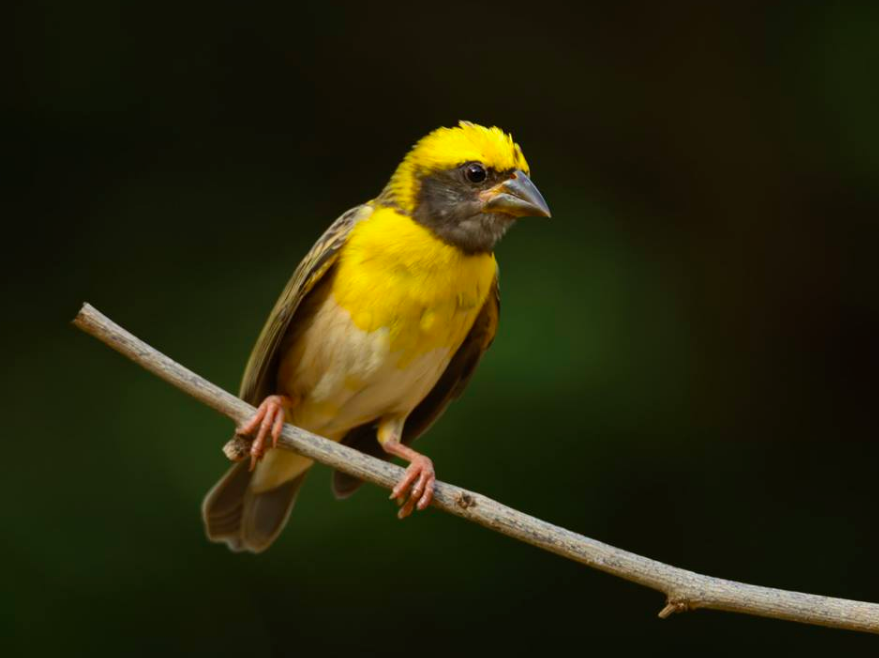
male – Hampi, Karnataka
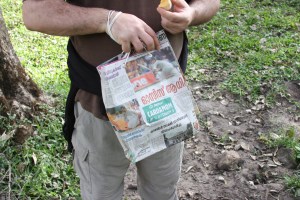
I am holding one such bag, made from recycled newspaper, in a post from 2011
In Kerala, India between 2010 and 2017 we tackled the issue of plastic in the hospitality operations we were responsible for. We started with the elimination of plastic bags, as Michael and our other interns Allegra and Sung reported at the time. With success on that front we moved on to the elimination of plastic water bottles, and the investment that required was much more substantial, not least because tourist guide books always warned travelers to India to only drink from plastic water bottles. We made progress, which was very particular to that place and time, but still this news reported by Beth Gardiner in Yale e360 is particularly frustrating:
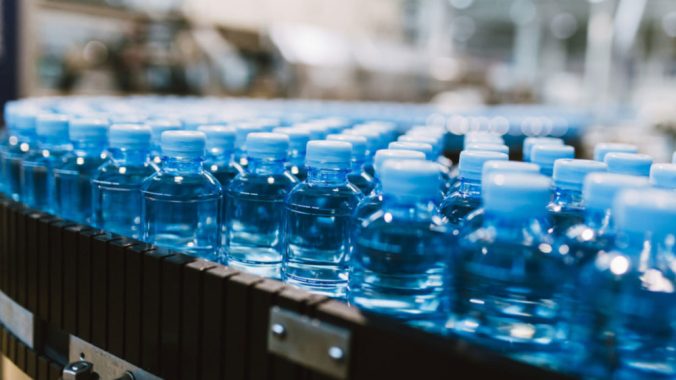
The Plastics Pipeline: A Surge of New Production Is on the Way
A world awash in plastic will soon see even more, as a host of new petrochemical plants — their ethane feedstock supplied by the fracking boom — come online. Major oil companies, facing the prospect of reduced demand for their fuels, are ramping up their plastics output. Continue reading
Punta Allen, Mexico
Every day begins with a search for a story to share here, something evocative, sometimes provocative, hopefully useful in some manner. When my own name will go on the post there is some personal connection to the story being linked to, or it is a story of my own. When the there is an important story or an essay that fits our framework but does not require my own personal reflection, I will post using the La Paz Group name instead of my own.
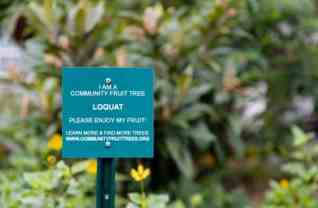
Community fruit trees provide for everyone. Photograph: http://www.livewonderful.com
Today’s linked story is personal in a very simple way. Since a teenage visit to Walden Pond I have celebrated Thoreau unthinkingly, even considered his exemplary life as a kind of compass relevant to all of us all of the time. I do not retract any of that, but the story below challenges the isolation of Thoreau’s example, and turns our attention to how important community is for many of the same self-reliance outcomes I have celebrated in relation to life on Walden Pond. Thanks to the Guardian for bringing this to my attention:
I didn’t buy any food for a year – and I’m healthier than I’ve ever been
Rob Greenfield gardened, fished and foraged to eat more sustainably and encourage others to do the same. But to succeed, he needed the community
Rob Greenfield with greens grown in his garden. Photograph: Sierra Ford Photography
For the last year I grew and foraged 100% of my food. No grocery stores, no restaurants, not even a drink at a bar. Nature was my garden, my pantry and my pharmacy.
Most people would imagine I live in the countryside on a farm, but actually I live in a city; Orlando, Florida, a few miles from the centre. When I arrived here, I didn’t own any land, so in order to grow my food I met people in the neighbourhood and turned their lawns into gardens and shared the bounty of food with them. I’m a big believer in the philosophy “grow food, not lawns”.
Rob Greenfield in his tiny house in Orlando, Florida. Photograph: Sierra Ford Photography
I also needed a place to live for my two-year stay in Orlando and I also found this through the local community. I put the message out that I was looking for someone with an unused backyard who could benefit from my being on the property. After a short search I found Lisa, a woman in her early 60’s with a lifelong dream of living more sustainably. I built a 100 sq ft tiny house in her backyard and in exchange I turned her entire front yard into a garden, set up rainwater harvesting, composting and grew her fresh produce. Together, we helped meet each other’s basic needs through an exchange, rather than using money. Continue reading
Photo Credit: Stephen Crafts
Isabela Island, Galapagos, Ecuador
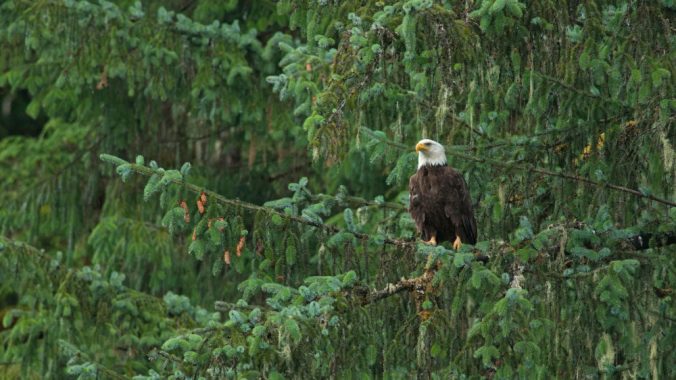
A bald eagle in Tongass National Forest, Alaska. MAURO TOCCACELI/ALAMY
These are times that test our patience. Obvious, right? So is the subject of this essay. And yet, it bears saying, and repeating, precisely because of the times we find ourselves in. So thanks to Mr. Heacox for saying so and to Yale e360 for publishing it:
Let It Be: Why We Must Save Alaska’s Pristine Tongass Forest
At 17 million acres, Alaska’s Tongass is the largest U.S. national forest and the world’s largest remaining temperate rainforest. Now, the Trump administration wants to resume large-scale logging in the Tongass, one of several initiatives threatening some of Alaska’s wildest lands.
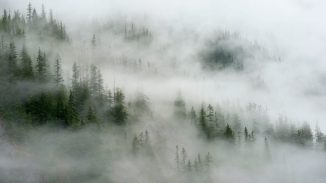
Fog rises from forest near Ford’s Terror, a narrow fjord in the Tongass. WOLFGANG KAEHLER / LIGHTROCKET VIA GETTY IMAGES
When the railroad tycoon Edward H. Harriman fell ill from stress and too much work, his doctors recommended that he take a sea cruise. Unable to do anything in a small way, Harriman filled a ship with America’s foremost scientists, artists, and writers, and sailed the coast of Alaska for two months in the summer of 1899.
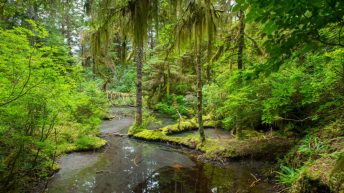
A forest view in the Tongass, the world’s largest remaining temperate rainforest. WOLFGANG KAEHLER / LIGHTROCKET VIA GETTY IMAGES
The expedition, which also included the renowned preservationists John Muir and George Bird Grinnell, found two Alaskas wherever they went, one for the taking, one for the saving. Each at odds with the other. Foremost among the places for saving was the great coastal rainforest of the Southeast Alaska panhandle, a wondrous world of mountains, ice fields, tidewater glaciers, rock-ribbed fjords, coastal brown bears, bald eagles, and 11,000 miles of shoreline.
Eight years later, in 1907, President Theodore Roosevelt took a bold step in that direction by creating the 17-million-acre Tongass National Forest, the largest national forest in the United States. Today, the Tongass contains two national monuments and 19 designated wilderness areas. It also has countless undammed rivers and streams, and some of the world’s last great runs of wild Pacific salmon. Continue reading

Wayanad, Kerala

Since we started this platform in 2011 I have been on the lookout for graphical representations that help me, and therefore might help others, understand complex issues related to the environment. Photography has been the easiest reach for me, perhaps because I am a son of, a brother of, and a father of people who have mastered that form. Comics were not part of my life, so that form has eluded me. And I realize that the work of Susie Cagle escaped my attention–as I have shared visual artists’ depictions of natural phenomena, with science and especially ecological issues emphasized–until now. And this is a good way for her work to come to my attention, because in our family we have been debating this tree’s value for decades:
Fire-starting weed or ecological scapegoat? The battle over California’s eucalyptus trees
The fight over a celebrated exotic plant highlights questions over California’s future amid the climate crisis

Pangot, Uttarakhand

Comprised of only around 100,000 neurons, the Drosophila fruit fly brain is capable of highly complex behaviors. Getty Images
This link is in the spirit of appreciating the value of the lowliest members of our day to day encounters with nature, and the role they play in helping scientists better understand phenomena important to humans. Thanks to Kevin Jiang and the Harvard Gazette:
Where we get our sense of direction
Experiments reveal how visual cues reorganize course-sensing neurons in fruit flies
Dunwoody, GA
Mother Jones illustration; Getty
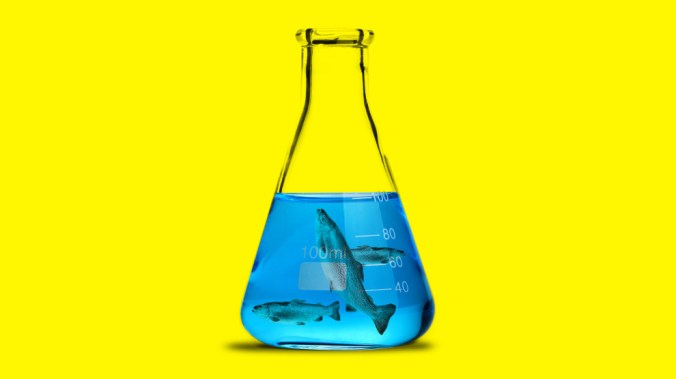
Companies like Impossible and its competitor Beyond Meat have gotten most of the attention in our pages for plant-based meat-like products, but when it comes to alternative seafood our stories have mainly focused on invasive species, or on farming kelp or on seaweed farming. Thanks to Mother Jones for stretching our attention to the alternatives to fresh caught or even farm-raised seafood that simulates the kinds of fish that have been over-harvested:
We Destroyed the Oceans. Now Scientists Are Growing Seafood in Labs.
This is why we can’t have nice things.
Do you love burgers—but not the animal cruelty and environmental degradation that go into making them? I come bearing good news: Someday, you might be able to get your meat fix, without all that bad stuff. Scientists can now grow animal flesh, without raising—or in most cases killing—an animal. This food, called “lab-grown meat,” “cell-based meat,” “cultured meat,” “cultivated meat,” “clean meat,” or as comedian Stephen Colbert jokingly called it in 2009, “shmeat,” has set off a flurry of media attention in recent years. Dozens of lab-grown meat companies have materialized, most aiming to solve the problems associated with large-scale beef, pork, poultry, and seafood production.
Finless Foods, a 12-person food-tech startup founded in 2017 and based in Emeryville, California, claims to be the first company to focus on lab-grown fish, although a handful of other startups have since joined them. In October, 28-year-old Finless Foods co-founder Mike Selden gave me a tour of their facility, and I dished about it on the latest episode of the Mother Jones food politics podcast Bite:

Selden and his co-founder Brian Wyrwas, both products of an agricultural biochemistry program at UMass Amherst, started the company, he says, to “make something good.” Continue reading
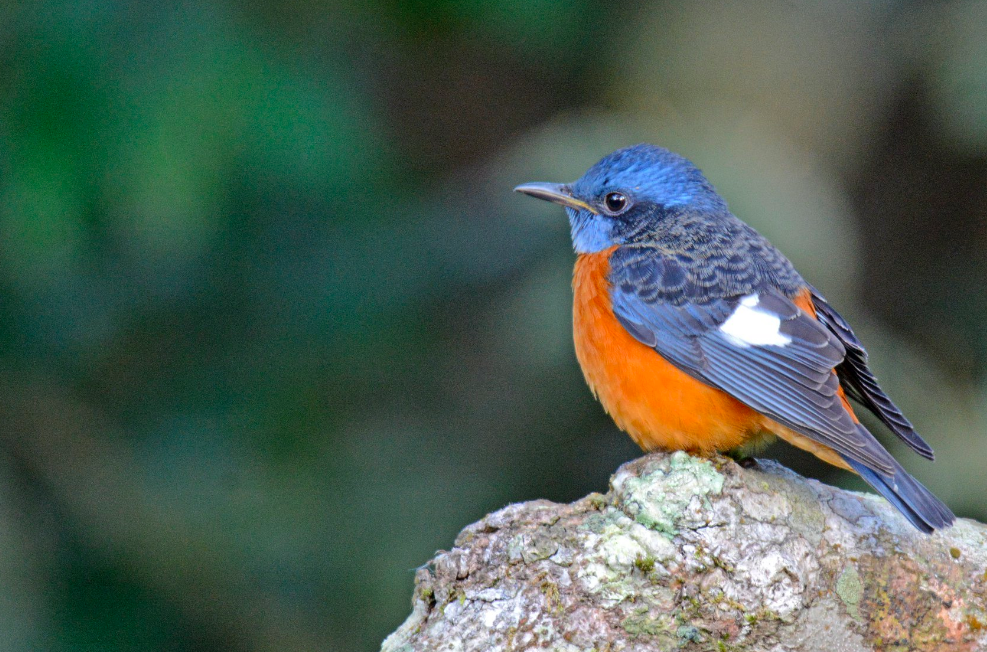
Wayanad, Kerala
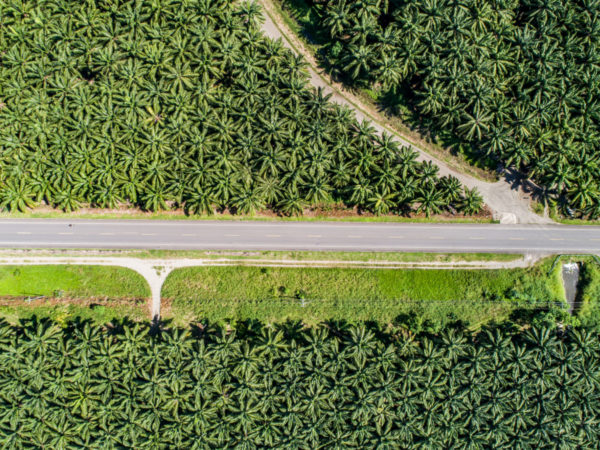
Critics note that flawed strategies have encouraged tree farms, such as this oil palm plantation in Costa Rica. SHUTTERSTOCK
Richard Conniff explains why tree farms, like the one pictured above, are not part of the solution to climate change, whereas abandoned ancient farms like the one picture below may be part of the solution:
Could Abandoned Agricultural Lands Help Save the Planet?
Agriculture’s global footprint is decreasing — more land globally is now being abandoned by farming than converted to it. This, some researchers contend, presents an opportunity for ecological restoration that could help fight climate change and stem the loss of biodiversity.
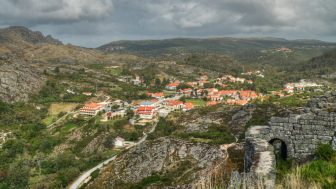
The town of Castro Laboreiro, Portugal, where former grazing lands have reverted to nature. ANTONIO LOMBA/FLICKR
People have lived in Castro Laboreiro, where northern Portugal borders Spain, long enough to have built megaliths in the mountainous countryside and a pre-Romanesque church, from 1,100 years ago, in the village itself. But the old rural population has dwindled away, leaving behind mostly elders yearning for their vanishing culture. Continue reading
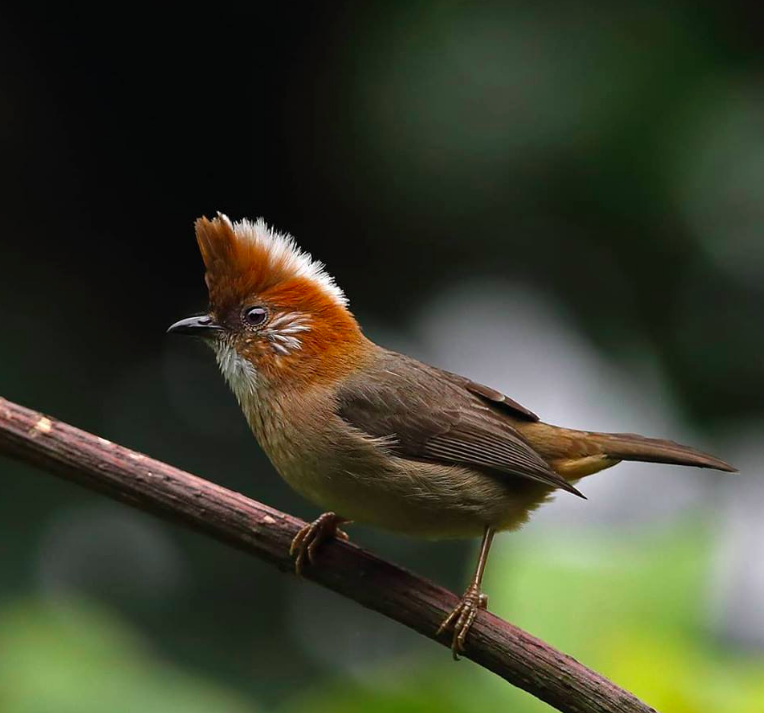
Mishmi Hills, Arunachal Pradesh
We did not link out to Annie Lowrey’s article earlier this year, so thanks to her and the Atlantic for this brief summary statement; and with it, a recommendation to read the whole article Too Many People Want to Travel:
Mass Tourism Is Destroying the Planet
Last year, 1.4 billion people traveled the world. That’s up from just 25 million in 1950. In China alone, overseas trips have risen from 10 million to 150 million in less than two decades.
This dramatic surge in mass tourism can be attributed to the emergence of the global middle class, and in some ways, it’s a good thing. Continue reading
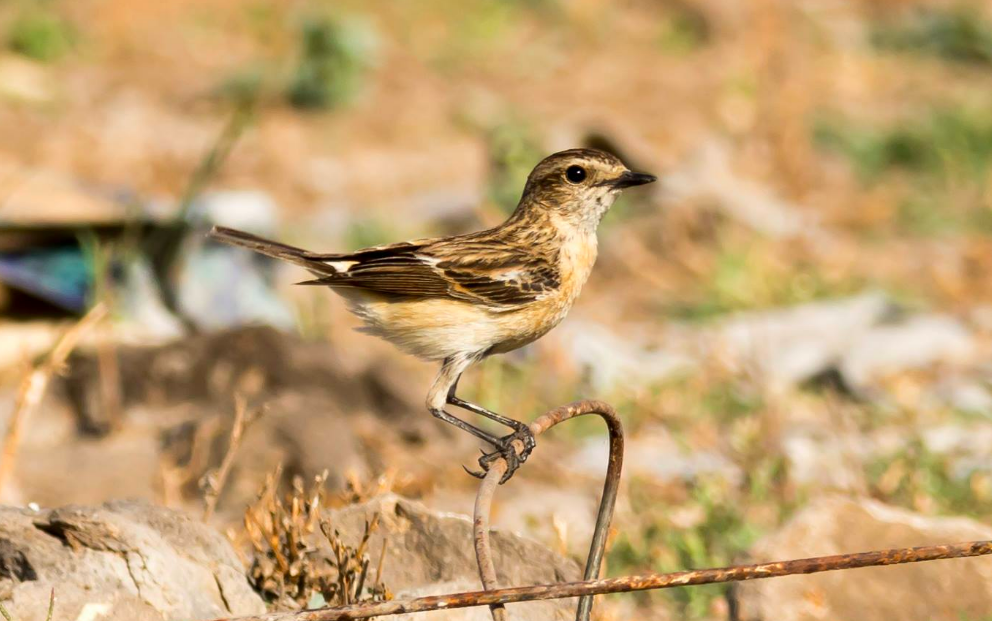
Vijayapur, Karnataka
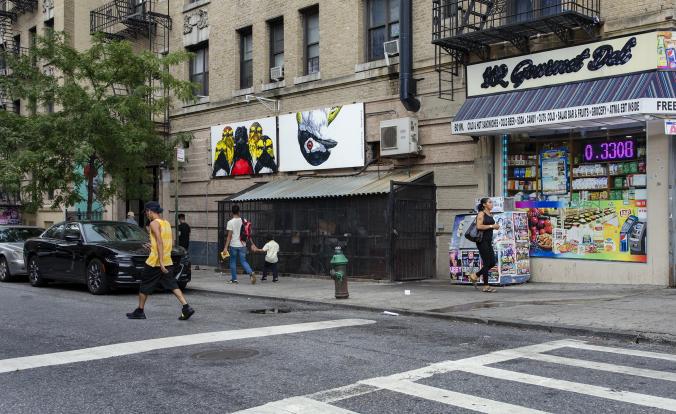
Photo: Mike Fernandez/Audubon
A couple years ago we linked to a story about urban murals and now, progress:
Where Birds Meet Art . . . After Dark
Greater Sage-Grouse by George Boorujy
Location: 3920 Broadway, New York, NY 10032The Audubon Mural Project is a collaboration between the National Audubon Society and Gitler &_____ Gallery to create murals of climate-threatened birds throughout John James Audubon’s old Harlem‐based neighborhood in New York City.
Pinyon Jay by Mary Lacy
Location: 3668 Broadway, New York, NY 10032The project is inspired by the legacy of the great American bird artist and pioneering ornithologist and is energized by Audubon’s groundbreaking report “Survival By Degrees.” Audubon’s scientists have found that climate change will threaten at least half of all North American birds with extinction, and that no bird will escape the impacts of climate-change-related hazards like increased wildfire and sea-level rise. The project commissions artists to paint murals to call attention to this problem, and it has been widely covered in the media, including The New York Times.
On the website where Audubon features these murals you can click through to see the individual stories of each, including lots of interesting species information:
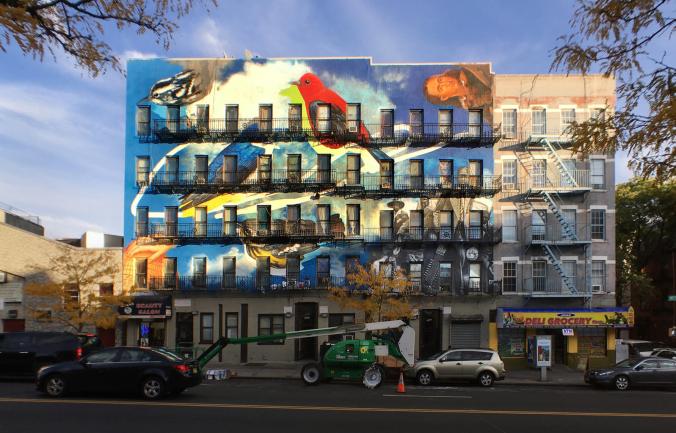
Clockwise from top left: Black-and-white Warbler, Scarlet Tanager, John James Audubon, depiction of Russell Lee’s 1941 photo of Chicago, Magnolia Warbler, James Lancaster’s hand, and Tree Swallow. Photo: Mike Fernandez/Audubon
Endangered Harlem by Gaia
Location: 1883, 1885, and 1887 Amsterdam, New York, NY 10032 Continue reading



 Organikos