Adaptive Re-Use, Puffin Style

aud_apa-2018_tufted-puffin_a1-5046-15_kk_photo-tom-ingram_0.jpg

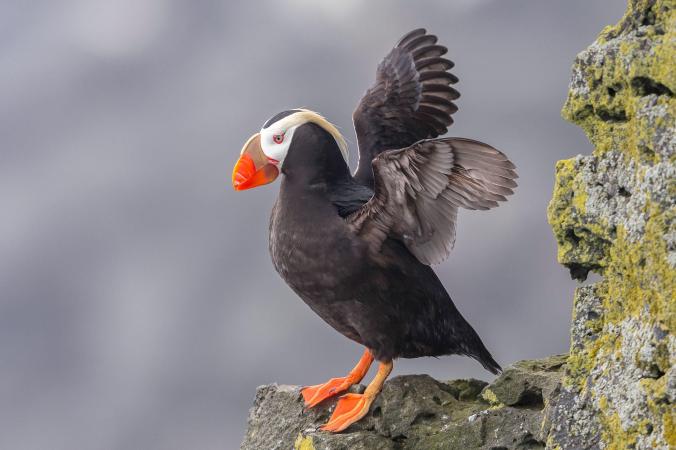
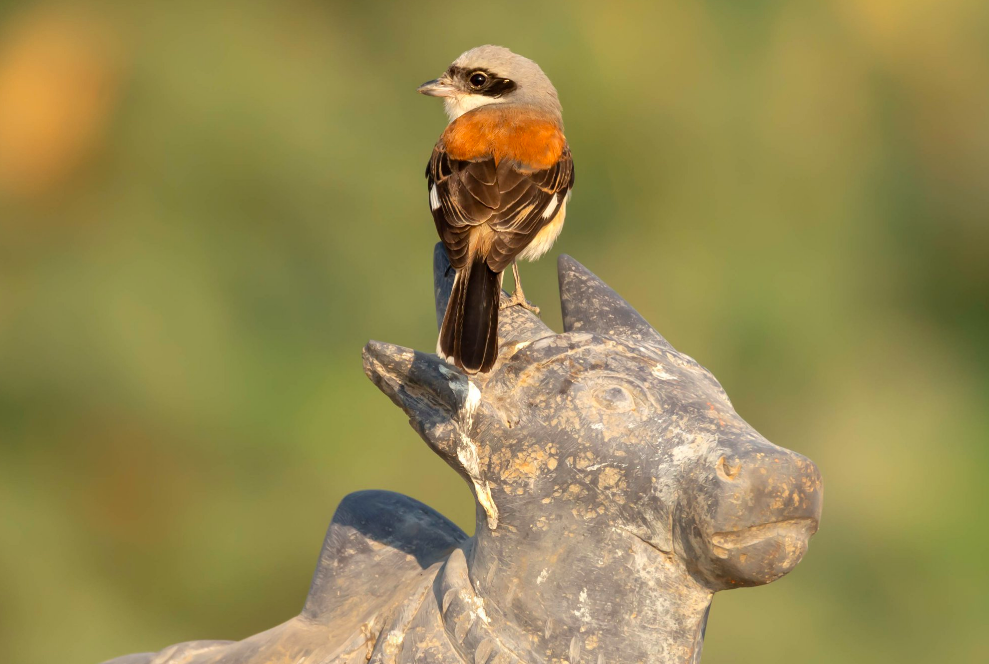
Tufted Puffin. Photo: Tom Ingram/Audubon Photography Awards

Thanks to Audubon Magazine we start 2020 with a short story about an adaptation that is not just pretty, but practical in more than one way:

Those Big Orange Bills Also Help Puffins Stay Cool After a Workout

Good for more than just attracting a mate, the clownish feature appears to keep the subpar fliers from overheating.

The puffin’s iconic orange bill might be its most recognizable feature, but it’s also quite functional, serving the charismatic seabird in all avenues of life. The bill’s large volume makes it a hefty food carrier, and its ultraviolet glow amps up puffins’ sex appeal. Now, scientists have identified yet another use of this dramatically curved bill: staying cool. Continue reading

Coffee & Redemption

merlin_162395559_98cb8532-954c-4586-ab89-d783600df71f-jumbo.jpg

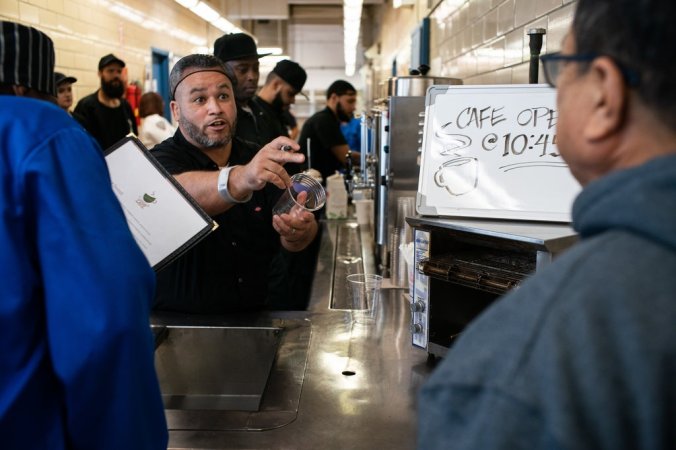
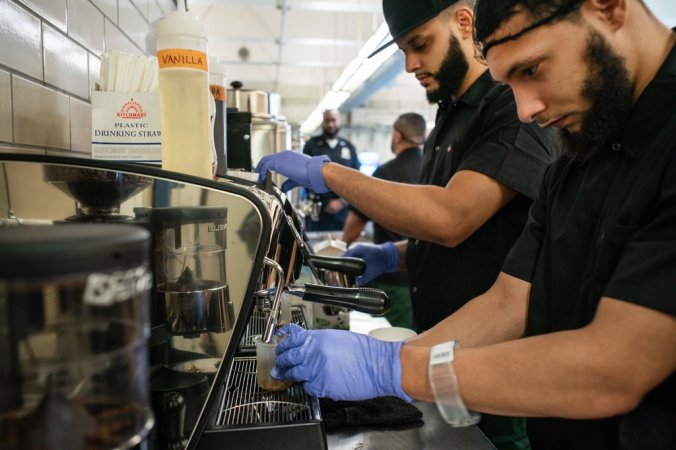
Eddie Rodriguez taking an order. Todd Heisler/The New York Times

Thanks to Amy Chozick for a great story about coffee, redemption and creative solutions to close out 2019:

The Rikers Coffee Academy

Can teaching prison inmates to make lattes give them a chance at a better future?

merlin_162395604_563de7b5-b27e-421a-a3c9-7aabbf8dac12-jumbo.jpg

Omar Jhury and Joshua Molina, right, at Rikers Island manning the espresso machine. Todd Heisler/The New York Times

Officer Green wanted her vanilla latte piping hot. “With vanilla on top, not a lot, just a drizzle, and very hot, don’t make it warm,” she shouted to Eddie Rodriguez, who was taking orders. He nodded and wrote Green on the side of a cup. “Don’t worry, I got ya. Extra hot for Officer Green.” Then he slid the cup down the bar where Mr. Rodriguez and the other inmates in the barista training program at the Rikers Island prison complex were adding ice, steaming milk and grinding beans to load into a $3,000 Nuova Simonelli espresso machine. Continue reading

Another Look At Svalbard

merlin_166333806_dce78ff7-be42-423a-aeb4-74189e43cb3f-jumbo.jpg

Melissa Schäfer

The seed vault has been covered in our pages so many times, that I thought I knew enough, and that plentitude made me almost skip this travel story. Having seen the Northern lights in my teen years, while working at a summer camp in Maine, with 40+ years perspective I can say with certainty that no travel experience comes close to that. I am a travel junky, and have had some profound travel experiences. Kelly McMasters makes me want to chase down that visual wonder that, try as I may, I cannot explain to anyone, and to combine it with some serious winter adventuring:

merlin_166333770_e846fa66-d76b-4a68-b658-f7eca0a4132e-jumbo.jpg

Greeting the New Year In Earth’s Northernmost Settlement

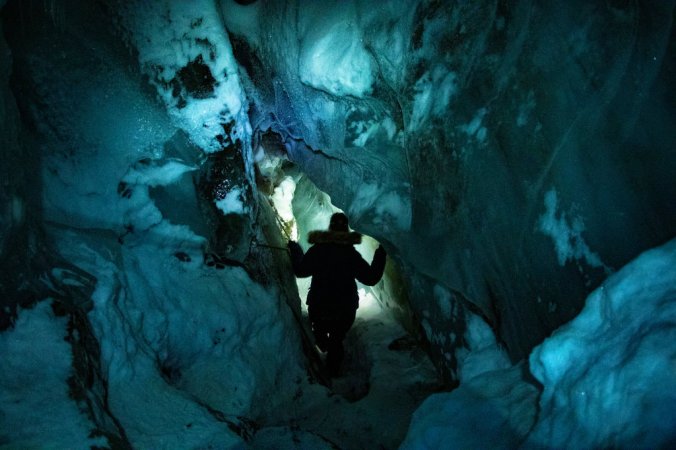
In Svalbard, above the Arctic Circle, you can’t be born and you can’t be buried, but you can find renewal in the dark of winter.

merlin_166333812_bb245b5b-e53a-42db-b2ab-93701fedb3fc-jumbo

Melissa Schäfer

Few people have heard of Svalbard and even fewer have seen it. The isolated group of islands is an old mining settlement turned glacial adventuring outpost located 1,200 miles north of mainland Norway, one of the closest landmasses to the North Pole, along with Greenland and Nunavut. The approximately 2,200 inhabitants dotting the desolate tundra are itinerant, a mix of climate scientists, miners and globe-trotting explorers mostly from Russia, Scandinavia and Canada. There are more polar bears than people.

merlin_166333803_b98fc460-2767-469b-97e9-a3043886660a-jumbo (1).jpg

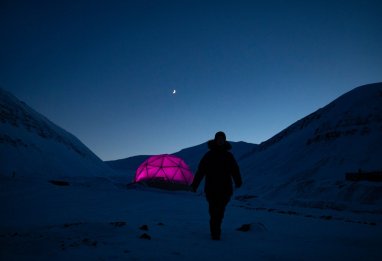
The northern-most greenhouse dome in the world provides microgreens to a local restaurant. Melissa Schäfer

Historically, this archipelago was the isolated purview of turn-of-the-century airship explorers obsessed with finding the Northwest Passage; more recently Svalbard served as the fantastical setting for Phillip Pullman’s “His Dark Materials” trilogy. Today, it is poised to be the next extreme vacation destination for tourists obsessed with climate change, wilderness and chasing the Northern Lights. Continue reading

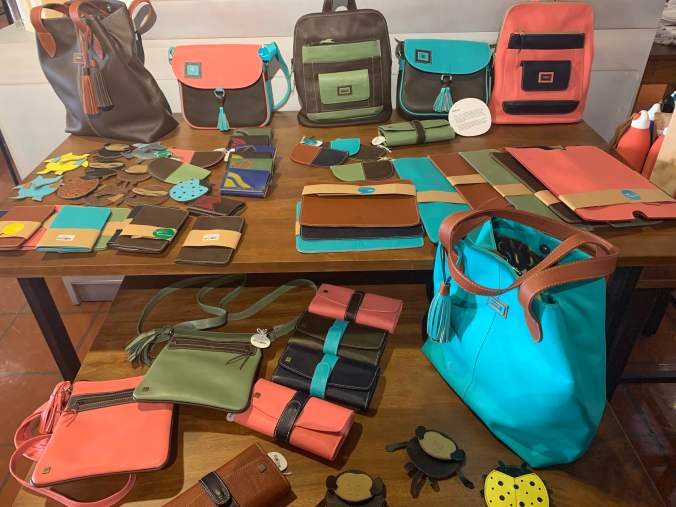
Mitica @ Authentica

Mitica1.jpg

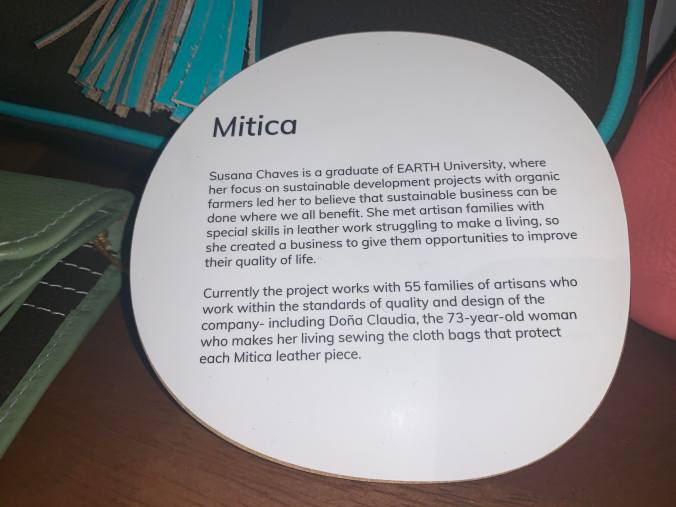
There is something about EARTH University that produces some of the most creative entrepreneurs, whose work combines design, craftsmanship and social responsbility. We are happy to feature Mitica’s work in the shops for these reasons.

Mitica2.jpg

Prepping For Less Food Waste

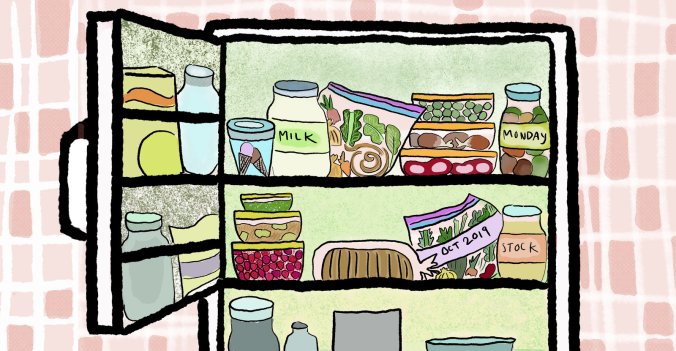
fridge-guy-_custom-2da5185f9372fc1aa92a1c55cffedfeb4544f8f4-s1600-c85.jpg

Clare Schneider/NPR

End of year stories about what to do differently in the new year may seem overdone, but we find them worth sharing when they touch on a theme we cover regularly. This column has the added value of some funny, some even bizarre suggestions:

Food waste is a big problem in the United States, where a typical household of four tosses out about $1,600 worth of food annually. So, Life Kit did a deep dive on how how to reduce food waste.

In planning that episode, the office was abuzz with conversations about our own tricks and tips to save food — from recipes to compost tips. This made us wonder what other wisdom was out there. So we asked you!

We were overwhelmed by your collective knowledge and thriftiness. Our roundup is by no means an exhaustive list, but below are a few tips we felt inspired by. (If you want to join the conversations, you can find them here on Instagram and Facebook.)

Your tips from Instagram

1. Used coffee grounds can be dried and used in a steak rub or mixed with coconut oil and sugar and used as a body scrub. — @Chefanniecarroll Continue reading

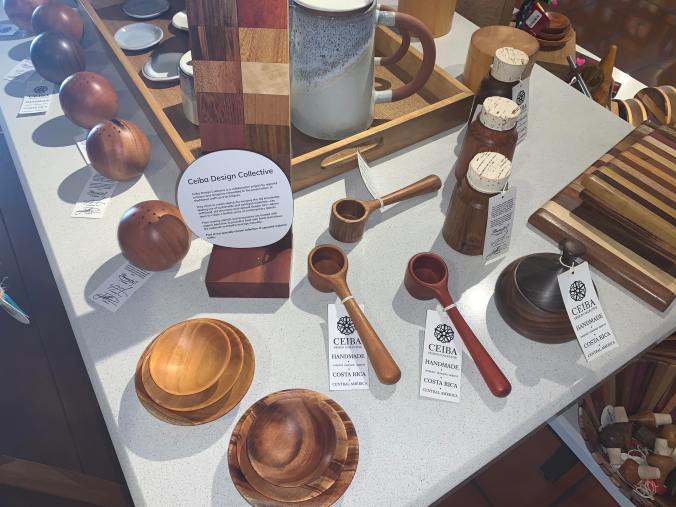
Ceiba @ Authentica

Ceiba1

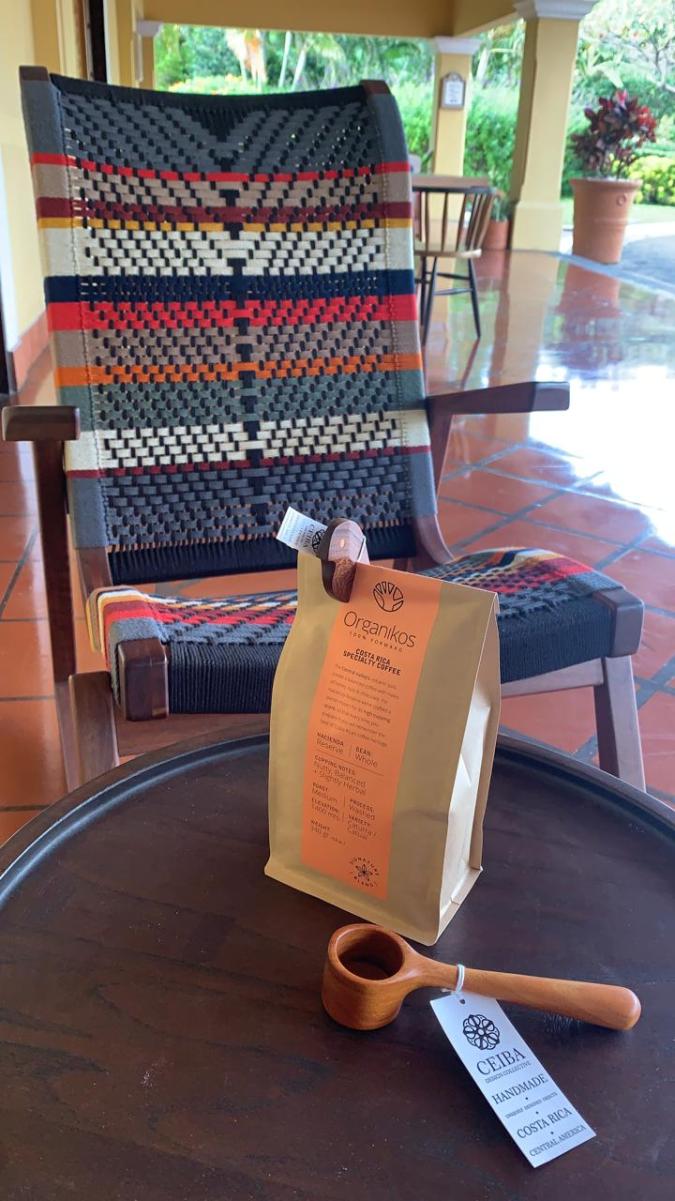
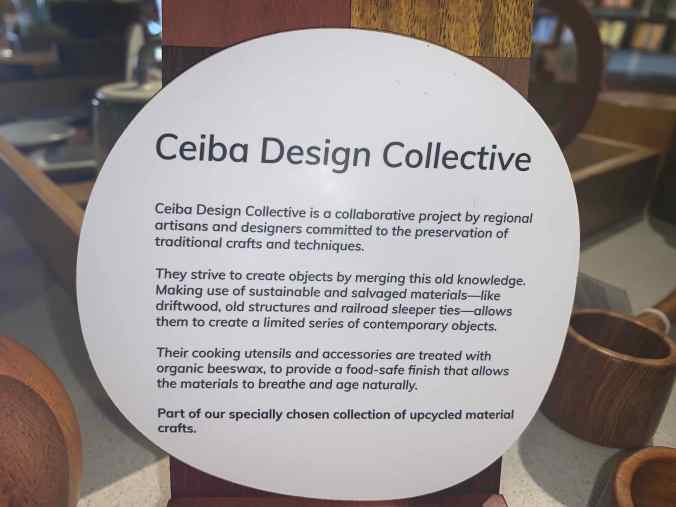
Ceiba2.jpegIt is equally rewarding to introduce new friends here as it is to talk about old friends. I already mentioned Ceiba recently, but I chose one of their more esoteric (if extremely useful) products to highlight in that post. This group of artisans had our attention sufficiently with the beauty of their products when we first met them last year. When we brought some of the products home to test them out in our own kitchen, the utility factor added to our decision to carry their products. But a third factor, which is our extra attention to coffee and coffee culture as essential parts of Costa Rica’s identity, made their products among my personal favorites. So here I am providing a second look at their work.

Ceiba4

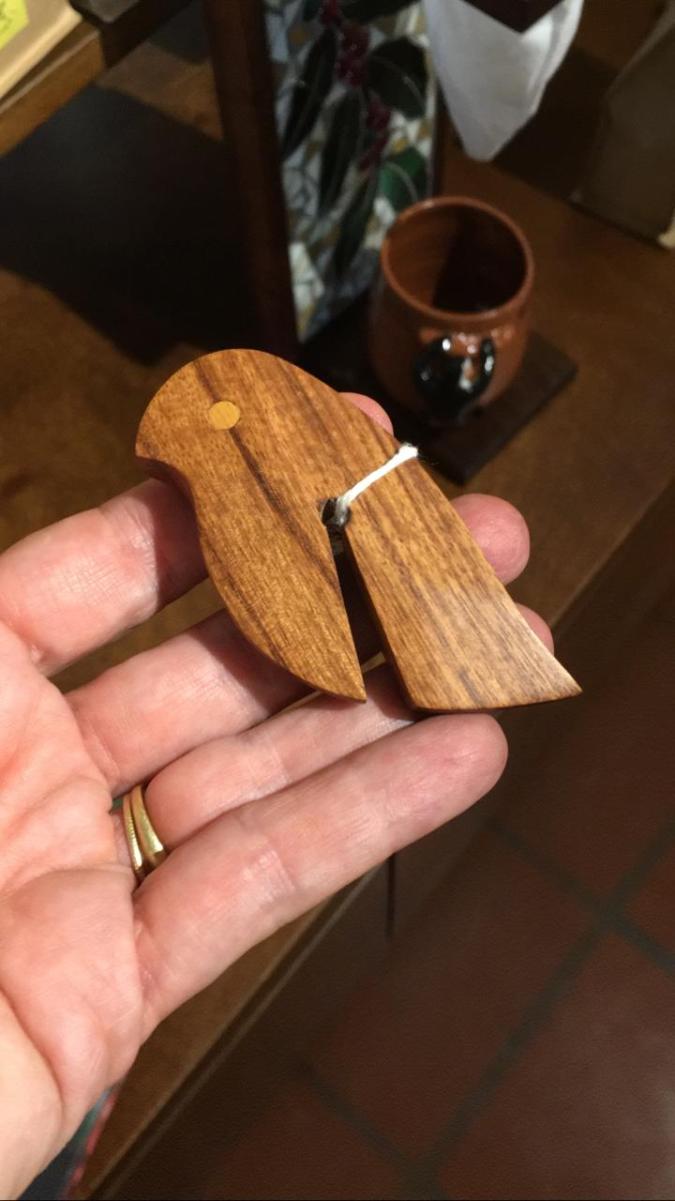
This simple bird motif carving is a clip to hold your coffee bag shut after opening. I use it every day.

Ceiba6.jpg

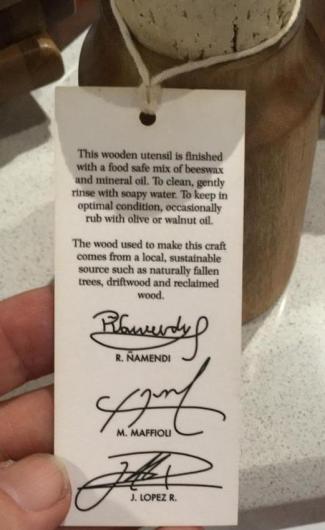
I also use the coffee scoop every morning, and while I love all their products it is these two coffee-centric ones I appreciate the most. Even for someone living in Costa Rica these are lovely little reminders of this country’s commitment to conservation, considering where Ceiba sources their wood, one of Costa Rica’s most important renewable resources. That makes me think these products are particularly well-suited to offer value as a takeaway for visitors to this country.

Ceiba7.jpg

Prepping A Less-Meaty 2020

1955.jpg

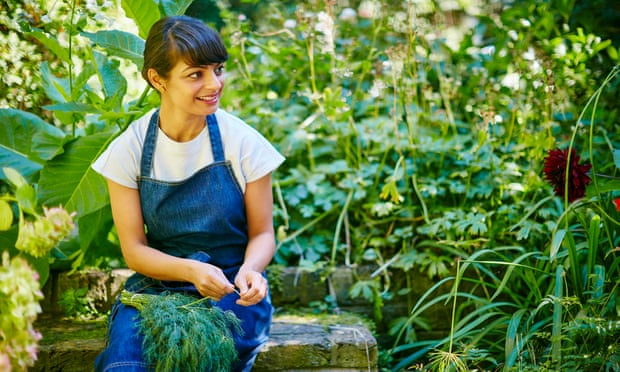
Meera Sodha: ‘Vegan food is exciting, easy and delicious.’ Photograph David Loftus

Thanks to Meera Sodha and the Guardian for this prep sheet for meeting our goals of reducing meat consumption in the new year:

Veganuary recipes: Meera Sodha’s daily meal plan

The Guardian’s vegan columnist has plant-based tips for breakfast, lunch and dinner, plus snacks to stop you falling off the ‘vagon’

3564.jpg

Meera Sodha’s mixed vegetable Thai green curry. Photograph: Louise Hagger/The Guardian. Food styling: Emily Kydd. Prop styling: Jennifer Kay.

When I first started my vegan column, I gave myself a month before I’d have to hand in my notice. As an omnivore (admittedly one that ate little meat but a lot of dairy and eggs), I just couldn’t imagine writing recipes week after week with such a strict set of rules, let alone enjoy eating plant-based food on a regular basis. But then, something wonderful happened.

Taking meat, fish, dairy or eggs out of cooking became a catalyst for creativity, forcing me, and many other chefs and food writers, to think in new and interesting ways about how to extract the most flavour and pleasure from the same old characters in the vegetable drawer. Continue reading

Biesanz @ Authentica

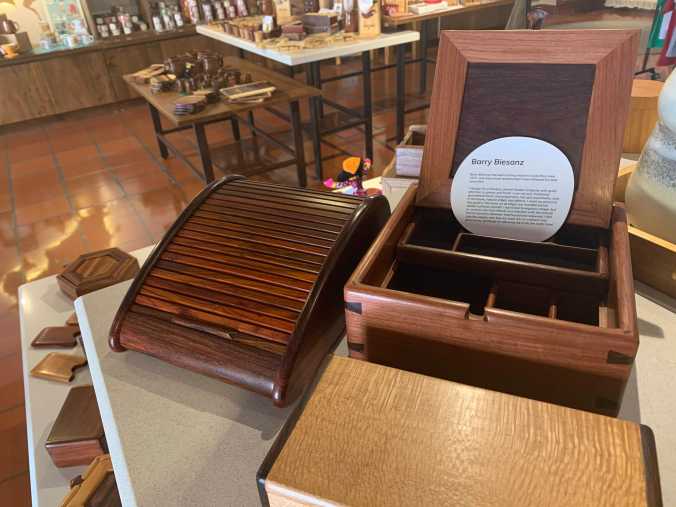
BB1.jpegWhen we moved to Costa Rica in the mid-1990s one dimension of my work required analysis of the handicrafts sector as part of the nascent tourism industry. That led to my getting to know one of the country’s pioneering wood turners, Barry Biesanz. We have been friends ever since, and as we started planning for what is now Authentica, a range of Biesanz wood products were the first we committed to.

BB2.jpeg

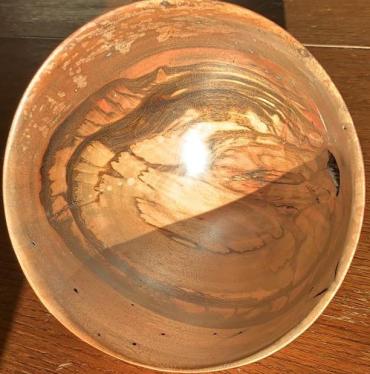
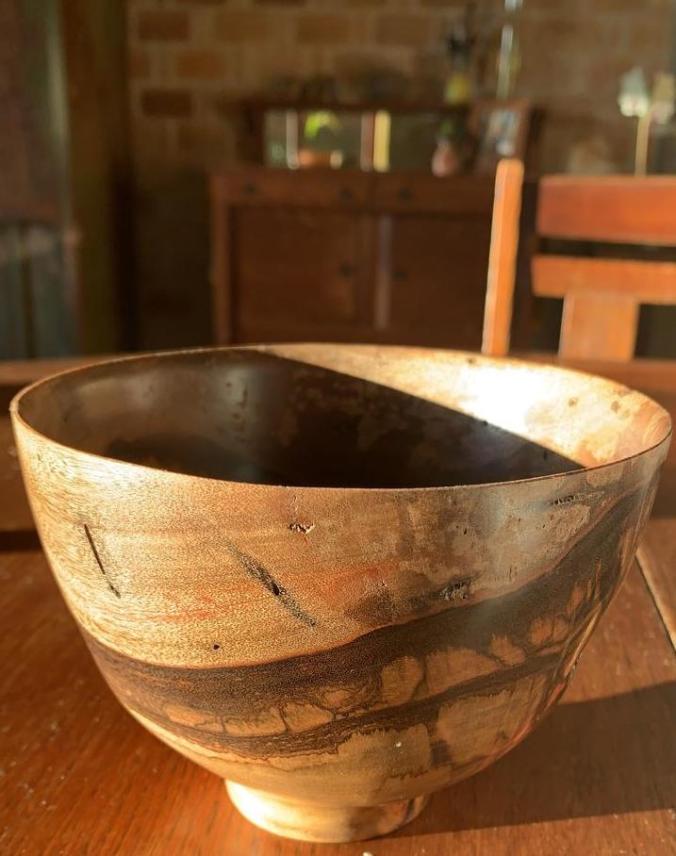
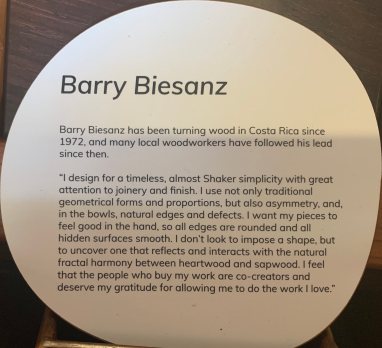
BB3.jpgAbove is a bowl not currently on display in Authentica, but it is a favored part of our home collection. Last year one of the old trees behind our home came down in a storm. Barry sent a few of his workmen to help clear it away. Months later this bowl was gifted to us, one of many bowls he had been able to craft from the wood from that tree.  In the sign we have placed with his work, note the reference to defects. You can see those in the bowl above. During the last year Barry also introduced us to other Costa Rican artisans, and we have featured their work alongside his in the two shops.

BB4

Smart Bees

easy_as_a-bee.jpg

Thanks to Discover Magazine’s Sarah White for bringing our attention to Three Studies Are Showing Bees’ Amazing Math Abilities, a story we had missed earlier:

DSC-D0120_03.jpg

(Credit: Gemma Tarlach/DISCOVER)

Honeybees caused quite a buzz this year when three separate studies showed they possess some of the same mathematical abilities as humans, despite much tinier brains.

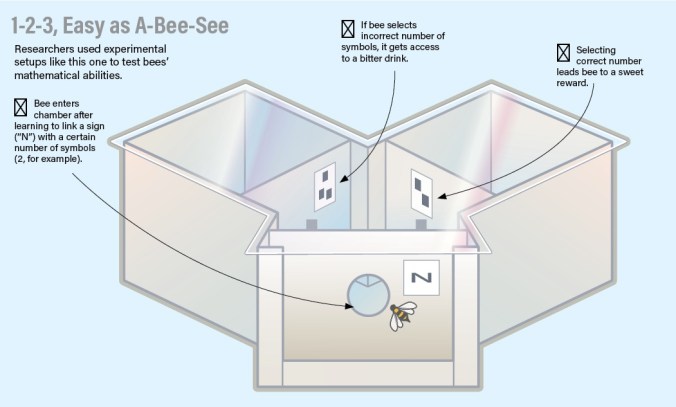
In February, research in Science Advances indicated honeybees could learn to add and subtract. To teach the bees arithmetic, cognitive scientists set up a Y-shaped box for the bees to fly through. When a bee entered the box at the bottom of the Y, it saw blue or yellow shapes. If the shapes were blue, the bees were trained to fly down an arm of the Y toward a picture with one additional shape to receive a sucrose reward; the other arm had a bitter drink instead. If the shapes were yellow, bees were rewarded for choosing the picture with one fewer shape…

Pia Pottery @ Authentica

PiaP1

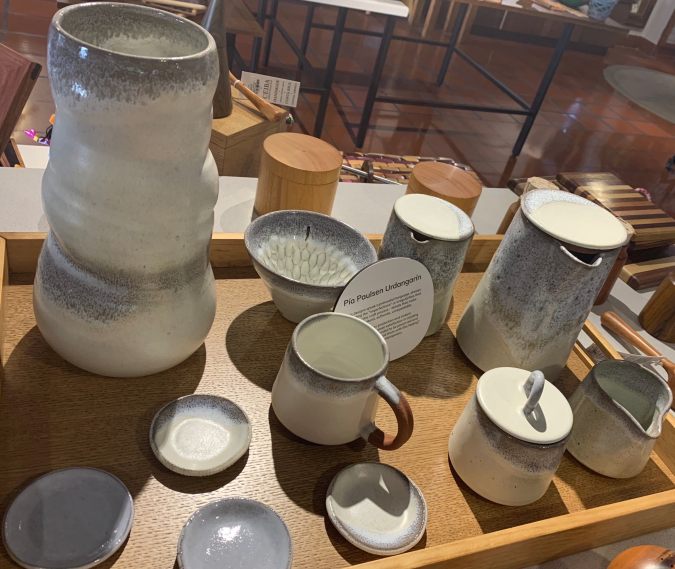
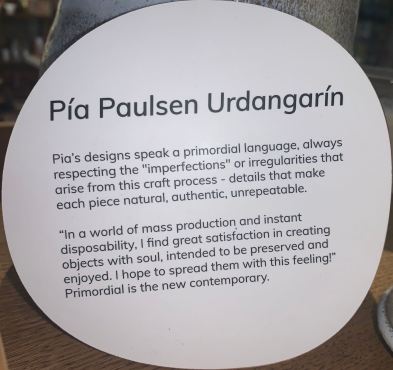
PiaP2.jpgPia is one of Costa Rica’s talented ceramicists. She is also a friend, thanks to an introduction from a mutual friend last year. The mutual friend had studied with Pia and when learning of our plans for Authentica to feature local artists and artisans, the fix was in. Before long, we had something of our own (middle picture, upper shelf, small green cream pitcher) from her collection. We chose a small selection of her work to feature in the shops.

Big Cats, WWF & The Guardian’s Coverage

3264 (2).jpg

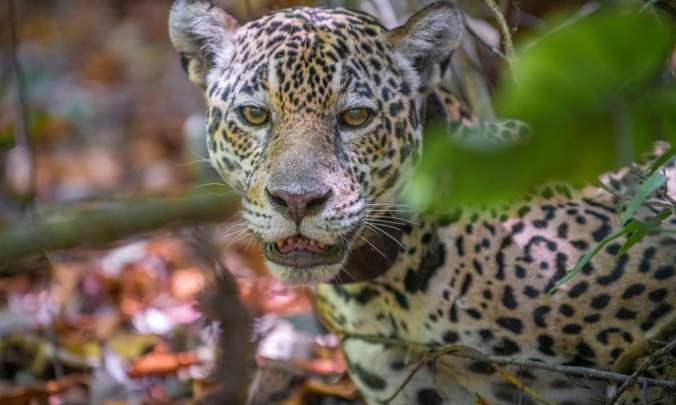
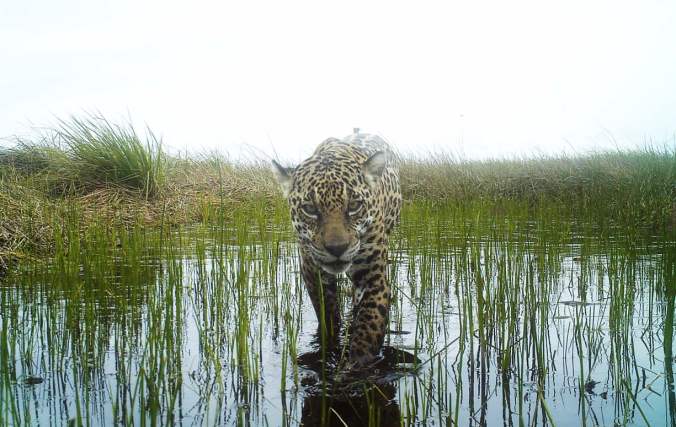
A jaguar captured by a camera trap on the island. The WWF researchers plan to set more traps in 2020. Photograph: WWF Brazil

Jaguar and other wild cats, big and small, have been a topic of interest on this platform since we began back in 2011. We have also featured many stories where WWF is the hero, carrying out important work that needs support. Phoebe Weston somehow escaped our attention until now, so special thanks to the Guardian for maintaining their commitment to quality coverage of nature and environmental issues, which I depend on for my daily exercise in awareness:

4320.jpg

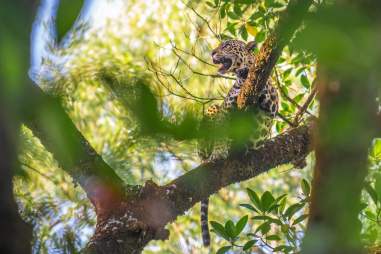
A jaguar resting on a tree on Maracá-Jipioca. The WWF hopes to collar two more cats next year.
Photograph: André Dib/WWF Brazil

A thriving population of jaguars living on a small, unspoilt island off the coast of the Brazilian Amazon has learned to catch fish in the sea to survive, conservationists have found.

The Maracá-Jipioca Ecological Station island reserve, three miles off the northern state of Amapá, acts as a nursery for jaguars, according to WWF researchers who have collared three cats and set up 70 camera traps on the remote jungle island.
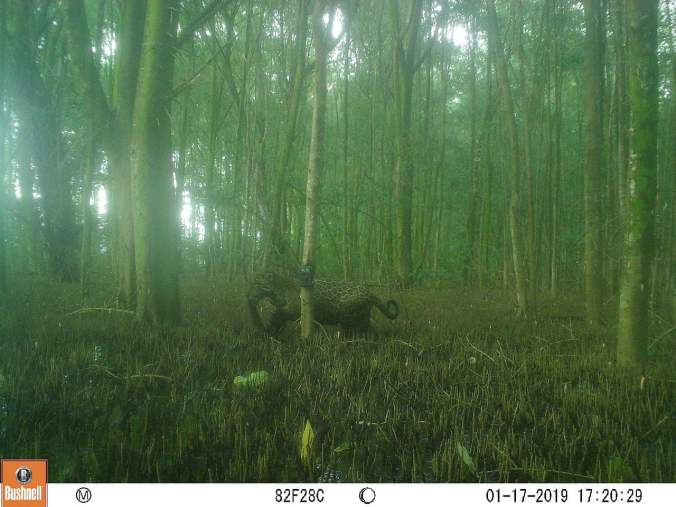
1280.jpg

A jaguar caught on camera with a fish in its mouth. Photograph: WWF Brazil

Although jaguars have previously been spotted catching fish in Brazil’s Pantanal wetlands, this is believed to be the first evidence the elusive creatures have been jumping in the sea to catch prey.
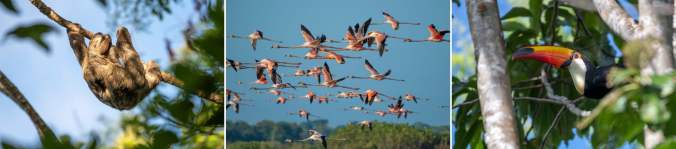
12060.jpg

A three-toed sloth, a flock of flamingos, and a toco toucan, all inhabitants of the Maracá-Jipioca Ecological Station reserve. Photograph: André Dib/WWF Brazil

“This is the first time that behaviour has been spotted in the Amazon,” said Marcelo Oliveira, senior programme officer at WWF Brazil, who is leading the NGO’s first jaguar-collaring research. Continue reading