Bottled Virtuosity, Tasting Good

191125_r35462.jpg

Winemaking methods that once seemed suspect now look like authenticity. Illustration by Greg Clarke

What does good taste like? Perhaps goodness is the better word to use in that question, because the question is not about what good taste is, as in how we determine when something is tasteful. This article, using wine as a prop, offers a way to think about goodness, in the virtue sense, and what it might taste like, without simply rehashing the tiresome complaints about virtue signaling. The author had me at the title, because it touches on themes we have been thinking about lately; then the mention of working of Mendoza, where I worked in 2007, ensured I would read on. In the second paragraph seeing Itata, a region that was part of my workplace 2008-2010, I was triply hooked:

How Natural Wine Became a Symbol of Virtuous Consumption

The mainstreaming of natural wines has brought niche winemakers capital and celebrity, as well as questions about their personalities and politics.

In 2010, Dani Rozman had just graduated from the University of Wisconsin. He was so deliberate and thoughtful that his friends claimed it was inevitable that he’d end up a history professor with a closet full of cardigans. But Rozman went to Argentina instead, and wound up in Mendoza, the hub of the country’s wine scene, working at a startup that helped wealthy people realize their wine dreams—you could buy a vineyard from afar, have someone else farm it, design the labels, and receive cases of “your” wine to show off at dinner parties.

One summer, Rozman went to Itata, at the southern tip of Chile’s wine-producing region, to work the grape harvest at a local winery. He had the impression that winemakers were like the clean-cut guys in Napa with family money and fleece vests. Itata was different. The winery was just a shipping container and a mesh tent, and the work was non-stop. Rozman had grown up in a health-conscious family that nonetheless “had to be reminded that food was farmed,” he said; being in daily contact with plants felt revelatory. Some of the vines had been planted centuries earlier, by conquistadores and missionaries. The grapes were País, a varietal that had fallen out of favor as winemakers turned to popular ones like Cabernet Sauvignon. The methods were traditional, too—the fruit was picked by hand, destemmed with a bamboo implement called a zaranda, then fermented in clay pots. The finished product was startling, in a good way. “At that time in Argentina, Malbec was king,” Rozman told me. The country made lots of homogeneous, high-alcohol wines aged in oak barrels, catering to international appetites—“the French-consultant thing,” as Rozman put it. To him, they tasted heavy and expressionless, while the Itata wines were stripped down and elemental. “It was like night and day,” he said. Continue reading

Joyful Artisan Ethos

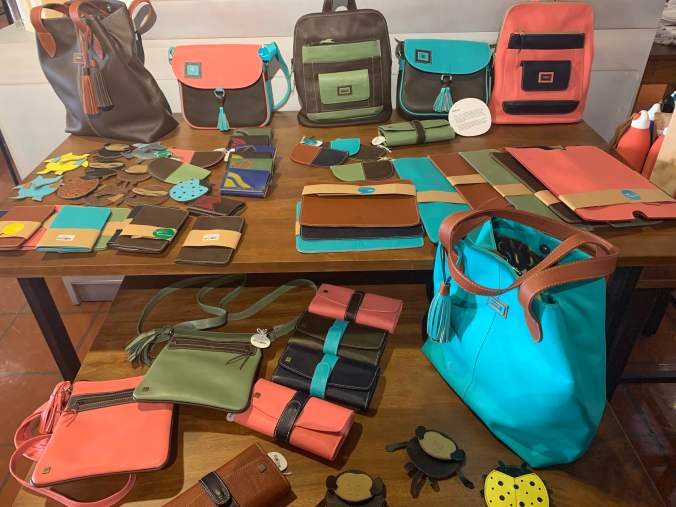
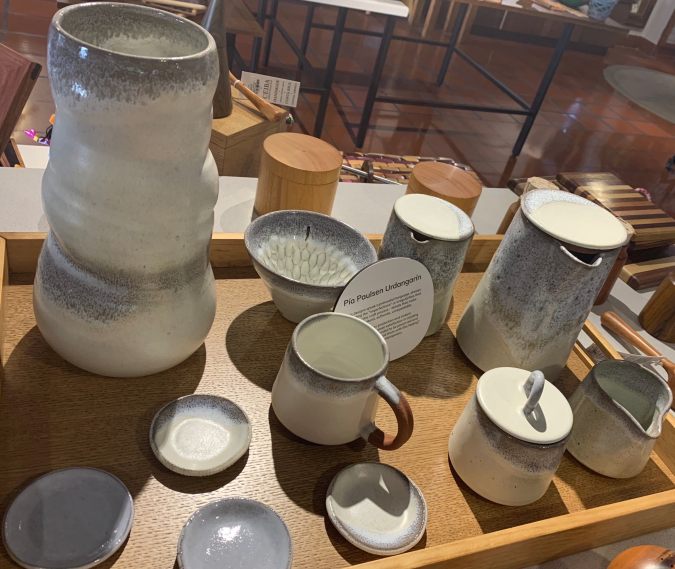
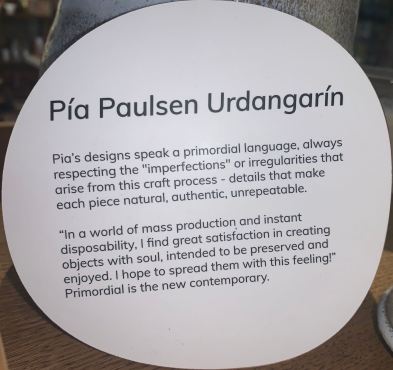
At the same time Crist has been writing multiple teaser posts about our upcoming Authentica shops we continually search for both classic and innovative artisanally crafted items to highlight there. Each discovery feels like stumbling upon a gem while sifting through stones.

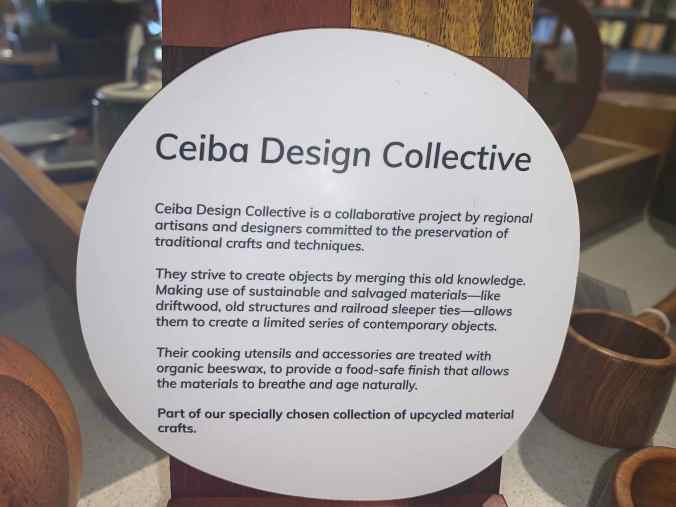
Those discoveries have even more personal impact when they have an upcycled or recycled element. Wagát Upcycling Lab is just one of those exciting discoveries. Continue reading

Creative Conservation, All For Artisans

AuthenticaMLS.jpeg

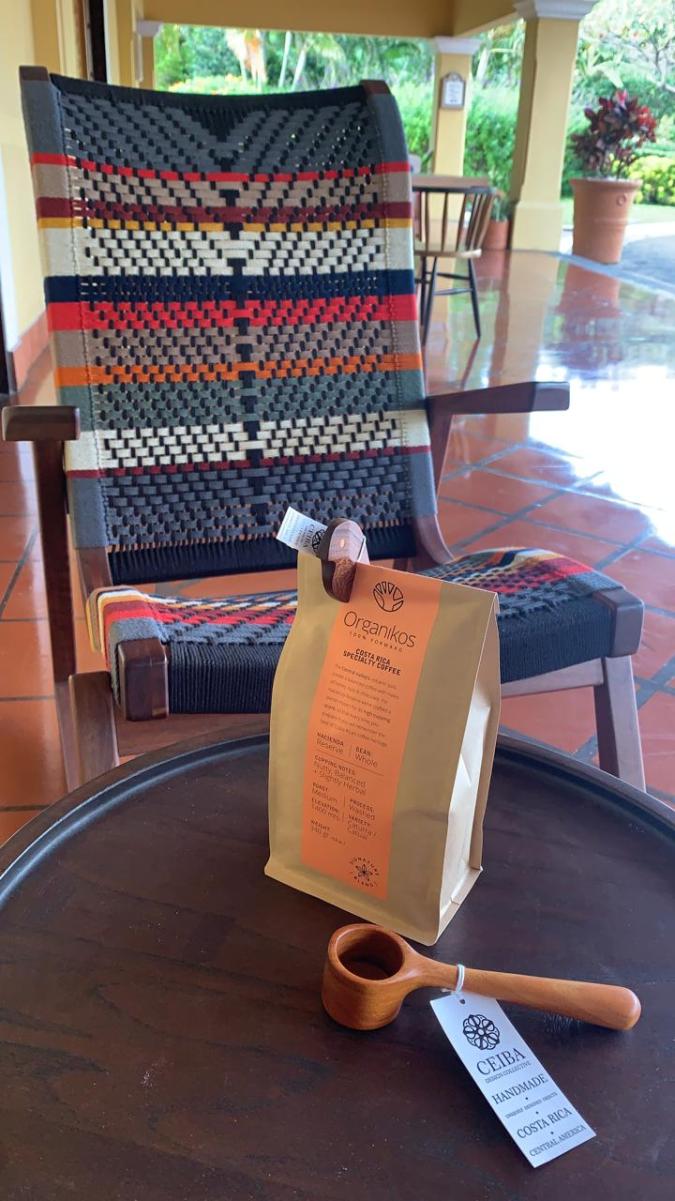
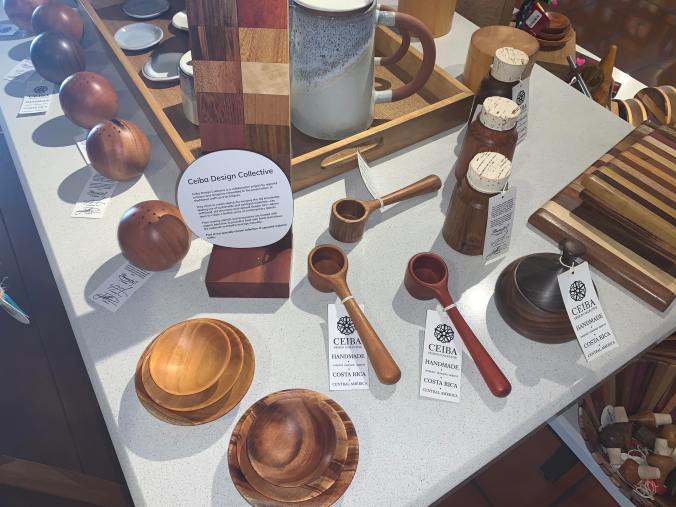
Authentica opened the first of its two shops last week, and this post is a quick statement of what occurred to me while looking across the shop once all the displays were set up. Back in early June I thought that two words simultaneously riffing off the concept of creative destruction, and our two decades of practicing entrepreneurial conservation, was enough of a tag line for saying what we are doing.

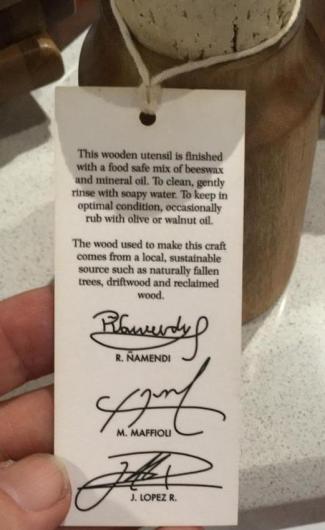
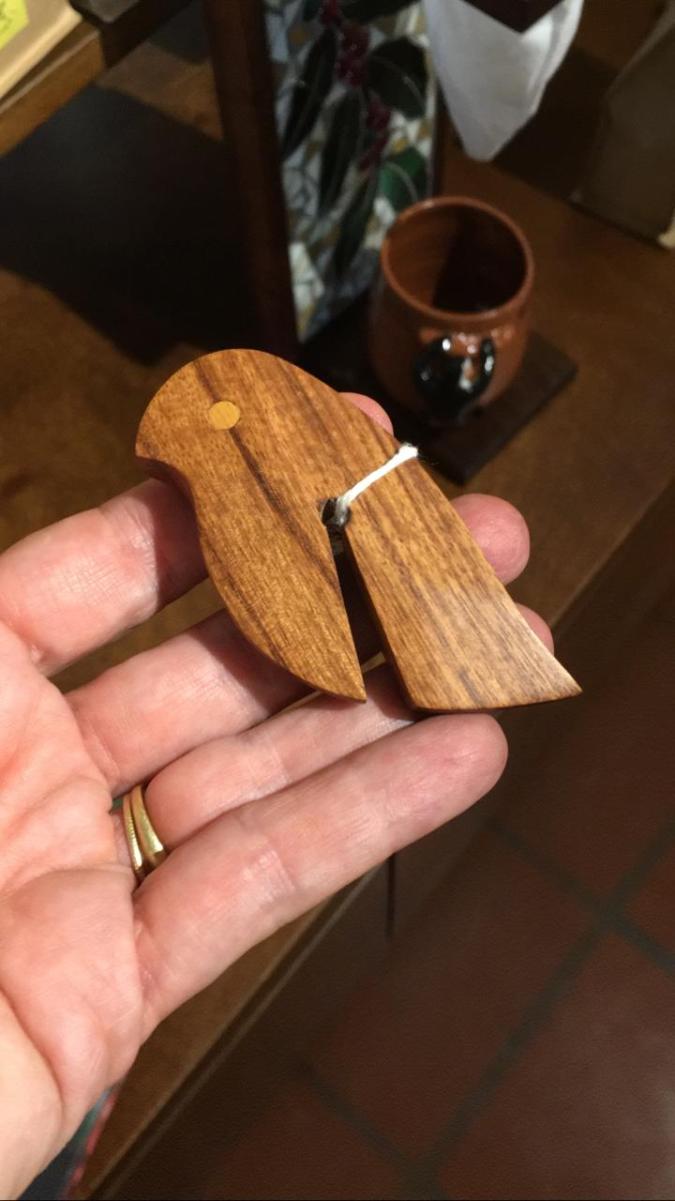
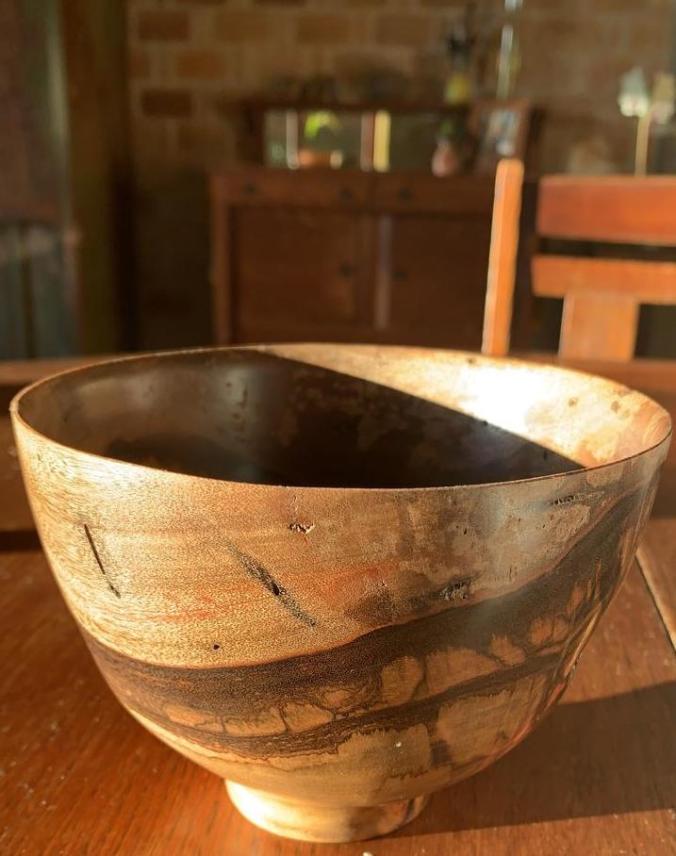
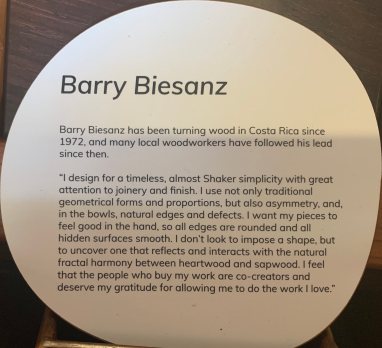
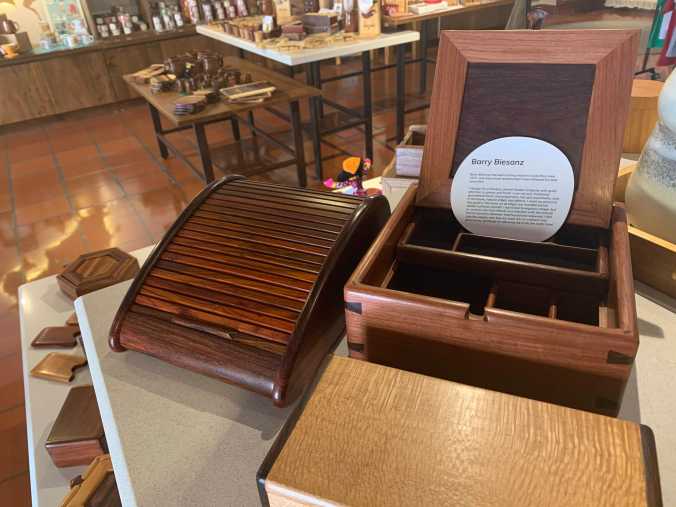
But now three more words seem worthy of adding to the mix. Because across this room it is clear that the pursuit of creative conservation is contextual and very specific; we are doing this all for artisans. I do not mean that just in the sense that we are completely motivated to do what Authentica is doing, for the sake of artisans, though that is true. The variety of items on display–colorful totems of Costa Rica’s culture, design-forward textiles, sensuous ceramics and turned wood objects, specialty coffees and artisanal chocolates–made clear now that Authentica should be more explicit. Say clearly that all proceeds from every sale in Authentica get reinvested back into building a better economy for artisans.  Maybe it can be said in fewer than five words, the way 100% Forward says all that Organikos needs to say. Brevity is the soul of wit, and wit is a powerful currency. I will work on it in the days to come.

Recipe From Another Time

10-02_cookbooks_kw_custom-7590cdc484b3905fc6f8b4d410b078f30cf1598a-s800-c85.jpg

The Yale Babylonian Collection houses four unique tablets that contain various recipes for stews, soups and pies. Three of these tablets date back to the Old Babylonian period, no later than 1730 B.C. Klaus Wagensonner/Yale Babylonian Collection

A meal from ancient history, decoded, and the scholar who sleuthed the recipe discusses it in a brief interview:

Eat Like The Ancient Babylonians: Researchers Cook Up Nearly 4,000-Year-Old Recipes

What did a meal taste like nearly 4,000 years ago in ancient Babylonia? Pretty good, according to a team of international scholars who have deciphered and are re-creating what are considered to be the world’s oldest-known culinary recipes.

The recipes were inscribed on ancient Babylonian tablets that researchers have known about since early in the 20th century but that were not properly translated until the end of the century.

The tablets are part of the Yale Babylonian Collection at the Yale Peabody Museum. Three of the tablets date back to the Old Babylonian period, no later than 1730 B.C., according to Harvard University Assyriologist and cuneiform scholar Gojko Barjamovic, who put together the interdisciplinary team that is reviving these ancient recipes in the kitchen. A fourth tablet was produced about 1,000 years later. All four tablets are from the Mesopotamian region, in what is today Turkey, Syria, Iran and Iraq. Continue reading

Beware The Cryptocurrency Footprint

191113092600_1_540x360.jpg

Computer screen listing cryptocurrencies (stock image). Credit: © Colin Cramm / Adobe Stock

Thanks to Science Daily for this summary of Environmental cost of cryptocurrency mines – Monetary price of health and air quality impacts:

Bitcoin, Ethereum, Litecoin and Monero — the names of digital-based ‘cryptocurrencies’ are being heard more and more frequently. But despite having no physical representation, could these new methods of exchange actually be negatively impacting our planet? It’s a question being asked by researchers at The University of New Mexico, who are investigating the environmental impacts of mining cryptocurrencies.

“What is most striking about this research is that it shows that the health and environmental costs of cryptocurrency mining are substantial; larger perhaps than most people realized,” said Benjamin Jones, UNM Researcher and asst. professor of economics. Continue reading

Convenience & Connivance

1534.jpg

‘I think we’ve taken convenience and just turned it into a monster,’ said Shaymah Ansari.
Photograph: Francis Gardler/AP

I acknowledge it has not been easy to eliminate plastic from my life. Plastic is everywhere. It is ubiquitous in developing economies as well as in more developed economies. But since recycling is costly, then at least radically reducing its use is important. So consider how seductive convenience is, and how conniving companies can be:

US recycling event is cover for enormous volume of plastic pollution, say critics

America Recycles Day promoted by EPA is brainchild of not-for-profit backed by companies that produce plastic products

4032.jpg

 Packaging for plastic food items that cannot be accepted for recycling. Photograph: Emily Holden/The Guardian

America’s government-backed national recycling awareness day is being used as cover by large corporations that are churning out enormous volumes of plastic that end up strewn across landscapes, rivers and in the ocean, critics have said.

The second annual America Recycles Day event on Friday is being vigorously promoted by the US Environmental Protection Agency (EPA) as a way to encourage Americans to recycle more.

But critics point out that the initiative is the brainchild of Keep America Beautiful, a not-for-profit founded and backed by large companies that produce vast quantities of plastic products that end up as pollution.

Current backers include Coca-Cola, Nestlé, Pepsico, and Altria, the tobacco giant formerly known as Phillip Morris. Decades of campaigns by the group have emphasized individual responsibility for plastic recycling, which data reveals to be a largely broken system. Continue reading

Crowd-Sourced Data from the Deep

Female sand tiger shark observed on the wreck Aeolus in (a) September 2016 and (b) 10 months later in July 2017. In the older photograph (a), fishing gear is visible in the mouth of the shark (inset). SPOT A SHARK USA BY TANYA HOUPPERMANS.

A great example of how data crowd-sourced from Citizen Scientists is helping to improve understanding of shark populations and behavior.

Female Sand Tiger Sharks Love Shipwrecks… Really.

Site fidelity – the tendency to return to a particular area – isn’t exactly new in a species of shark (e.g. reef sharkslemon sharks, even great white sharks). But that place is usually some sort of habitat… not a over 100-feet (34 meter) deep shipwreck. However, that is exactly the case for female sand tiger sharks (Carcharias taurus) off the coast of North Carolina!

Sand tiger sharks, also known as grey nurse sharks or spotted ragged-tooth sharks, are found globally in subtropical and temperate waters. Despite looking quite scary due to their tooth grins that never quite close, they are a slow-moving shark that are listed as Vulnerable by the International Union for Conservation of Nature (IUCN). A grey colored shark with reddish-brown spots throughout its body, they feast on a variety of animals such as a fish, crustaceans, squid, skates and even other sharks!

In September 2016, a citizen scientist wasn’t surprised to see an individual female sand tiger shark while scuba diving on the Aeolus shipwreck. Continue reading

An Unexpected Rose Garden

Rose5In the parking lot of a shop called El Rey, of all places, I came upon this small garden of roses yesterday. I was rushing to make a purchase of something relatively unimportant, and when I got out of the car after parking I did not even notice the garden.

But when I came back out after the purchase it was almost cinematic the way, from a distance, I noticed the garden right in front of where I had parked. It was like a ray of light focused on that part of the parking lot of El Rey, telling me to come over and, yes, stop and smell the roses.

As I got closer, there was a tinge of thoughts like, no time for this, and: it will likely disappoint because this is not where rose gardens flourish.

Rose6.jpeg

I fought those doubts off and the reward was remarkable. I have never tried growing my own roses, so it would be strange to claim an obsession with this flower. But I do favor it. When we lived in Croatia I developed a theory, never disproven, that the most fragrant roses in the world are in monasteries built centuries ago. In that theory the roses are antiques, tended by monks and nuns who have ensured survival of the fittest roses. And fitness is evidenced by fragrance.

By the time I had walked over to this garden the cinematic effect was slow motion. I tried to avoid cliche, but nonetheless found myself slowing to a stop. To smell the roses.

And my theory fell apart. These roses were as fragrant as if they had been planted here hundreds of years earlier.

Rose2

This one above seemed to confirm one of my other silly assumptions, that a rose can either put its effort into dazzling color, or fragrance, but must choose. Likewise the one below, which was the deepest most natural red I remember ever seeing, but not as fragrant as others in the garden.

Rose3

And just next to it, a white one with a variation that caught my attention, in the lower of the two flowers below, where I suppose the fragrance is produced. Before the flower opens it seems pure white but when it opens it offers stimulating color. A choice made that did not diminish its intense fragrance.

Rose4

The one below, with white outer petals and pink at the core, was the most fragrant, perhaps because perfectly mature, with the outer petals preparing to drop but the core at maximum strength. And the mix of color, combined with the intensity of fragrance, was the one that forced me to abandon my various rose theories. The garden attendant in this parking lot rivals any of the monks and nuns who I have thanked in the past for their rose-tending, and this white-pink mix tells me roses have more tricks up their sleeves than I gave them credit for.

Rose1.jpeg


Really, E.P.A.?

00CLI-EPA1-jumbo.jpg

Matthew Brown/Associated Press

Of all the knuckle-headed ideas, this headline says knuckle louder than most:

E.P.A. to Limit Science Used to Write Public Health Rules

WASHINGTON — The Trump administration is preparing to significantly limit the scientific and medical research that the government can use to determine public health regulations, overriding protests from scientists and physicians who say the new rule would undermine the scientific underpinnings of government policymaking.

A new draft of the Environmental Protection Agency proposal, titled Strengthening Transparency in Regulatory Science, would require that scientists disclose all of their raw data, including confidential medical records, before the agency could consider an academic study’s conclusions. E.P.A. officials called the plan a step toward transparency and said the disclosure of raw data would allow conclusions to be verified independently. Continue reading

Big Cats Of The South, Present & Future

960.jpg

 A Brazilian soldier swims in the Negro river holding Jiquitaia, a two-year-old jaguar that was adopted by the military command of the Amazon. Jiquitaia was rescued as a cub after hunters killed his mother. Photograph: None Mangueira/AP

5472 (3).jpg

A jaguar in the Yasuni national park, Orellana, Ecuador. Photograph: Lucas Bustamante/NPL

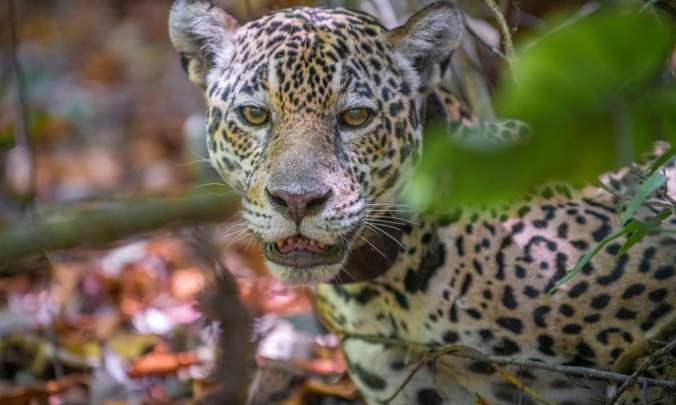
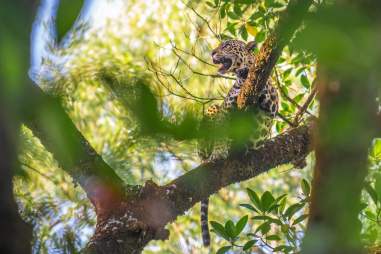
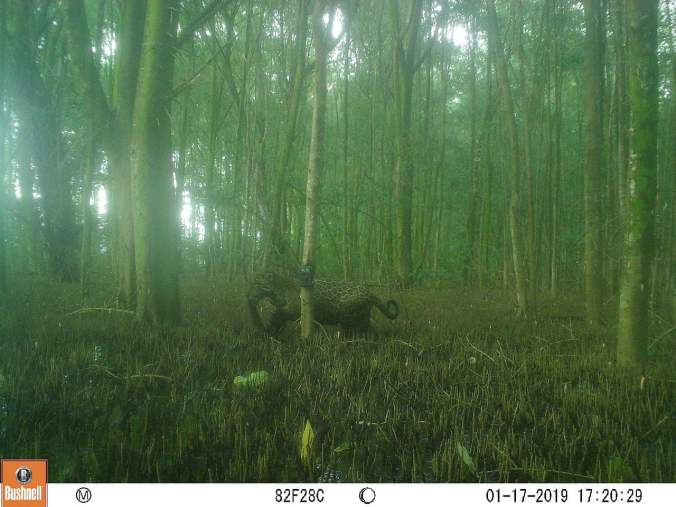
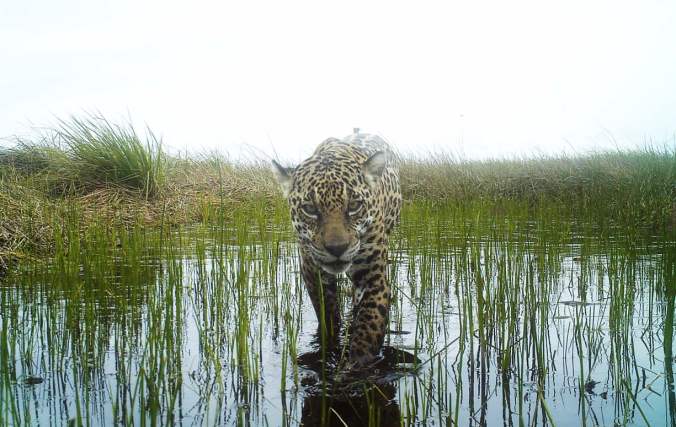
Ecuador is mentioned in the title but is not the only country where deforestation is putting at risk the survival of one of the big predator species in the hemisphere. Thanks to Kimberley Brown, writing in the Guardian, for her reporting from our neighborhood to the south on one of the animals we have featured the most in our pages over the years:

Ecuador’s vanishing jaguars: the big cat vital to rainforest survival

Industries such as coffee and cacao have devastated the jaguar’s habitat, but its dwindling numbers leave a delicate ecosystem hanging in the balance

5184 (3).jpg

Jaguars are found across South America. This one was photographed deep inside the Nouragues Natural Reserve, in French Guiana. Photograph: Emmanuel Rondeau/WWF France

Across the American continent, from the north of Mexico to Argentina, the jaguar has long been revered for its strength and power. But in some parts of Ecuador, the largest cat in South America is increasingly at risk as roads, mining and agriculture take over the rainforests.

The loss of habitat is the biggest threat to jaguars in Ecuador, particularly along the coast, where more than 70% of the original forest cover has been lost. The vast majority of this destruction has taken place over the last 50 years with the expansion of the logging and agriculture industries, including coffee, cacao, palm oil and bananas, one of the country’s largest agriculture exports. Continue reading