Baylands Nature Preserve, California
Big Cats Of The South, Present & Future
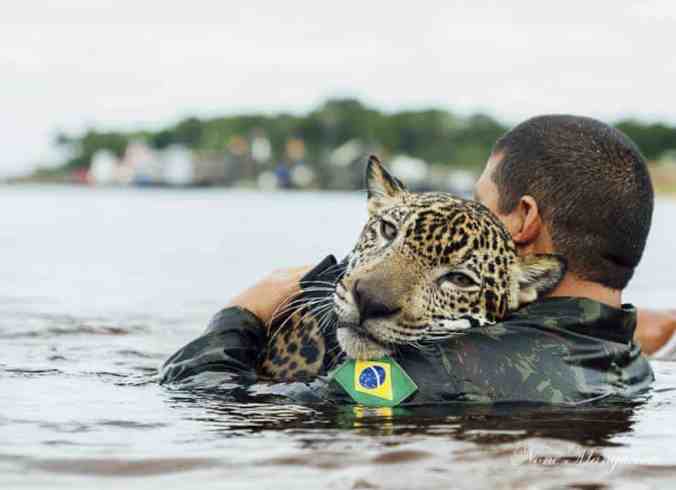
A Brazilian soldier swims in the Negro river holding Jiquitaia, a two-year-old jaguar that was adopted by the military command of the Amazon. Jiquitaia was rescued as a cub after hunters killed his mother. Photograph: None Mangueira/AP
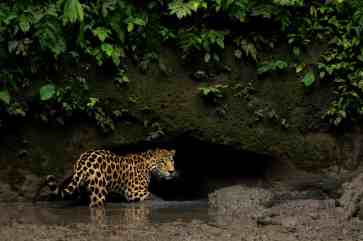
A jaguar in the Yasuni national park, Orellana, Ecuador. Photograph: Lucas Bustamante/NPL
Ecuador is mentioned in the title but is not the only country where deforestation is putting at risk the survival of one of the big predator species in the hemisphere. Thanks to Kimberley Brown, writing in the Guardian, for her reporting from our neighborhood to the south on one of the animals we have featured the most in our pages over the years:
Ecuador’s vanishing jaguars: the big cat vital to rainforest survival
Industries such as coffee and cacao have devastated the jaguar’s habitat, but its dwindling numbers leave a delicate ecosystem hanging in the balance
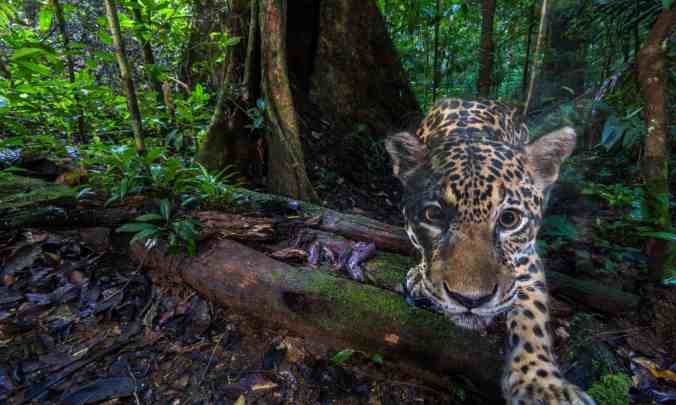
Jaguars are found across South America. This one was photographed deep inside the Nouragues Natural Reserve, in French Guiana. Photograph: Emmanuel Rondeau/WWF France
Across the American continent, from the north of Mexico to Argentina, the jaguar has long been revered for its strength and power. But in some parts of Ecuador, the largest cat in South America is increasingly at risk as roads, mining and agriculture take over the rainforests.
The loss of habitat is the biggest threat to jaguars in Ecuador, particularly along the coast, where more than 70% of the original forest cover has been lost. The vast majority of this destruction has taken place over the last 50 years with the expansion of the logging and agriculture industries, including coffee, cacao, palm oil and bananas, one of the country’s largest agriculture exports. Continue reading
Bird of the Day: Cheer Pheasant
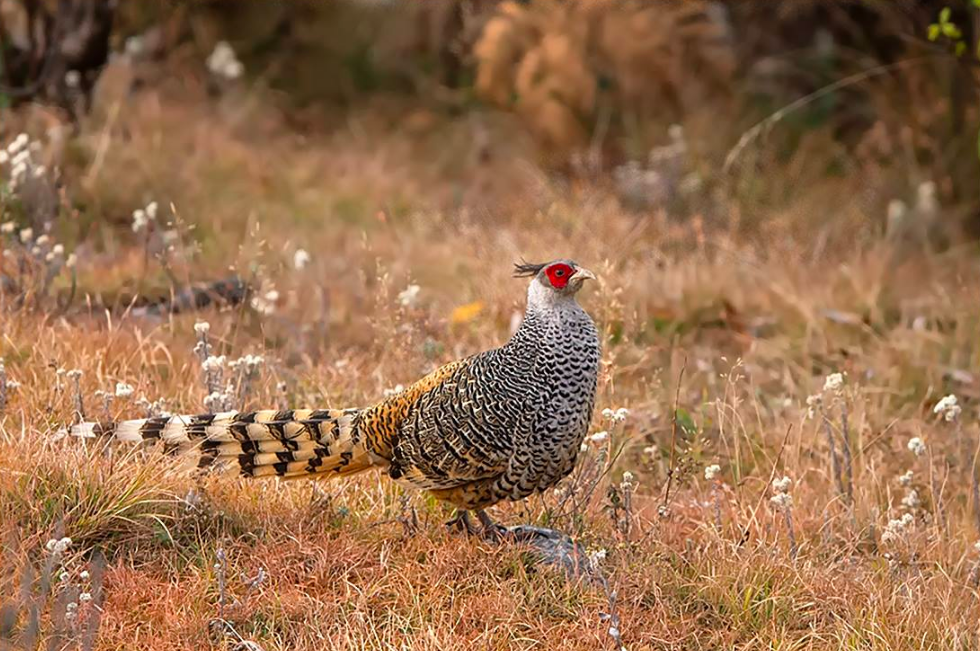
Male – Pithoragarh, Uttarakhand
Northeastern Waterways Where Salmon Thrive

Tony Cenicola/The New York Times
My connection to fly-fishing is practically nil, except for leisure reading. I tried it once or twice, found it enjoyable but beyond my coordination abilities, and promptly gave up.

Tony Cenicola/The New York Times
Thanks to Ali Watkins for this pointing out this inn, where the angling culture is alive and well, in her story Daughter and Dad, Chasing Salmon in Upstate New York:
A family of anglers travel to Oswego County — not the American West — to find the catch they’ve only dreamed of landing.
Credit…Tony Cenicola/The New York Times
My dad and I were on the rocky bank of Sandy Creek when I saw the first salmon close enough to catch. Like a phantom, it glided against the current, its rhythm just a beat slower than the water around it. Two decades of fishing experience vanished the moment its body — three feet long, at least — swam in front of me.


Credit…Tony Cenicola/The New York Times
I was as anxious and clumsy as a child. I was also not in Alaska, the assumed home of this prized fish; I was an hour north of Syracuse, N.Y.
Every fisherman or woman has a catch they dream of landing. King salmon, with its signature pink streak and hooked jaw, is almost certainly on any angler’s list. Its very mention brings fantasies of deep woods and roaring streams, dammed by hordes of slick green backs begging to be hooked.
That fishermen wish for salmon is no surprise. The twist in that fantasy is that such visions are not pipe dreams restricted to the West. Thousands of coho and king salmon swim inland every autumn just five hours northwest of New York City, pouring out of Lake Ontario and into dozens of tributaries across Oswego County to spawn and die upstream. Continue reading
Bird of the Day: Yellow-bellied Warbler

Kaziranga, Assam
Botanists Sleuthing, For Science & Conservation
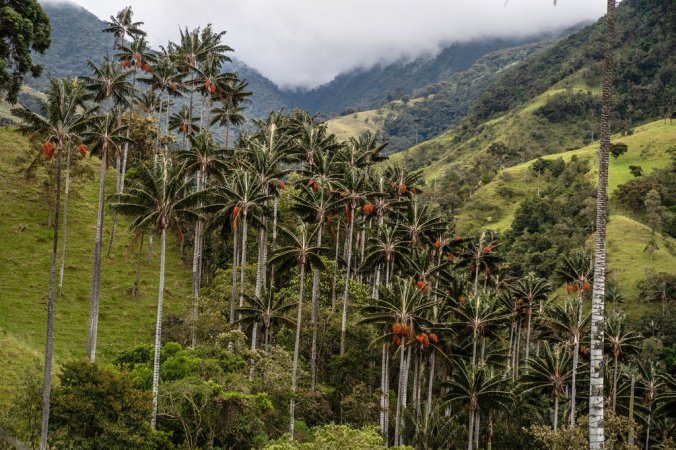
Quindío wax palms cover the hillsides of Colombia’s Tochecito River Basin. Before sequoias were discovered in California, the wax palm was considered the world’s tallest tree, with some growing 200 feet high.
The botanists who do this kind of work are heroes to us:
Stalking the Endangered Wax Palm
Colombia’s national tree, the wax palm, is endangered. Now, with decades of guerrilla war in retreat, scientists are rediscovering vast forests and racing to study and protect them.
By Photographs and Video by
In 1991 Rodrigo Bernal, a botanist who specializes in palms, was driving into the Tochecito River Basin, a secluded mountain canyon in central Colombia, when he was seized by a sense of foreboding. Continue reading
Bird of the Day: Indian Yellow Tit

Wayanad, Kerala
Mr. Trash Wheel Is Going Strong
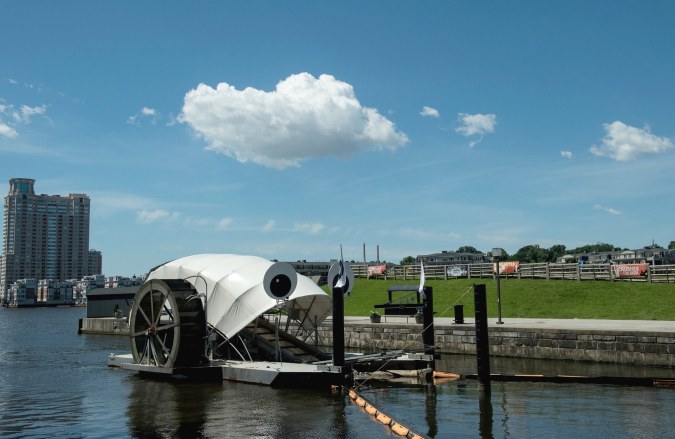
Since 2014, Mr. Trash Wheel has collected approximately twelve hundred and thirty-three tons of trash and debris that otherwise would have flowed into Baltimore’s Inner Harbor. Photograph by Nicholas Kamm / AFP / Getty
Thanks to a writer who never disappoints for this update to an inspiring story we lost track of:
The Promise of Mr. Trash Wheel
By Carolyn Kormann
John Kellett, the former director of Baltimore’s Maritime Museum, used to cross a footbridge over Jones Falls, the largest tributary feeding into Baltimore’s Inner Harbor, every day on his way to work. “When it rained, there was a river of trash flowing down,” he told me. He had spent twenty years working on the harbor, primarily in environmental education and shipbuilding, and had a deep knowledge of its hydrodynamics and history. City officials, he told me, “said they were open to ideas, so I started sketching.” He drew plans for a machine powered by an old-fashioned water wheel—a technology that had once been a staple throughout the city—designed to intercept trash at the mouth of Jones Falls, which is the main source of harbor pollution. A prototype was installed in 2008. By 2014, Kellett’s invention was reborn as Mr. Trash Wheel—a fifty-foot-long machine, weighing nearly a hundred thousand pounds, that resembles a friendly mollusk, with giant, googly eyes and its own Twitter account.
Five years later, Mr. Trash Wheel has spawned three replicas around Baltimore—Professor Trash Wheel, Captain Trash Wheel, and another that was announced last week but has yet to be named or installed in the water. Continue reading
Bird of the Day: Koklass Pheasant

Ukhimath, Uttarakhand
Technology & Conservation
 Yesterday’s post, on the application of technology in the interest of conservation, came just in time for this podcast episode by Walter Isaacson to enter my feed.
Listening to it took me straight back, seven years, to when I first learned about the benefits elephants were deriving from new technology, at the same time we (family, and interns and employees) were spending large amounts of time in the Periyar Tiger Reserve. Technology, broadly speaking, has gotten us into the mess we are in, so why not expect it to get us out of it?
Conservation: Next Generation Technology
EPISODE SUMMARY
Technology and nature used to reside at the opposite ends of the spectrum. But like our environment, that relationship has changed over the years and the two have a cyclical relationship of preservation and innovation. The commitment to conserve and heal our diverse ecosystems has pushed technology further and with urgency. Because there’s no time to waste. From the American Great Plains and the African Sahara to the furthest depths in the ocean, we’re talking to the trailblazers who are innovating everyday to save the planet.
Bird of the Day: Cachar Wedge-billed Babbler
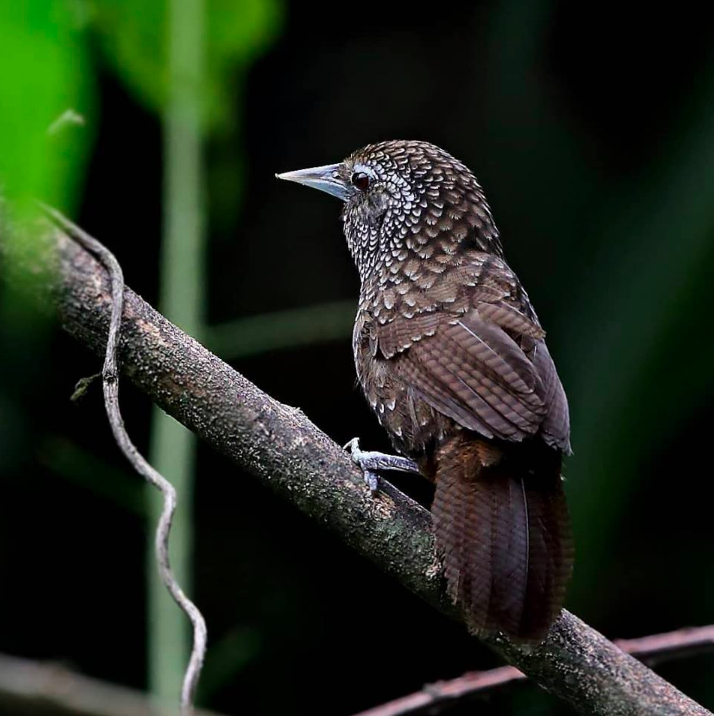
Mishmi Hills, Arunachal Pradesh
Bioacoustics & Conservation

The AudioMoth recording device in New Forest National Park, in the U.K., where it is searching for sounds of the New Forest cicada. COURTESY OF ALEX ROGERS
Yale e360 shares more on the value of new recording technology as it relates to conservation:
Listening to Nature: The Emerging Field of Bioacoustics
Researchers are increasingly placing microphones in forests and other ecosystems to monitor birds, insects, frogs, and other animals. As the technology advances and becomes less costly, proponents argue, bioacoustics is poised to become an important remote-sensing tool for conservation.
Mitch Aide, a tropical ecologist based in Puerto Rico, thinks we should listen to the earth a lot more than we do now — and not just listen to it, but record and store its sounds on a massive scale. His aims are not spiritual, but scientific: He, his colleagues, and other experts are developing and deploying audio recorders, data transmission systems, and new artificial intelligence software that together are rapidly expanding scientists’ ability to understand ecosystems by listening to them.
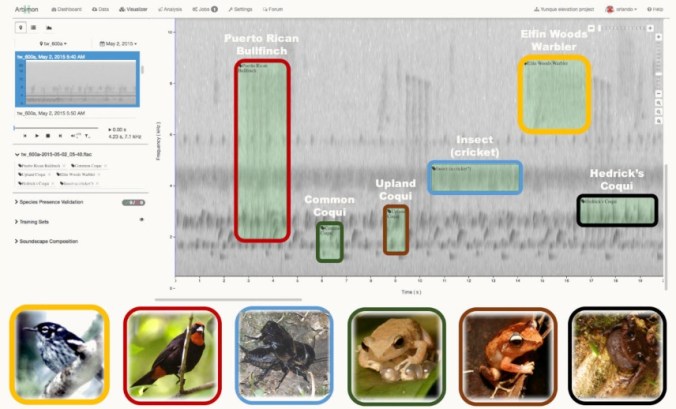
A 20-second spectrogram, showing various audio frequencies, from Puerto Rico includes the calls of these six species. COURTESY OF SIEVE ANALYTICS
Today, Aide can nail a cheap digital audio recorder to a tree in Puerto Rico’s Luquillo Forest and transmit its recordings to a computer running prototype software, which indicates almost in real time whether any of 25 species of frogs and birds are vocalizing in the forest. The system’s apparent simplicity belies its power – Aide thinks that it and similar systems will allow scientists to monitor ecosystems in ways we can’t yet imagine.
A golden-browed chlorophonia (Chlorophonia callophrys) in Costa Rica. SHUTTERSTOCK
He dreams that one day soon, audio recordings of natural soundscapes will be like rainfall and temperature data, collected from a worldwide network of permanent stations, widely available for analysis, and permanently archived. Each clip will be “like a museum specimen,” he said, “but containing many species.” Aide says scientists will be able to efficiently determine how species are moving or changing in response to global warming, habitat destruction, or human disturbance, and chart population shifts over large areas. Continue reading

Bird of the Day: White-browed Wagtail
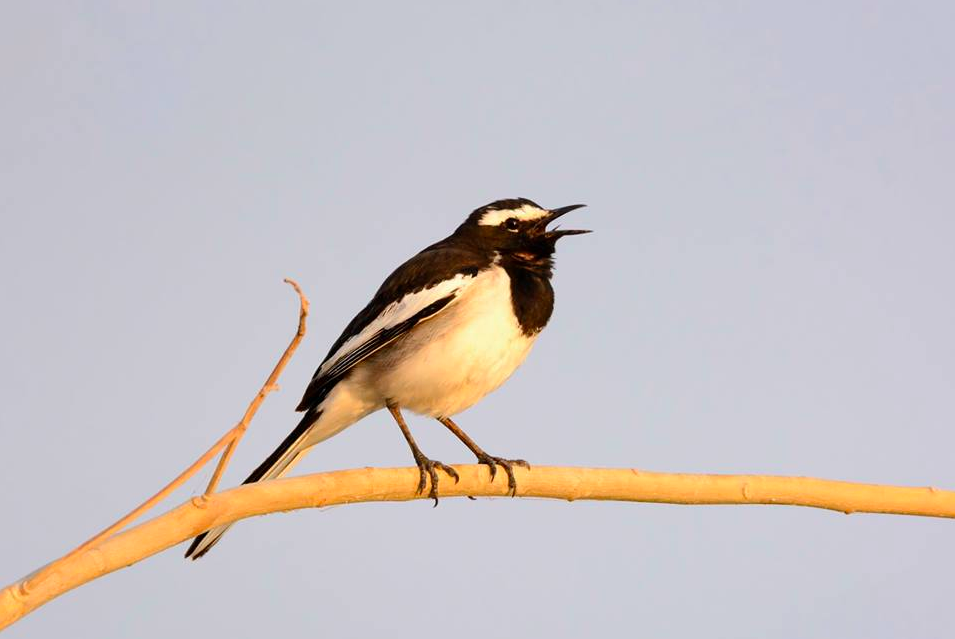
Vijayapur, Karnataka
Charisma Catalyzes
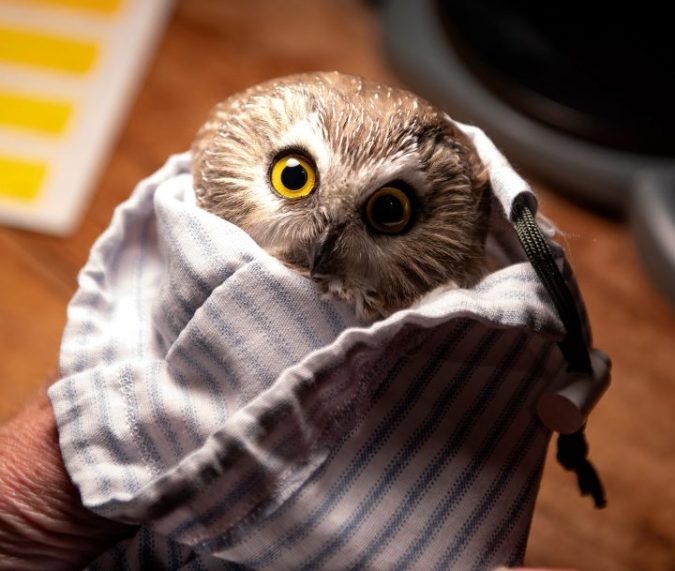
A saw-whet is ready for a quick exam when researchers will collect data and affix an identifying leg band.
No one is immune to the charisma of small owls, as far as we know. And that charisma would explain how the volunteers working to band this bird got catalyzed. Thanks to the Lab of Ornithology and this article from the current issue of Living Bird magazine:
A Grassroots Banding Project Reveals How Amazing Northern Saw-whet Owls Are
Story By Scott Weidensaul; Photography By Chris Linder
There is something wonderful about an autumn night; the sharp bite to the air, the rustle of a north wind in the last leaves clinging to the tops of the oaks, Orion shining in a moonless sky over the central Appalachian ridges of Pennsylvania—and echoing over it all, a repetitive, mechanical beep that reminds most people of the warning alarm when a garbage truck is backing up. Continue reading
Bird of the Day: Merlin

Little Rann of Kutch, Gujurat
Reasons To Say No To Coffee Capsules

Grounds for concern: around 75% of the 20bn single-serve coffee pods used each year enter landfill. Photograph: Max Rossi/Reuters
When I last worked as a waiter we served espresso from a small machine that could draw a single demitasse serving. The machine, from France, used proprietary mesh pods, a precursor to capsules. I had no opinion in the early 1980s about any environmental issues with pods, but I did have an opinion, thanks to my French colleagues, that the espresso the machine produced was perfect. These days I do not drink espresso often. I believe a brewed arabica is a better beverage both gastronomically and ecologically. I have also developed an opinion about the ecological problem with single-serve technology, and I remain skeptical even as I read a headline like this:
Better latte than never … compostable coffee pods go on sale
Lavazza launch comes amid rising concern over where 20bn single-serve plastic pods end up
The first compostable one-cup coffee pods from a major manufacturer will go on sale this week in a battle to stop the 20bn pods used every year around the world from ending up in landfill. Continue reading
Bird of the Day: Oriental Dwarf Kingfisher
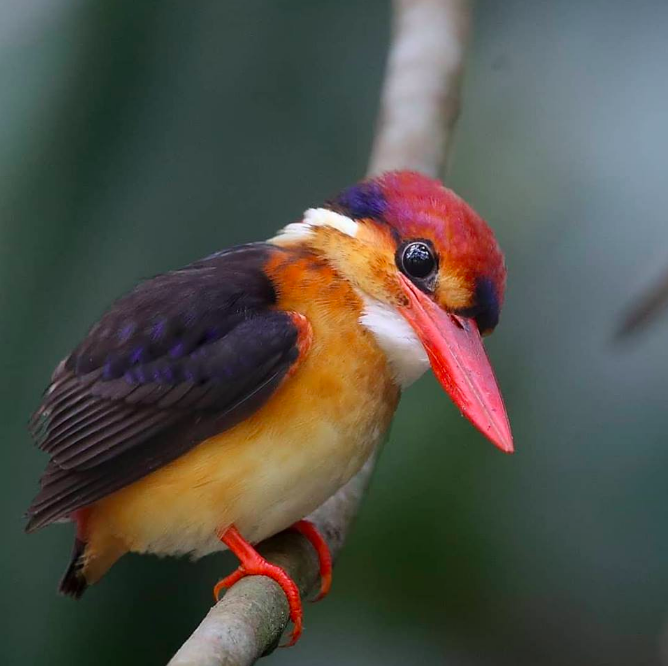
Andaman and Nicobar Islands
Moderating Methane

Cristina Byvik
During June and July last year we were in residence on a dairy farm, and the prospective benefit of cows having seaweed added to their diet came to my attention. Today another briefing on this topic, from Rowan Walrath writing in Mother Jones, notifies me that this idea is making progress:
One day in January 2014, police rushed to a farm in Rasdorf, Germany, after flames burst from a barn. They soon discovered that static electricity had caused entrapped methane from the flatulence and manure of 90 dairy cows to explode.
Headline writers had a field day. But the incident pointed to a serious problem: Ruminant livestock, mostly cattle, account for 30 percent of all global methane emissions, pumping out 3 gigatons of the gas every year in their burps, farts, and manure. Methane is an especially potent greenhouse gas: During its 12-year lifespan after being released, it traps 84 times as much heat as carbon dioxide, and its effect on global warming over a century is 34 times that of CO2. According to the United Nations, reducing methane emissions from cows could be one of the quickest ways to slow climate change. Continue reading
Bird of the Day: Golden Bush-Robin
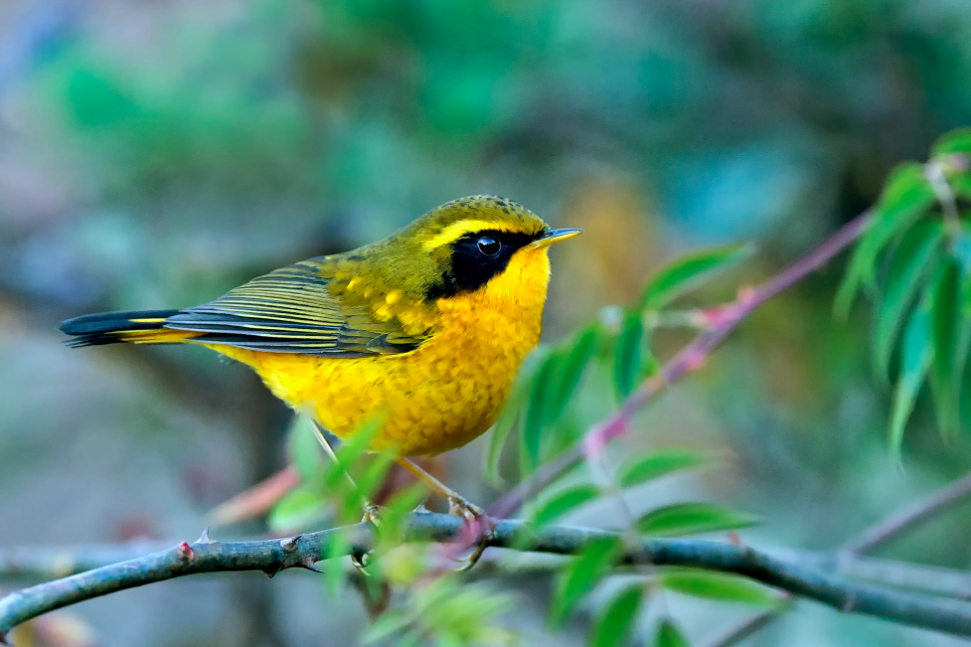
Pithoragarh, Uttarakhand
Really, Nestle?
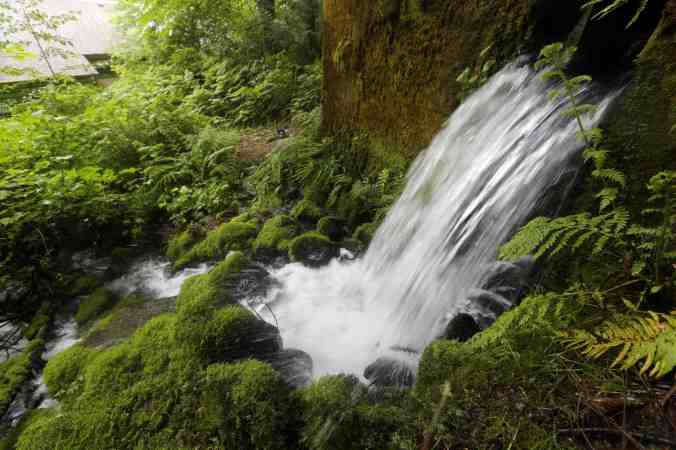
A proposal for Nestlé to build a water bottling plant in Cascade Locks, Oregon, was one of the most heated battles in the state in its 2016 primary. Photograph: Don Ryan/AP
The fight to stop Nestlé from taking America’s water to sell in plastic bottles
Creek beds are bone dry and once-gushing springs are reduced to trickles as fights play out around the nation over control of nation’s freshwater supply
The Forest Service recently determined Nestlé’s activities left California’s Strawberry Creek ‘impaired’ while ‘the current water extraction is drying up surface water resources’. Photograph: Nick Todd/Alamy
We are as tired of these stories, and the fights they require, as you may be. Nonetheless, here is a fight we can get behind. Nestlé, once again, back off. Thanks to Tom Perkins and the Guardian:
The network of clear streams comprising California’s Strawberry Creek run down the side of a steep, rocky mountain in a national forest two hours east of Los Angeles. Last year Nestlé siphoned 45m gallons of pristine spring water from the creek and bottled it under the Arrowhead Water label.
Though it’s on federal land, the Swiss bottled water giant paid the US Forest Service and state practically nothing, and it profited handsomely: Nestlé Waters’ 2018 worldwide sales exceeded $7.8bn. Continue reading

