Karnataka
Karnataka
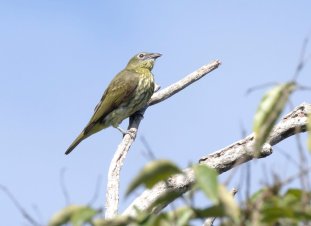
Female bellbirds lack a wattle and sing no songs. Anselmo d’Affonseca
Cara Giaimo provides additional perspective, perhaps the key question in the New York Times coverage of this story, which is about the female in this species, along with a great recording of the male’s call:
…One big mystery remains. The white bellbird sings its pile driver tune when a potential mate is nearby. It starts facing away from her, and then whips around to blast the loudest, record-setting note right into her face. Continue reading

Eaglenest Wildlife Sanctuary, Arunachal Pradesh
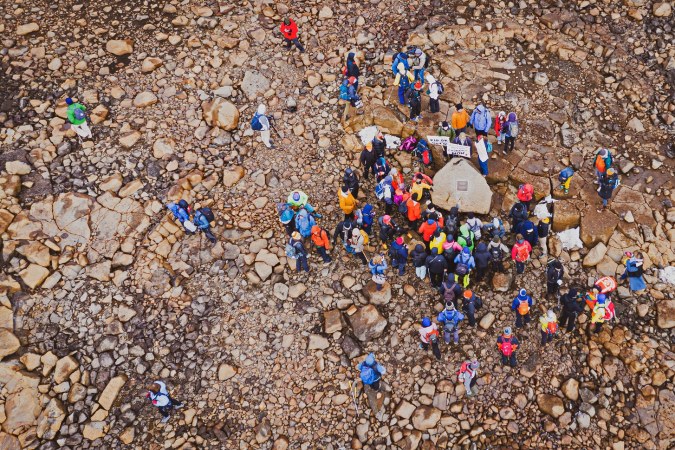
The crowd moments after the plaque placement ceremony. The monument is within a few hundred feet of the remaining glacial ice, and is the largest rock in the area. Photograph by Josh Okun
I have always been a morning person. It has something to do with birdsong as a great way to start the day. Now I realize that mourning becomes me as well. Will I tire mourning the loss of nature? Not anytime soon, if I am a practical person. Loss will be the gift that keeps giving, so I may as well develop coping strategies, and share them. In that interest let me recommend a brief eulogy instruction manual. Midway through, sharing the text on the plaque in the image above:
…“A letter to the future,” the plaque reads in both Icelandic and English. “Ok is the first Icelandic glacier to lose its status as a glacier. In the next 200 years, all our glaciers are expected to follow the same path. This monument is to acknowledge that we know what is happening and what needs to be done. Only you know if we did it.”…
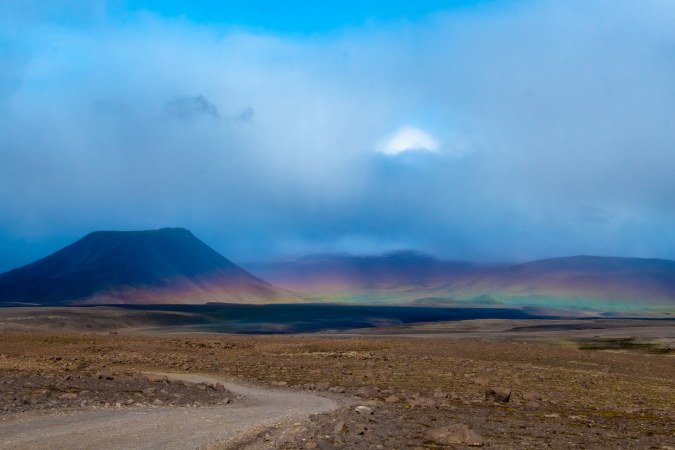
A rare ground rainbow in the Kaldidalur. Photograph by Josh Okun
A punchline follows soon after: “…we are witnessing geologic time collapse on a human scale.”
Lacy M. Johnson has captured my attention with a mix clear, crisp writing, first person perspective, and collaboration on visuals that complement her work perfectly. Near the end of the essay:
…We paused for lunch before the final leg of the hike, and Magnason instructed us to approach the caldera with reverence and humility. Elsewhere in Iceland, he explained, climbing to the summit of a mountain in silence and without looking back is said to grant the hiker three wishes. Wishes are sometimes too grand to be of use, Howe added, but it can be useful to imagine the future we hope to see…
Read the whole essay here.

Little Rann of Kutch, Gujurat
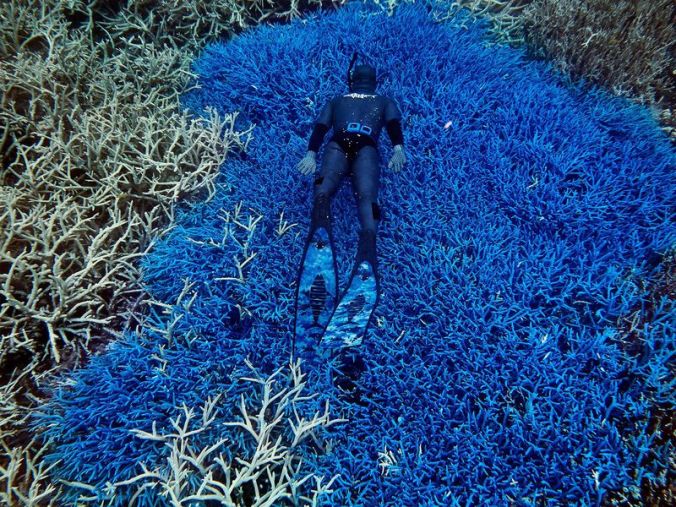
By collecting images and GPS data from citizen divers, scientists can get a better sense of the health of the entire Great Barrier Reef. (Damian Bennett)
Citizen Science has been a common thread for us on this site, linking creatures of land, sea and air as subjects of study. Marine Ecosystem citizen science has especially fascinated us in terms of the creative thinking applied to problems of invasive species.
The collaborative goal of documenting such a vast ecosystem as the Great Barrier Reef, and using creative solutions to combat threats to this wonder of the natural world is inspiring, to say the least.
Massive Citizen Science Effort Seeks to Survey the Entire Great Barrier Reef
Only about 1,000 of 3,000 individual reefs have been documented, but the Great Reef Census hopes to fill in the gaps
The majority of individual reefs that make up the Great Barrier Reef have not been directly surveyed. (Damian Bennett)
In August, marine biologists Johnny Gaskell and Peter Mumby and a team of researchers boarded a boat headed into unknown waters off the coasts of Australia. For 14 long hours, they ploughed over 200 nautical miles, a Google Maps cache as their only guide. Just before dawn, they arrived at their destination of a previously uncharted blue hole—a cavernous opening descending through the seafloor.
After the rough night, Mumby was rewarded with something he hadn’t seen in his 30-year career. The reef surrounding the blue hole had nearly 100 percent healthy coral cover. Such a find is rare in the Great Barrier Reef, where coral bleaching events in 2016 and 2017 led to headlines proclaiming the reef “dead.”
“It made me think, ‘this is the story that people need to hear,’” Mumby says.
The expedition from Daydream Island off the coast of Queensland was a pilot program to test the methodology for the Great Reef Census, a citizen science project headed by Andy Ridley, founder of the annual conservation event Earth Hour. His latest organization, Citizens of the Great Barrier Reef, has set the ambitious goal of surveying the entire 1,400-mile-long reef system in 2020.
“We’re trying to gain a broader understanding on the status of the reef—what’s been damaged, where the high value corals are, what’s recovering and what’s not,” Ridley says. Continue reading
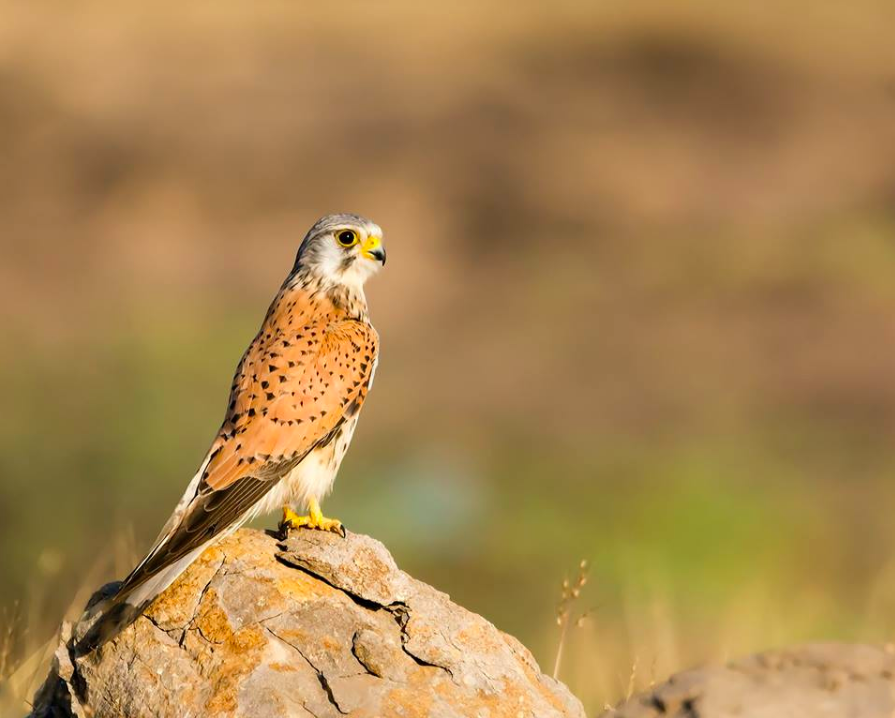
Male – Vijayapura, Karnataka
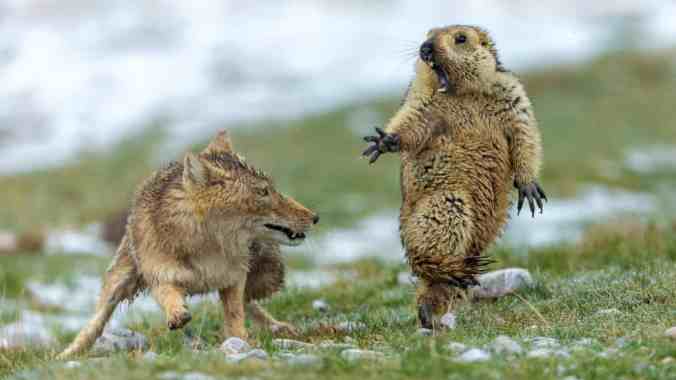
The Moment, overall winner and joint winner of the 2019 wildlife photographer of the year for the category ‘behaviour: mammals’. Yongqing Bao’s image shows a hungry marmot, not long out of hibernation, being confronted by a fox in China’s Qilian mountains. Photograph: Bao Yongqing/2019 wildlife photographer of the year
Today, not much to say, other than wow, thanks to the Guardian’s sharing of these photos, compiled by Eric Hilaire. Continue reading
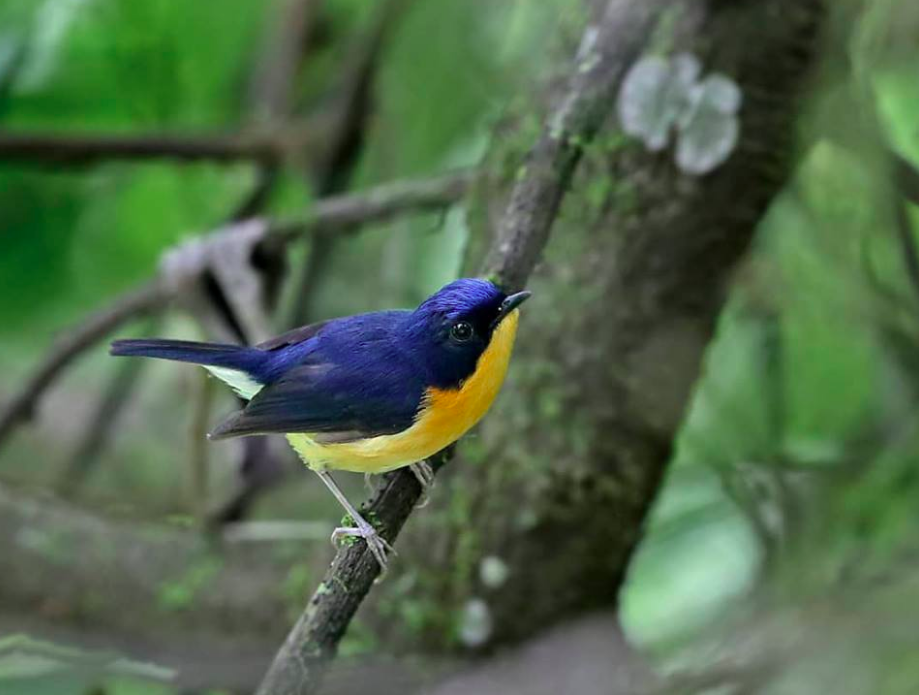
Eagle’s Nest Wildlife Sanctuary, Arunachal Pradesh
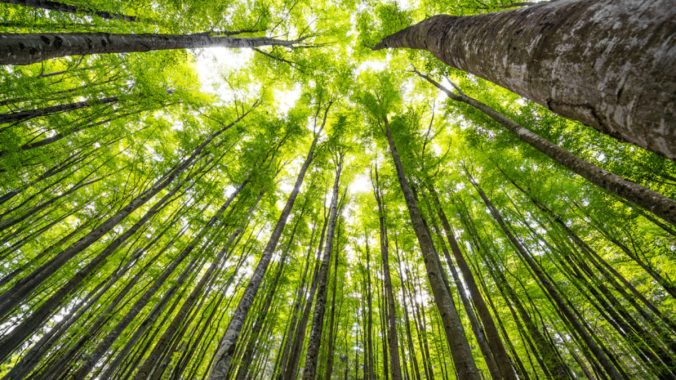
Thanks to Yale e360 for this interview that helps us understand the dynamics and differences between mature forests and newly planted forests in terms of carbon sequestration:
Why Keeping Mature Forests Intact Is Key to the Climate Fight
Preserving mature forests can play a vital role in removing CO2 from the atmosphere, says policy scientist William Moomaw. In an e360 interview, he talks about the importance of existing forests and why the push to cut them for fuel to generate electricity is misguided.
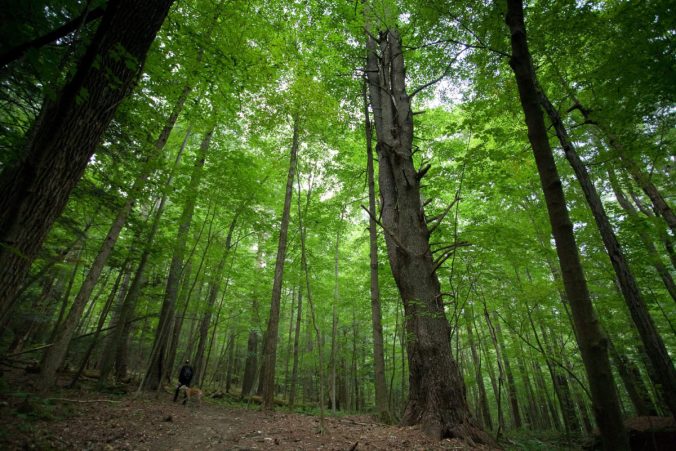
A mature forest in the Berkshire Hills in western Massachusetts. LIZA DALY/FLICKR
William Moomaw has had a distinguished career as a physical chemist and environmental scientist, helping found the Center for International Environment and Resource Policy at Tufts University’s Fletcher School and serving as lead author on five reports of the Intergovernmental Panel on Climate Change (IPCC). In recent years, Moomaw has turned his attention to working on natural solutions to climate change and has become a leading proponent of what he calls “proforestation” — leaving older and middle-aged forests intact because of their superior carbon-sequestration abilities.
While Moomaw lauds intensifying efforts to plant billions of young trees, he says that preserving existing mature forests will have an even more profound effect on slowing global warming in the coming decades, since immature trees sequester far less CO2 than older ones. In an interview with Yale Environment 360, Moomaw explains the benefits of proforestation, discusses the policy changes that would lead to the preservation of existing forests, and sharply criticizes the recent trend of converting forests in the Southeastern U.S. to wood pellets that can be burned to produce electricity in Europe and elsewhere.
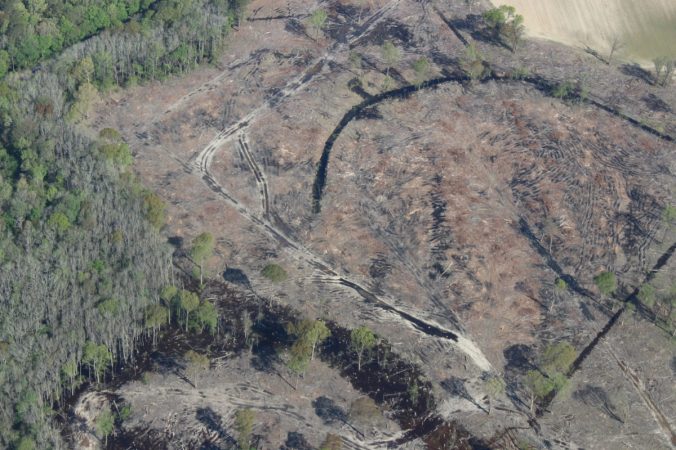
An area of clearcut forest in the Tar-Pamlico River basin in northeastern North Carolina. DOGWOOD ALLIANCE
“The most effective thing that we can do is to allow trees that are already planted, that are already growing, to continue growing to reach their full ecological potential, to store carbon, and develop a forest that has its full complement of environmental services,” said Moomaw. “Cutting trees to burn them is not a way to get there.”
Yale Environment 360: How do you define proforestation?
William Moomaw: So I began looking at some of the data and some of the papers that had come out recently, and I found that if we managed our forests and grasslands in a different way they could be sequestering twice as much carbon dioxide from the atmosphere as they currently do. Continue reading
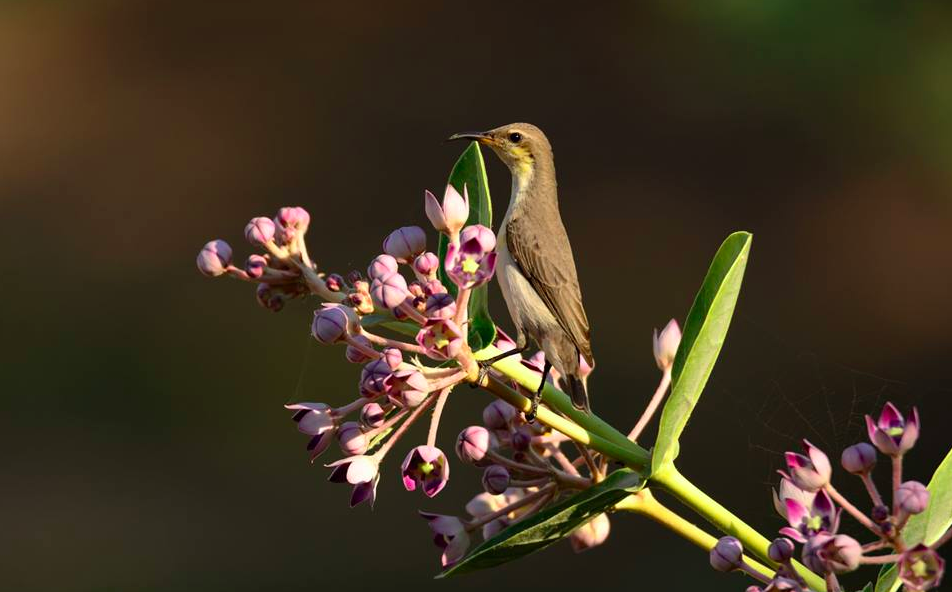
Female – Bijapur, Karnataka
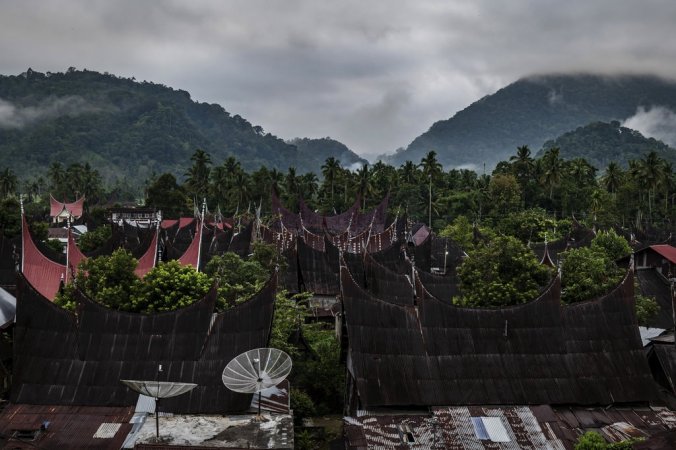
Traditional houses in West Sumatra. Ulet Ifansasti for The New York Times
Finding this story by Mike Ives, with Topher White getting up into the trees for a good purpose, brightens the day just a little bit:
Using Old Cellphones to Listen for Illegal Loggers
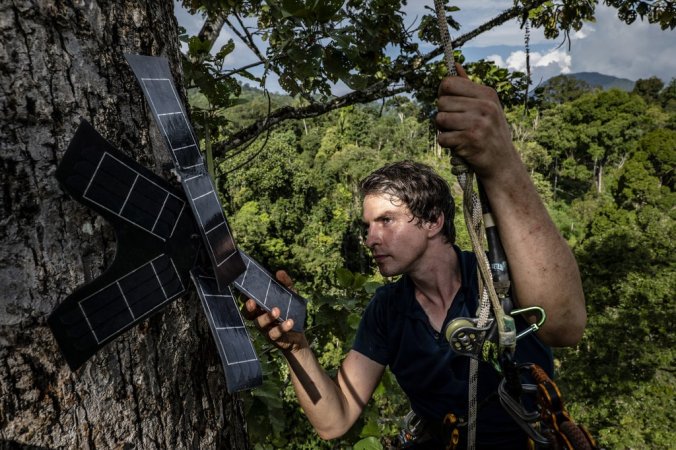
Topher White installing a solar-powered listening unit in a rainforest on the Indonesian island of Sumatra in July. Ulet Ifansasti for The New York Times
PAKAN RABAA, Indonesia — This village in West Sumatra, a lush province of volcanoes and hilly rain forests, had a problem with illegal loggers.
They were stealing valuable hardwood with impunity. At first, a group of local people put a fence across the main road leading into the forest, but it was flimsy and proved no match for the interlopers. Continue reading
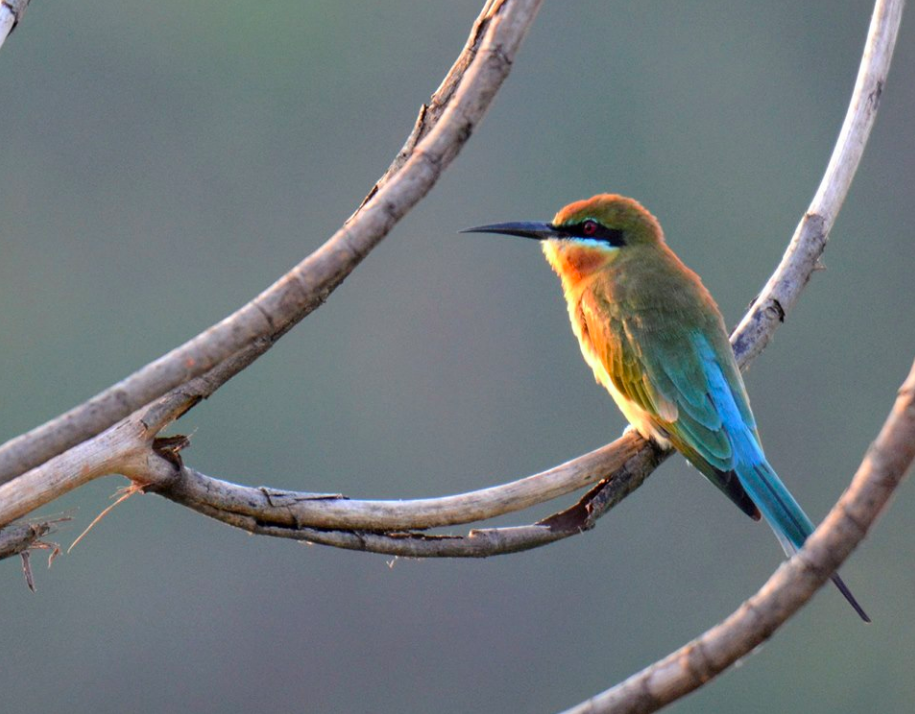
Kandakadavu, Kerala
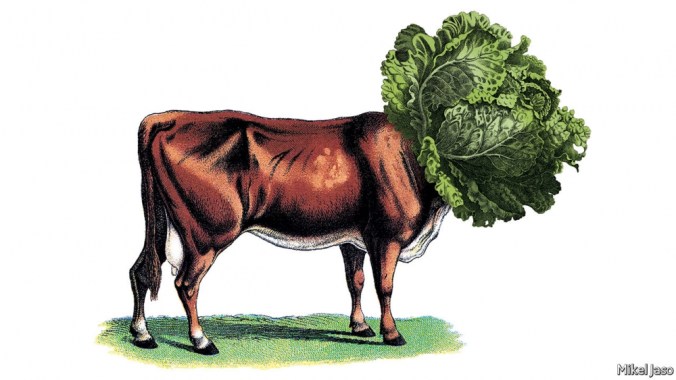
Thanks to the Guardian for a bit more insight into one of our favorite topics of the last year or two:
Plant-based meat could create a radically different food chain
Meat no longer has to be murder
A journalist walks into Honest Burgers, a small chain of restaurants in Britain. Mindful of the carbon emissions that come from raising cows, he orders a plant-based burger. It tastes convincingly beefy, at least when encased in a brioche bun and loaded with vegan Gouda and chipotle “mayo”. Continue reading
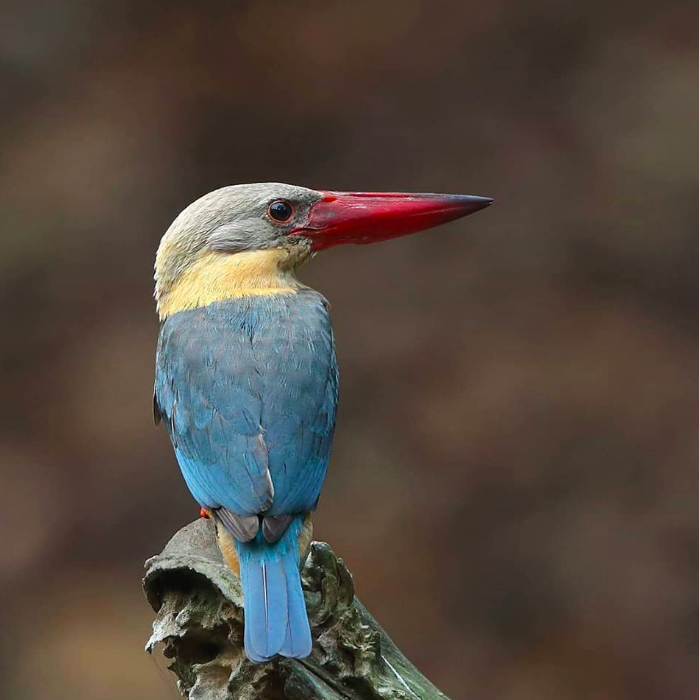
Andaman and Nicobar Islands
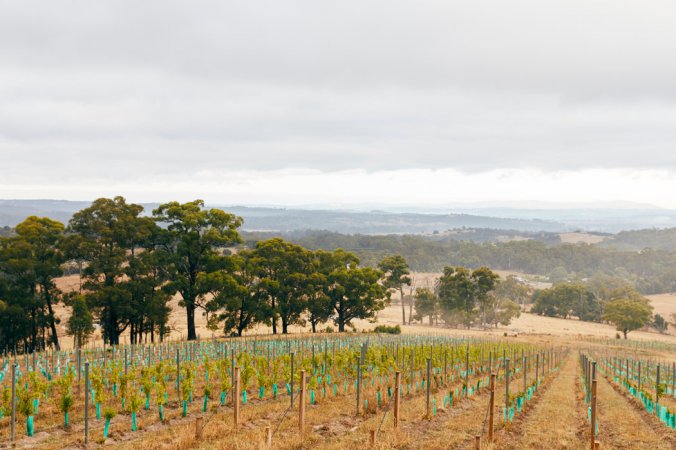
Don Valley, Australia John Laurie for The New York Times
Eric Asimov, wine critic, is also a pretty good explainer of the practical implications of climate change:
Catena Zapata, Argentina Horacio Paone for The New York Times
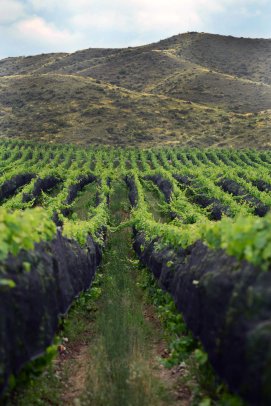
Wine, which is among the most sensitive and nuanced of agricultural products, demonstrates how climate change is transforming traditions and practices that may be centuries old.
Around the wine-growing world, smart producers have contemplated and experimented with adaptations, not only to hotter summers, but also to warmer winters, droughts and the sort of unexpected, sometimes violent events that stem from climate change: freak hailstorms, spring frosts, flooding and forest fires, just to name a few.
Farmers have been on the front line, and grape growers especially have been noting profound changes in weather patterns since the 1990s. In the short term, some of these changes have actually benefited certain regions.
Places, like England, that were historically unsuited for producing fine wine have been given the opportunity to join the global wine world, transforming local economies in the process. Continue reading
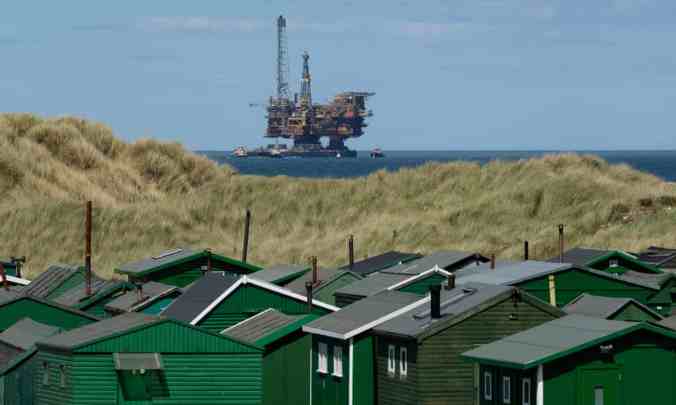
Shell said last year that divestment had become a material risk to its business.’ Shell’s Brent Bravo oil rig arrives on Teesside for decommissioning, June 2019. Photograph: Ian Forsyth/Getty Images
Bill McKibben explains the movement and its best chance of success:
Divestment works – and one huge bank can lead the way
On 15 October, the European Investment Bank meets to decide its policy on fossil fuels. The hand of history is on its shoulder
Millions of people marched against climate crisis over the past two weeks, in some of the largest demonstrations of the millennium. Most people cheered the students who led the rallies – call them the Greta Generation. But now we’ll start to find out if all their earnest protest actually matters.
Continue reading
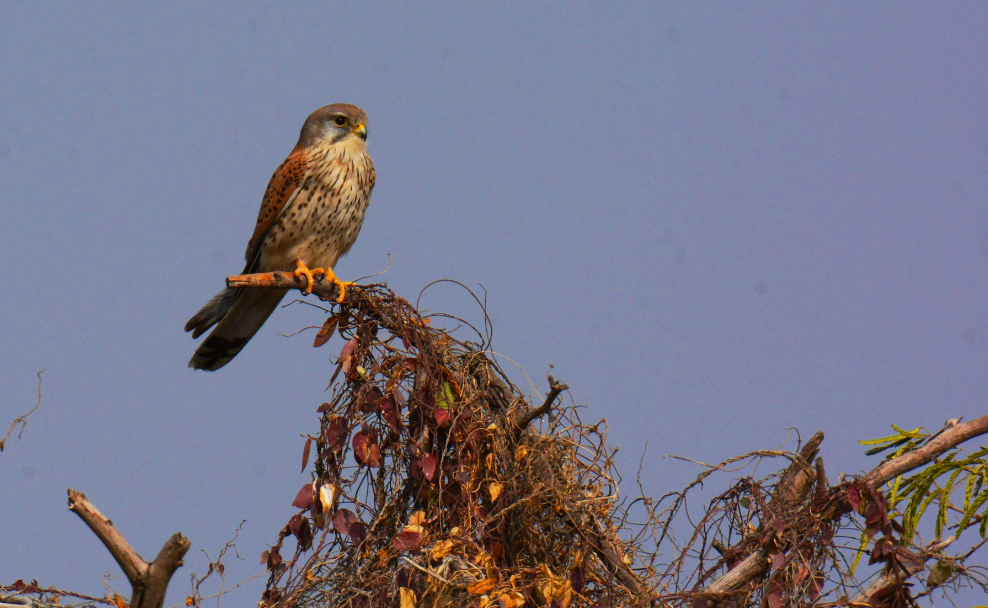
Little Rann of Kutch, Gujurat
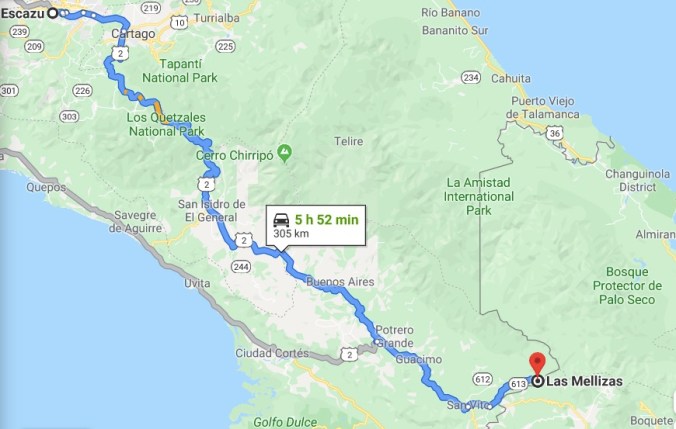
Two weeks ago we were visiting the southern tip of the Osa Peninsula, one of our long-time favorite places in Costa Rica. This weekend we made a journey to one of the few spots in Costa Rica where we had never been before, the center of the southern tier, bordering this part of Panama. Seth’s visit to Boquete was one made by many visitors to Costa Rica who either for coffee or birding reasons see this cross-border excursion as a must. We made that excursion from San Jose to Boquete 15 years ago as a family, and my recollection of the coffee sampling, including of the geisha varietal before I knew how important that would become, is a highlight.
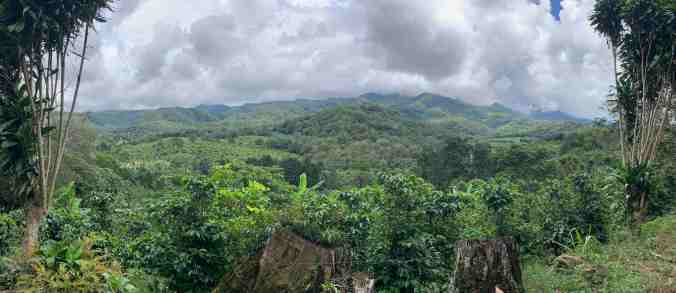
Las Mellizas is a village created decades ago by the owners of Hacienda La Amistad, which is where Organikos sources its single estate organic coffee. The farm uses bananas and other fruits, plenty of including avocado, to shade the coffee and add value to the farm’s cash crop activity.
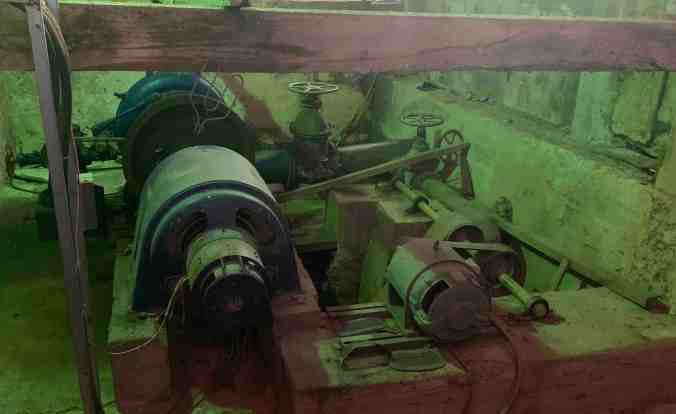
I will have more to say when we are back on grid, but for now I share the image at the top, with the widest view I could find on the farm yesterday, sent using a cell phone connection and electricity from the hydro-electric plant that this farm runs on, shown here.

Ecuador