juvenile – Creek rice fields, Orange Walk District, Belize
juvenile – Creek rice fields, Orange Walk District, Belize

Thanks to National Public Radio (USA) for this re-primer on recycling, a guide to what you should be doing after all the recent changes in where our refuse goes, and now does not go:
PLASTICS
What’s recyclable, what becomes trash — and why
Every year, the average American goes through more than 250 pounds of plastic waste, and much of that comes from packaging. So what do we do with it all?
Your recycling bin is part of the solution, but many of us are confused about what we should be putting in there. What’s recyclable in one community could be trash in another.
This interactive explores some of the plastics the recycling system was designed to handle and explains why other plastic packaging shouldn’t go in your recycling bin.
Let’s take a look at some items you might pick up at the grocery store.
PLASTIC WRAP
Not recyclable curbside.
At the store we find it covering vegetables, meats and cheeses. It’s common, but it can’t be recycled because it’s hard to deal with at the material recovery facility, or MRF. The MRF is where items collected from residences, offices and more through public and private recycling programs are taken to be sorted, baled and sold. The thin film gets wrapped around the equipment and can bring the operation to a standstill. Continue reading
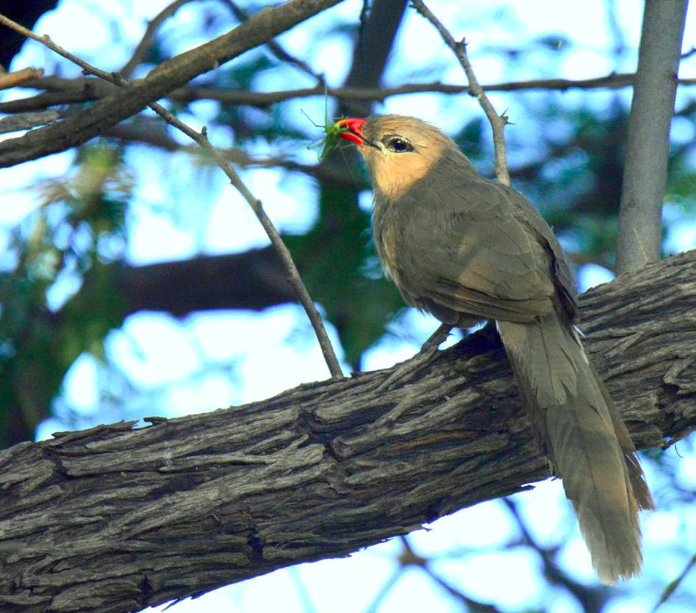
Sanjay Van Forest, Delhi
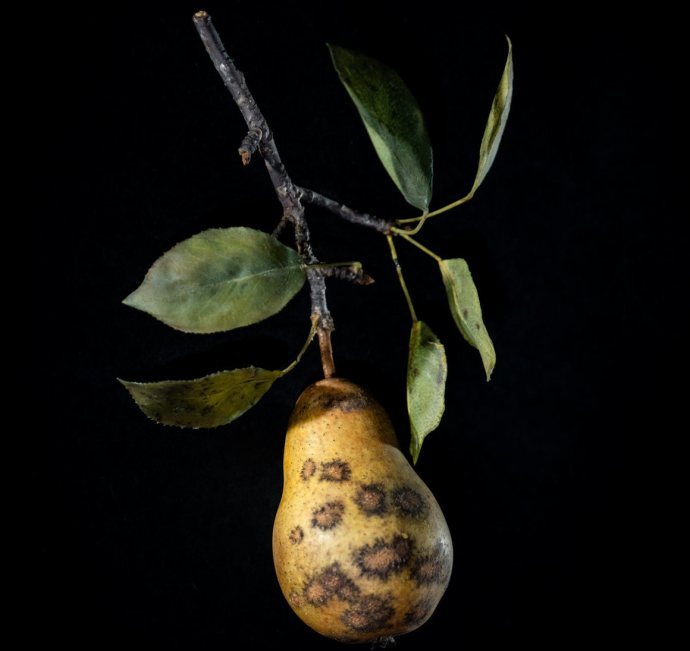
A glass pear, Pyrus communis, afflicted with pear scab, caused by the fungus Venturia pirina. JENNIFER BERGLUND © 2019 PRESIDENT AND FELLOWS OF HARVARD COLLEGE
Thanks to Jessica Leigh Hester at Atlas Obscura for this:
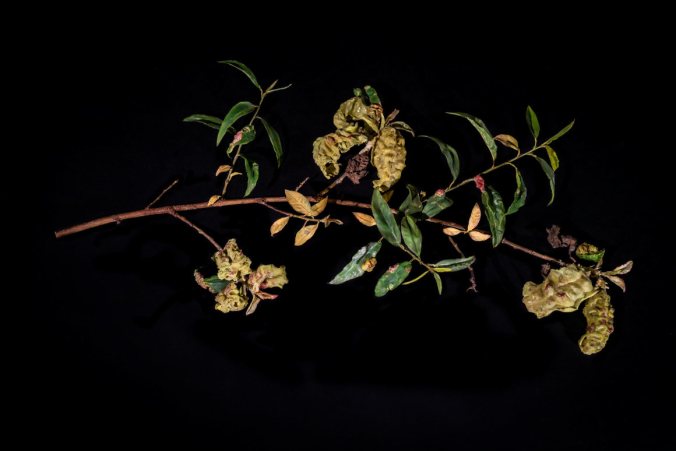
A glass branch of a peach tree, Prunus persica, having a rough go of it. JENNIFER BERGLUND © 2019 PRESIDENT AND FELLOWS OF HARVARD COLLEGE
Feast Your Eyes on These Delicate Glass Models of Decaying Fruit
Blighted, century-old produce goes back on display for the first time in decades.
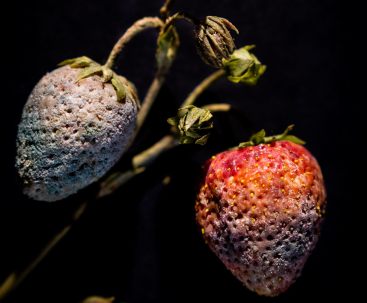
Glass strawberries, or Fragaria, gone white with imitation Penicillium. JENNIFER BERGLUND © 2019 PRESIDENT AND FELLOWS OF HARVARD COLLEGE
THERE’S SOMETHING A BIT BRAIN-SCRAMBLING about this particular buffet of fruit. If you’ve ever let something languish on the counter or in the fridge a little too long, the white fuzz blanketing the shriveling strawberries or the spots of rot on the surface of a pear might look fairly familiar. But there’s something else that doesn’t feel quite right.
“You almost expect to be able to smell it,” says Scott Fulton, a conservator at the Harvard Museum of Natural History. “We all know what a rotten apple smells like.” But the fruit Fulton has been working on doesn’t smell at all: It’s made of glass. Beginning August 31, 2019, it will all be behind glass, too, back on temporary exhibit at the museum after nearly two decades in storage. Continue reading

Outskirts of Boise, Idaho
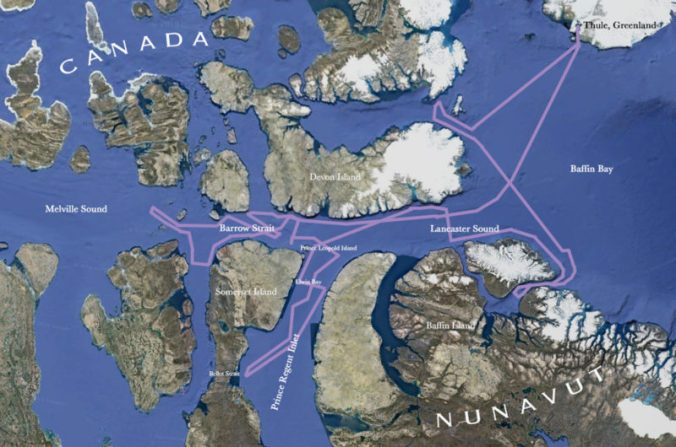
CLICK MAP TO ENLARGE. The route traveled by the Northwest Passage Project in July and August, from Greenland through the Canadian Arctic. YALE ENVIRONMENT 360
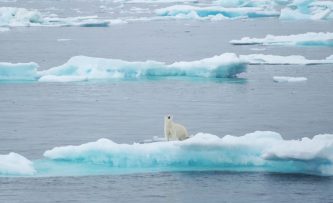
A polar bear in the Barrow Strait. As summer sea ice disappears in the High Arctic, polar bears are losing crucial platforms on which to hunt and rest. ED STRUZIK/YALE E360
You have seen the images, in which polar bears look lost or otherwise in peril. The one from this story, taken by its author, illustrates the central theme of ice receding in the locations highlighted in the map above.
Climate change is at work, 24/7, creating the sense of loss, peril and worse that we have not been shying away from in our pages. We are leaning in to try to understand what changes we can make, and promote, to live and work and play more responsibly. Thanks to Ed Struzik for both the words and images of this article:
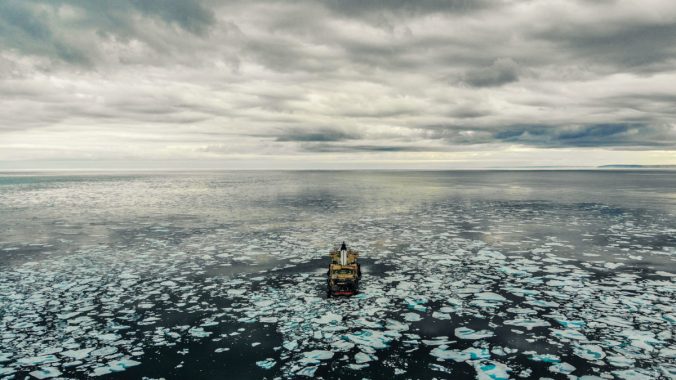
The icebreaker Oden sails through first-year ice in Lancaster Sound in the Canadian Arctic last month. COURTESY OF TOMER KETTER
A Northwest Passage Journey Finds Little Ice and Big Changes
After decades of travel in the Far North, E360’s Arctic correspondent joins a voyage through the Northwest Passage and witnesses a world being transformed, with ice disappearing, balmy temperatures becoming common, and alien invaders – from plastic waste to new diseases – on the rise.
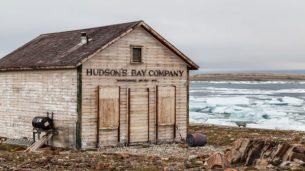
An abandoned Hudson’s Bay trading post on Somerset Island that was shut down in 1948 because supply ships could not get through the thick sea ice. COURTESY OF TOMER KETTER
Elwin Bay is carved into a steep, flat-topped mountain range along the northeast coast of Somerset Island in Canada’s High Arctic. For as long as anyone can remember, hundreds of beluga whales show up every year on an annual migration from Greenland through Canada’s Northwest Passage. Their fidelity to this site is remarkable given that 19th-century whalers killed more than 10,000 of them there – 840 during one notably gruesome, 17-day stretch – between 1874 and 1898.
Helicoptering over the bay earlier this month with members of a U.S. National Science Foundation-sponsored research expedition, we saw too many belugas to count accurately in waters riddled with rapidly disintegrating sea ice. Five hundred? Eight hundred? None of us could estimate with certainty. All we knew was that there were likely equal numbers of whales congregating in similar bays and estuaries, such as Cunningham Inlet, which we sailed past a few days earlier.
Polar bears were there as well — a female and cub in this case, homing in on a dead beluga that had presumably swum too far up the shallow estuary before the tide turned and trapped it. Continue reading

Mindo, Ecuador
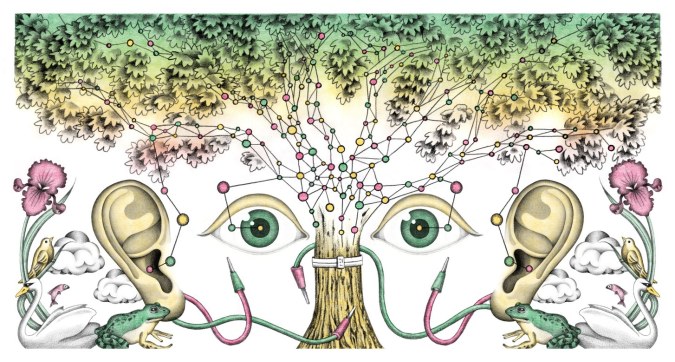
Using new technology, researchers can watch as trees grow, shrink, drink, and breathe. Illustration by Christelle Enault
When we start reading about using transducers to create precision dendrometers to see how a tree grows in Brooklyn, we know we are out of our league. But surprisingly readable, this story tells why it is important to be able to measure tree growth in real time:
A Day in the Life of a Tree
One morning earlier this summer, the sun rose over Brooklyn’s Prospect Park Lake. It was 5:28 a.m., and a black-crowned night heron hunched into its pale-gray wings. Three minutes later, the trunk of a nearby London plane tree expanded, growing in circumference by five-eighths of a millimetre. Not long afterward, a fish splashed in the lake, and the tree shrunk by a quarter of a millimetre. Two bullfrogs erupted in baritone harmony; the tree expanded. The Earth turned imperceptibly, the sky took on a violet hue, and a soft rain fell. Then the rain stopped, and the sun emerged to touch the uppermost canopy of the tree. Its trunk contracted by a millimetre. Then it rested, neither expanding or contracting, content, it seemed, to be an amphitheater for the birds.
“I wonder about the trees,” Robert Frost wrote. Monumental in size, alive but inert, they inhabit a different temporality than ours. Some species’ life spans can be measured in human generations. We wake to find that a tree’s leaves have turned, or register, come spring, its sturdier trunk. But such changes are always perceived after the fact. We’ll never see them unfold, with our own eyes, in human time.
To understand how trees transform, dendrochronologists, researchers who study change in trees, have developed a few techniques. They cut trees down to analyze their rings, which have been created by the seasonal formation of new cells, but this terminal strategy can provide only a static overview of the past. They “core” living trees, using bores to extract trunk tissue; this technique, however, can stress trees and sometimes, though rarely, wound them fatally. They measure tree girth with calipers and tape—a less invasive means of studying growth that is also frustratingly intermittent.
Once we had read to this point the following paragraph led to an image search. What does this thing look like? The story did not show it, only described it, so our image search led here:
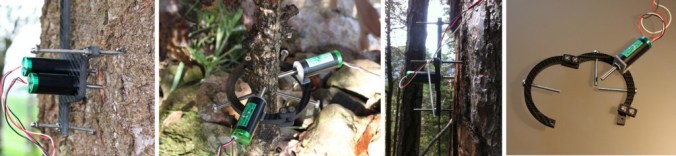
Figure M1 Collection of point dendrometers (natkon.ch). The carbon frames are either T-shaped (for large stems) or O-shaped (for small stems or branches) and are anchored in the stem with stainless steel rods. Up to three sensors are attached to the different type of frames in order to measure different expositions at the stem or to measure stem radius fluctuations over bark and on the xylem separately.
And those images helped the following make a bit more sense:
In the early two-thousands, a new technique emerged that changed the field. It relies on low-cost transducers: equipped with a tiny spring, a transducer—which converts, or “transduces,” physical motion into an electrical signal—can rest on the bark of a tree, sensing and logging tiny changes in pressure. Instruments that use this approach, known as precision dendrometers, allow scientists to do something entirely new: watch how trees change and respond to their environments on an instantaneous scale.
This spring, I walked along the eastern edge of Prospect Park Lake with Jeremy Hise, the founder of Hise Scientific Instrumentation, a company that sells affordable precision dendrometers to scientists, students, and members of what Hise called the “D.I.Y. makerspace.” Bearded and affable in jeans and a blue sweatshirt, Hise explained that his dendrometers could now deliver their measurements wirelessly to a cloud-based platform called the EcoSensor Network. Users of the network can monitor a tree’s growth, generate graphs, and correlate them with meteorological data. Together with Kevin Griffin, a professor of earth and environmental sciences at Columbia University, Hise is planning to build the largest network of dendrometers in the world, generating millions of data points each year. “We’re looking to be the Weather Underground of trees,” Hise said.
Crooked Tree, Belize
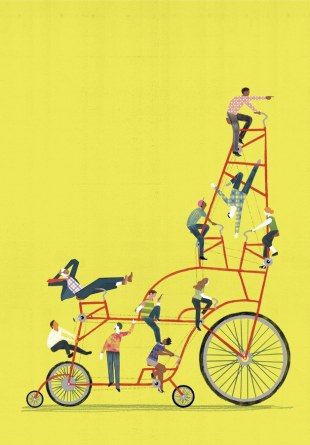
KEITH NEGLEY
Zeynep Tufekci, a professor at the University of North Carolina at Chapel Hill, has not made her way into these pages before because her focus on the digital world does not frequently overlap with our themes. But ALTRUISM STILL FUELS THE WEB. BUSINESSES LOVE TO EXPLOIT IT maps on to one of our earliest themes, which had a great run but has been neglected more recently. The article she has published in Wired (also not frequently cited here, for the same reason) is a good corrective:
HERE’S A THOUGHT experiment: Imagine for a moment that a hardheaded social scientist from, say, 1974 is plucked out of time and dropped here, in the midst of the internet age. What, more than anything else, would blow their mind?
I’m not just asking what they’d be most dazzled by. I’m asking what would shake their sense of how the world works. What would they least have seen coming? Continue reading
Dunwoody, GA
ictor Moriyama/Getty Images
Roberto Mangabeira Unger was responsible for Amazonian policy from 2007 to 2009. We assume he knows what he is talking about, and so it is worth reading his recommendation:
The Amazon Is Still Burning. Here’s How You Can Save It.
We need to figure out how to sustainably use the rain forest for the benefit of its inhabitants and the world. Give Brazil a hand without disrespecting its sovereignty.
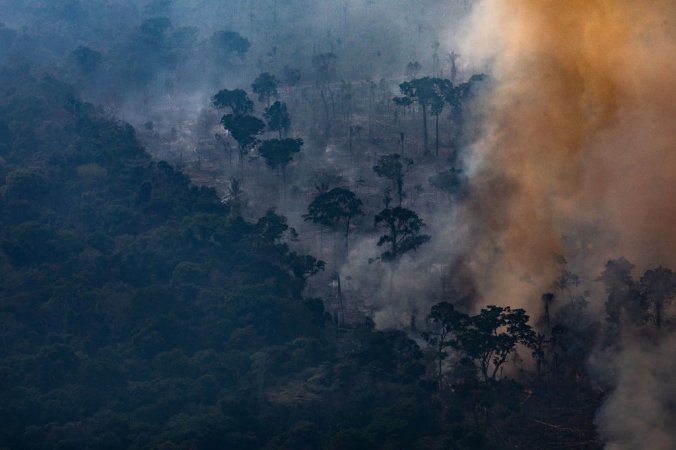
The Amazon, the greatest reservoir of fresh water and biodiversity on the planet, is burning. Its degradation, which threatens to reach a catastrophic tipping point, means less oxygen and rain as well as warmer temperatures. Human actions have been the driving cause. In Brazil, which holds 60 percent of the Amazonian rain forest, wildcat land grabbers and ranchers, who set fires to clear land in implicit partnership with a lenient government, are the main culprits.
We have been here before. In 2004 deforestation rates were much worse than they are today. In the last years of that decade Brazil stepped back from the brink and imposed constraints on what had been a free-for-all in the region. We now need to be more ambitious than we were then. Continue reading

Masai Mara, Kenya
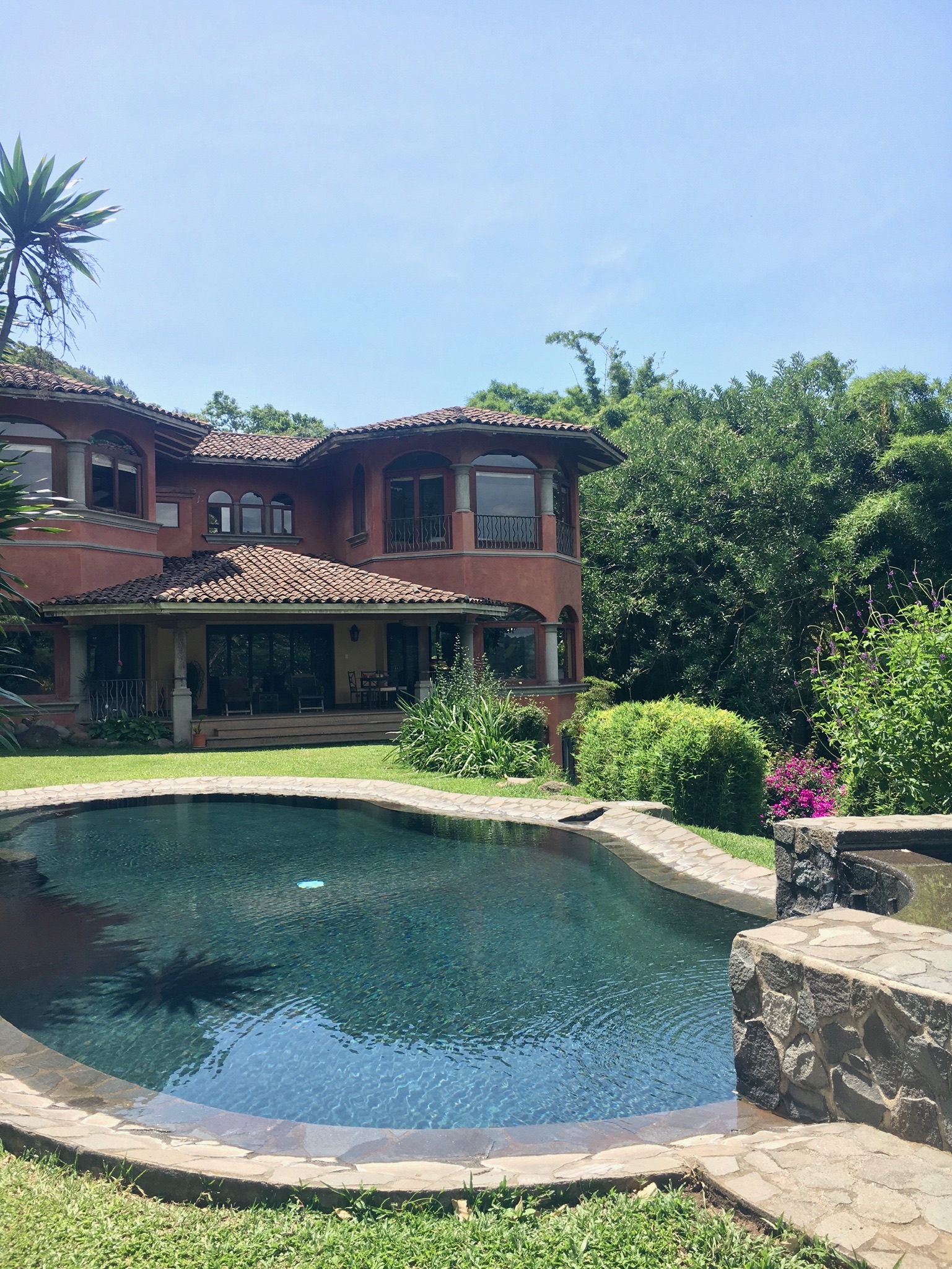
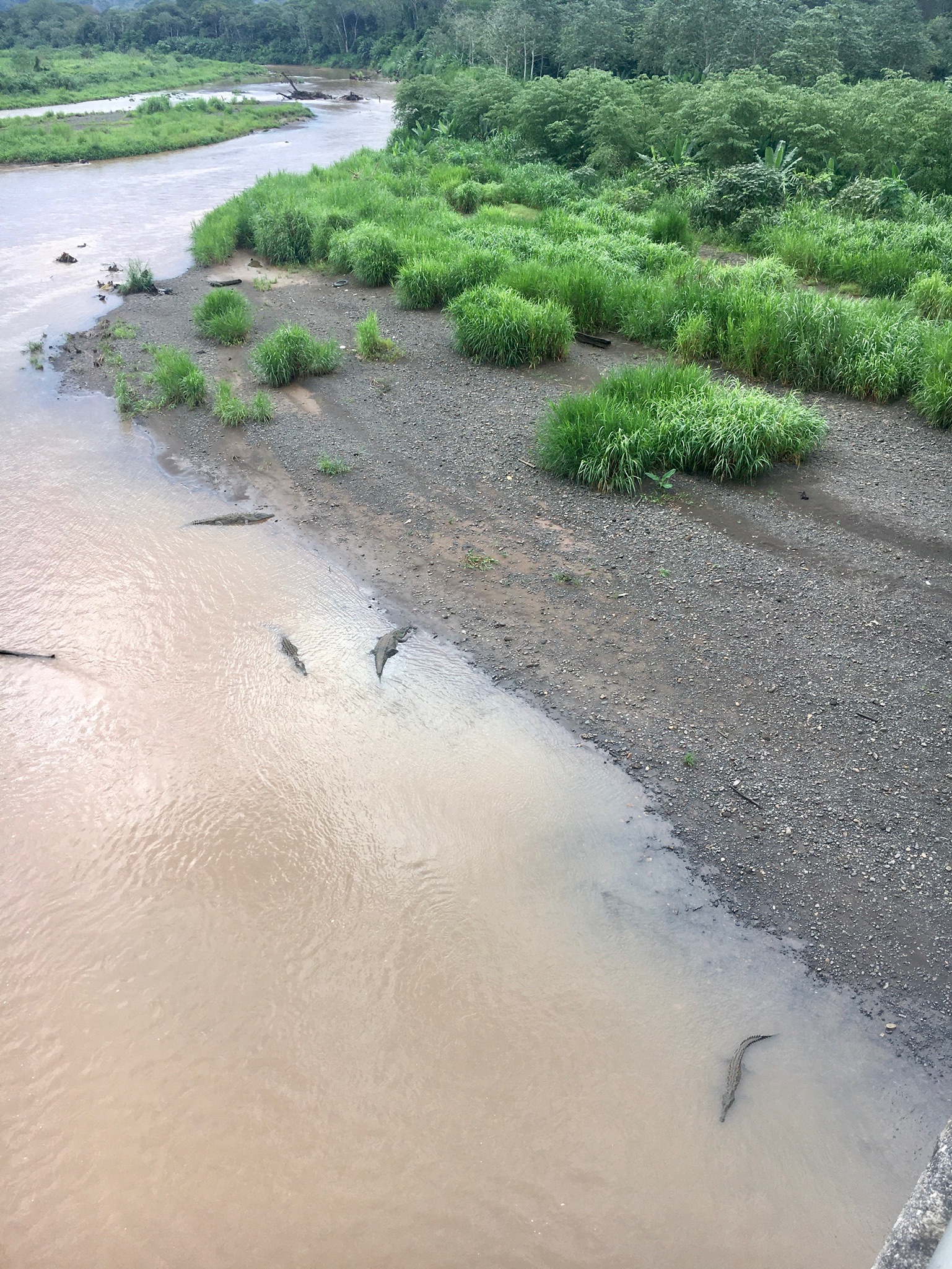
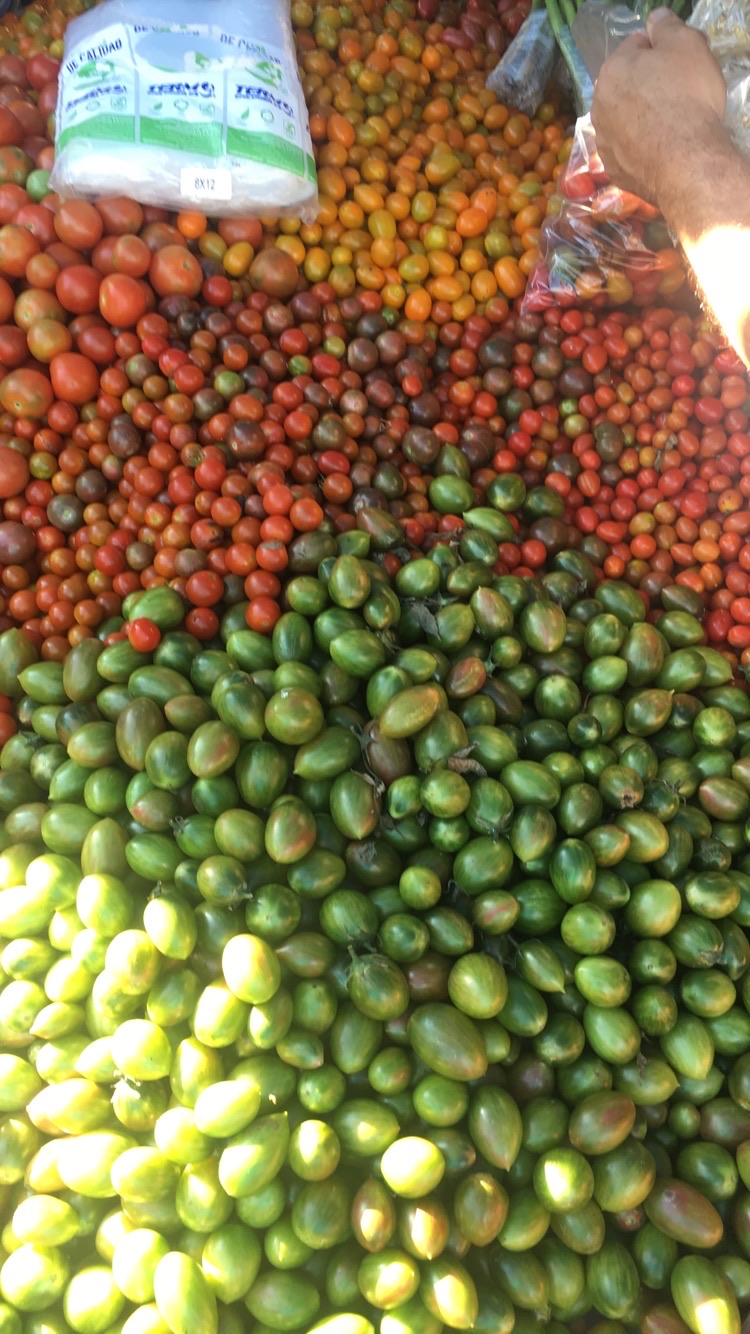
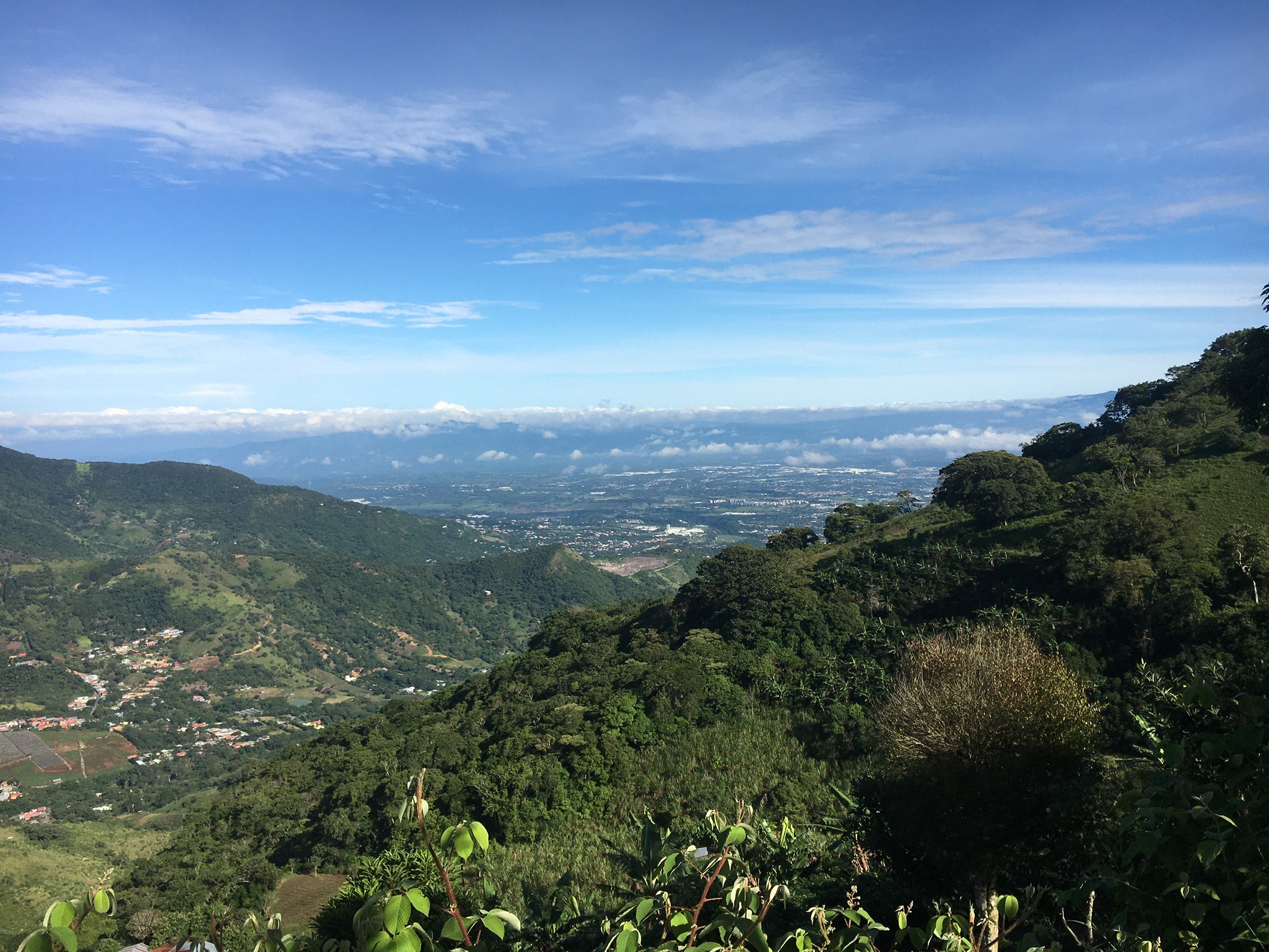
Yesterday I got back from my three week internship in Costa Rica. During my time there, I learned a lot about eco tourism, Costa Rica, and sustainable business practices. I got to take hikes through the back hills and see many of the bird species I had hoped to encounter. Three weeks in one location is a lot longer than most vacation visits to a country, and I got to really know the local area. While I was there we made frequent use of the bus to get around, which provided a more personal look at the San Jose area than driving would have. One thing I grew to appreciate was how green it was compared to the US. As soon as you leave the downtown area, the urban landscape is covered with trees and tall gras between buildings. Up in the hills there are farms mixed with residential housing and completely overgrown with forest.
Frauenkirchen, Austria
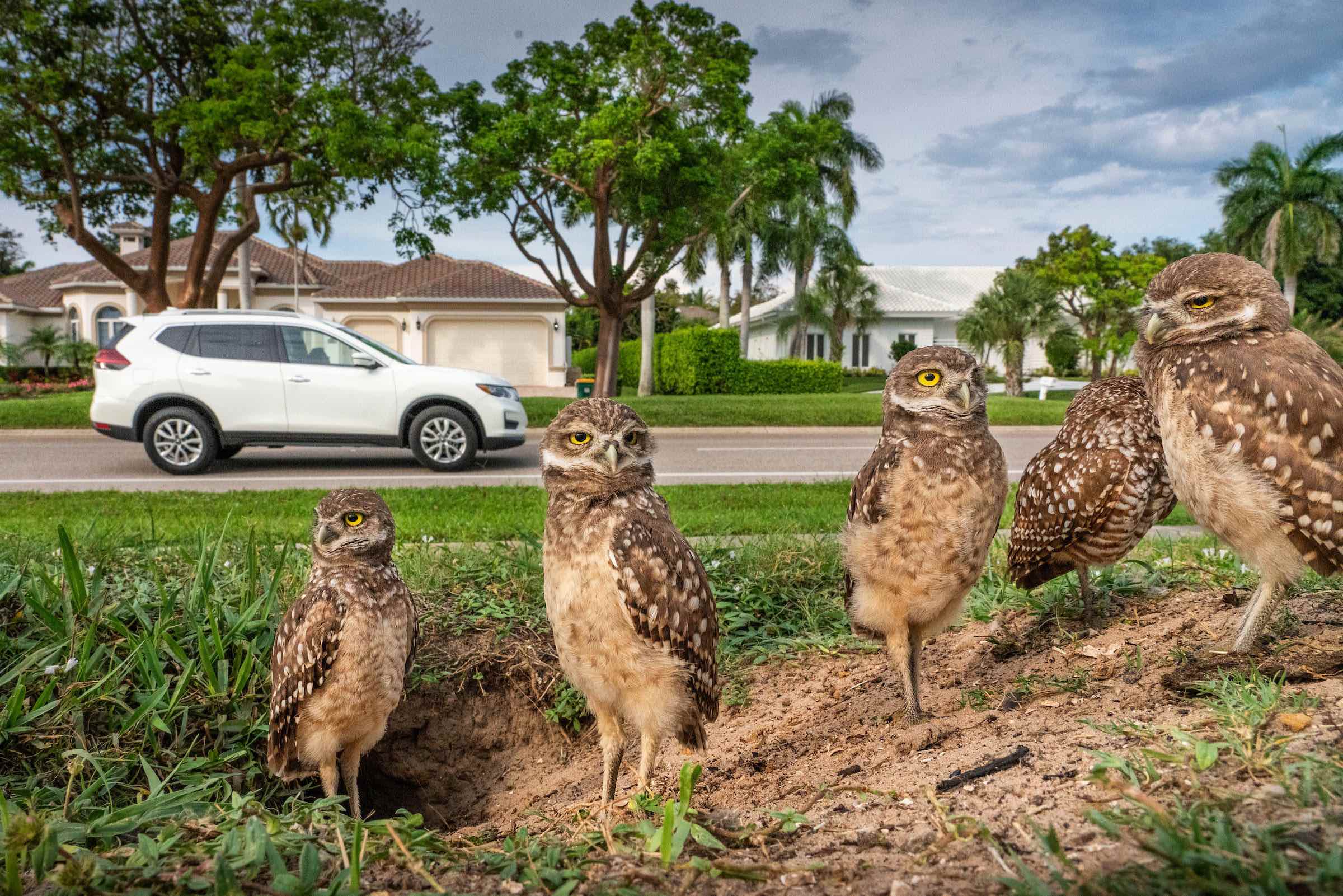
These owls have adoring human neighbors. Their burrow is dug on the lawn of a couple who, along with their grandson, delight in seeing the birds nest year after year on the property; they even intentionally leave one of their cars parked outside the garage, to offer the tiny owls shade. This year the owl pair had six chicks, five of which survived to fledge. Photo: Karine Aigner
Thanks to Audubon’s great team for this story of urban adaptation:
Burrowing Owls Are the Family Next Door in this Florida Boom Town
Locals and researchers are working to keep Marco Island hospitable to the birds, which are declining across the state, as development devours the vacant lots where they make their homes.
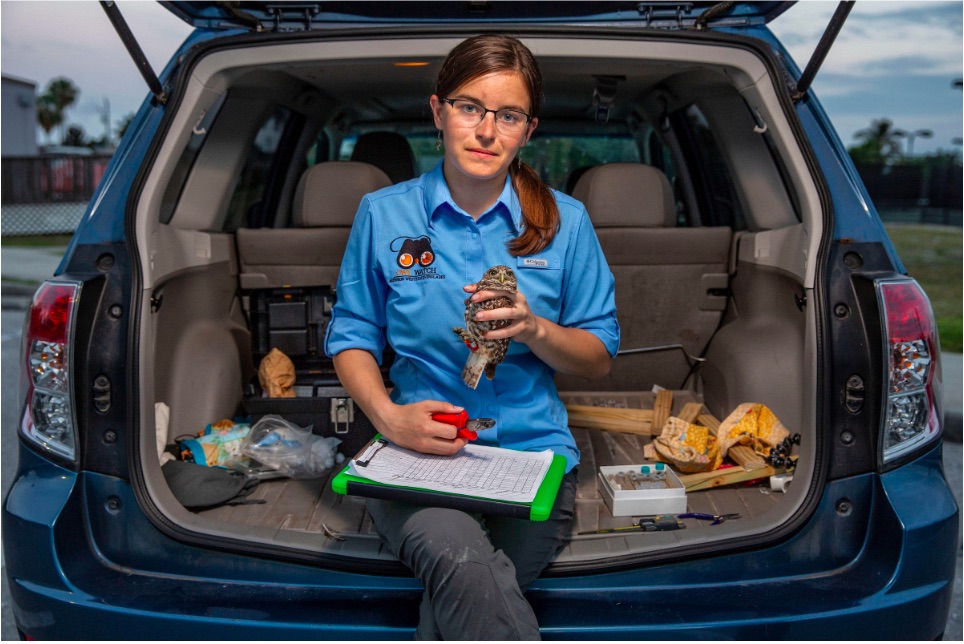
Biologist Allison Smith’s car serves as a mobile workspace for monitoring owls on Marco. She temporarily transfers birds she captures to the back, where she weighs, measures, and bands them before returning them to their burrows. Photo: Karine Aigner
Fate would not smile kindly on the six feathered inches of furious resignation splayed belly up in the left hand of Allison Smith. Wings slightly spread, the young Florida Burrowing Owl’s penny-wide green eyes remained unblinking at the indignity of such a position. Intent on banding and measuring the chick before taking a blood sample from an under-wing vein, Smith couldn’t foresee its future.
Neither could volunteer Jean Hall. She was helping Smith, a graduate student in wildlife ecology at the University of Florida, band several offspring from the same family as part of Owl Watch, a community-scientist research collaboration funded by Audubon of the Western Everglades.
The Gulf Coast barrier island of Marco, a 7,700-acre dry-land dollop of one-time mangroves lying in turquoise and azure waters south of Naples, is now thick with houses, condominiums, strip malls, resort hotels, marinas, and golf courses, along with 18,000 year-round residents. The population swells to some 40,000 each winter. Continue reading

Nohkalikai Falls, Meghalaya
Blanton Museum of Art, for one more day, offers this:
Exactly 500 years ago, in August of 1519, an expedition led by the Spanish explorer Hernando Cortés began marching inland into Mexican territory. Just two years later, what today is Mexico City fell to an ethnically diverse army composed of both Spanish and local peoples from other cities, starting a long period of European colonization. This exhibition aims to expand our perspective on these events by featuring a selection of maps, known as Mapas de las Relaciones Geográficas, created by Indigenous artists around 1580. These unique documents show some of the visual strategies used by native communities for the endurance and perseverance of their cultures throughout the so-called colonial period and well beyond.
To learn more about the map click Teozacoalco Map. Thanks to National Public Radio (USA) for bringing this to our attention:
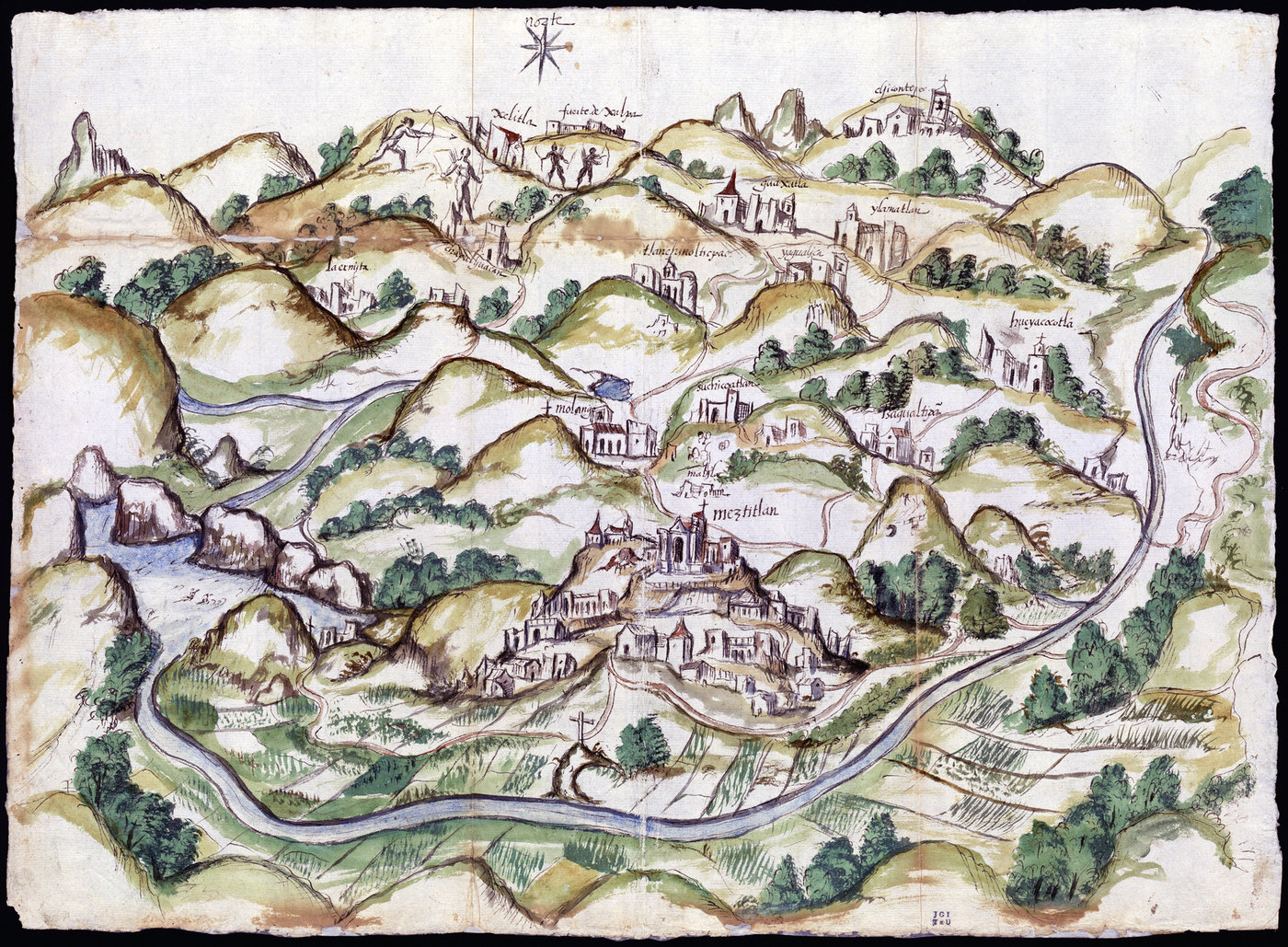
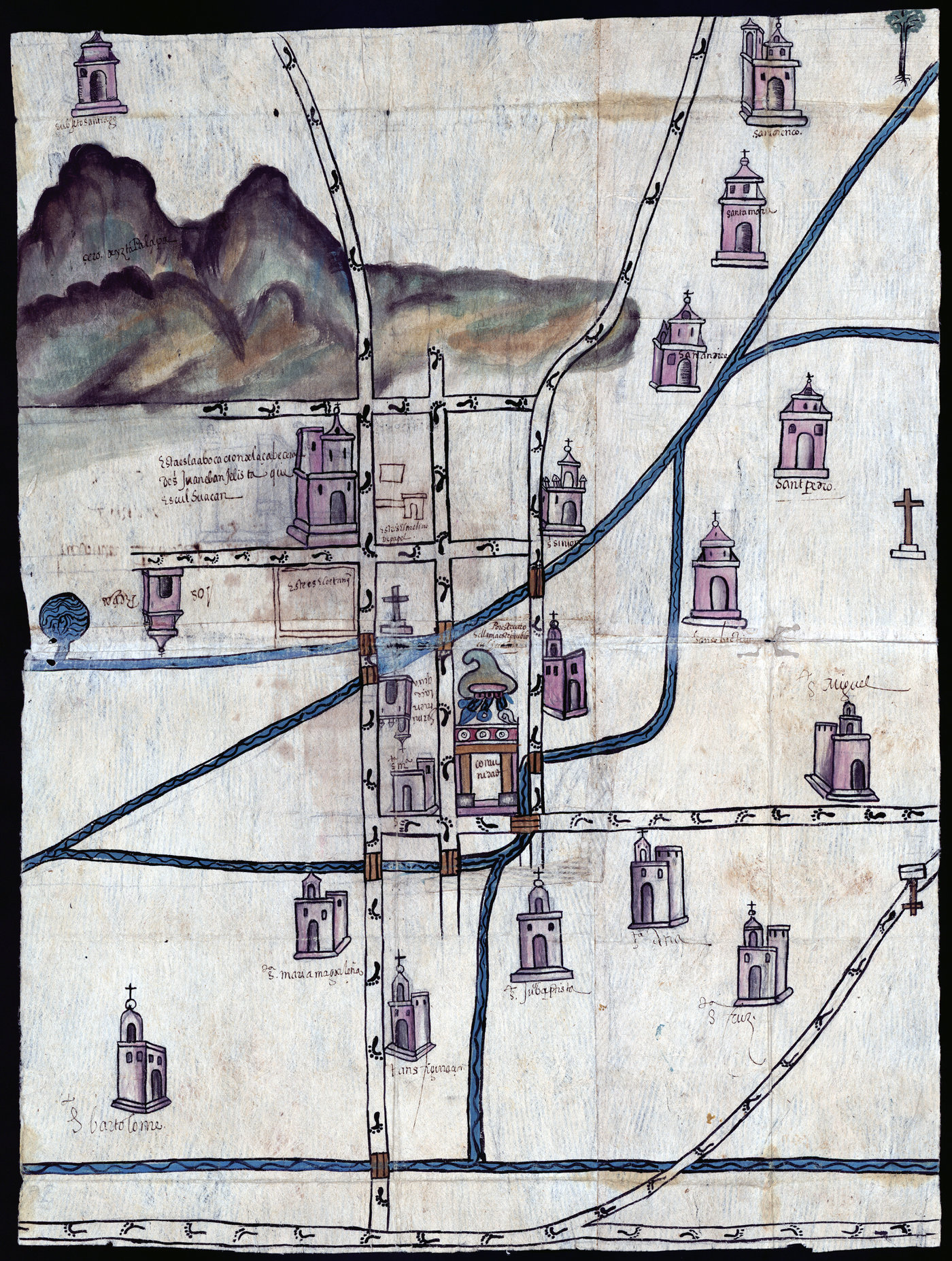
The Mapping Memory exhibition in at the Blanton Museum of Art in Austin, Texas, displays maps made in the late 1500s of what is now Mexico. They were created by indigenous peoples to help Spanish invaders map occupied lands. This watercolor and ink map of Meztitlán was made in 1579 by Gabriel de Chavez. Blanton Museum of Art
440 Years Old And Filled With Footprints, These Aren’t Your Everyday Maps
Pedro de San Agustín created this watercolor map of Culhuacán in 1580. He was a judge — a powerful figure in the town. “Before the conquest, nobles were the only ones trained as painters,” exhibit curator Rosario Granados explains. She notes that this map is made on bark paper, the traditional material used before the Spaniards arrived. Blanton Museum of Art
At the Blanton Museum of Art in Austin, Texas, 19 maps, nearly 440 years old, are on display — and they look spectacular. “Works on paper are delicate so we’re only allowed to put them on display for nine months out of 10 years,” says Blanton Museum communications director Carlotta Stankiewicz.
The Mapping Memory exhibition contains work by indigenous mapmakers from the late 1500s. The maps demonstrate a very different sense of space than maps drawn by Europeans. They’re not drawn to scale; instead, they’re deeply utilitarian.
A map of Culhuacán, for example, shows rivers running straight, with tiny arrows in the middle, indicating which way they flow. The pathways curve like snakes, with footprints or hoofprints indicating whether the paths can be walked or ridden. Continue reading
Rancho San Antonio Open Space Preserve, California
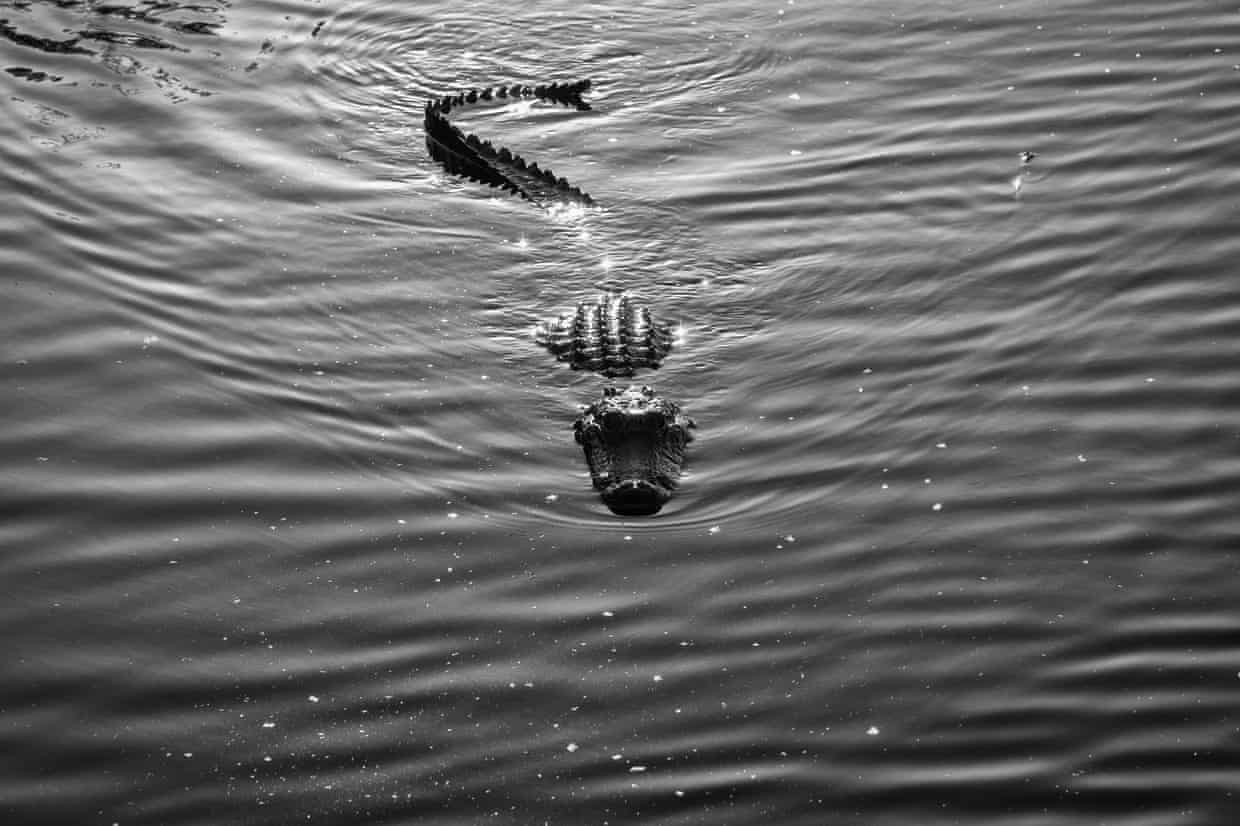
An American alligator in its natural habitat in the Florida Everglades. Burmese pythons have been know to prey on alligators in the area. Photograph: Charles Ommanney/Getty Images
Thanks to the Guardian’s Lance Richardson for updating us on the Everglades python saga we have been reading about for some years now, thanks to this story:
Python wars: the snake epidemic eating away at Florida
There are tens of thousands of pythons in the Florida wild, attacking animals and damaging ecosystems – and the quest to stop them has become a collective crusade
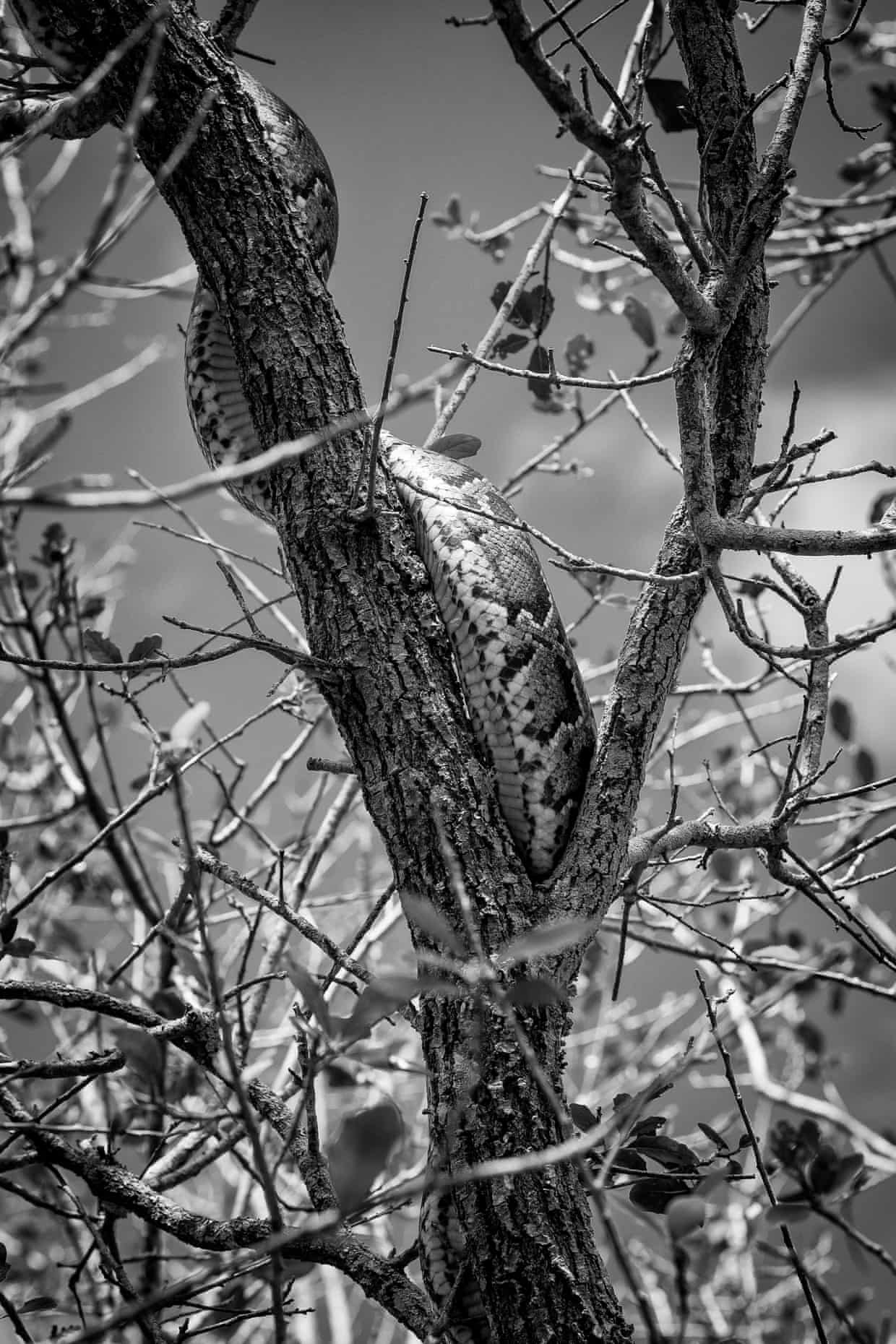
A python in a tree. Photograph: Charles Ommanney/Getty Images
On a Thursday afternoon in St Petersburg, Florida, Beth Koehler crouches over a cairn terrier named Ginger, trimming intently as fur collects around her feet. On Koehler’s arm is a scratch – red, jagged and freshly acquired, though not in the way one might expect of a dog groomer.
“There was no way I could pin the head,” Koehler says, referring to the snake that was partly responsible. She had grabbed hold however she could, which made it “pissed”: “It decided to coil up and just throw itself at me.” Startled, Koehler had fallen backwards, cutting herself on a vine – an injury far preferable to the bite of a Burmese python.
“I have never been bit,” she proudly adds. “Peggy’s been bit once, but really, we’re very careful.”
Three days a week, Koehler runs Hair of the Dog with her partner of 31 years, Peggy van Gorder. The other four days the couple are usually out chasing pythons as members of Patric: the Python Action Team – Removing Invasive Constrictors, which is managed by the Florida fish and wildlife conservation commission (FWC). Continue reading