Guatemala
Guatemala

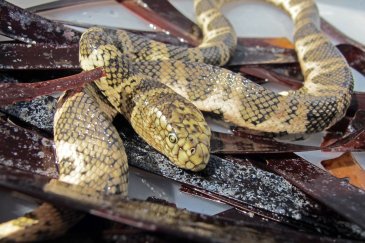
An olive sea snake, Aipysurus laevis, is returned to its home in Shark Bay, western Australia. Blanche D’Anastasi
Devi Lockwood, who we first linked out to years ago, and only once, has finally reappeared with an awesome story. We look forward to seeing more like this:
She Studies Sea Snakes by the Seafloor
Sea snakes are the most diverse group of marine reptiles in the world, but they are poorly understood and threatened by development. Blanche D’Anastasi is among the scientists working to save them.
Six to eight million years ago, a snake related to swamp snakes or tiger snakes slithered into the sea. Over evolutionary time, descendants of that snake developed flattened paddle tails, an ability to breathe through the skin and a valve to stop water from entering the lungs. Today these creatures live their entire lives in the water. Clad in spots, triangles and stripes, they undulate across coral reefs or meadows of sea grass.
An olive-headed sea snake caught by Ms. D’Anastasi. Blanche D’Anastasi
There are some 70 species of sea snakes in the world; they live in the Indian and Pacific oceans, in water less than 600 feet deep. Half of all species can be found in Australia, and they are particularly visible during their mating period, in July and August.
But sea snake populations have been declining rapidly for the last 20 years worldwide, as a result of climate change, pollution, fishing, habitat loss, mining exploration and disease. Although sea snakes are the most diverse group of marine reptiles — they outnumber sea turtle species by 10 to one — less is known about their ecology than that of any other group of reptiles.
This is because the research is difficult. If you want to find a sea snake, you have to go out searching for one.
Tara Fullston
Blanche D’Anastasi, a sea snake researcher at James Cook University in Queensland, Australia, travels to remote regions like Exmouth Gulf, on the country’s northwest coast, to find sea snakes in the wild. Sometimes she scuba dives or snorkels, but the most efficient technique is to be towed behind a boat while wearing a snorkel. When she spots a snake, Ms. D’Anastasi dives down to catch it in a bag. Continue reading
Dunwoody, GA

Sedge Wren. Photo: Ben Cvengros/Audubon Photography Awards
Thanks to Audubon for pointing us in this direction:
Around the World, the Soothing Sounds of Birdsong Are Used as Therapy
The natural tunes decrease stress while possibly invigorating the mind.
This audio story is brought to you by BirdNote, a partner of The National Audubon Society. BirdNote episodes air daily on public radio stations nationwide.
Transcript:
This is BirdNote.
In a children’s hospital in Liverpool, England, the sweet sounds of birdsong carry along the hallways. It’s a recording of the dawn chorus from a nearby park, and the intent is to calm the anxious young patients…
Golaghat District, Assam
One of the places where La Paz Group has visited but not carried out any work (yet), this website/initiative is likely worth a few minutes of your time:
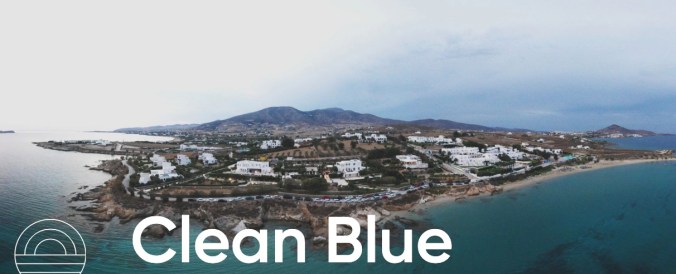
Clean Blue Paros will support this Greek island in becoming the first plastic-waste free Mediterranean island and a global leader in the fight against plastics in our seas. Continue reading
Illmitz, Austria
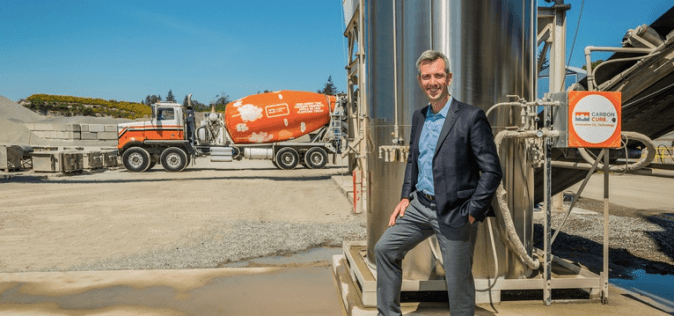
(Credit: CarbonCure )
Interesting technology innovation for addressing climate change. We’re glad to hear that local level leaders have this on their radar.
How ‘green’ concrete can help cities fight climate change
The built environment produces over 40% of global CO2 emissions. U.S. mayors are taking the lead to cut emissions with CO2 mineralized concrete.
As cities look to cut carbon emissions in their construction sector, the use of low-carbon concrete over other alternatives could help them do just that.
“Green” or carbon dioxide (CO2) mineralized concrete has received support from the U.S. Conference of Mayors (USCM) and private companies for its use in public projects as part of the national response to climate change. A resolution passed at this year’s USCM annual meeting in Honolulu urged its members to use the concrete over less environmentally-friendly alternatives.
Low-carbon concrete involves injecting recycled CO2 from industrial emitters like fertilizer and power plants into concrete. The CO2 then chemically converts into a mineral and gets embedded in the concrete, making it stronger and helping concrete producers use less cement for roads and buildings.
The built environment is responsible for over 40% of the world’s CO2 emissions and global building stock is expected to double by 2060. Concrete is the most widely used construction material in the world due to its affordable and durable nature. And its key ingredient, cement, contributes to up to 7% of the world’s CO2 emissions. Companies like CarbonCure are helping lead that charge with CO2 mineralized concrete.
“The cliche really stands that cities are the laboratory of innovation,” CarbonCure CEO Robert Niven told Smart Cities Dive. “And cities are really committed to taking a leap on solving this climate change issue.”
female on nest – Baja California Sur, Mexico
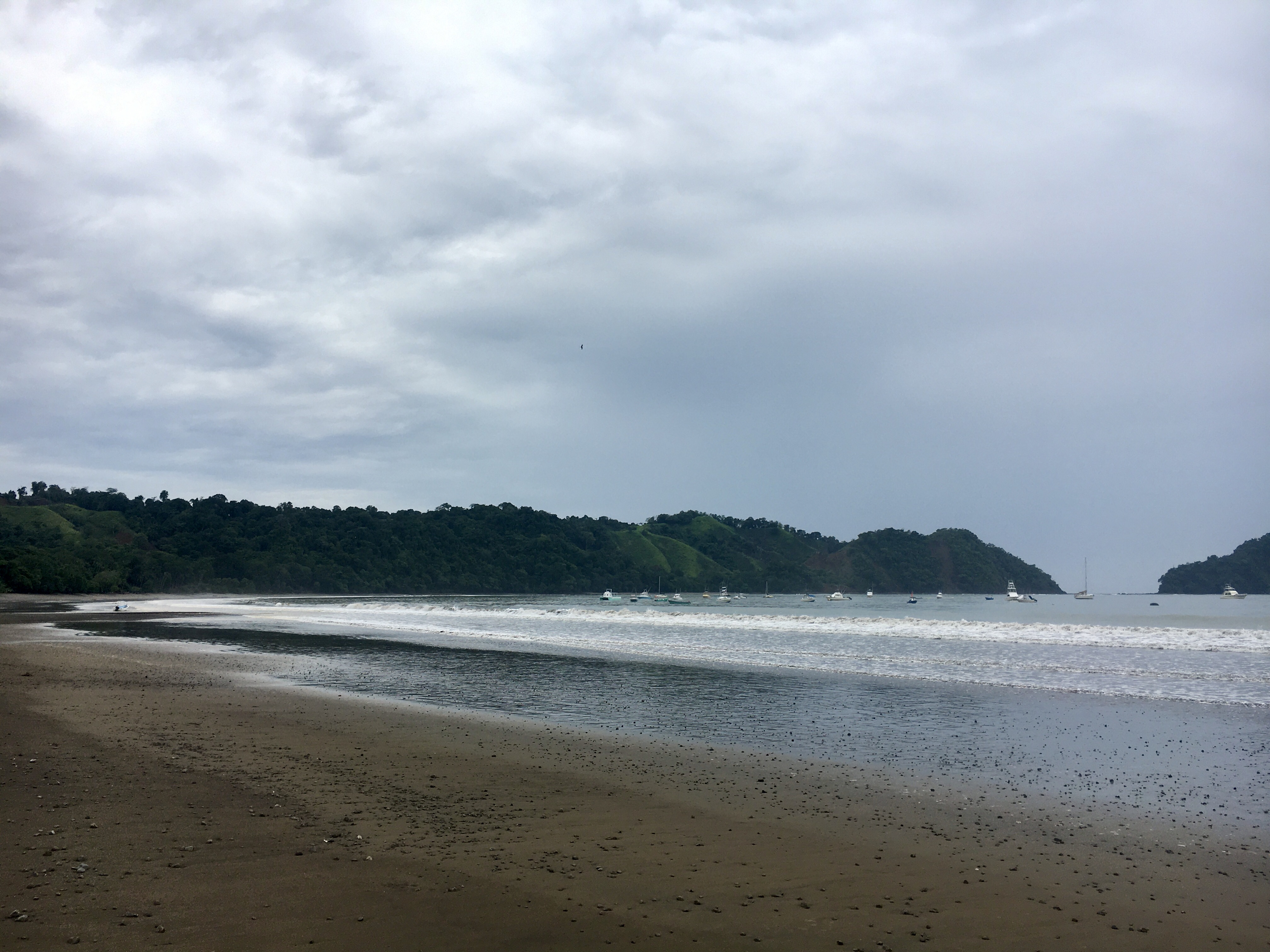
Playa Herradura, Costa Rica
On Friday I traveled to Los Sueños to view one of the Marriott properties that will be getting a more sustainable gift shop. While I was there I decided to go down to the beach and do some birdwatching. At first I was disappointed because I only saw black vultures and grackles. Then as I was walking down the beach I saw a bird soaring over the water with a very interesting wing shape. I moved closer to where it was flying and it turned out to be a magnificent frigate bird. Here is the closest photo I was able to get of it. You can just make out the distinct wing shape.
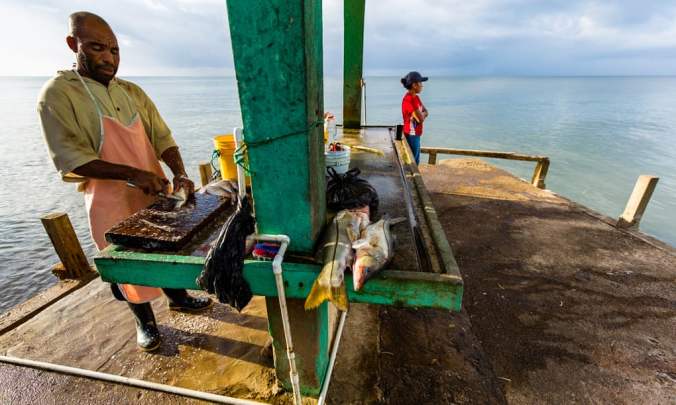
Belize’s system gets fishermen on side in helping to maintain the health of the ocean. photo credit: Tony Rath
Thanks to the Guardian for this story about Belize’s marine conservation efforts and how they can serve as a model for other countries.
Why tiny Belize is a world leader in protecting the ocean
Fish stocks are stable and reef health improving, in part thanks to Belize’s substantial ‘no-take’ zones. Now greater legislation is needed to secure progress
Across the turquoise water by the mangrove, forest ranger Allan Halliday spots a fishing skiff. “We’re going over to say hello,” he says, before abruptly changing the boat’s direction. But his real task is to check the couple on board have the license to fish in this part of the Port Honduras Marine Reserve, one of nine designated zones in Belize.
“We aren’t complaining but others do,” says Alonzo Reymundo, of the rules that now restrict Belize’s 3,000 commercial fishers to two geographic areas each. He and his wife Anselma have been fishing off southern Toledo for 30 years and their boat is laden with 50 or so pounds of shrimp – more than enough, he says, flashing his license. Today’s catch will be sold as bait and fetch around 330BZ$ (£135), he says.
But not all encounters are as friendly for the rangers from the Toledo Institute for Development and Environment (Tide), whose job includes enforcing the managed access (MA) programme that since 2016 has given traditional fishers the rights to secured grounds if they obtain licenses and report their catch. Illegal fishing has declined, says Halliday, but at night there are illicit incursions from Guatemala and high-speed chases around the reserve’s 500-square miles of pristine sea – a vast space to monitor for just four rangers alternating shifts at their station on Abalone Caye.
Covering all of Belize’s waters, the MA scheme is unique, says fisheries administrator Beverly Wade. “Belize is the only country in the world that has successfully divided all its territorial waters, including functional fishing waters. We direct all fishermen into two of nine areas to build an architecture from the ground up, where a constituent takes ownership of resources because their livelihood depends on it.”
The programme is just part of a groundbreaking approach to ocean protection that has won the tiny country in Central America a reputation as a world leader. Continue reading
Antigua, Guatemala
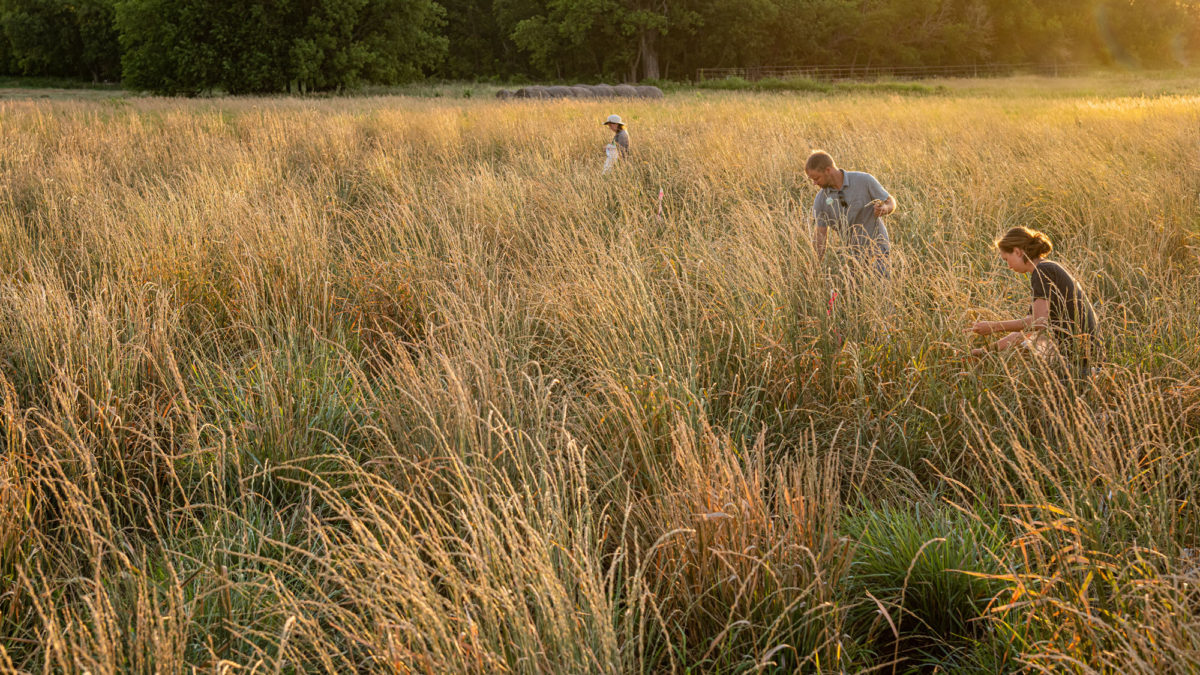
Harvesting heads of Kernza, a newly developed perennial grain, on a research plot in Salina, Kansas. THE LAND INSTITUTE
Thanks to Jim Robbins, as always, and Yale e360 for brightening our day just a bit:
With New Perennial Grain, a Step Forward for Eco-Friendly Agriculture
A cereal and beers are now being made with a new variety of perennial grain known as Kernza. Proponents say this marks a significant advance for a new agriculture that borrows from the wild prairie and could help ensure sustainable food production in a warming world.
A tractor plows a field of wheat stubble on a traditional farm near Pullman, Washington. RICK DALTON/ALAMY
Some 40 years ago, Wes Jackson, a plant geneticist, founded The Land Institute on the prairie near Salina, Kansas. Concerned that modern agriculture destroyed native grasslands, he asked a question that came to define his life: How can we harness the inherent strengths of the prairie ecosystem — the natural resistance of native plants to insects and weeds, the ability of those plants to grow perennially, and their evolved resistance to cold and drought — and marry those traits to the task of growing domesticated crops for food?
Kernza’s long roots stabilize soil and prevent erosion. THE LAND INSTITUTE
Jackson, the recipient of a 1992 MacArthur “genius grant,” set out to create a new kind of farming he called “natural systems agriculture,” which has the “ecological stability of the prairie and a grain and seed yield comparable to that from annual crops.”
After four decades of breeding and testing, the institute has introduced its first commercial grain, a trademarked variety called Kernza, a domesticated wild grass — intermediate wheatgrass — that has a long, slender head that resembles wheat seeds. Described as sweet and nutty, it is now being made into a cereal called Honey Toasted Kernza by Cascadian Farms, and Patagonia Provisions — an offshoot of the clothing company — has brewed it into beers, including Long Root Pale Ale. Both are being produced now in limited runs.
The perennial grain is currently being used to make small batches of cereal and beer. THE LAND INSTITUTE
The development of Kernza is being held out as a prime example of a new way of doing agriculture that borrows from the perennial nature of the wild prairie. “The goal is to mitigate a lot of the problems inherent in annual grain farming systems,” said Tim Crews, research director at The Land Institute. For example, he noted, “Farmers write off 50 percent of their fertilizer as not being taken up by the crop.” Continue reading

Kotagir, Tamil Nadu
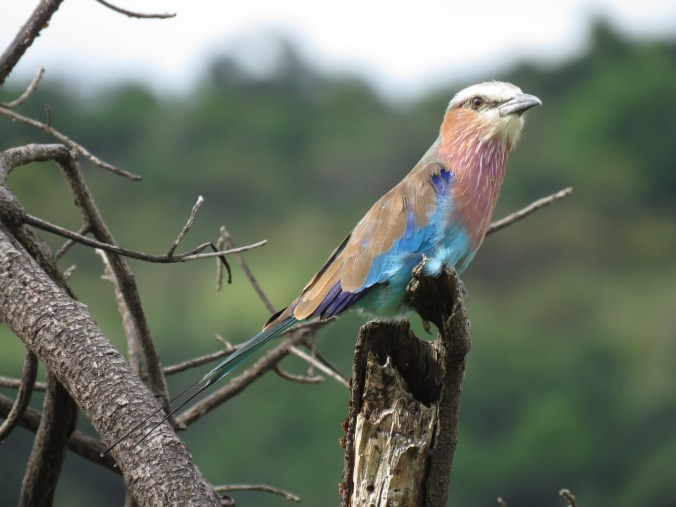
The Lilac-breasted Roller is the star of Akagera, in my opinion (at least for the bird life), as a reliable and beautiful species that you can’t miss while visiting.
Over the last month and a half I’ve been immersed in my Gishwati bird research, so I have not been able to take as much time to write about experiences from the Rwanda Study Tour as much, but now that I’m back in the US, I have some better bandwidth to share media from places like Akagera National Park.
Akagera has the highest bird species richness in all of Rwanda, with literature about the park normally citing either high 400s or low 500s as the total tally. On eBird, there’s a number of different hotspots for the park, but the top three hotspots in the country are all in Akagera, with another two hotspots within the top ten.

Mindo, Ecuador
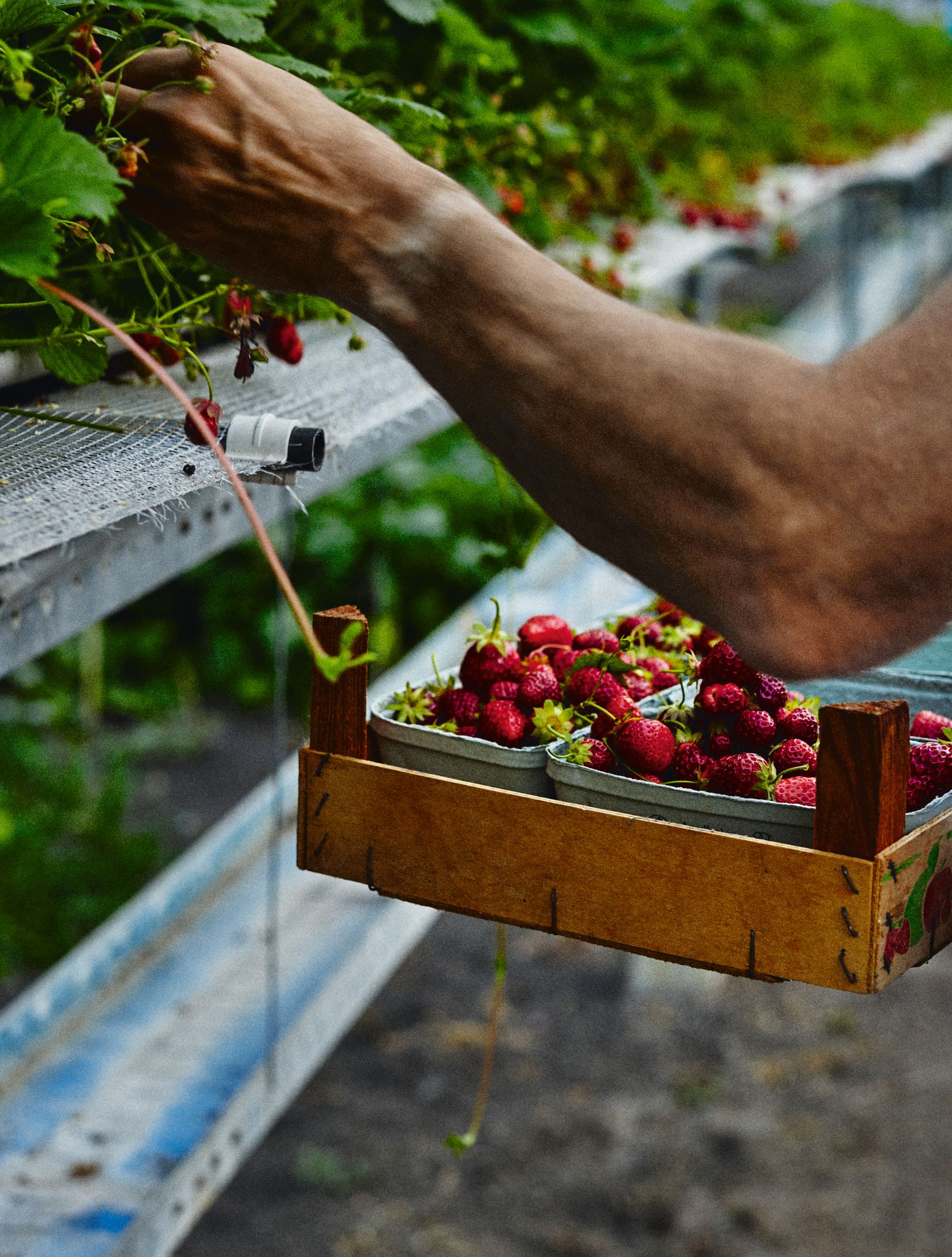
Strawberry picking at Restaurant de Kas, from The Garden Chef
Thanks to Phaidon for ideas, presented in snappy cookbooks, about how to green our diet:
Many of us know that favouring plants and fruits over burgers and fillets is often a wise idea. Still, it’s nice to have your suspicions confirmed. This week’s UN Intergovernmental Panel on Climate Change shows that balanced diets, featuring plant-based foods can both improve human health, and help the land around us, staving off some of the effects of climate change.
So, where does a would-be vegan, vegetarian or meat reducer (the report does allow for ‘animal-sourced food produced in resilient, sustainable and low-green-house-gas emission systems’) start? With our books, of course!
The Vegan Cookbook Author Jean-Christian Jury might be a reformed meat eater, but he doesn’t want to take the fun out of dining. “For years, my goal was to surprise non-vegans with delicious vegan recipes, to show that meat wasn’t necessary for a delicious and satisfying meal,” he says. His raw nori and vegetable rolls might look like a indulgent, Japanese-style treat, but they actually pack in plenty of sunflower seeds, avocados, and cauliflower florets. It takes about 40 minutes to make, and you don’t even have to use a cooker.
The Garden Chef Our book on famous chefs, restaurants and their accompanying gardens features plenty of highly sustainable operation. Yet even here, Restaurant de Kas in Amesterdam, stands out. “Set in a series of greenhouses that date back to 1926 and which belong to the Amsterdam Municipal Nursery, the restaurant relies on produce from greenhouses and gardens, where it harvests vegetables, herbs, and flowers,” explains our book. “Founder, Gert Jan Hageman, is also the head gardener.” His barbecued eggplant, with peanut vinaigrette, green curry and herbs, is a wonderful way to bring together late-summer vegetables. Want to try it? The recipe is reproduced in our book…
Read the whole story here.
Frauenkirchen, Austria
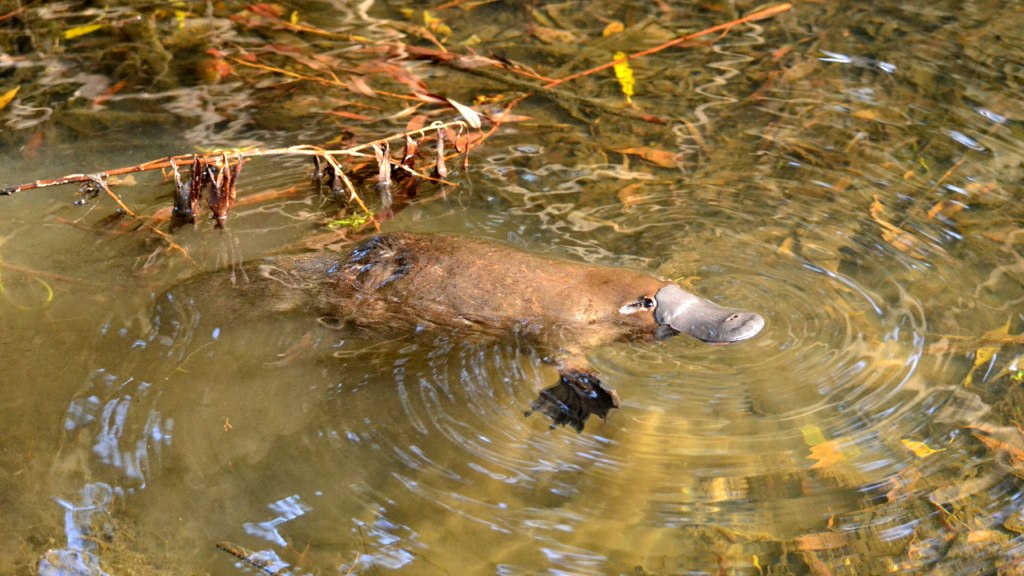
A platypus in Tasmania. Photo © Klaus / FlickrJustine E. Hausheer
Thanks to TNC’s Justine E. Hausheer for this story:
Can Platypus Persist Alongside People?
Most of us are familiar with the bizarre and improbable platypus: a mammal that lays eggs, secretes milk from its skin, and defends itself with a venomous spur on its hind leg.
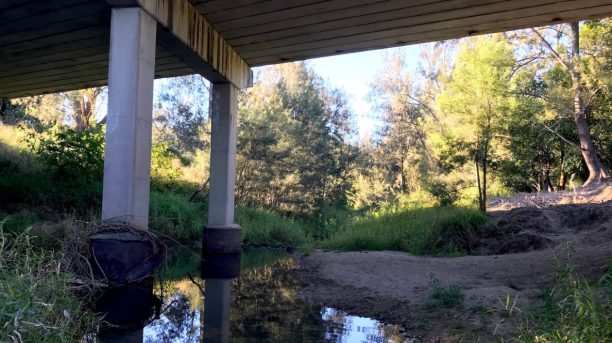
Urban platypus habitat. Photo © Justine E. Hausheer / TNC
But the incredible little mammal wriggling in the net at my feet is all too real, and — like much of Australia’s iconic wildlife — it’s also in deep trouble. As urban development alters waterways, platypus populations are declining and their range is shrinking, putting the future of this wildlife wonder at risk.
“An Animal of All Time”
One Aboriginal story says that platypus originated from the union of a duck and a water-rat, which is rather apt. British naturalist George Shaw infamously thought the first platypus specimens sent back from Australia were a hoax, cutting the taxidermied corpse apart to try and find the stitching.
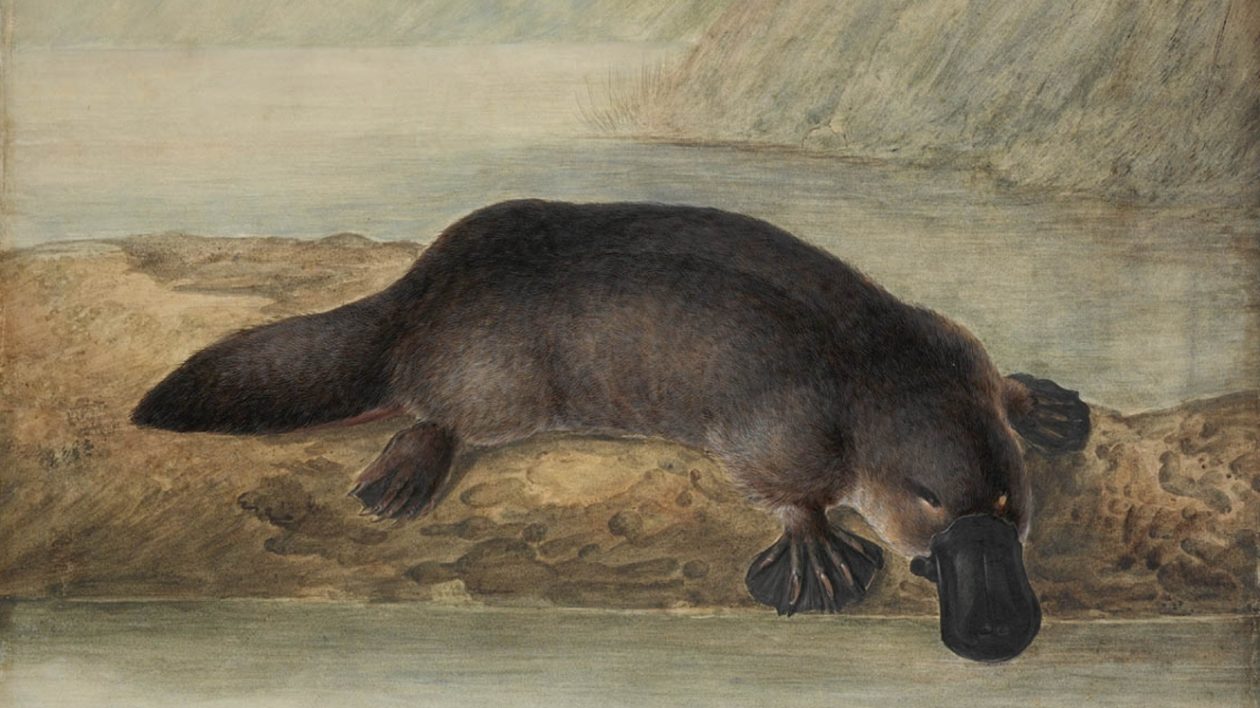
A painting by of a platypus by John Lewin, 1808. Photo © State Library of New South Wales / Wikimedia Commons
But the animal’s oddity afforded little protection from European settlers. Continue reading