Stacked Stones Had Nothing To Do With It

SamariaC&A3.jpeg

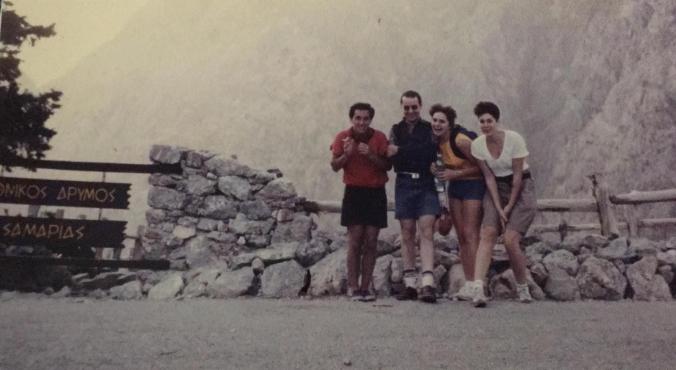
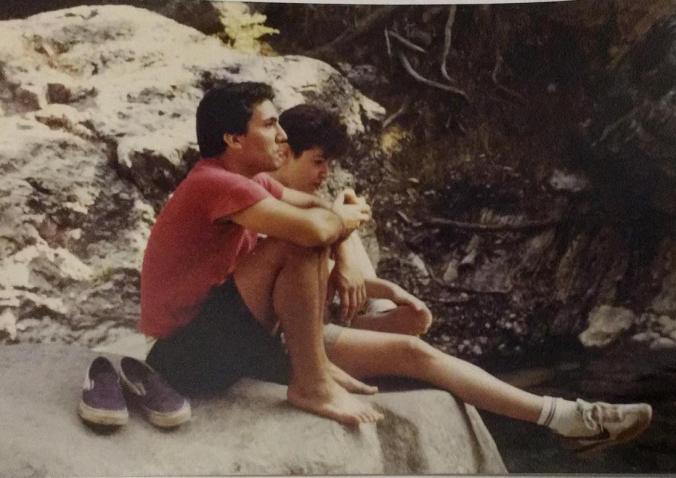
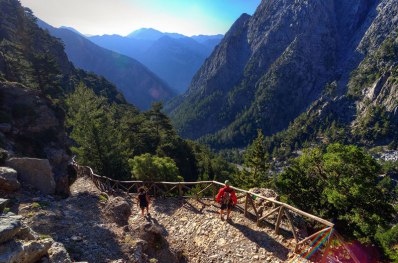
After writing yesterday’s post I got a message from the “new friend.” She is the one on the right in the photo above. I am the one on the left. My two childhood friends are in the middle. The new friend’s name, Amie, will be familiar to regular readers on this platform. After reading my post yesterday she sent me these three old photos. Above is at the top of the gorge, just as the sun is coming over the mountain. Dawn’s rosy tipped finger, someone among us surely said. By late morning, time for a fruit break, below is the place where I might have started thinking of stacking stones, in the figurative sense of wishing something of the future. But I did not then, nor do I now, believe in totemic powers of objects, or good luck.
SamariaC&A1.jpeg

I believed that a new friendship was sufficient good fortune, and being in that natural setting was the closest I got to worshiping things.
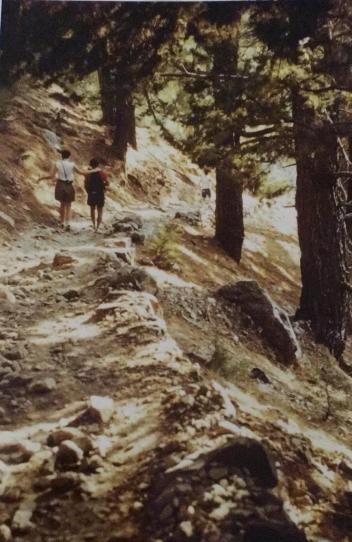
SamariaC&A2.jpegNo need to stack stones. As we made our way down to the bottom of the gorge, to where those sky-high rock walls allowed single file passage to the black stone beach, conversation was the thing.

The black stones were a surprise because they seemed to bear no relationship with the geology of the gorge. And I do remember now, playing with the stones, and surely stacking them while we sat there looking out to the sea, continuing the conversation. But I was not stacking stones in the way Sophie Haigney’s story refers to.

Really. I can say that with confidence because Amie reminds me that the oblong oval-shaped stones were not stackable. So I tried my best, but could not get one to rest upon another. That said, I am also confident that while not superstitious I was still able to make wishes, and then take actions to fulfill them.
Stop Stacking Stones

Samaria1.jpg

The steep downhill path starting from Xyloskalo

If I have done it, it would have been once. And hopefully less of an issue than the examples given in this story below. It was a day in September, 1983 and I had traveled to Greece with two childhood friends, all of us now in early adulthood.

With us was one new friend, who we had met in JFK airport just prior to departure.

The-river-crossing-Samaria-Gorge.jpg

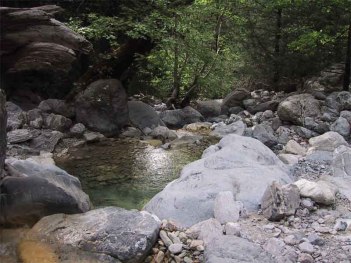
The peaceful river crossing Samaria Gorge

On the island of Crete, we left Xania well before sunrise to hike from the top to the bottom of Samaria Gorge, as far south in Greece as you can get and still be on land. With every switchback of our descent, I was getting more and more lost in conversation with our new friend, so that by the time we reached the bottom of the gorge I wondered where the day had gone. After a full day of hiking, lost in conversation or otherwise, the stones of the gorge play on your mind.

The-impressive-Portes-in-Samaria-Gorge.jpg

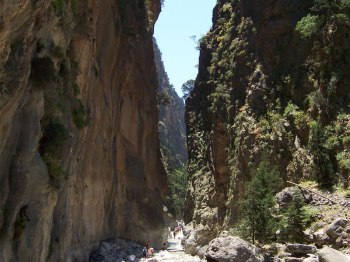
The impressive Portes in Samaria Gorge

At this point you pass through one last formation that is so stunning that if you had not been thinking of playing with stones until now, you had not been paying enough attention. And that was my case. I remember walking silently through this last section and not talking again until the very end, when you spill onto a beach formed by smooth black stones, facing south, nothing but water until you reach Africa. There, in Agia Roumeli, you can get a cool drink before a boat takes you back to Xania. And while you wait for the boat, if you have something to wish for, you may find yourself stacking those smooth black stones.

My photographs from that day, somewhere in storage, would show the beginning, long middle sections, and end of that day. If I did stack stones the evidence will be in those photos, and I will find them. For now I have linked to photos from the blog of a Cretan travel consortium to give a hint of what the place looks like, and as a recommendation to others to visit. Sophie Haigney, writing on the New Yorker website, gave me reason just now to think about my own culpability in what can now be described as a dangerous, destructive form of travel footprint, and I thank her for bringing this to our attention:

Haigney-Stone-stacking

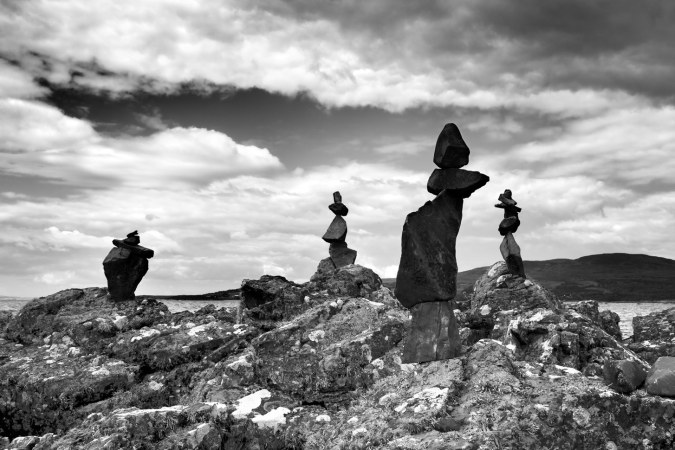
An Instagram trend that’s littering national parks with towers of carefully balanced stones, #StoneStacking can cause erosion and damage ecosystems. Photograph by Sam Oakes / Alamy

People Are Stacking Too Many Stones

The photograph in the Facebook post is pretty: piles of red rocks balanced at the edge of a cliff, suggesting a miniature mirror of the jagged rock face opposite. The stacks look like small shrines to mountain solitude, carefully balanced at the edge of a precipice. But when Zion National Park posted the photo, in September, the social-media coördinators for the park included a plea: “Please, enjoy the park but leave rocks and all natural objects in place.” The post noted the “curious but destructive practice” of building small stone towers, and said, “stacking up stones is simply vandalism.” Continue reading

What Can We Learn From Above About Our Urbanization?

01_Seto_Reba_borders_MEXICALI-CALEXICO_web.jpg

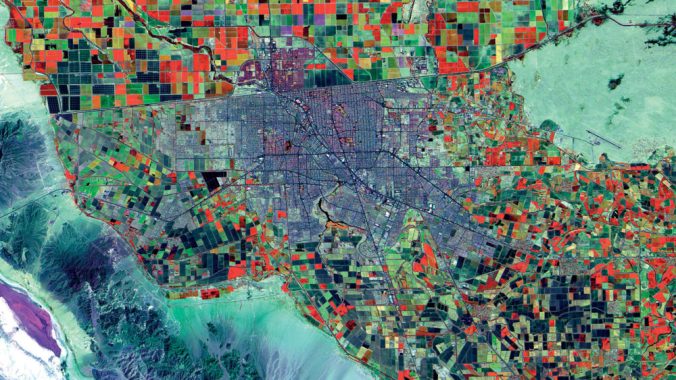
The U.S.-Mexico border separating Calexico, California, and Mexicali, Mexico.

Katherine Bagley, Managing Editor at Yale Environment 360 (Yale e360, one of our go-to sources on this platform), has this to say:

From High Above, A New Way of Seeing Our Urban Planet

The world’s cities are expected to grow by another 2.5 billion people by 2050. A new collection of satellite images starkly illustrates the sheer size and imprint of the world’s urban centers and their vulnerability in the face of population growth and climate change.

08_Seto_Reba_Expansion_SHENZHEN-AFTER_web.jpg

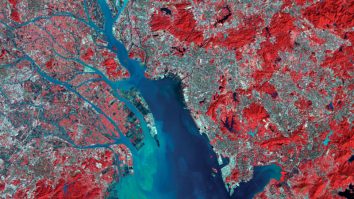
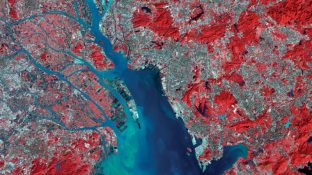
February 10, 1977. Population 43,000. LANDSAT OLI/TIRS

Driven by rapid economic expansion and global trade, the world’s urban population has more than quintupled since the mid-20th century, from 751 million people in 1950 to 4.2 billion today. Centuries-old cities have pushed upward and outward to accommodate the influx of people, and entirely new megacities, home to tens of millions, have sprung up.

08_Seto_Reba_Expansion_SHENZHEN-AFTER_web (1).jpg

February 7, 2016. Population 10.8 million. LANDSAT OLI/TIRS

Nowhere can this swift urban growth be seen as vividly as from space. In their new book City Unseen, geographers Karen C. Seto and Meredith Reba, experts in urbanization and global change, offer a collection of satellite images from all seven continents that exhibit the massive imprint these cities have on the landscapes around them.

“If you look at images of Las Vegas and Lagos and Shenzhen, you see how much land it takes to house billions people, and it’s astonishing,” Seto, a professor of geography and urbanization science at the Yale School of Forestry & Environmental Studies, says. “But the impact of urbanization is not only the direct land these people live on. It’s all these other non-urban places where we need to extract resources to house and electrify, to operate these cities. That’s part of the story too.” Continue reading

Renewable Energy Record Set

3500 (7).jpg

E.ON’s Rampion windfarm in the English Channel, which can power 350,000 homes. Photograph: Darren Cool/E.On/PA

Thanks to Adam Vaughan and the Guardian for this news:

Windy weather carries Britain to renewable energy record

Windfarms supplied third of UK’s electricity this week, with output hitting 14.9GW high

Storm Diana brought travel chaos to road, rail and airports, but the clouds did have a silver lining: the strong winds helped set a renewable energy record.

Windfarms supplied about a third of the UK’s electricity between 6pm and 6.30pm on Wednesday, a time of peak energy demand. Output hit a high of 14.9GW, beating a previous record of 14.5GW. Continue reading

Textiles, Traditions & Renaissance

26tmag-indigo-slide-WJCZ-superJumbo.jpg

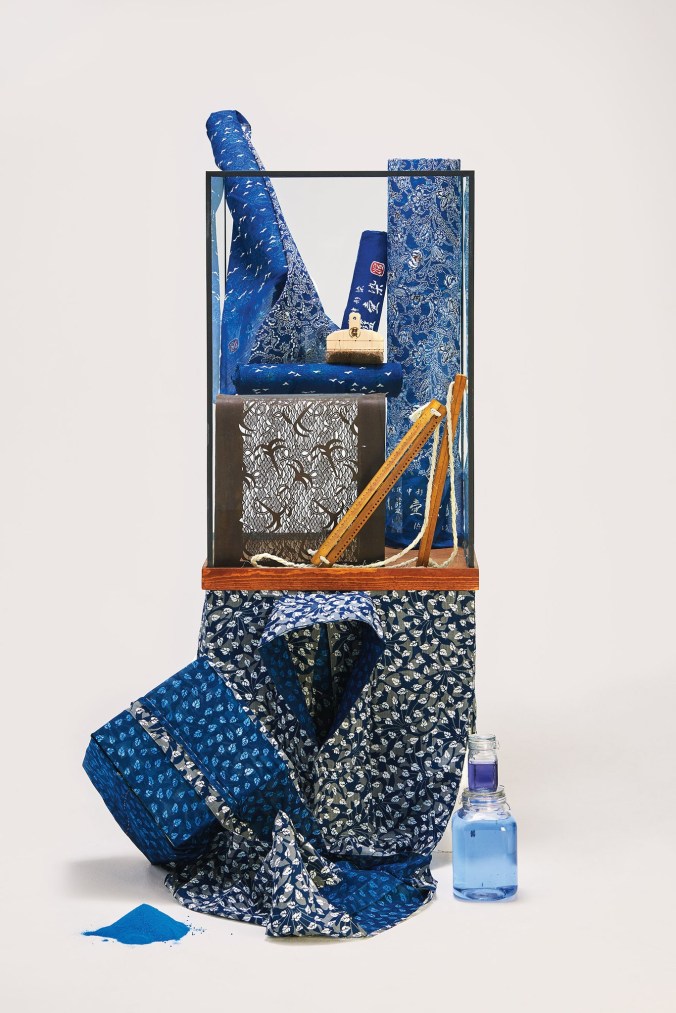
A collection of Kanji Hama’s beautifully hand-patterned and indigo-dyed fabrics along with tools of the craft. Credit Photograph by Kyoko Hamada. Styled by Theresa Rivera. Photographer’s assistant: Garrett Milanovich. Styling assistant: Sarice Olson. Indigo pieces courtesy of Kanji Hama

Two stories today about textile and tradition, the first more in keeping with our norm, but both heavy on the blues:

How a Japanese Craftsman Lives by the Consuming Art of Indigo Dyeing

There are some traditions that are universal. Here, we highlight a single craft — and how it’s being adapted, rethought and remade for the 21st century.

26tmag-indigo-slide-9B7X-superJumboKANJI HAMA, 69, has quietly dedicated his life to maintaining the traditional Japanese craft of katazome: stencil-printed indigo-dyed kimonos made according to the manner and style of the Edo period. He works alone seven days a week from his home in Matsumoto, Nagano, keeping indigo fermentation vats brewing in his backyard and cutting highly detailed patterns into handmade paper hardened with persimmon tannins to create designs for a craft for which there is virtually no market. Nearly identical-looking garments can be had for a pittance at any souvenir store.

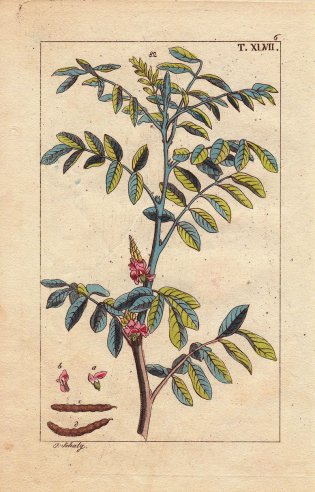
Indigo is one of a handful of blue dyes found in nature, and it’s surprising that it was ever discovered at all, as the plants that yield it reveal no hint of the secret they hold…

The story from Japan is about maintaining traditional craft and the story about flannel is about industrial renaissance.

29FLANNEL6-jumbo-v2.jpg

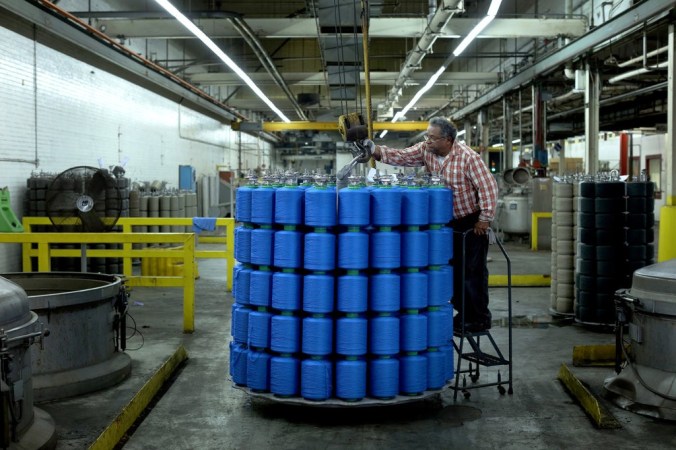
Blue state: Charlie Richmond pulls yarn from a dyeing machine on the floor of the Burlington Manufacturing Services plant in Burlington, N.C. Credit Travis Dove for The New York Times

I am not partial to either story. They make fascinating bookends:

The Annals of Flannel

Told that the cozy shirting fabric could no longer be made in America, one man began a yearlong quest.

29FLANNEL8-superJumbo-v3.jpg

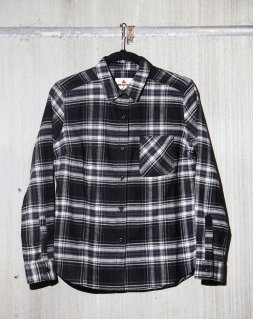
An American Giant flannel shirt. Credit Travis Dove for The New York Times

Three years ago, Bayard Winthrop, the chief executive and founder of the clothing brand American Giant, started thinking about a flannel shirt he wore as a kid in the 1970s. It was blue plaid and bought for him by his grandmother, probably at Caldor, a discount department store popular in the northeast back then. The flannel was one of the first pieces of clothing Mr. Winthrop owned that suggested a personality.

“I thought it looked great,” he said, “and I thought it said something about me. That I was cool and physical and capable and outdoorsy.”…

The Little Creatures We Cannot Live Without

02mag-insects-image1-superJumbo-v3.jpg

Photo illustrations by Matt Dorfman. Source photographs: Bridgeman Images.

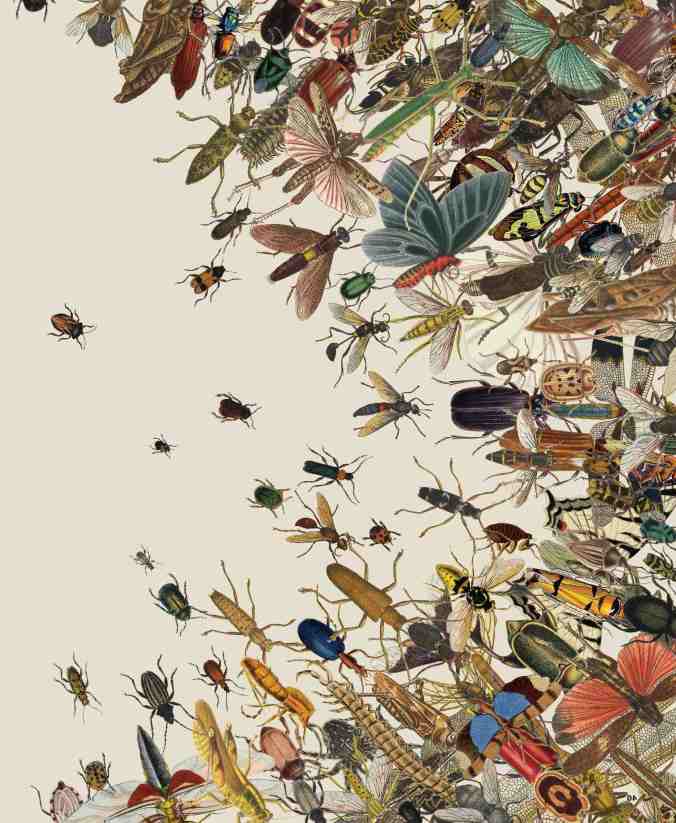
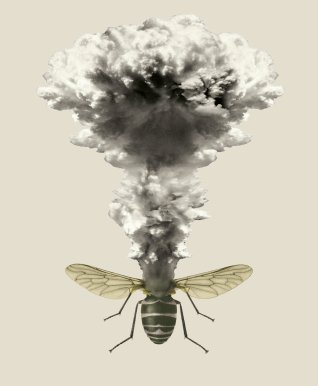
Brooke Jarvis has written a longform feature article with the word apocalypse in the title, which may make you wince and turn away. As might the word insect, even if you find the illustration above mesmerizing as I do. And reading to the end is an investment in time. But do not turn away just because the illustration below is alarming. It is another alarming topic we are responsible for taking account of.

02mag-insects-image2-superJumbo-v5.jpgSune Boye Riis was on a bike ride with his youngest son, enjoying the sun slanting over the fields and woodlands near their home north of Copenhagen, when it suddenly occurred to him that something about the experience was amiss. Specifically, something was missing.

It was summer. He was out in the country, moving fast. But strangely, he wasn’t eating any bugs.

For a moment, Riis was transported to his childhood on the Danish island of Lolland, in the Baltic Sea. Back then, summer bike rides meant closing his mouth to cruise through thick clouds of insects, but inevitably he swallowed some anyway. When his parents took him driving, he remembered, the car’s windshield was frequently so smeared with insect carcasses that you almost couldn’t see through it. But all that seemed distant now. He couldn’t recall the last time he needed to wash bugs from his windshield; he even wondered, vaguely, whether car manufacturers had invented some fancy new coating to keep off insects. But this absence, he now realized with some alarm, seemed to be all around him. Where had all those insects gone? And when? And why hadn’t he noticed? Continue reading

The Technology Of Negative Emissions

ClimeWorks_20170510DSC_6501_PhotosbyJuliaDunlop_web2.jpg

A direct air capture facility in Zurich, created by the Swiss-based technology company ClimeWorks. JULIA DUNLOP / CLIMEWORKS

I was not aware that Elizabeth Kolbert has been writing for Yale e360 for the entire time we have been linking to her New Yorker work on this platform. And then some, because she started publishing there ten years ago. This is her 17th publication for Yale e360 and it can help a layperson understand in a relatively short read whether technology has any chance of accelerating our progress on climate change mitigation:

Climate Solutions: Is It Feasible to Remove Enough CO2 from the Air?

A U.S. scientific panel reports that technologies that take CO2 out of the atmosphere could be a significant part of a strategy to mitigate global warming. In an e360 interview, Stephen Pacala, the panel’s chairman, discusses how these fast-developing technologies are becoming increasingly viable.

Is there still time to avoid runaway climate change? To a large degree, the answer depends on the feasibility of “negative emissions” — techniques or technologies that suck CO2 out of the air. In the latest report from the Intergovernmental Panel on Climate Change (IPCC), all scenarios for limiting warming to 1.5 degrees Celsius depend on negative emissions technologies, or NETs. Most 2-degree scenarios also rely on negative emissions; many call for removing billions of tons of CO2 per year by mid-century.

NETs_NationalAcademies_web.jpg

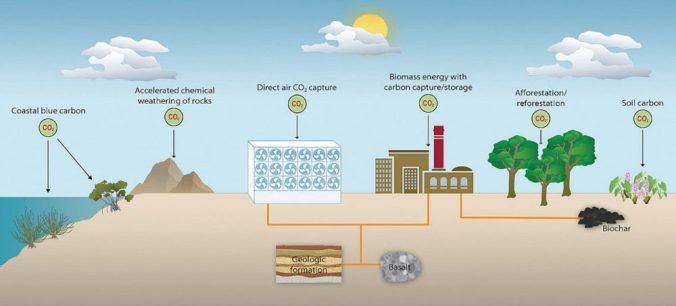
Negative Emissions Technologies (NETs) range from low-tech, such as planting more trees, to more high-tech options, such as developing machines to scrub CO2 from the air. NATIONAL ACADEMY OF SCIENCES, 2018

Yet most NETs remain either untested or unproved. To help bridge this gap, the National Academies convened a panel of scientists and asked it to propose a research agenda. The panel considered several possible techniques, ranging from the low-tech — planting more trees — to the high-tech — developing machines to scrub CO2 from the sky. It also looked at a hybrid technology that has become known as bioenergy with carbon capture and storage, or BECCS. The panel recommended several billion dollars be directed to research on NETs. Such technologies, it suggested, ought to be viewed as a “component of the mitigation portfolio,” rather than as a futuristic, last-ditch effort to reduce atmospheric CO2.

Pacala_IsometricStudios_web.jpg

Stephen Pacala. CREDIT: ISOMETRIC STUDIOS

Stephen Pacala, a professor of ecology and evolutionary biology at Princeton University, chaired the panel. In an interview with Yale Environment 360, he talks about why NETs are needed, what should be done to advance them, and why he believes that “direct air capture” technologies could come into widespread use within the next decade. Continue reading

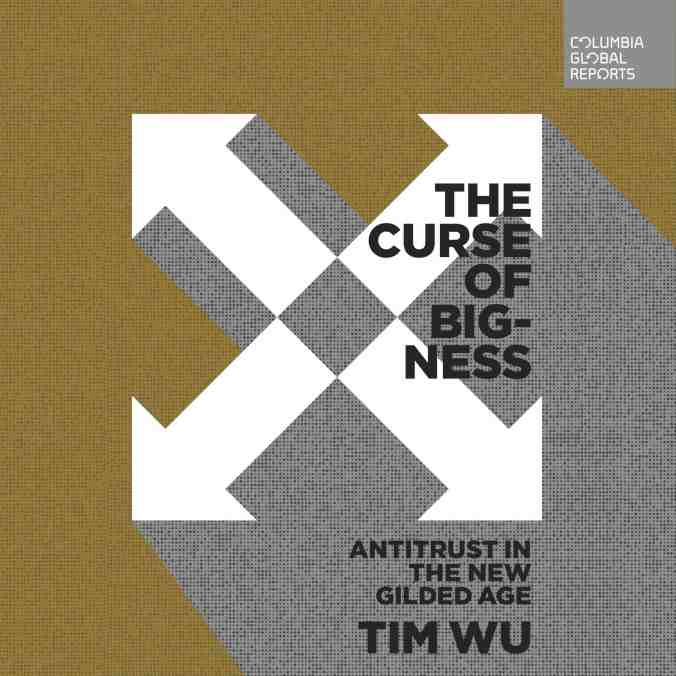
Tim Wu’s New Book, The Curse Of Bigness

WuBig.jpg

In my occasional posts about Amazon over the past few years, it is becoming clear to me that I am concerned about the dangers that come from some of the foundational principles of business management, such as excellent customer service, and scale. I have not read his new book yet, but I listen to and read Tim Wu whenever I see an opportunity. His publisher has this to say:

So, I look forward to learning more about it. Today’s episode of The Daily has useful commentary on Amazon-related topics. Thanks to David Leonhardt for bringing Tim Wu’s new book to my attention:

The Monopolization of America

In one industry after another, big companies have become more dominant over the past 15 years, new data show.

The popular telling of the Boston Tea Party gets something wrong. The colonists were not responding to a tax increase. They were responding to the Tea Act of 1773, which granted a tea monopoly in the colonies to the well-connected East India Company. Merchants based in the Americas would be shut out of the market.

Many colonists, already upset about taxation without representation and other indignities, were enraged. In response, dozens of them stormed three ships in Boston Harbor on the night of Dec. 16, 1773, and tossed chests of East India tea — “that worst of plagues, the detested tea,” as one pamphlet put it — into the water.

A major spark for the American Revolution, then, was a protest against monopoly. Continue reading

Herbaria, Preservation & Science

062617_Herbarium_039.jpg

Charles Davis, director of the Harvard University Herbaria, looks at specimens collected by Henry David Thoreau. Davis was a co-editor of a special issue of Philosophical Transactions B, which advocates for the continued preservation of biological collections. Jon Chase/Harvard file photo

Collecting plant specimens and pressing them for further inspection is a pastime many of us have tried at least once in our lives. It was fun while it lasted. And some beautiful mementos may have survived to tell the tale. The opportunity to look at and learn from plant specimens collected by Henry David Thoreau? Priceless. Thanks to Peter Reuell, a writer and publicist at Harvard University, for this:

Critical collections

Importance of biological samples and their preservation goes beyond the obvious

062617_Herbarium_009.jpg

The Harvard University Herbaria holds a specimen of trillium collected by Henry David Thoreau. Jon Chase/Havard file photo

More than a century ago, when botanists and naturalists were in the field collecting plant and animal specimens, they couldn’t have imagined that scientists would one day be able to extract DNA from samples to understand how plants and animals are related to one another.

They couldn’t have imagined that their collections could one day shed light on the effects of global climate change, or the emergence and spread of pathogens, the spread of fungal-driven amphibian extinction, or the effectiveness of policies aimed at reducing pollution in the U.S. Continue reading

News & Perspective

lead_720_405 (4).jpg

Firefighters battle the King Fire near Fresh Pond, California, in September 2014. NOAH BERGER / REUTERS

Posts like this one tend to not fare as well with readers visiting our platform. Whoever makes their way here is normally looking for what we normally offer, stories about entrepreneurial conservation. Which we believe can be a winning formula for the challenges at hand. But from time to time, we must acknowledge that the odds look grim.

merlin_146590158_372cbff0-acb2-4bf5-8308-f9b1c200405d-jumbo.jpg

Fighting the Camp Fire this month in Magalia, Calif. Credit Justin Sullivan/Getty Images

Two articles, both very well written, about the report warning of the dangers of climate change to the US economy, note that the report is not likely to have much impact. Because of Black Friday? No, because the forces behind willful ignorance have been at it for a long time, with plentiful resources to strengthen their game. This cartoon says more in fewer words than either article on why. Nathaniel Rich’s short essay, dark and stark and alarming, is akin. Bill McKibben, though, once again hits the nail squarely and firmly, and more effectively than news, because of his trench-based perspective:

181126_r33282.jpg

California is currently ablaze, after a record hot summer and a dry fall set the stage for the most destructive fires in the state’s history. Above: The Woolsey fire, near Los Angeles, seen from the West Hills. Photograph by Kevin Cooley for The New Yorker

How Extreme Weather Is Shrinking the Planet

With wildfires, heat waves, and rising sea levels, large tracts of the earth are at risk of becoming uninhabitable. But the fossil-fuel industry continues its assault on the facts.

Thirty years ago, this magazine published “The End of Nature,” a long article about what we then called the greenhouse effect. I was in my twenties when I wrote it, and out on an intellectual limb: climate science was still young. But the data were persuasive, and freighted with sadness. We were spewing so much carbon into the atmosphere that nature was no longer a force beyond our influence—and humanity, with its capacity for industry and heedlessness, had come to affect every cubic metre of the planet’s air, every inch of its surface, every drop of its water. Scientists underlined this notion a decade later when they began referring to our era as the Anthropocene, the world made by man.

I was frightened by my reporting, but, at the time, it seemed likely that we’d try as a society to prevent the worst from happening. Continue reading